
Low-temperature radiator
Filters
20 products



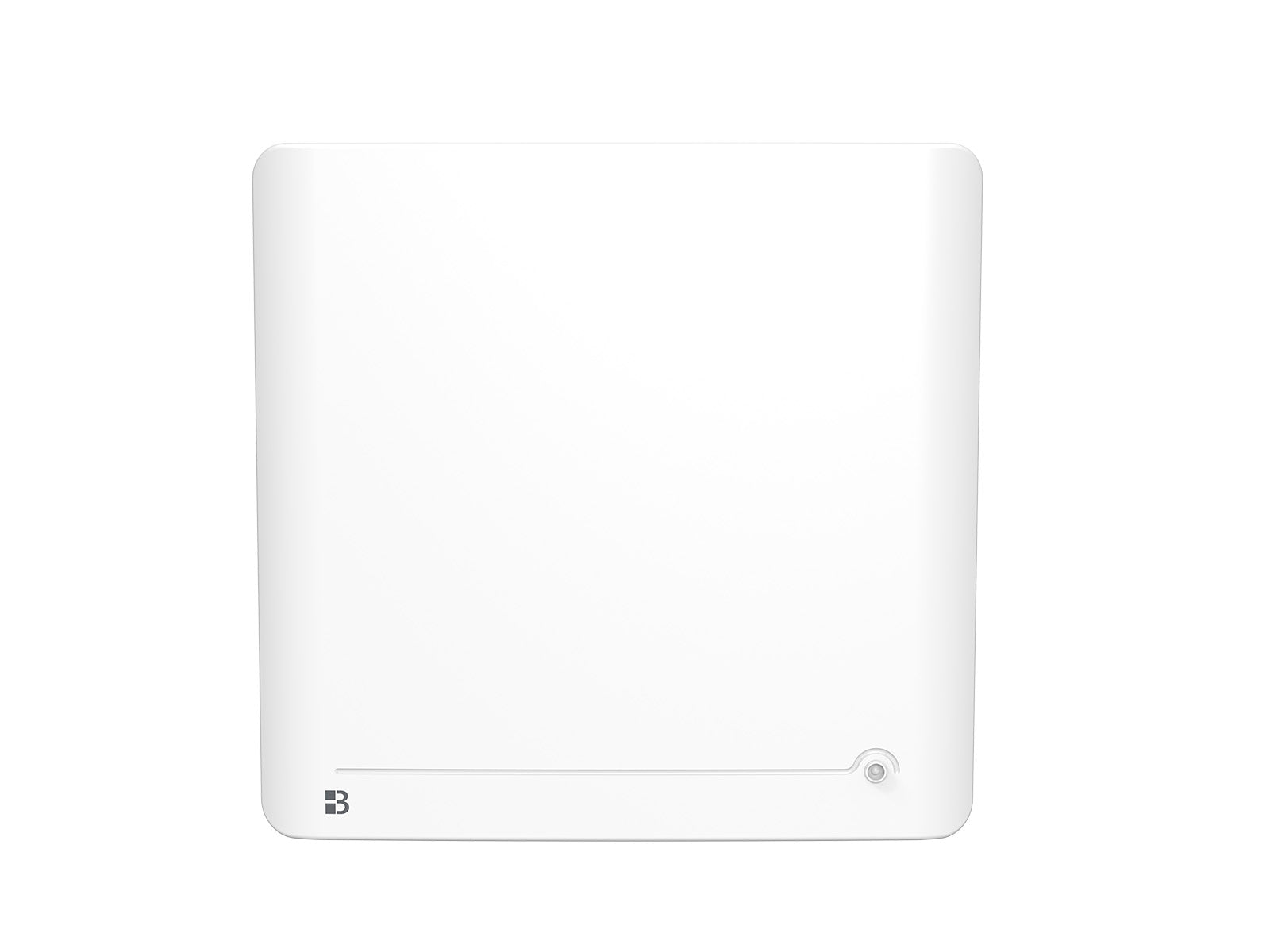
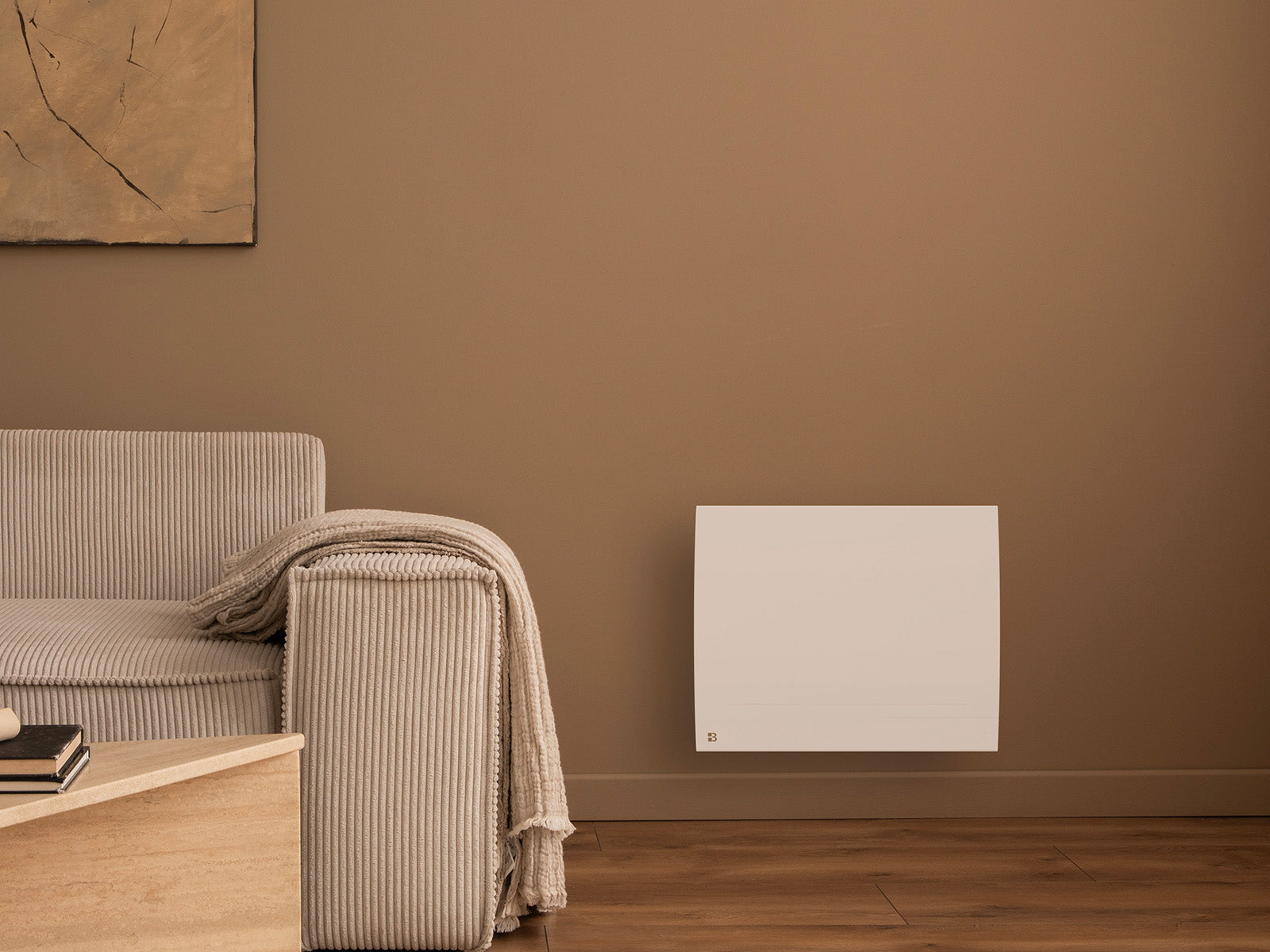

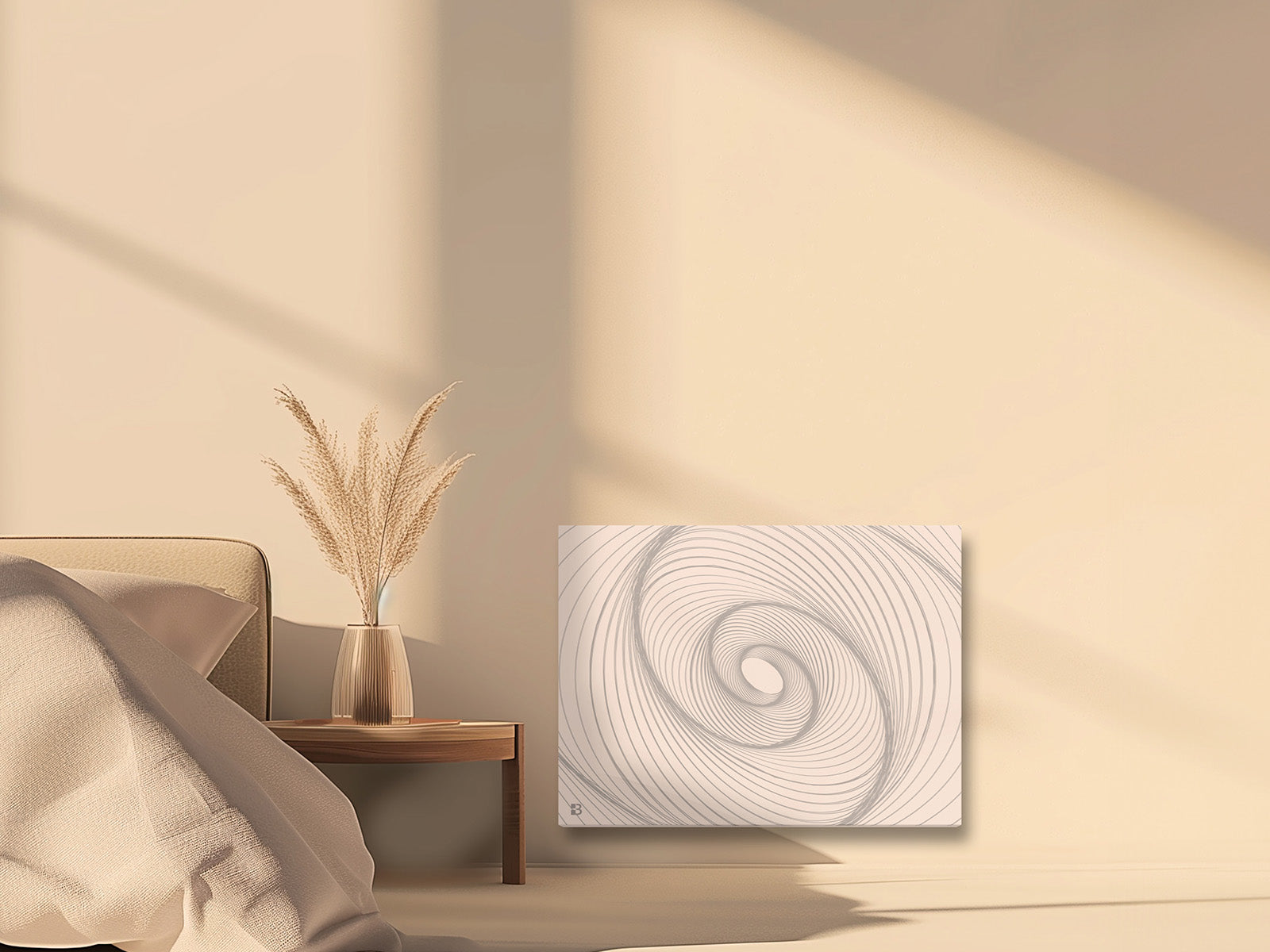
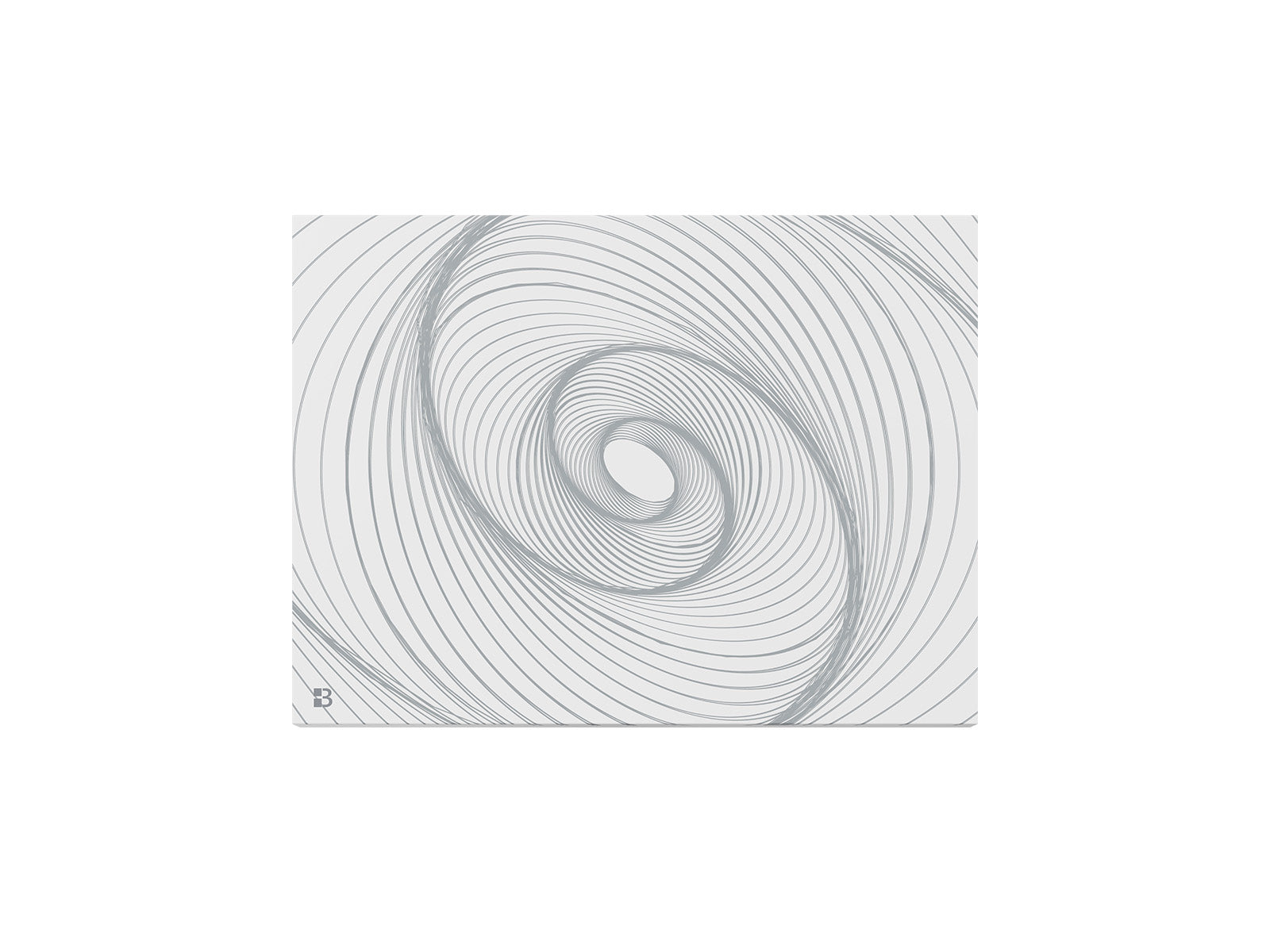
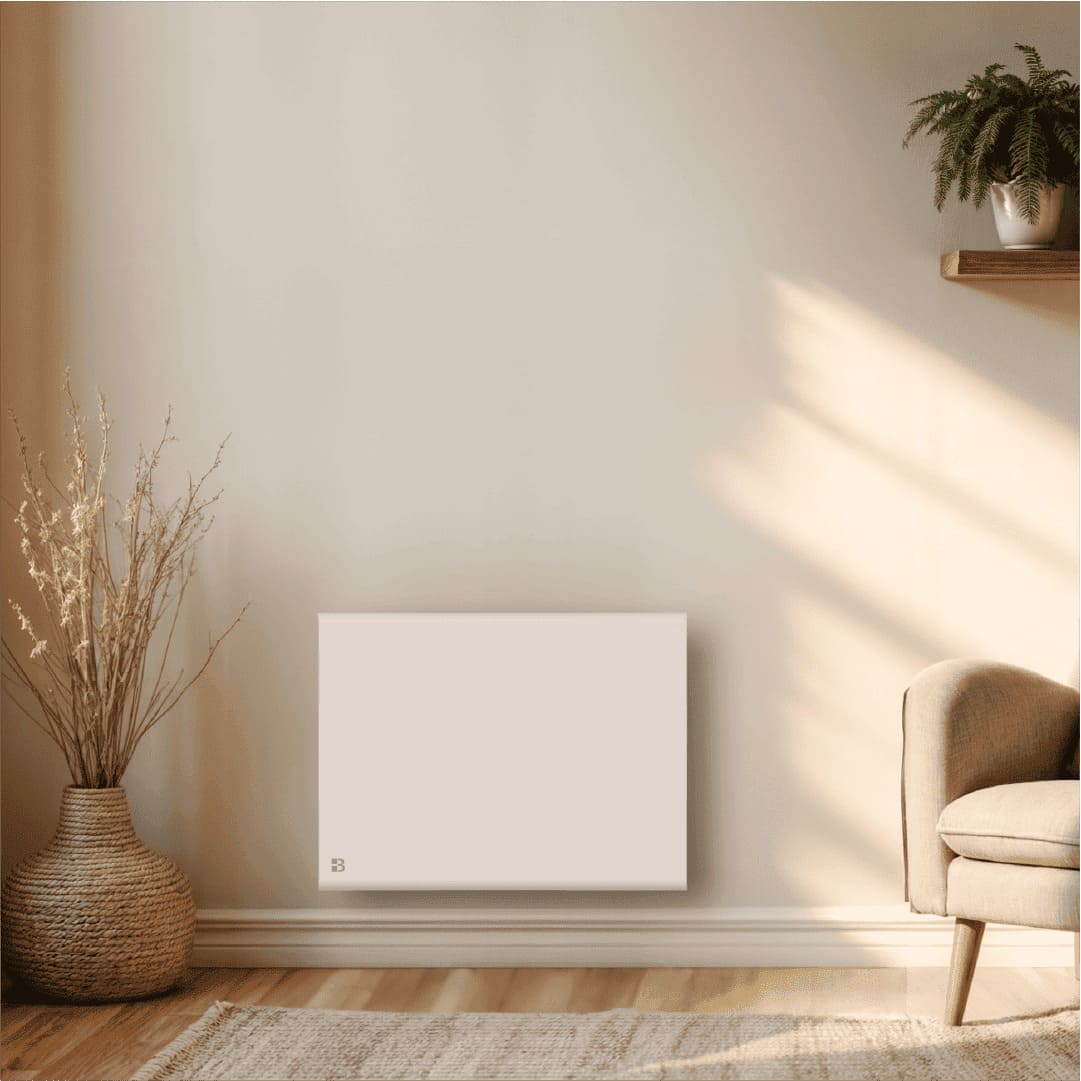



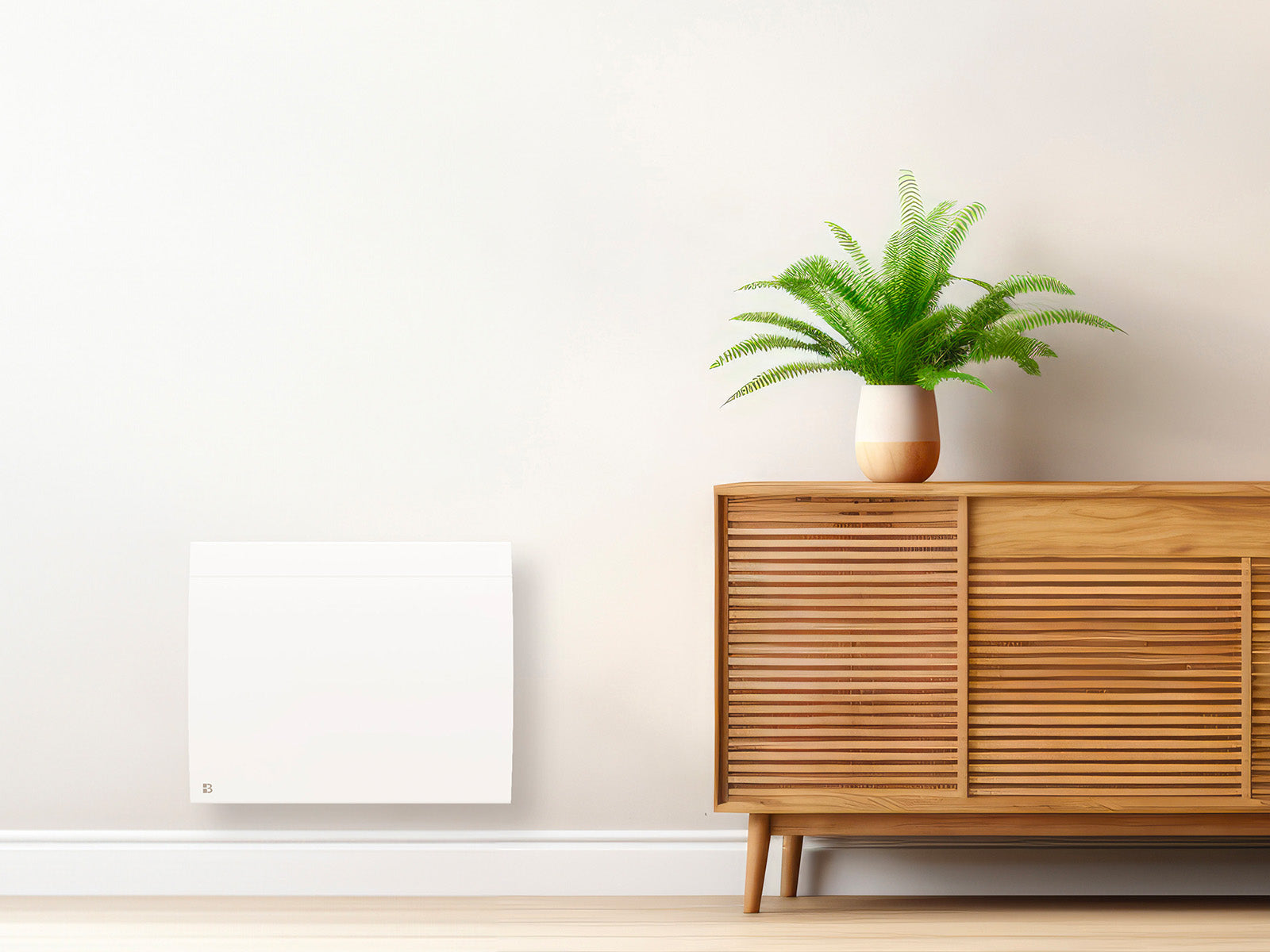

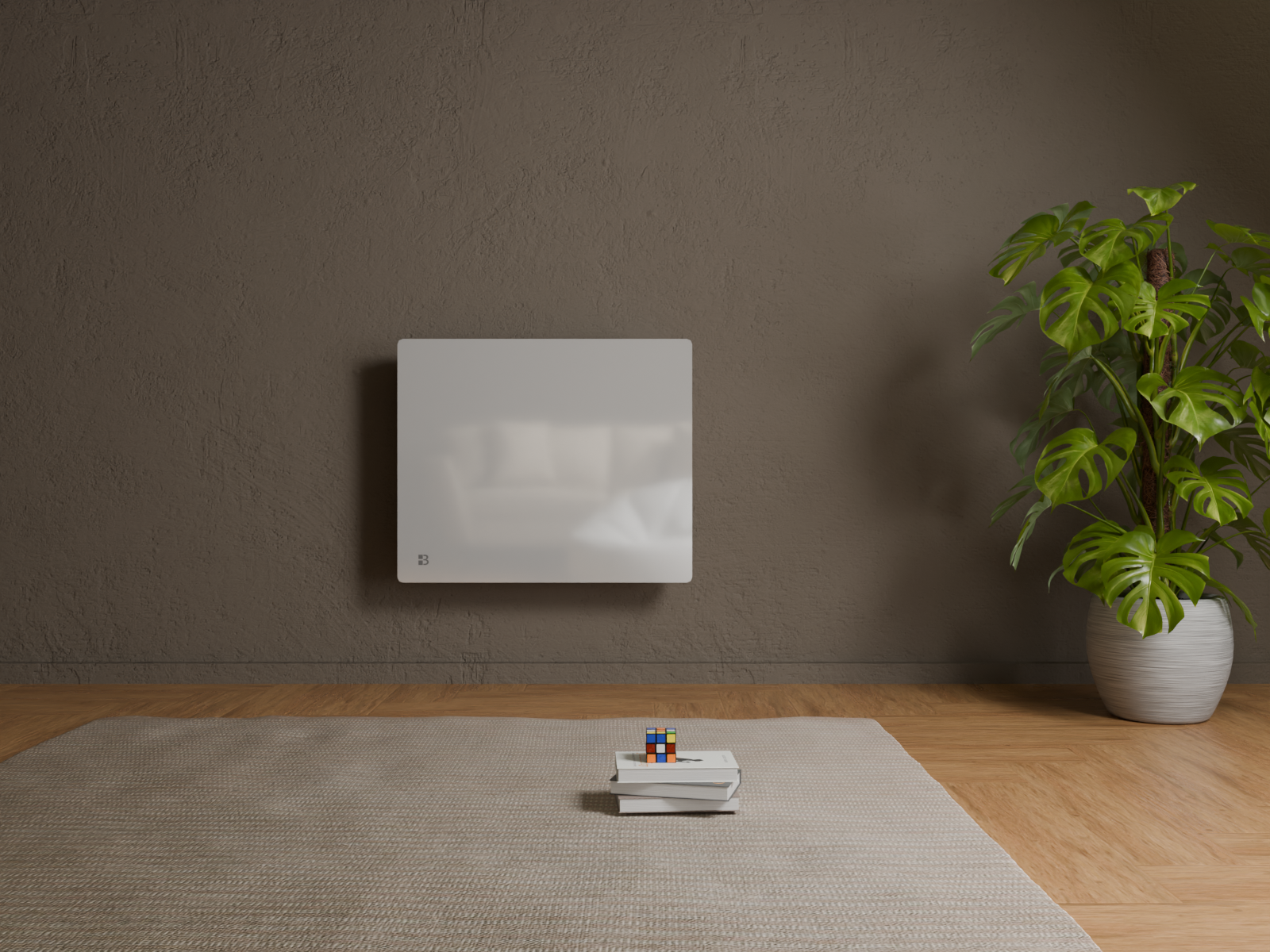

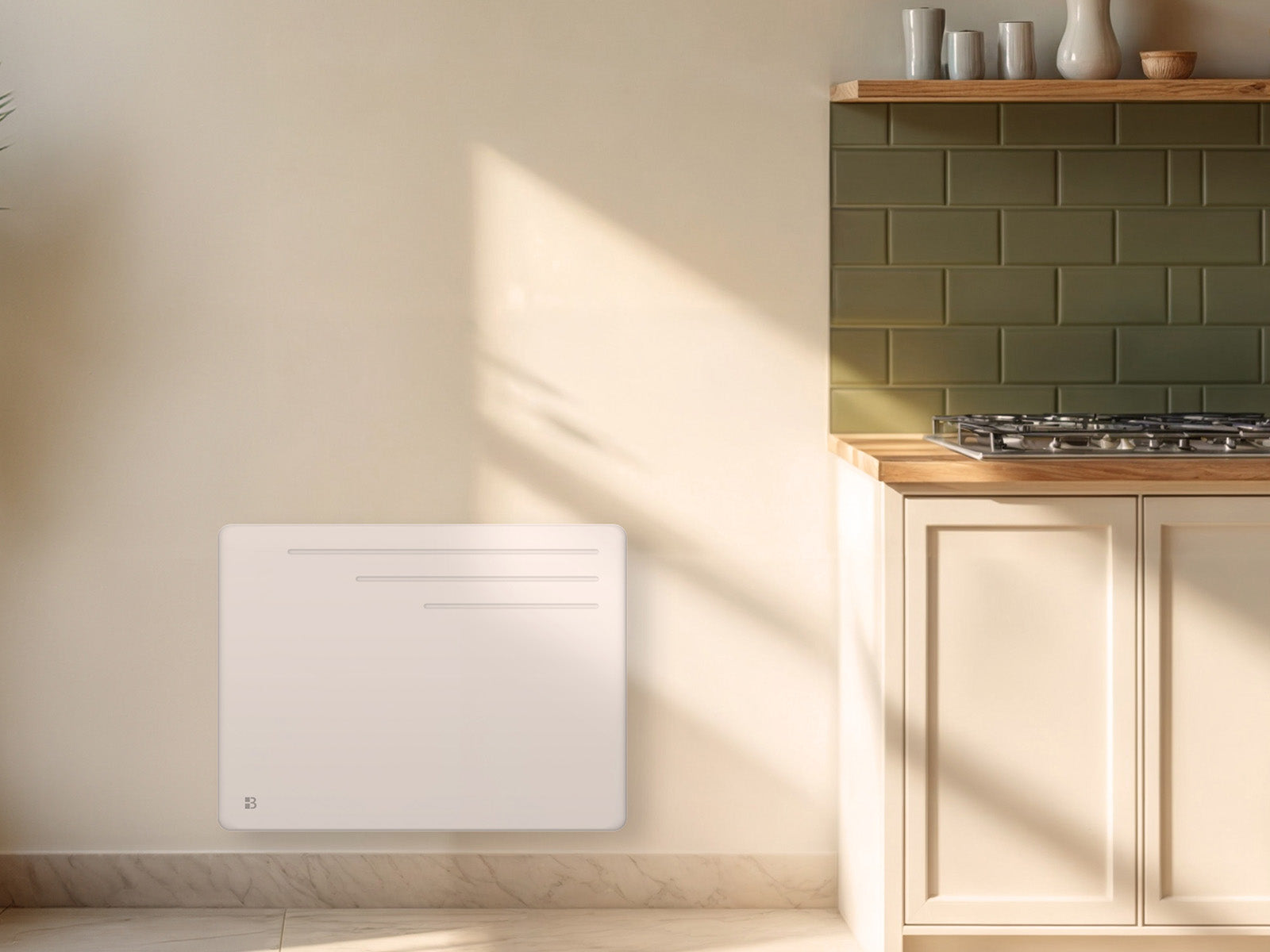







Low-temperature radiator
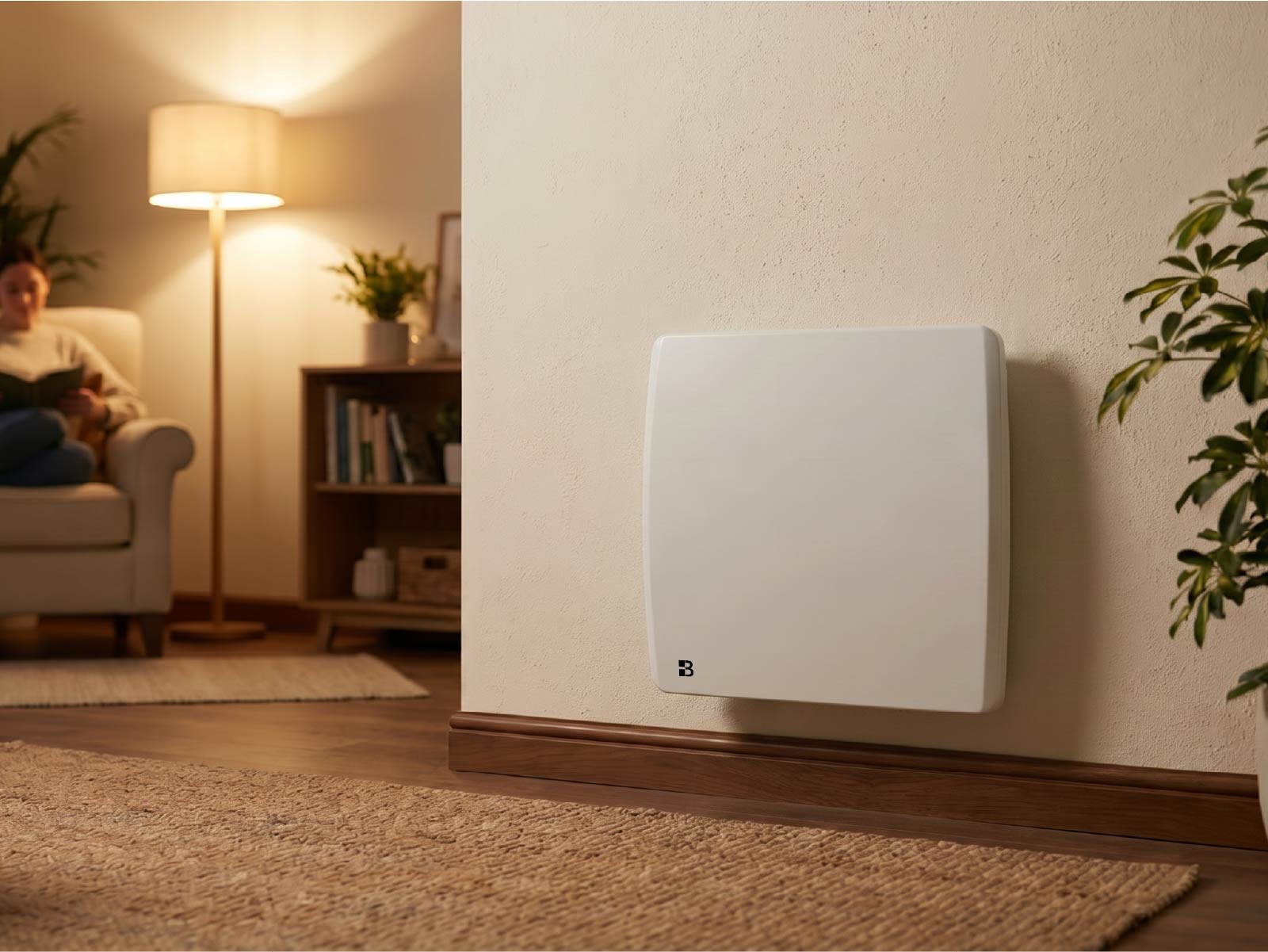
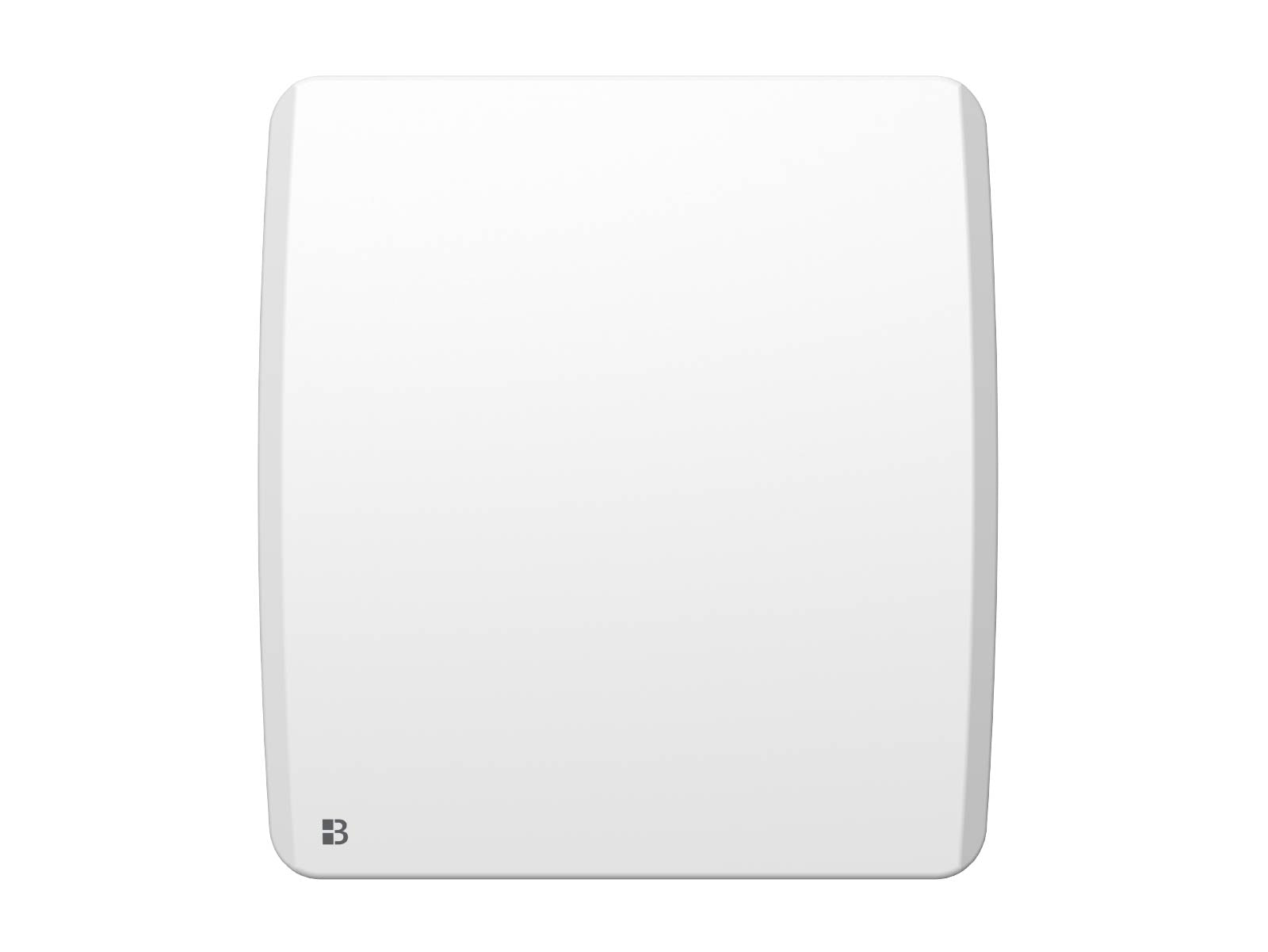
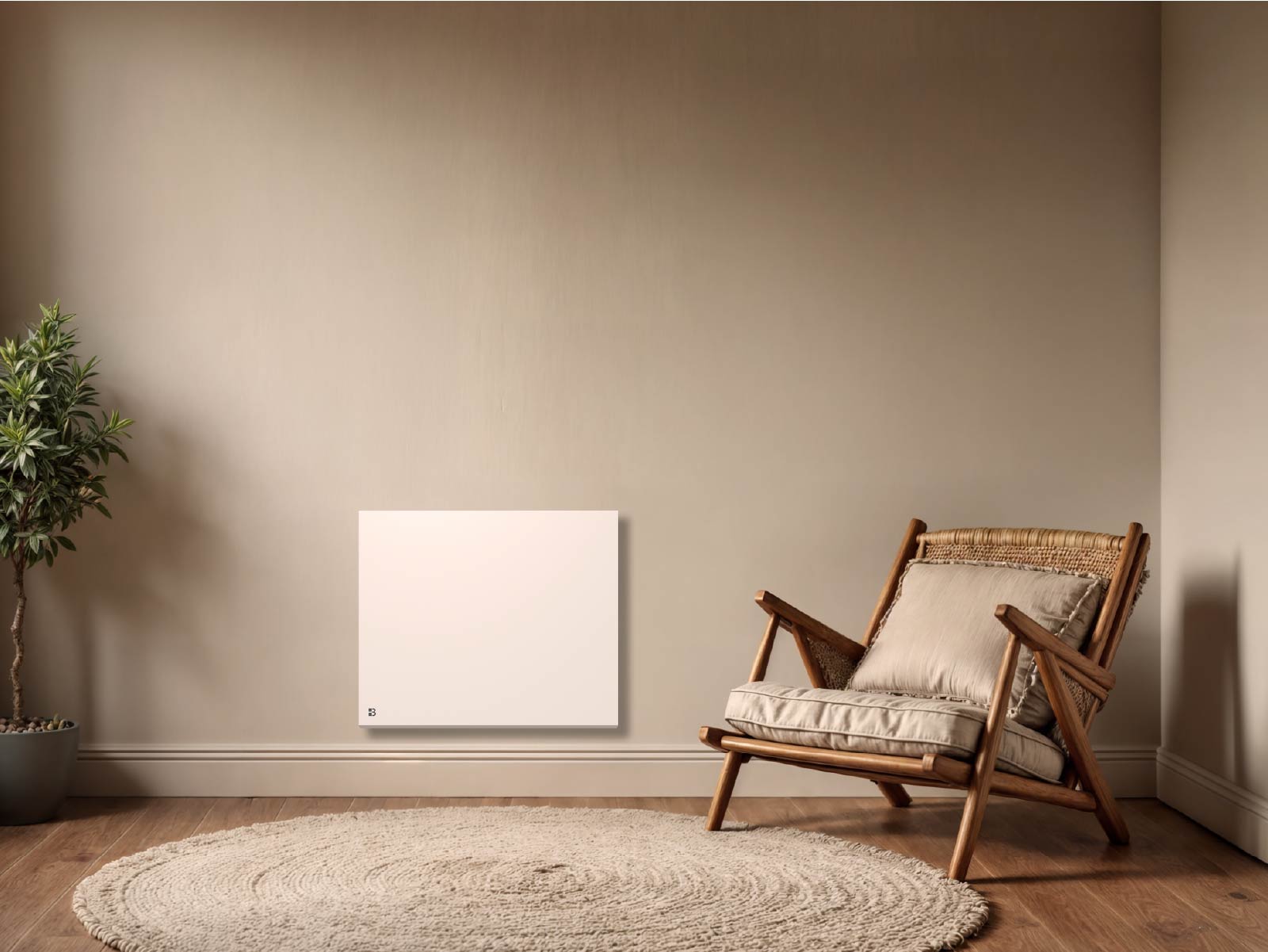
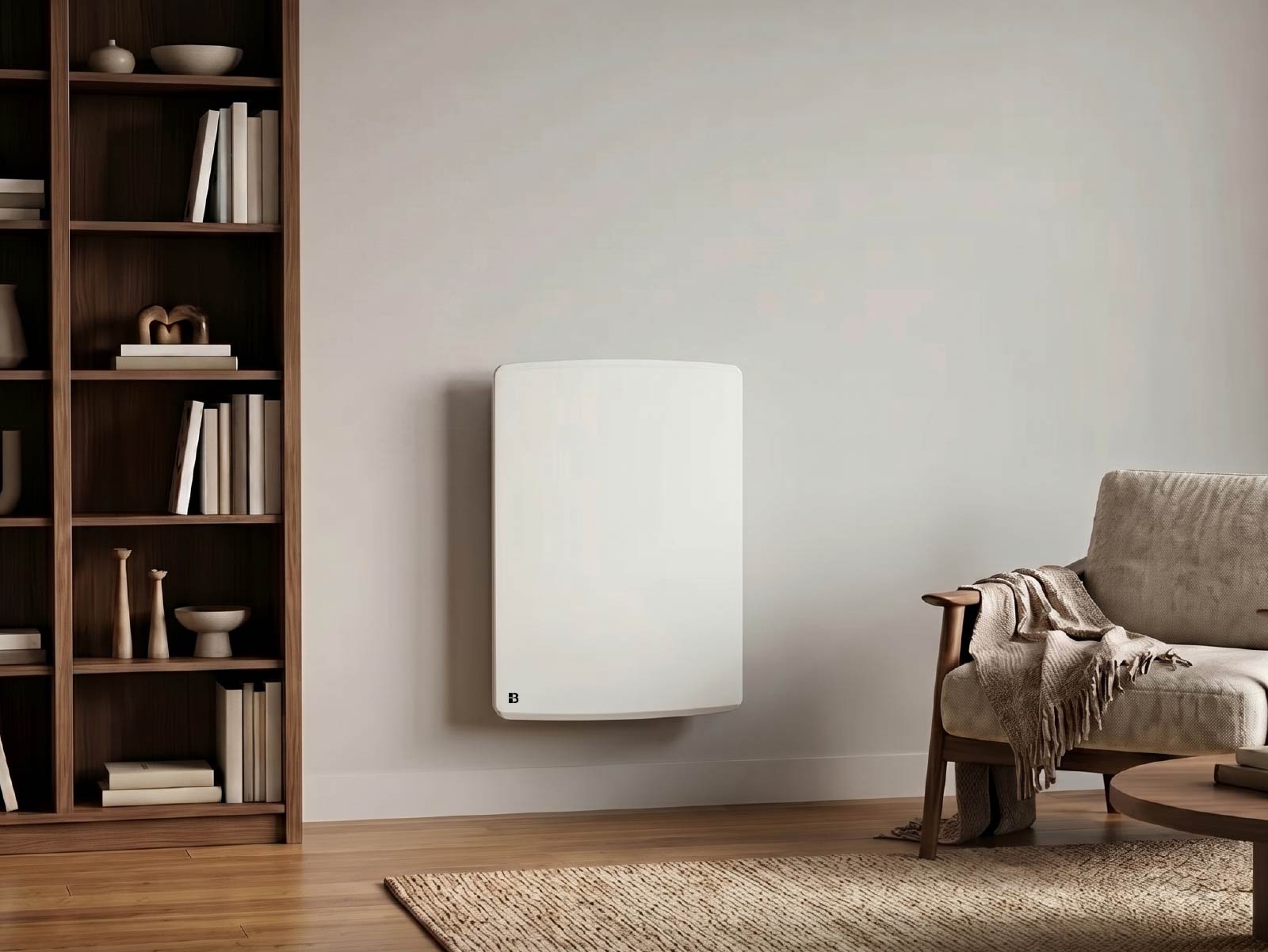
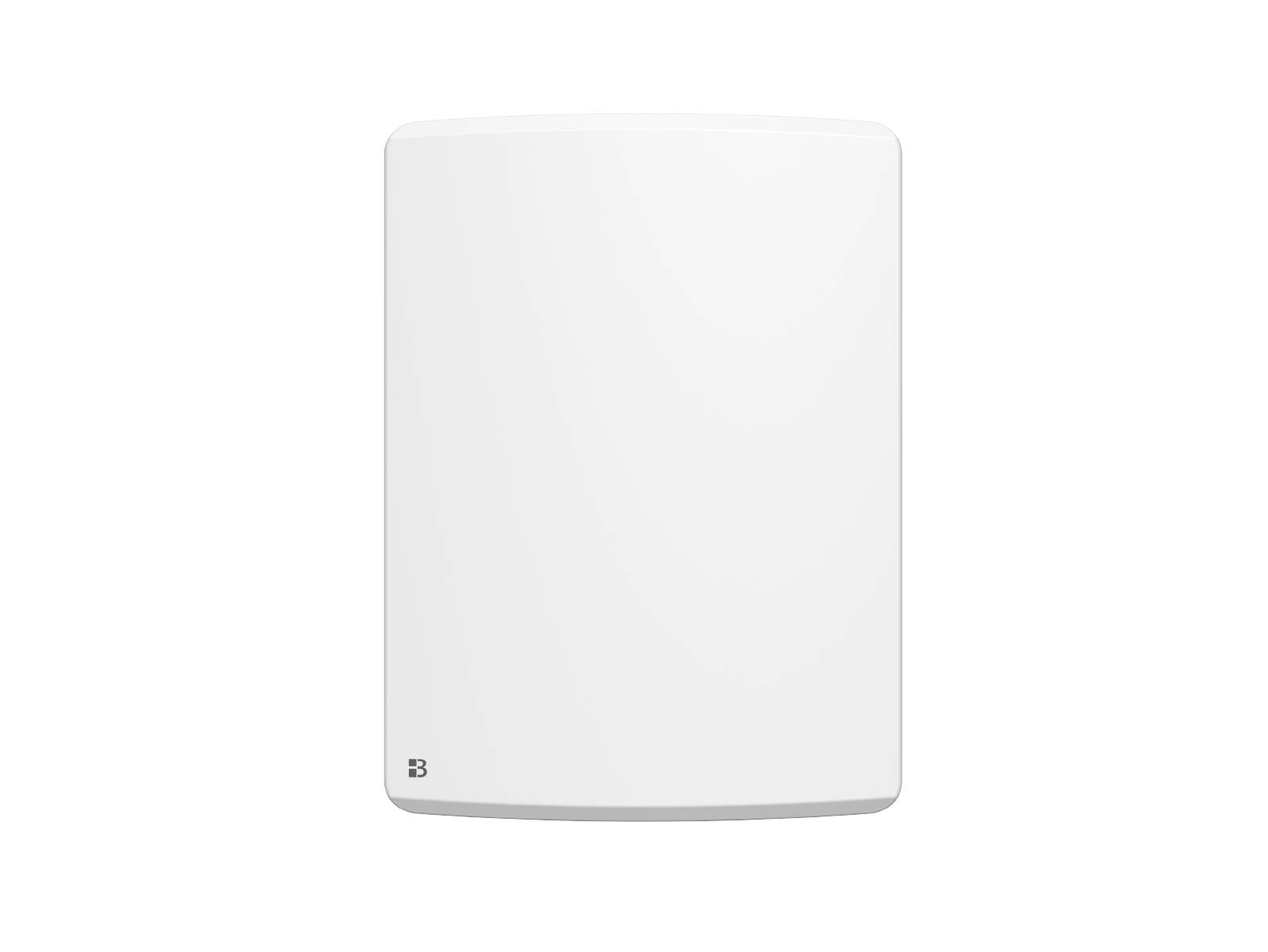
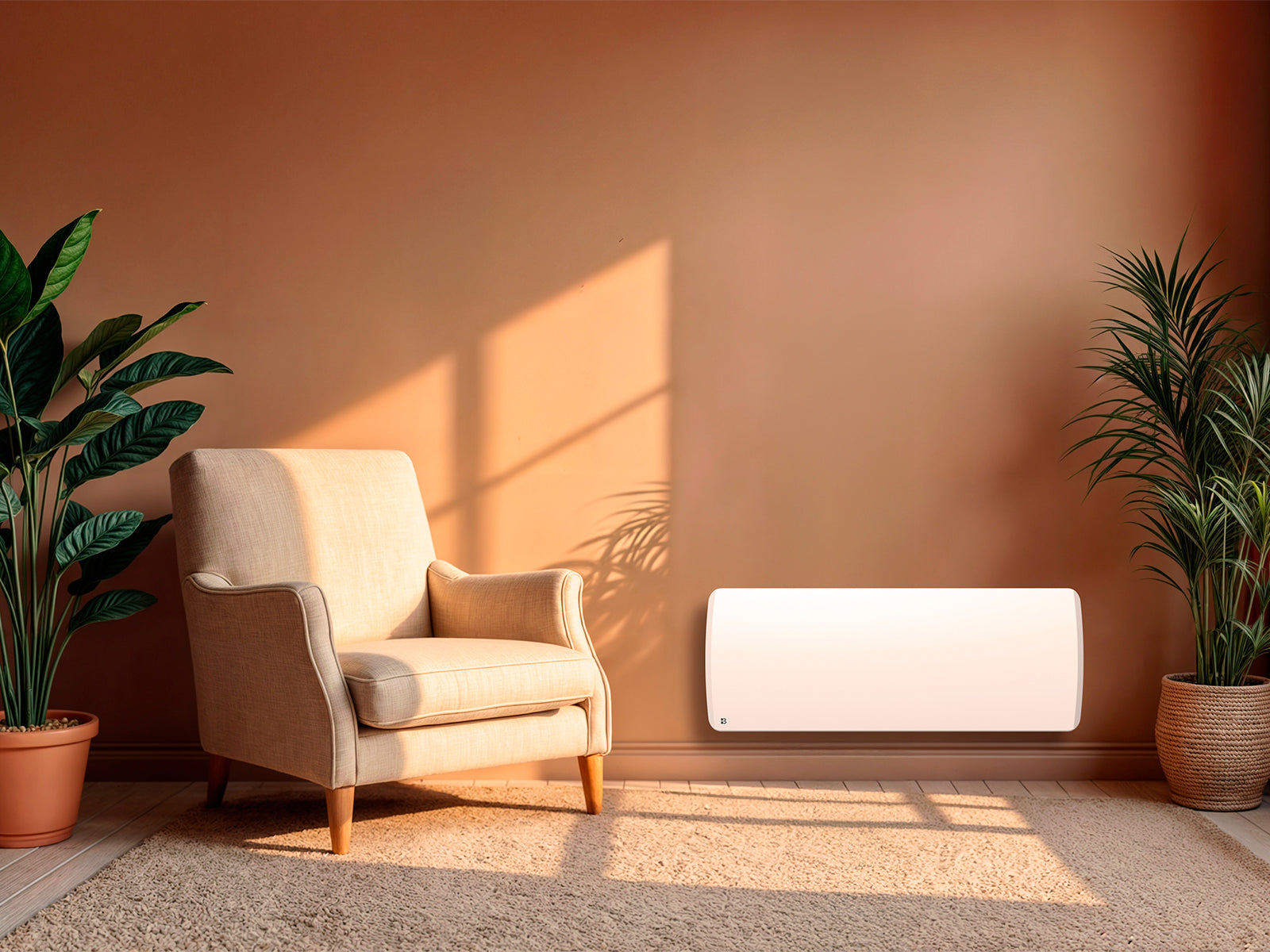
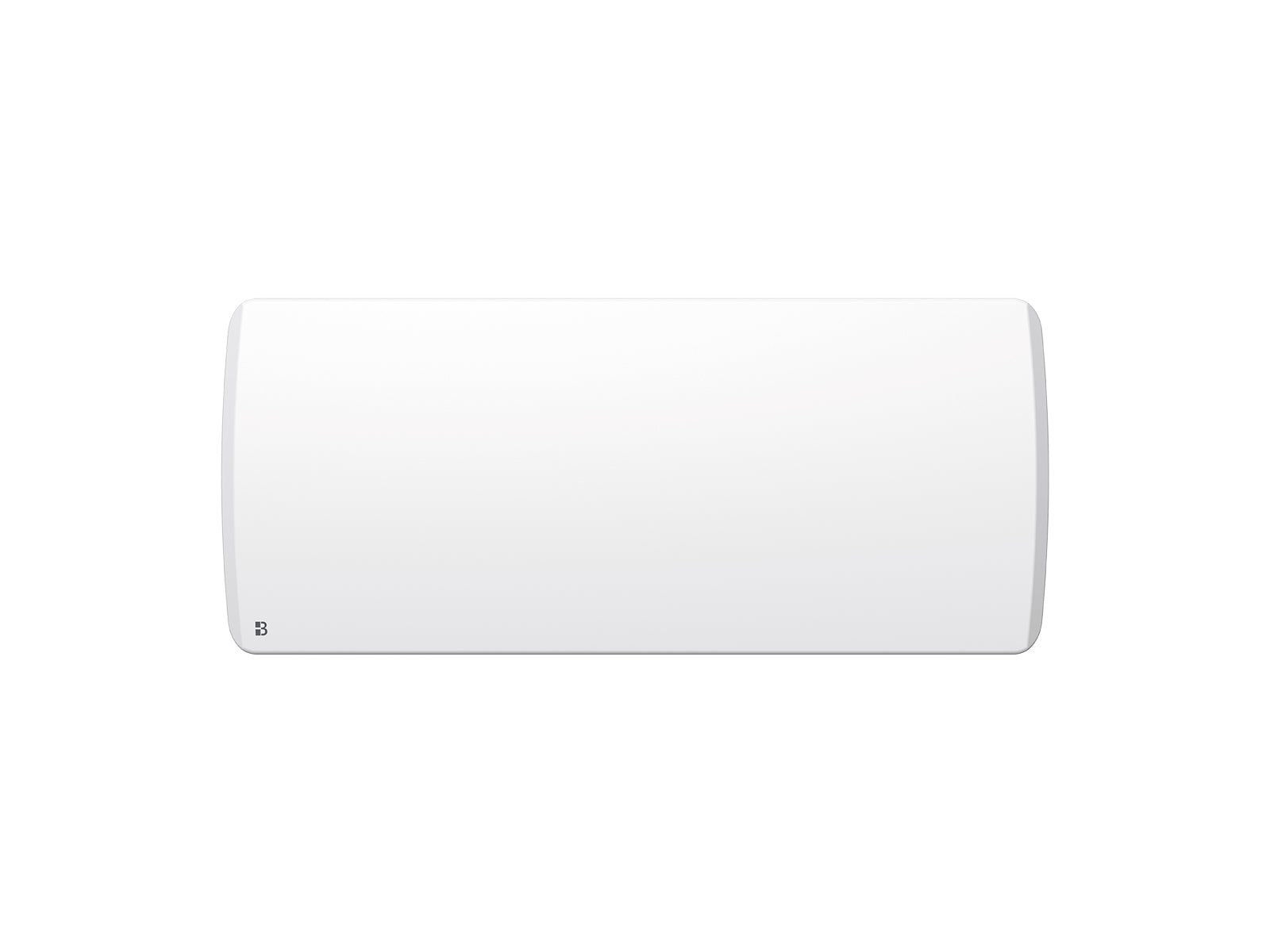
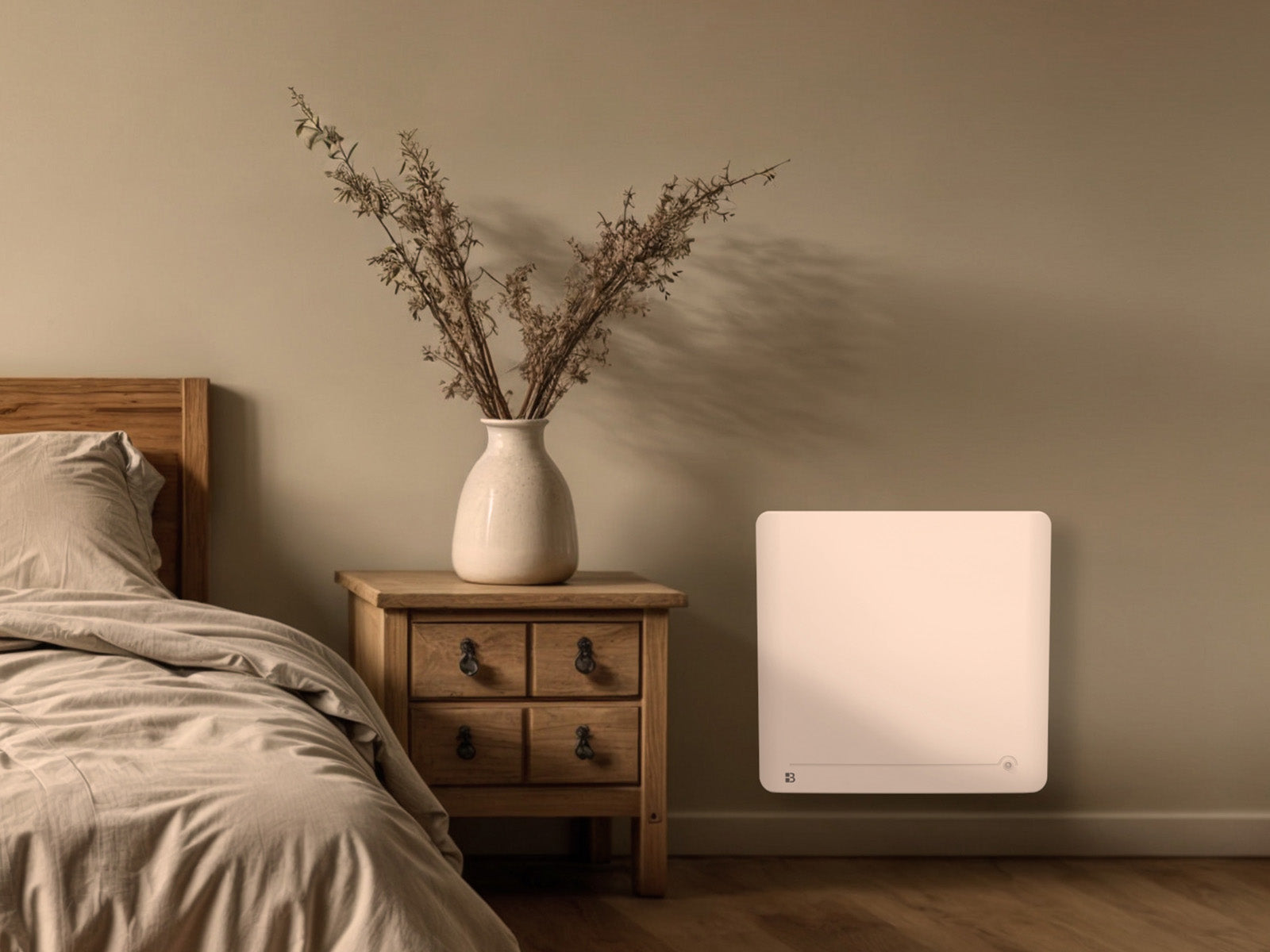
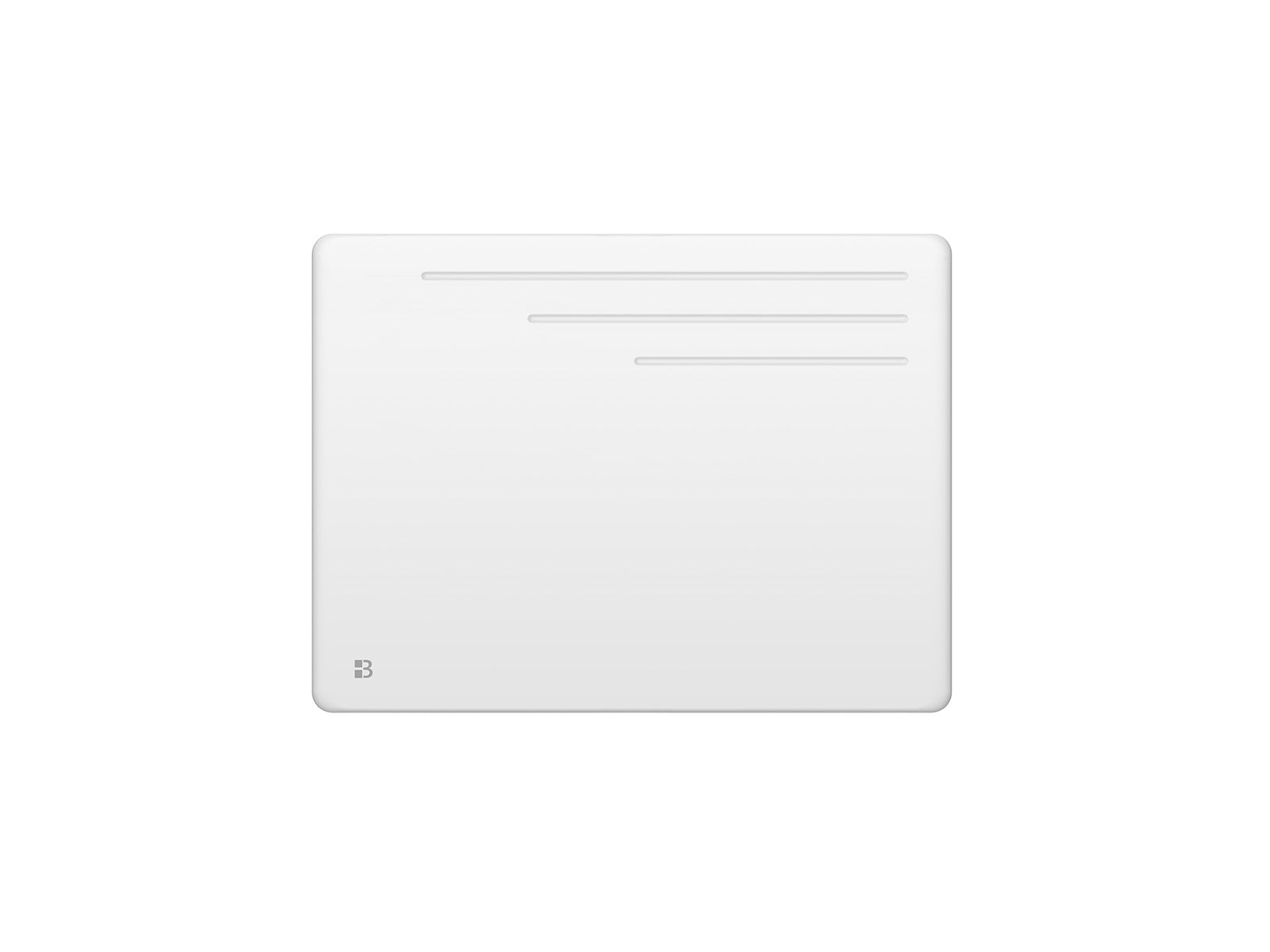
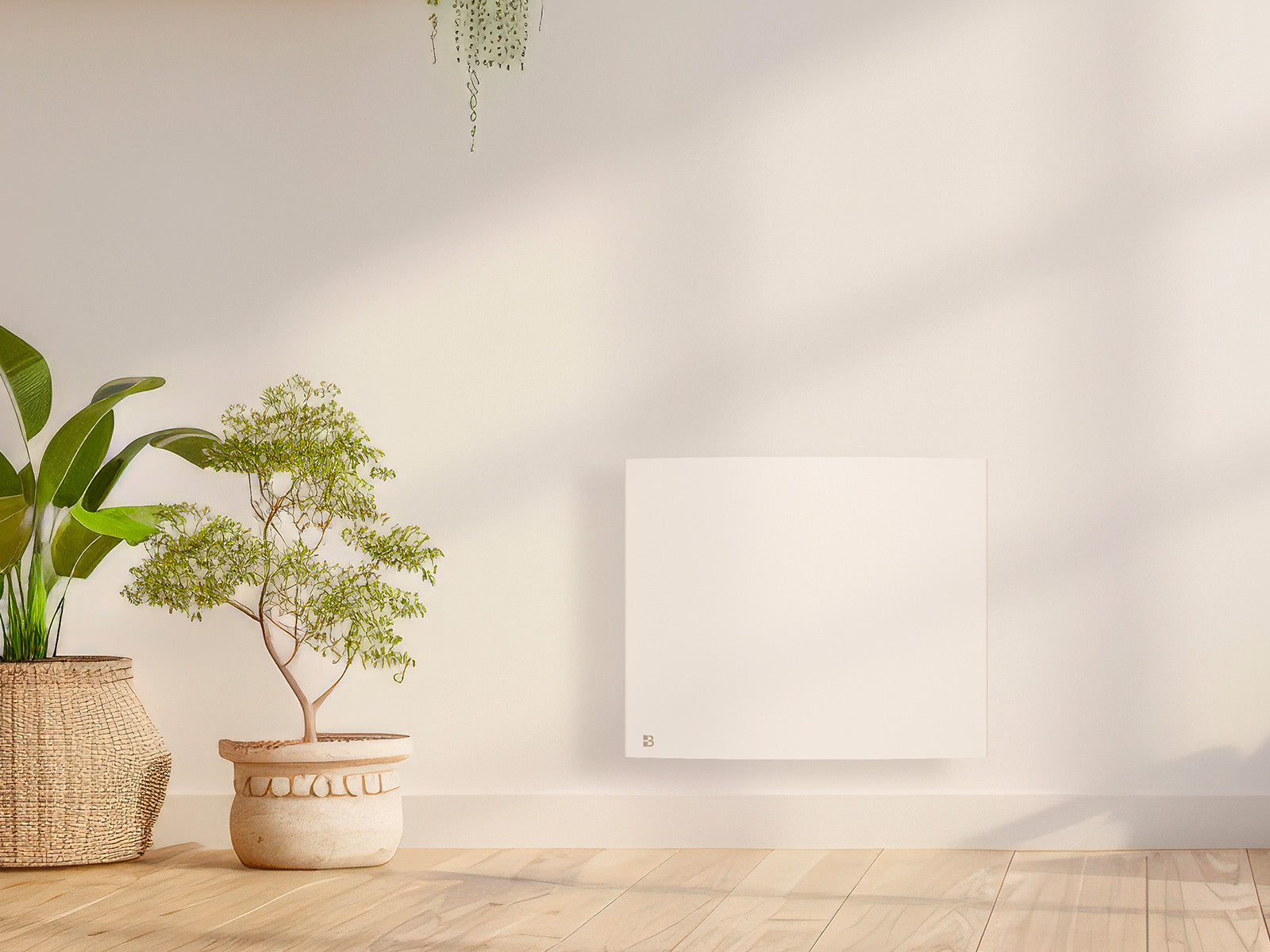
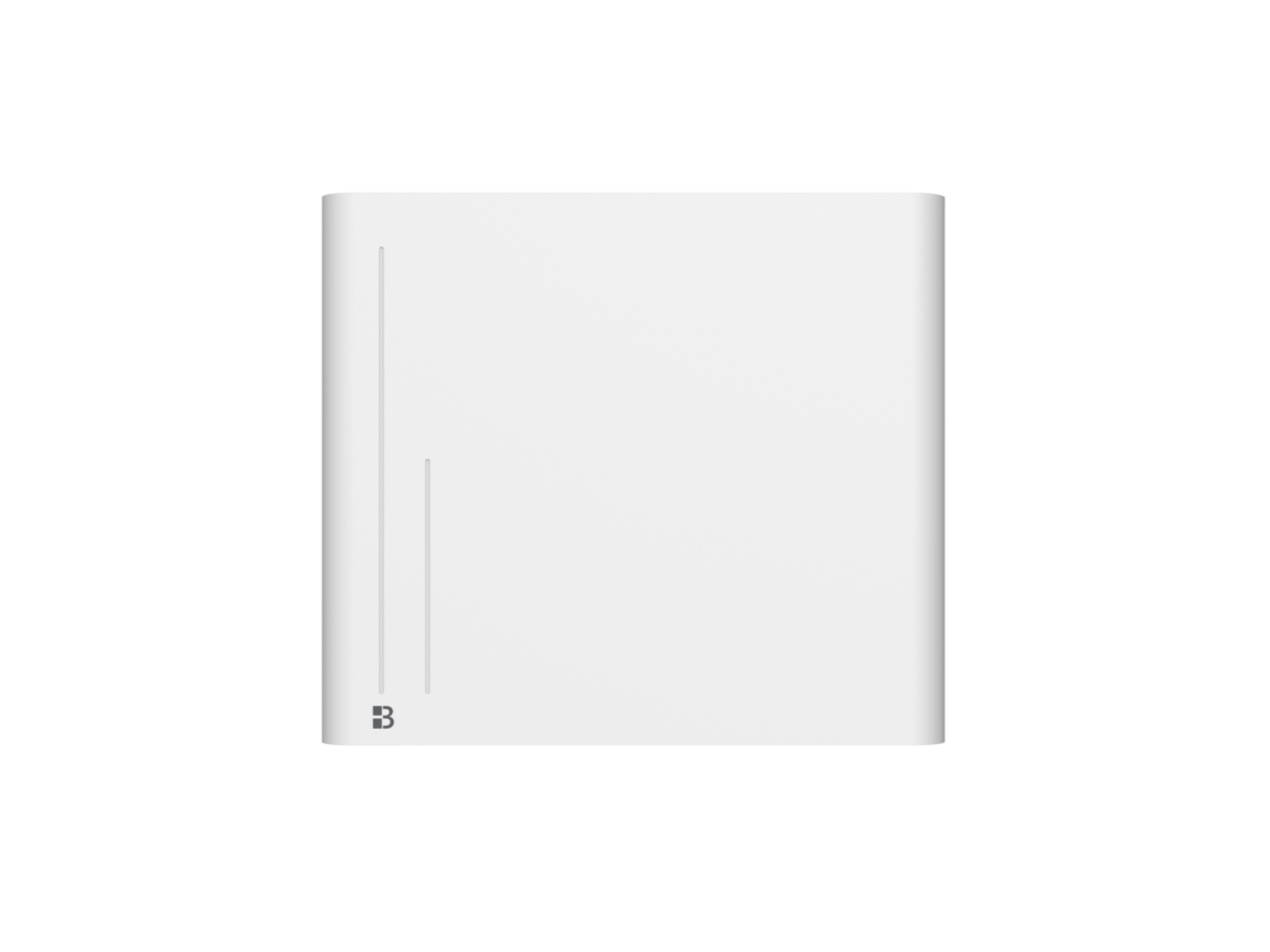
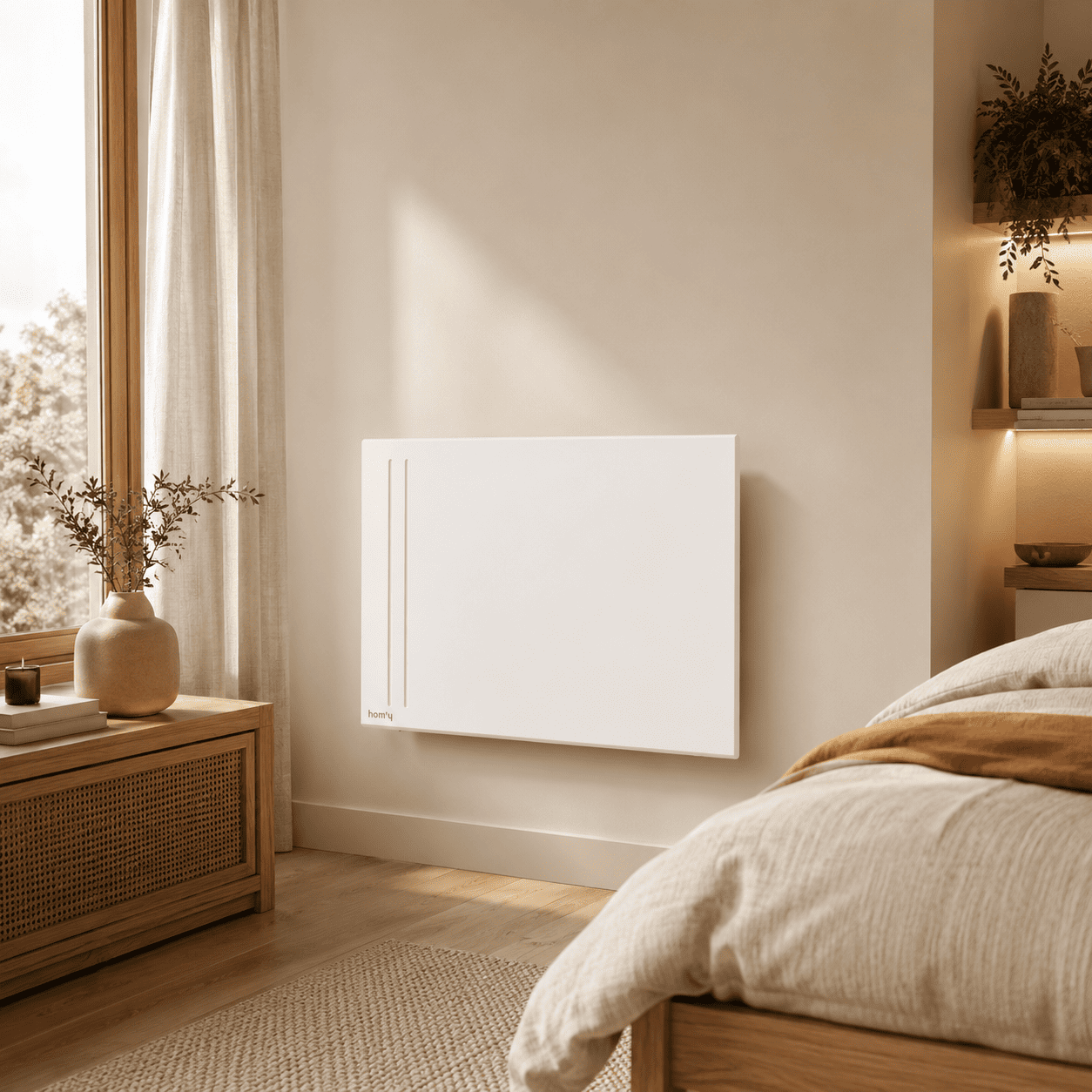
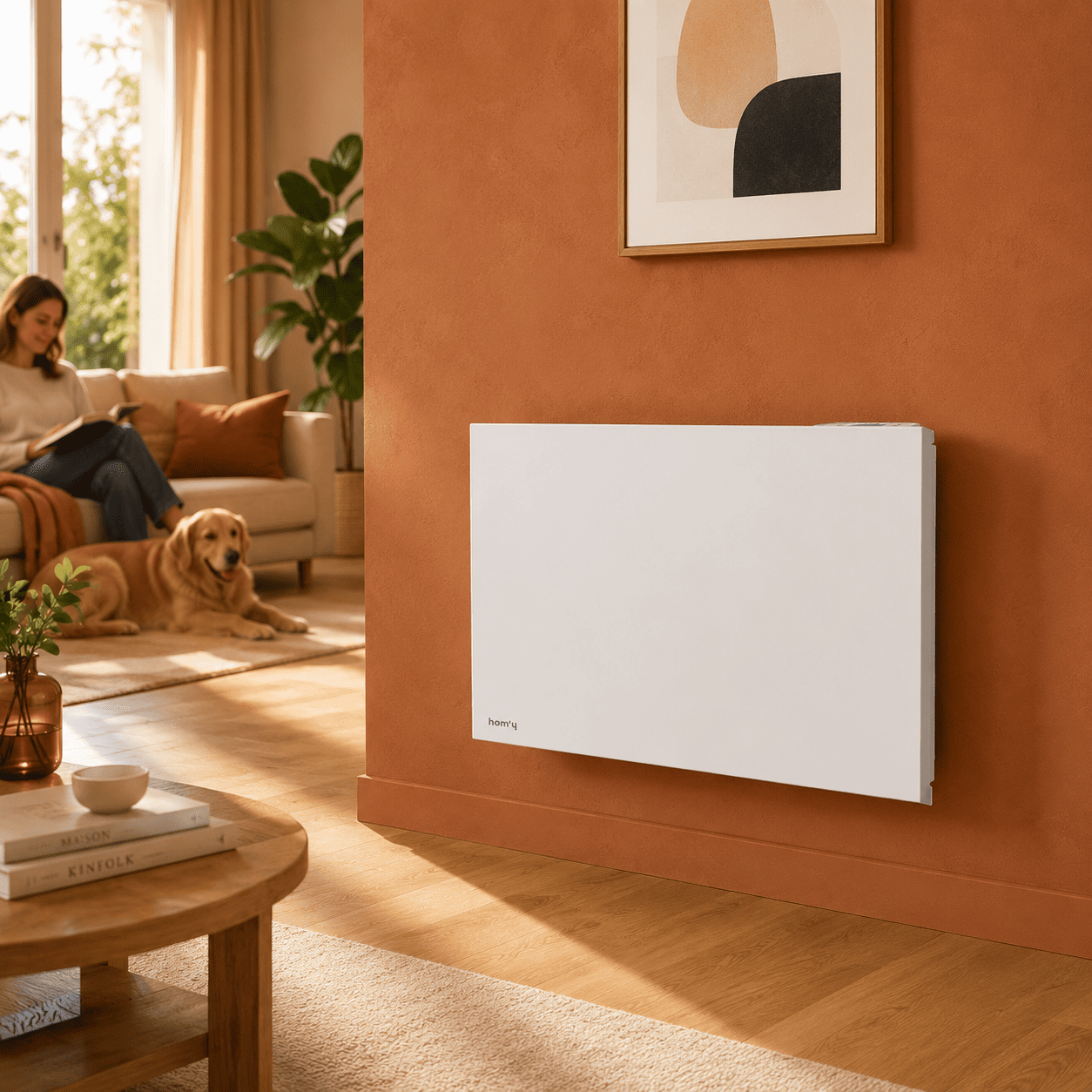
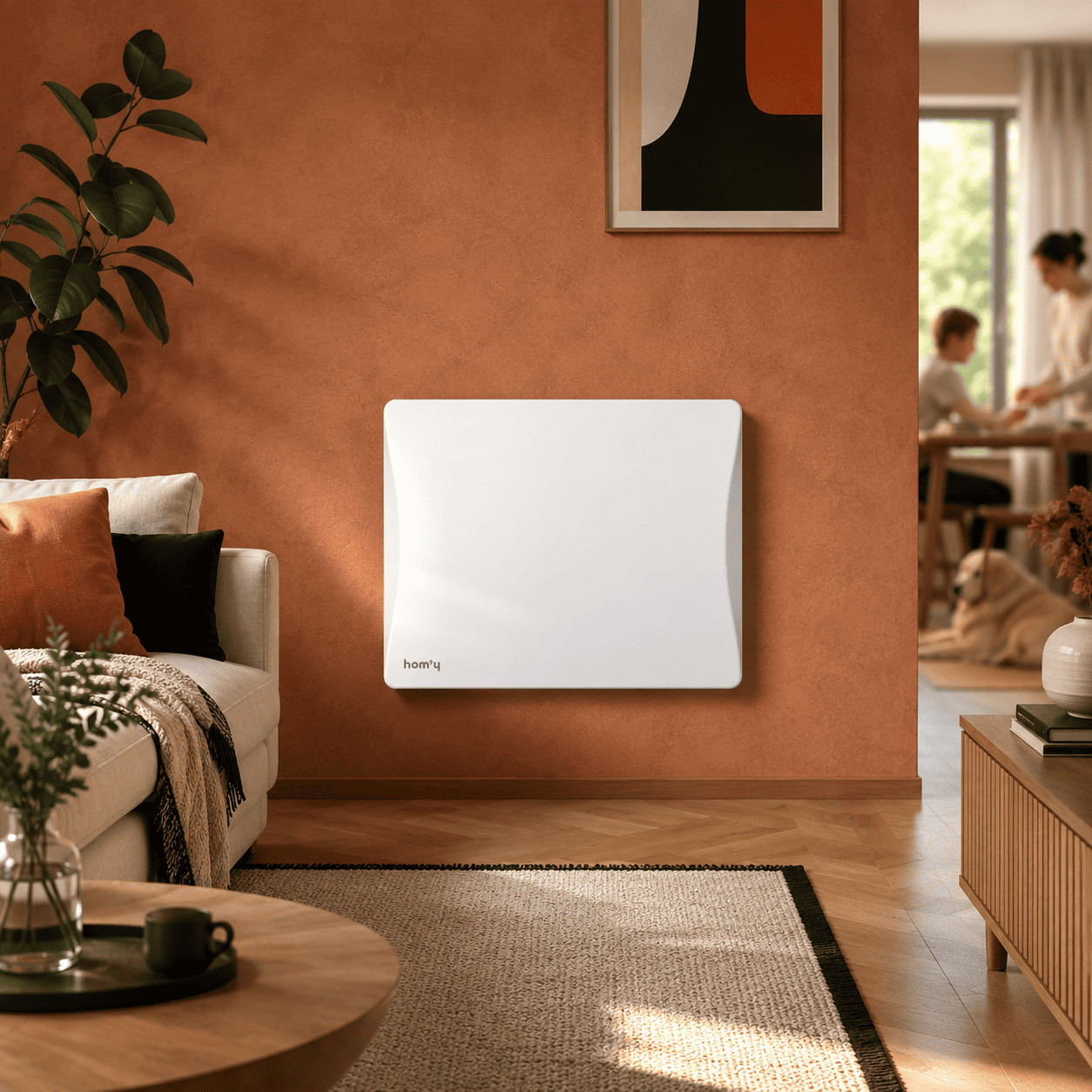
Bestherm low-temperature radiators favor more regular and comfortable heating. Their principle: to diffuse gentle heat over time rather than multiply intense heating phases. Thanks to inertia and precise regulation, they maintain a pleasant temperature while avoiding consumption linked to unnecessary fluctuations.
What is a low-temperature radiator and how does it work?
A low-temperature radiator heats differently from a conventional device: it does not aim to produce strong heat immediately but to maintain a stable comfort level through gradual diffusion. Unlike older systems that heat quickly at high temperatures, it favors a progressive temperature rise and constant heat release.
This approach allows for a more even temperature in the room, without heating spikes or discomfort. Heat is thus better distributed in the room: the radiator operates longer at controlled power to avoid temperature swings and maintain a pleasant atmosphere.
The main advantages of a low-temperature radiator:
This technology fits perfectly within an energy efficiency approach, combining daily comfort with smart consumption management.
Which technology should you choose to optimize thermal comfort with a low-temperature radiator?
The sensation of gentle warmth does not depend solely on the radiator’s temperature. It mainly relies on its ability to store heat and then release it gradually. This is the role of inertia: to avoid temperature fluctuations and extend comfort even when the device reduces its heating.
At Bestherm, our inertia radiators are designed to provide consistent heat distribution and lasting comfort, while adapting to the needs of each room.
Dry ceramic inertia: the secret to gentle warmth
Thanks to its ceramic heating core, the radiator stores the heat produced by the resistance before gradually releasing it. This technology reduces the sensation of on/off cycling and provides a more stable temperature, especially appreciated in living spaces.
Ceramic offers a good balance between responsiveness and inertia: it allows you to quickly enjoy a feeling of warmth while maintaining steady heat diffusion after the heating phase. For optimal comfort, ceramic inertia radiators provide even heat distribution while limiting energy consumption.
Cast iron heating cores for maximum accumulation
Cast iron is a material known for its ability to store heat for a long time. A radiator equipped with a cast iron heating element slowly releases heat even after the device is turned off.
Thanks to this accumulation capacity, cast iron continues to gradually release heat and helps maintain a more stable temperature in the room. Discover our devices using cast iron inertia technology, ideal for living spaces where thermal comfort is a priority.
Smart radiators for degree-precise regulation
A low-temperature radiator is even more efficient when paired with precise regulation. Thanks to an electronic thermostat, the device automatically adjusts its operation to maintain the desired temperature while avoiding unnecessary consumption.
Depending on the model, smart features include:
- to automatically adjust heating periods to your lifestyle;
- to schedule the temperature according to the time of day;
- to limit consumption related to unnecessary heating,
- to monitor your consumption in real time (depending on the model).
To improve daily comfort while reducing energy consumption, smart radiators, connected electric radiators, and solutions with interchangeable thermostats allow for more efficient heating control.
The selection criteria for your heating installation
The choice of a low-temperature radiator depends on your home's layout, the area to be heated, and your usage habits. A properly sized device ensures better efficiency and avoids excessive electricity consumption.
The overall heating efficiency also depends on the room environment: insulation, air circulation, and humidity level directly influence the performance of thermal emitters.
| Type of need | Recommended technology | Main benefit |
|---|---|---|
| Living room (lounge, sitting room) | Cast iron radiator | Gentle, constant, and lasting heat |
| Large room or open space | Double heating core / double cast iron | Even heat distribution and better inertia |
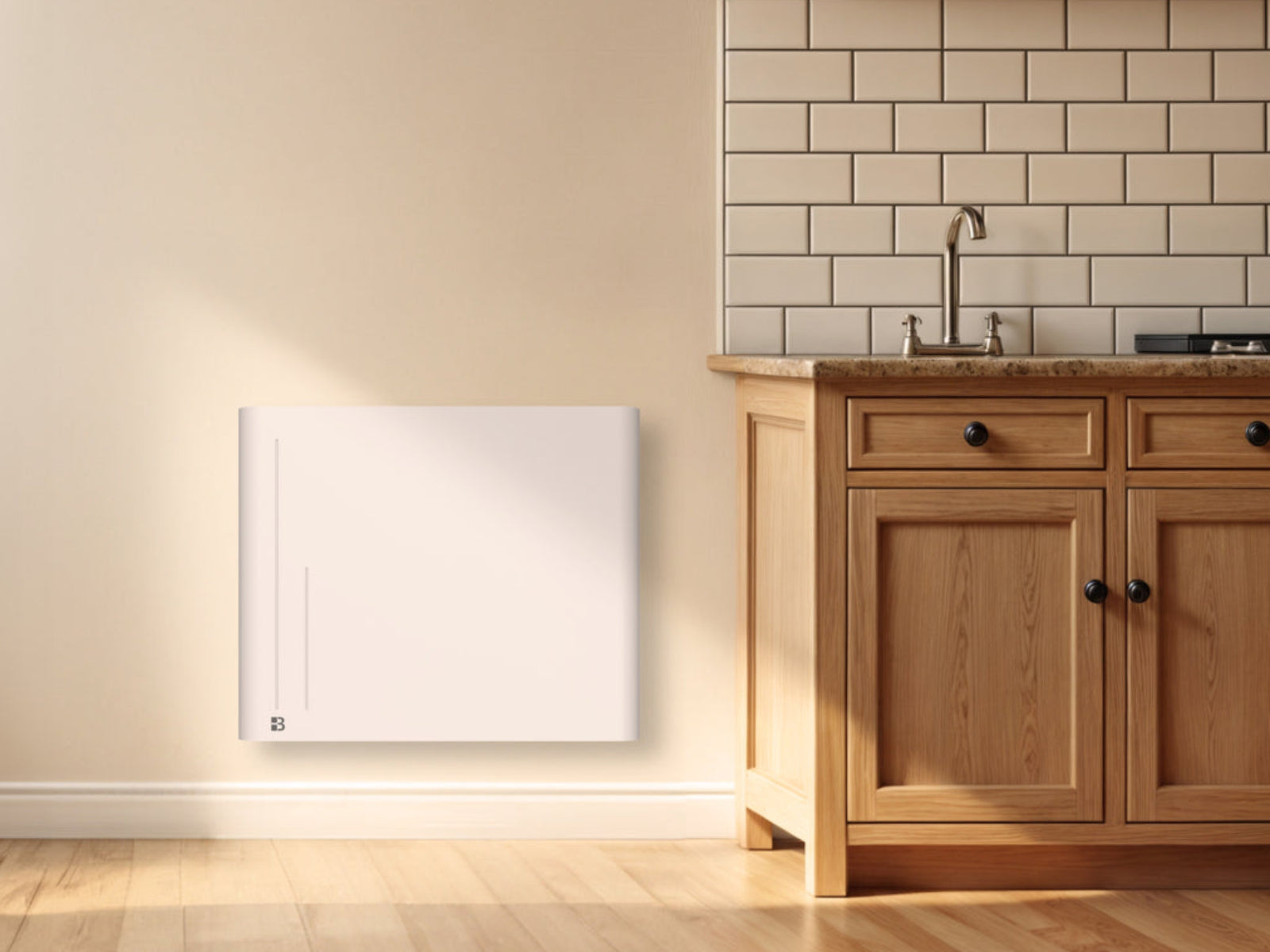
| Kitchen | Double ceramic heating core | Rapid temperature rise |
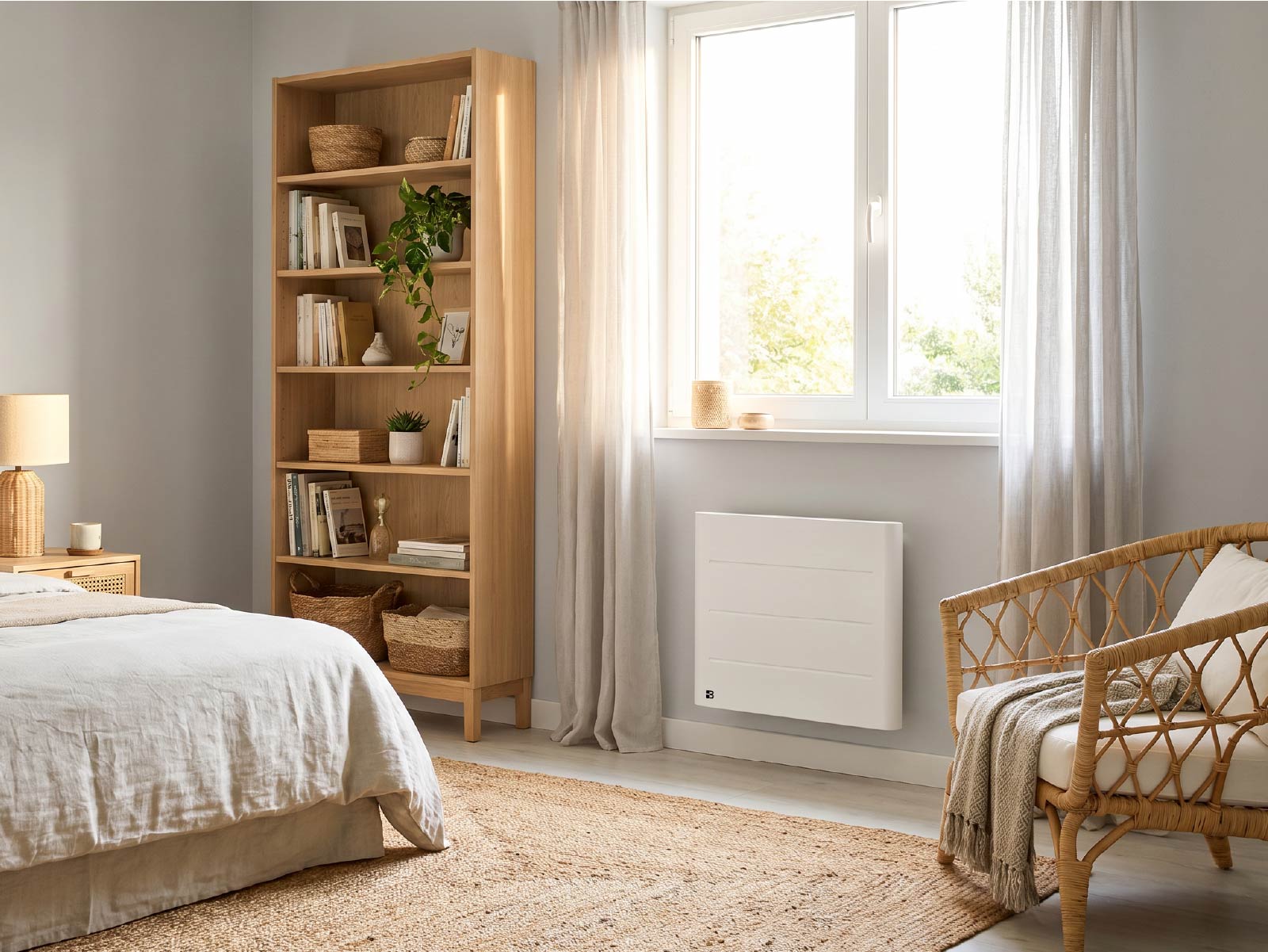
| Bedroom | Dry inertia with programming | Precise regulation and energy savings |
| Office or room used irregularly | Radiator with presence detection | Automatic heating adjustment based on room occupancy |
| Bathroom | Electric towel warmer | Immediate comfort with warm towels and pleasant temperature |
| Feeling of humidity | Dehumidifier | Improving ambient comfort and optimizing radiator operation |
To improve the comfort of your home, a high-performance air dehumidifier helps create a healthier and more pleasant environment, while energy-efficient electric radiators offer an effective solution to enjoy efficient heating while controlling your energy consumption.
FAQ: Everything you need to know about the low-temperature radiator
Does a low-temperature radiator really allow you to save money?
Yes, provided it is properly sized and well adjusted.
Its advantage mainly comes from better heat management: it limits significant temperature variations and adjusts its operation to avoid unnecessary heating periods.
Can a low-temperature radiator be installed in a poorly insulated house?
It is recommended to improve insulation before installing low-temperature emitters to avoid oversizing the devices.
In a well-insulated home, they offer an excellent balance between thermal comfort and energy efficiency.
What is the difference between a classic radiator and a low-temperature model?
A classic radiator often heats more intensely and intermittently, while a low-temperature model emits a gentle and steady heat.
This technology limits the sensations of thermal variation and improves daily comfort.