Inertia radiator

Découvrez comment fonctionne un radiateur à inertie, ses avantages et les critères à prendre en compte pour choisir le modèle adapté à votre logement.

Filters

Sort by:

27 products

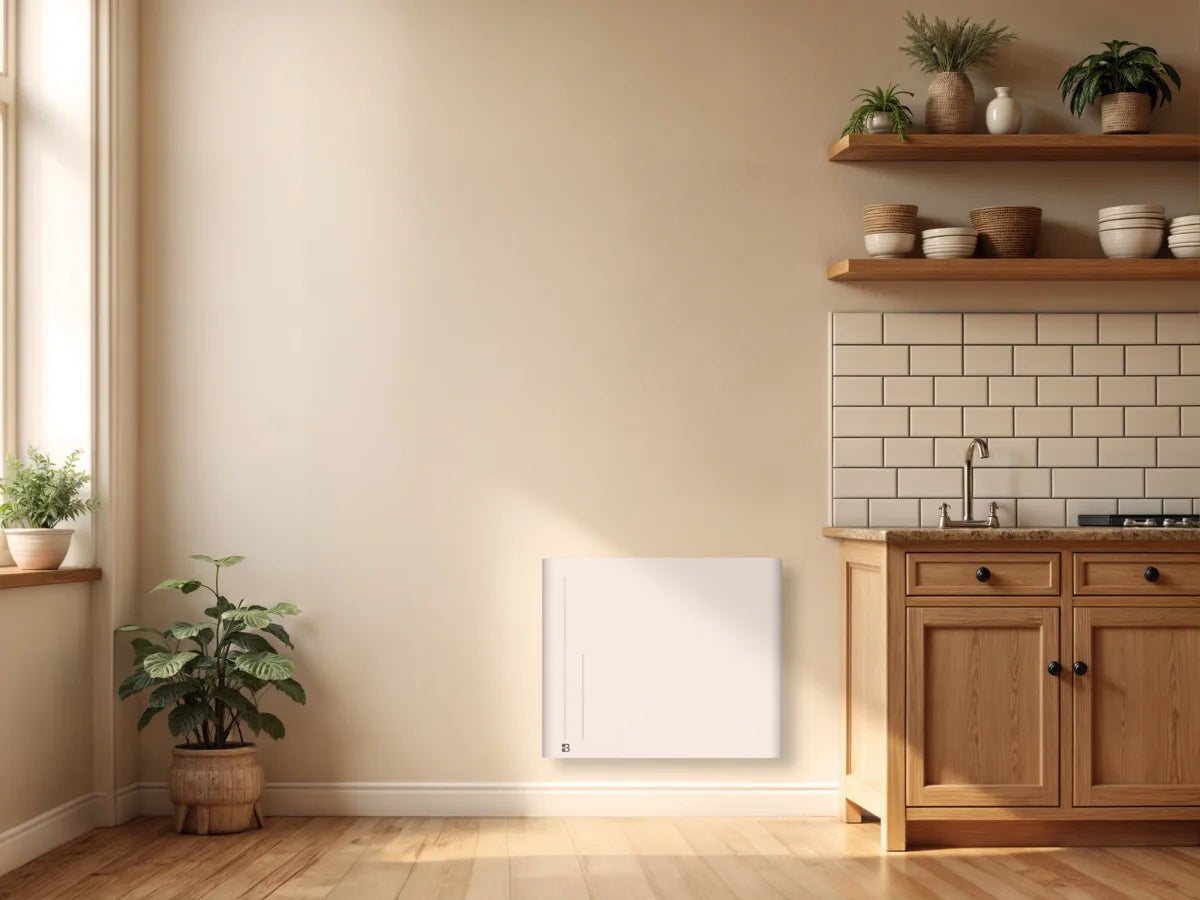
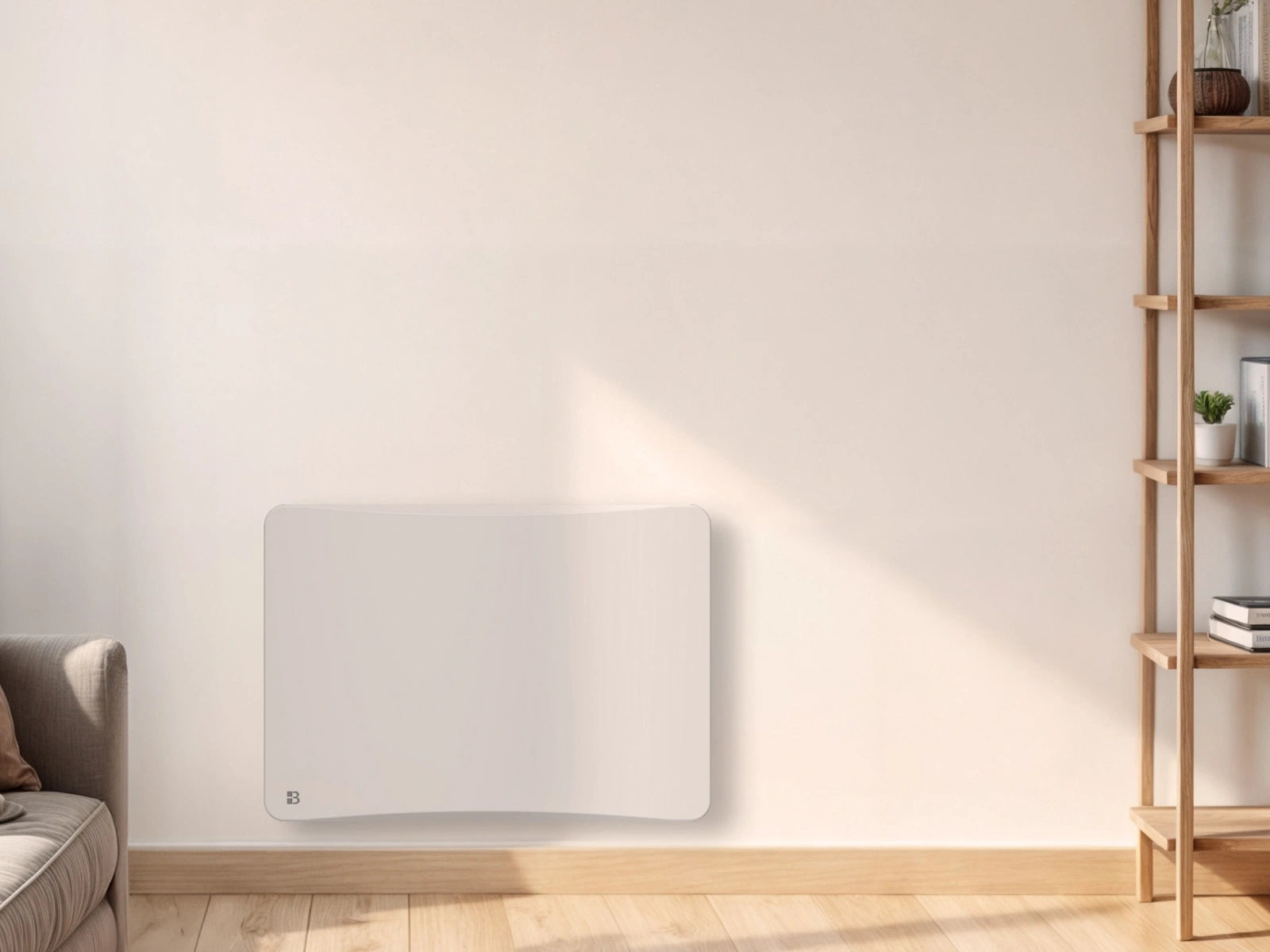
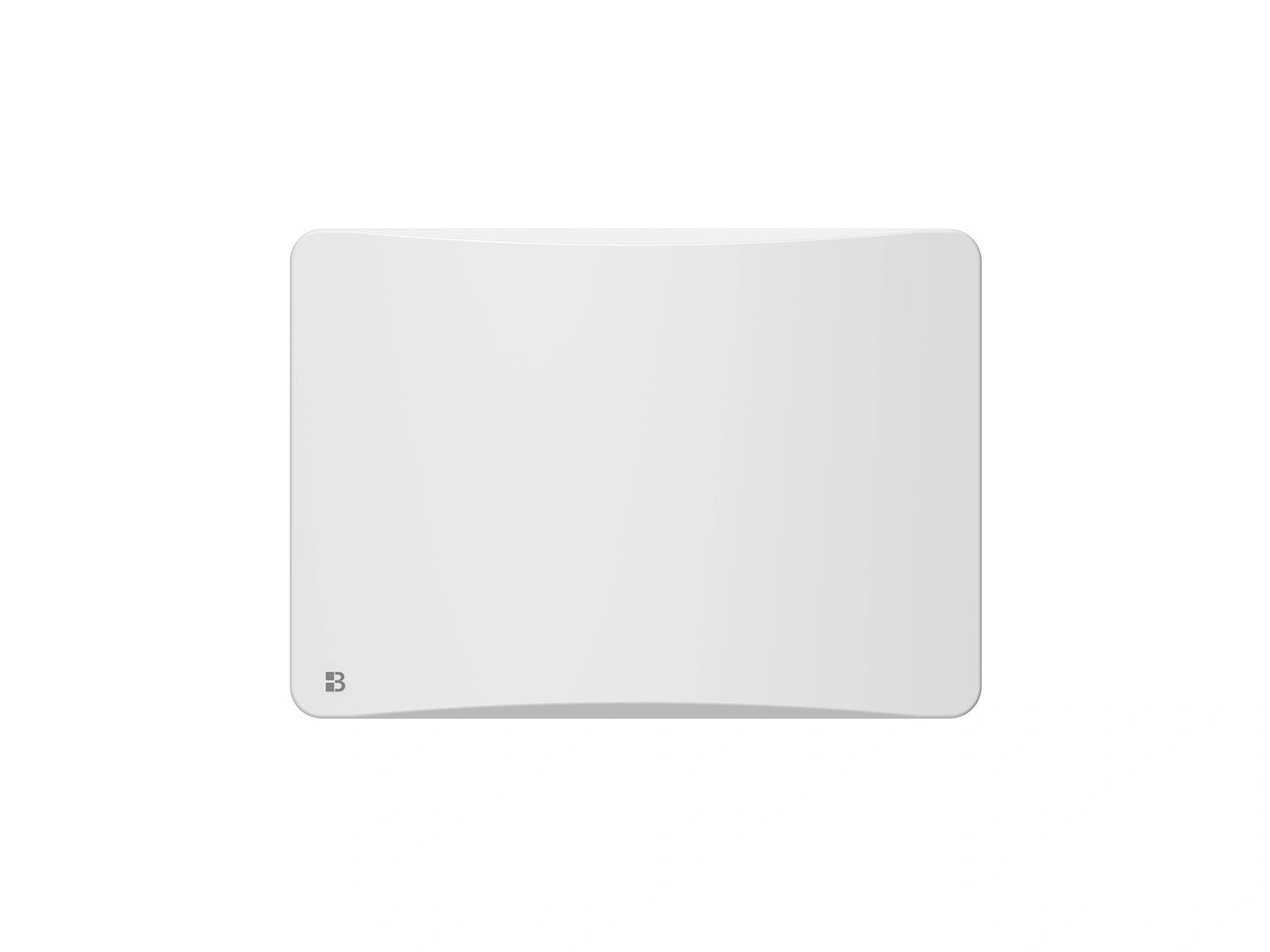
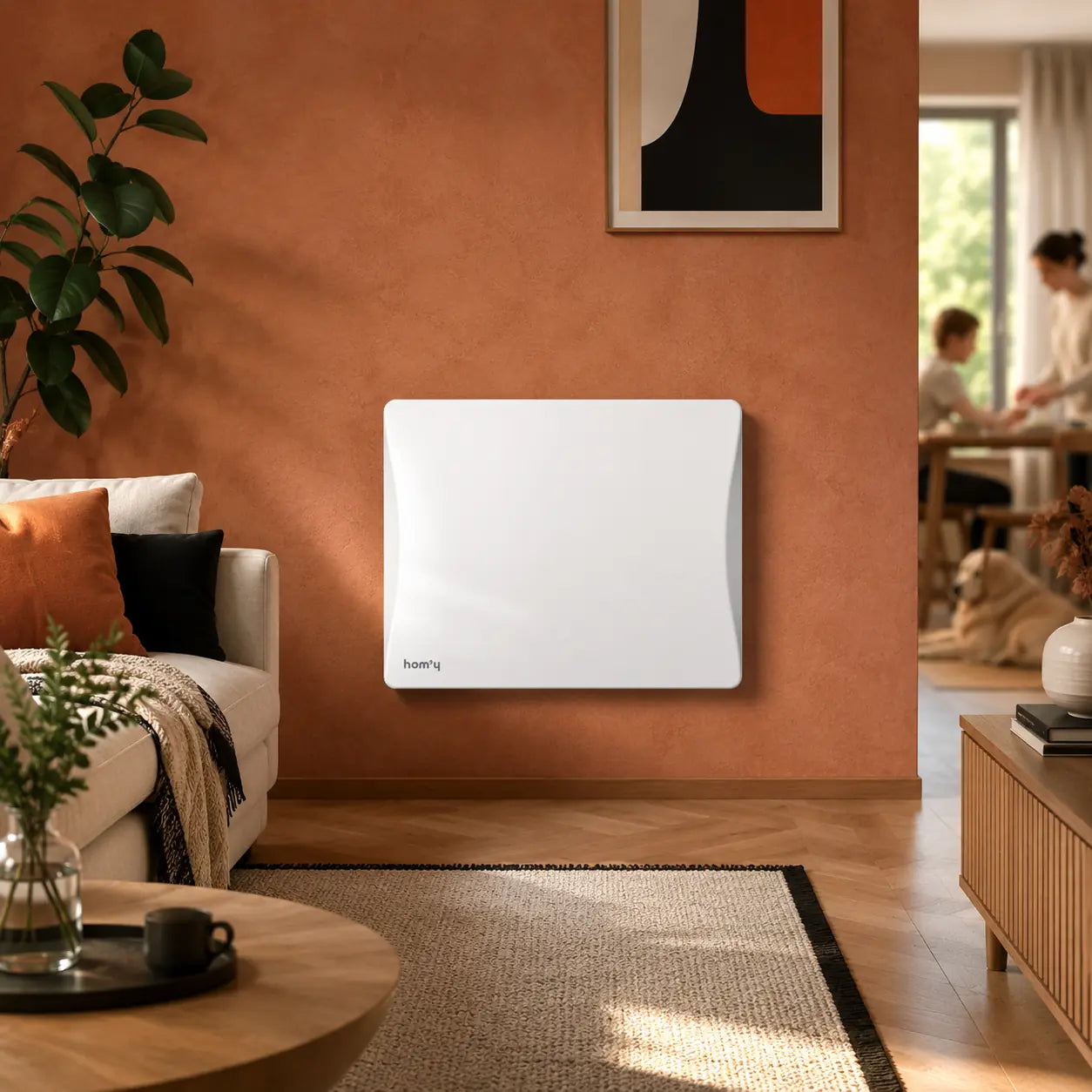
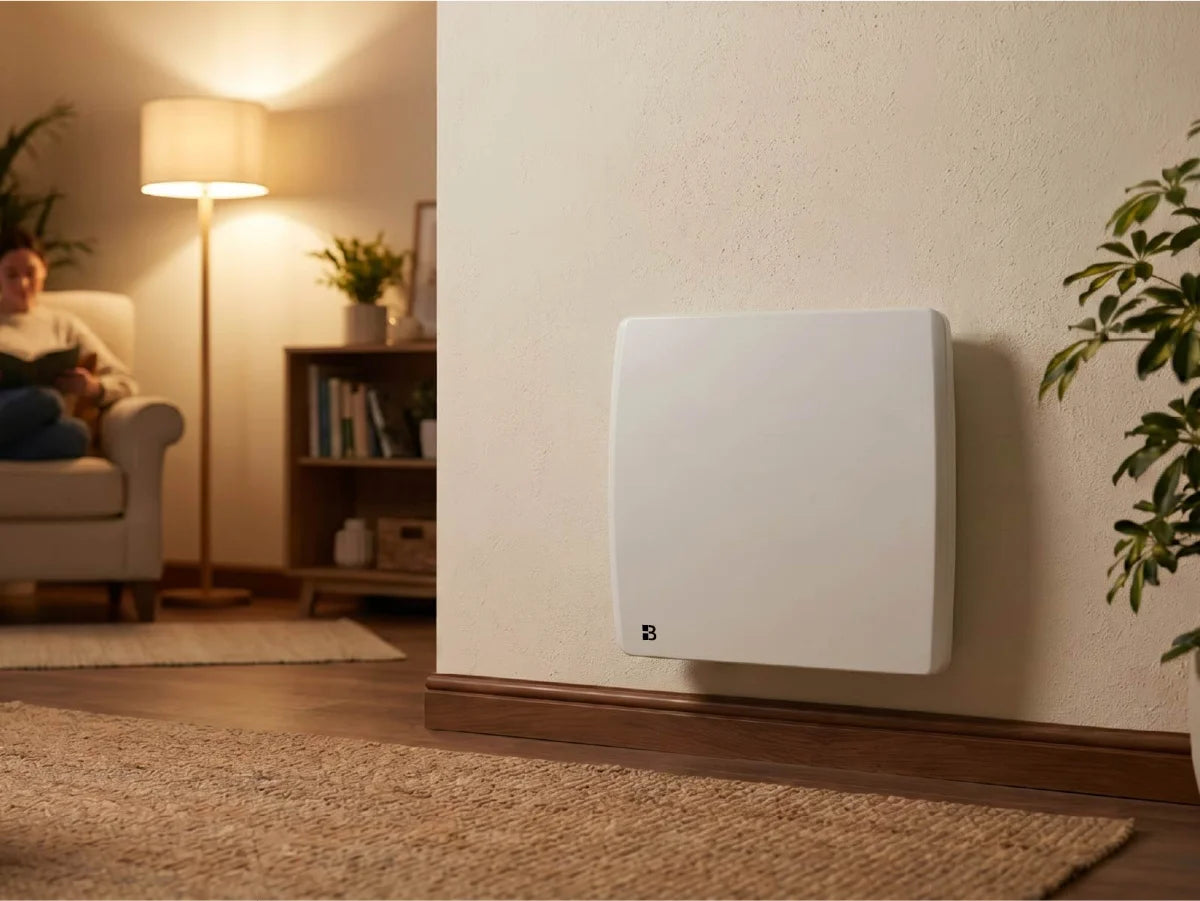
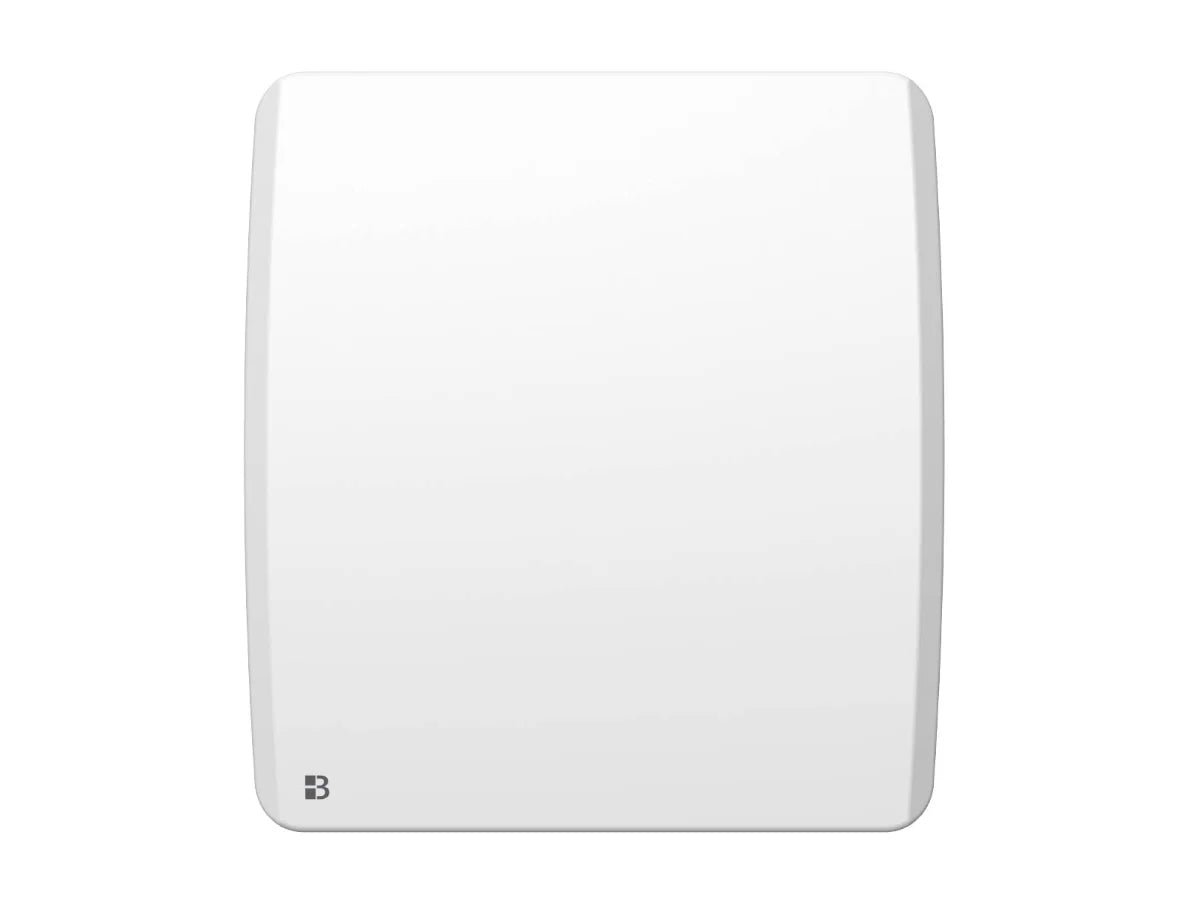
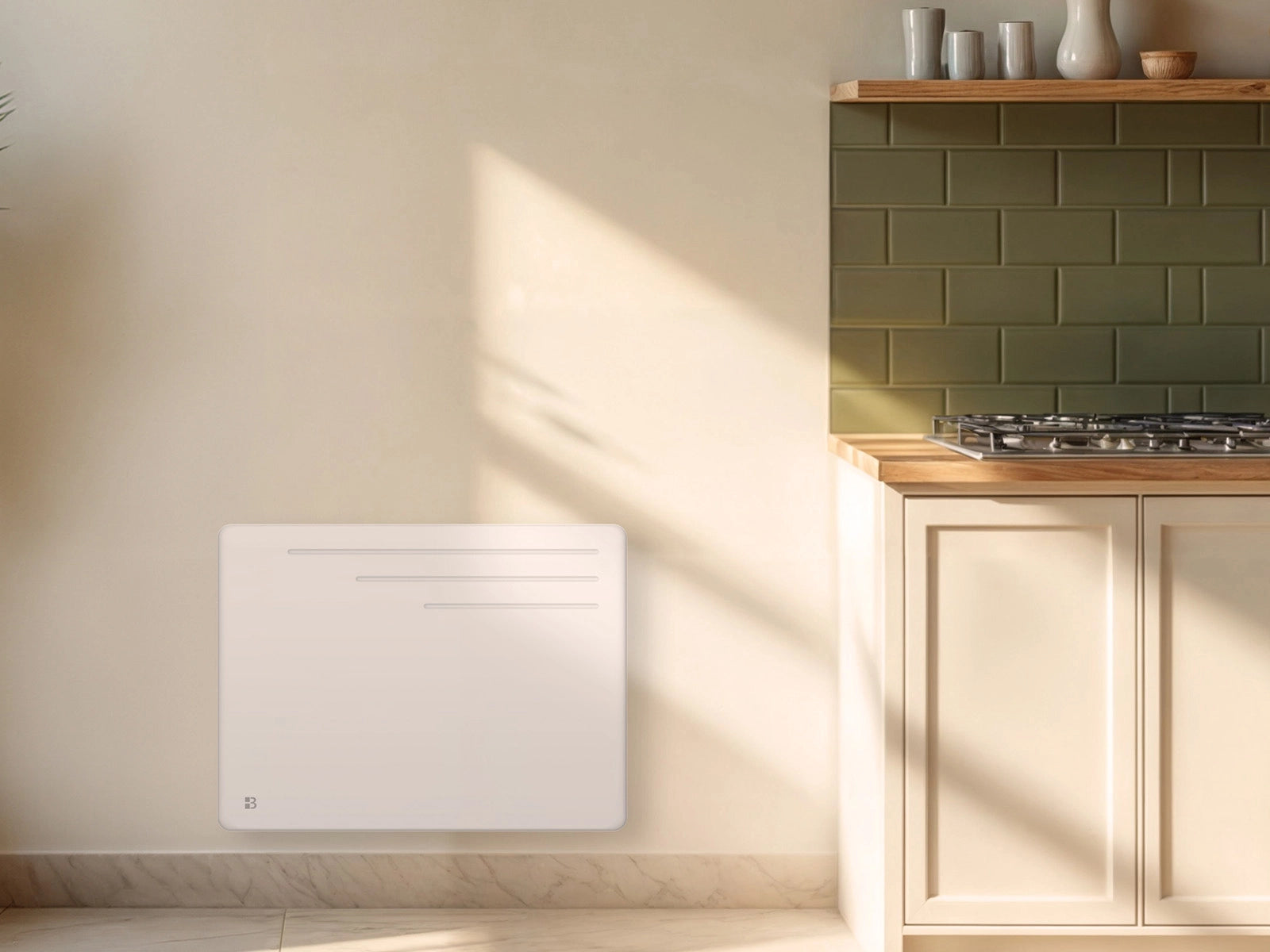
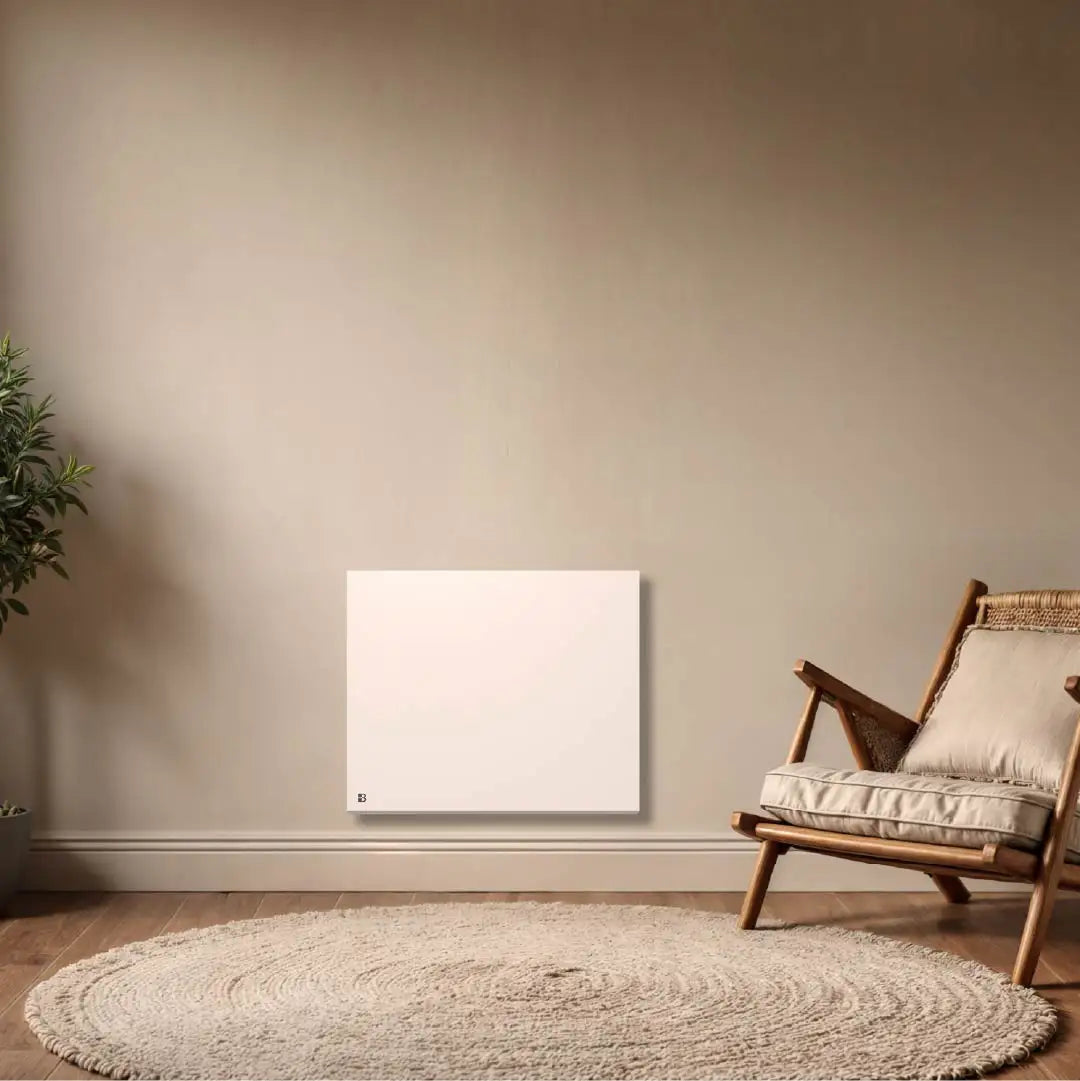
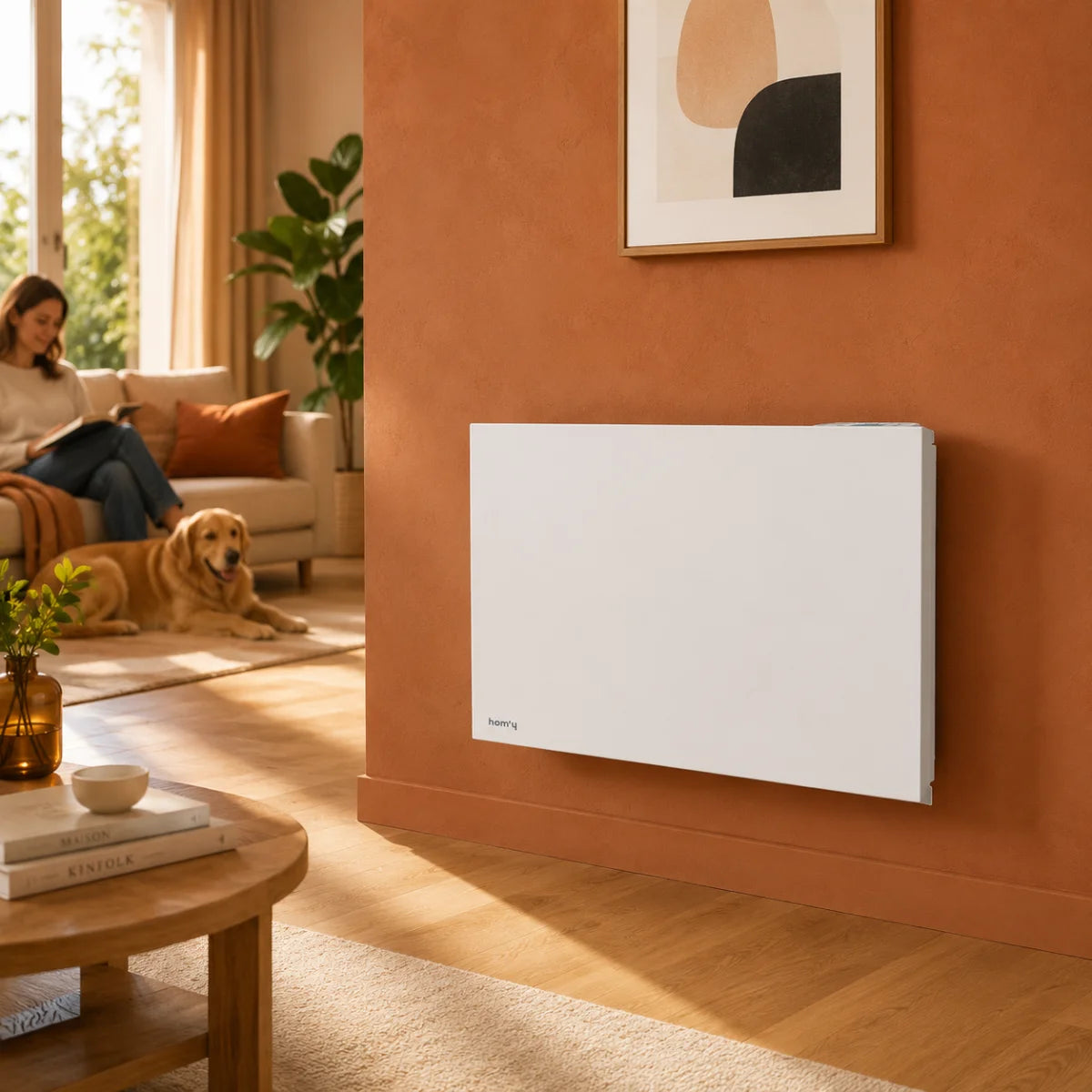
ALBA ceramic dry-inertia radiator in a lifestyle settingALBA ceramic dry-inertia radiator on a white background
ALBA - Ceramic dry inertia radiator Selling priceStarting from €99,90
Sale
ALMEA dual-core cast iron and heating film dry-inertia electric radiator with interchangeable thermostat in a lifestyle settingALMEA dual-core cast iron and heating film dry-inertia electric radiator with interchangeable thermostat on a white background
ALMEA - Dual-core cast-iron + heating-film radiator with interchangeable thermostat Selling priceStarting from €109,90 Regular price€159,90
Sale
ALOA CONNECT 1000W radiator in a living room settingALOA CONNECT 1000W radiator on a white background
ALOA CONNECT - Connected cast iron dry inertia radiator Selling priceStarting from €118,90 Regular price€179,90
Top Sales
ARIA WHITE ceramic dry inertia radiator in a modern, cozy living roomARIA WHITE ceramic dry inertia radiator on a white background
ARIA - Ceramic dry inertia radiator Selling priceStarting from €79,90
Color
ARIA PLINTHE ceramic dry-inertia radiator in a living room settingARIA PLINTHE ceramic dry-inertia radiator on a white background
ARIA PLINTHE - Ceramic dry inertia baseboard radiator Selling priceStarting from €189,90
ARIA VERTICAL ceramic dry-inertia radiator in a stylish living roomARIA VERTICAL ceramic dry-inertia electric radiator on a white background
ARIA VERTICAL - Vertical ceramic dry inertia radiator Selling priceStarting from €169,90
Sale
ATLAS ceramic dry-inertia radiator in a lifestyle settingATLAS ceramic dry-inertia radiator on a white background
ATLAS - Ceramic dry inertia radiator Selling priceStarting from €108,90 Regular price€149,90
BIA cast iron dry-inertia radiator in a stylish kitchenBIA cast iron dry-inertia radiator on a white background
BIA - Cast iron dry inertia radiator Selling priceStarting from €129,90
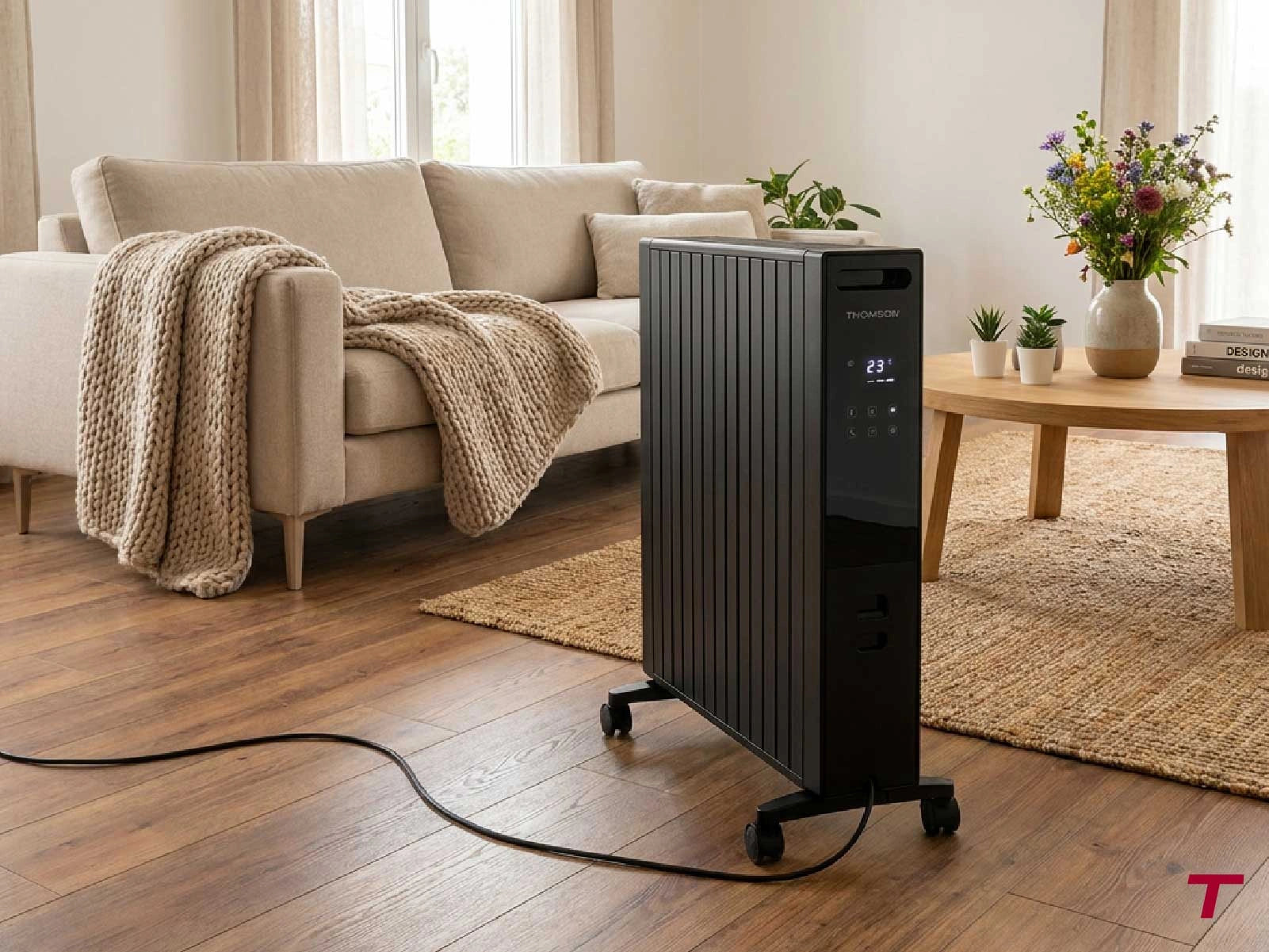
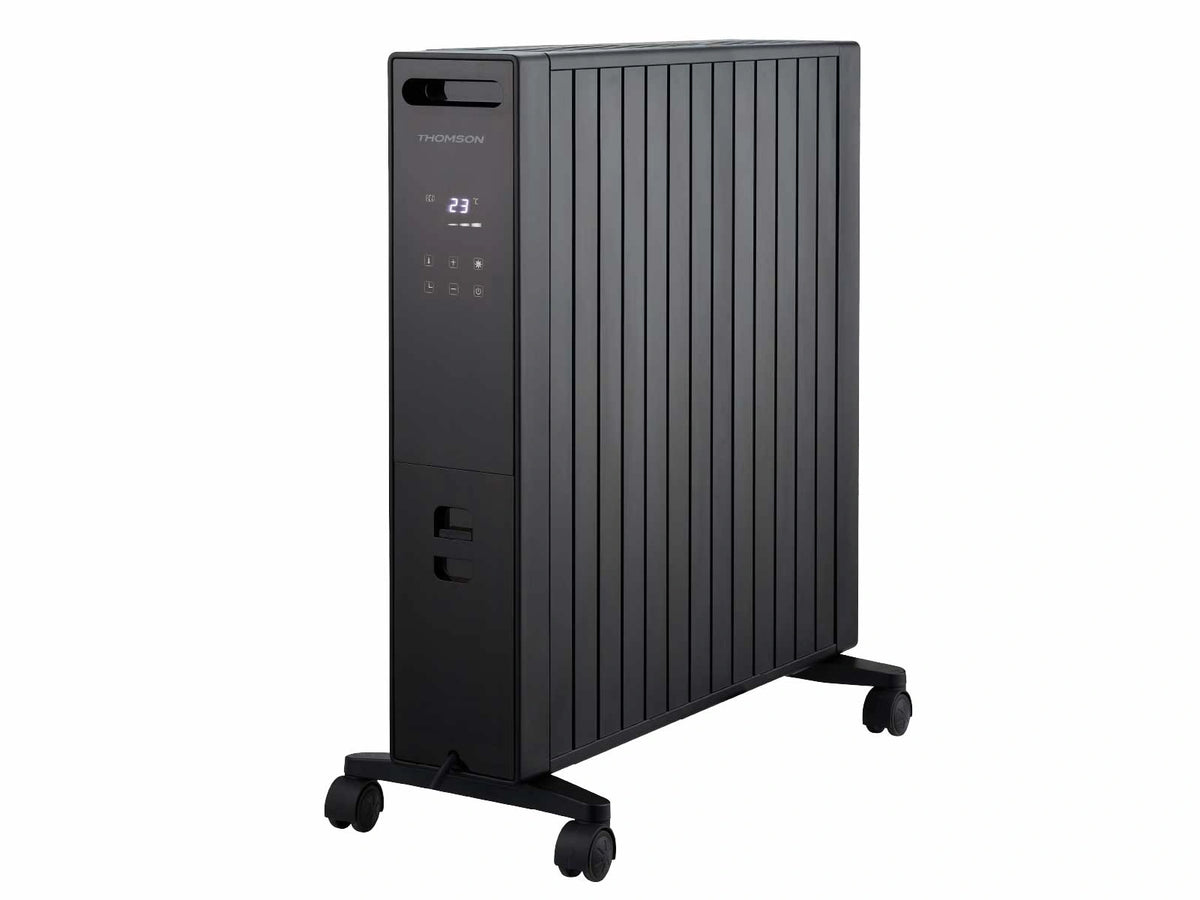
Black CALISTA portable heater in a living roomBlack CALISTA portable heater
Color
Thomson CLEO dry-inertia radiator in a lifestyle settingThomson CLEO dry-inertia radiator on a white background
CLEO - Ceramic dry inertia radiator Selling priceStarting from €149,90
FREYA dual-core dry-inertia radiator with ceramic core and heating film in a lifestyle settingFREYA dual-core dry-inertia radiator with ceramic core and heating film on a white background
FREYA - Double-core ceramic radiator + heating film Selling priceStarting from €149,90
ILLO CONNECT connected ceramic dry-inertia radiator in a living room settingILLO CONNECT connected ceramic dry-inertia radiator on a white background
ILLO CONNECT - Connected ceramic dry inertia radiator Selling priceStarting from €139,90
Sale
IRIS WHITE ceramic dry-inertia glass radiator in an interior settingIRIS WHITE ceramic dry-inertia glass radiator on a white background
IRIS - Glass ceramic dry inertia radiator Selling priceStarting from €97,90 Regular price€139,90
Color
Connected LESSO CONNECT ceramic dry-inertia electric radiator in a living room settingConnected LESSO CONNECT ceramic dry-inertia electric radiator on a white background
LESSO CONNECT - Connected ceramic dry inertia radiator Selling priceStarting from €139,90
Sale
LISA 1000W radiator in a lifestyle settingLISA 1000W radiator on a white background
LISA - Double-core ceramic radiator + heating film Selling priceStarting from €68,90 Regular price€109,90
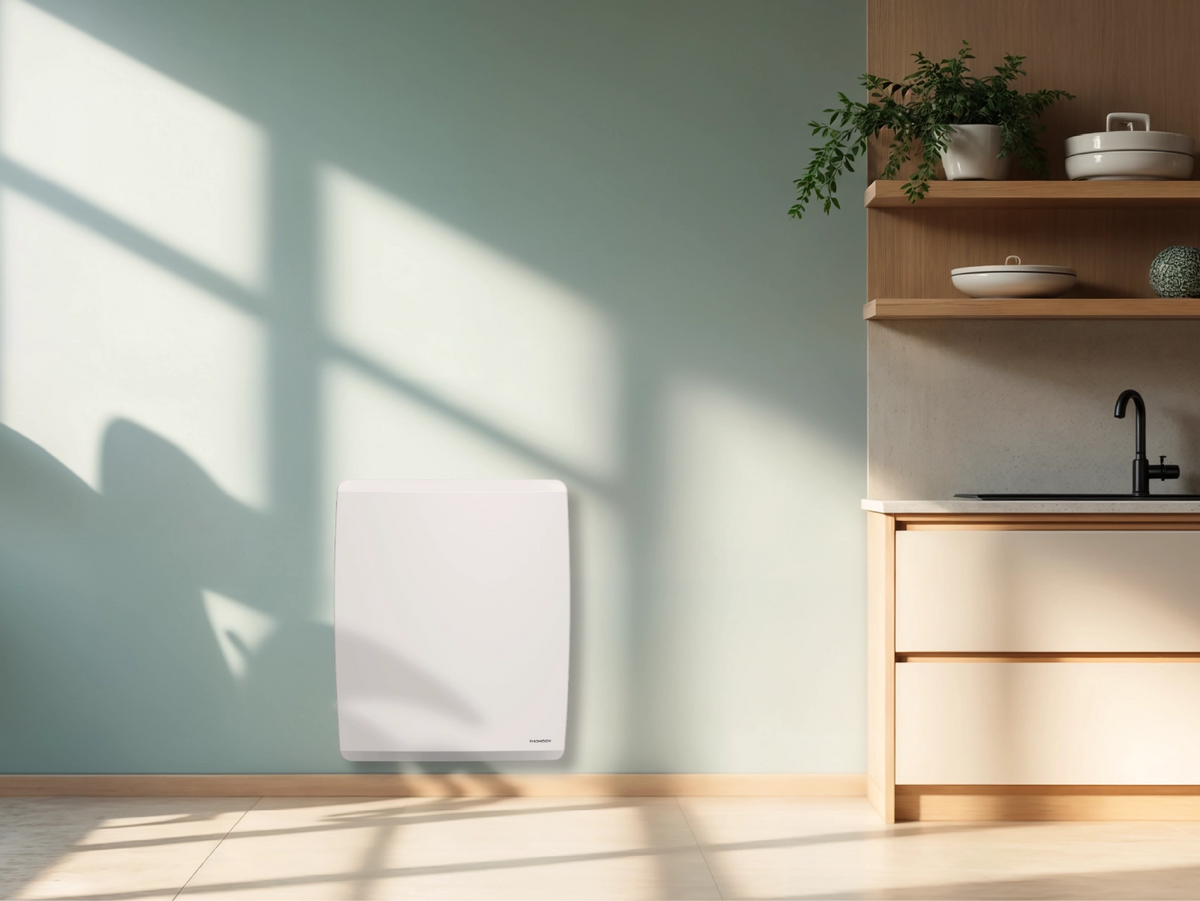
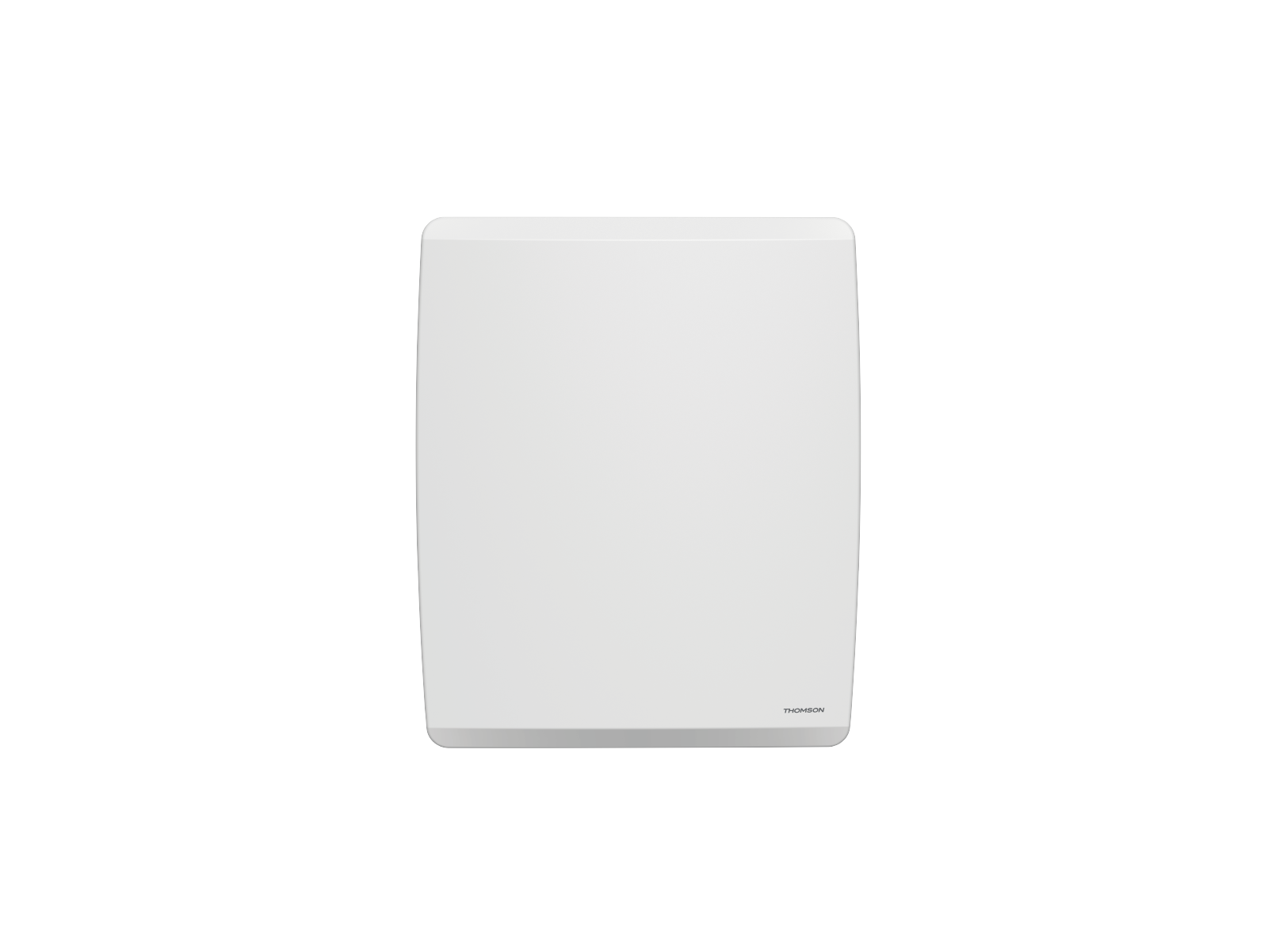
Thomson 1000W MILLA electric radiator in a lifestyle settingMILLA electric radiator by Thomson, front view
MILLA - Connected ceramic dry inertia radiator Selling priceStarting from €169,90
MILLO 200W portable heater in a living roomMILLO 2000W portable heater
Thomson MOLY connected dry-inertia heater in a lifestyle settingThomson MOLY connected dry-inertia heater on a white background
MOTU cast-iron dry-inertia radiator in a styled kitchenMOTU cast-iron dry-inertia radiator on a white background
MOTU - Cast iron dry inertia radiator Selling priceStarting from €139,90
Sale
Top Sales
NEMESIS dual-core dry-inertia cast-iron and heating-film radiator in a living room settingNEMESIS dual-core dry-inertia cast-iron and heating-film radiator on a white background
NEMESIS - Double core cast iron radiator + heating film Selling priceStarting from €99,90 Regular price€154,90
Sale
Top Sales
Bestherm NESSA CONNECT WiFi ceramic dry-inertia electric radiator installed in a modern living room with a programmable connected thermostatNessa Connect radiator on a white background
NESSA CONNECT - Connected ceramic dry inertia radiator Selling priceStarting from €69,90 Regular price€119,90
Sale
ORPHÉE CONNECT ceramic dry-inertia smart radiator in a warm, modern living roomORPHÉE CONNECT ceramic dry-inertia smart radiator on a white background
ORPHÉE CONNECT - Connected ceramic dry inertia radiator Selling priceStarting from €98,90 Regular price€149,90
Sale
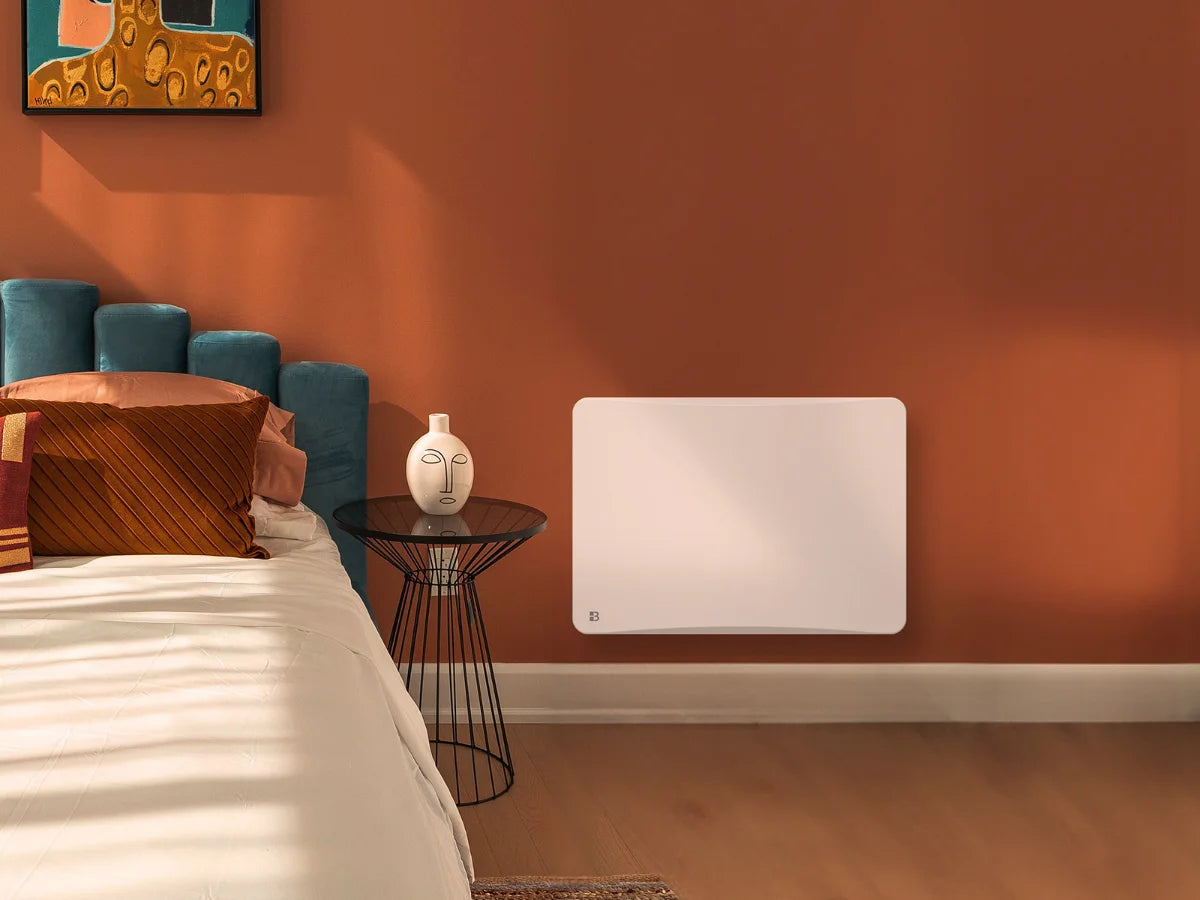
OVEO ceramic dry-inertia radiator with interchangeable thermostat in a stylish bedroomOVEO ceramic dry-inertia radiator with interchangeable thermostat on a white background
OVEO - Ceramic dry-inertia radiator with interchangeable thermostat Selling priceStarting from €89,90 Regular price€114,90
Sale
Lifestyle image of the Thomson MILLA radiator. Buy 2, get 1 free offerMILLA electric radiator by Thomson, front view
PACK MILLA 2+1 FREE - Connected ceramic dry inertia radiators Selling price€409,80 Regular price€579,70

Thermal inertia radiator: how it works, its benefits and tips for choosing the right one
The thermal inertia radiator is an electric heating solution valued for its thermal comfort. In particular, it helps maintain a more stable temperature in the room.

But how does it work, and how do you choose the right model for your home?


1. What is a thermal inertia radiator and how does it work?

The principle is simple: an electric heating element heats the heating body, which stores some of the heat before gradually releasing it into the room.

How dry thermal inertia works in an electric radiator

Depending on the technology, the heating body may be made of ceramic, cast iron or a heat-transfer fluid. Once heated, it continues to release some of the accumulated heat when the heating element temporarily stops operating.

The heat is then gradually distributed throughout the room, helping to maintain a more consistent temperature and a pleasant indoor environment.

Some models combine several heating elements to improve responsiveness while retaining good heat-release capacity. This is notably the principle behind the double heating core, available in certain Bestherm ranges.


2. Dry thermal inertia vs. fluid thermal inertia: the detailed comparison

There are two main types of thermal inertia radiators: dry thermal inertia and fluid thermal inertia. The former uses a solid material, such as ceramic or cast iron, while the latter relies on a heat-transfer fluid.

Dry thermal inertia therefore contains no liquid and requires little maintenance.

Criterion Dry thermal inertia (ceramic / cast iron) Fluid thermal inertia (oil / glycol)
Thermal responsiveness Varies depending on the heating core material Generally more gradual
Heat retention after power cuts Good to very good, depending on the heating core Good, depending on the volume and fluid
Risk of leaks No heat-transfer fluid Presence of a heat-transfer fluid
Maintenance Low Low
Durability Excellent, depending on the design and use Good, depending on the design and components


Ceramic heats up quickly, while cast iron offers good heat-storage capacity and releases heat for longer.

To discover the benefits of this technology, explore our selection of electric thermal-inertia radiators.


3. The 5 main everyday advantages of an electric thermal-inertia radiator

In everyday use, an electric thermal-inertia radiator offers several advantages: 

  • Gentle, even heat: gradual heat distribution helps limit temperature fluctuations.
  • More stable temperature: suitable regulation helps maintain the desired temperature.
  • Silent operation: with no fan or blower, it is suitable for bedrooms, living rooms, or offices.
  • Gradual heat release: the heating element continues to release some of the stored heat when the heating element stops operating.
  • Better-controlled consumption: combined with good insulation and effective regulation, thermal inertia allows the heating to be adapted to the home's needs.

For more information, see our guide to understanding your heating consumption and the factors that affect your bill.

4. How do you choose the right electric thermal-inertia radiator for your needs?

Choosing an electric thermal-inertia radiator depends on the room, its size, its insulation, and your occupancy habits.

In a living room or main living area, choose cast-iron inertia or a double cast-iron core for long-lasting warmth. In a bedroom, ceramic offers good responsiveness while ensuring gradual heat release. For an office, kitchen, or room used occasionally, presence detection adjusts the heating to actual occupancy.

A connected radiator also lets you schedule and control your heating remotely from a mobile app.

The power rating must be suited to the room’s size, insulation, ceiling height, exposure, and number of openings.

5. Optimizing the use of your inertia radiators with Bestherm

At Bestherm, all our models include a programmable thermostat. Depending on the model, they may also feature presence detection, an interchangeable thermostat, or connected features that can be controlled from a smartphone.

Discover our range of Bestherm smart radiators for managing your thermal comfort more easily every day.

FAQ – Inertia Radiator

Why is an inertia radiator called “gentle heat”?

It is called “gentle heat” because the radiator gradually releases the heat stored in its heating element, rather than instantly dispersing all the heat produced. This gradual release helps maintain a more even and comfortable temperature in the room.

What is the most efficient material for a dry inertia radiator?

Ceramic is particularly well suited to dry inertia heating thanks to its ability to accumulate and then gradually release heat. Cast iron, which is also used as a heating element, has a high thermal storage capacity. 

Is an inertia radiator suitable for every room?

Yes. An inertia radiator can be used in most rooms in a home, provided you choose a power rating suited to the room’s size, insulation, and needs. It is particularly popular in living rooms, bedrooms, and offices for its quiet operation and ability to maintain stable thermal comfort.