
Smart radiator
Filters
9 products
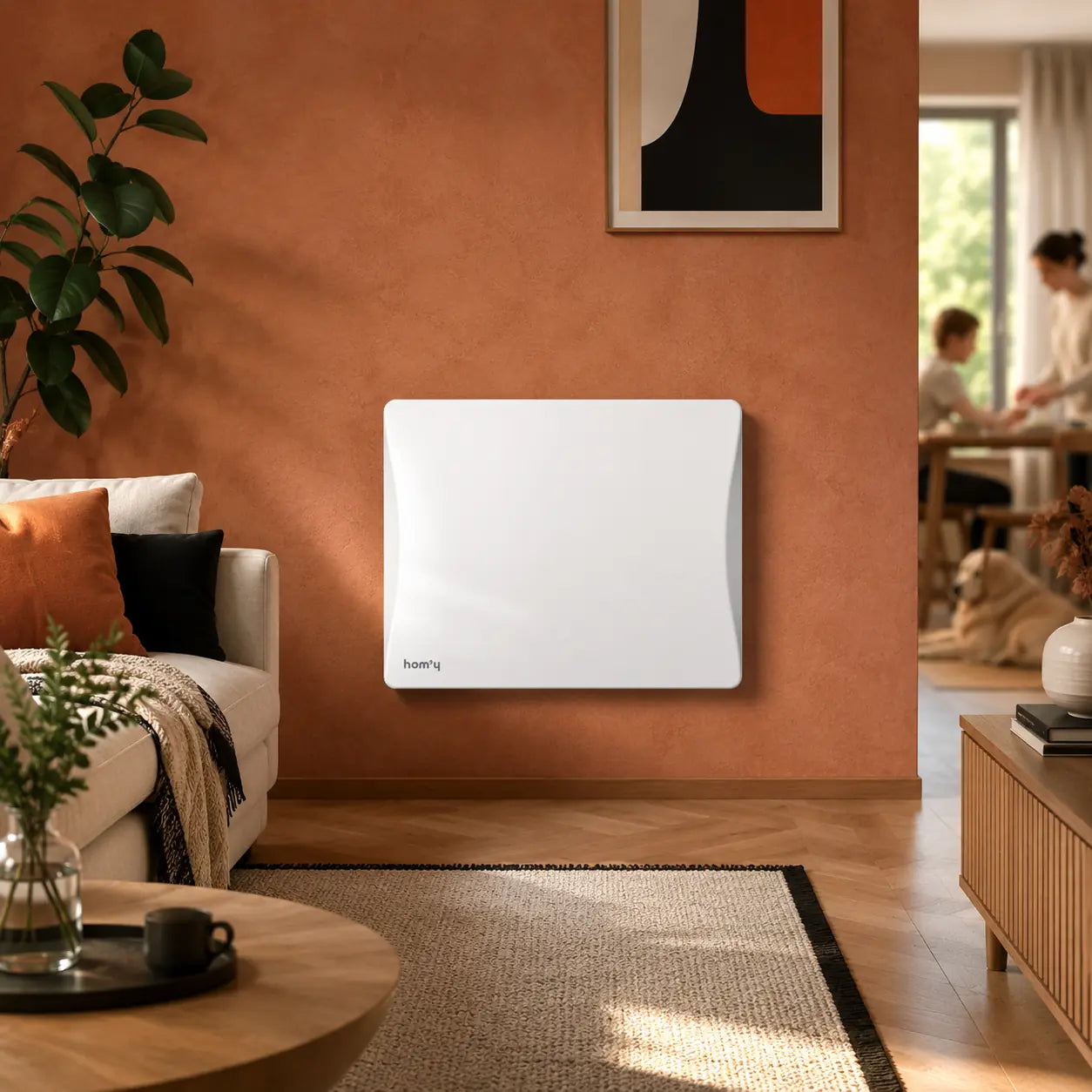



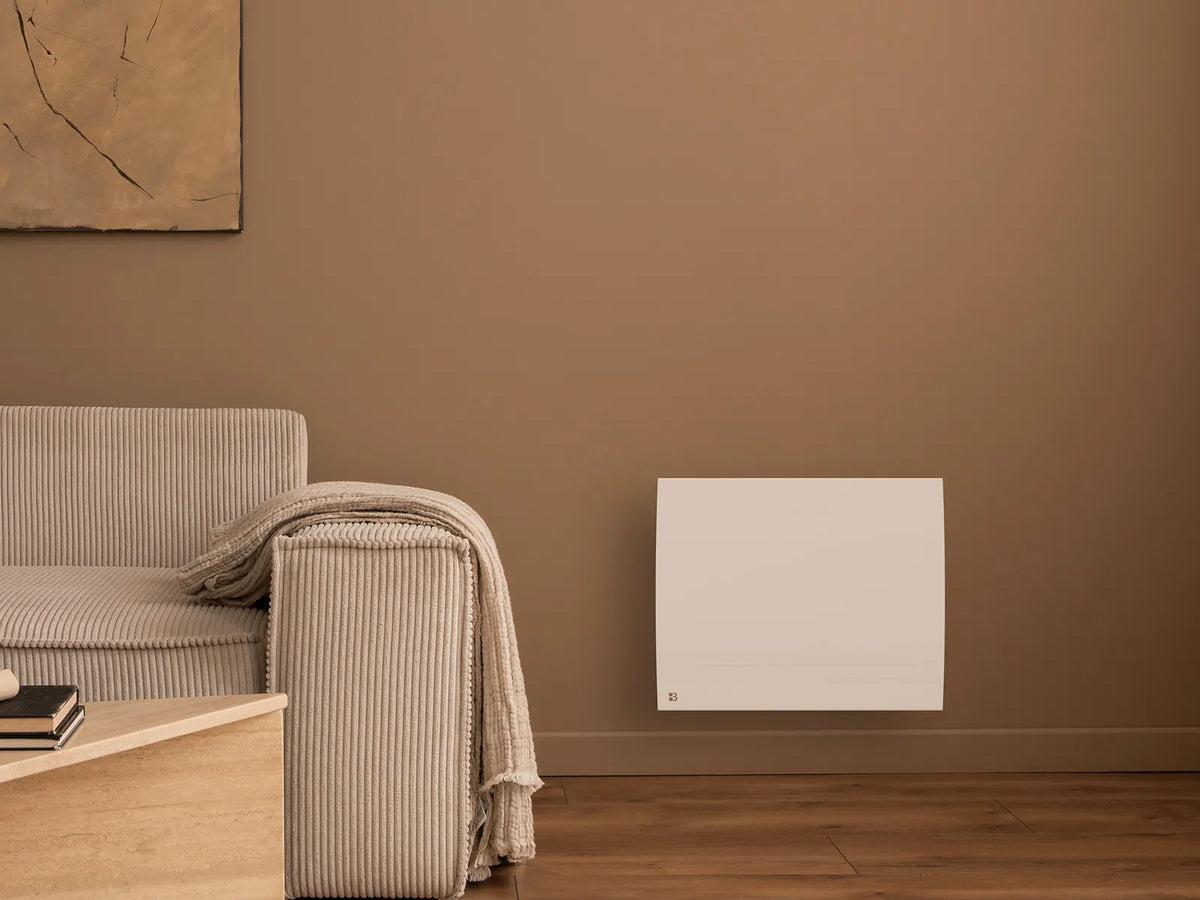



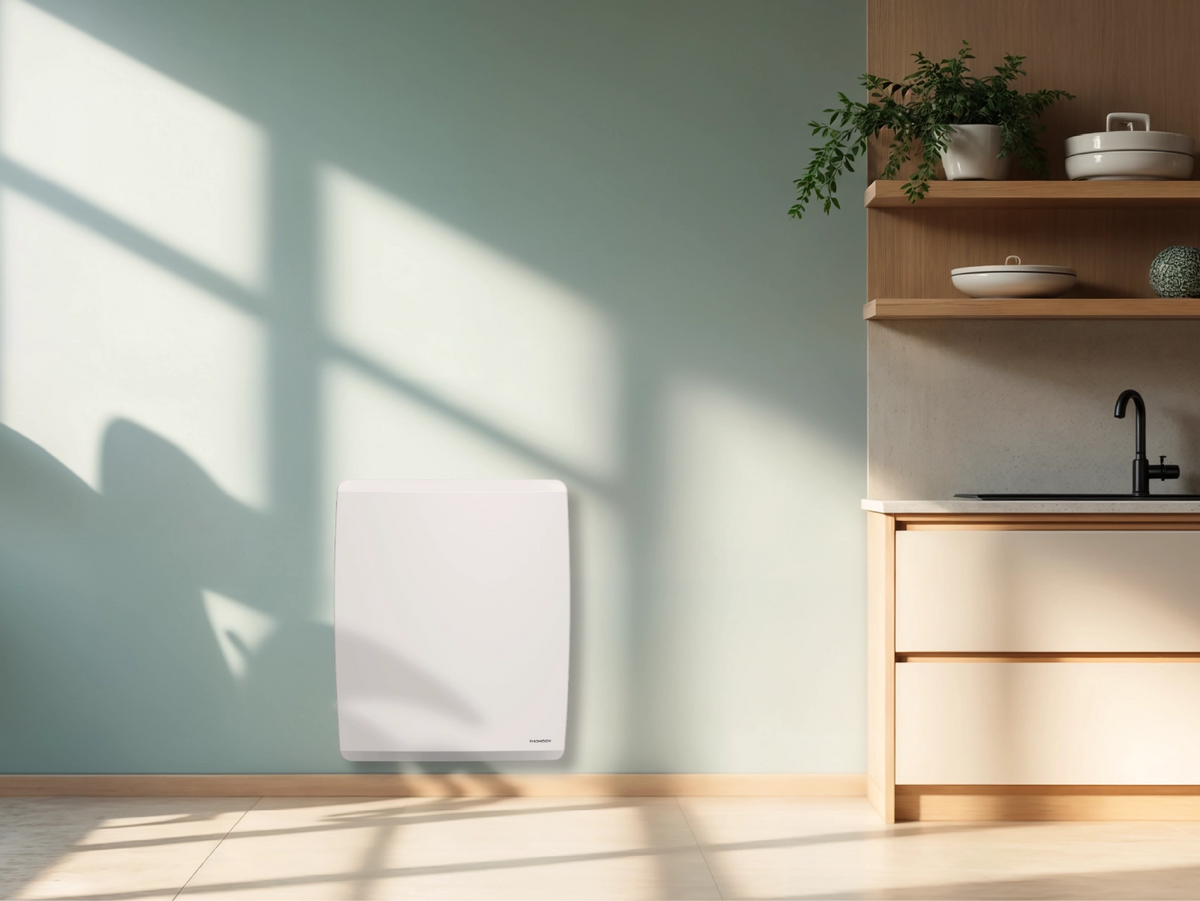
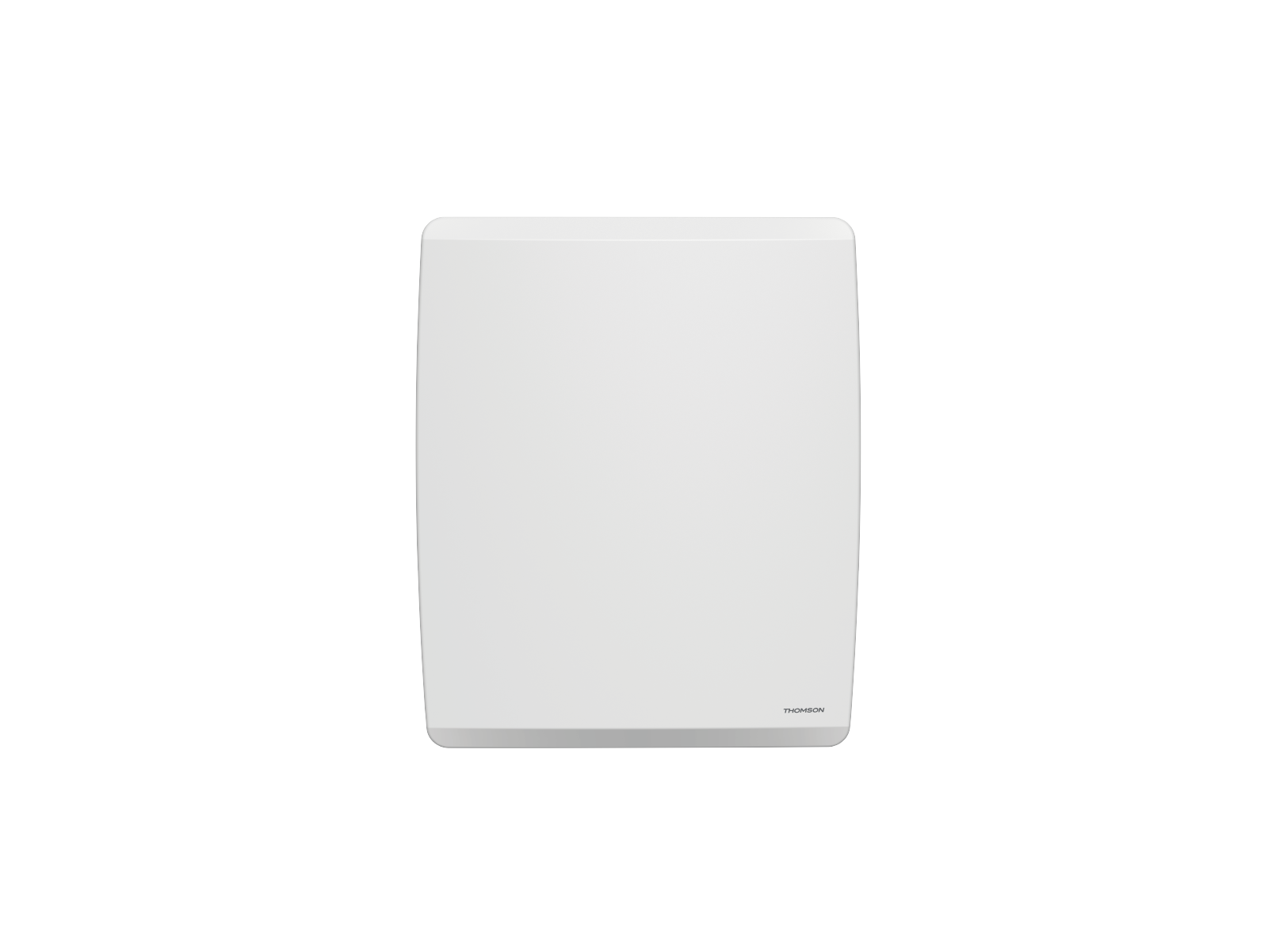
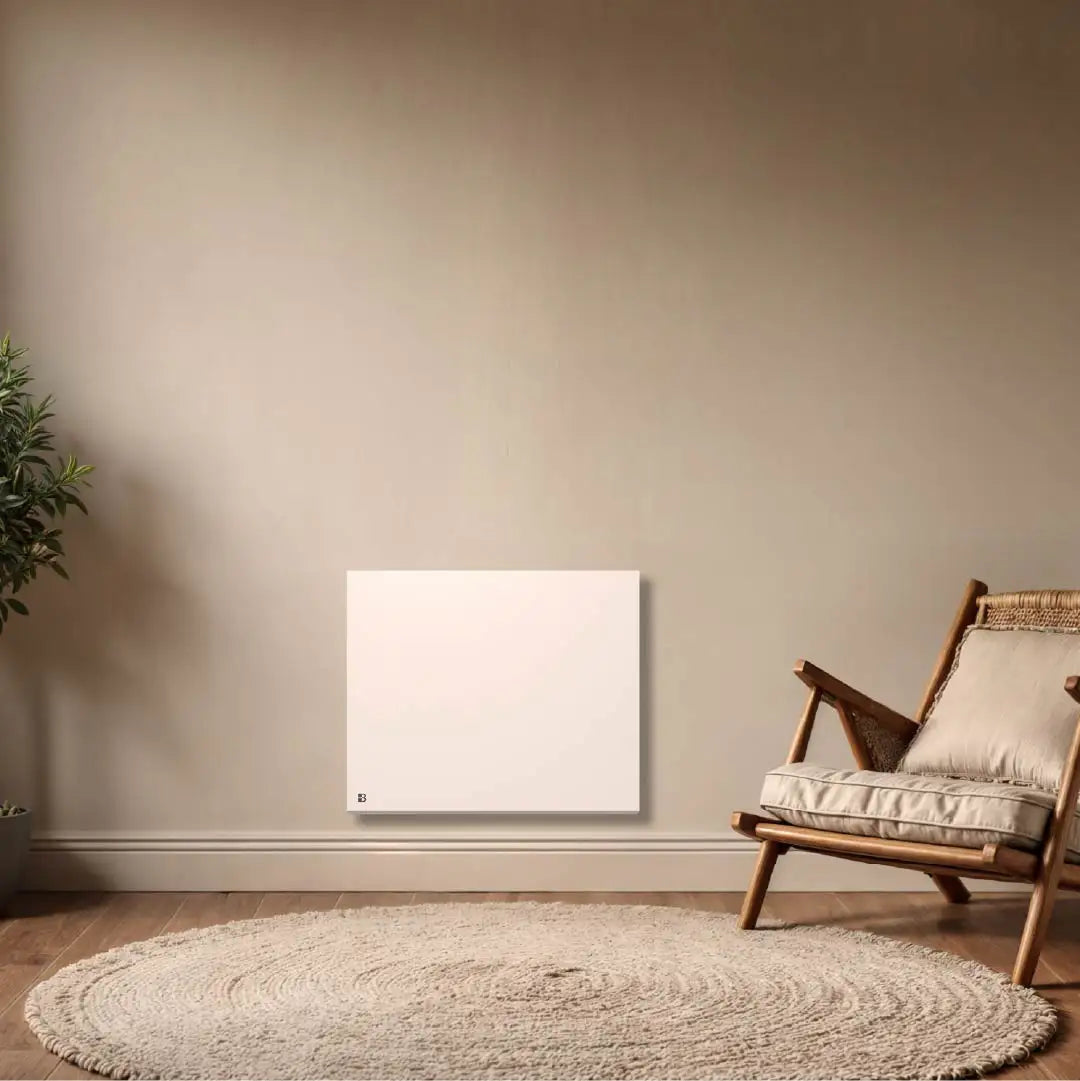

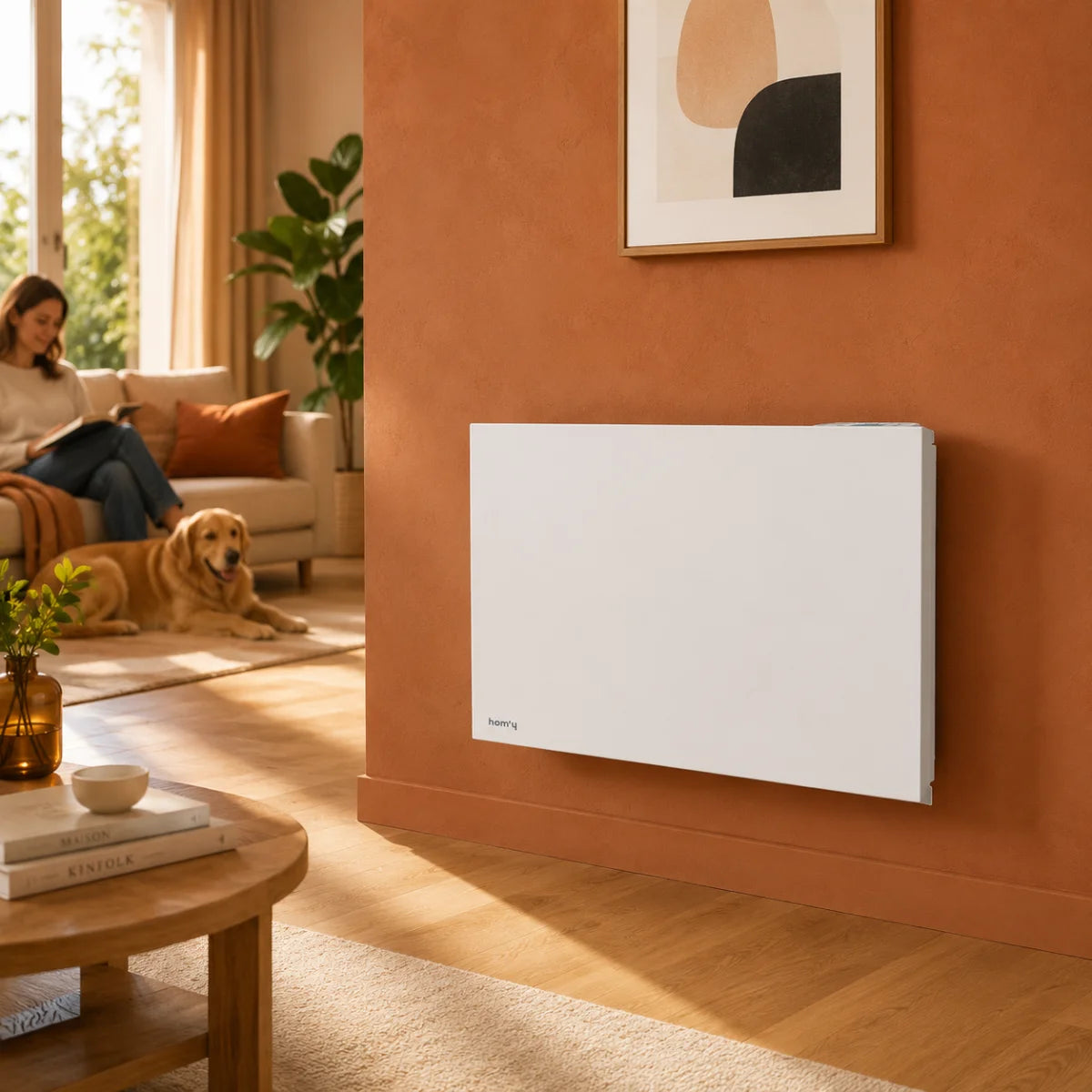


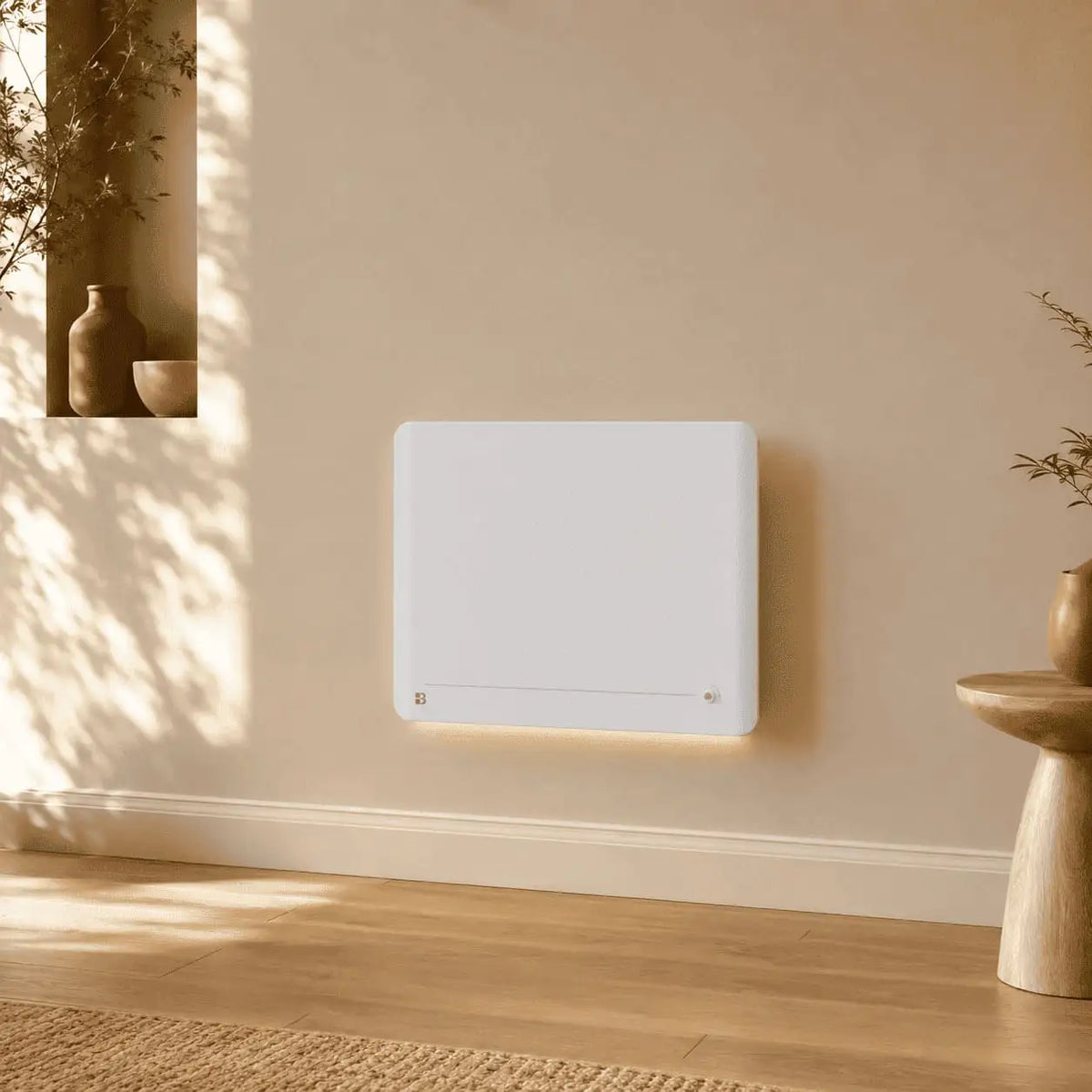
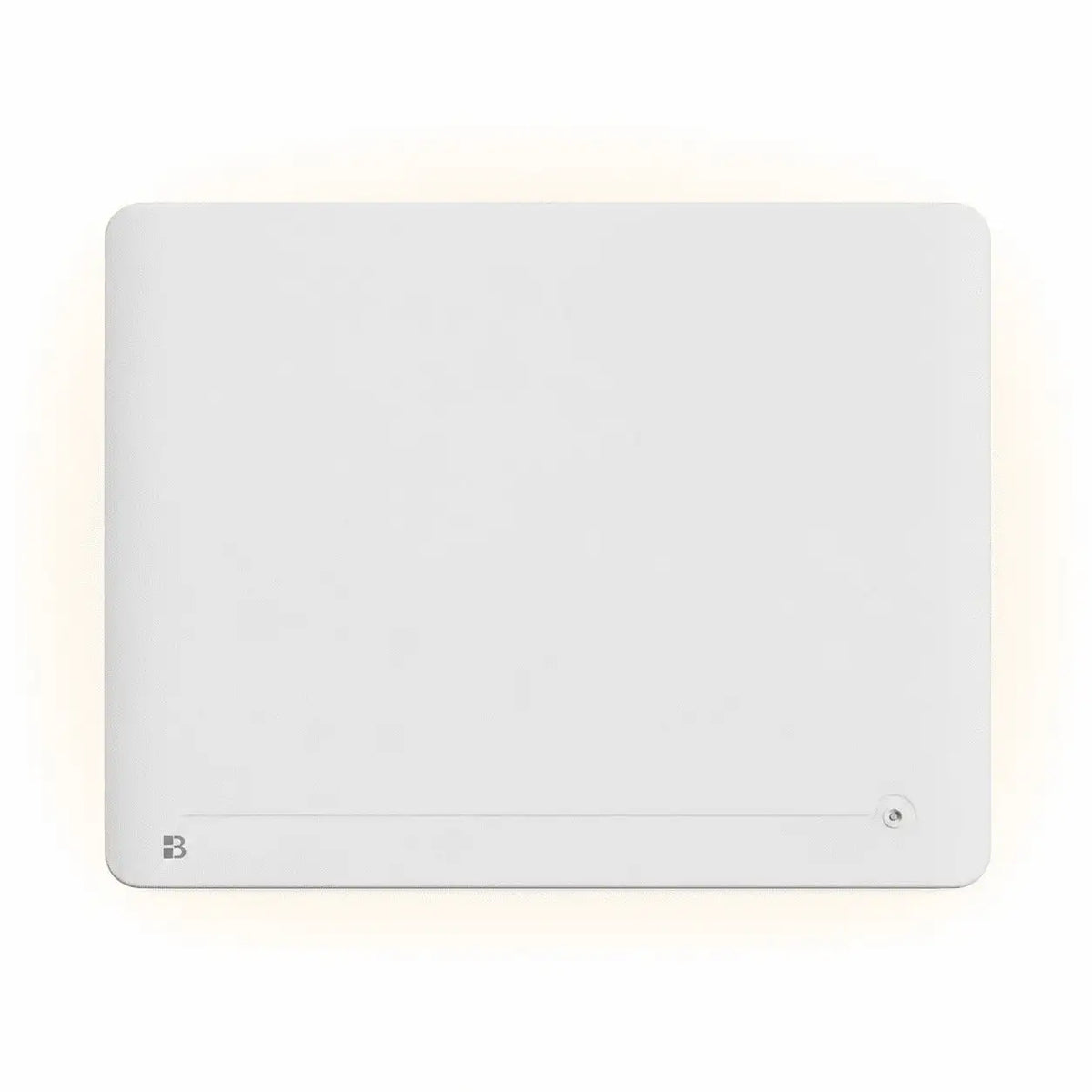
Smart radiator
As electricity prices rise, more and more households are looking for ways to better control their heating consumption. Unlike a conventional radiator that always applies the same settings, a smart radiator adjusts its operation according to your presence and habits. Remote control, unexpected changes in schedule, and more allow you to limit your consumption and enjoy greater freedom.
What is a smart electric radiator?
A connected radiator lets you control your heating from your smartphone. You can adjust the temperature, create personalized schedules, link it to a voice assistant (Alexa & Google Assistant), or check your real-time consumption (depending on the model), even when you are away
The presence-detection radiator automatically adjusts its heating level using an infrared sensor (PIR) integrated inside the appliance.
How does a radiator's presence detection work?
If the room remains unoccupied for a certain period, the radiator automatically lowers the temperature to avoid heating unnecessarily. Conversely, as soon as a presence is detected, the radiator automatically returns to the last mode used.
- The infrared sensor (PIR) is specially designed to detect human movement.
- A pet's movements do not trigger the system.
In a bedroom used only in the evening, presence detection is of little benefit. However, in an irregularly occupied office, it helps avoid heating unnecessarily for several hours a day.
Open-window detection: heating that adapts automatically
When you ventilate a room, a conventional radiator generally continues heating to compensate for the drop in temperature. With open-window detection, this is no longer the case.
Thanks to its integrated sensor, the radiator detects the temperature drops characteristic of an open window and automatically reduces heating during ventilation. Once the window is closed again, it resumes normal operation.
Available across all Bestherm radiators and towel warmers and compliant with the European EcoDesign * ** standard, this function prevents unnecessary heating while simplifying everyday heating management.
Discover our collection of electric radiators equipped with an open-window detection function.
What are the everyday benefits of smart heating?
One of the main advantages of a smart radiator is that it requires less day-to-day intervention from you. Whereas a standard schedule applies the same settings every day, smart heating takes your habits and unexpected changes into account.
If you work from home but are regularly away during the day, a radiator with presence detection can reduce heating without requiring you to change the settings. Are you away or getting home later than expected? A connected radiator lets you change the settings remotely in just a few seconds.
Cast iron, ceramic: which heating element should you choose for smart heating?
The performance of an electric radiator depends on the material used to store and release heat.
A material capable of retaining heat for a long time allows the radiator to maintain a more stable temperature while limiting heating cycles.
Thanks to its ability to store heat, dry inertia limits temperature fluctuations in the room and reduces the need for frequent reheating.
Ceramic thermal inertia radiator: what are the advantages?
Ceramic heats up gradually and releases heat evenly, limiting temperature fluctuations. Once hot, it continues to release the stored energy for several hours.
Once the desired temperature is reached, the heat continues to be released gradually, improving everyday thermal comfort.
This type of radiator is particularly suitable for bedrooms and living spaces used daily.
Why choose a cast iron inertia radiator?
Thanks to its high density, cast iron remains one of the most widely used materials for inertia radiators today. Its high density enables it to store a large amount of heat and then release it slowly as thermal radiation.
The heat is released gradually, preventing sudden temperature fluctuations and limiting heating cycles.
In a large living room or a poorly insulated room, cast iron helps maintain a more stable temperature.
The dual heating core: dry inertia combined with a heating film.
Some electric radiators are equipped with a dual heating core, combining a dry-inertia heating core with a heating film positioned on the front. This technology provides both rapid heat-up and lasting thermal comfort.
The heating film ensures virtually immediate heat distribution as soon as the radiator is switched on. It therefore provides a rapid feeling of comfort, particularly appreciated on cold days or in rooms used occasionally.
At the same time, the dry-inertia heating core stores heat and then releases it gradually. Once the set temperature is reached, it continues to deliver gentle, even and stable heat, without sudden temperature fluctuations.
Thanks to this combination, the radiator offers an excellent balance between responsiveness and comfort, while helping you better manage your energy consumption.
In summary
Presence detection or remote control: each feature helps reduce unnecessary energy consumption without sacrificing your comfort. Combined with an efficient heating core, these technologies make the smart radiator a sustainable and cost-effective choice for your home.
Which smart radiator should you choose for each room?
| Room | Most useful feature | Why? |
|---|---|---|
| Home office | Presence detection | Irregular use and need for responsiveness. |
| Bedroom | Connected radiator | Used mainly in the evening and at night. |
| Living room | Connected radiator | Stable thermal comfort in large living areas. |
| Second home | Connected radiator | Control the heating remotely before arrival. |
| Infrequently used room | Presence detection | Avoids unnecessarily heating an empty room. |
Want to learn more? Read our blog article: What are the benefits of a "smart" electric radiator?
FAQ: Everything you need to know about smart radiators
What is the difference between a connected radiator and a presence-detection radiator?
A connected radiator is controlled remotely via an app, while a presence-detection radiator adjusts its operation according to whether the room is occupied.
The choice of technology depends above all on your consumption habits. A connected radiator is particularly suitable for second homes or people with irregular schedules, as it allows the heating to be adjusted remotely. A presence-detection radiator is better suited to infrequently used rooms, as it automatically adjusts its operation according to whether the room is occupied.
How much can a smart radiator save?
There is no single figure. The savings achieved vary depending on several factors.
These savings naturally depend on the home's insulation, occupants' habits, and the features used. The savings mainly result from reducing unnecessary heating periods and managing the temperature more precisely.
Is an internet connection required to use a smart radiator?
No. Presence detection and open-window detection features continue to work even without an internet connection.
However, Wi-Fi is required to access connected features such as remote control, detailed consumption monitoring, or settings from the mobile app.
* The European EcoDesign regulation aims to encourage the design of products that are more energy-efficient and more respectful of resources. It applies in particular to energy-related products, such as heating appliances, to promote ecodesign and reduce their environmental impact.
** https://europa.eu/youreurope/business/product-requirements/compliance/ecodesign/index_fr.htm