
Electric cast iron dry-inertia radiator
Filters
4 products
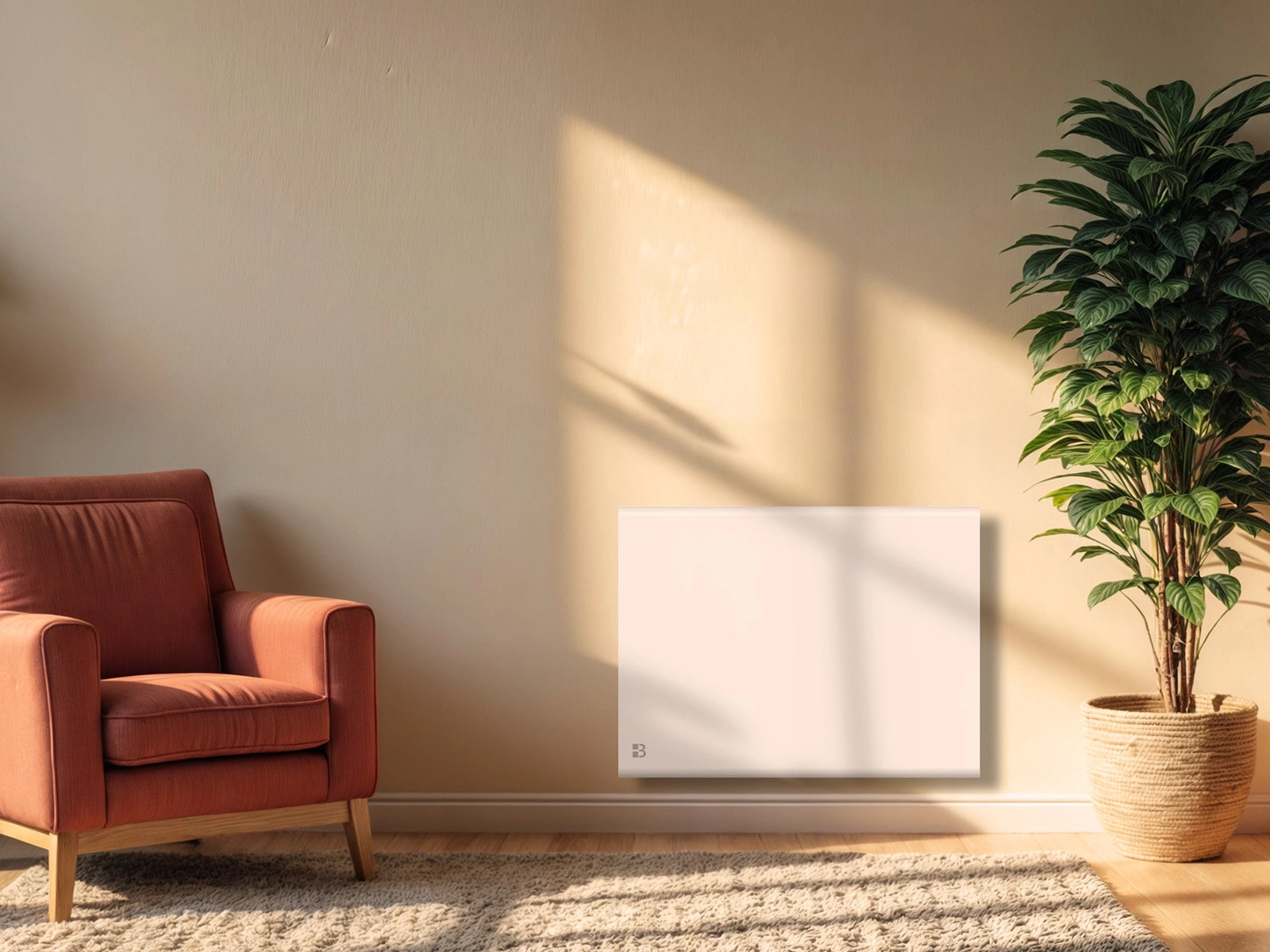

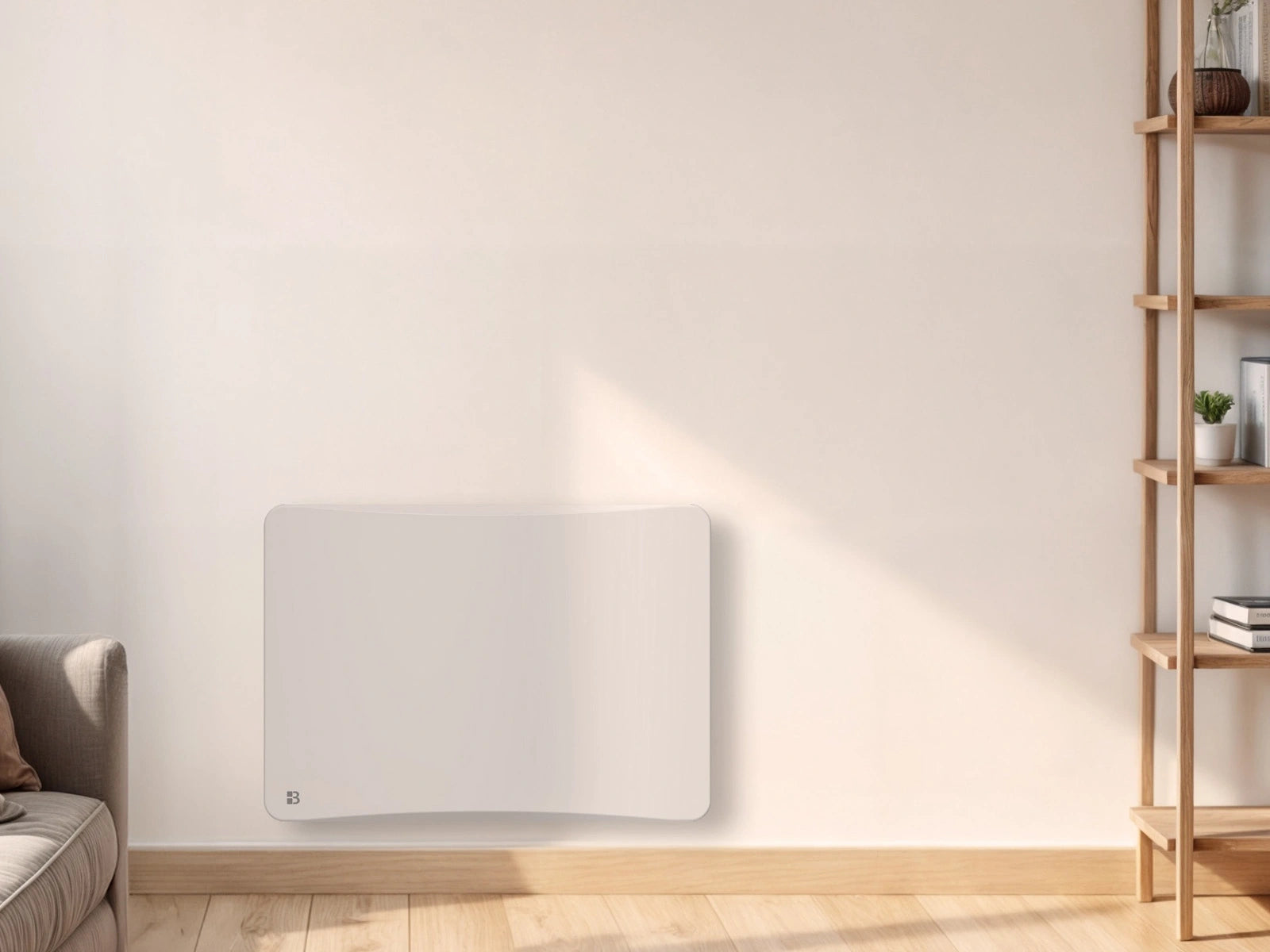
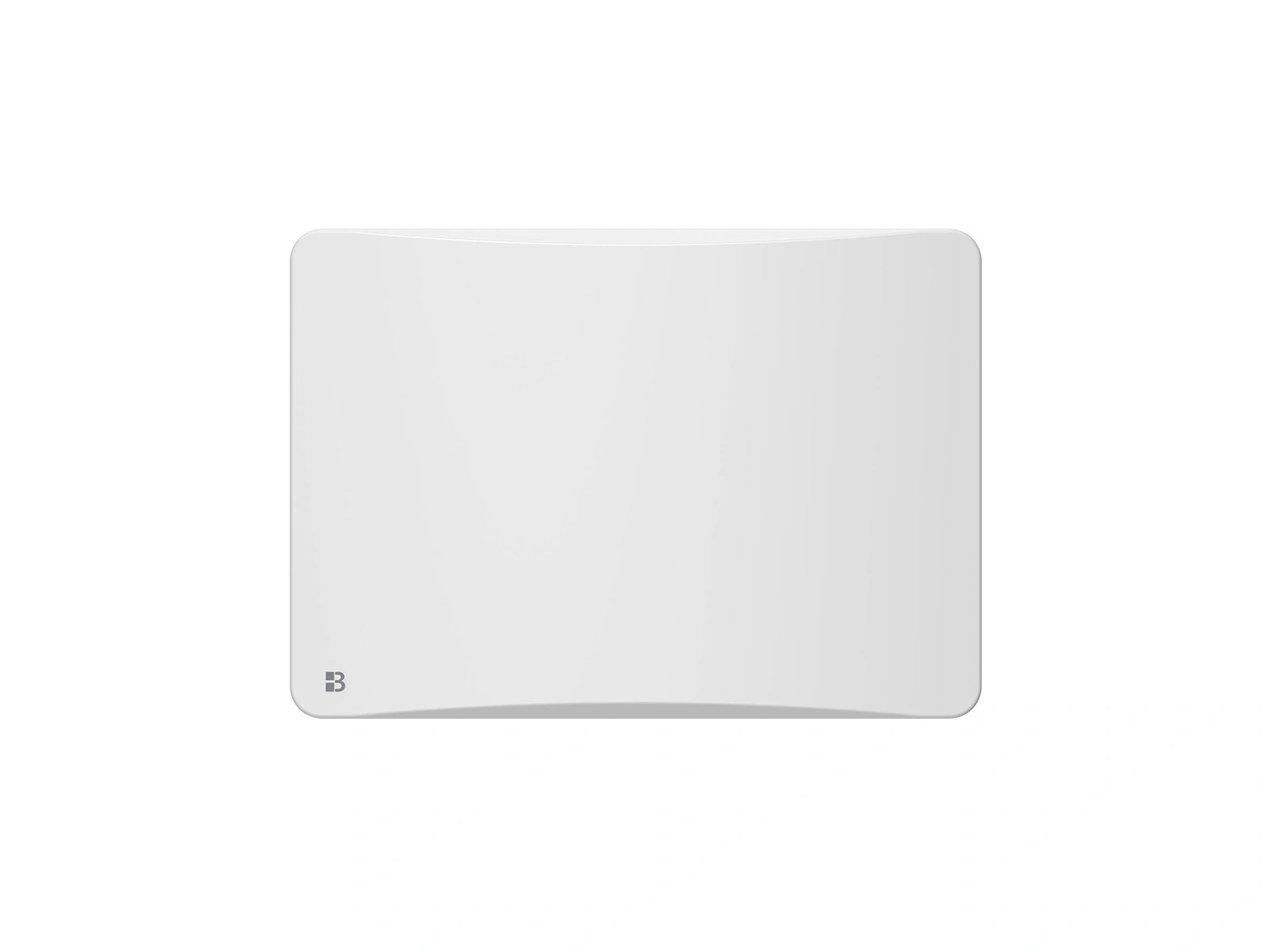
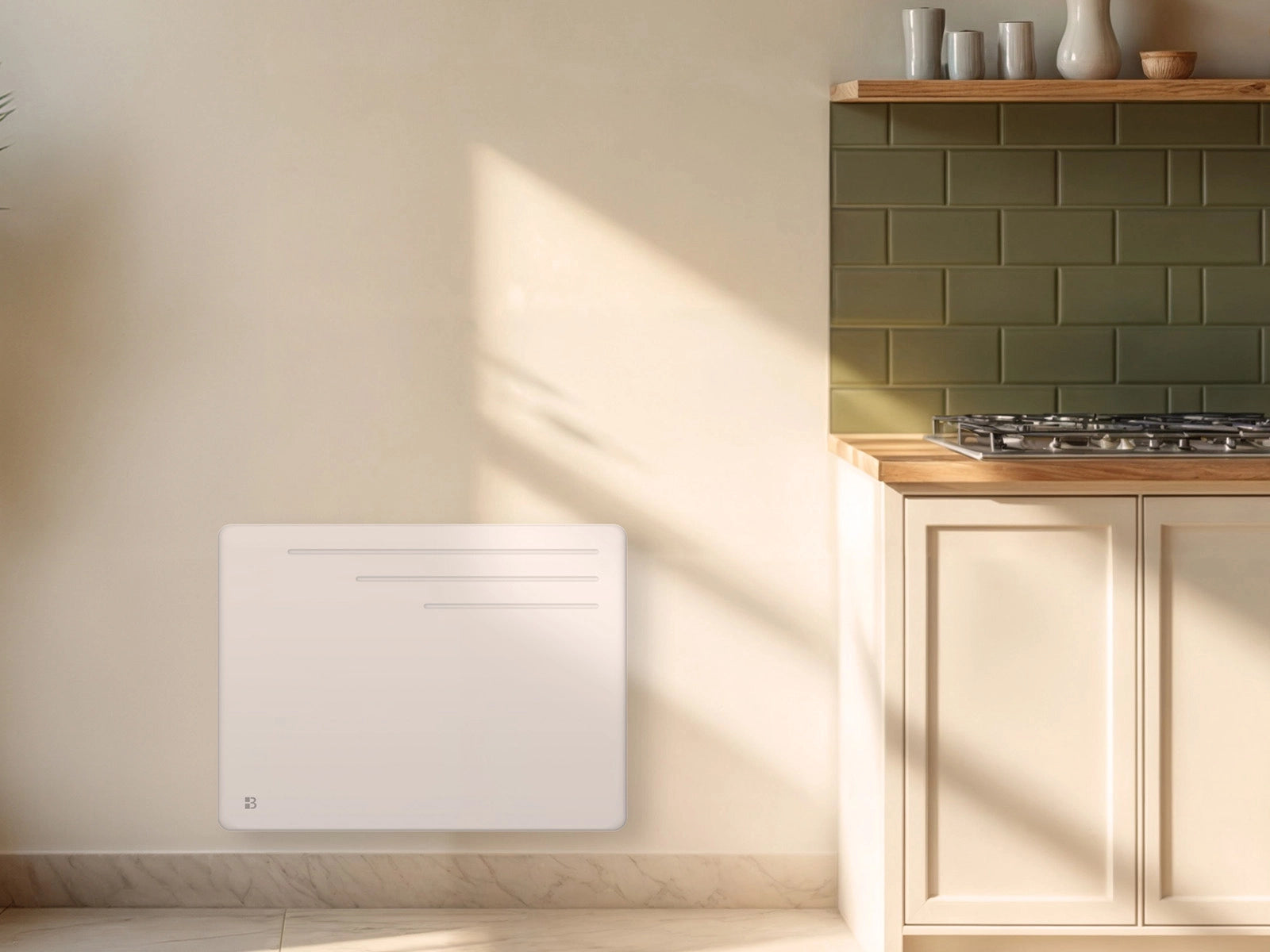
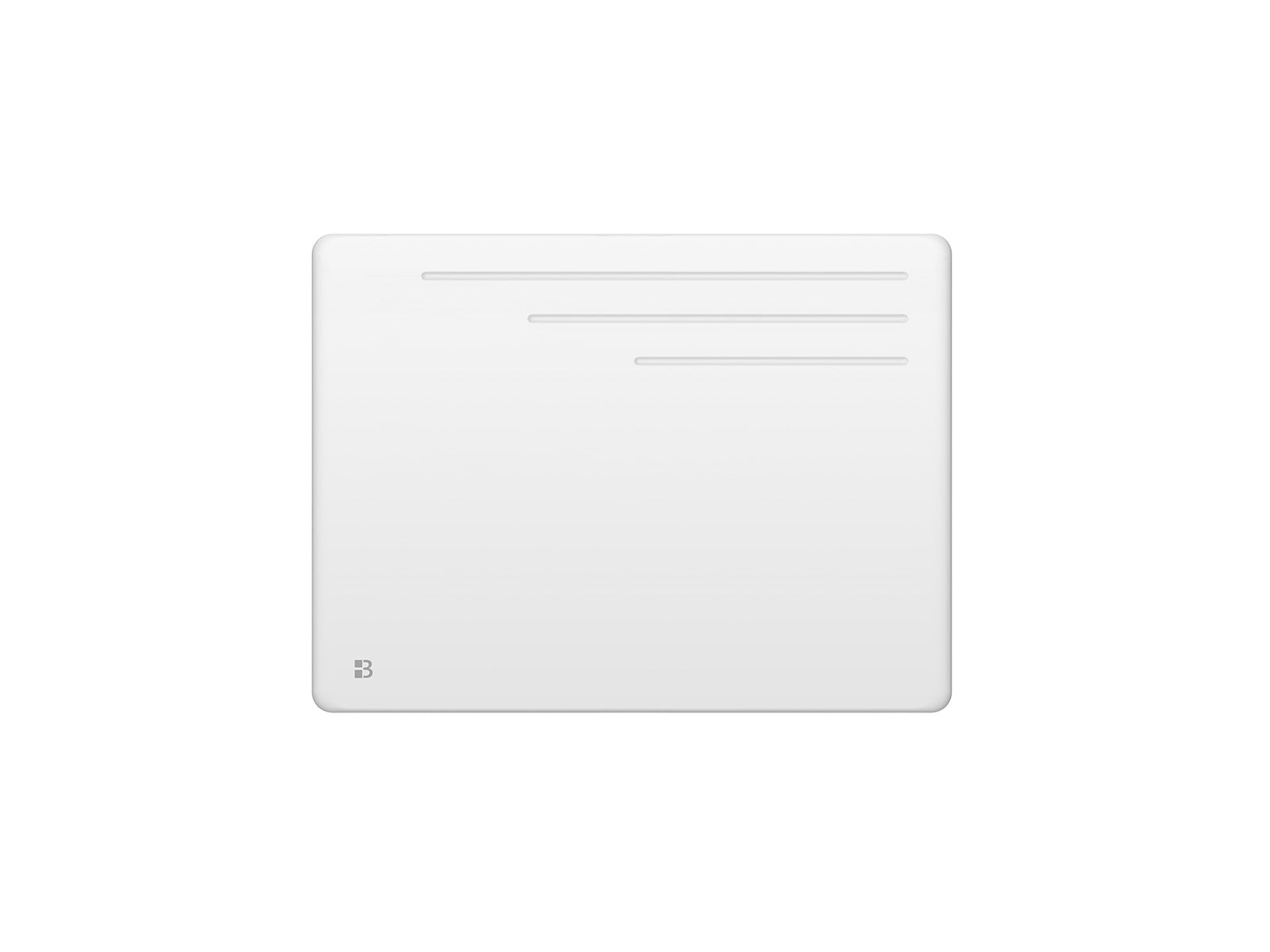
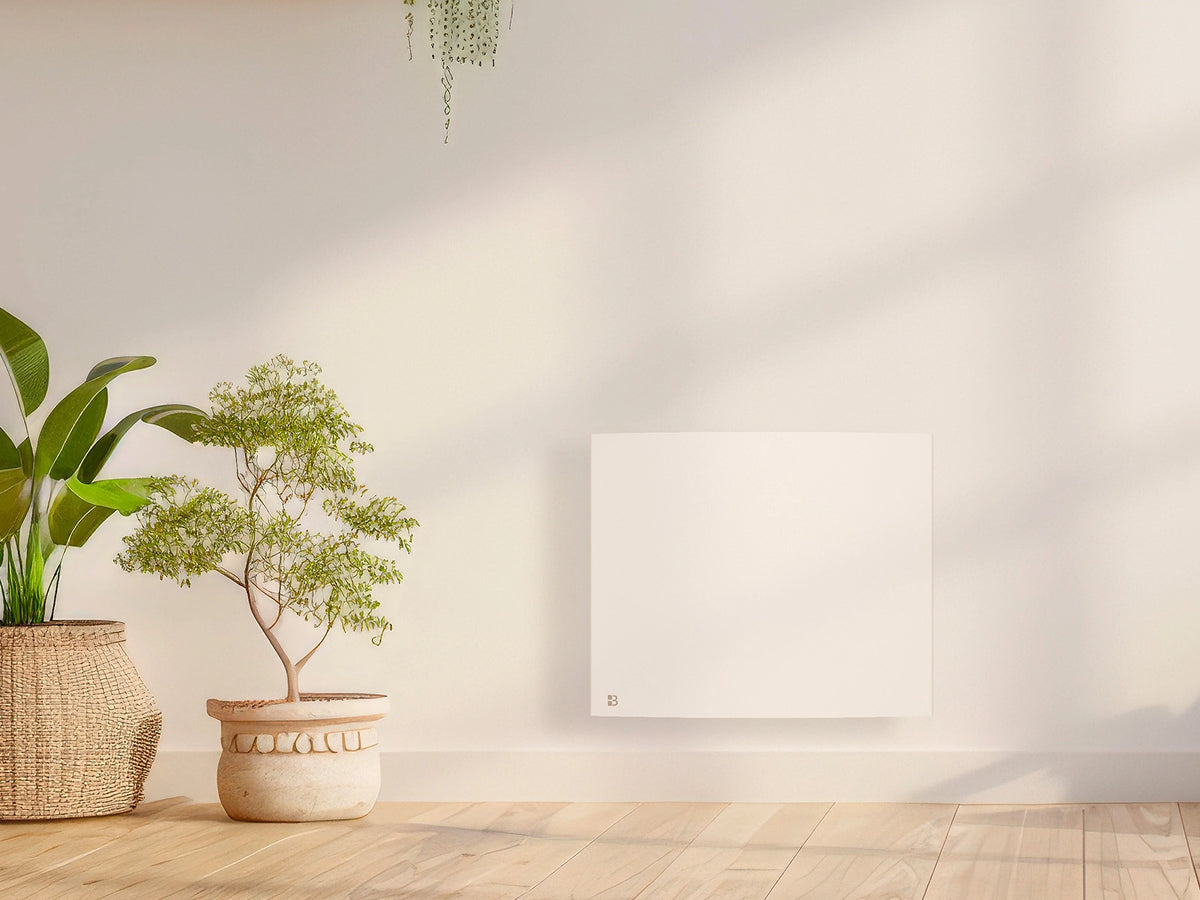

Electric dry-inertia cast-iron radiator
An electric cast-iron radiator heats a cast-iron core that stores heat before releasing it gradually. It therefore provides gentle, stable warmth, making it particularly suitable for living rooms and other living spaces.
These dry-inertia radiators operate without water or fluid and do not require any connection to the central heating system. Depending on the model, you will find a 100% cast-iron core or a dual core combining cast iron and a heating film, offering both thermal inertia and faster heat-up.
To compare all the available technologies, also explore our inertia radiators.
How does an electric cast-iron radiator work?
An electrical heating element heats the cast-iron block, which stores the heat before releasing it into the room.
Heat continues to be released after the heating element switches off. This is the principle of dry inertia: cast iron retains some of the heat produced during heating before releasing it into the room.
The principle is based on the Joule effect: 1 kWh of electricity consumed produces approximately 1 kWh of heat. Cast iron therefore does not make the radiator more efficient in this respect. Its benefit lies in retaining heat and releasing it gradually, which helps maintain a more stable temperature.
Dry-inertia or fluid-inertia cast-iron radiator: what is the difference?
A traditional cast-iron radiator is generally connected to a boiler and uses a water circuit to transport heat. An electric cast-iron radiator works differently: it heats directly using an integrated electrical heating element.
It therefore requires neither a water circuit, nor a boiler, nor bleeding. It is connected directly to the electrical network, in accordance with the applicable installation regulations.
This solution may be considered when renovating a home equipped with old cast-iron water radiators, when the heating system is replaced with an electrical installation.
Why choose a cast-iron radiator for your living room?
In a living room or lounge, cast iron provides stable, pleasant warmth that is particularly appreciated when the room is heated for several hours a day.
- Gentle, even heat: cast iron stores heat and releases it gradually, providing a more consistent feeling of warmth without drying out the air.
- Stable temperature: heat continues to be released after the heating element switches off, limiting temperature fluctuations between two heating cycles.
- Long-lasting comfort: cast iron continues to release its heat after the heating phase, making it well suited to occupied rooms
- Control functions: depending on the model, you may benefit from weekly programming, a 6-command pilot wire, or open-window detection.
Good regulation also helps maintain a stable temperature without unnecessary heating. However, consumption depends on the set temperature, the home’s insulation, and your heating habits.
Cast iron, ceramic, or dual-core: which radiator should you choose?
The choice depends mainly on your room and heating schedule. Cast iron is suitable for living areas occupied for long periods, while ceramic may be preferred in rooms where faster heat-up is desired. The dual-core technology combines a heating film with a cast-iron core.
| Technology | Main advantage | Recommended rooms | Bestherm example |
|---|---|---|---|
| Cast iron (dry inertia) | High thermal inertia, gentle and stable heat | Living room, lounge, living areas | BIA, MOTU, ALOA CONNECT |
| Dual-core cast iron + heating film | Rapid heating thanks to the film, followed by heat from the cast iron | Large rooms, rooms heated periodically | NEMESIS, ALMEA, EOLE |
| Ceramic (dry inertia) | Faster heat-up | Bedroom, kitchen, office | ARIA, NESSA CONNECT |
For models combining both technologies, discover the dual-core cast-iron and heating-film radiators, as well as the ceramic-core radiators.
What radiator power rating should you choose based on the surface area?
To choose the power rating of your electric cast-iron radiator, allow approximately 100 W/m² in a well-insulated home, compared with 125 W/m² in a less well-insulated home.
| Wattage | Surface area, well-insulated home (100 W/m²) | Surface area, poorly insulated home (125 W/m²) |
|---|---|---|
| 1000 W | up to 10 m² | up to 8 m² |
| 1500 W | up to 15 m² | up to 12 m² |
| 2000 W | up to 20 m² | up to 16 m² |
These values are indicative and should be adapted to your home’s characteristics. In a large room, several well-spaced radiators can also provide better heat distribution than a single very powerful unit.
The power rating depends in particular on the room’s surface area: calculate the required radiator power based on its surface area.
Installing a cast-iron radiator: what you need to know
Installing a cast iron radiator mainly requires taking its weight, format and electrical connection into account.
- Weight: a cast iron radiator is relatively heavy. Use a load-bearing wall or fixings suitable for the surface.
- Connection: the radiator is connected directly to the single-phase electrical supply, without a plug, in accordance with the applicable rules and the NF C 15-100 standard.
- Format: depending on the model, the radiator may be horizontal or vertical. An appliance designed for one format must not be installed the other way around.
See the steps for installing an electric radiator before starting your installation.
Bestherm tip: if you want to make radiator maintenance easier, models equipped with an interchangeable thermostat are an interesting choice. If the thermostat breaks down, it can be replaced without having to change the radiator.
FAQ: Everything you need to know about electric cast iron radiators
Does a cast iron radiator use less energy than another electric radiator?
No, not because of the cast iron itself. Like all electric radiators, it converts the electricity it uses into heat. Its main benefit lies in its thermal inertia and regulation, which help maintain a more stable temperature.
How long does a cast iron radiator stay hot after the heating element is switched off?
Cast iron continues to release heat after the heating element is switched off. How long it continues to release heat depends on the model and its characteristics.
Cast iron or ceramic: which radiator should you choose?
For a living space heated for several hours, cast iron is particularly suitable thanks to its ability to store and release heat. If you are looking for a faster heat-up, ceramic can be an interesting alternative. The dual-core design combines a cast iron core with a heating film to combine thermal inertia and responsiveness.
Is an electric cast iron radiator heavy to install?
A cast iron radiator is relatively heavy: the NEMESIS 2000 W weighs 12 kg, for example. So make sure that the wall and chosen fixings are suitable for the appliance’s weight.
Can a water-filled cast iron radiator be replaced with an electric cast iron radiator?
Yes. An old water-filled cast iron radiator can be replaced with an electric cast iron radiator if the home is equipped for electric heating. The new radiator does not require a water circuit, but its connection must comply with the NF C 15-100 standard.
Updated on 08/10/2026