
Double core heating radiator
Filters
5 products
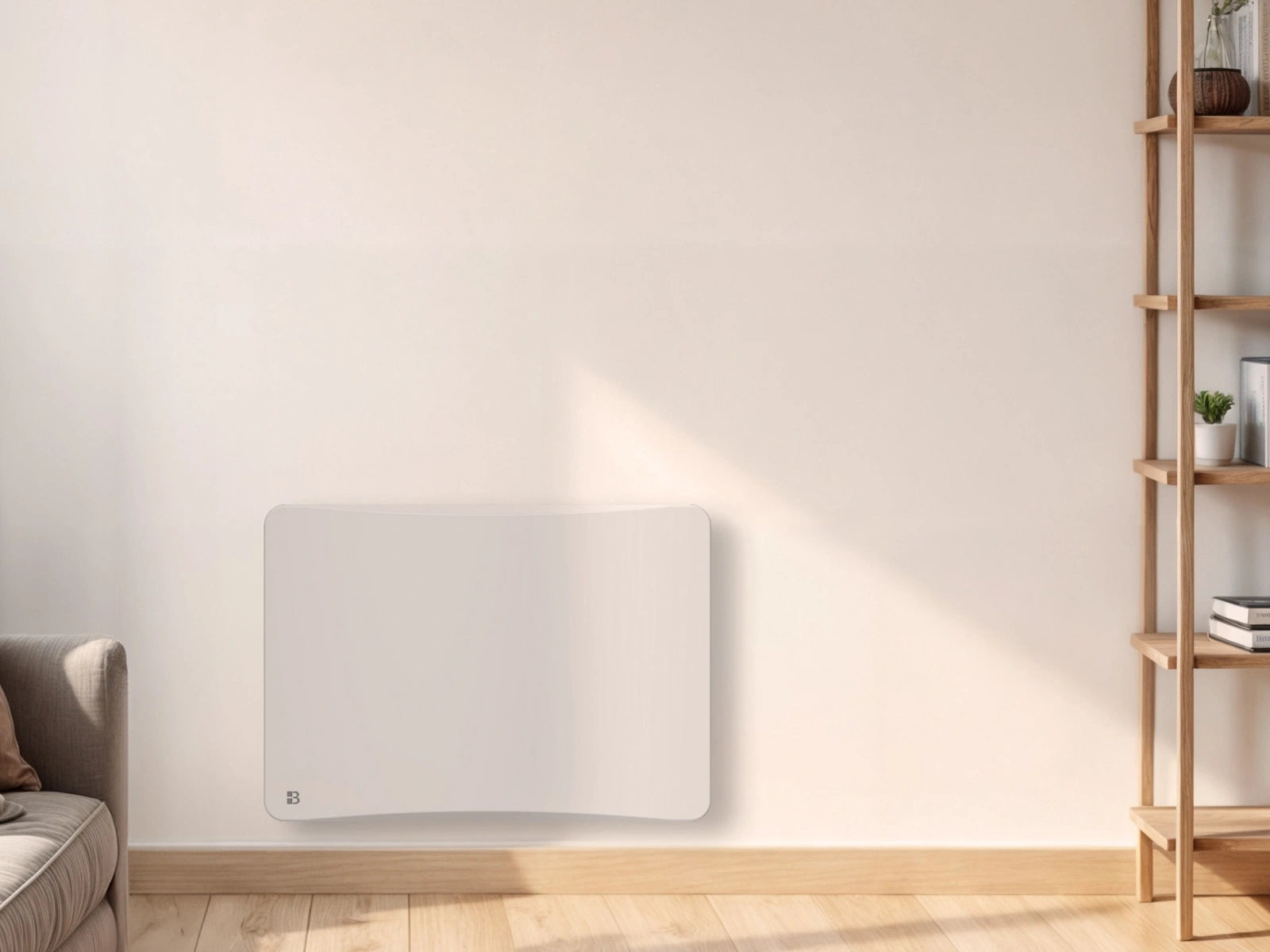
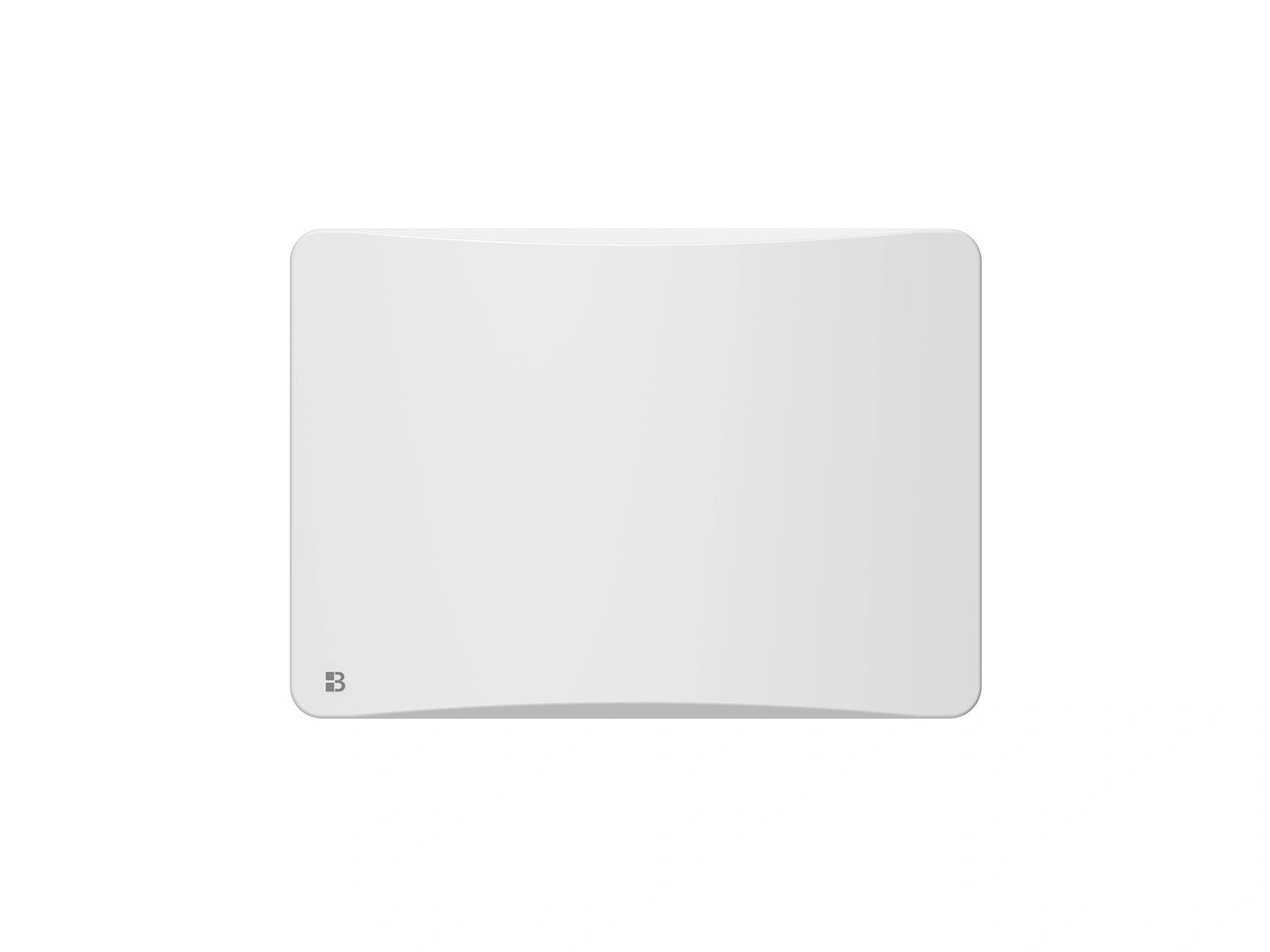
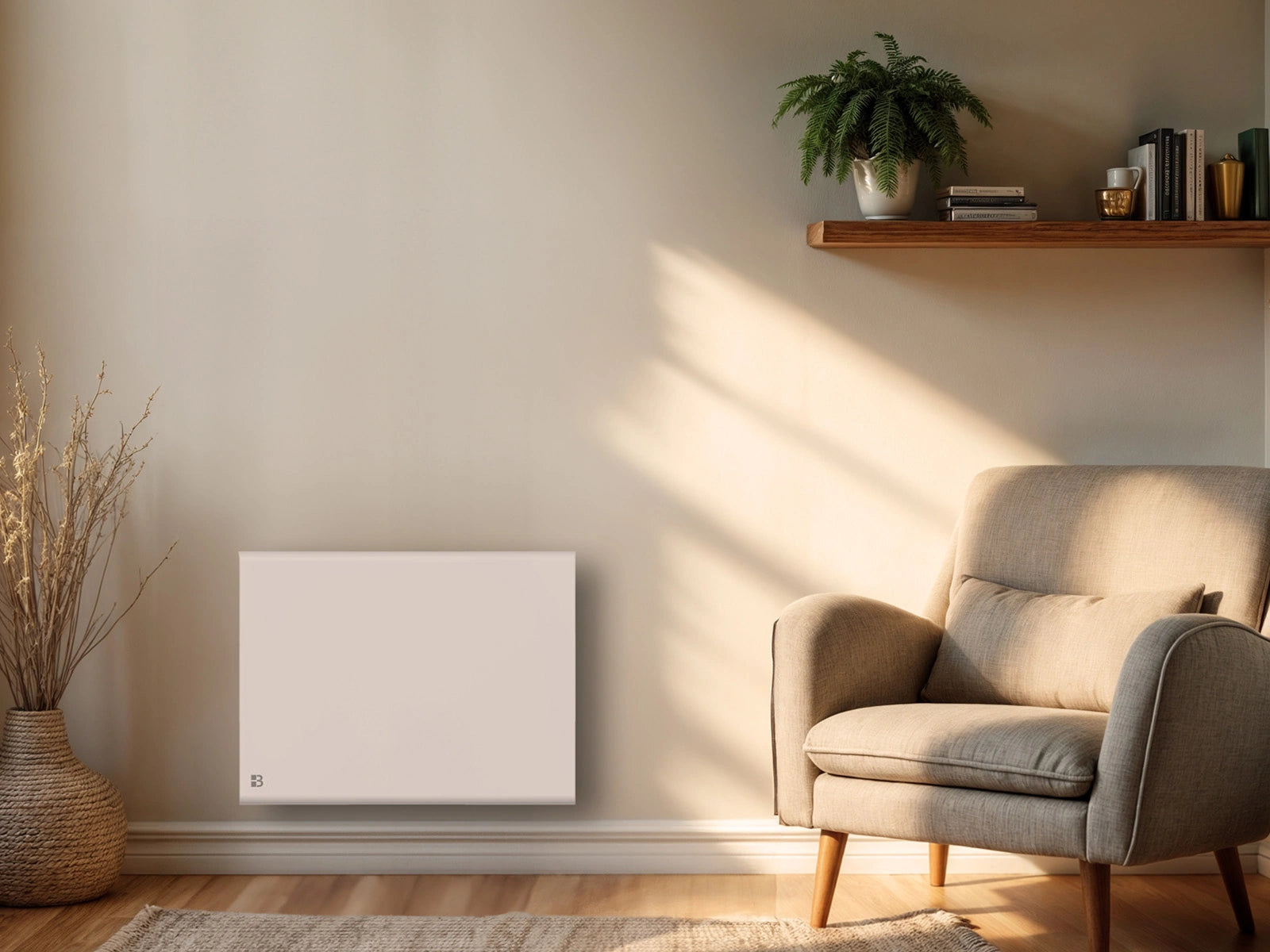

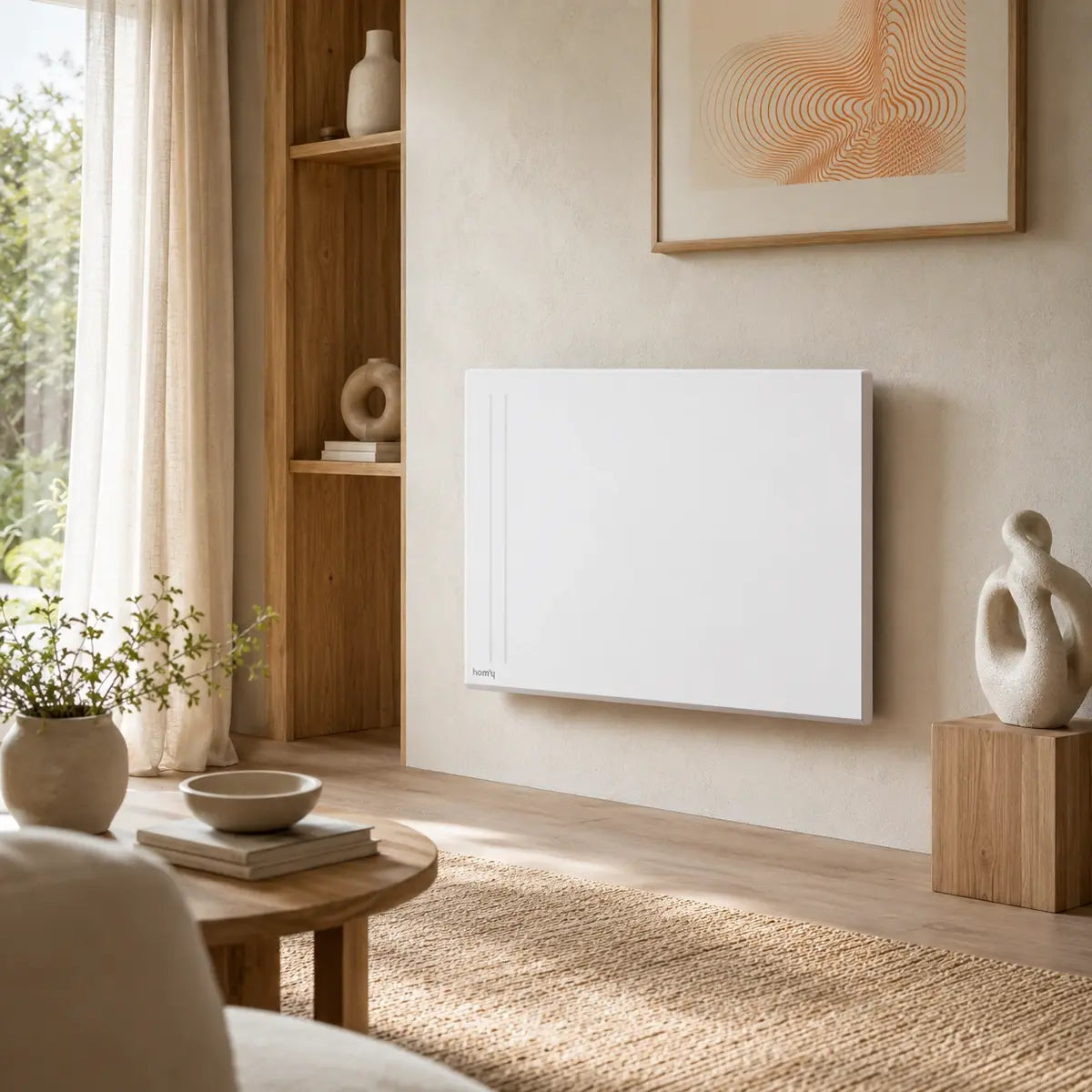

Double core heating radiator
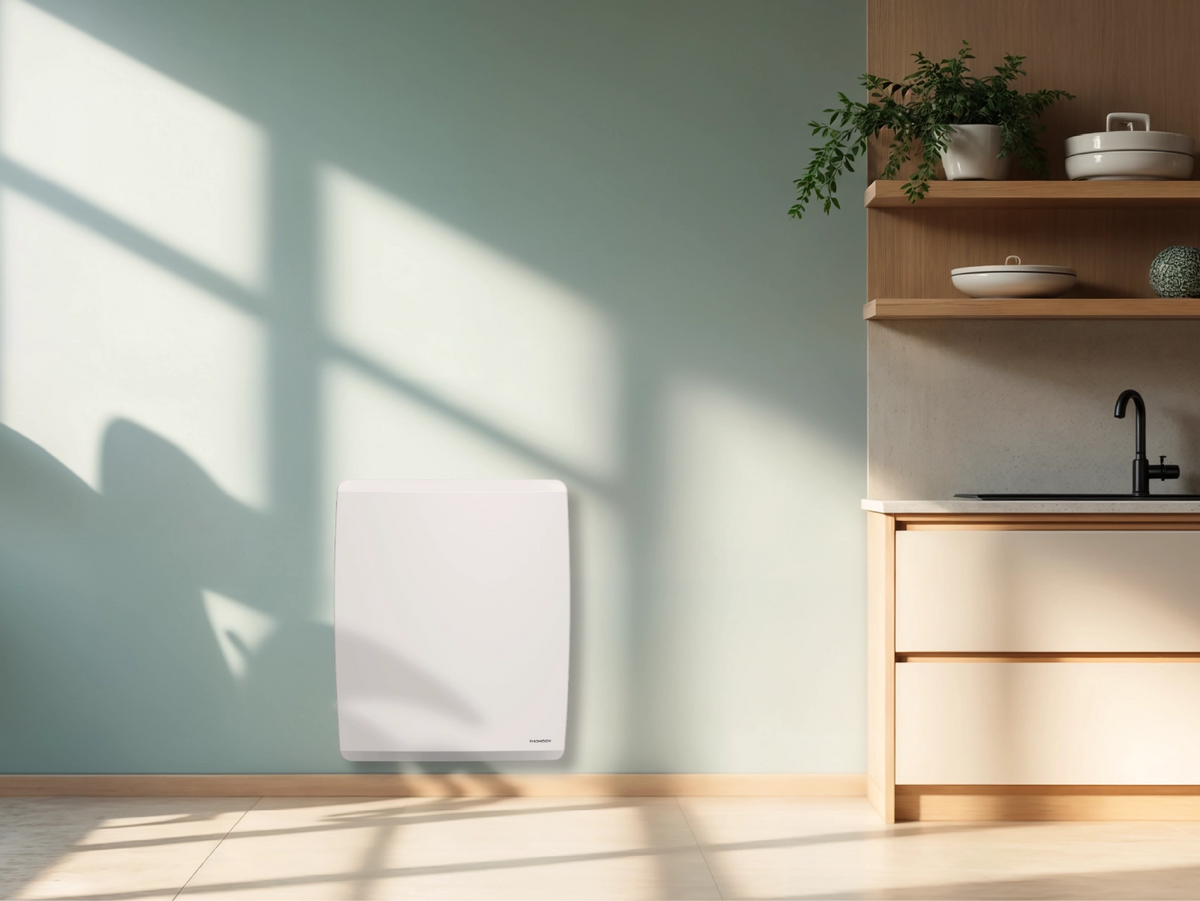
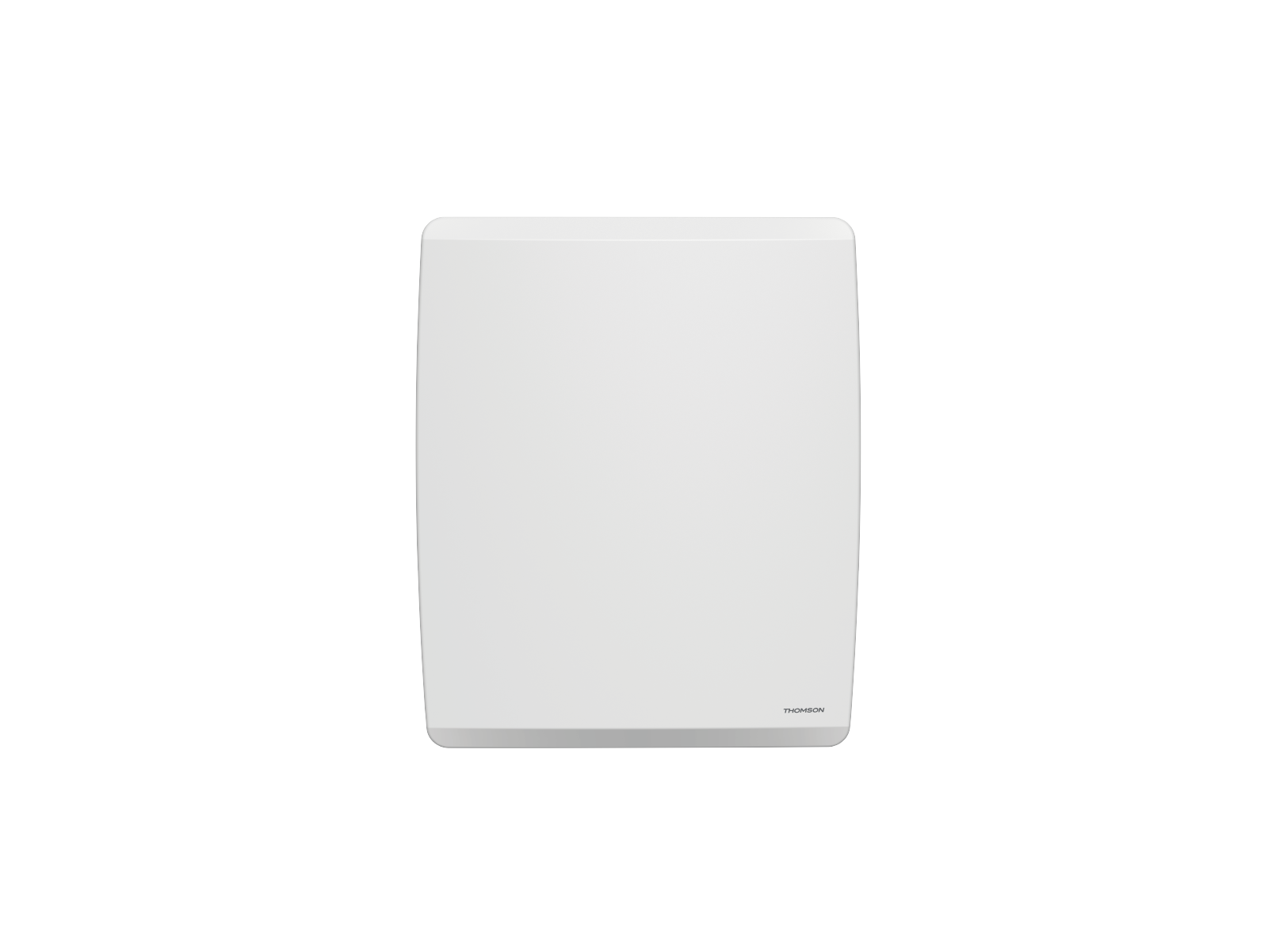
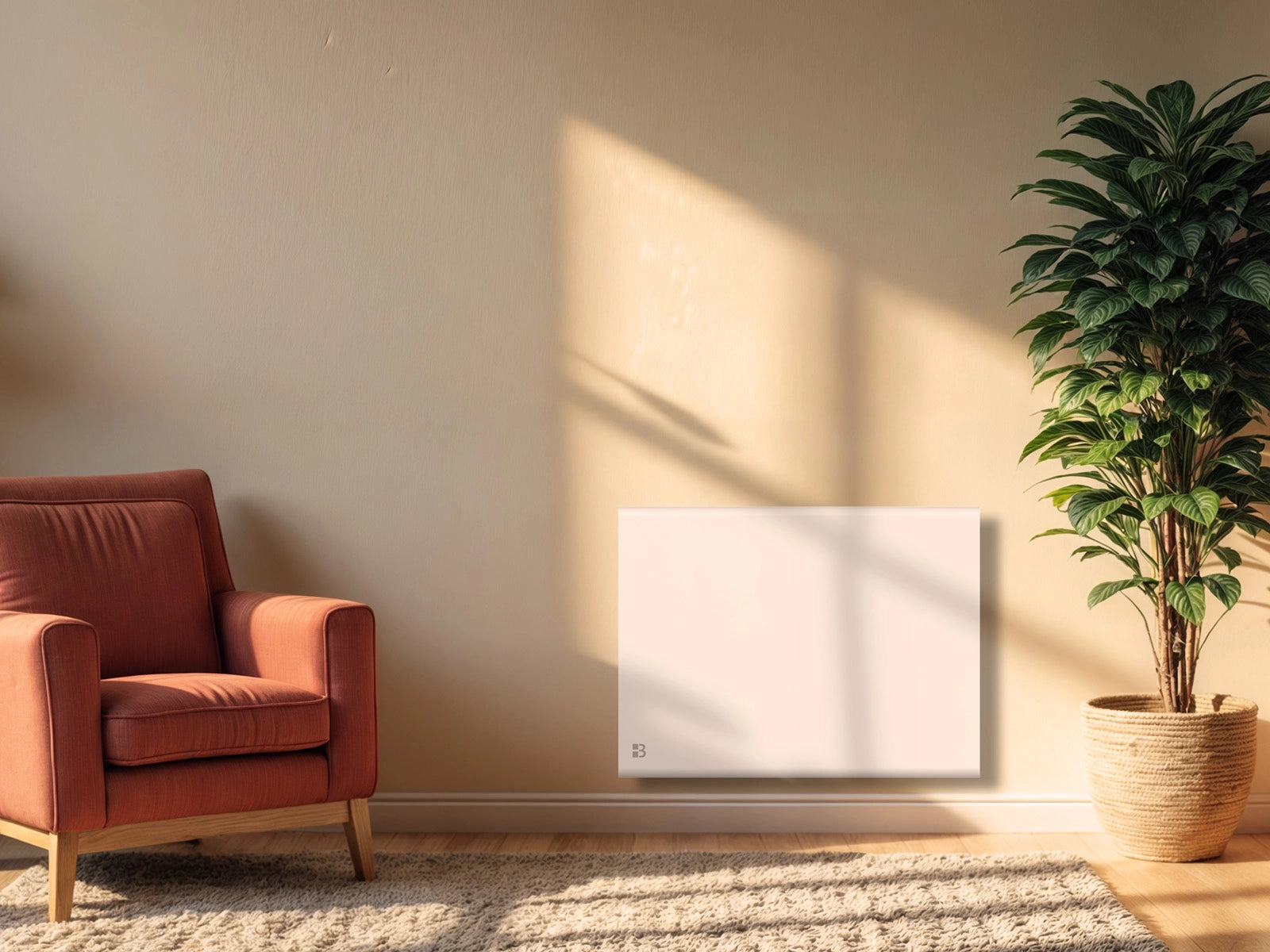
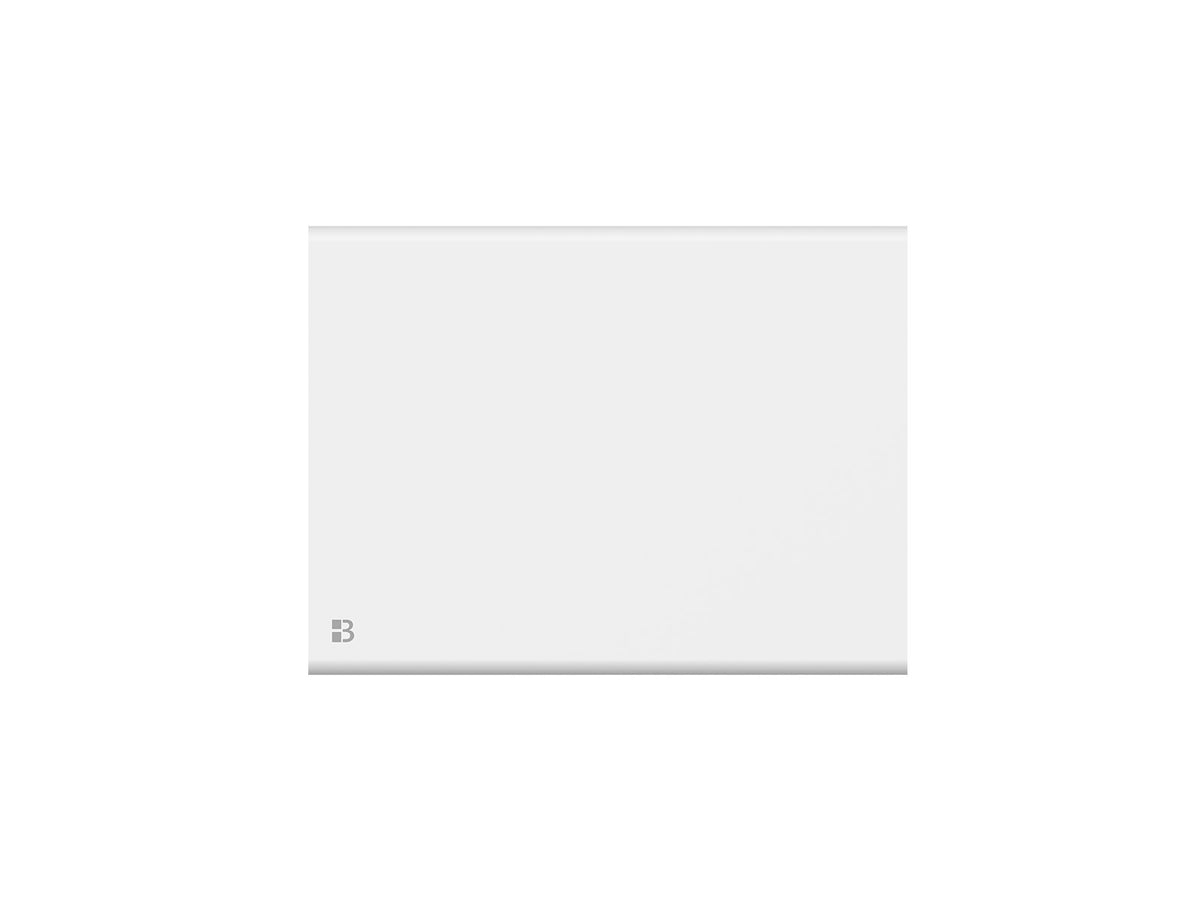
When choosing an electric radiator, you often have to choose between quick heating and long-lasting comfort. The double heating core radiator was designed precisely to avoid this compromise. It combines a highly responsive heating film with a dry inertia heating core capable of storing thermal energy. The space heats up quickly, then stays comfortable longer, without sudden temperature changes.
How does a double heating core radiator work?
Its operation is based on two complementary elements:
- a heating film for responsiveness,
- a dry inertia heating core to retain stored energy.
From the moment it is turned on, the heating film provides an almost immediate feeling of comfort. At the same time, the heating core stores this energy and releases it gradually. The device therefore does not need to operate continuously at full power to maintain a pleasant atmosphere.
What are the advantages of the double heating core?
Compared to a traditional convector, it offers multiple benefits:
- Faster heating,
- More consistent temperature: fewer fluctuations between operating phases,
The combination of responsiveness and inertia also promotes energy savings since the heating core continues to release stored energy even when the resistance operates at reduced power.
Simple inertia radiator or double heating core: what are the differences?
| Criterion | Simple inertia | Double heating core |
|---|---|---|
| Responsiveness | Gradual heating | Immediate heating |
| Thermal comfort | Very good | Excellent |
| Energy savings | Good | Very good |
| Uniformity | Stable | Very stable |
A simple inertia radiator remains perfectly suitable for your home. However, the double heating core radiator improves thermal comfort thanks to its ability to heat quickly while maintaining a constant warmth over time.
Cast iron or ceramic: which heating core to choose?
The thermal comfort of cast iron
Cast iron stands out for its ability to store a large amount of thermal energy. It takes a bit longer to heat up than ceramic, but it retains heat much longer. It is often a suitable choice for spaces occupied for several hours at a time, such as a living room or dining room.
The performance of ceramic
Ceramic is valued for its ability to heat up quickly and then release heat gradually. It is often appreciated in bedrooms, offices, or living spaces where a consistent temperature is desired throughout the day.
Next-generation hybrid technologies
The double heating core technology combines a dry inertia heating core and a heating film to combine comfort and responsiveness. The heating core provides gentle and lasting heat, while the heating film ensures a rapid temperature rise.
This synergy naturally extends the double heating core principle by adding better responsiveness and finer heat control for more consistent and efficient comfort.
Discover Bestherm radiators with a double ceramic heating core or a double cast iron core, two technologies designed to offer optimal thermal comfort daily.
How to choose your double heating core radiator?
Choosing the right power
The choice of power mainly depends on the area to be heated as well as the level of insulation of the home.
The power of a radiator depends on the size of your interior.
- For well-insulated homes, it is recommended to plan for 100 W/m².
- For poorly insulated homes, opt instead for 125 W/m² : this allows you to heat the room more easily while optimizing your energy consumption.
These estimates are given for informational purposes and may vary depending on your home's insulation.
Relying on smart features
Connected radiators become especially interesting when occupancy schedules vary. From a mobile app, it is possible to program operating times or manage the device remotely in case of unexpected absence.
Automatic detectors to save even more
Some models are equipped with infrared (PIR) sensors that automatically reduce heating when a space remains unoccupied.
A radiator with presence detector adjusts its power based on the actual occupancy of the room. This smart and economical heating solution reduces unnecessary heating periods thanks to automatic presence detection.
Why do new generation radiators consume less?
The savings achieved are not only related to the radiator's inertia. They also depend on the thermostat's precision and the radiator's ability to adjust its operation to the actual needs of your home.
Since part of the energy is stored in the heating core, the device activates its resistance less frequently to maintain a comfortable environment. Added to this are features like the electronic thermostat, weekly programming, connectivity, and presence detection.
An interchangeable thermostat helps extend the lifespan of your device. This option is available on some of our models, providing simplified maintenance and better long-term adaptability.
In summary
For living spaces, the double heating core is now one of the most comfortable electric heating solutions. It allows you to quickly feel the effects of heating while avoiding the sensation of cooling between heating cycles. The choice between cast iron and ceramic will then depend on your habits and the level of inertia desired. Connected models offer more precise control and make daily heating management easier.
FAQ: Everything you need to know about the double heating core radiator
Does a double heating core radiator consume less electricity?
Yes, generally, but it also depends on your usage and the insulation of the home.
When properly chosen, a double heating core can consume less than a traditional convector.
What is the difference between an inertia radiator and a double heating core?
The double heating core combines two complementary technologies.
Where a traditional inertia radiator heats up gradually, the double heating core provides a faster temperature rise while retaining the benefits of dry inertia.
Is the double heating core suitable for a large living room?
Yes, it is even one of its main applications.
Its responsiveness allows you to quickly reach the desired heating level, while its inertia limits the sensation of cooling between two operating cycles.