
Double core heating radiator
Filters
5 products
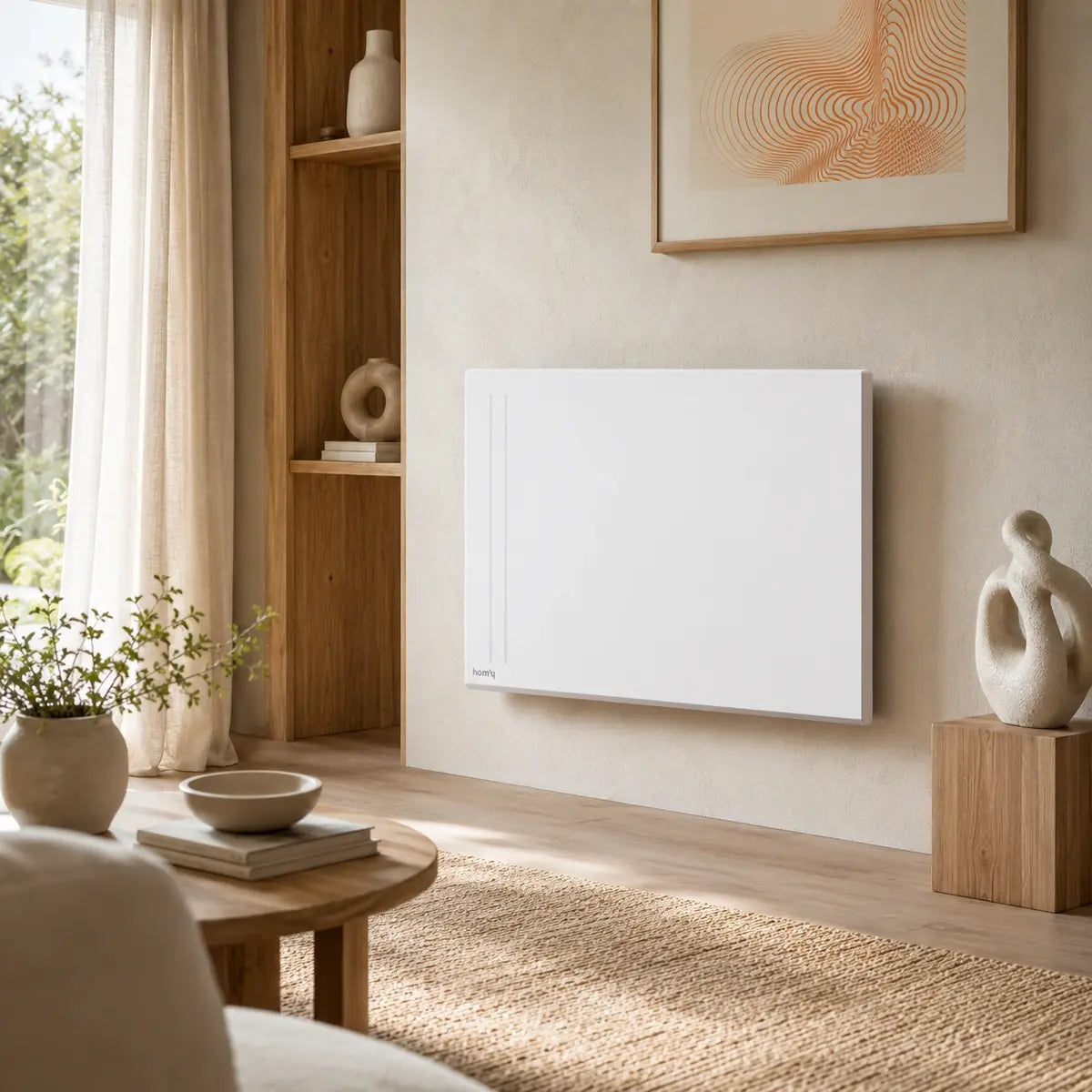

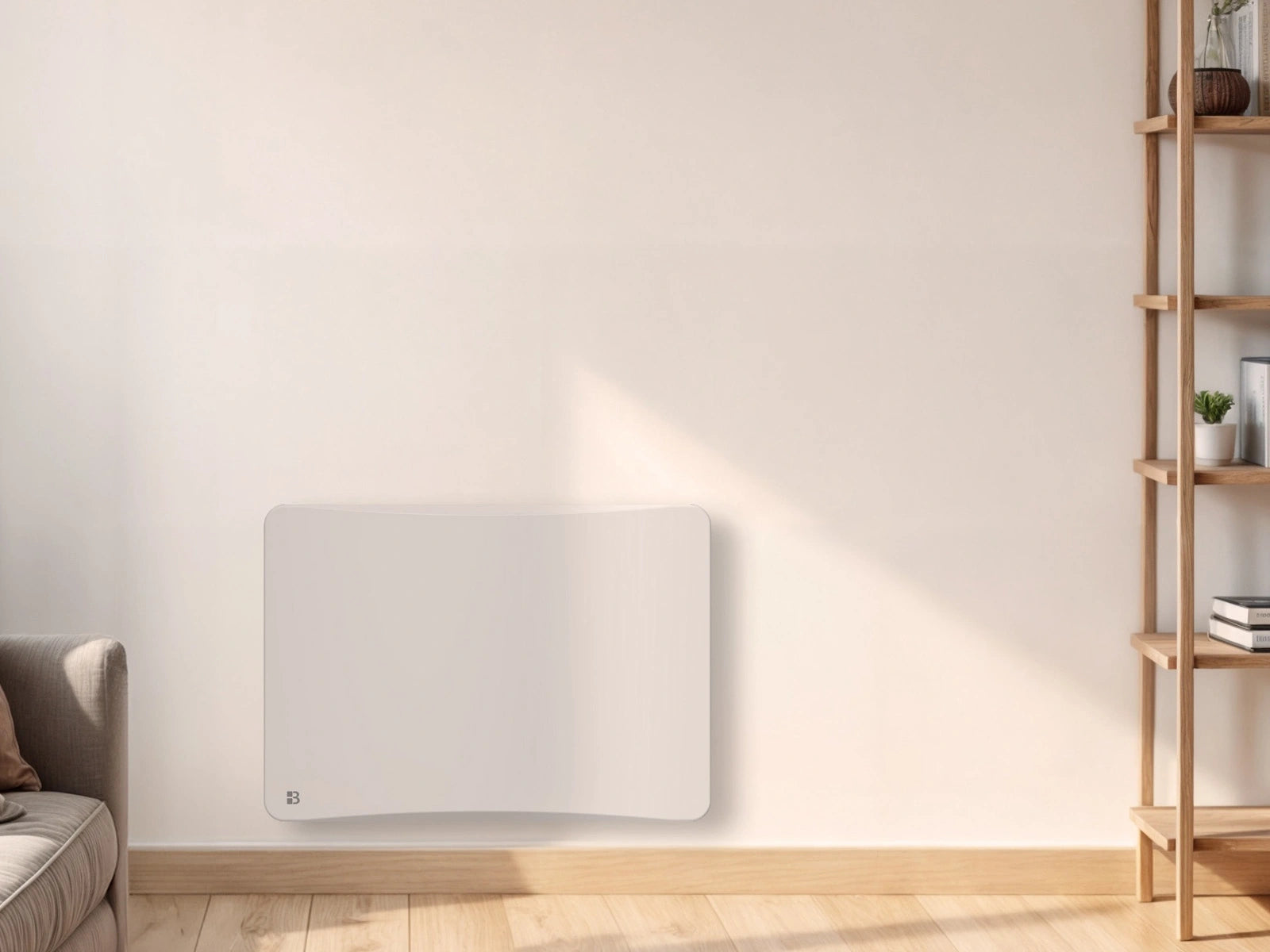
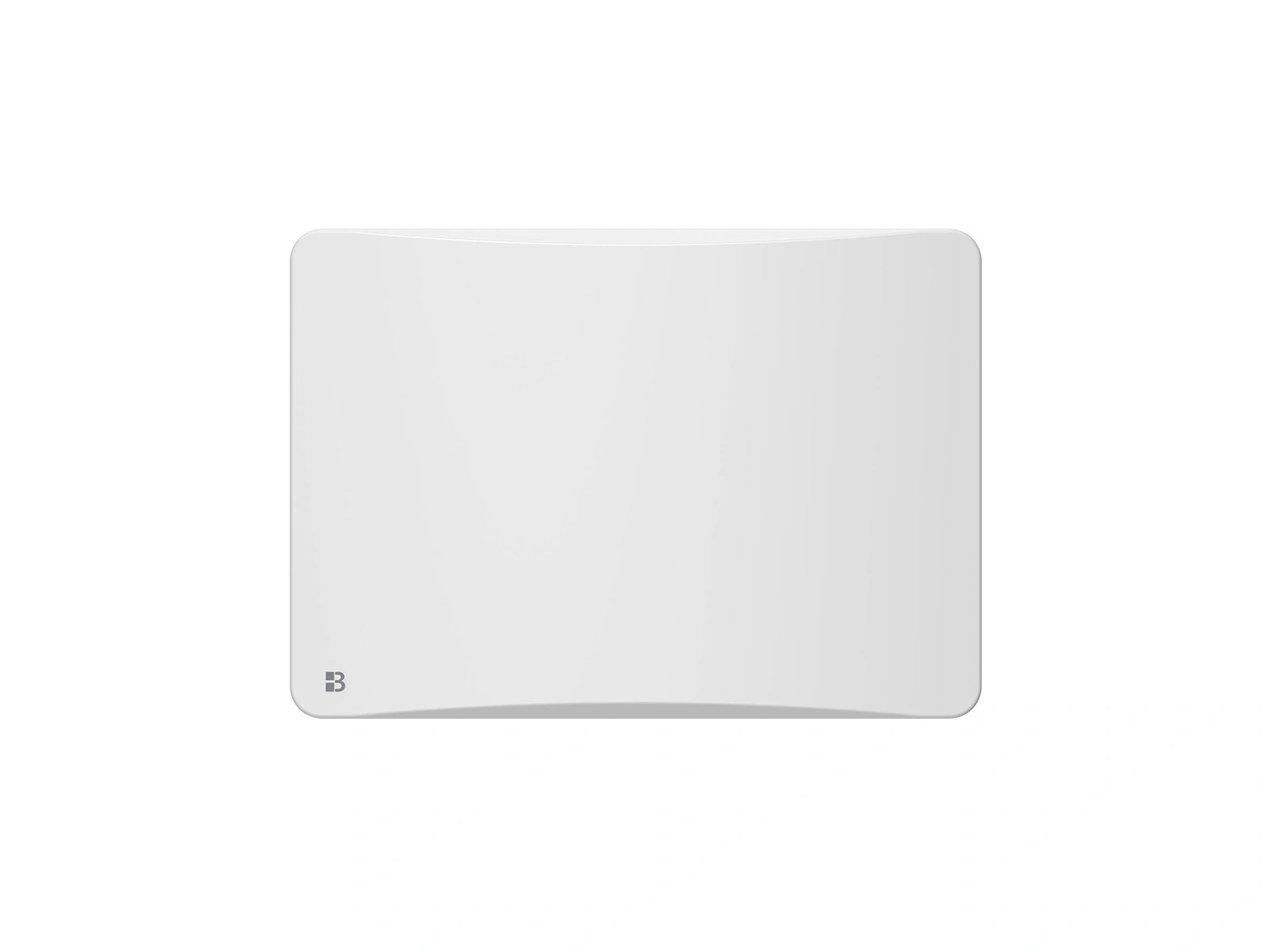
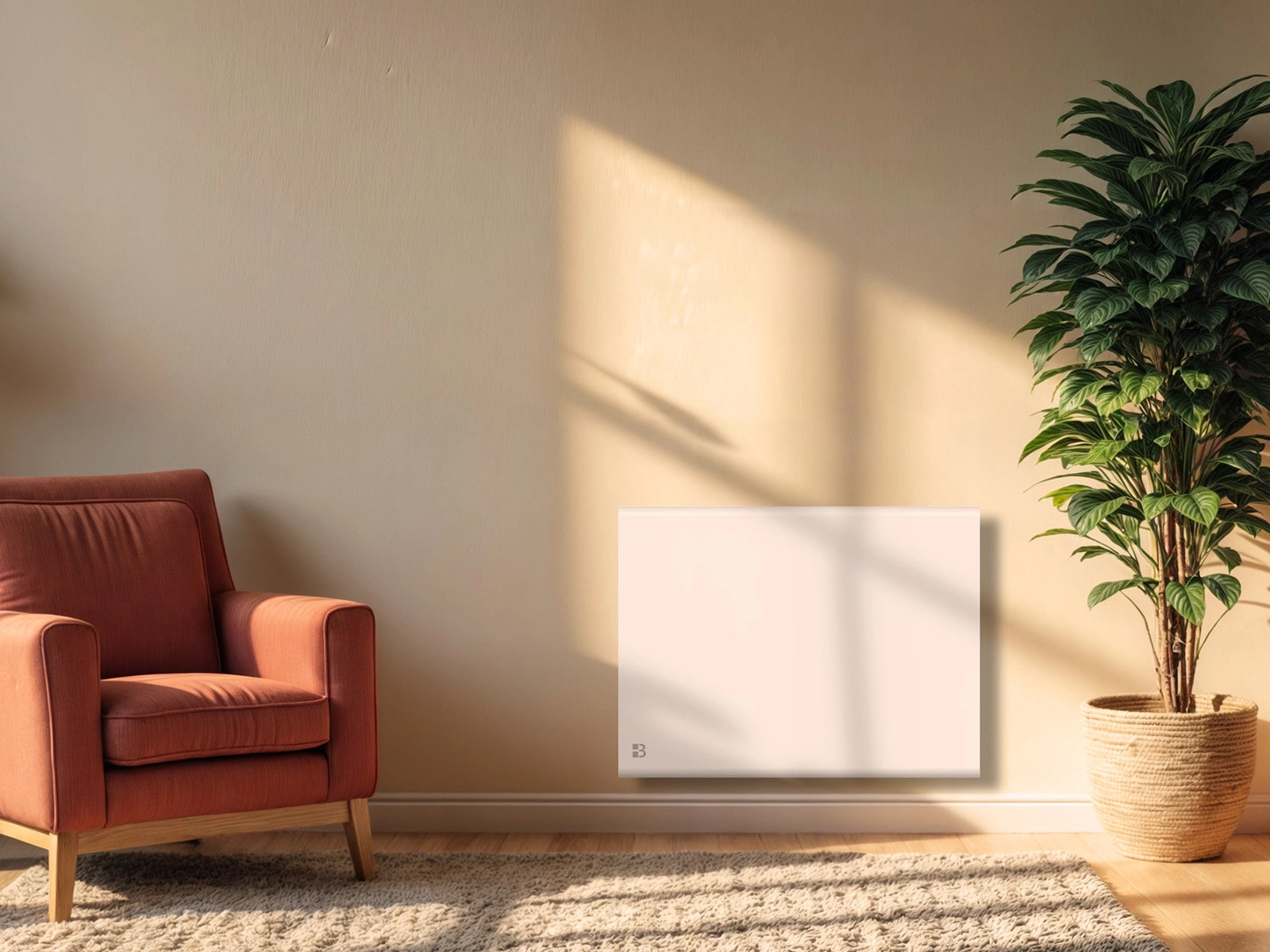

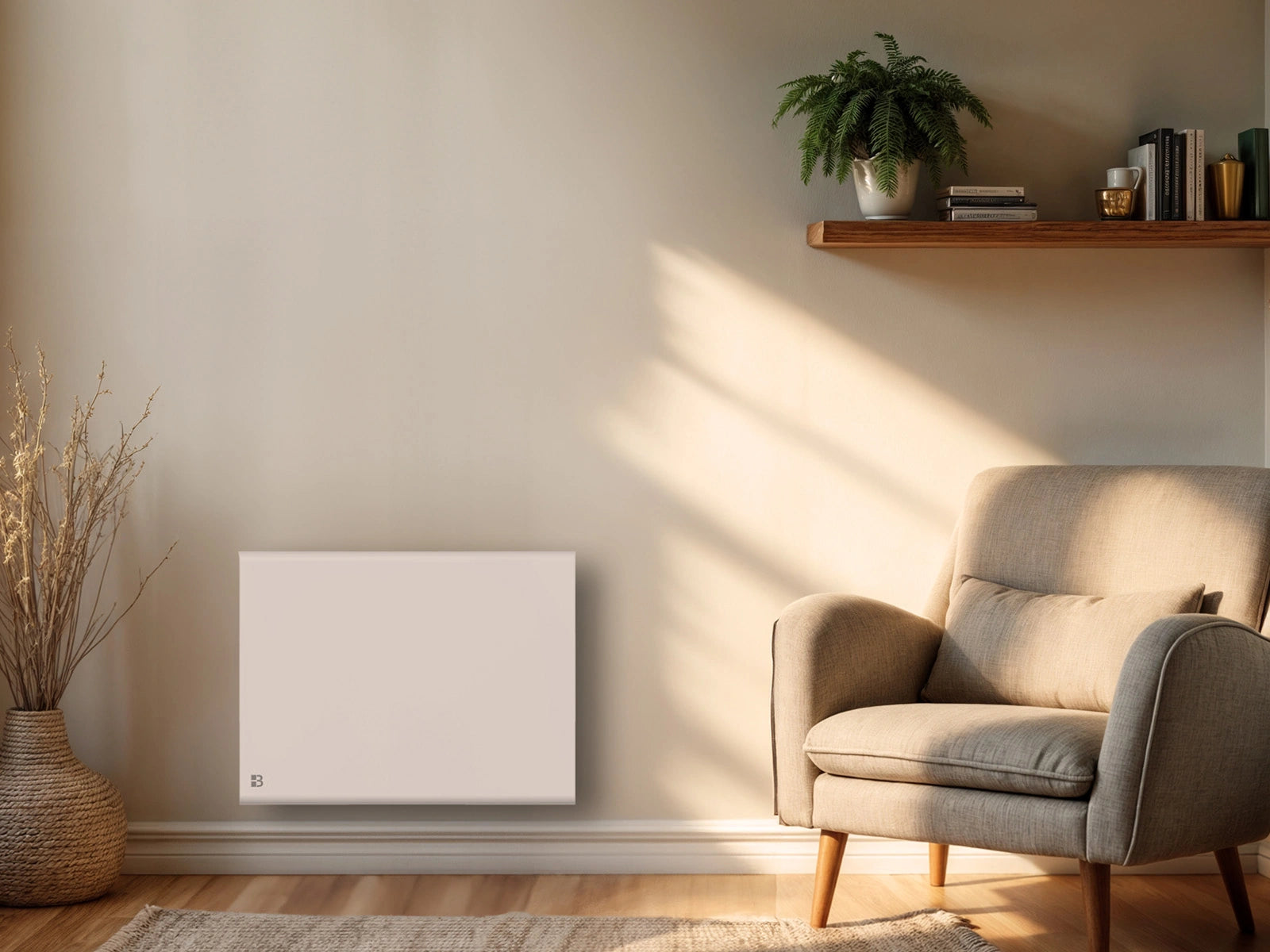

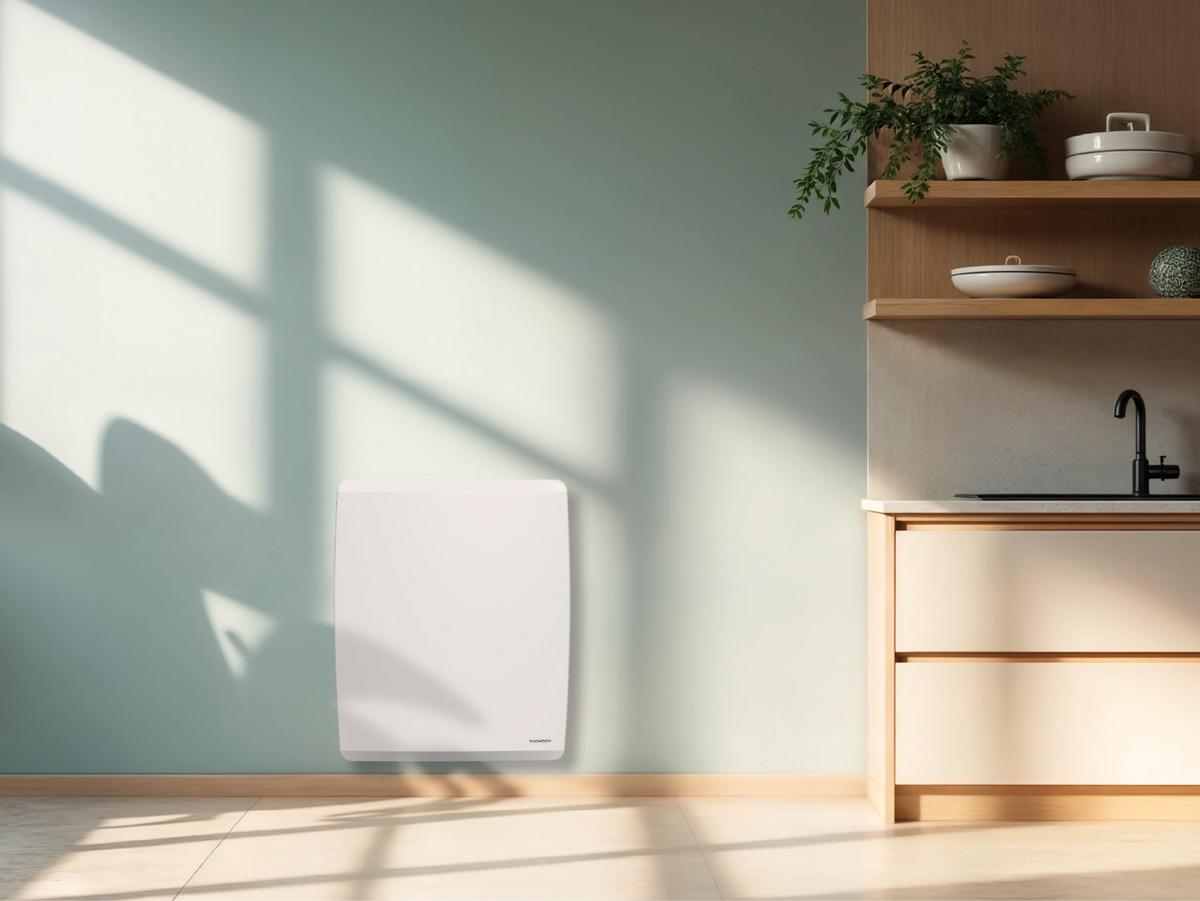
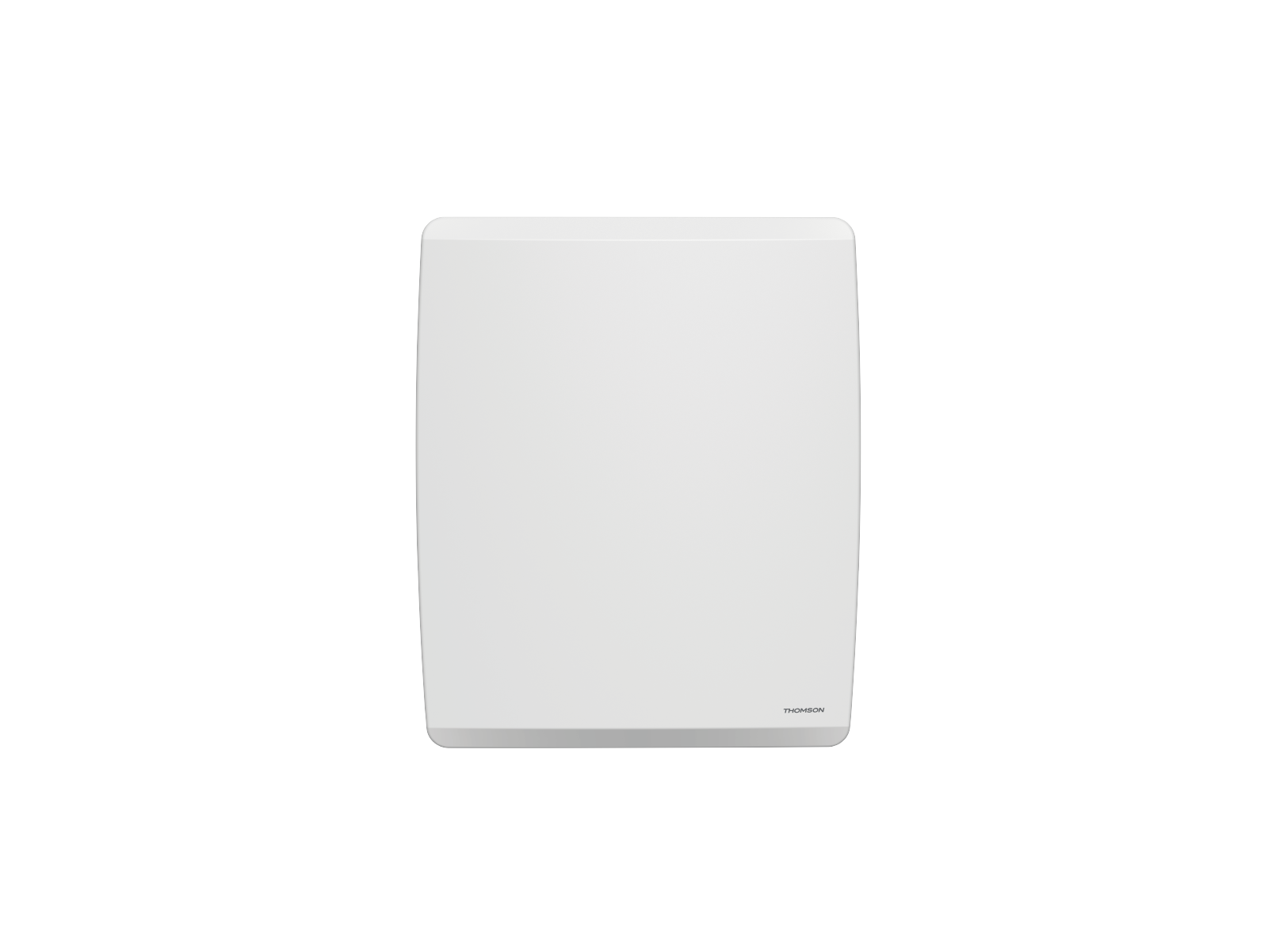
Dual heating core radiator
When choosing an electric radiator, you often have to choose between fast heating and lasting comfort. The dual heating core radiator was specifically designed to avoid this compromise. It combines a highly responsive heating film with a dry-inertia heating core capable of storing thermal energy. The space heats up quickly and remains comfortable for longer, without sudden fluctuations.
How does a dual heating core radiator work?
Its operation relies on two complementary elements:
- a heating film for responsiveness,
- a dry-inertia heating core to retain the stored energy.
As soon as it is switched on, the heating film provides an almost immediate feeling of comfort. At the same time, the heating core stores this energy and releases it gradually. The unit therefore does not need to operate continuously at full power to maintain a pleasant atmosphere.
What are the advantages of a dual heating core?
Compared with a conventional convector, it offers multiple benefits:
- Faster heat-up,
- More consistent temperature: fewer variations between two operating phases,
The combination of responsiveness and inertia also promotes energy savings, since the heating core continues to release the stored energy even when the heating element operates at reduced power.
Single- or dual-core inertia radiator: what are the differences?
| Criterion | Single inertia | Dual heating core |
|---|---|---|
| Responsiveness | Gradual heating | Immediate heating |
| Thermal comfort | Very good | Excellent |
| Energy savings | Good | Very good |
| Uniformity | Stable | Very stable |
A single-core inertia radiator remains perfectly suitable for your home. However, a dual-core inertia radiator improves thermal comfort thanks to its ability to heat quickly while maintaining consistent warmth over time.
Cast iron or ceramic: which heating element should you choose?
The thermal comfort of cast iron
Cast iron stands out for its ability to store a large amount of thermal energy. It takes a little longer to heat up than ceramic, but it retains heat for longer. It is often a suitable choice for spaces occupied for several hours at a time, such as a living room or dining room.
The performance of ceramic
Ceramic is valued for its ability to heat up quickly and then release heat gradually. It is often appreciated in bedrooms, offices, or living spaces where a consistent temperature is desired throughout the day.
Next-generation hybrid technologies
Dual heating core technology combines a dry-inertia heating core with a heating film to deliver both comfort and responsiveness. The heating core provides gentle, long-lasting heat, while the heating film ensures rapid heat-up.
This synergy naturally extends the principle of the dual heating core, adding greater responsiveness and finer heat management for more consistent and efficient comfort.
Discover Bestherm radiators with a ceramic dual heating core or a cast iron dual core, two technologies designed to provide optimal thermal comfort every day.
How do you choose a dual-core heating radiator?
Choosing the right power
The choice of power depends mainly on the area to be heated and the home's level of insulation.
The power of a radiator depends on the size of your interior.
- For a well-insulated home, it is recommended to allow for 100 W/m².
- For a poorly insulated home, choose 125 W/m² instead: this makes it easier to heat the room while optimising your energy consumption.
These estimates are provided for guidance only and may vary depending on your home's insulation.
Make the most of smart features
Connected radiators are particularly useful when occupancy schedules vary. From a mobile app, you can program operating periods or manage the appliance remotely in the event of an unexpected absence.
Automatic detectors for even greater savings
Some models are equipped with infrared (PIR) sensors that automatically reduce heating when a space remains unoccupied.
A radiator with a presence detector adjusts its power according to the actual occupancy of the room. This smart, economical heating solution reduces unnecessary heating periods through automatic presence detection.
Why do next-generation radiators consume less?
The savings achieved are not solely related to the radiator's thermal inertia. They are also linked to the thermostat's precision and the radiator's ability to adapt its operation to your home's actual needs.
Because some of the energy is stored in the heating core, the appliance needs to activate its heating element less often to maintain a pleasant atmosphere. Other features also contribute to this, such as the electronic thermostat, weekly programming, connectivity, and presence detection.
An interchangeable thermostat helps extend the lifespan of your appliance. This option is available on some of our models, providing simpler maintenance and greater long-term flexibility.
In summary
For living spaces, the dual heating core is now one of the most comfortable solutions for electric heating. It allows you to feel the effects of the heating quickly while avoiding feelings of cooling between heating cycles. The choice between cast iron and ceramic will then depend on your habits and the level of thermal inertia you are looking for. Connected models offer more precise control and make everyday heating management easier.
FAQ: Everything you need to know about the dual heating core radiator
Does a dual heating core radiator consume less electricity?
Yes, generally, but this also depends on how you use it and on your home's insulation.
When properly selected, a dual heating core can consume less than a conventional convector heater.
What is the difference between a thermal inertia radiator and a dual heating core?
The dual heating core combines two complementary technologies.
Where a conventional thermal inertia radiator heats up gradually, the dual heating core raises the temperature more quickly while retaining the benefits of dry thermal inertia.
Is the dual heating core suitable for a large living room?
Yes, it is even one of its main applications.
Its responsiveness quickly delivers the desired heat level, while its thermal inertia limits feelings of cooling between operating cycles.