
Electric Bathroom Heater
Filters
31 products
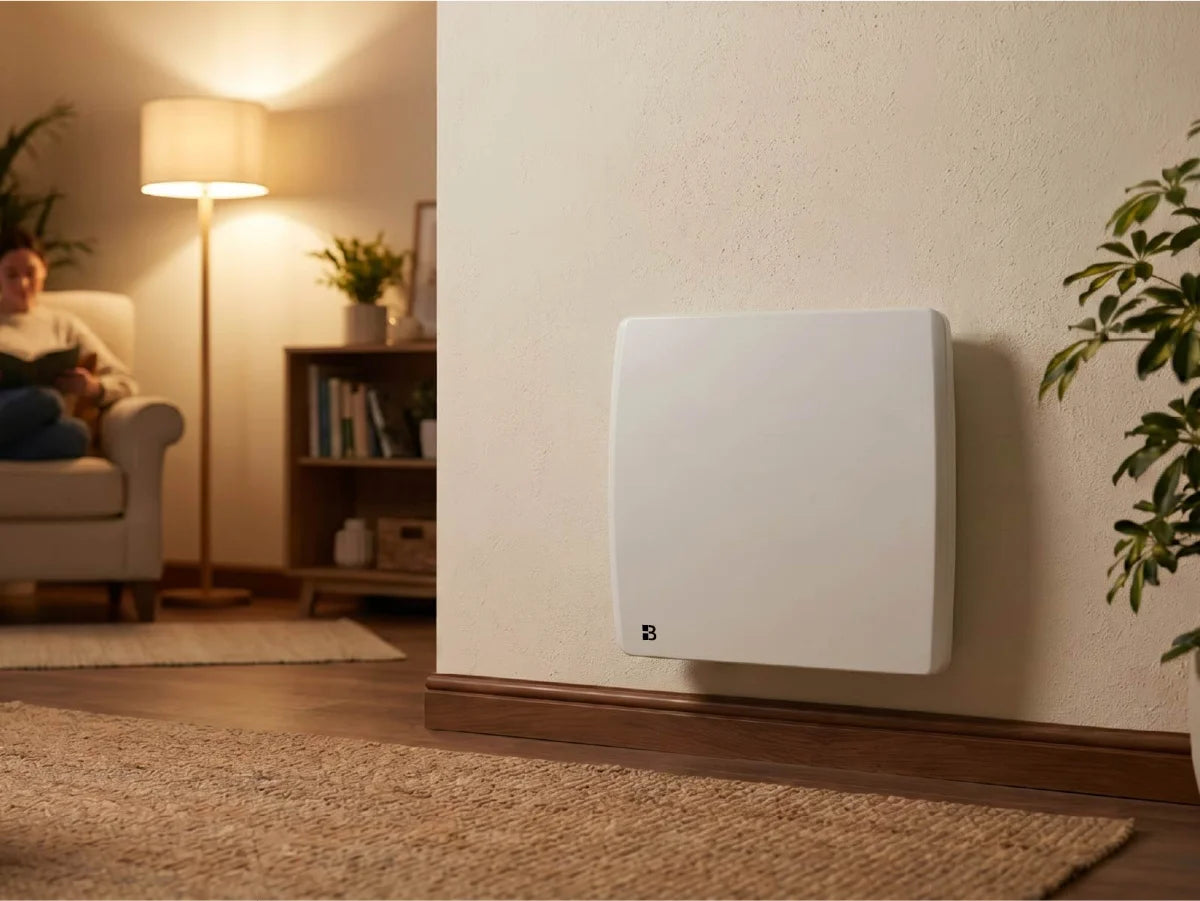
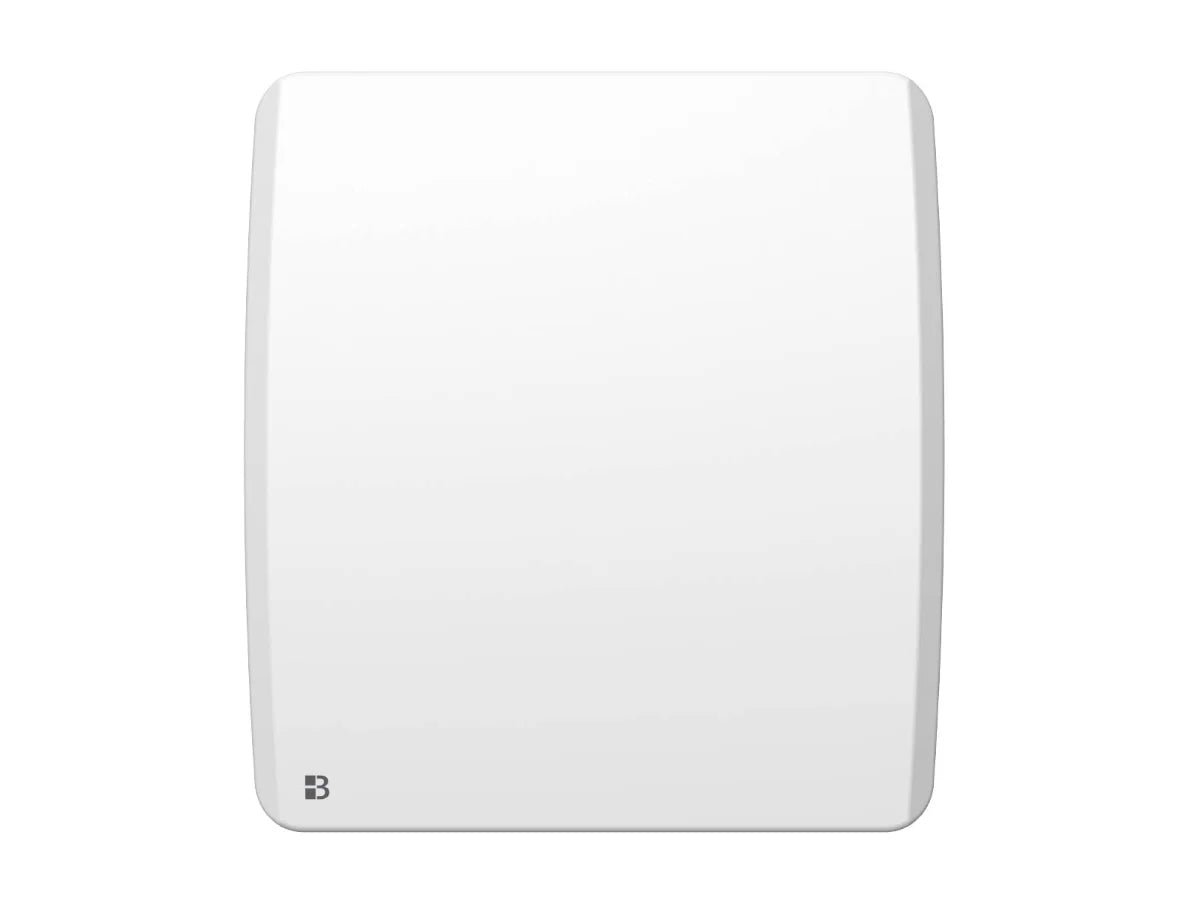


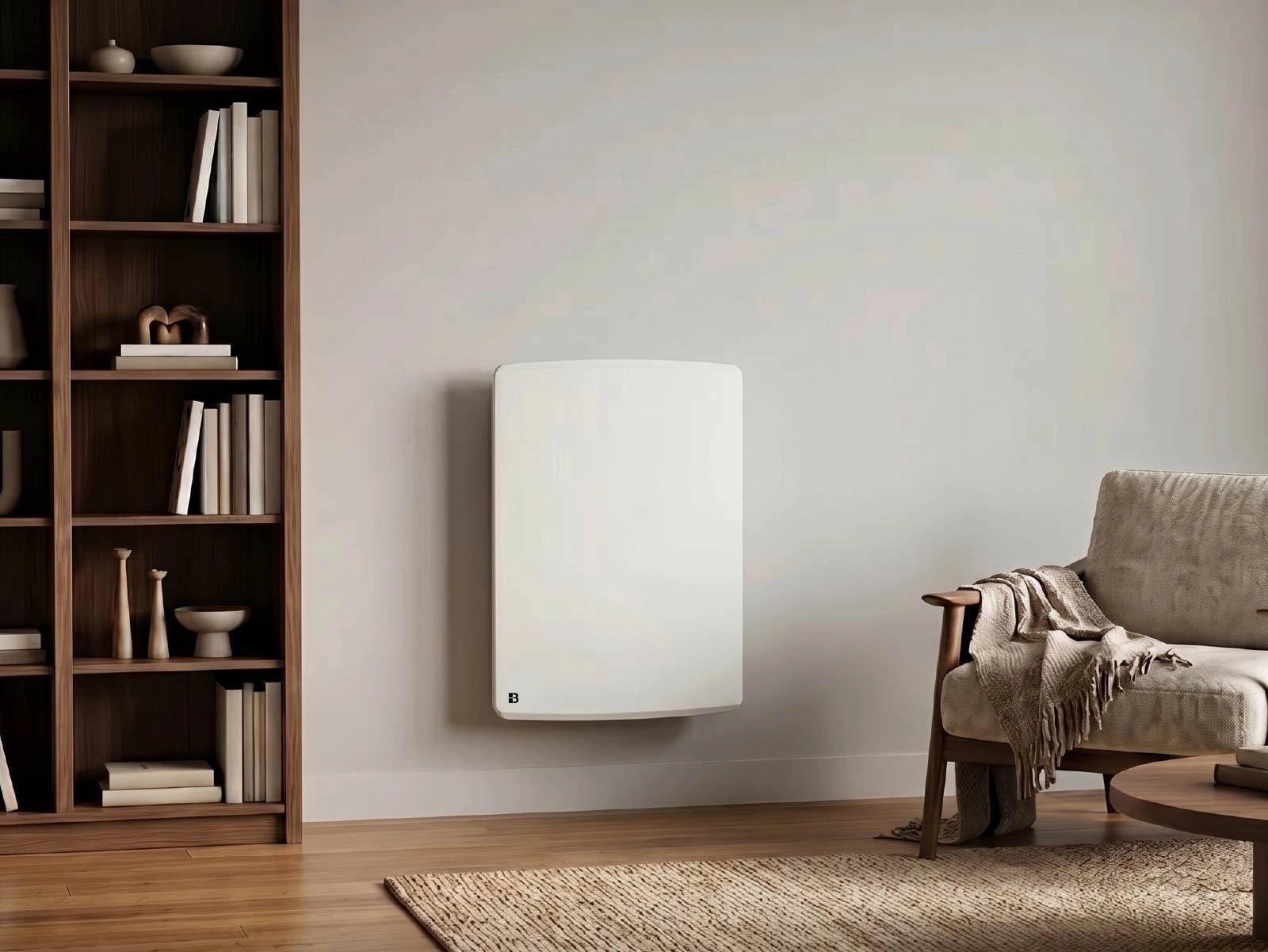
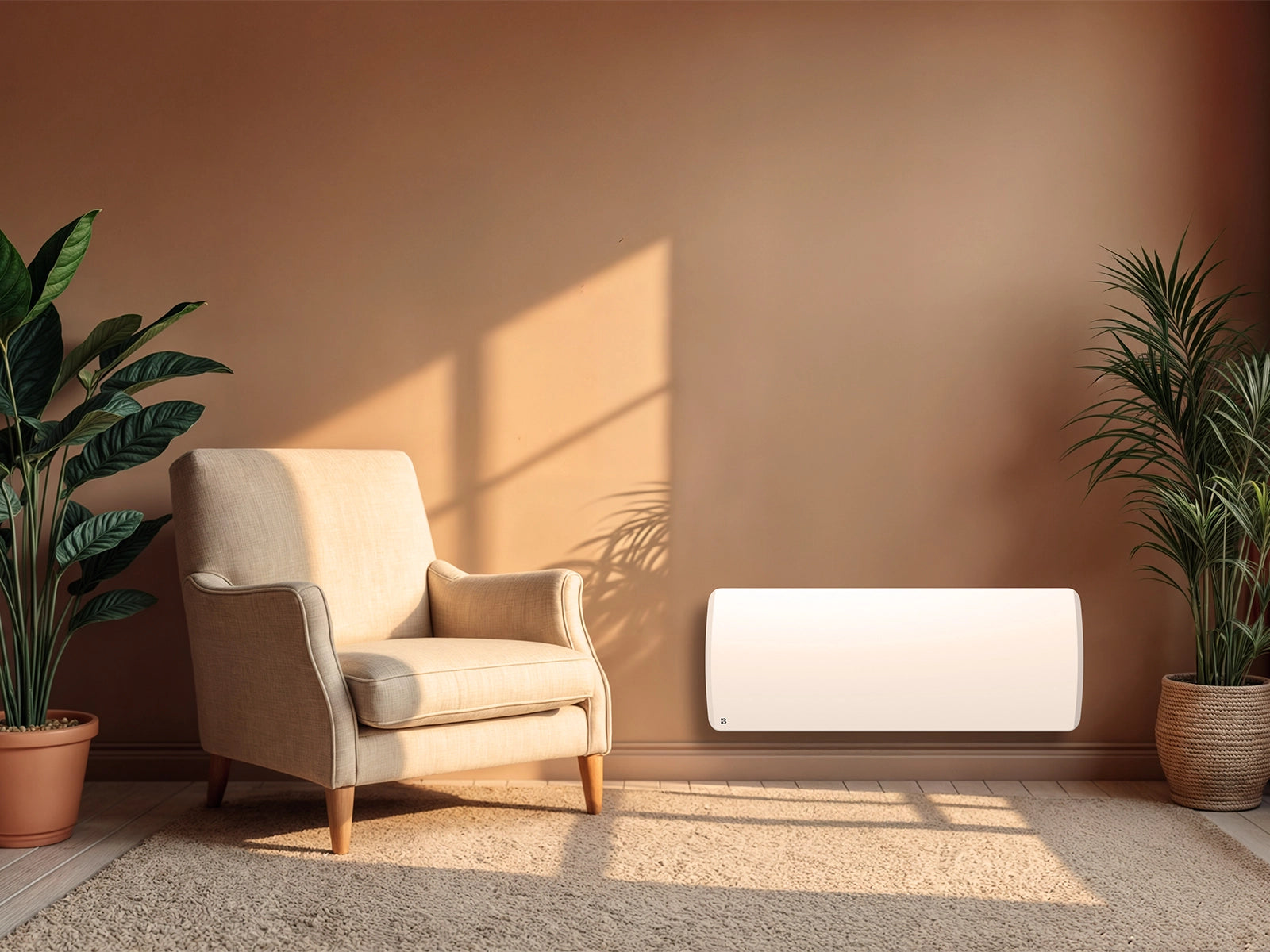

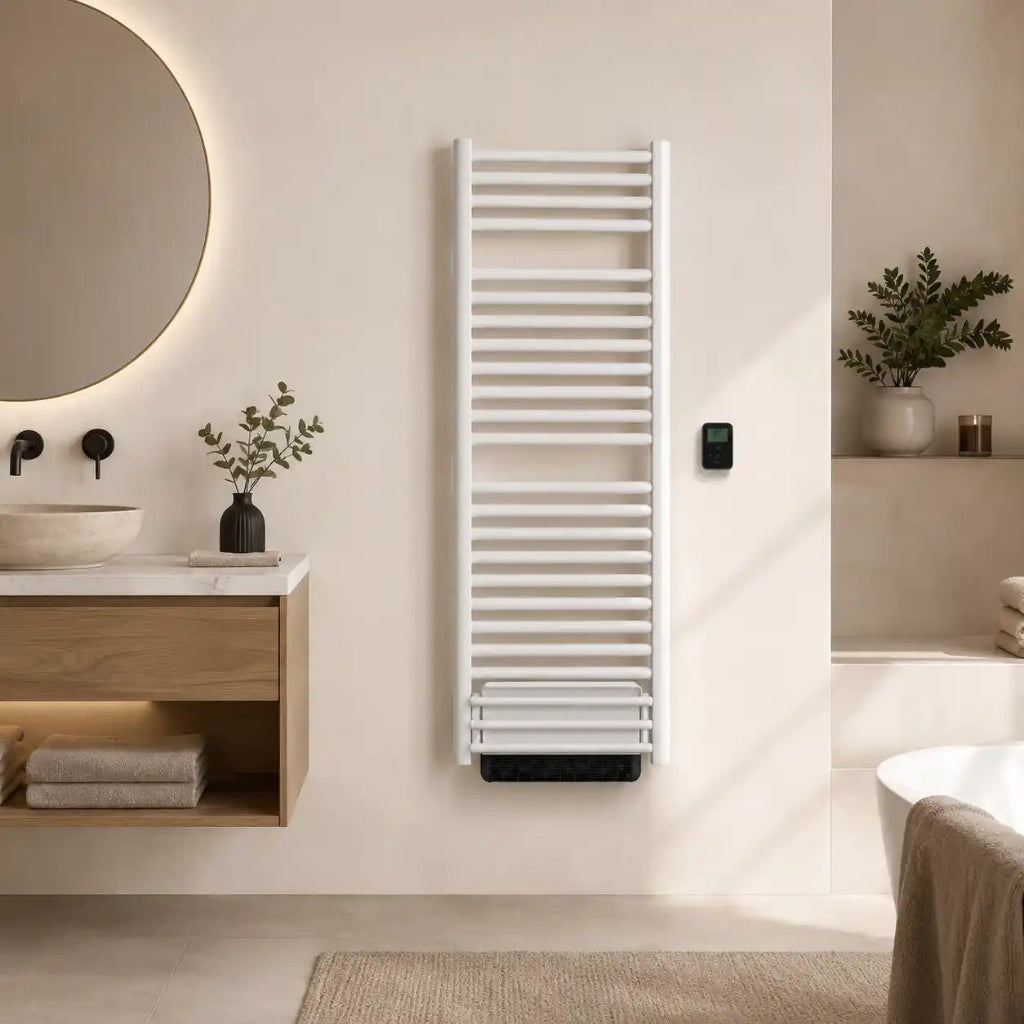
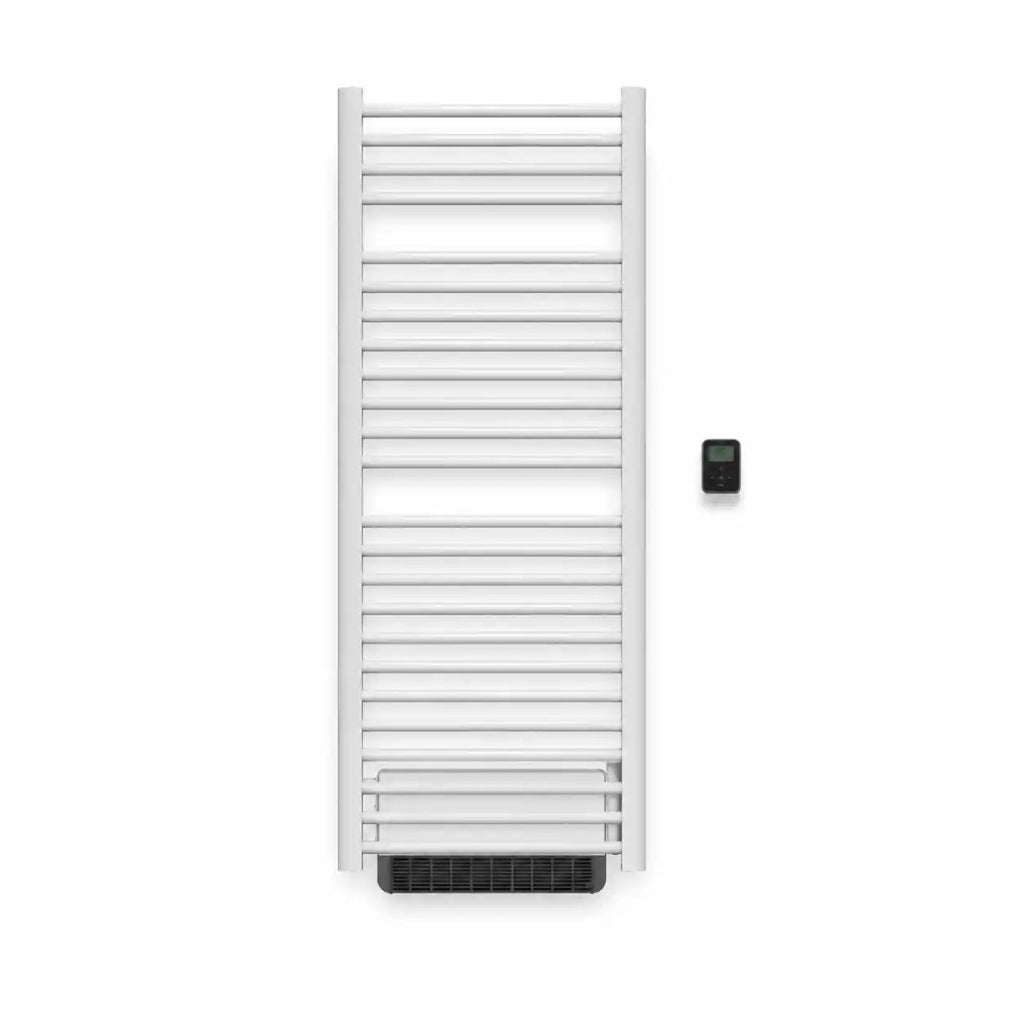
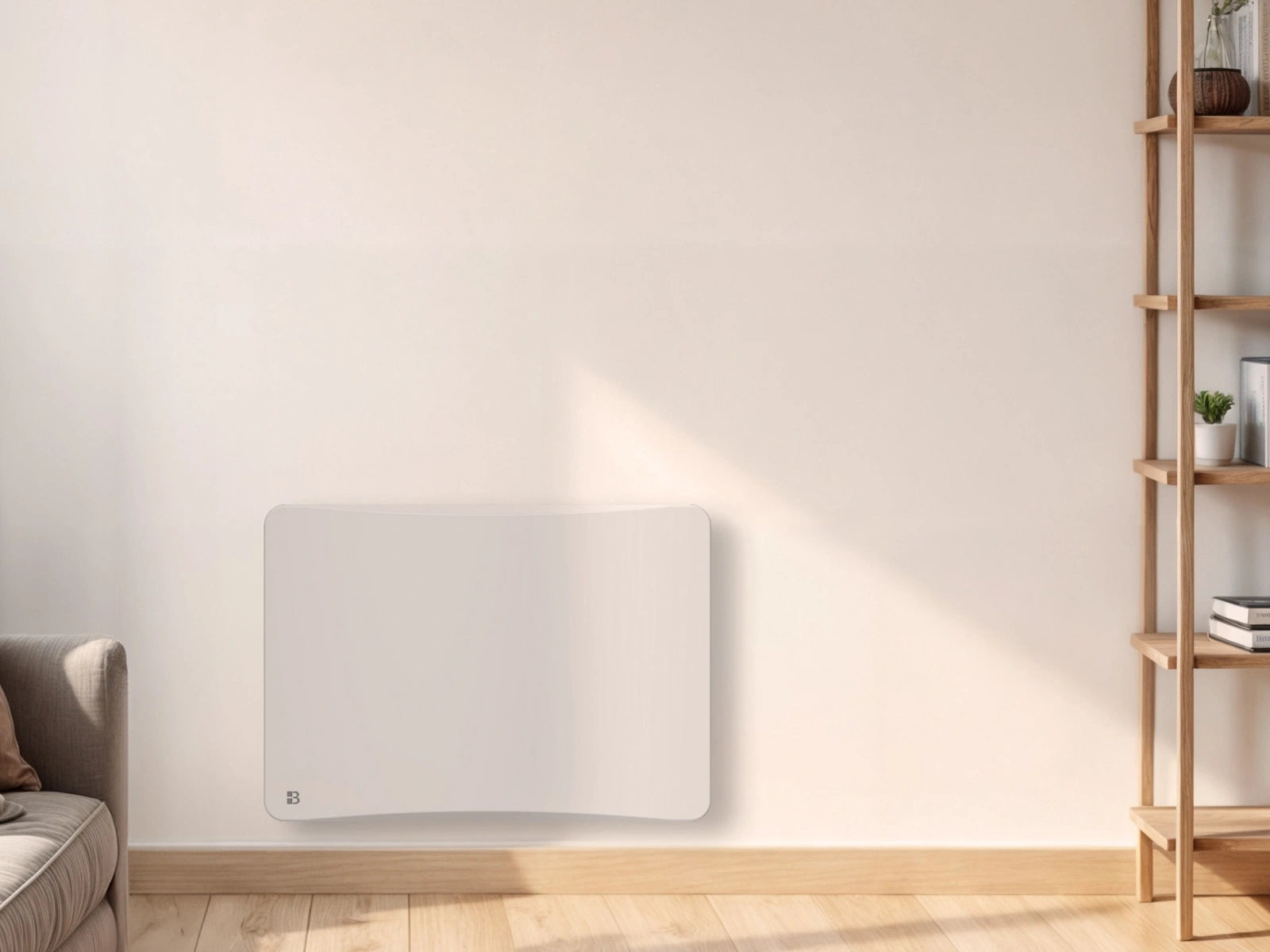
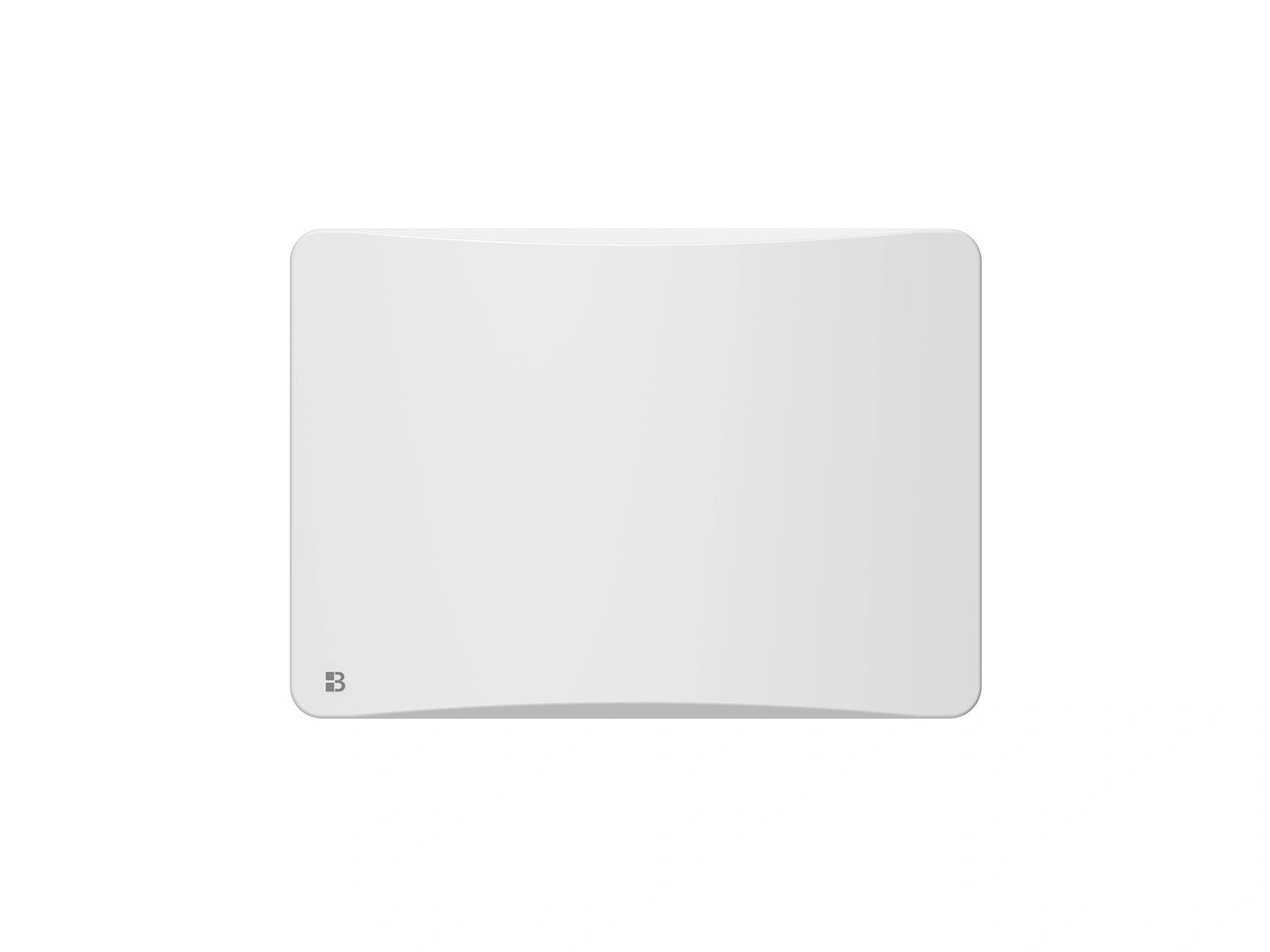
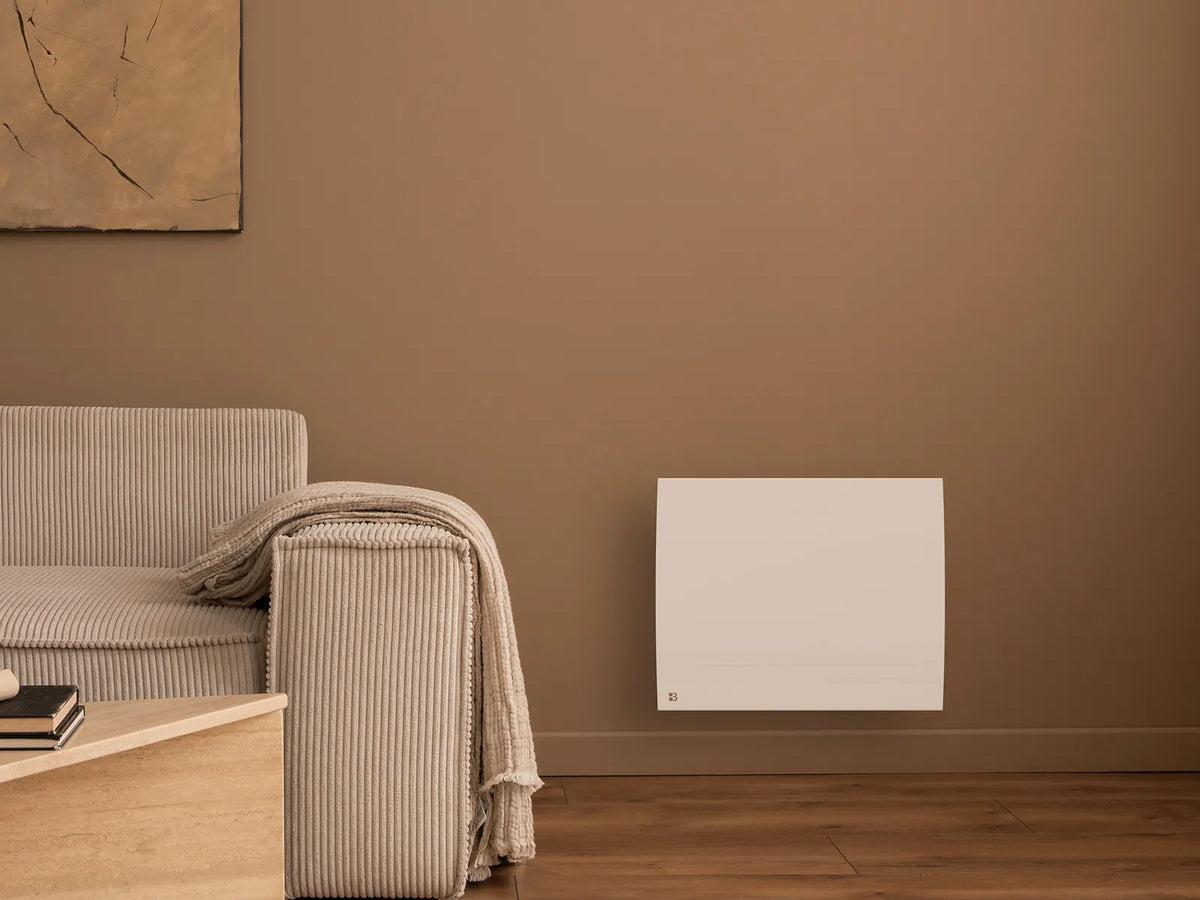

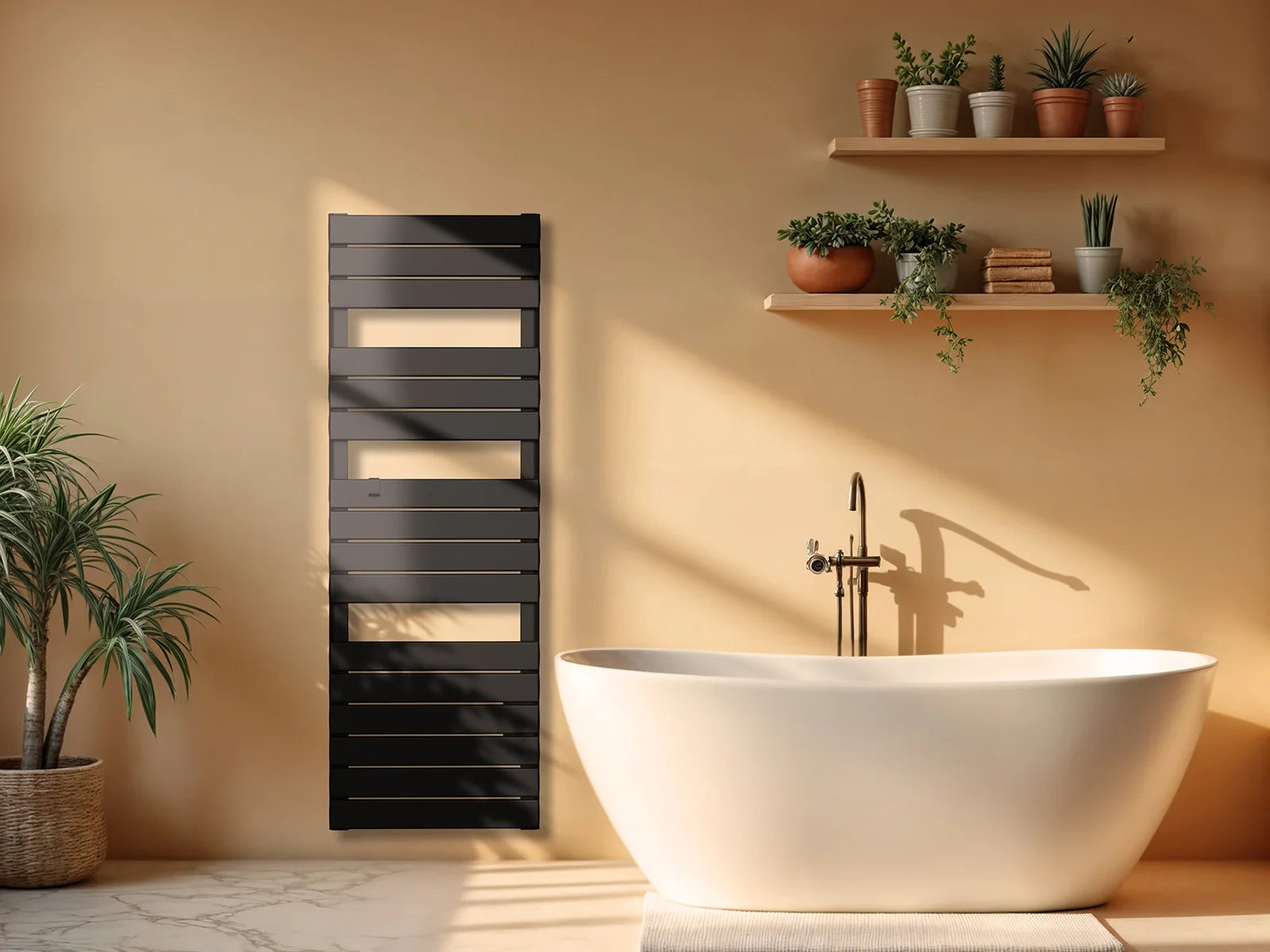
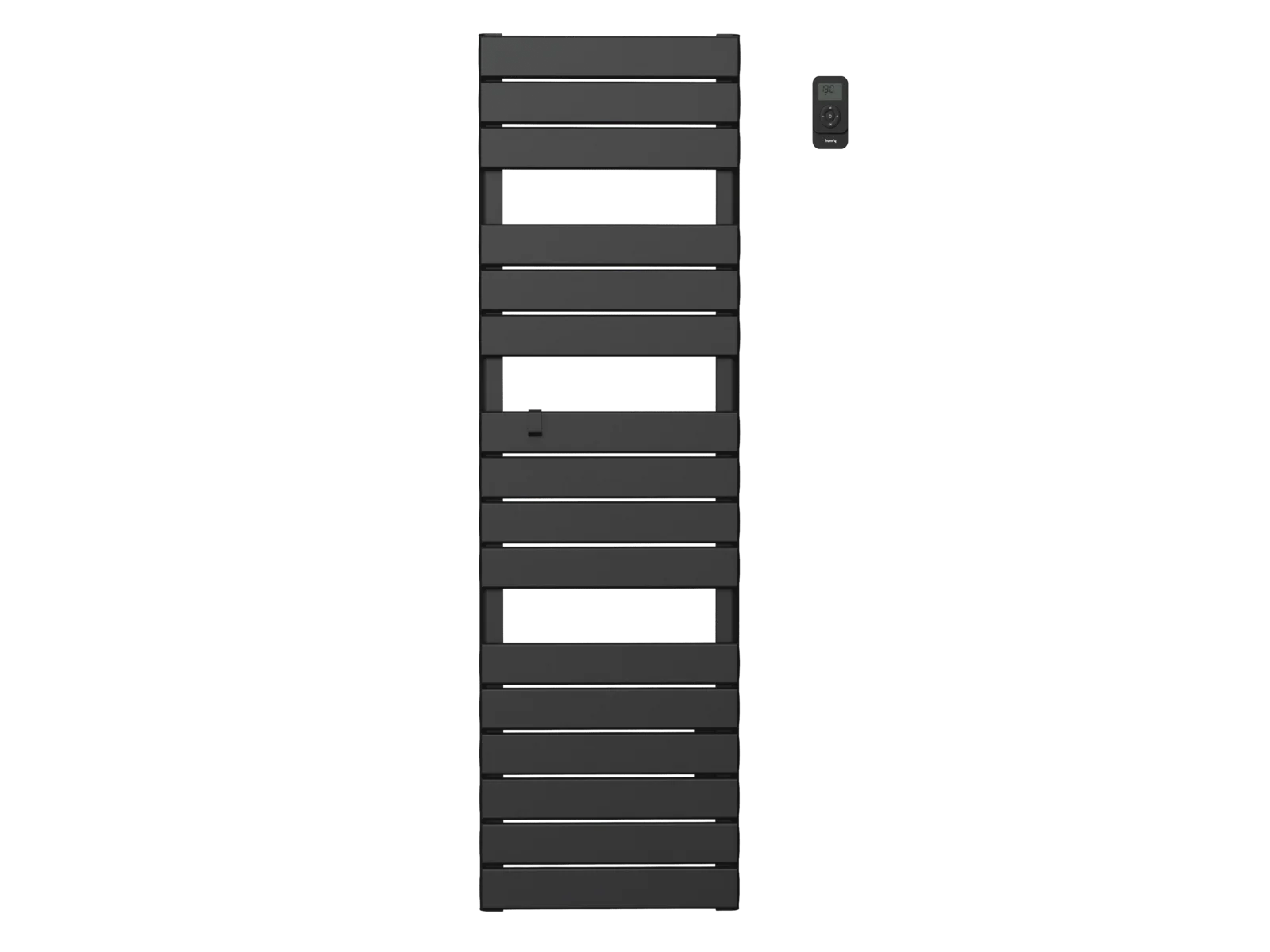
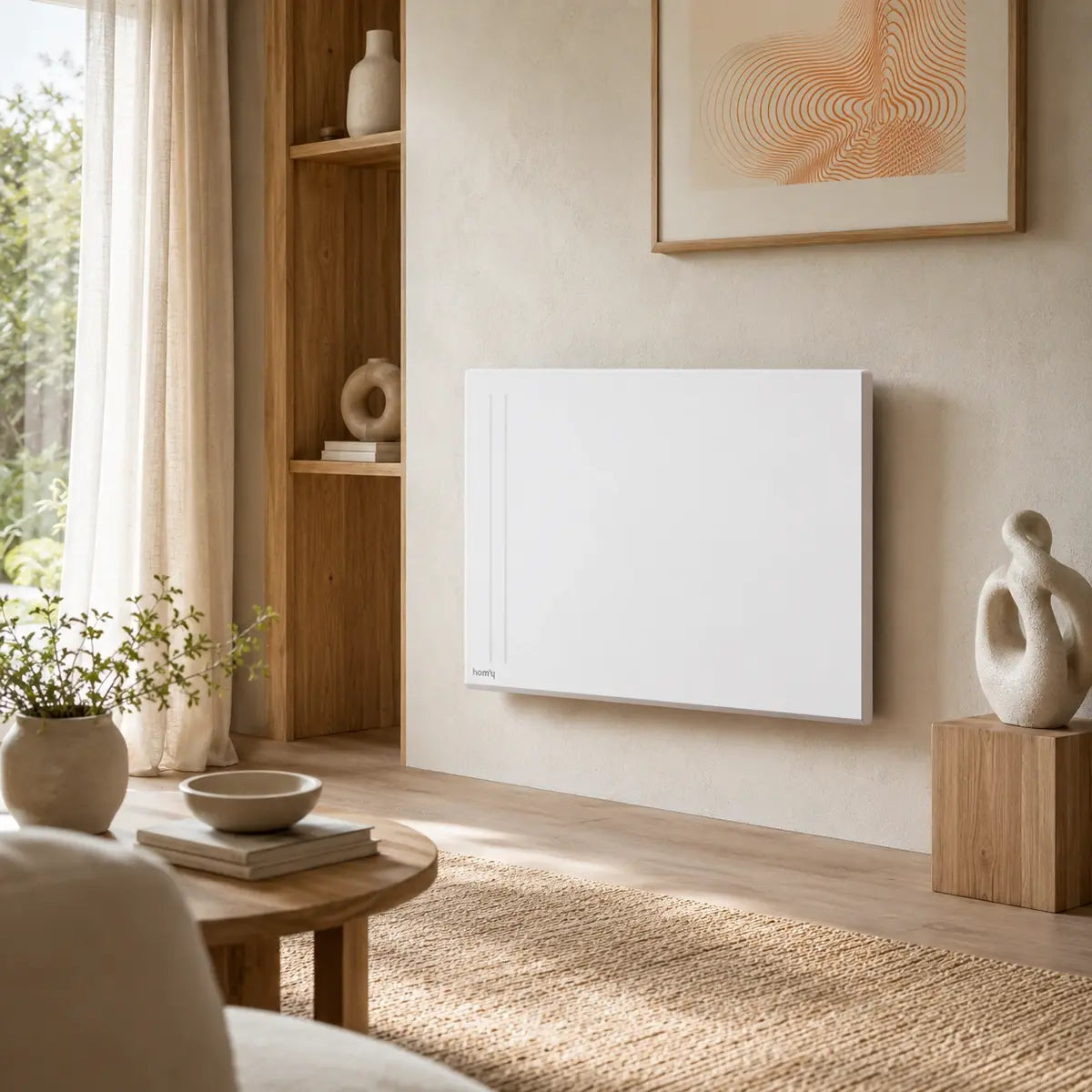

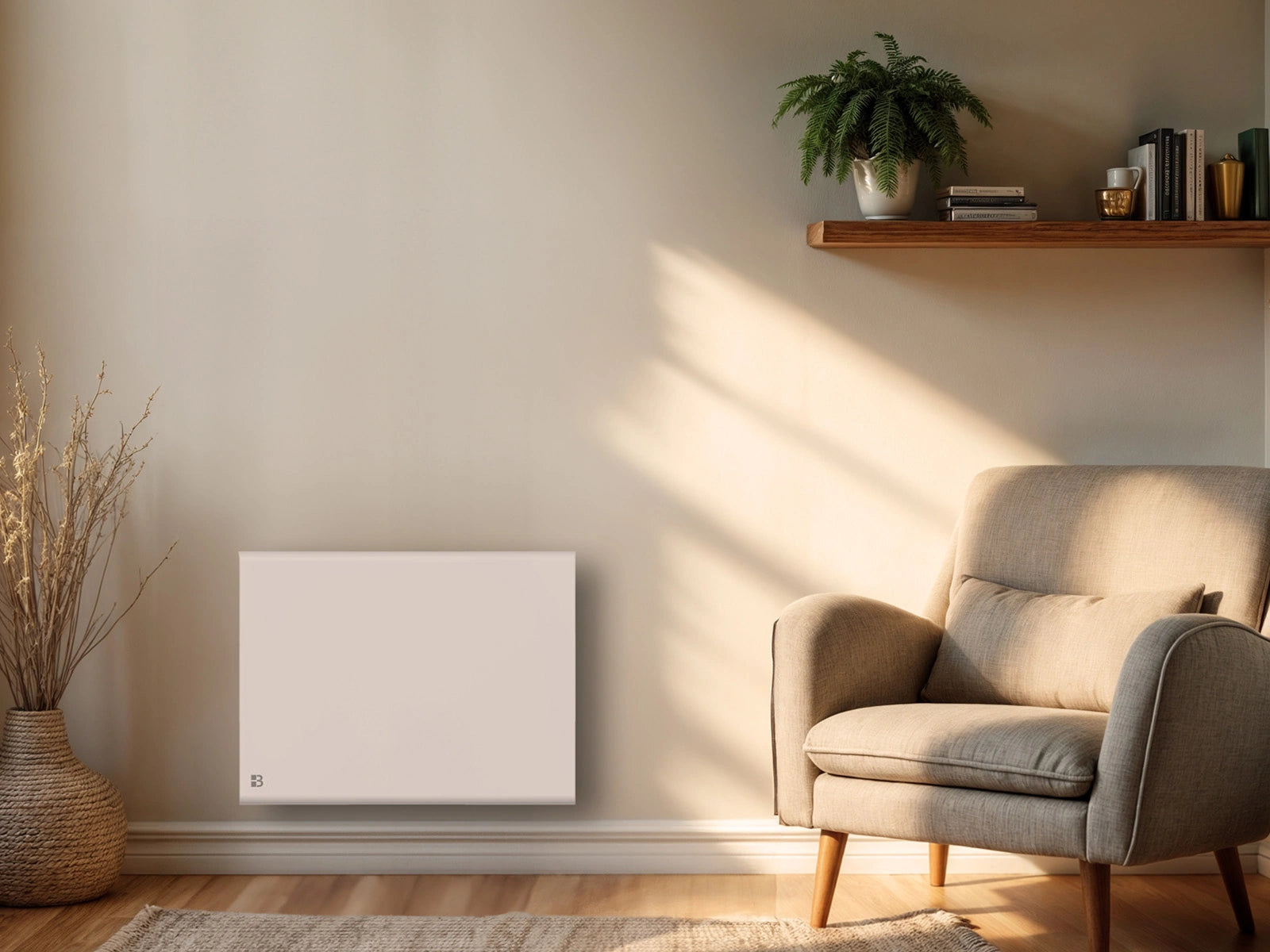

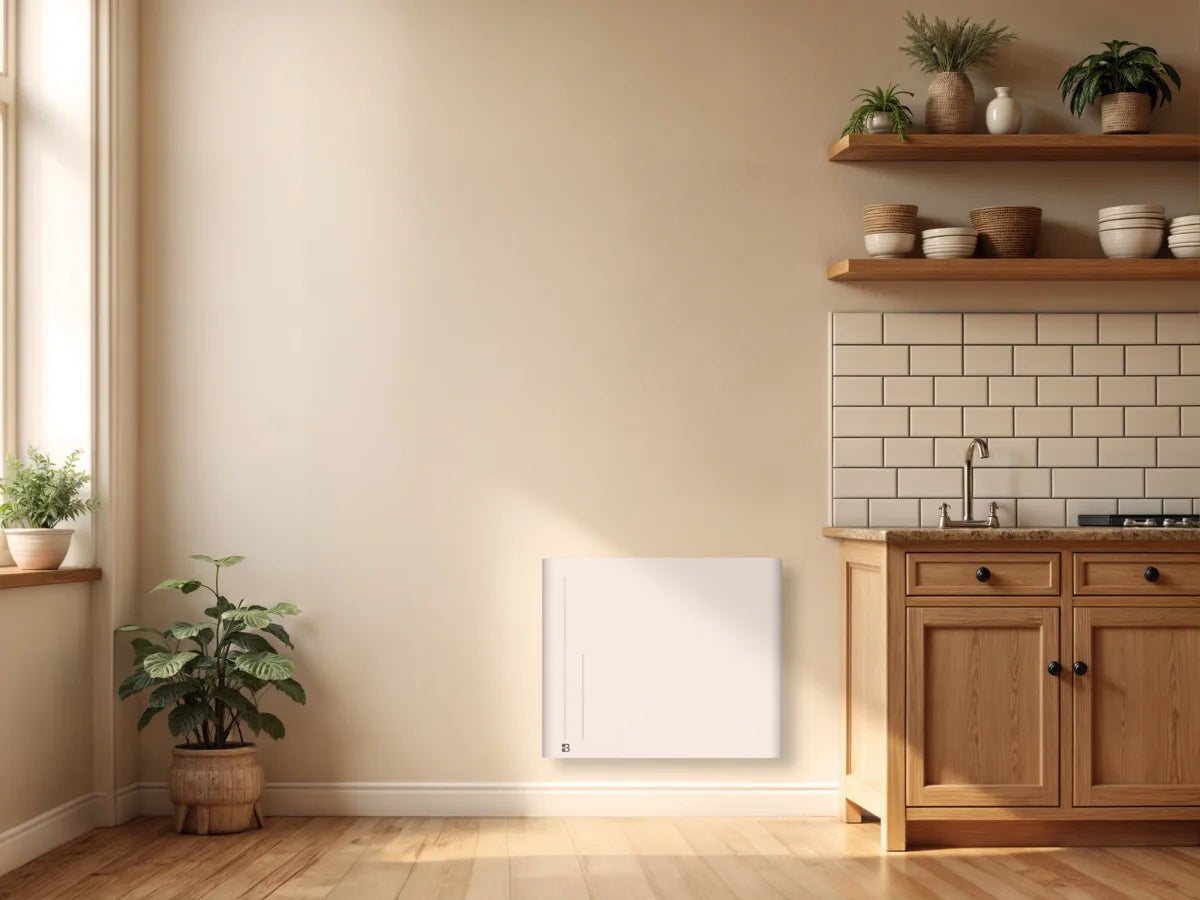

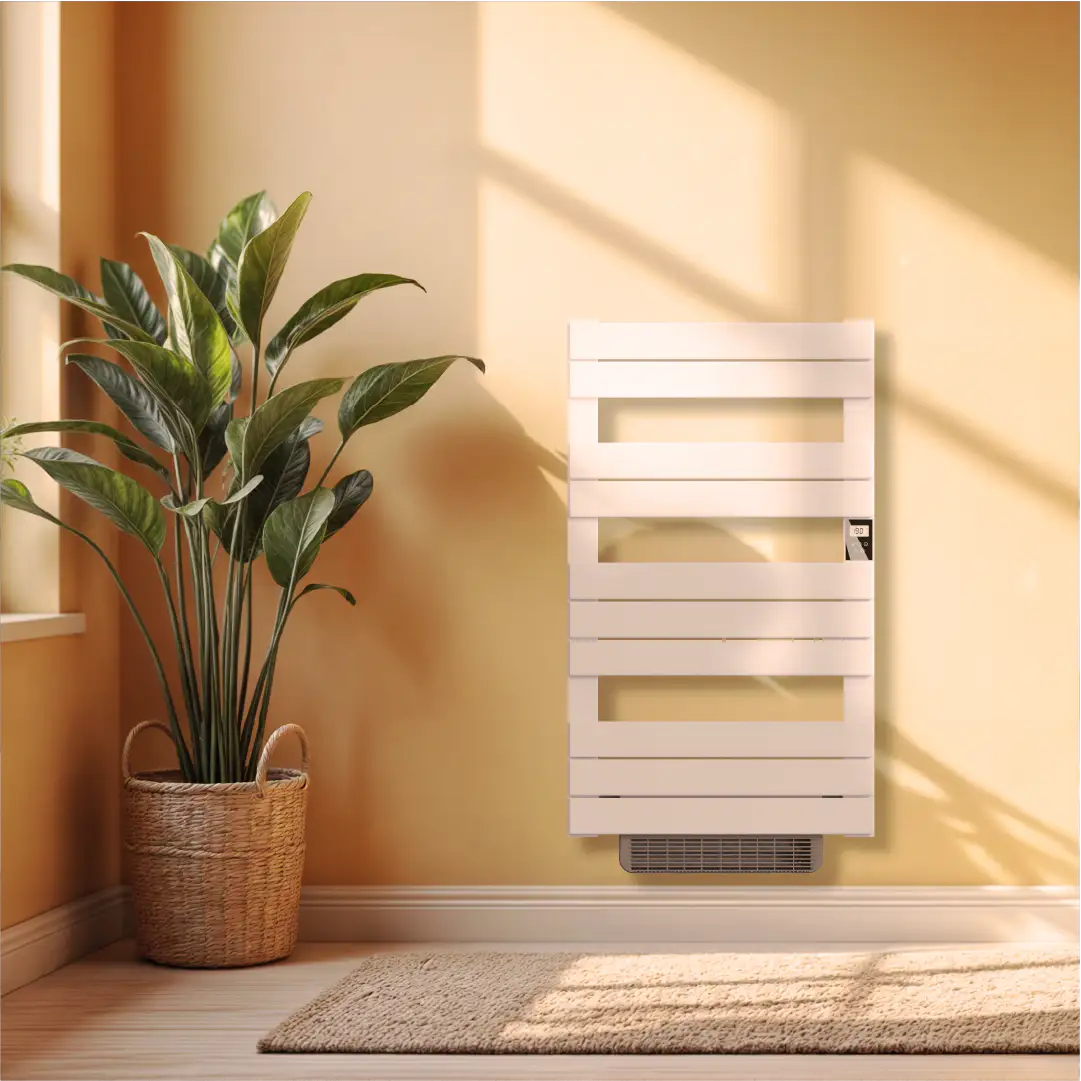
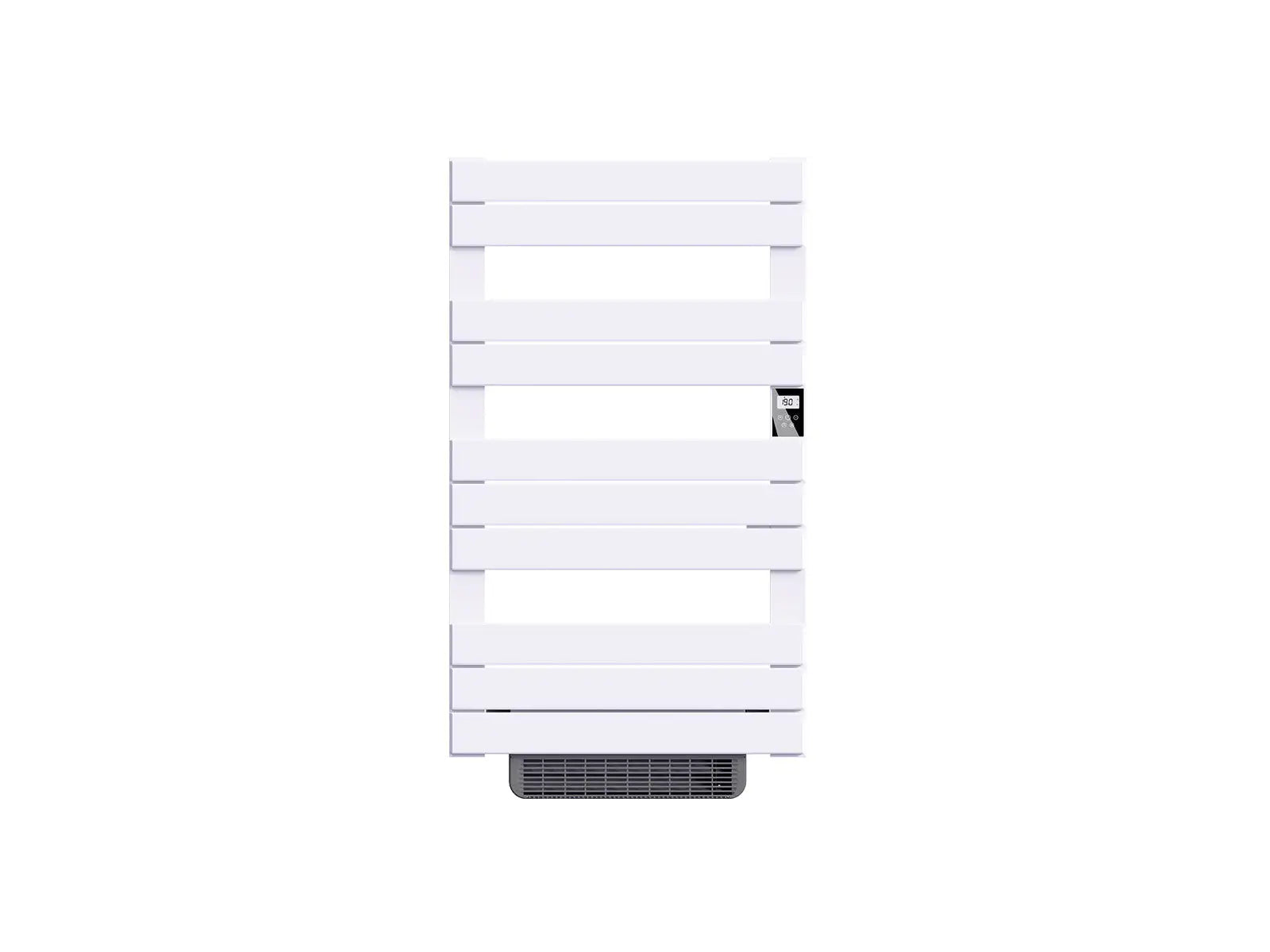
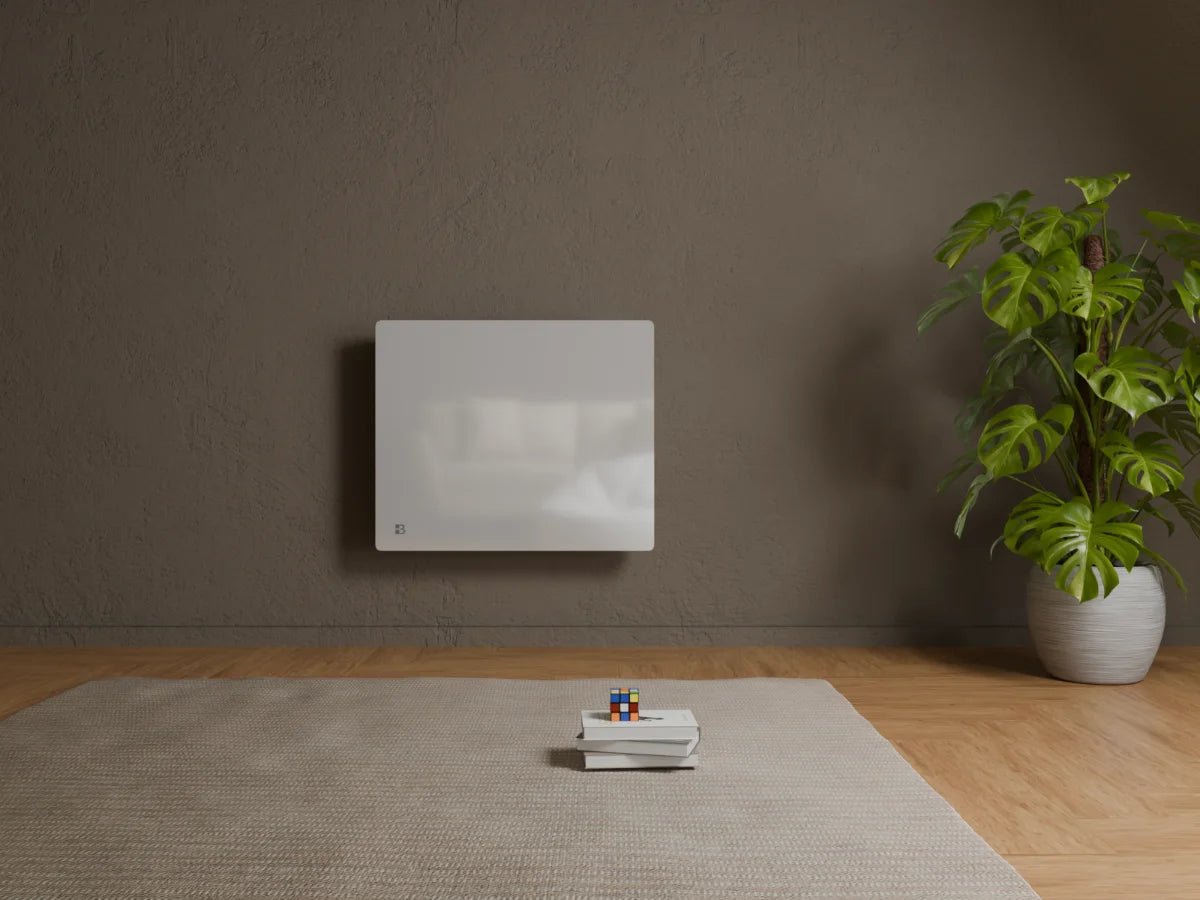

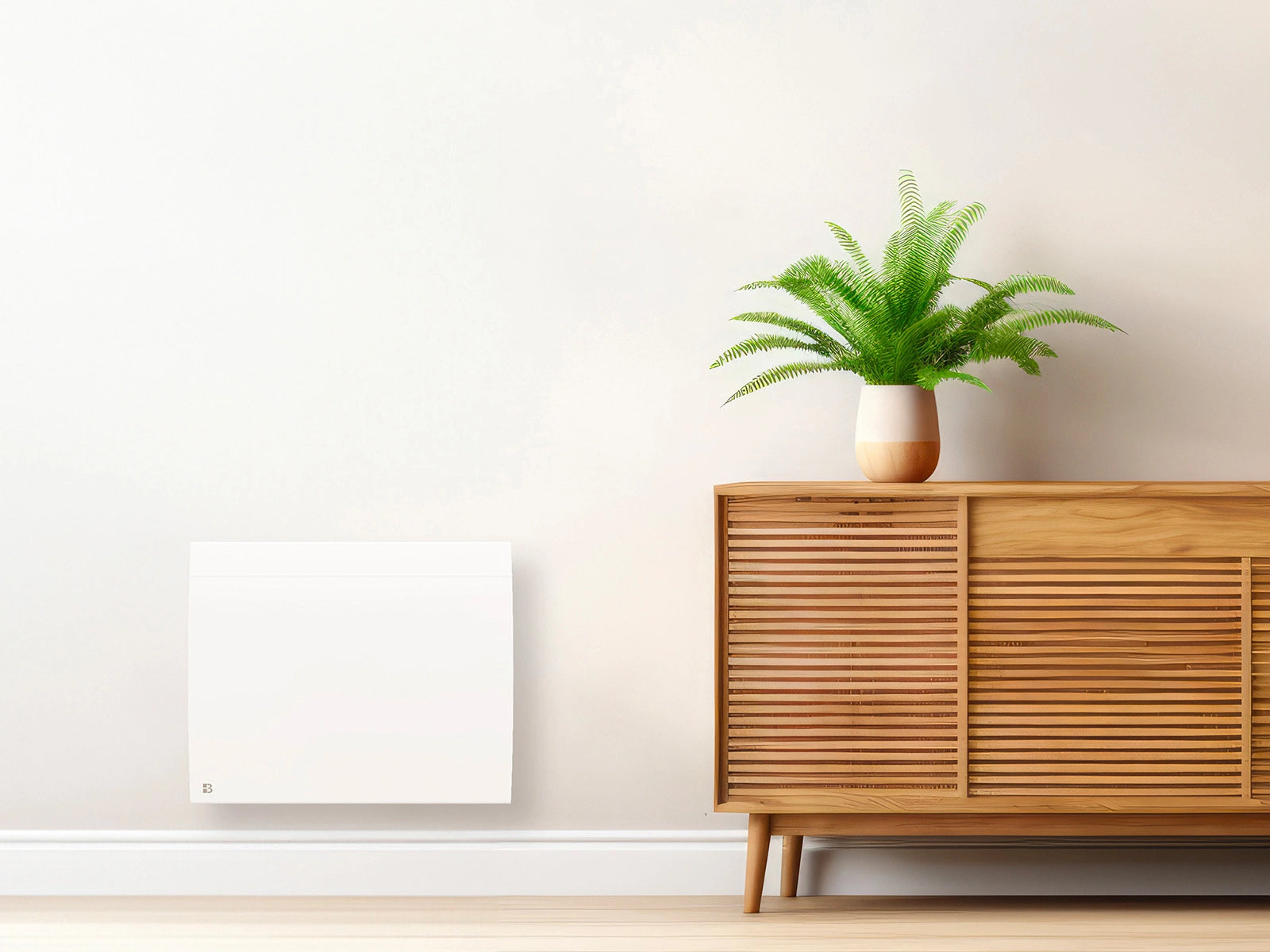

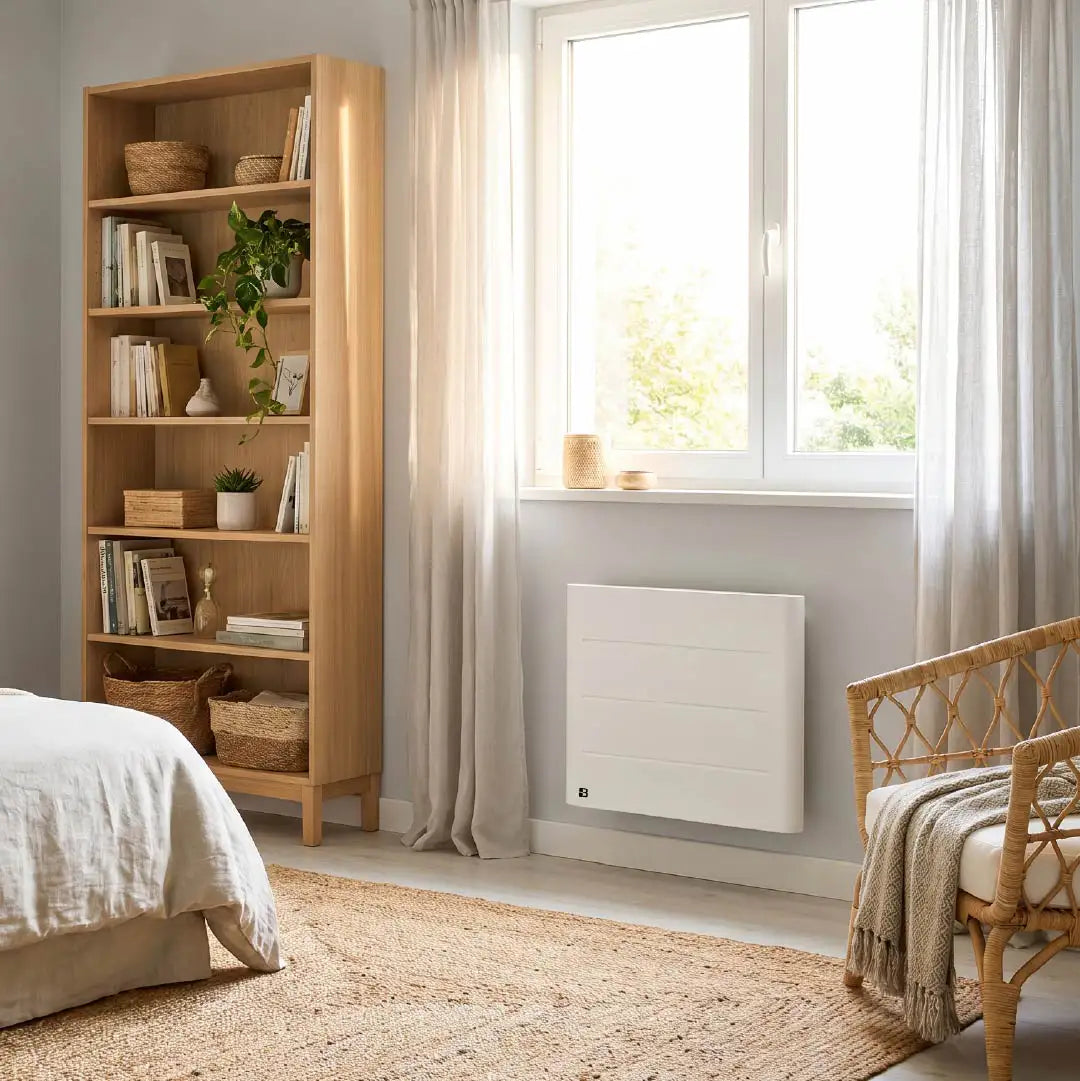

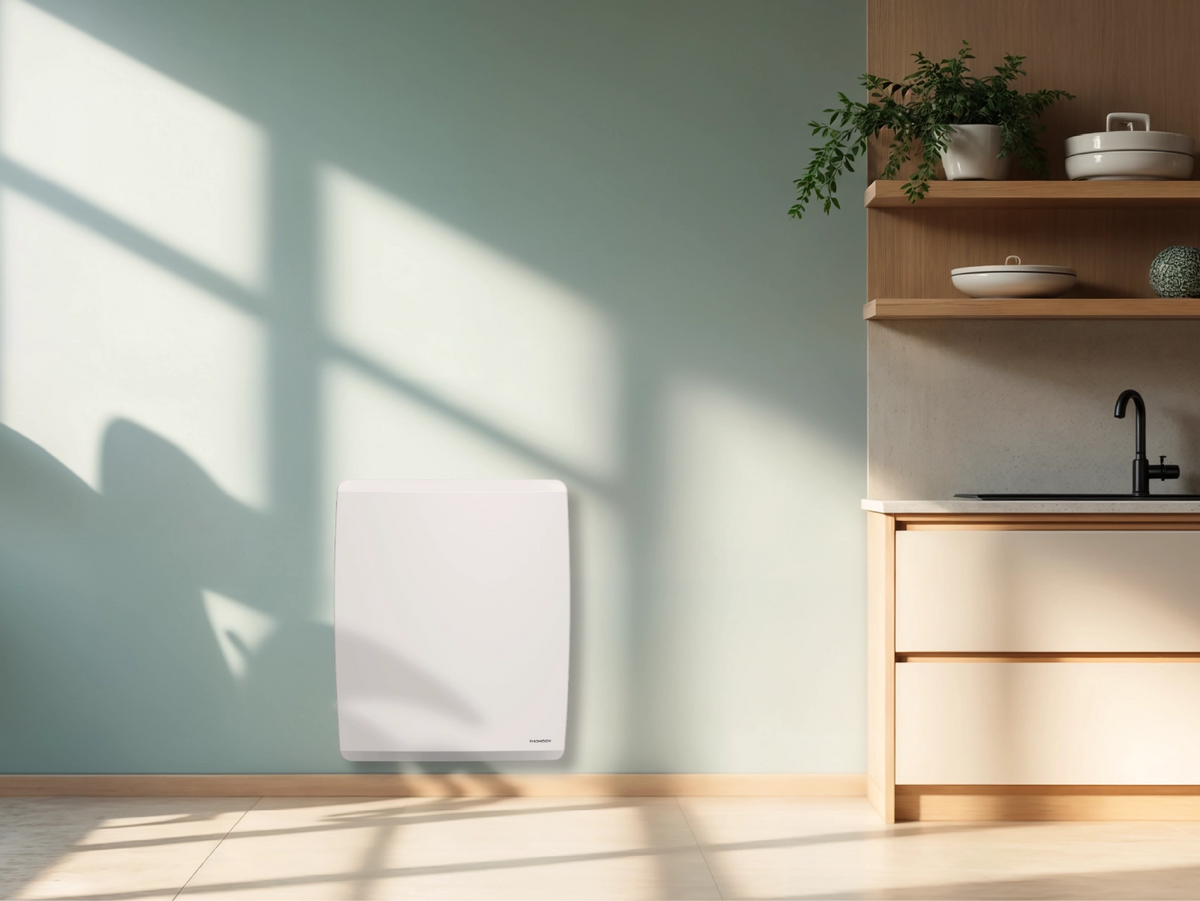
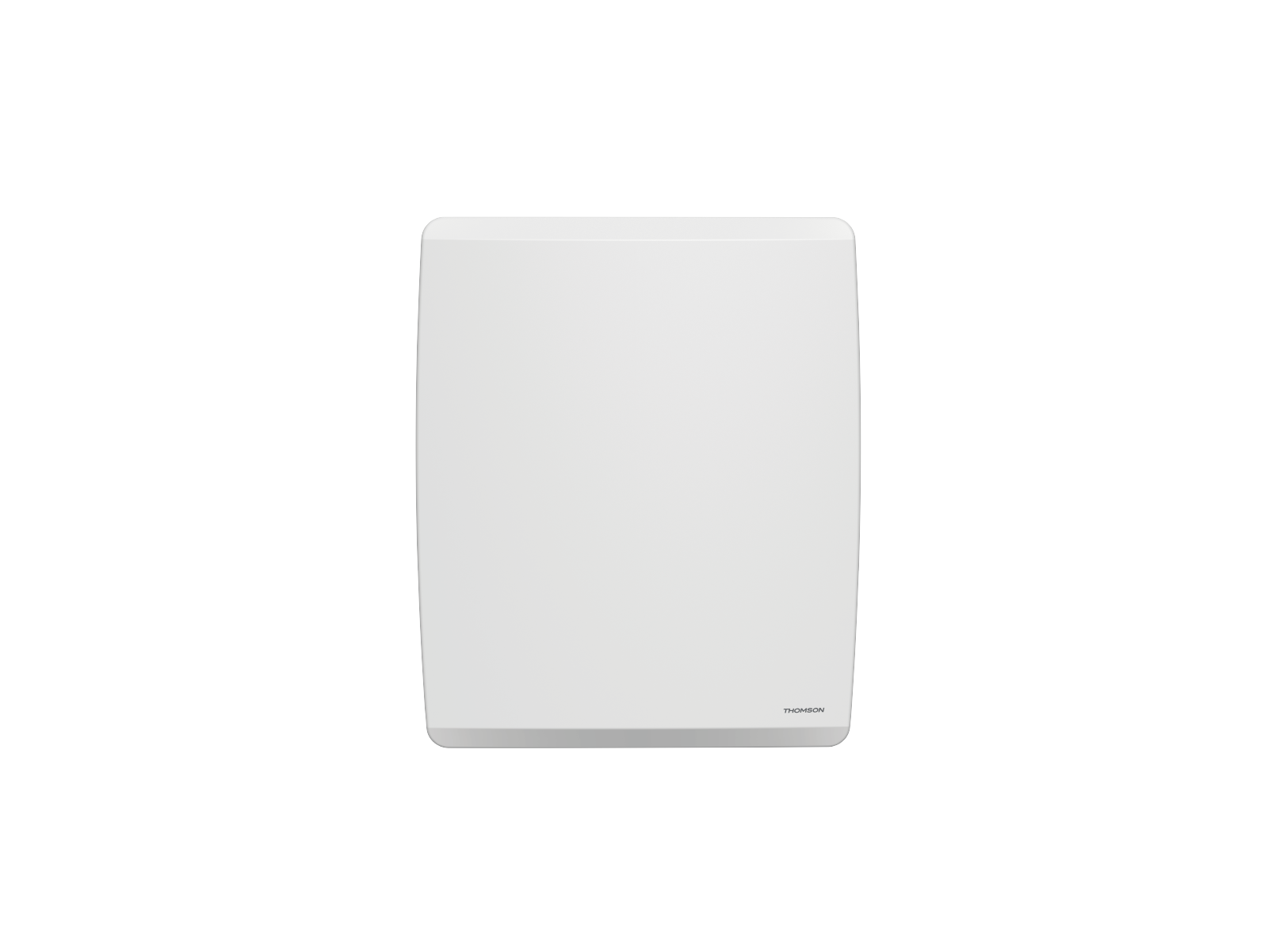
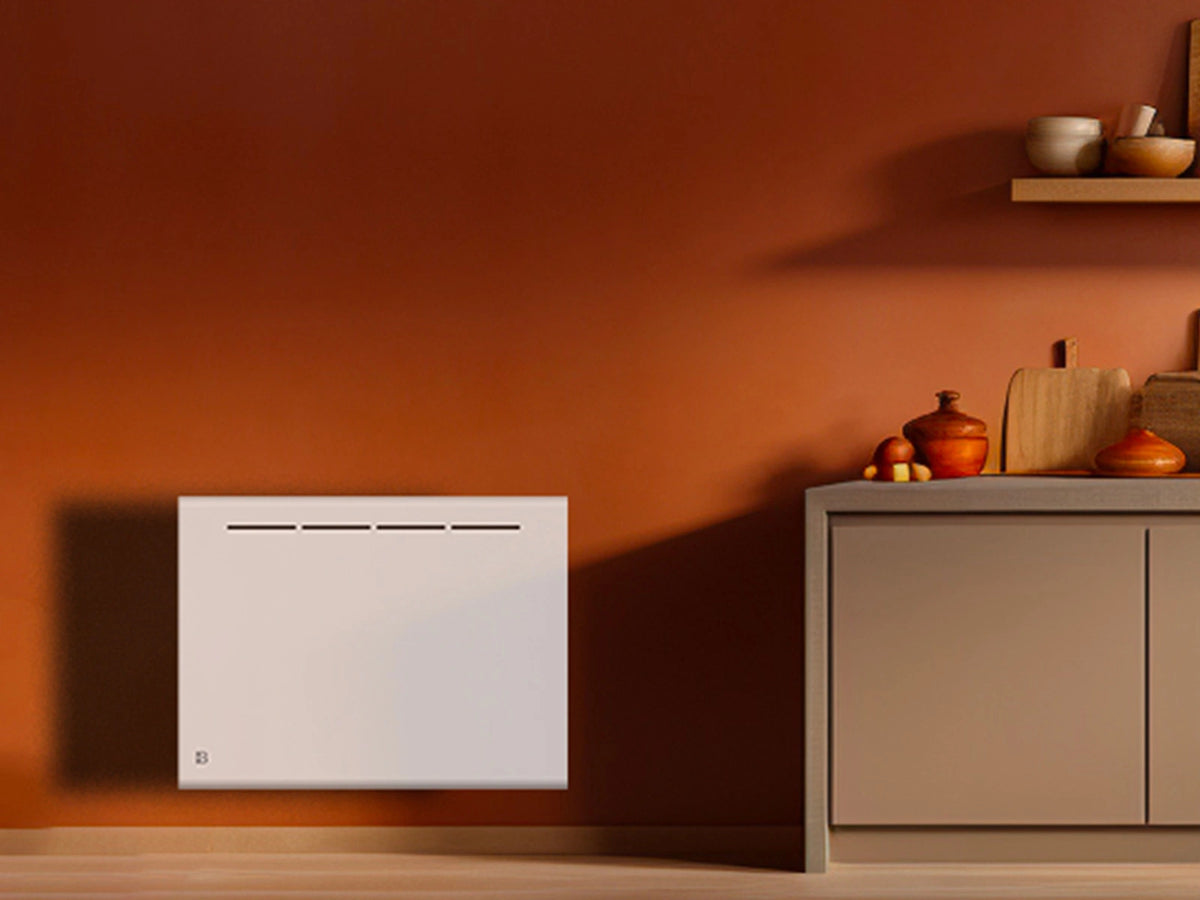
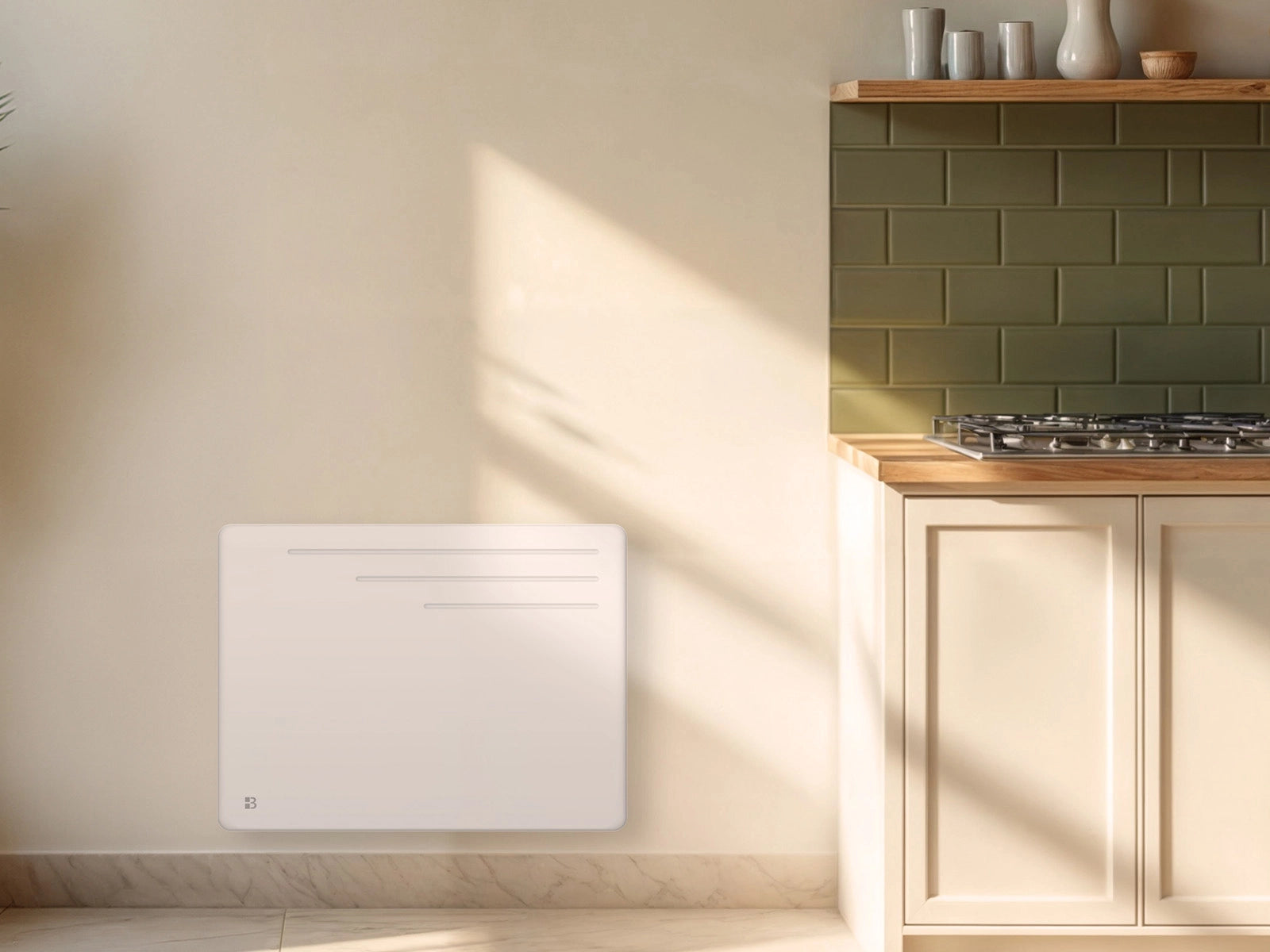
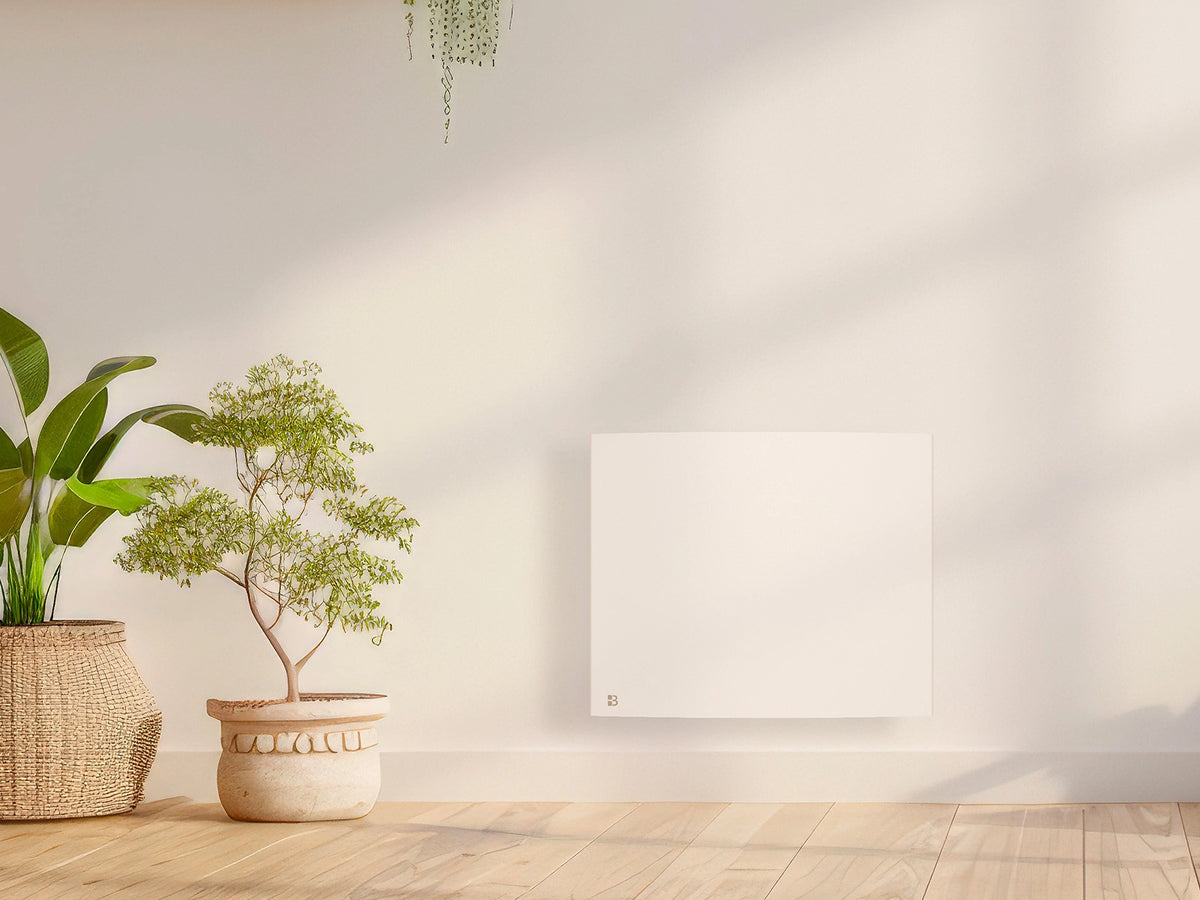

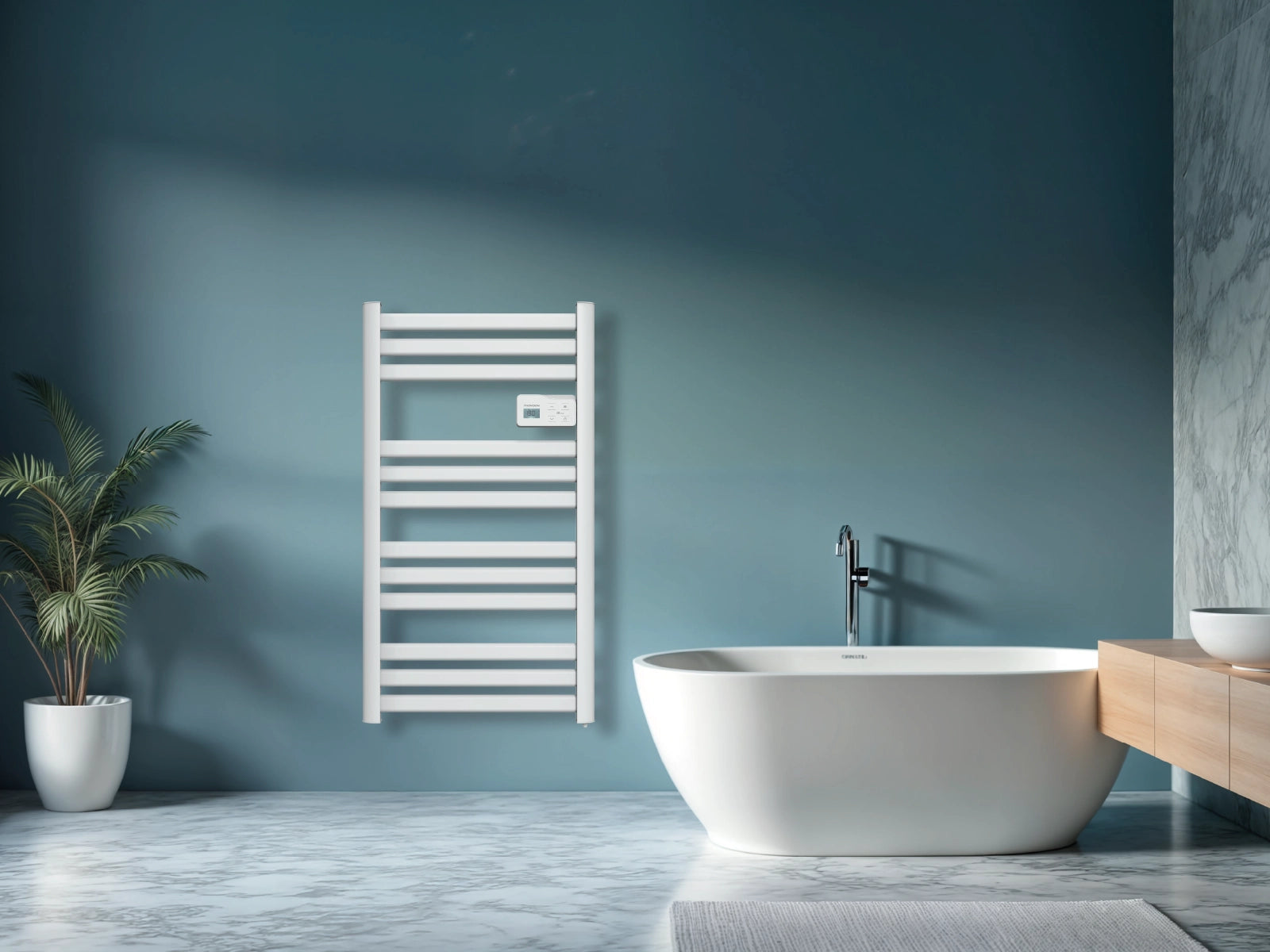

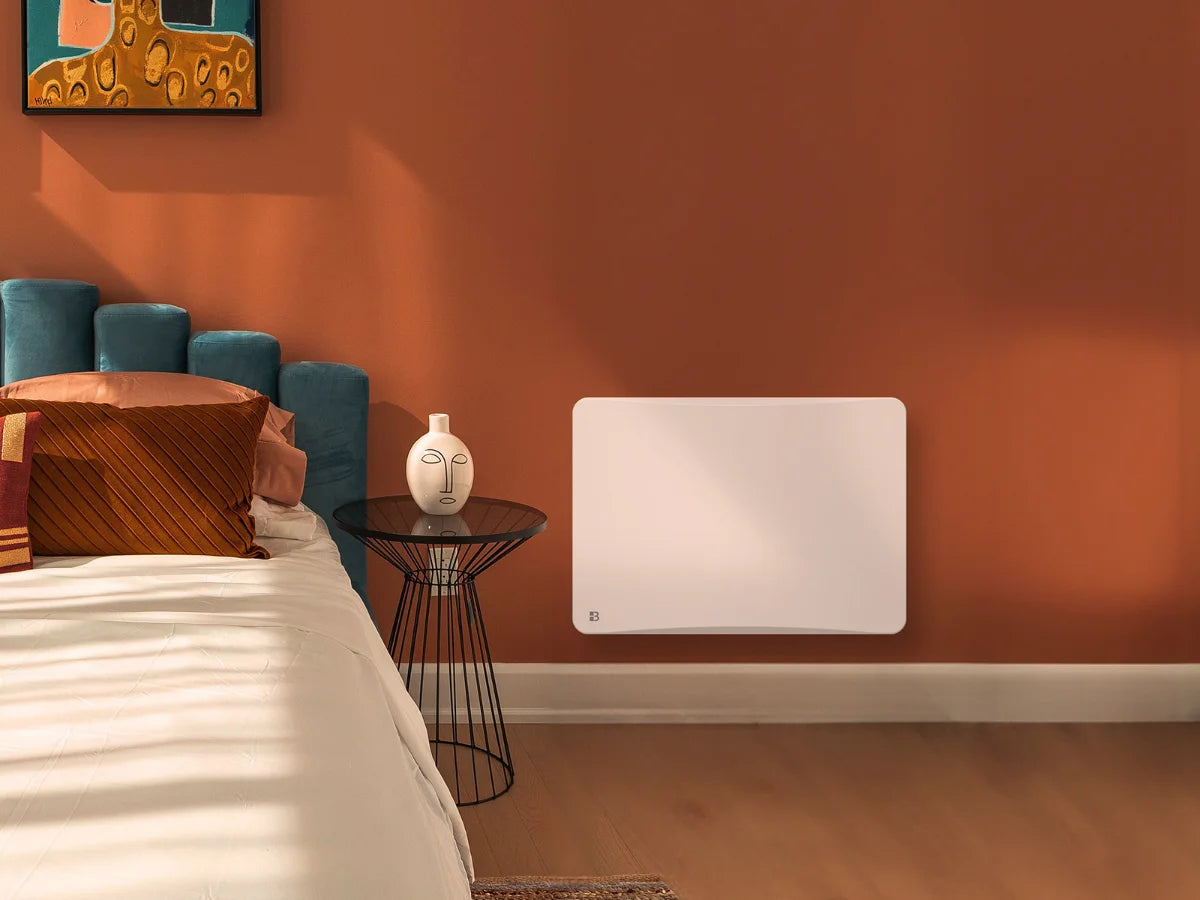

Bathroom electric radiator
The bathroom is a room where thermal comfort is particularly important. No one wants to enter a cold room after a shower or upon waking up. When properly selected and correctly sized, an electric radiator or a towel radiator ensures a rapid temperature increase, maintains pleasant warmth and helps limit electricity consumption.
Which electric radiator should you choose for a bathroom?
Convector heaters and fan heaters have long been the most widely used equipment in bathrooms. Their main advantage is how quickly they heat up, but the warmth disappears quickly once the appliance is switched off.
Today, we expect much more from a bathroom electric radiator than a rapid temperature increase. It must also maintain pleasant warmth without unnecessarily increasing electricity consumption. It is with this more balanced approach that thermal inertia radiators have gradually established themselves as a benchmark solution.
The dry thermal inertia radiator: gentle, long-lasting heat
A dry thermal inertia radiator is based on a simple yet particularly effective principle: it stores heat in a heating core, then gradually releases it into the room.
Once the heating core reaches the desired temperature, it continues to release heat without continuously drawing on the electrical heating element. In a bathroom, this genuinely changes the experience: the heat remains constant while helping you save energy.
Depending on the technology, two materials are primarily used. Ceramic dry thermal inertia provides a rapid temperature increase and good responsiveness, while cast iron thermal inertia prioritizes longer-lasting heat retention.
Some models also feature a dual heating core, combining the responsiveness of a heating film with the thermal inertia of a heating body. This means you can enjoy a quickly heated bathroom, while the heat remains pleasant for longer.
Smart radiators: more comfort, lower energy consumption
Smart radiators automatically adjust the heating based on your habits, without requiring daily adjustments.
For example, if you use your bathroom every morning, the electric bathroom radiator can anticipate heating up before you wake up, then automatically switch to economy mode once the room is unoccupied.
Connected radiators
Connected radiators offer precise, customizable heating management directly from a dedicated app.
- Remote control: adjust your bathroom temperature from anywhere, even before you get home.
- Heating schedule programming: set schedules suited to your routine - morning showers, returning home in the evening - so you only heat when needed.
- Precise temperature control: every room has its own needs, and the connected radiator adapts to them without compromise.
- Energy consumption monitoring (depending on the model): view your consumption in real time and adjust your settings accordingly.
Radiators with presence detection
Radiators equipped with presence sensors automatically adjust their operation according to the actual occupancy of the bathroom.
- Motion detection in the room: the infrared (PIR) sensor detects any human presence and adjusts the heating in real time. It does not react to pets' movements, preventing false detections.
- Automatic reduction in heating when no one is present: no one in the room? The radiator automatically lowers the temperature to prevent waste.
- Immediate restoration of comfort when entering the room: as soon as you enter, the radiator resumes normal operation without you having to touch anything.
- Limiting unnecessary energy consumption: no more heating an empty bathroom between uses.
- Autonomous operation with no daily adjustments: once configured, it manages everything on its own - ideal for those who do not want to deal with it.
Whether it is a connected radiator or one equipped with a presence sensor, these features mainly help prevent unnecessary heating in the bathroom while improving everyday comfort.
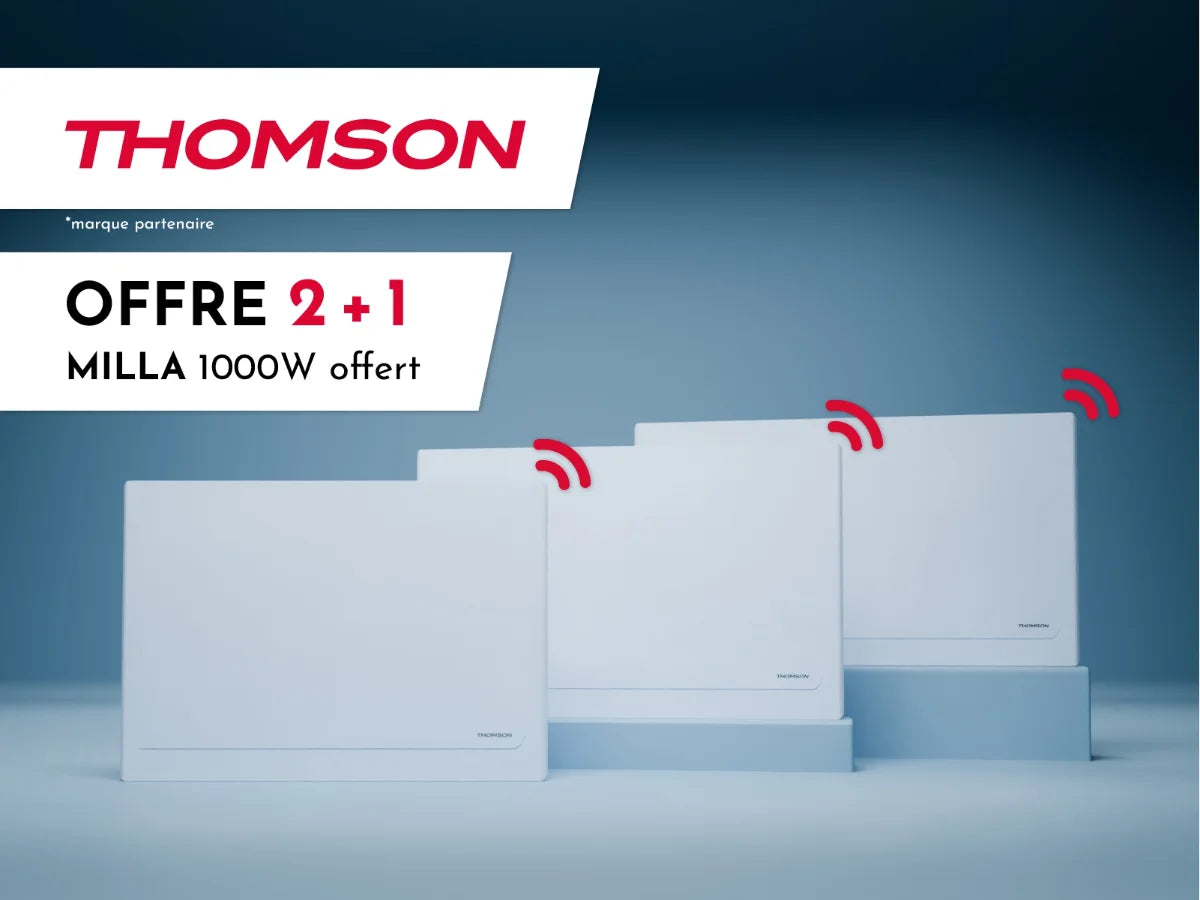
The heating solutions from our partner Thomson offer these features to automatically adapt heating to the household's habits.
How can you optimize your bathroom heating consumption?
Electricity consumption depends as much on the Wattage of the bathroom electric radiator as on its settings and your usage habits. Choosing low-consumption electric heating is also an excellent way to limit energy costs while maintaining optimal thermal comfort.
Sizing your radiator's Wattage correctly
The Wattage of a bathroom electric radiator is a determining factor in ensuring performance and energy efficiency. As a general rule, approximately 100 W per m² are considered necessary for a properly insulated bathroom.
Average requirements are therefore distributed as follows:
| Bathroom area | Recommended Wattage |
|---|---|
| Up to 5 m² | 500 W |
| 5 to 7 m² | 750 W |
| 8 to 10 m² | 1000 W |
| 10 to 15 m² | 1000 to 1500 W |
| Need for rapid heating | 500+1000W (fan) |
These figures are provided for guidance only and correspond to a standard ceiling height of approximately 2.50 m and adequate insulation. The property's insulation, ceiling height, and the presence of a window can all affect actual requirements and should be taken into account when making the final choice.
To sustainably reduce your consumption, we recommend choosing an energy-efficient electric radiator, equipped with a precise electronic thermostat and programming features suited to your lifestyle.
Features that really make a difference
Not all options are equal. Some genuinely improve the use of the radiator, while others mainly help avoid unnecessary energy expenses.
The radiator with open window detection automatically stops heating when it detects a sudden drop in temperature, for example when a window is opened.
Weekly programming, meanwhile, provides more precise heating management by adapting heating periods to the household's habits. The heating operates only when you need it, without unnecessarily keeping the room at temperature.
Combined with a precise electronic thermostat, these features help limit energy consumption while maintaining a stable temperature.
Safety: Which standards should be followed in a bathroom?
As the bathroom is naturally a damp environment, safety requirements are particularly strict. The choice and installation of an electric radiator must therefore comply with precise standards to ensure reliable and safe everyday use.
In a bathroom, the radiator must be designed to operate safely in a damp environment. However, a few essential rules must be followed:
- Minimum IP24 protection rating: provides resistance to water splashes in the bathroom
- Class II double insulation*: limits electrical risks in the presence of constant humidity
The location of the appliance is also strictly governed by the NF C 15-100 standard, which defines the areas where installation is permitted in the bathroom to make electrical installations safe.

When renovating, it is recommended to have the installation carried out by a professional to ensure compliance with the safety zones.
Whether you are replacing an old appliance or fitting out a new bathroom, our dedicated installation guide guides you through every step. It contains best practices for installation, safety rules to follow, and advice on choosing the location best suited to your room’s layout.
FAQ: everything you need to know about bathroom electric radiators
What electric radiator power is needed for a bathroom?
As a general rule, allow approximately 100 W/m² for a properly insulated bathroom and up to 150 W/m² in an old or poorly insulated home.
A 10 m² bathroom will therefore require approximately 1000 W to heat it efficiently while saving energy.
What is the most economical bathroom radiator?
For everyday use, the dry-inertia radiator is one of the most economical solutions.
Heat continues to be released after heating, which reduces temperature fluctuations and improves comfort in the bathroom. Combined with electronic control and smart programming, it helps reduce electricity costs while maintaining a comfortable temperature.
Where should you install an electric radiator in a bathroom?
The installation must comply with the NF C 15-100 standard. The radiator must be placed outside the prohibited areas (zones 0 and 1).
It must also have at least an IP24 protection rating and Class II double insulation, ensuring safe use in a damp environment.
* https://eur-lex.europa.eu/legal-content/FR/TXT/?uri=CELEX%3A32014L0035