
Energy-efficient electric radiator
Filters
26 products
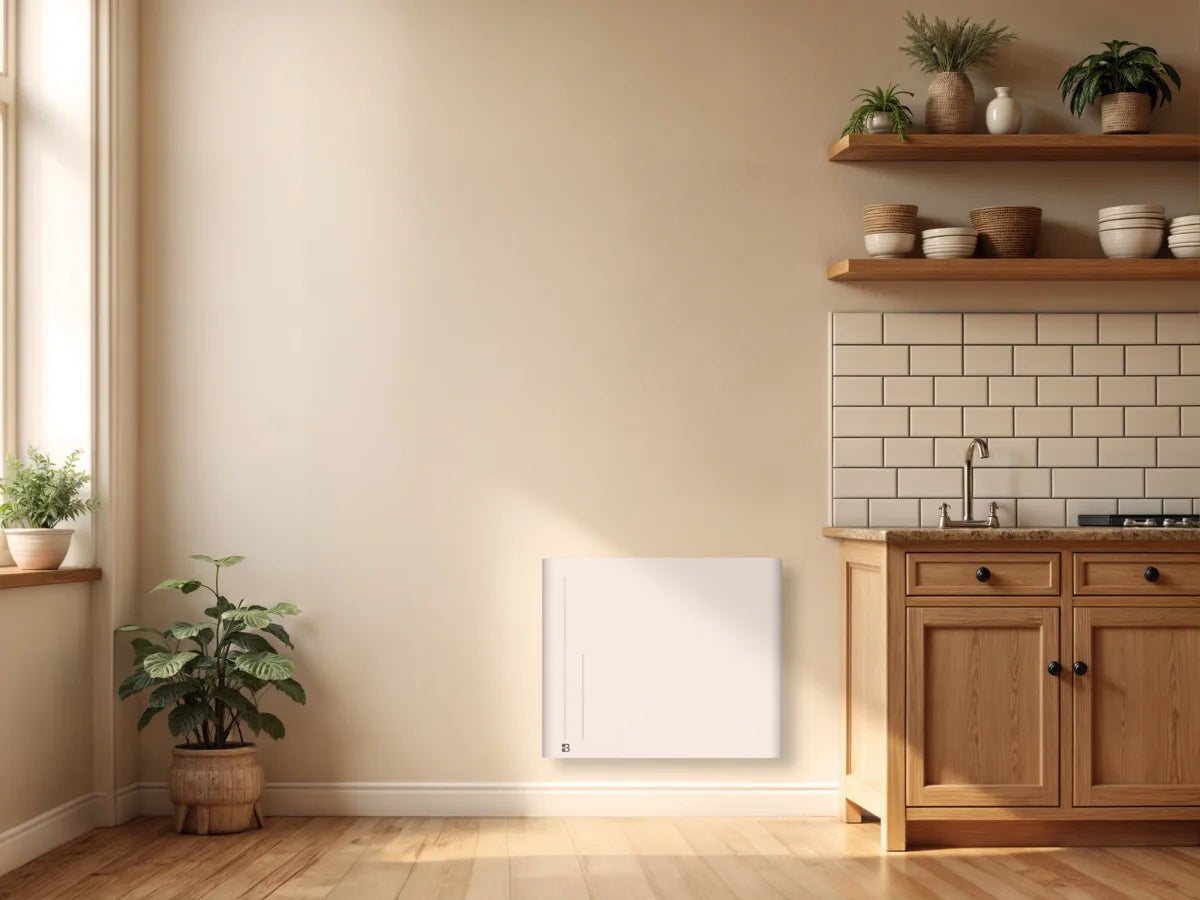

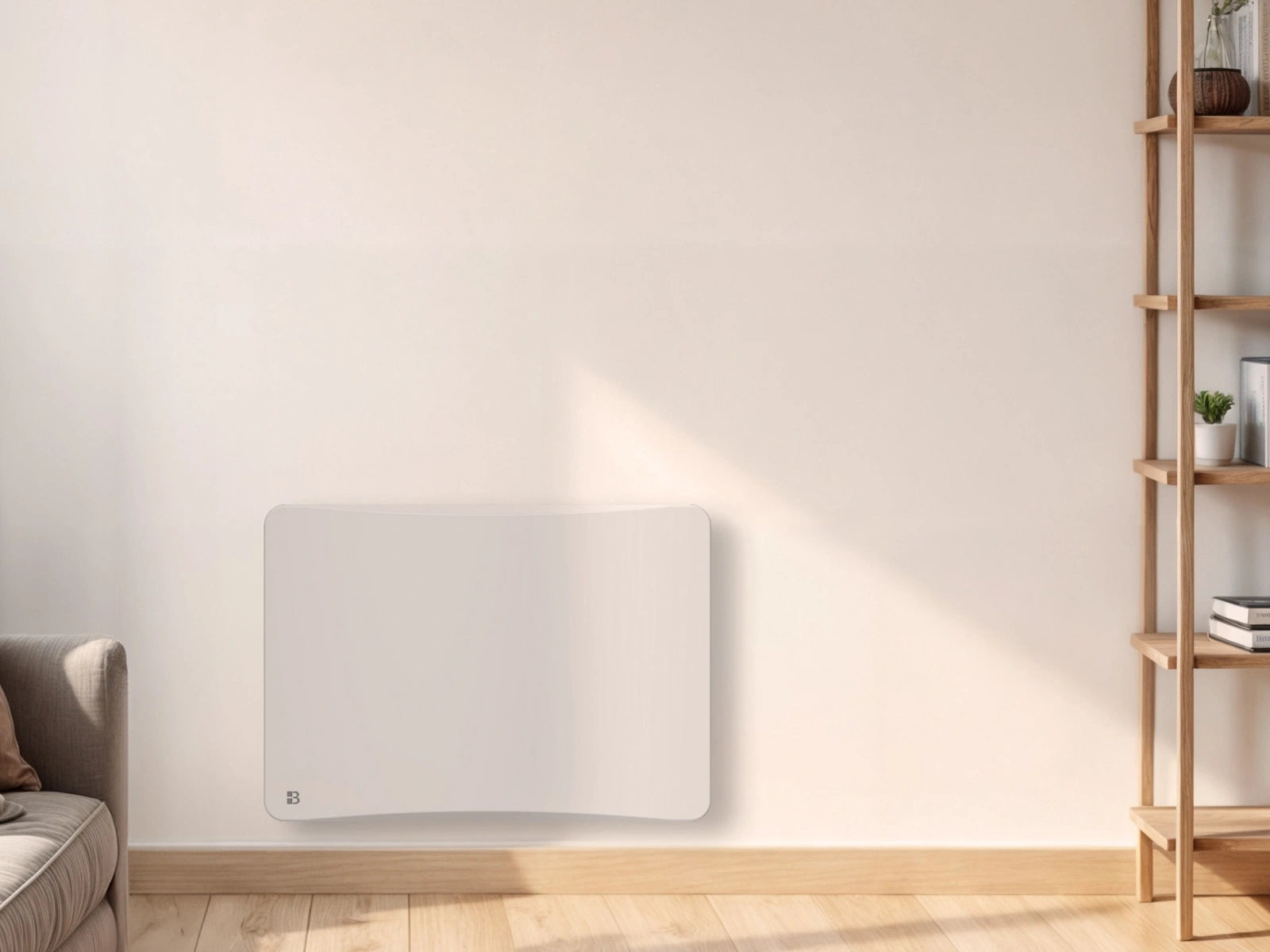
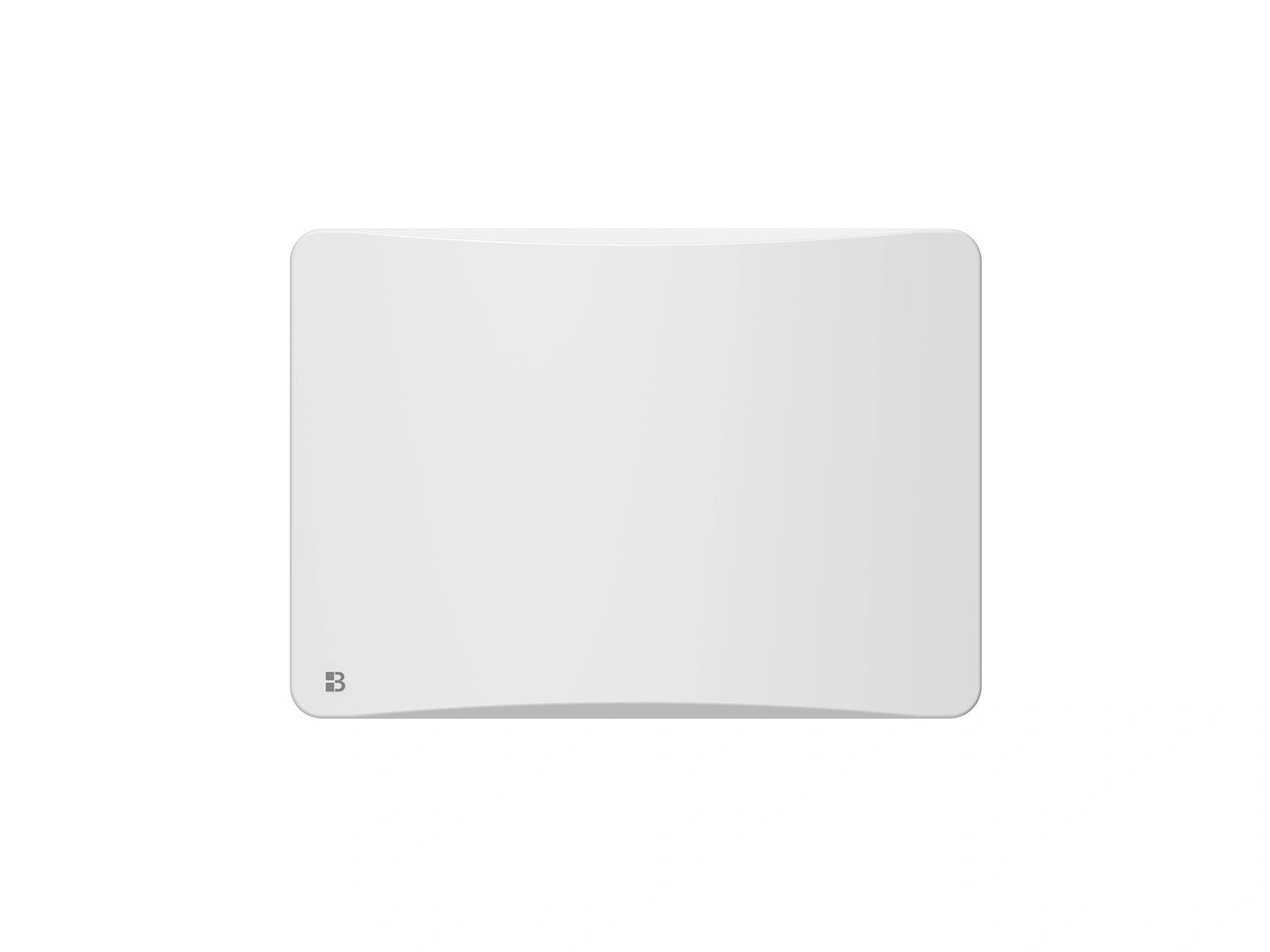
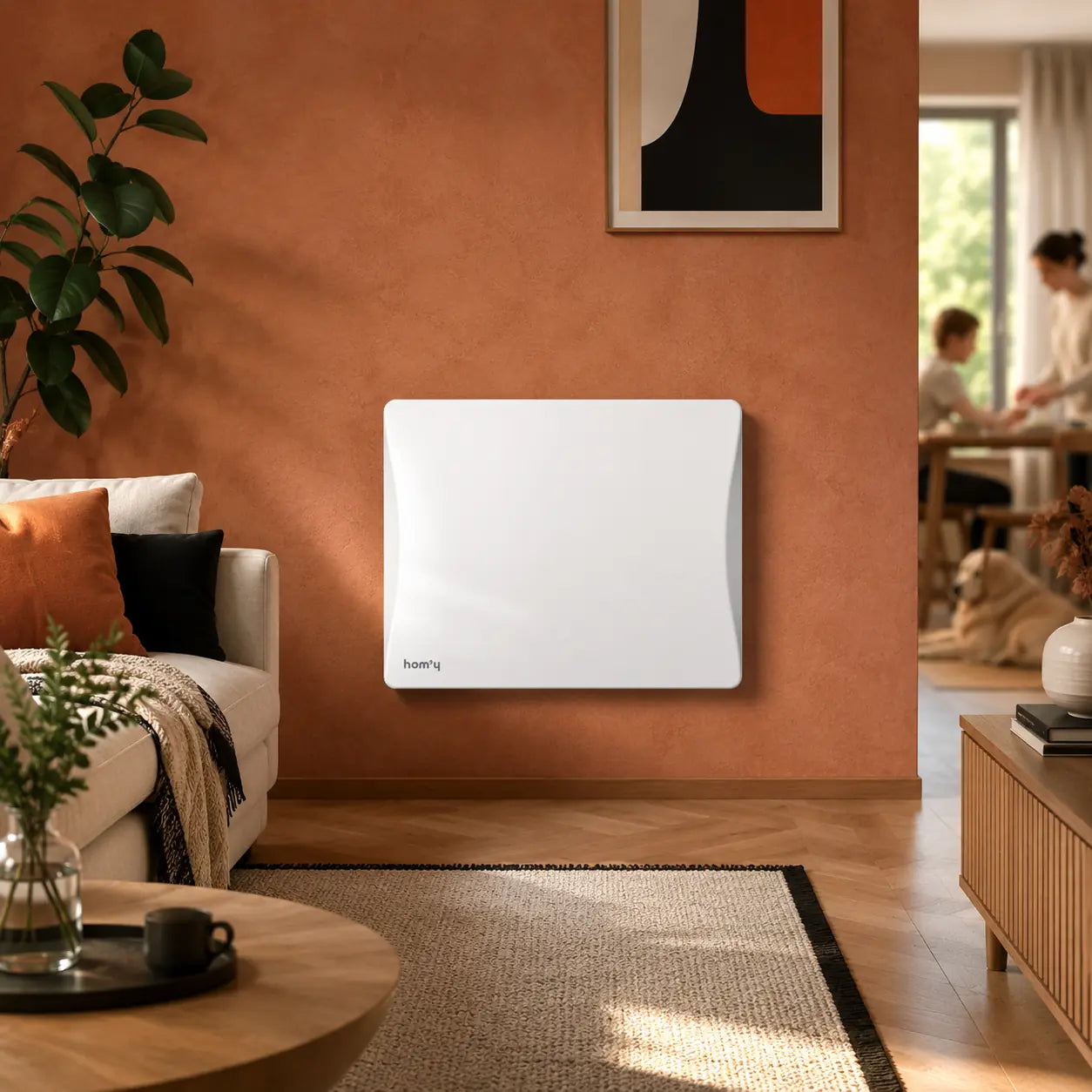

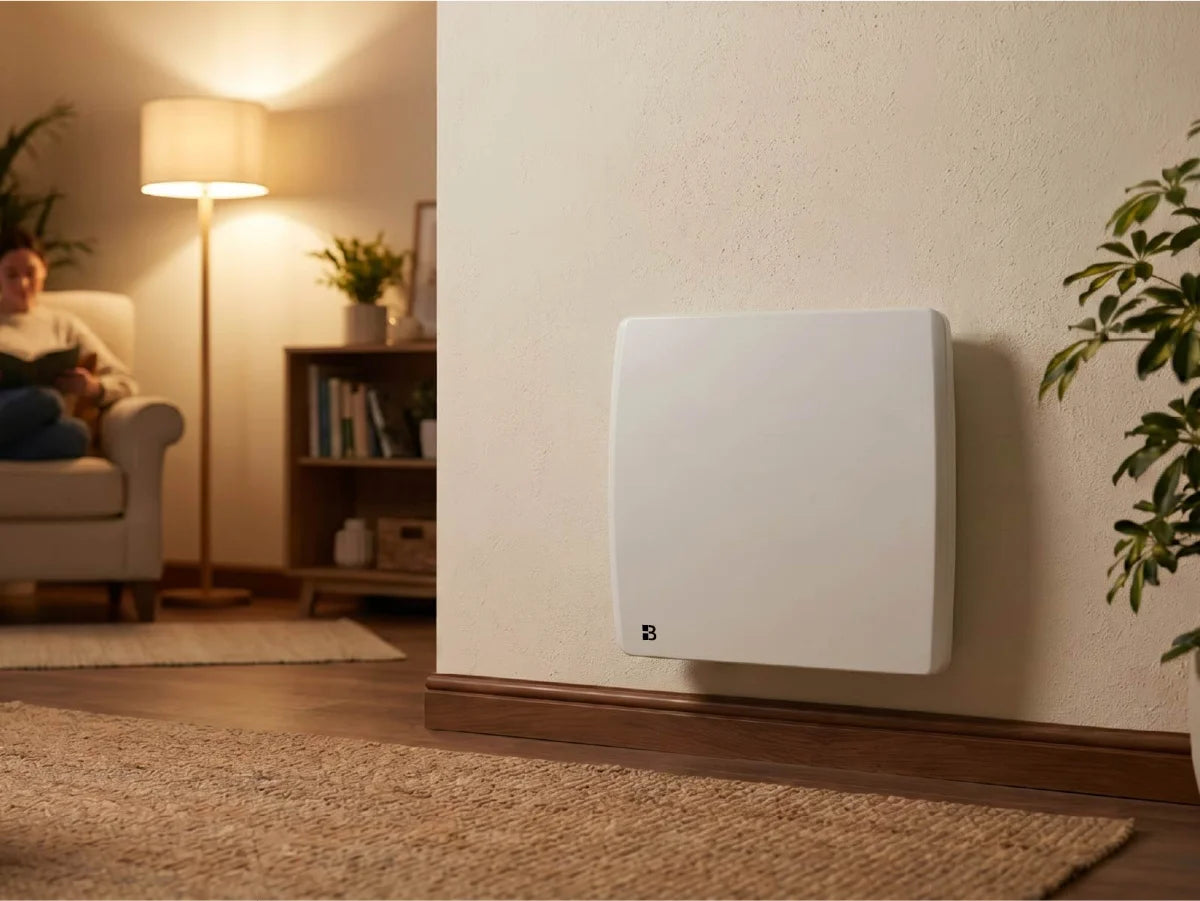
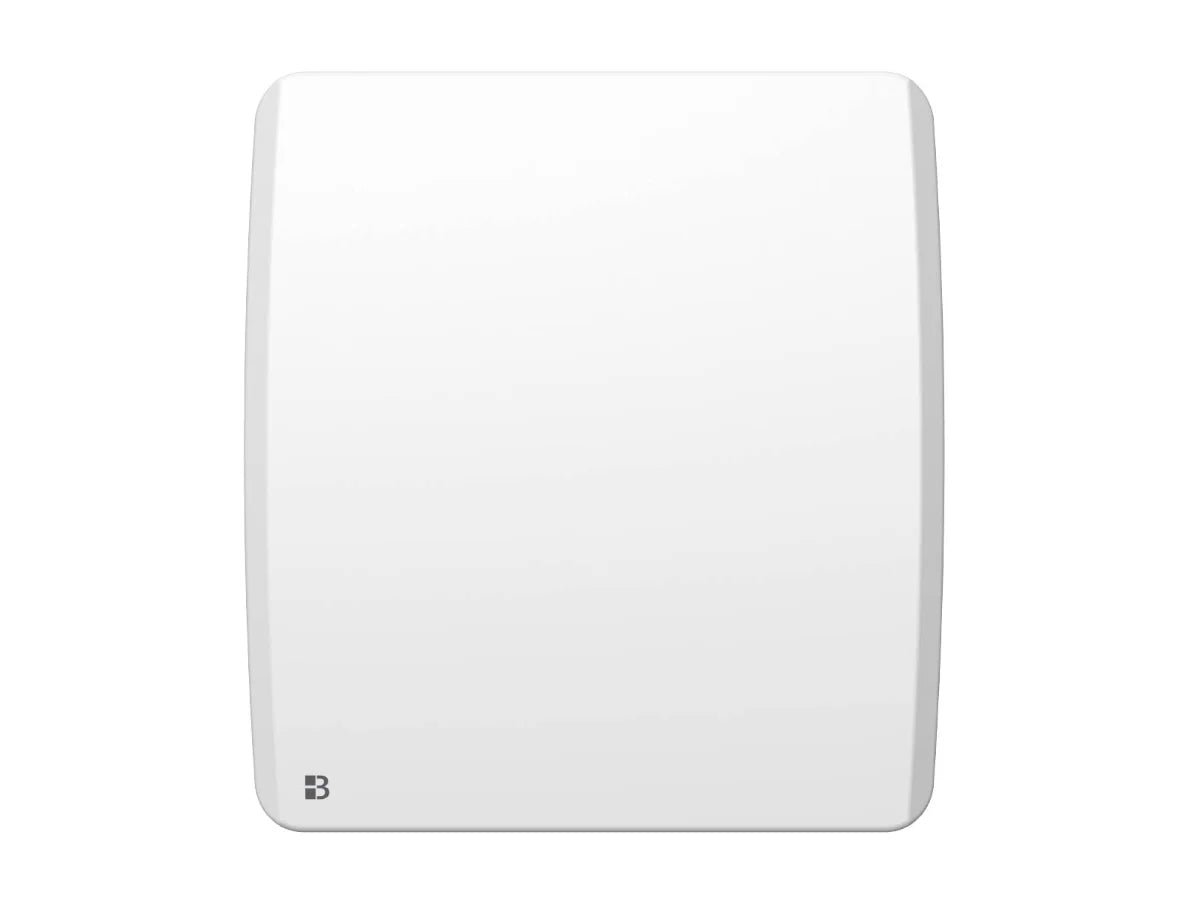
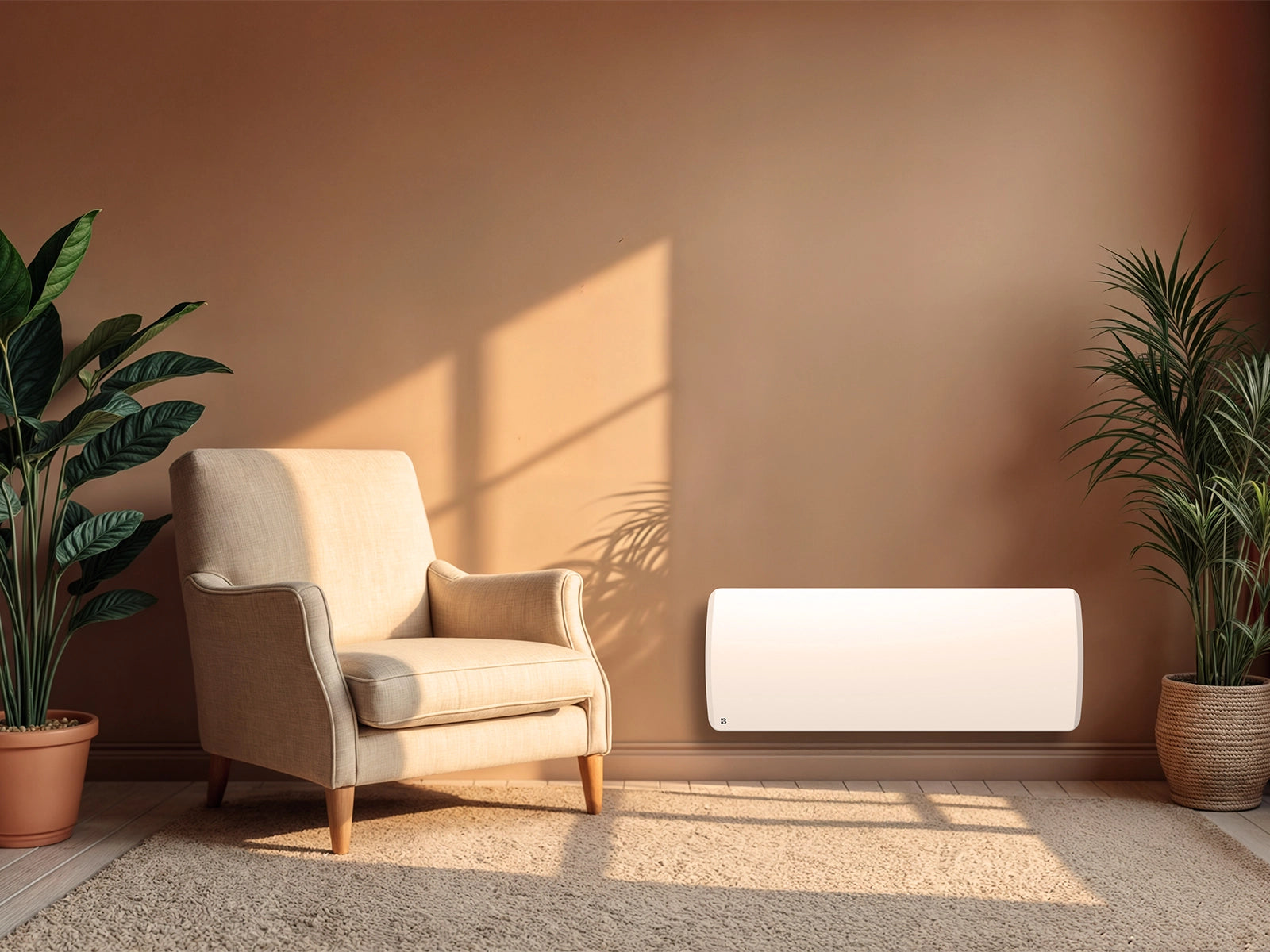
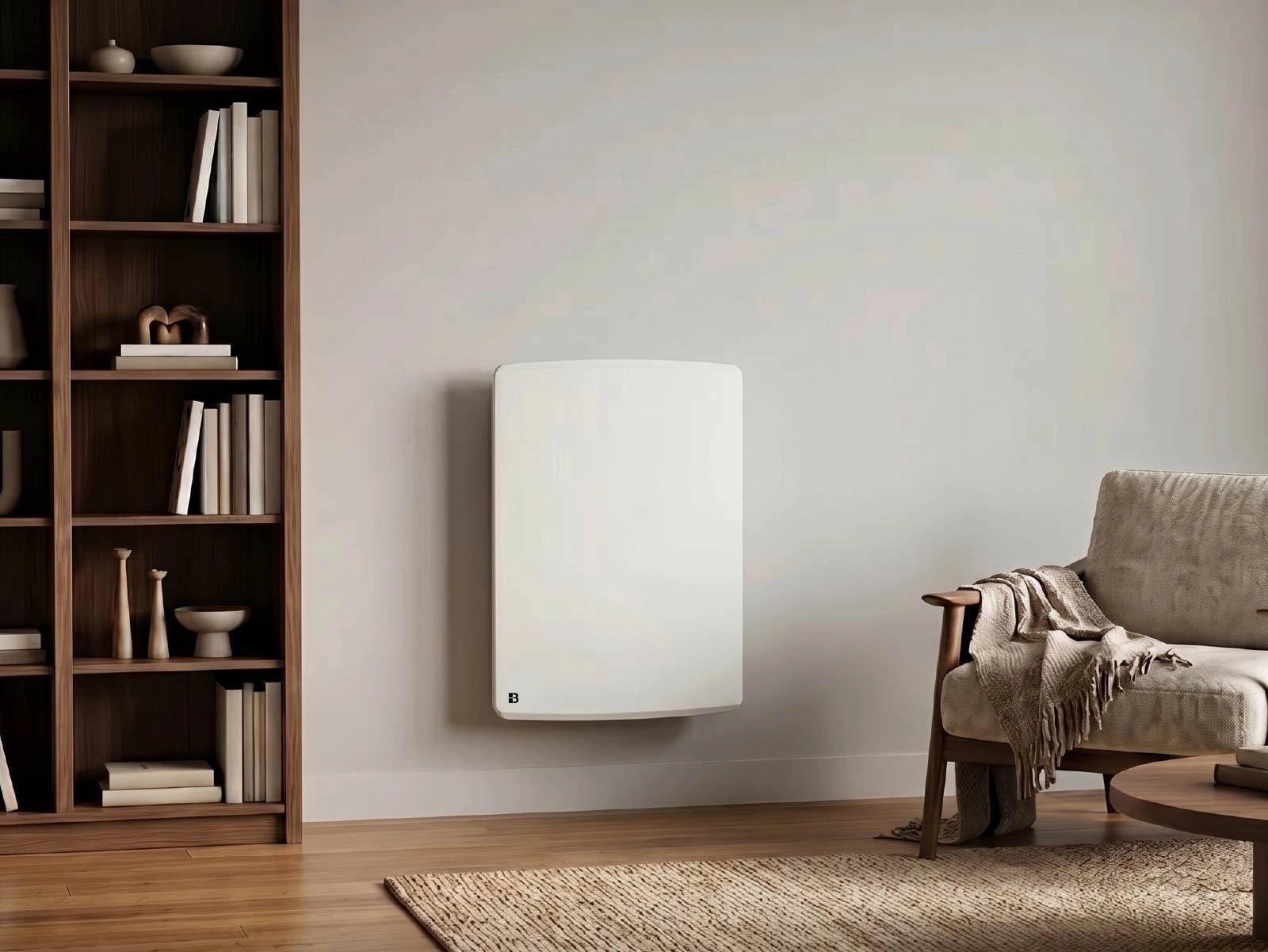
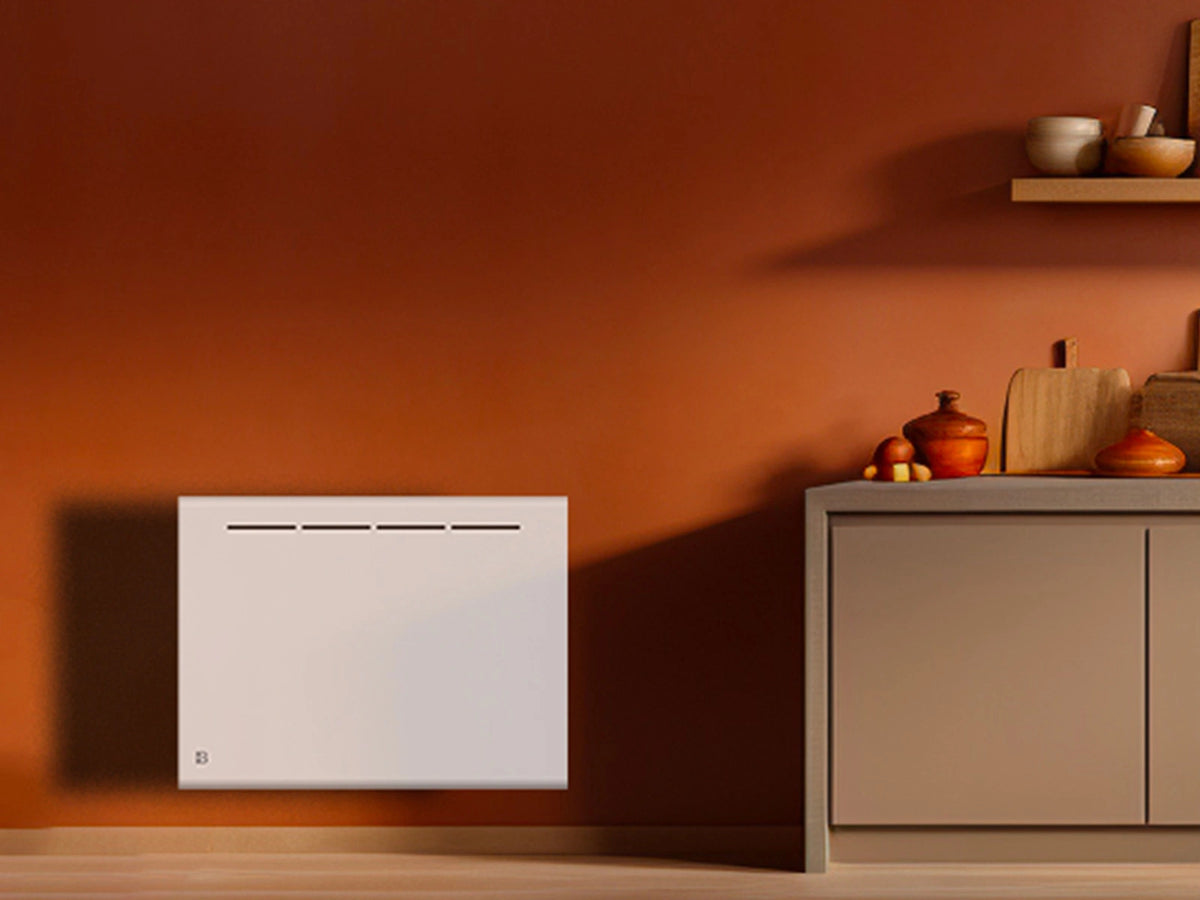
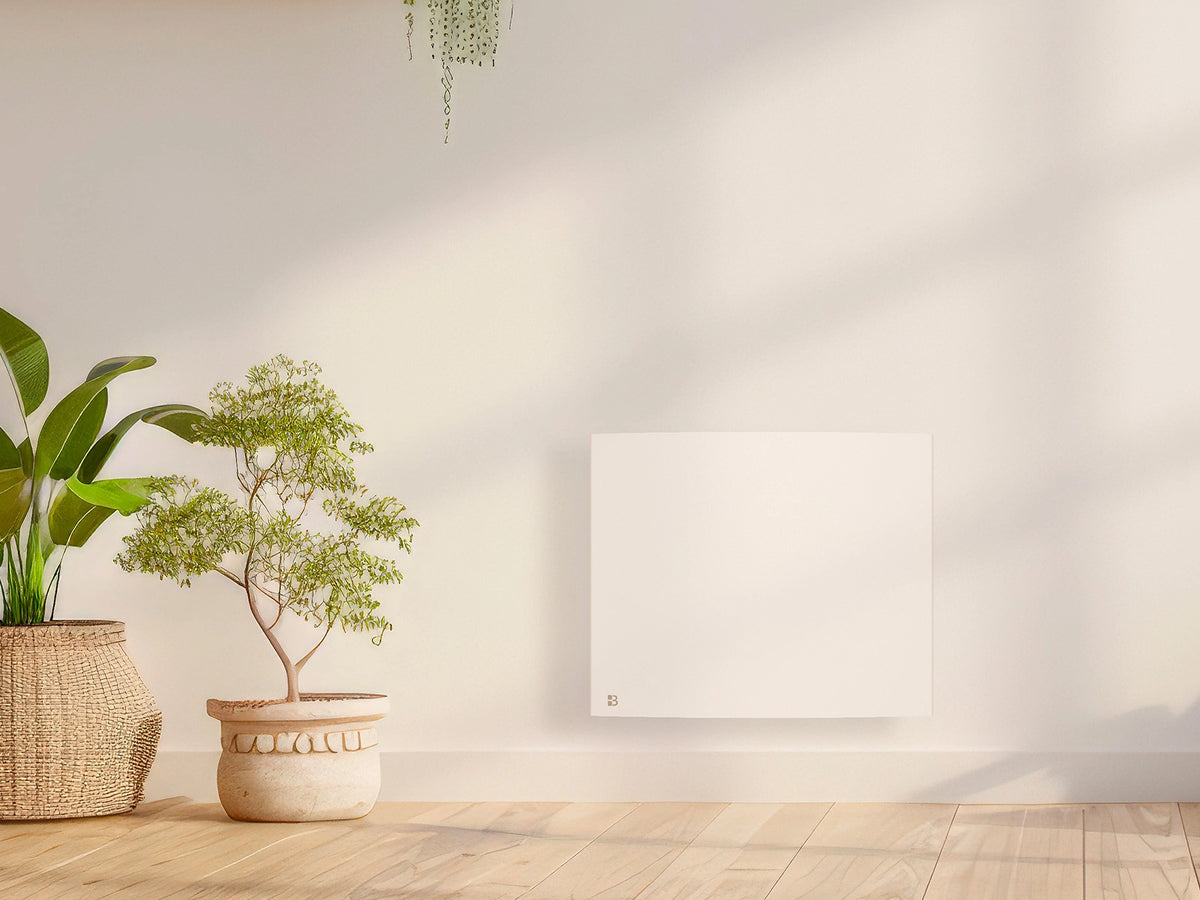

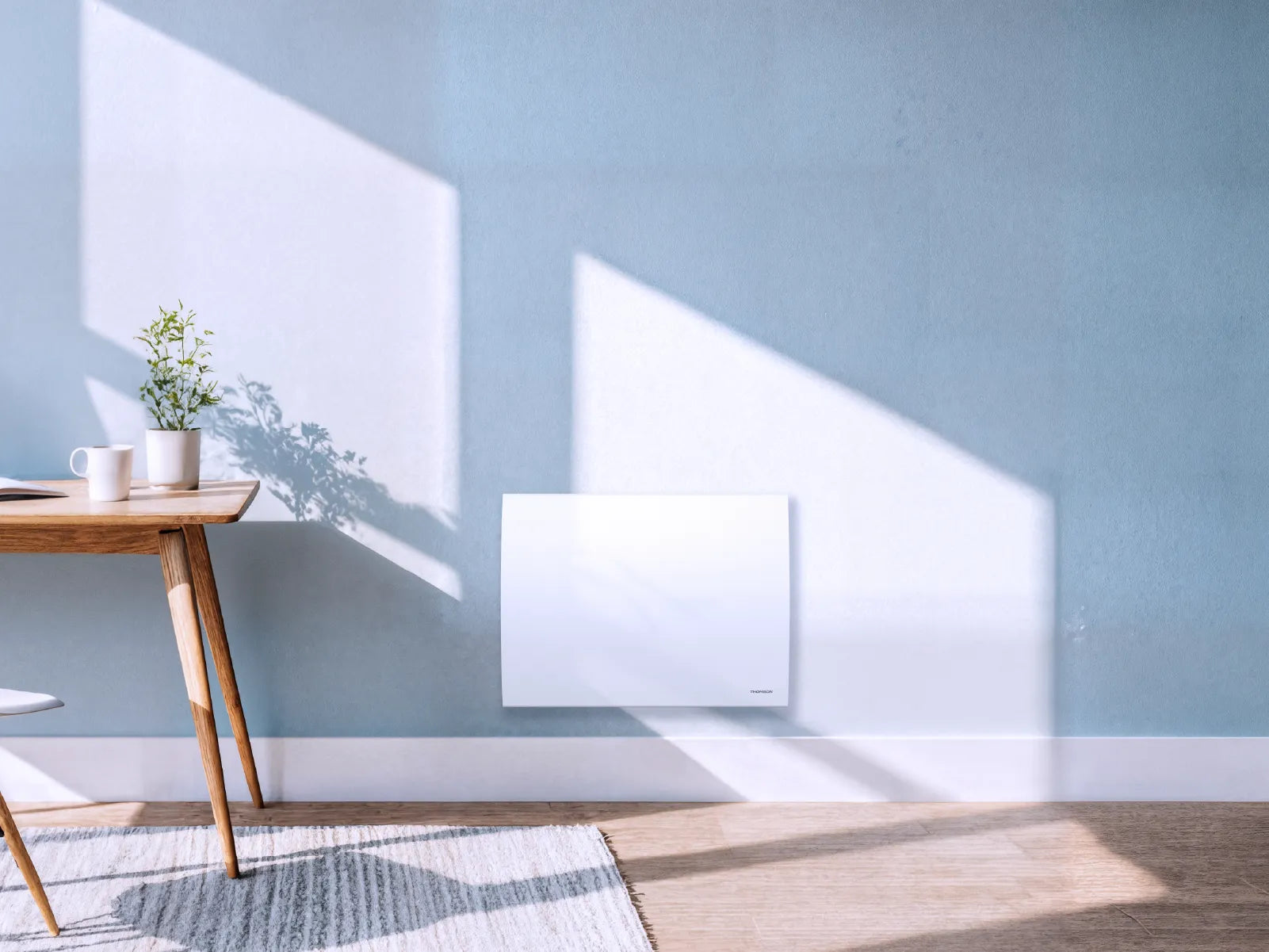
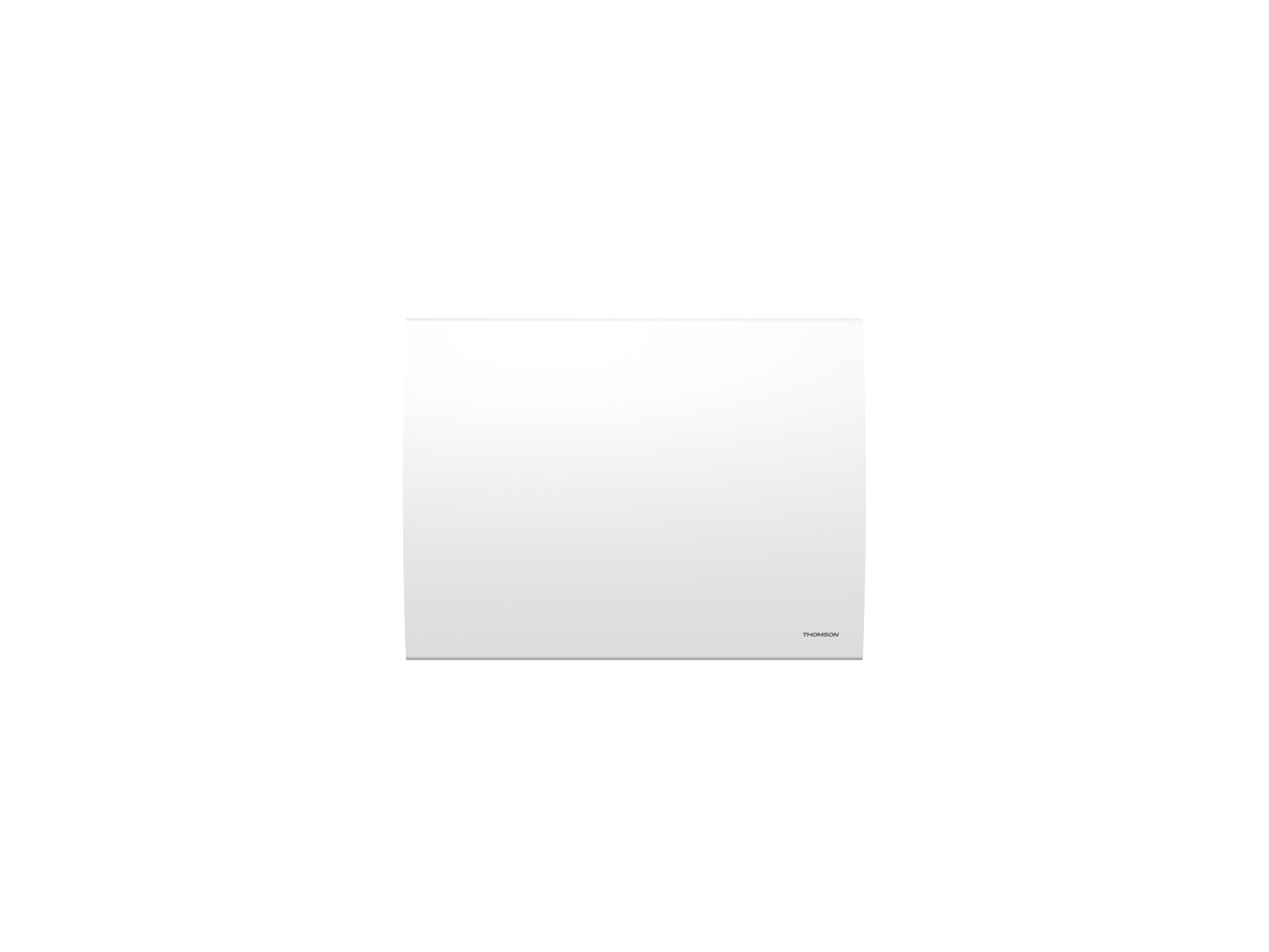
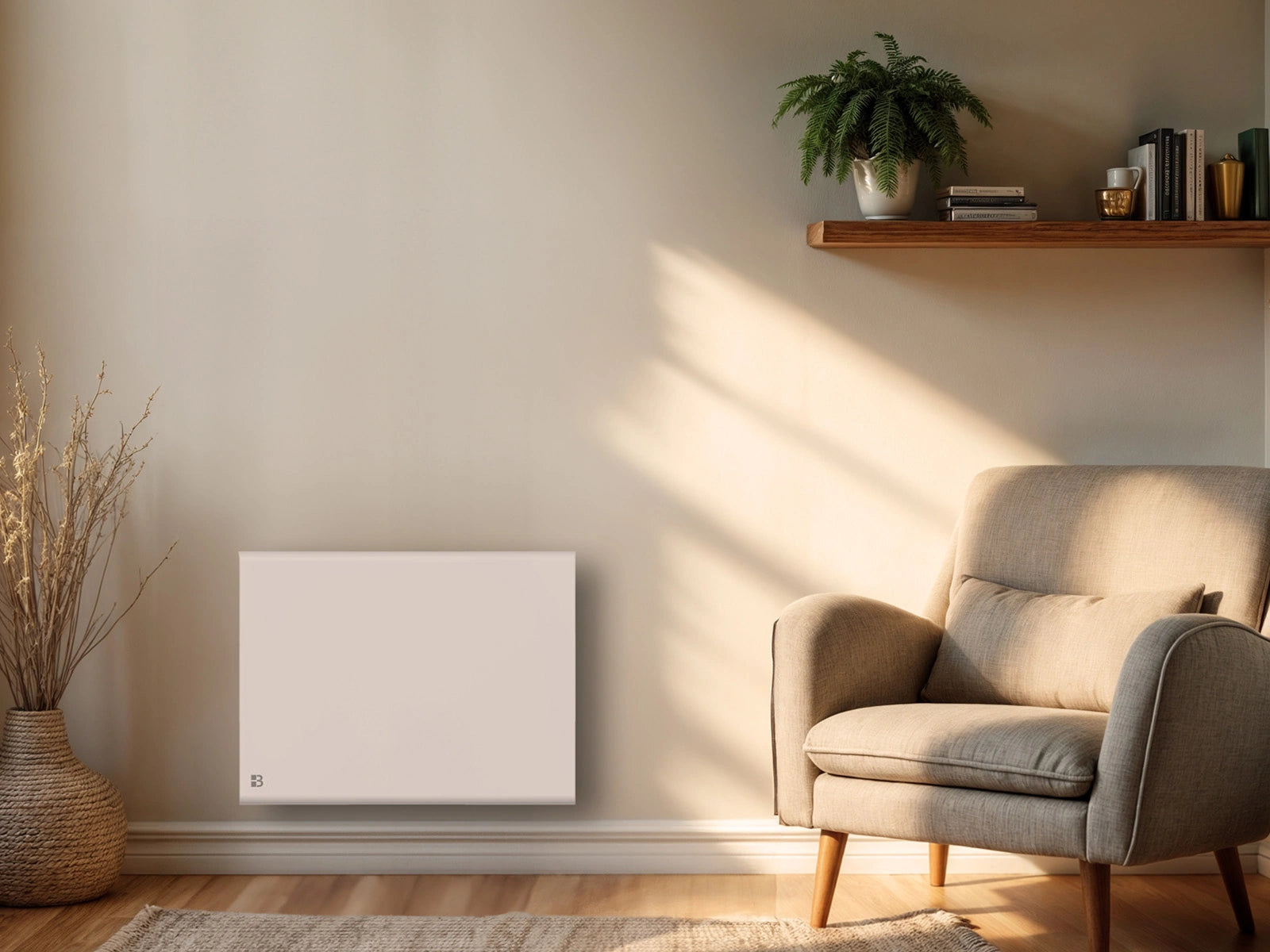

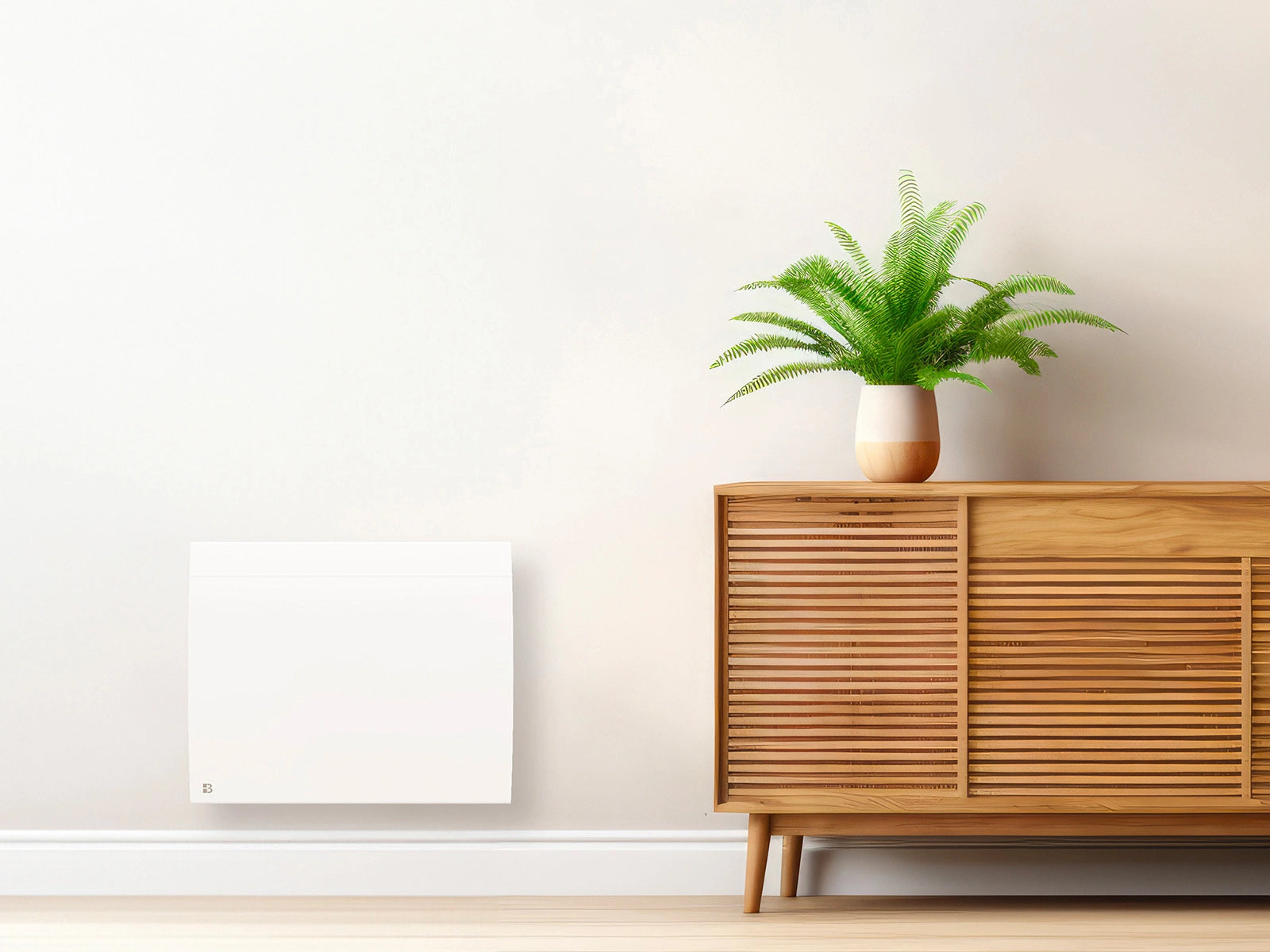

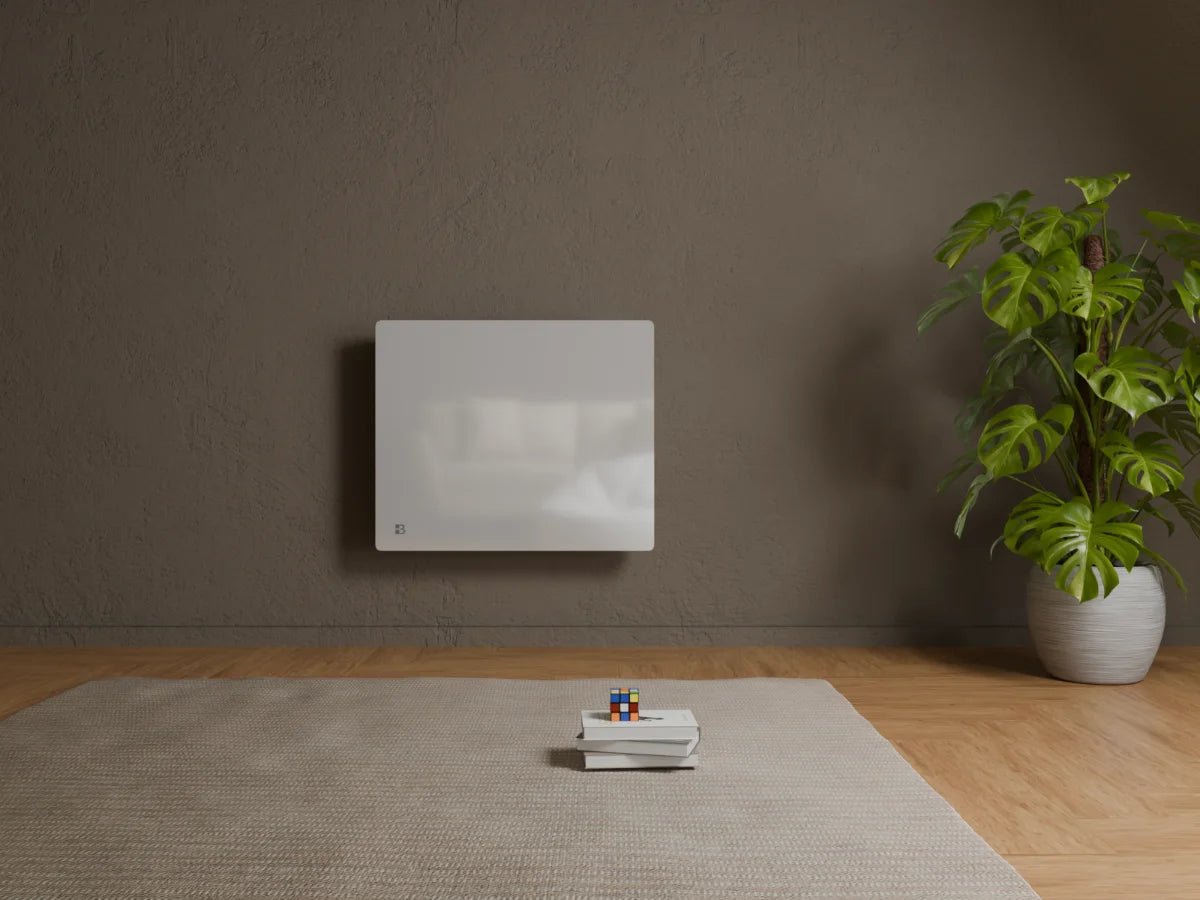

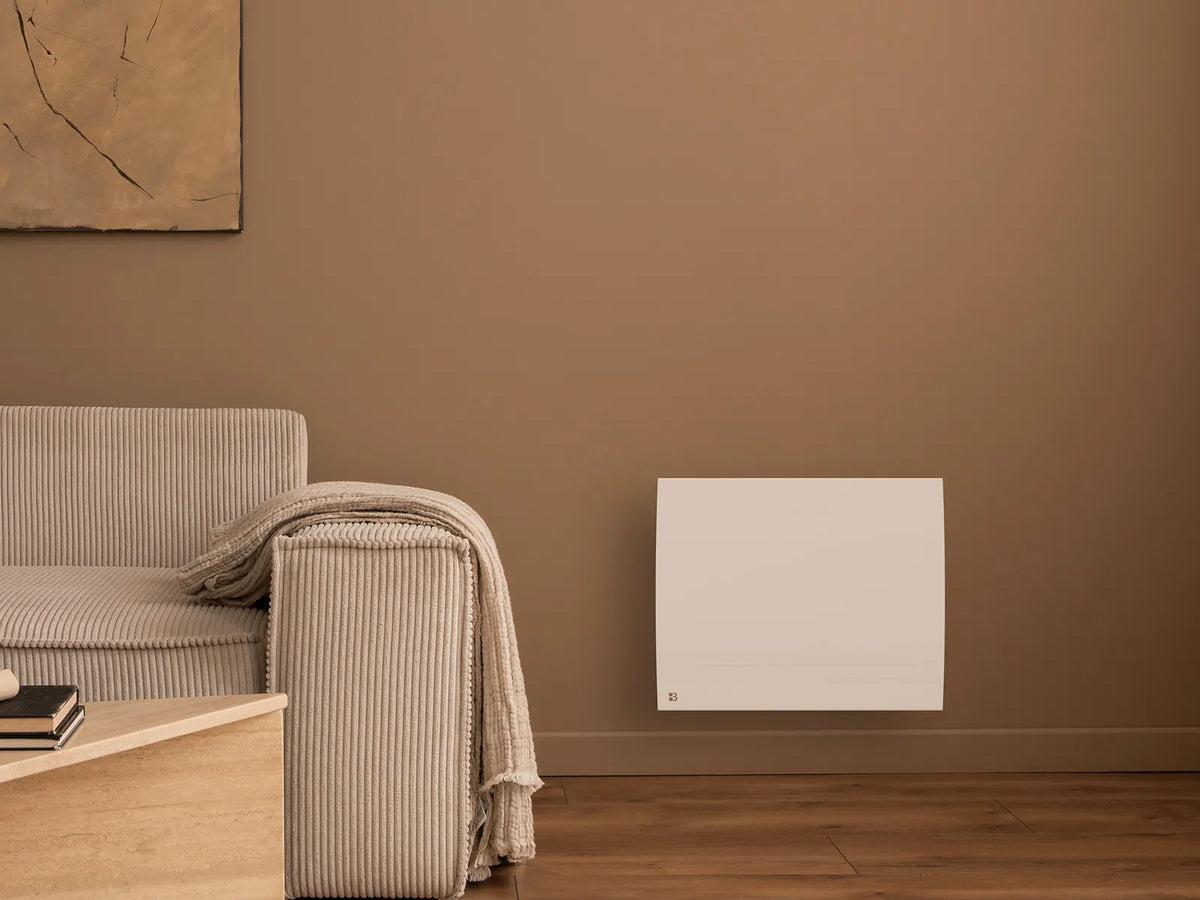

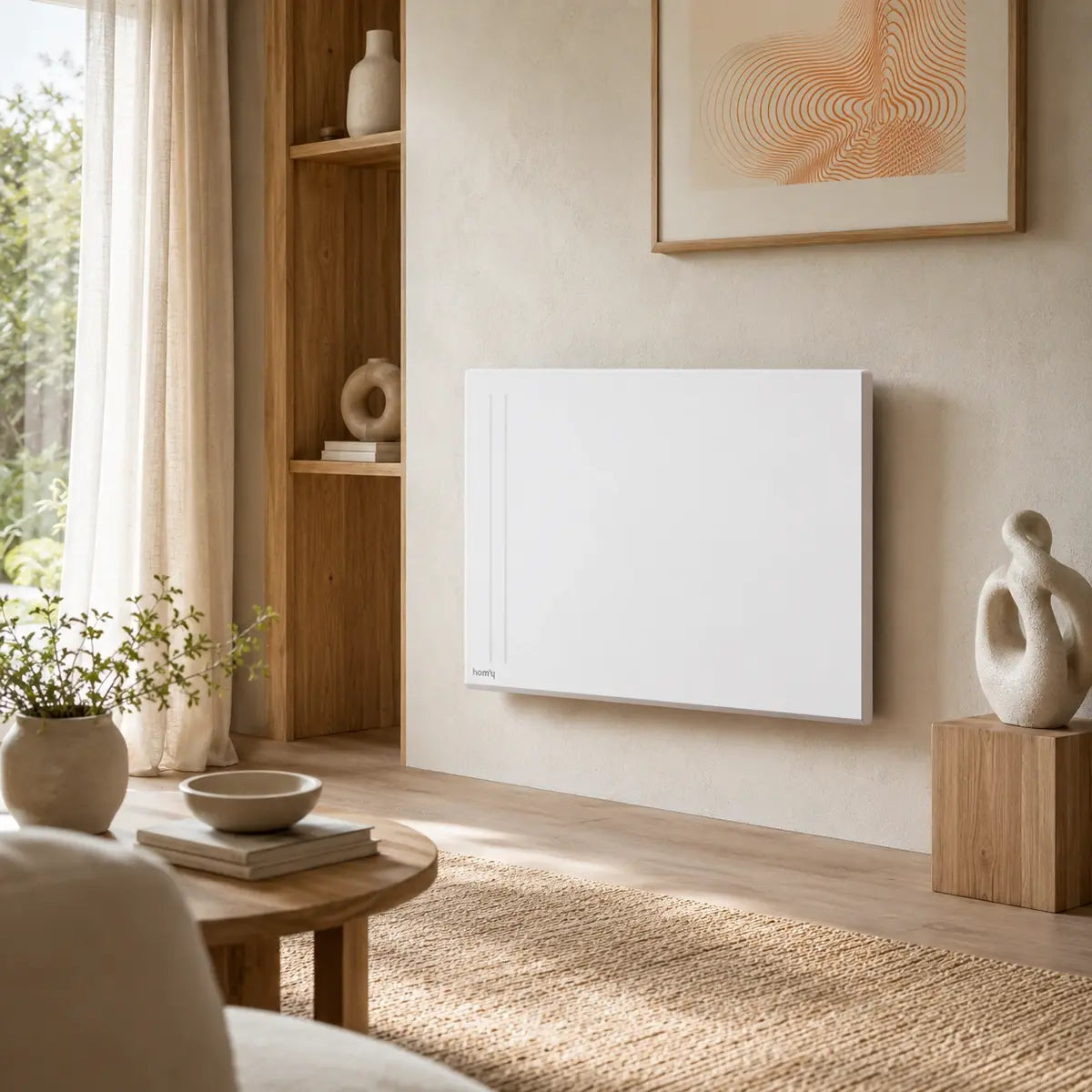

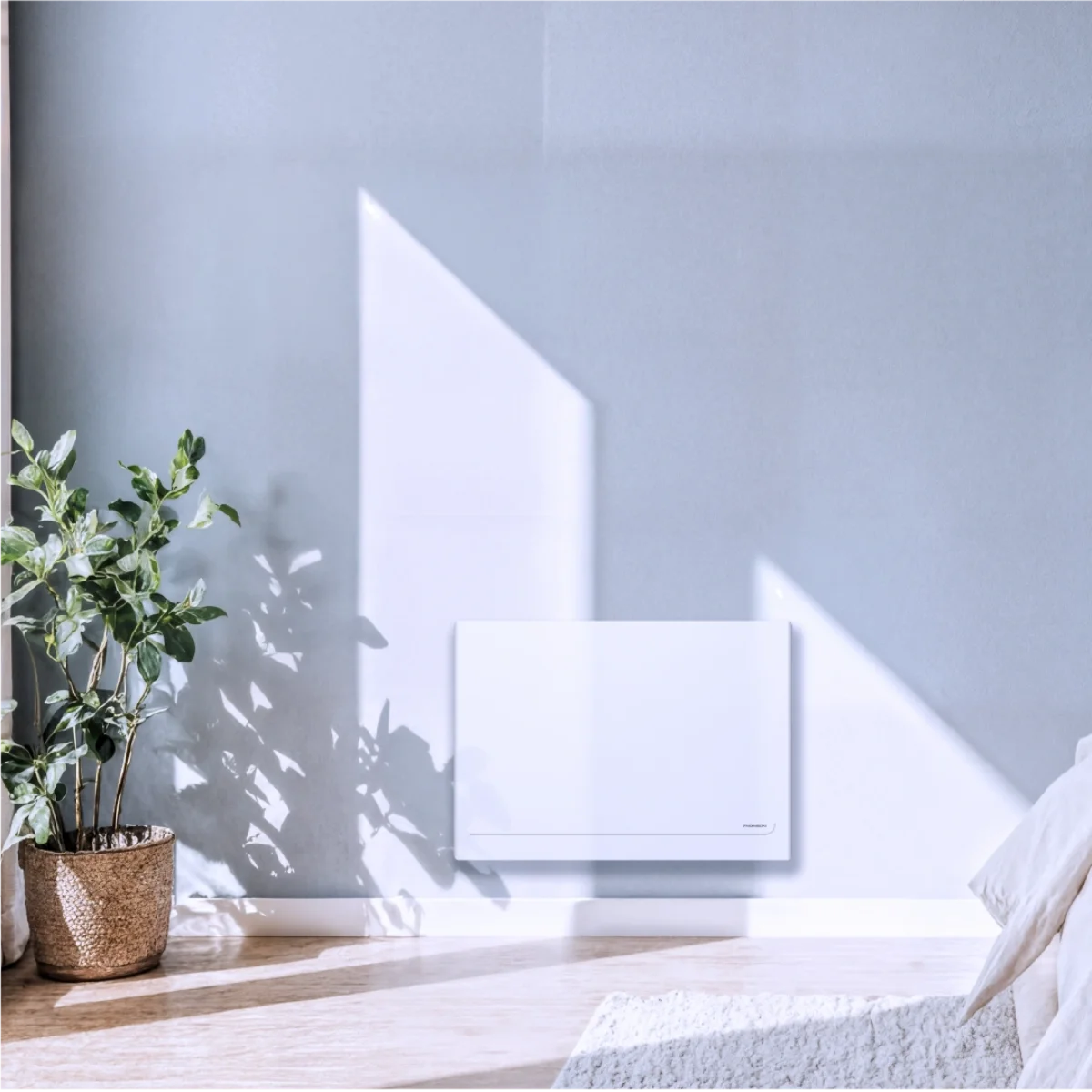

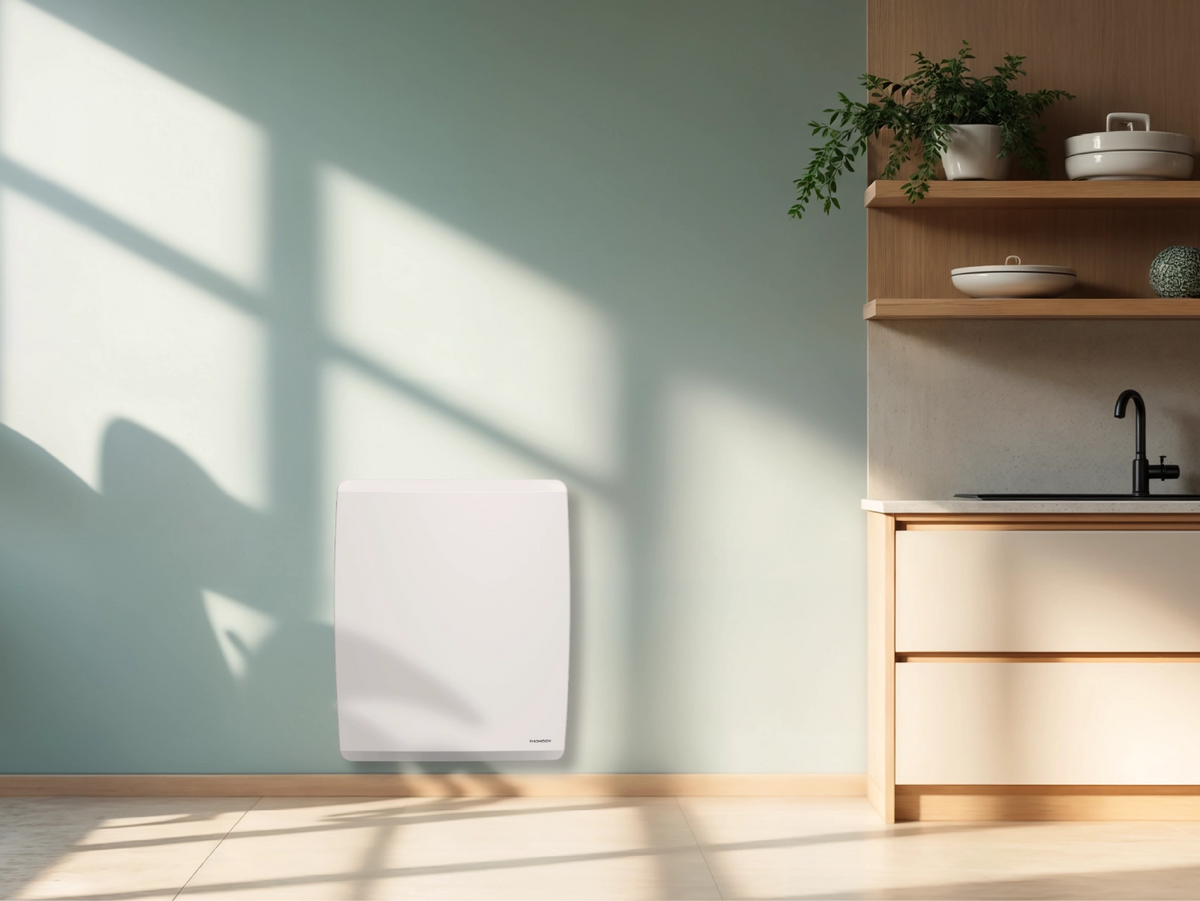
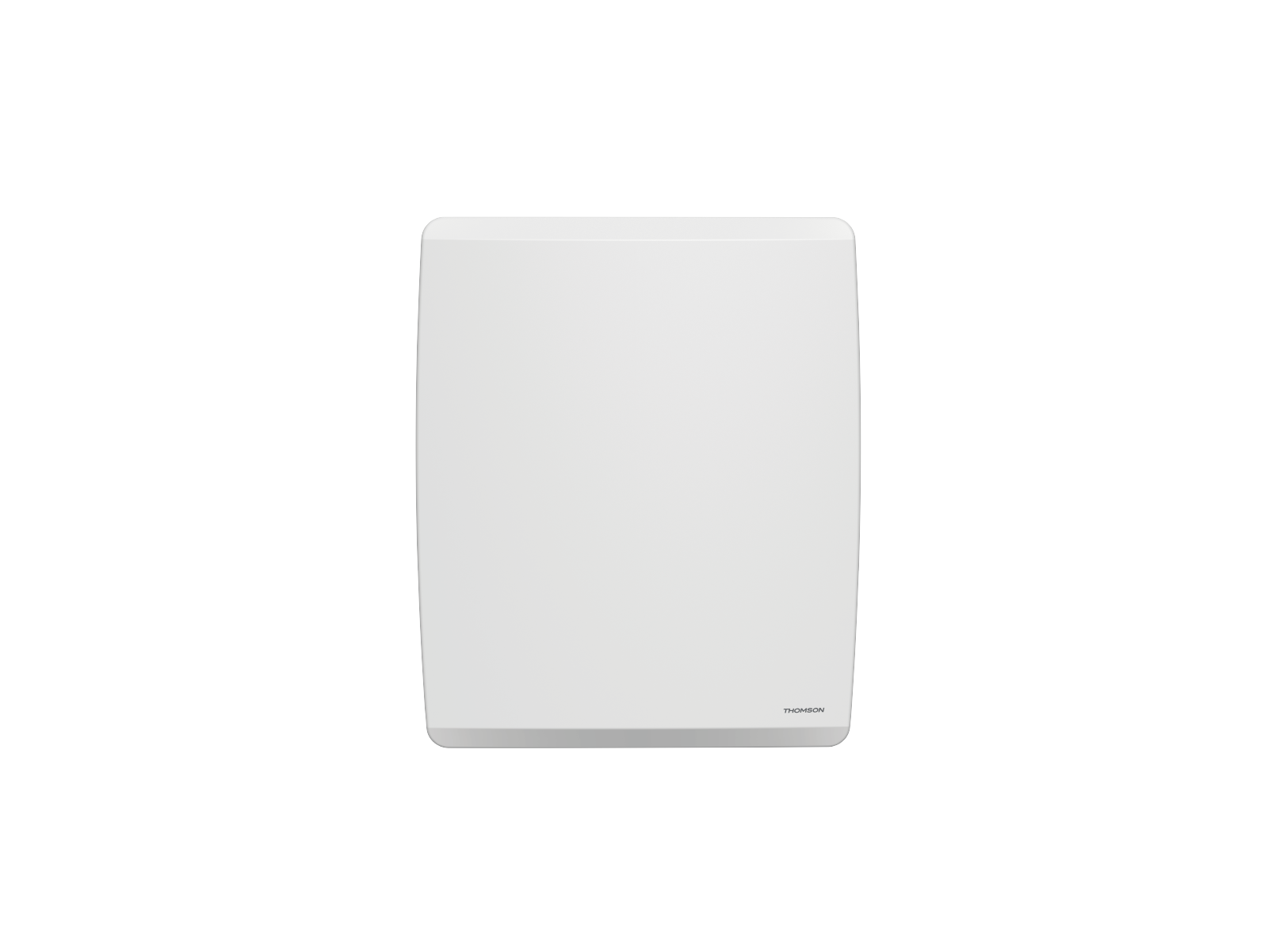
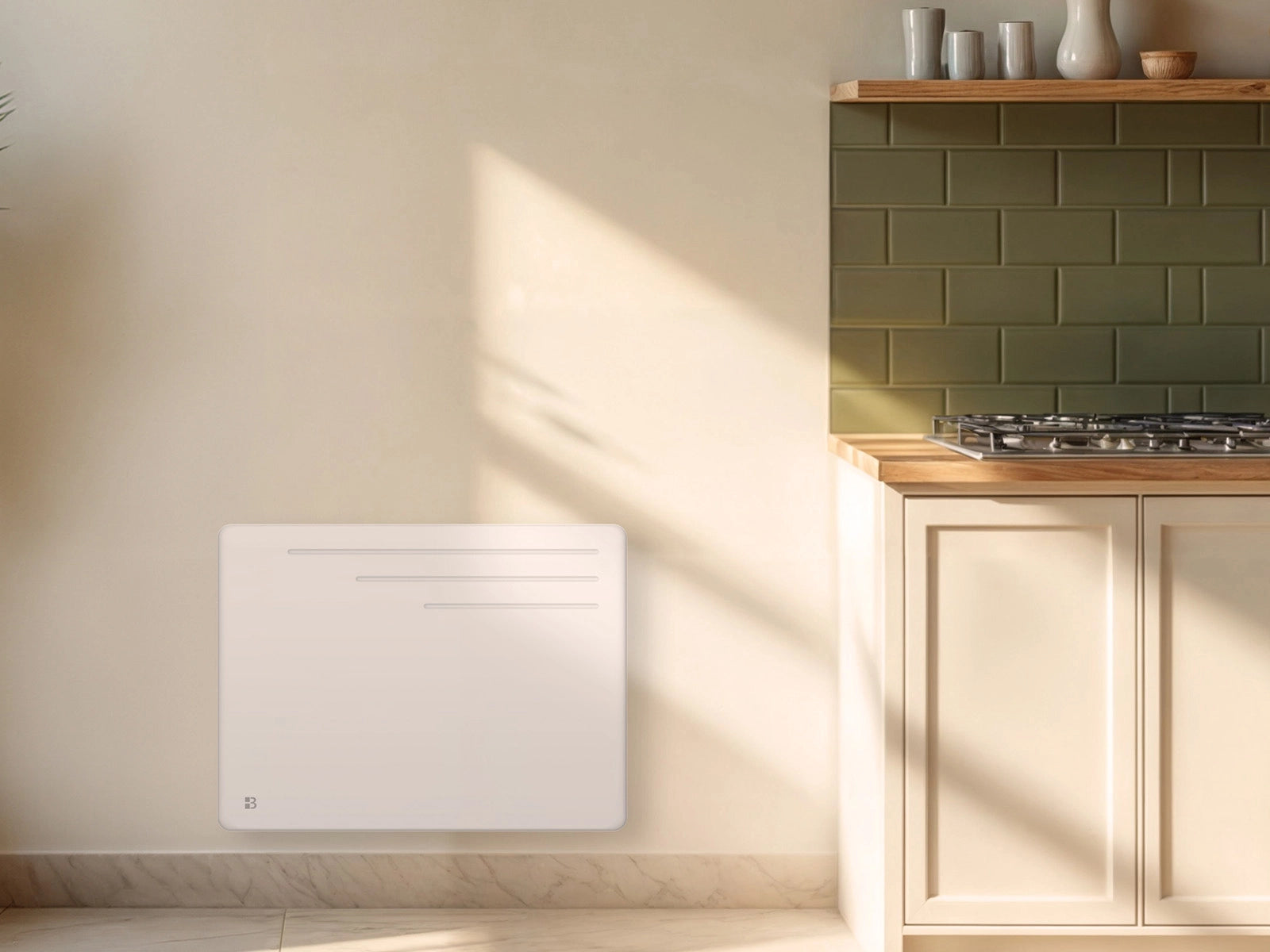

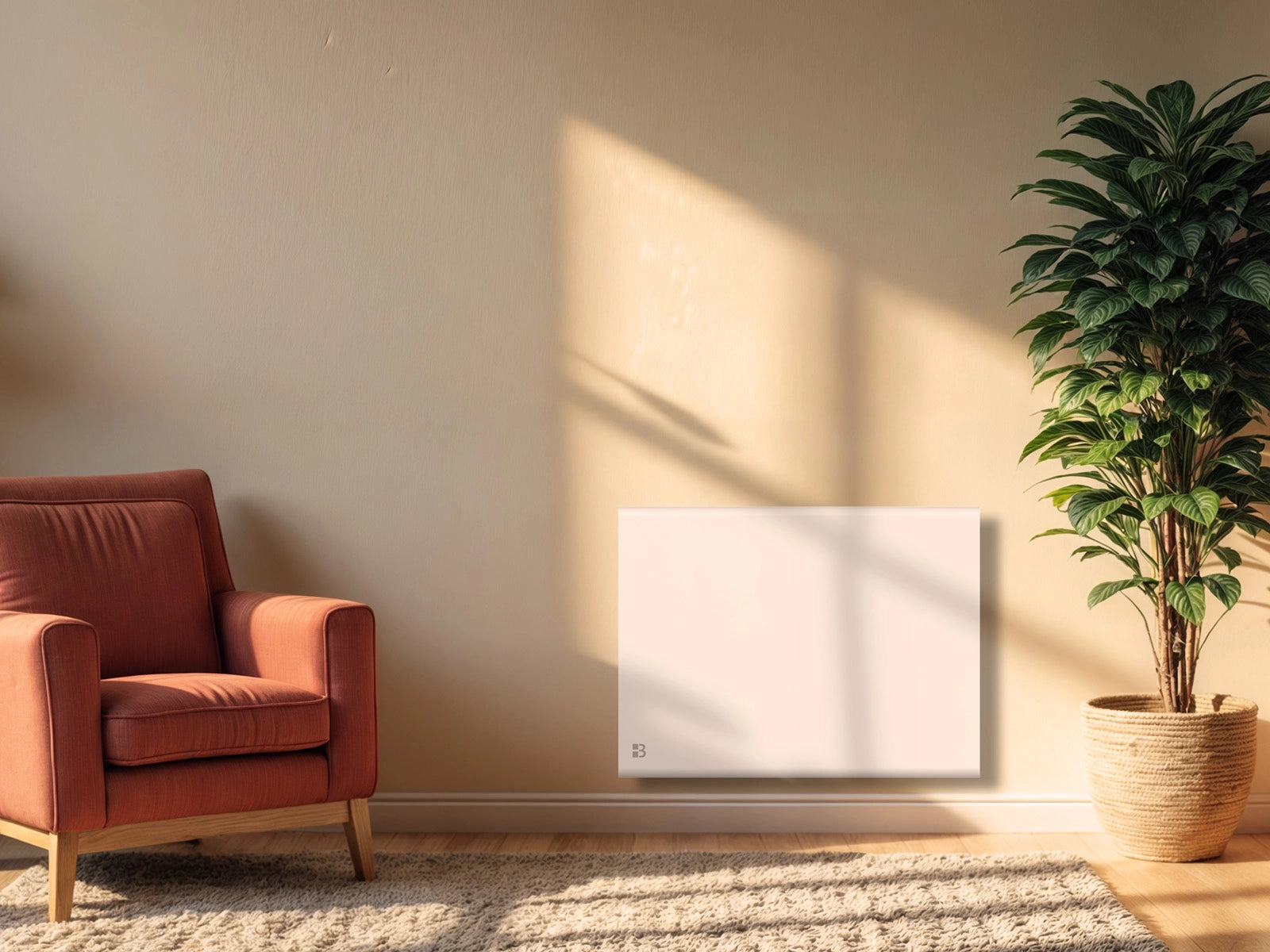

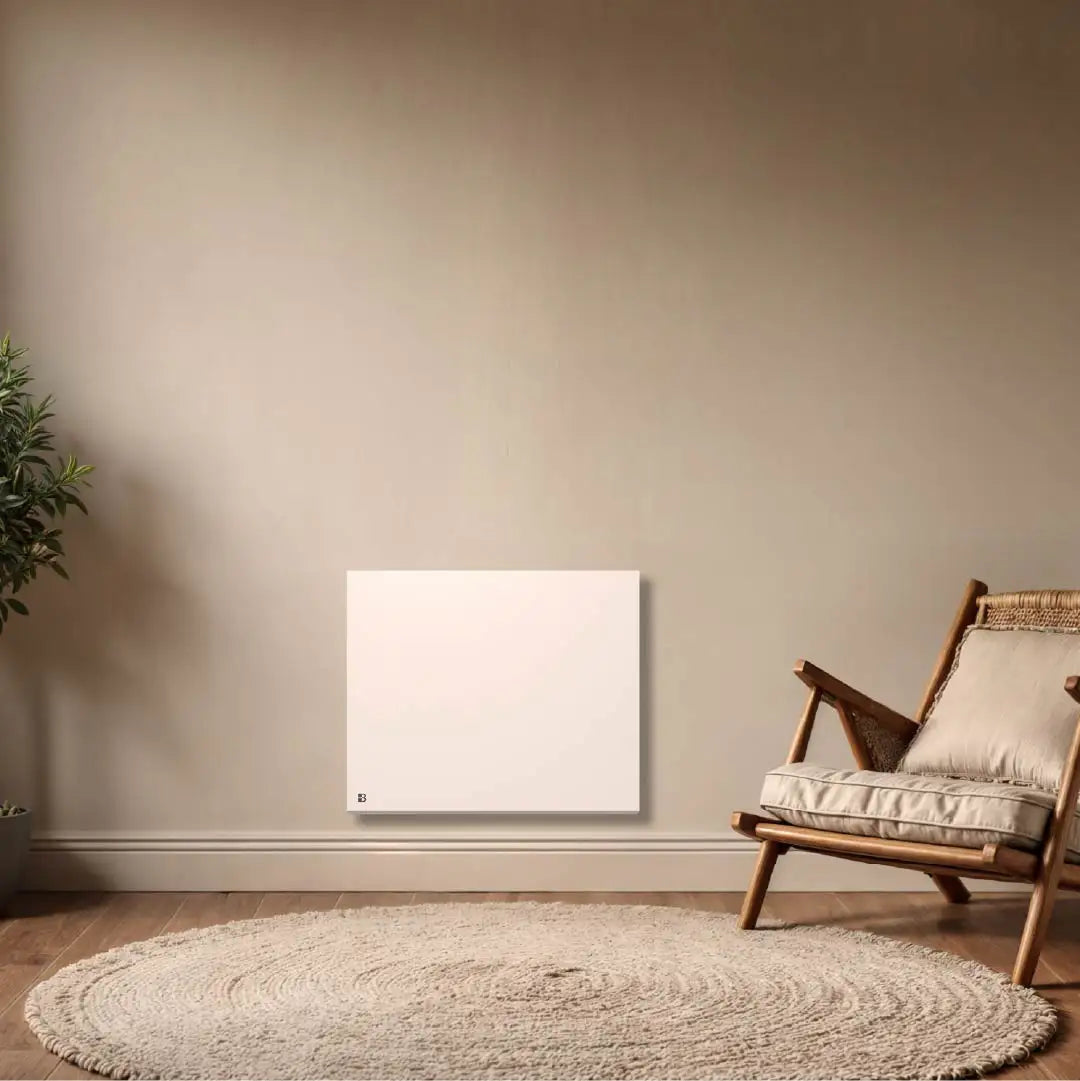

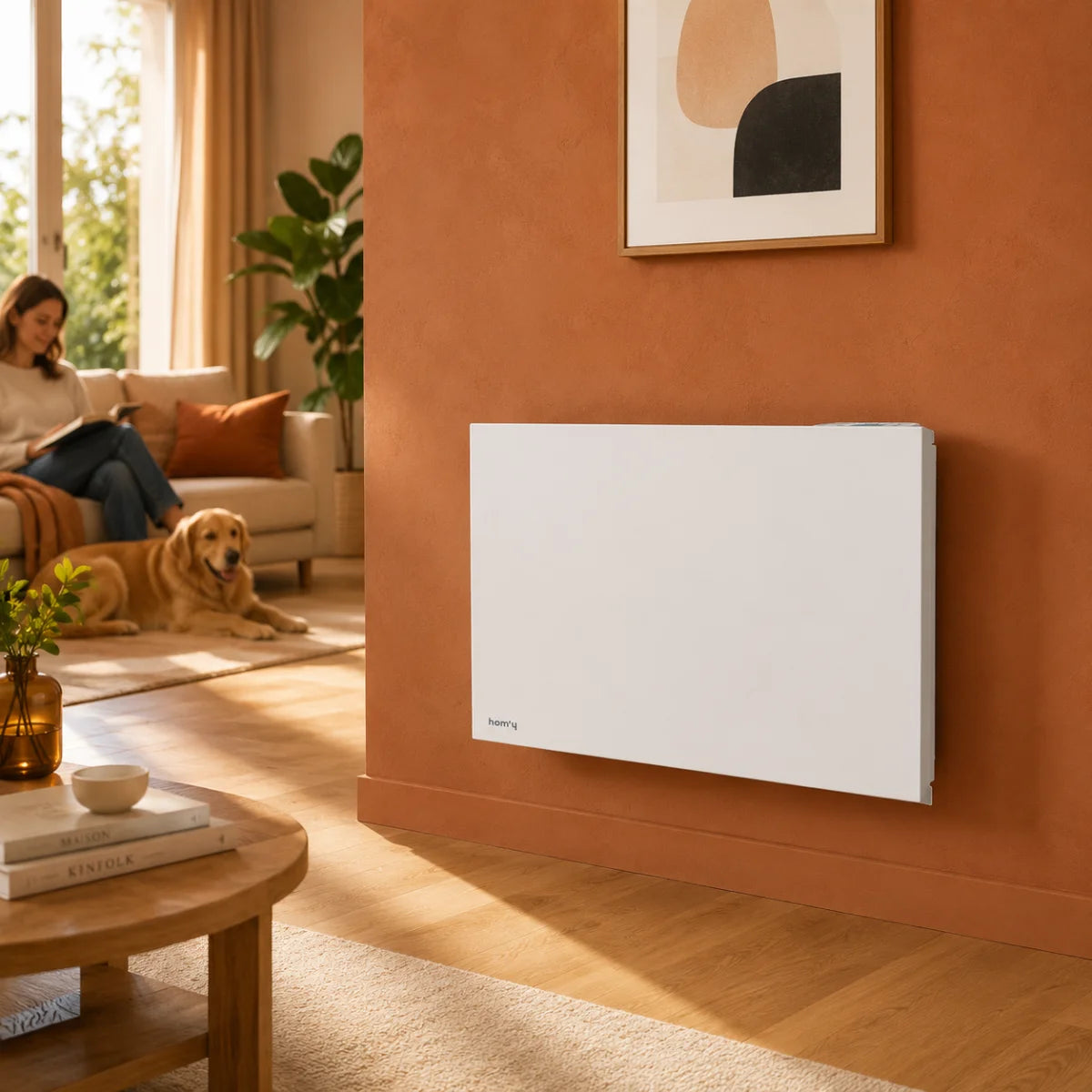

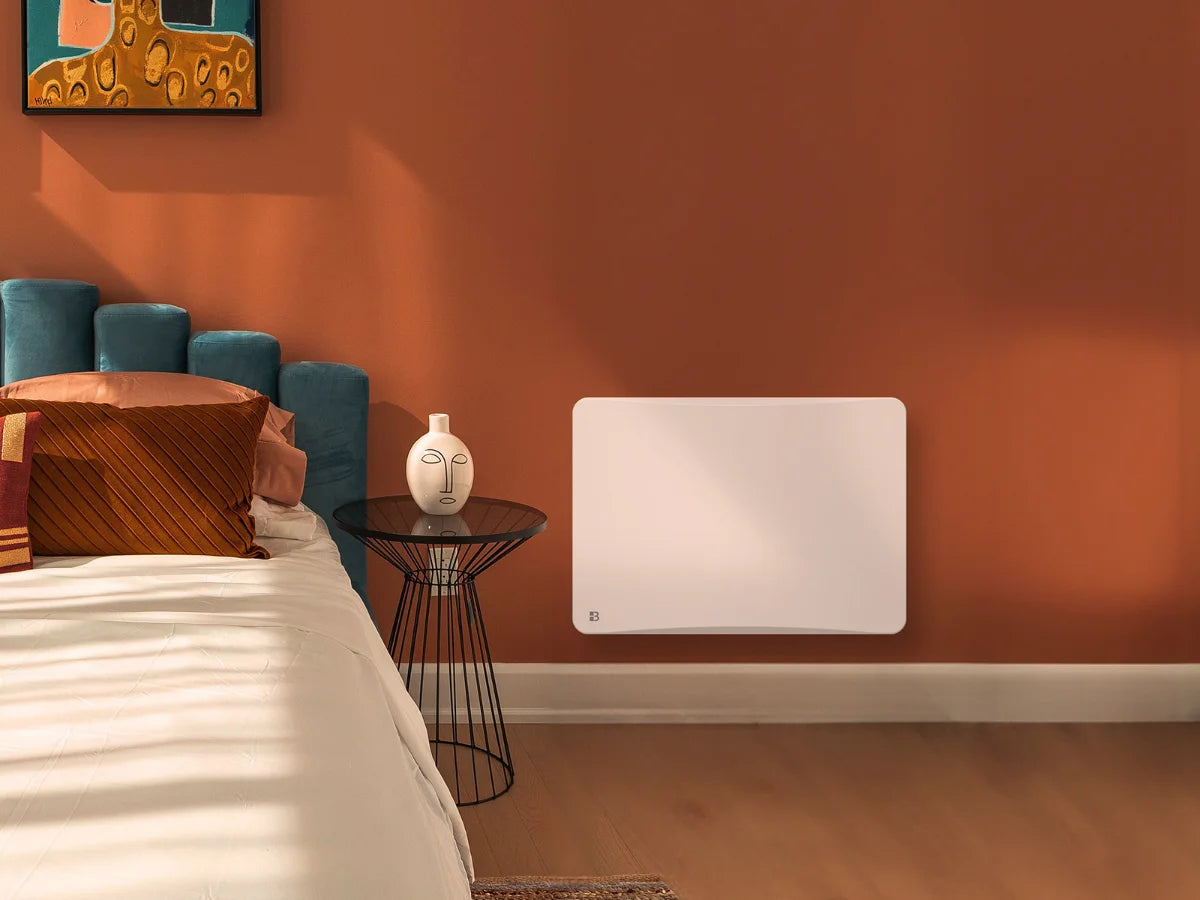

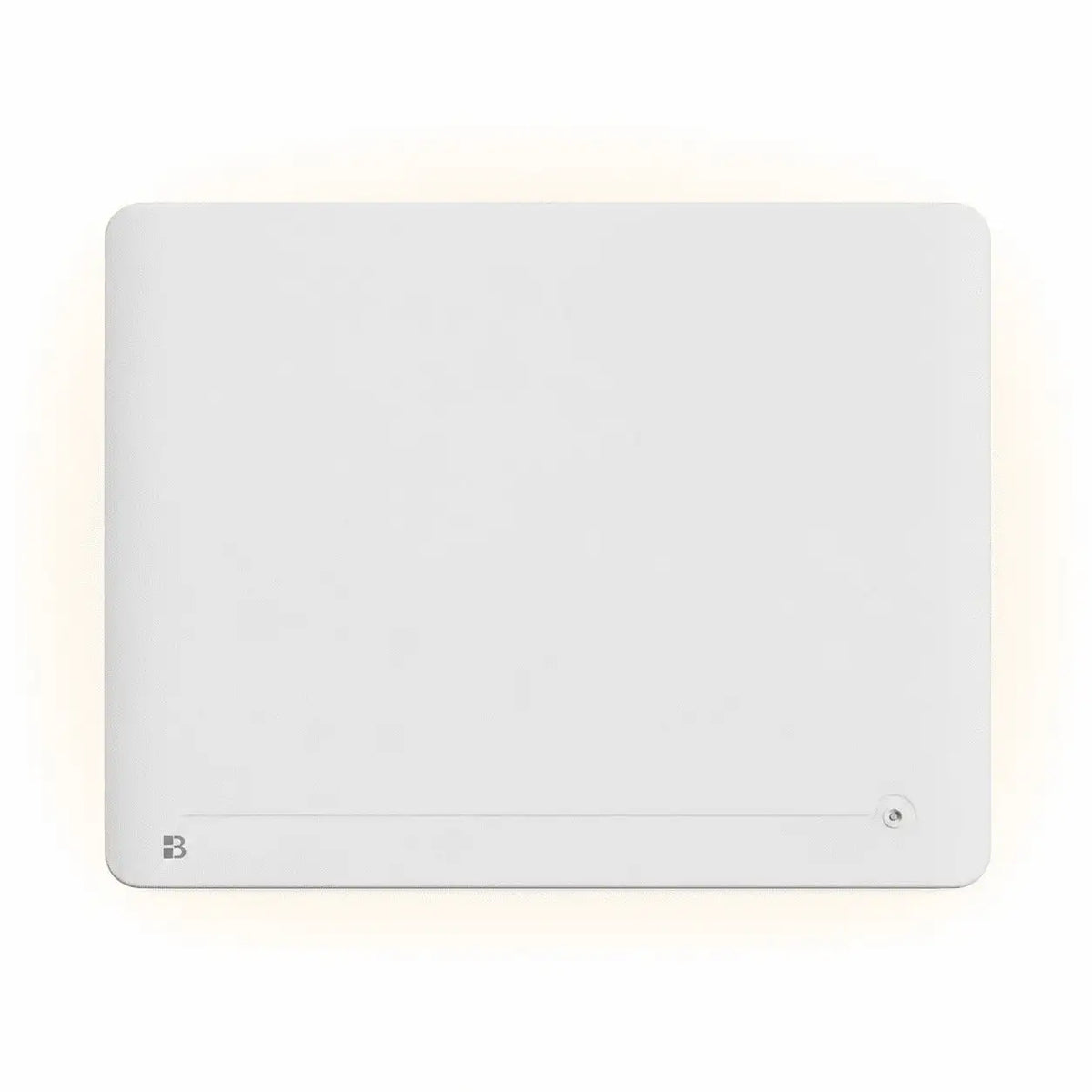
Economical electric radiator: combine design, comfort and control over your energy bill
Welcome to Bestherm's collection dedicated to economical electric radiators. In the face of rising energy costs, choosing an efficient heating system is no longer just a matter of well-being, but also of managing your daily budget.
Today, a good economical electric radiator can maintain a stable temperature for longer while limiting consumption peaks. The result: greater comfort and less energy waste.
Every home has its own constraints. A bedroom that is rarely used does not have the same needs as a family living room or an office occupied all day. Our range covers different technologies and power ratings - enough to find the radiator that truly suits your situation.
How do you choose the most suitable economical electric radiator for your home?
For many years, conventional electric convectors, often nicknamed "toasters", were used in French homes. Their main drawback is simple: they heat the air quickly but stop distributing heat as soon as they switch off. As a result, they constantly draw on the power grid to maintain the desired temperature.
Modern radiators work differently. What makes the difference is not only the radiator's power, but also its ability to retain heat after the heating element switches off. This is precisely what helps reduce daily consumption. This thermal inertia limits heating cycles, improves temperature regulation and reduces unnecessary energy consumption.

The most economical radiator is not necessarily the same for every home. In a bedroom used only in the evening, the needs differ significantly from those of a living room occupied all day. That is why the choice of technology and power must always be adapted to the room's actual use.
The insulation of the home also plays an important role. An older house with high ceilings will not have the same needs as a newer apartment meeting the latest energy standards. Before choosing your radiator's power, it is therefore essential to consider the area to be heated, as well as the quality of the insulation and the room's exposure.
Dry thermal inertia in cast iron or ceramic: the choice for thermal performance
If your main goal is to reduce your heating bill, dry thermal inertia radiators are among the most attractive solutions on the market. Their principle is simple: they store heat and then release it gradually, even when the heating element is no longer heating.
Cast iron radiators are often preferred in living rooms, lounges, and living spaces occupied for long periods. Their high heat-retention capacity helps maintain a stable temperature throughout the day, even when heating needs vary.
In a bedroom or office, ceramic thermal inertia models are popular for their rapid heat-up and even heat distribution. They offer an excellent compromise for rooms where heating is not needed continuously.
For those looking for both responsiveness and heat retention, our double-core radiators are also an excellent alternative.
Wattage guide: Which energy-efficient electric radiator for which floor area?
An undersized radiator will tend to run longer to reach the desired temperature, while an overly powerful model may create unnecessary temperature fluctuations. Finding the right balance is essential for efficient heating.
The recommendations below are based on a standard ceiling height of approximately 2.50 meters. If your home is particularly well insulated or, conversely, prone to heat loss, adjusting the wattage may be necessary.
Choosing the right wattage is essential to fully benefit from the performance of an energy-efficient electric radiator and avoid unnecessary overconsumption.
| Room type | Average floor area | Recommended Wattage | Ideal Bestherm technology |
|---|---|---|---|
| Living room / Lounge | 20 to 25 m² | 2000W to 2500W | Cast Iron Thermal Inertia Double Cast Iron Core Connected Model |
| Bedroom | 10 to 12 m² | 1000W to 1500W | Ceramic Thermal Inertia Connected Model |
| Kitchen | 10 to 12 m² | 1000W to 1500W | Double Ceramic Core |
| Office / Occasional room | 5 to 10 m² | 500W to 1000W | Ceramic thermal inertia Presence detection |
| Bathroom | 5 to 7 m² | 500W to 500+1000W (fan) | Towel warmer |
For bathrooms, also consider our economical electric heated towel rails, which can heat up quickly while providing additional everyday comfort.
Smart technologies that limit energy waste
Even the best inertia radiator can lose some of its value if it heats when no one is present. That is why control and automation features have become essential for achieving genuine energy savings.
These features meet European energy performance requirements: our equipment complies with the ErP directive * and, depending on the model, with the NF Électricité Performance standard.
Connected radiator: control your heating wherever you are
Weekly and connected programming lets you precisely adapt the heating to your daily routine. With a connected energy-efficient electric radiator, you can change the temperature, schedule time slots or adjust the operation of each room directly from your smartphone, wherever you are.
This feature is particularly appreciated by people who regularly leave for work or own a second home. With just a few settings, the heating adapts to your habits and operates only when necessary.
Presence detection: heat only when necessary
Thanks to an infrared (PIR) sensor, a radiator with presence detection can identify whether a room is actually occupied. If no movement is detected for an extended period, the appliance automatically lowers its set temperature to limit unnecessary expenditure.
As soon as someone is detected, the radiator automatically resumes normal operation to quickly restore the desired comfort level. The movements of a pet do not trigger the system.
In an office used occasionally or in a guest room, this technology can be a real advantage. The heating naturally adapts to the actual occupancy of the room, without daily intervention.
Open window detection: stop heat loss
When you air out a room, a conventional radiator generally continues to operate to compensate for the drop in temperature. As a result, some of the energy used is immediately lost outside.
Radiators equipped with an open-window detector analyze rapid temperature changes. When a sudden drop is detected, the appliance automatically reduces its power or temporarily suspends heating while the room is being aired.
Featured across all Bestherm radiators and heated towel rails, this technology helps reduce energy waste while simplifying day-to-day heating management.
Discover our connected electric radiators, our models equipped with a presence detector, or our radiators with open-window detection to enjoy smarter, more economical heating.
In summary: everything you need to know about economical radiators
Beyond the technology chosen, energy savings always depend on properly sizing the heating system and using it in a way that suits the household's daily routine. A high-performance appliance that is correctly adjusted and installed in a suitable room will generally deliver the best long-term results.
FAQ: Everything you need to know about economical electric radiators
Which type of electric radiator uses the least energy?
In most homes, the dry inertia radiator is currently the most economical solution to run.
Its ability to store thermal energy and then release it gradually limits frequent restarts. This continuous heat distribution helps maintain a stable temperature while keeping electricity consumption under control.
What is the ideal temperature for saving money?
ADEME ** recommends around 19°C in living areas and 16 to 17°C in bedrooms. As a general indication, reducing the temperature by just 1°C can save up to 7% on your heating bill.
These settings offer a good balance between thermal comfort and keeping energy costs under control.
What radiator power should you choose per m²?
For a properly insulated property, around 100 W per square meter is generally considered sufficient. In an older or poorly insulated home, slightly higher wattage is recommended.
These estimates are provided for guidance only and may vary depending on the insulation of the property. For personalized advice, please do not hesitate to contact us via our contact form.
* https://www.legifrance.gouv.fr/jorf/id/JORFTEXT000021230678