
Low consumption electric heaters
Filters
26 products
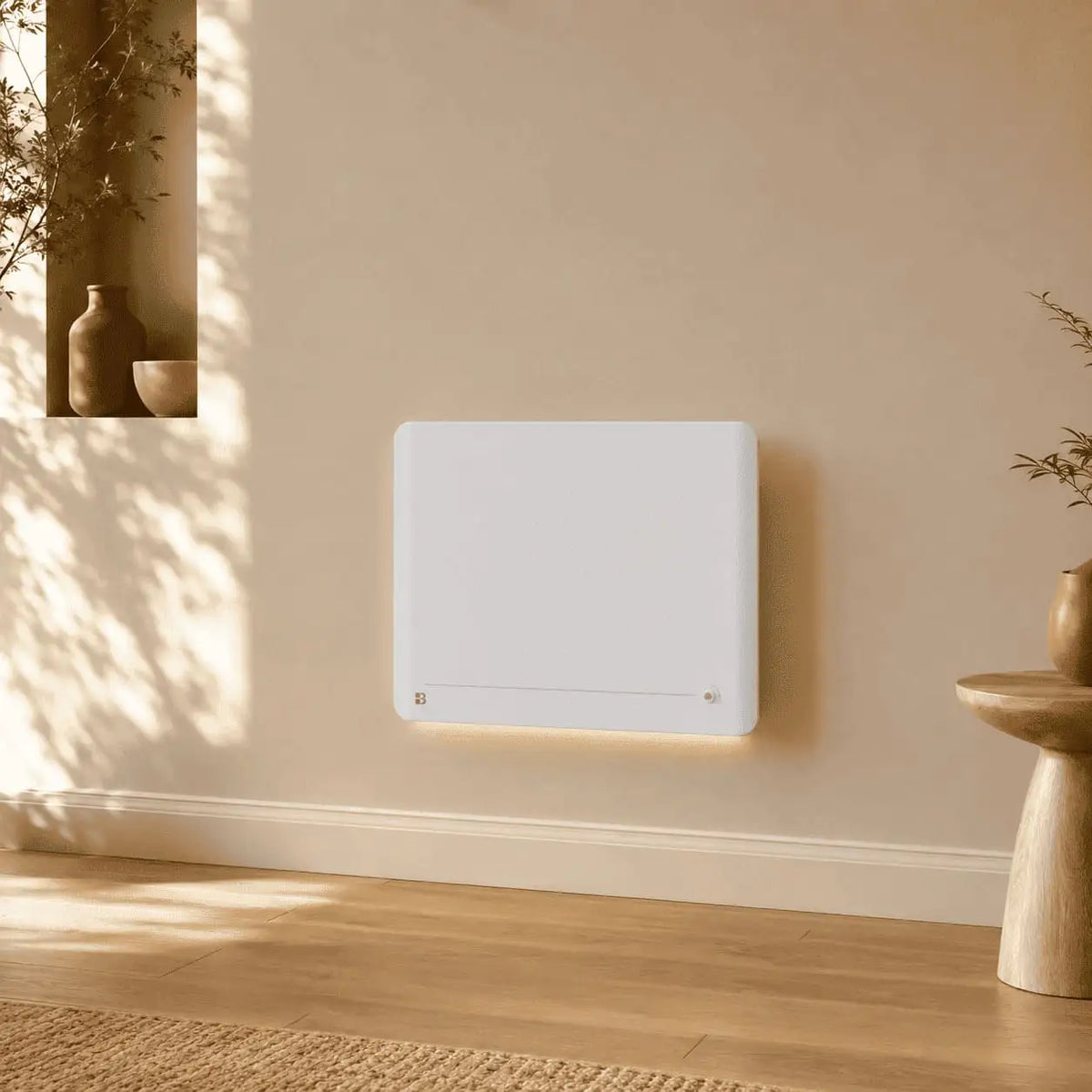
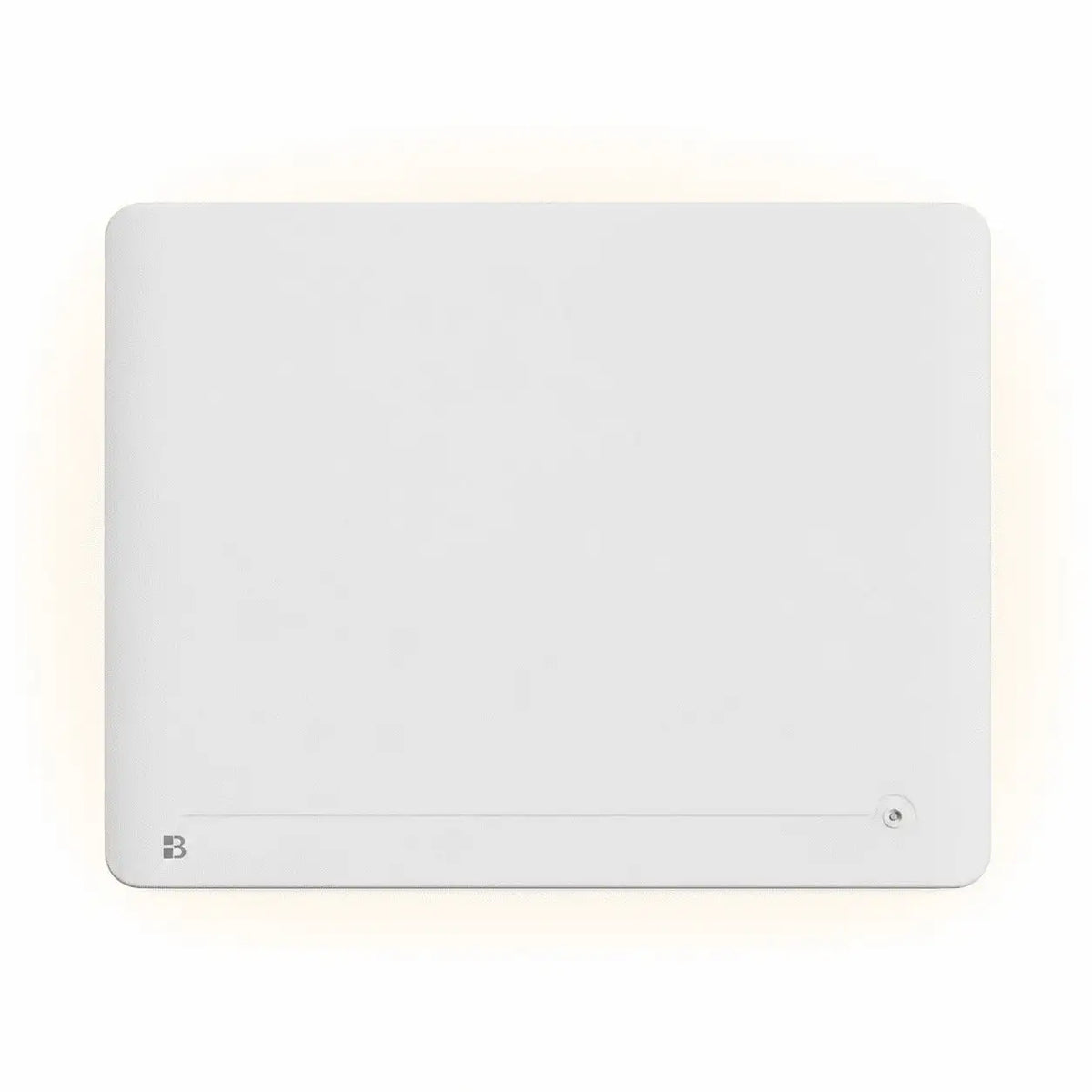
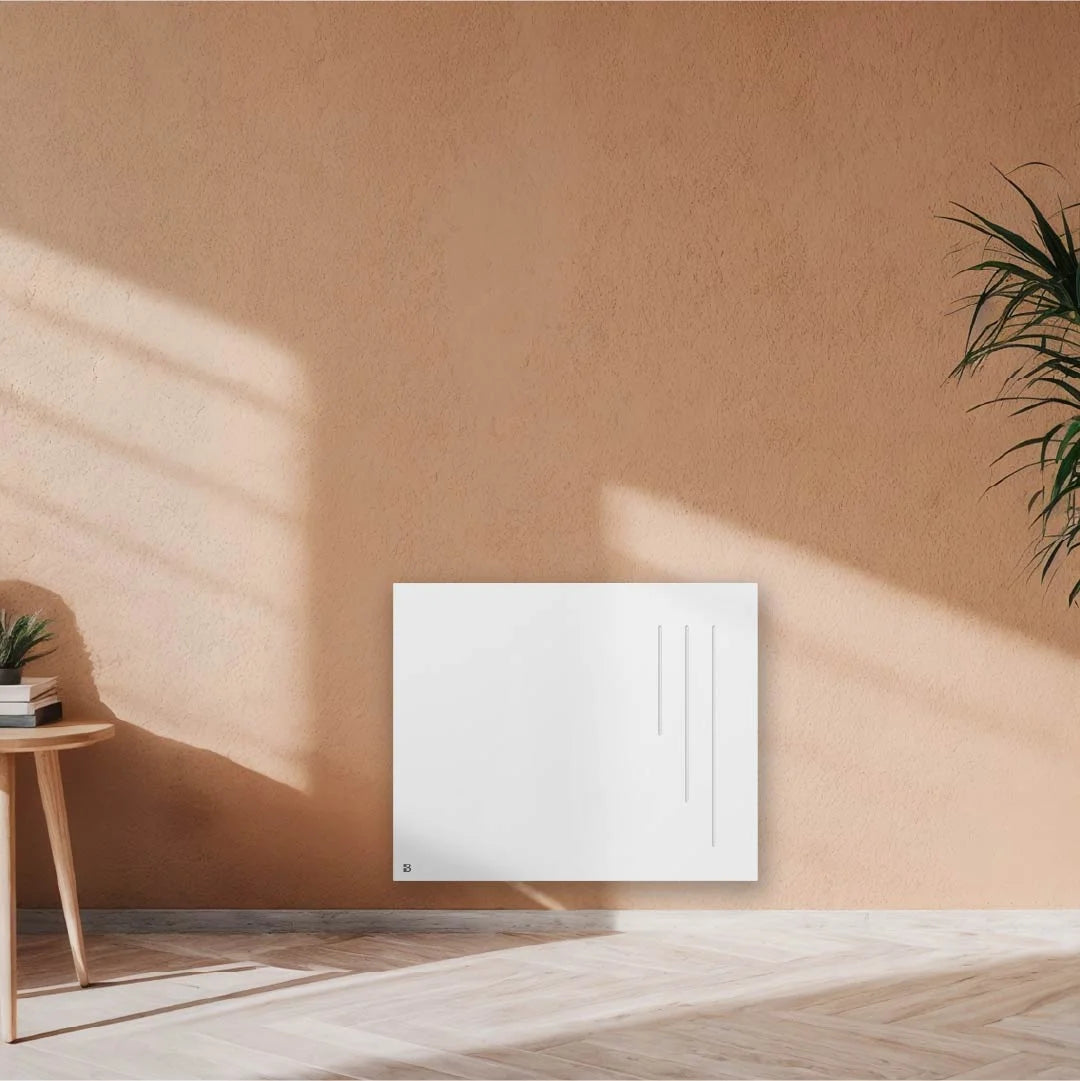
Low-consumption electric radiator
A low-consumption radiator is not designed to heat your home less, but to maintain the desired temperature for longer with fewer unnecessary heating cycles. Thanks to dry thermal-inertia technologies in cast iron or ceramic, along with innovative dual heating-core systems, you can enjoy gentle, even heat while optimizing your energy efficiency.
Whether you are looking for equipment for a bedroom, living room or office, explore our complete range of dry thermal-inertia electric radiators.
What is a low-consumption electric radiator?
A low-consumption electric radiator is based on proven physical principles. Under the Joule effect, every kilowatt of electricity consumed always produces one kilowatt of heat. This is why you should be wary of promises of "miracle radiators". Savings mainly come from the quality of the heating core and the precision of the regulation.
The difference therefore lies elsewhere: in the radiator's ability to store the heat produced and in the precision of its room temperature regulation. A high-performance model limits unnecessary heating cycles, reduces heat loss and maintains a stable temperature thanks to a precision electronic thermostat. This control over heat release directly improves thermal comfort while reducing overall consumption.
Dry thermal inertia: the heating core that stores heat to consume less
Dry thermal inertia is now one of the most popular technologies for combining thermal comfort with controlled electricity consumption. It works by storing heat in a solid heating core made from materials with high thermal density.
In a living room or large living space, cast iron is particularly appreciated for its ability to retain heat and release it gradually, even after the heating element has been switched off. Thanks to its controlled thermal conductivity and significant thermal lag, cast iron continues to radiate heat even when the enclosed heating element is temporarily switched off.
In a bedroom or office, ceramic often offers an excellent compromise between rapid heating and lasting comfort. Ceramic efficiently stores heat while providing a rapid temperature rise and even heat distribution.
The result: a more stable temperature and fewer unnecessary restarts of the heating element.
Dual heating core with film: responsiveness and extended savings
Some radiators now combine two complementary technologies.
With a dual heating core radiator, heat is felt almost immediately thanks to the radiant film positioned on the front. Once the cast-iron or ceramic heating core reaches temperature, it takes over and continues to radiate heat for many minutes. This combination delivers immediate responsiveness and lasting warmth.
Smart management: the ultimate secret to reducing your heating bills
Today, the greatest energy savings often come from the quality of heating control. Connected radiators allow remote management from a smartphone or tablet to schedule heating periods, adjust the temperature at any time and, depending on the model, monitor energy consumption.
Radiators equipped with a presence detector, meanwhile, use a sensor to identify whether the room is actually occupied and automatically adjust their operation. Although they work differently, these technologies share a common goal: reducing unnecessary consumption while maintaining a comfortable temperature every day.
All Bestherm fixed radiators also feature customizable weekly programming, a 6-command pilot wire or automatic open-window detection to prevent unnecessary consumption.
The appliances comply with the NF Électricité Performance standard *, the European ErP directive ** and insulation class II, meeting the strictest requirements for eco-design and energy efficiency.
Sizing chart: which power rating should you choose to stay economical?
Sizing is an essential factor in low consumption. An undersized radiator will operate continuously at full power and consume too much energy. Conversely, a correctly sized appliance will quickly reach the desired temperature and then operate efficiently.
For your bathrooms, our range of low-consumption electric heated towel rails combines comfort, safety, and smart programming to optimize every heating period.
|
Room type |
Average floor area |
Recommended Wattage |
Bestherm technology - ideal |
|---|---|---|---|
|
Living room / Lounge |
20 to 25 m² |
2000W to 2500W |
Cast-Iron Inertia Connected Model |
|
Bedroom |
10 to 12 m² |
1000W to 1250W |
Ceramic Inertia Connected Model |
|
Kitchen |
10 to 12 m² |
1000W to 1250W |
|
|
Office / Occasional room |
8 to 10 m² |
800W to 1000W |
Ceramic inertia Presence detection |
|
Bathroom |
5 to 7 m² |
500W to 1500W depending on configuration (with or without fan) |
Heated towel rail |
See the product grid above to select the wattage best suited to your home.
FAQ: Expert answers about low-consumption electric heating
Which electric radiator is the most efficient for low consumption?
The dry-inertia radiator is currently the most effective solution for limiting electricity consumption. Its cast-iron or ceramic heating core continues to radiate heat after the heating element is switched off.
Thanks to its excellent thermal lag, it stores heat and releases it as gentle, long-lasting warmth, thereby avoiding peaks in energy consumption.
How can you recognize an electric radiator that uses little energy?
To identify a truly economical appliance, check for NF Électricité Performance certification and compliance with the ErP directive.
In addition, the appliance must include advanced regulation tools, such as a precise electronic thermostat and weekly programming functions.
Can a connected electric radiator really save money?
Yes, installing connected electric radiators can, according to ADEME ***, help reduce heating consumption through more precise programming and better management of periods of absence.
Remote control and personalized programming allow you to heat only occupied rooms at the right time and significantly reduce energy waste.
** https://www.legifrance.gouv.fr/jorf/id/JORFTEXT000021230678