
Filters
Radiator
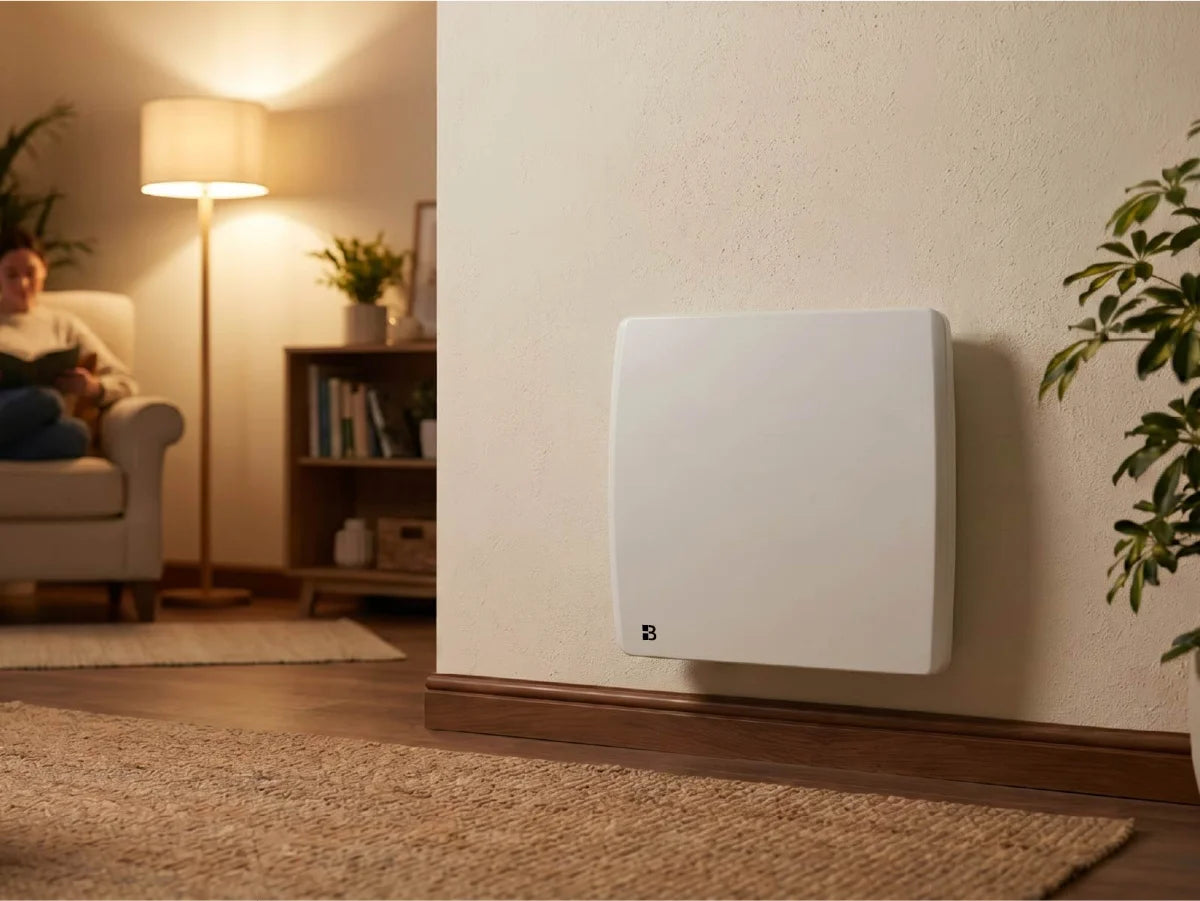
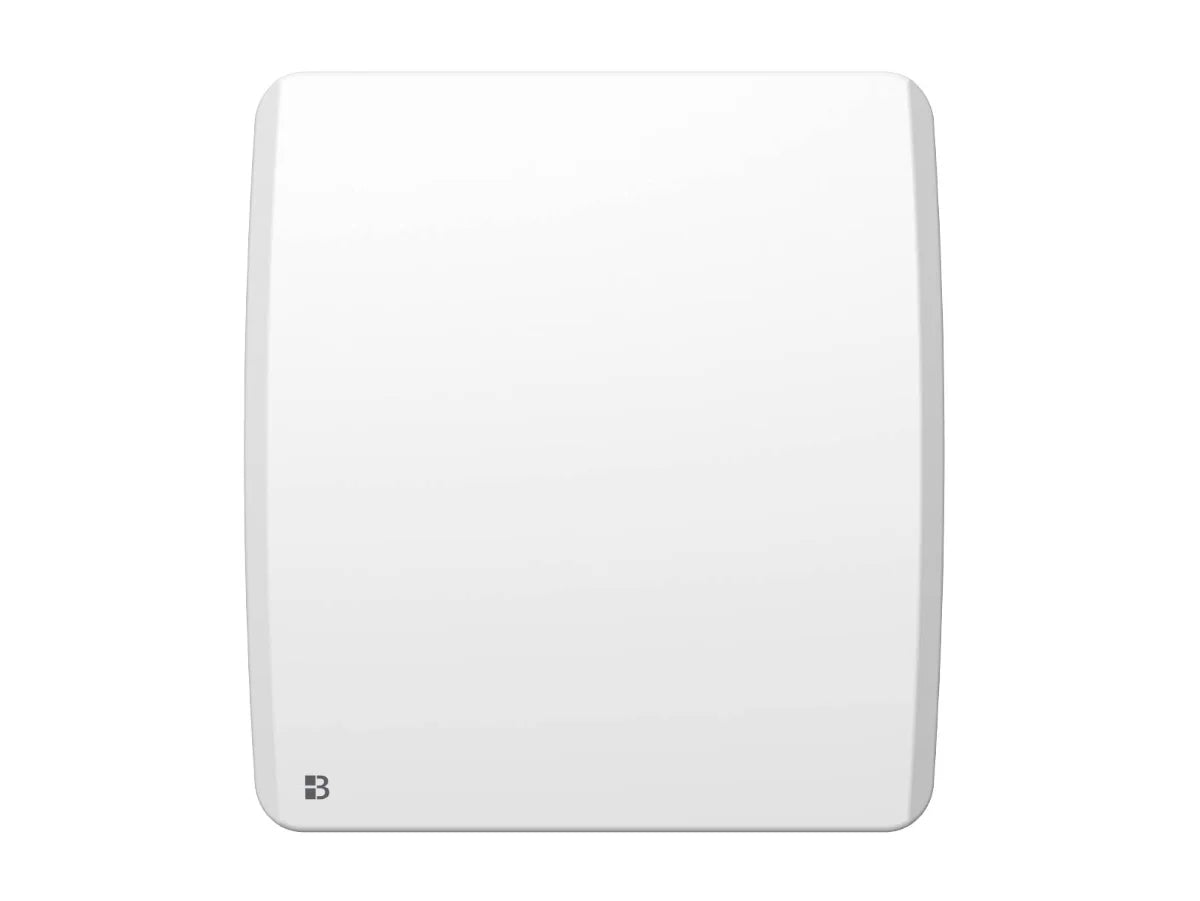
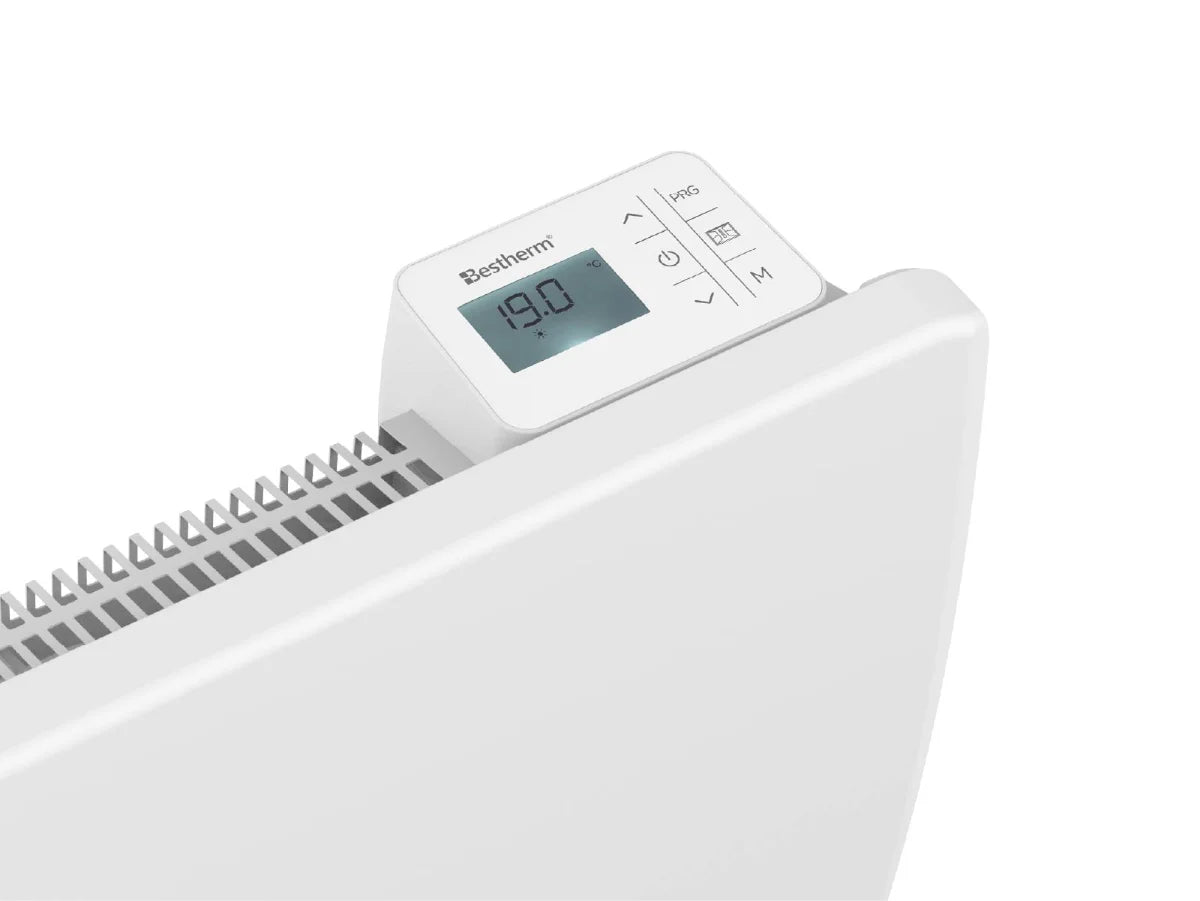
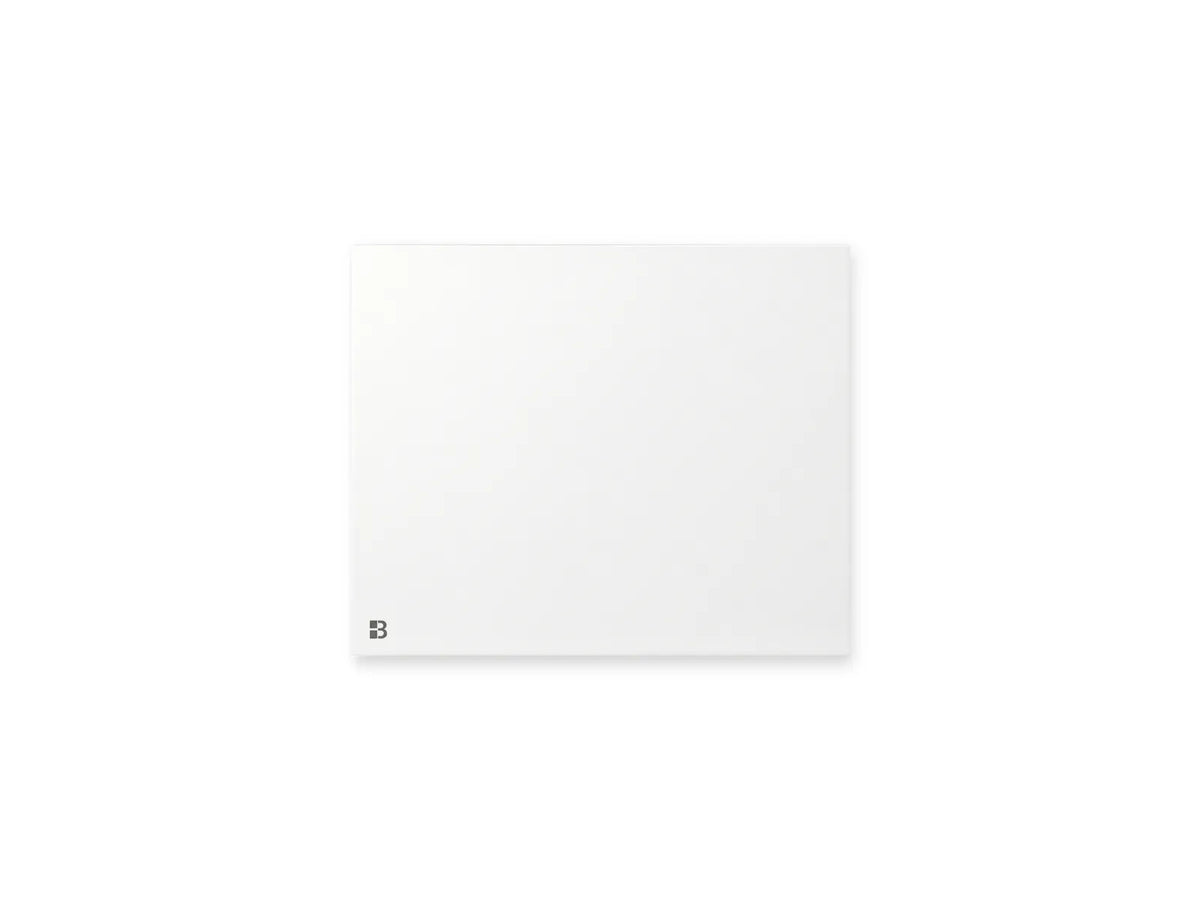
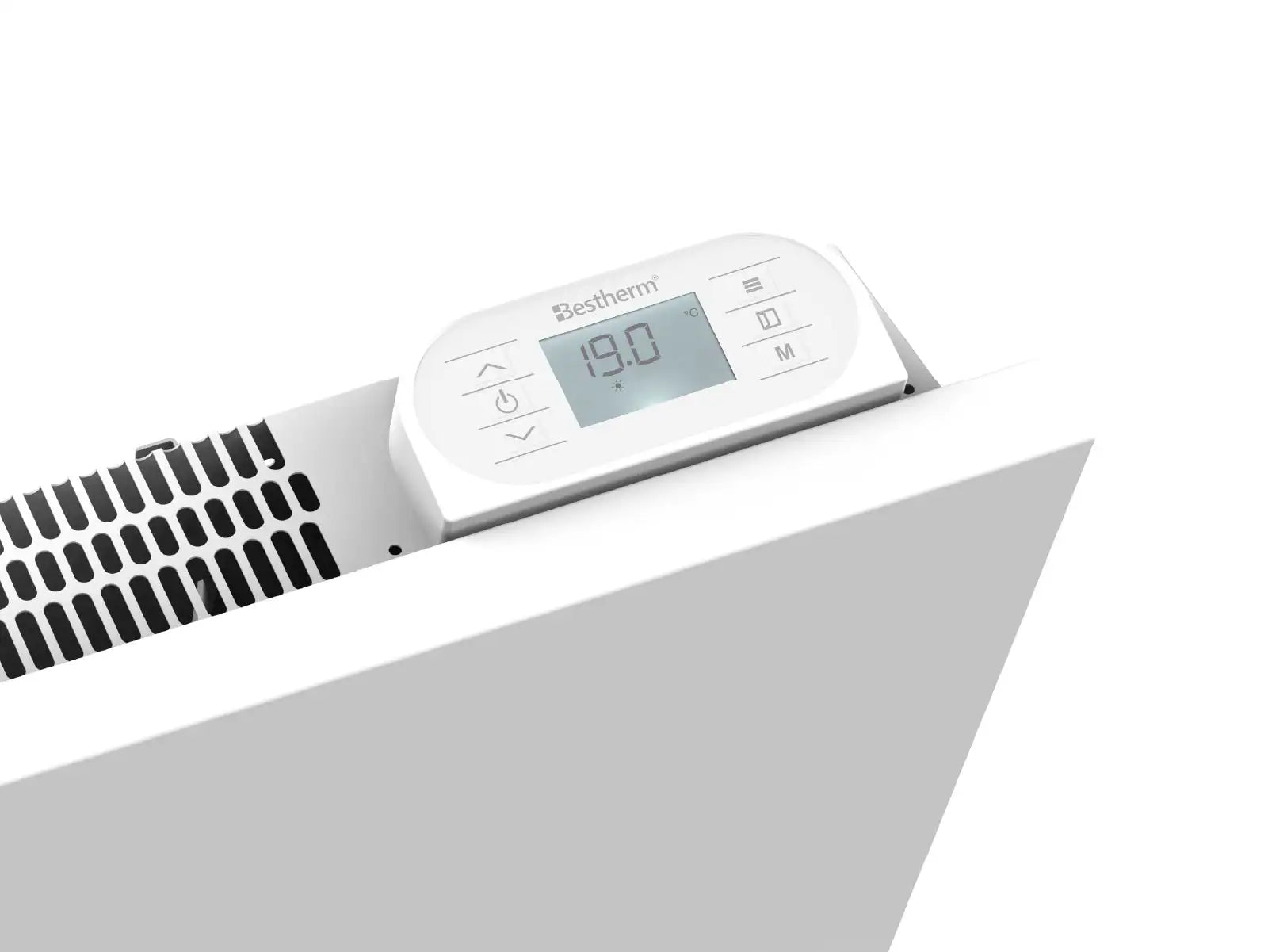
ARIA - Ceramic Inertia Radiator- Ceramic heating core
- 3 pre-set weekly programs and 1 customizable program
- 6-command pilot wire and open-window detection
Radiator
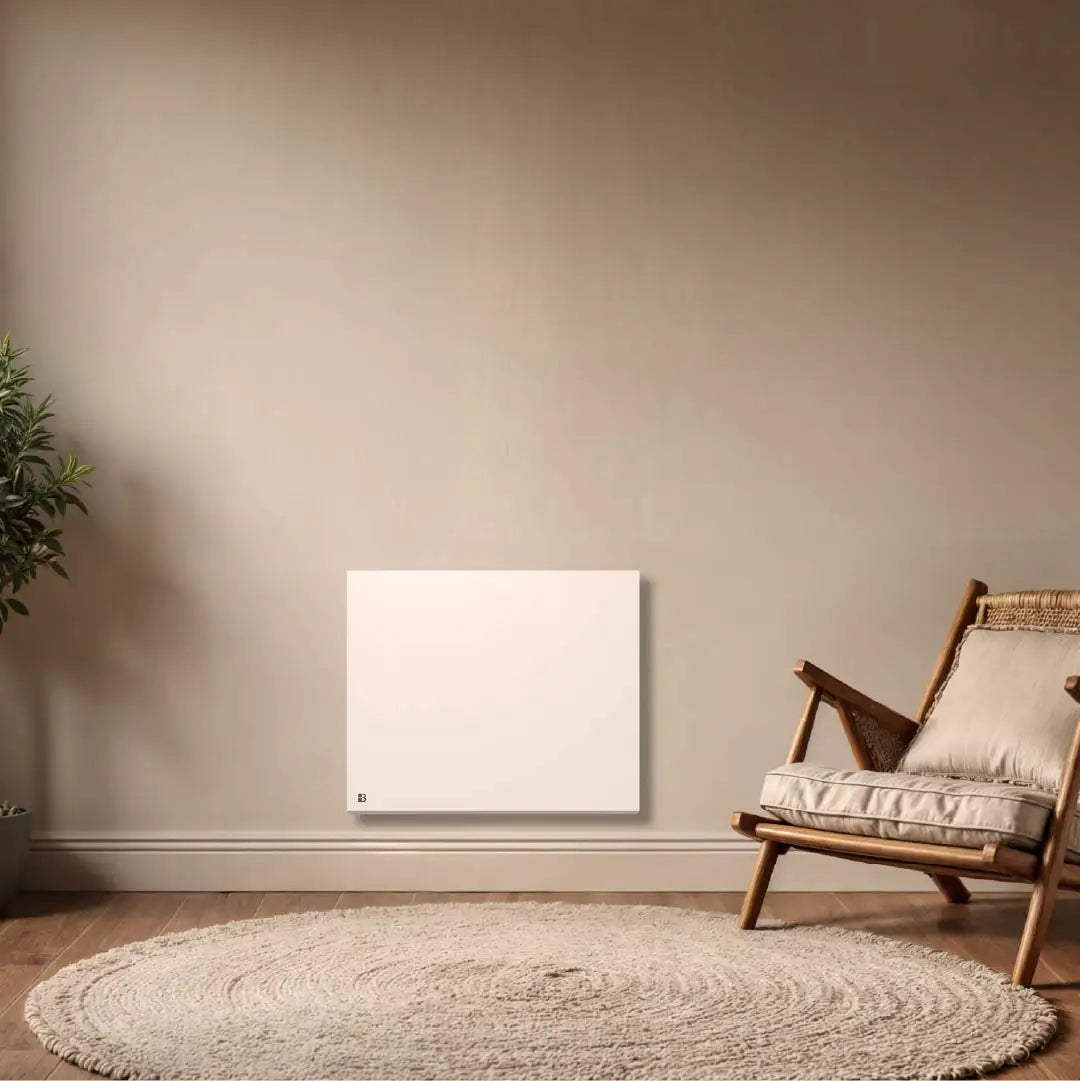
NESSA CONNECT - Connected Ceramic Inertia Radiator- Remote control via Bestherm Connect
- Real-time electricity consumption monitoring
- Ceramic heating element and customizable weekly programming
Radiator
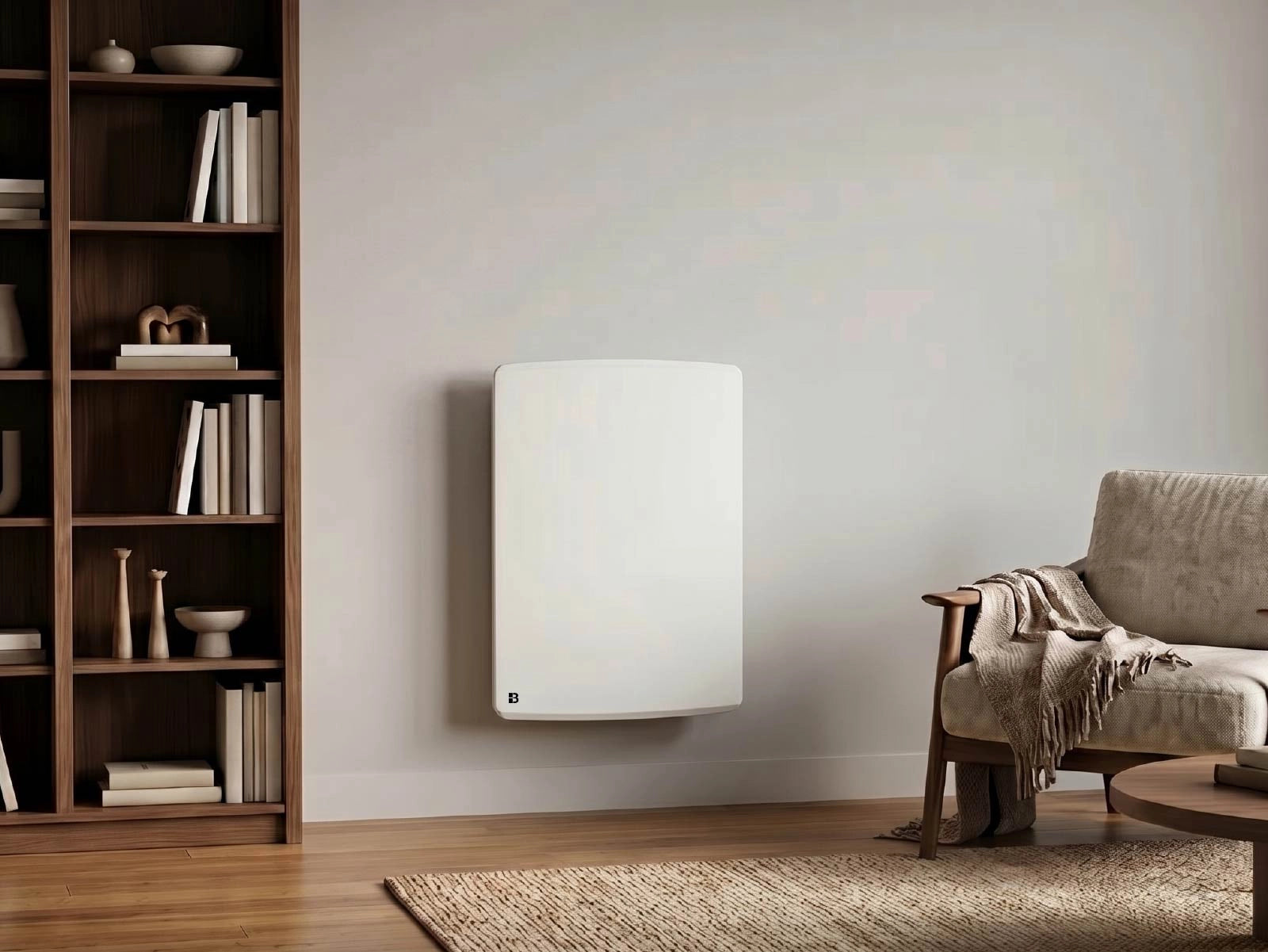
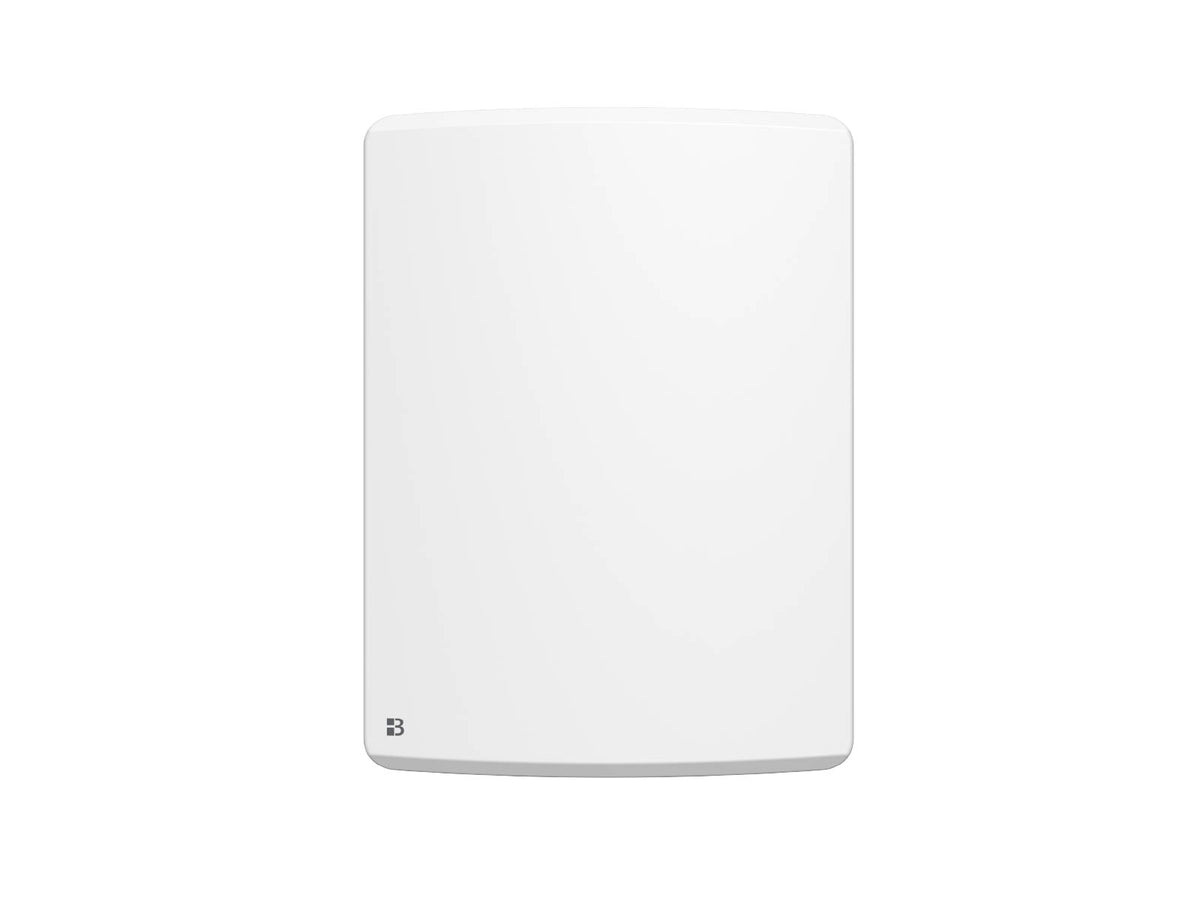
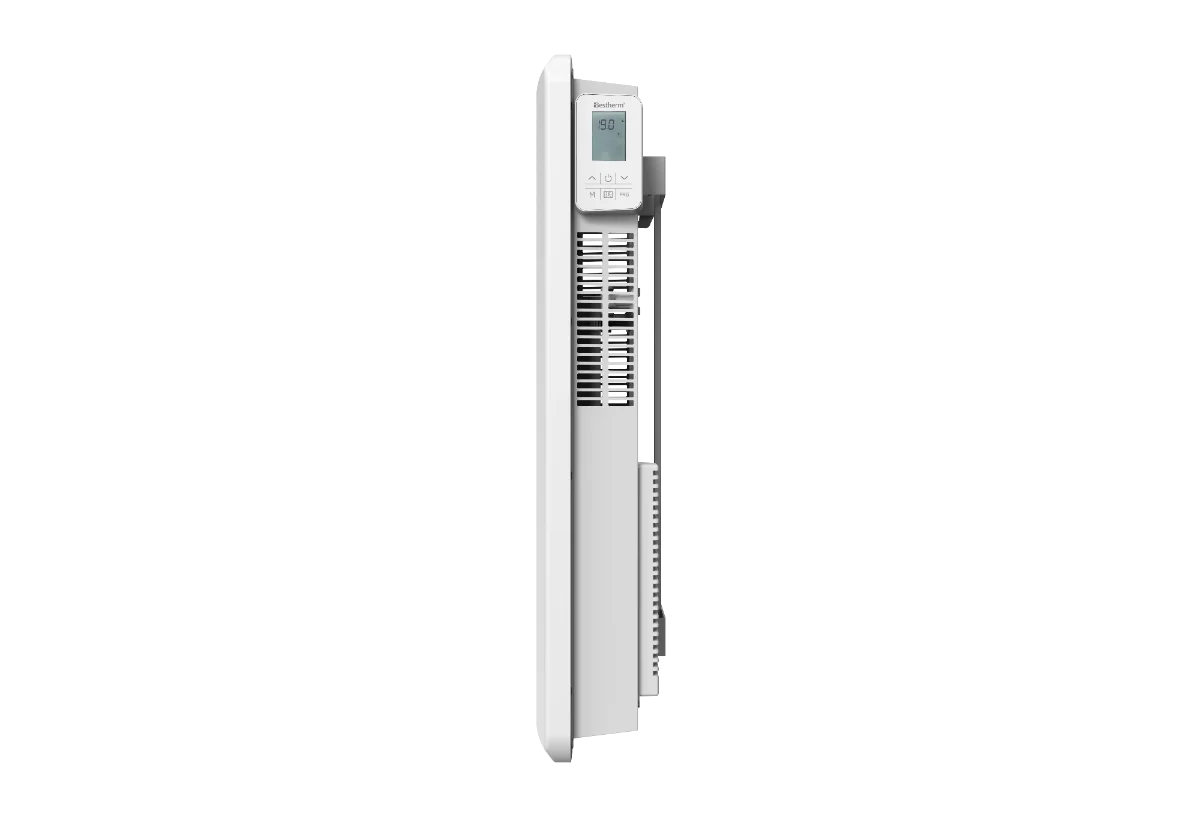
ARIA VERTICAL - Vertical ceramic inertia heater- Vertical format with ceramic heating element
- 3 pre-programmed weekly schedules
- Electronic thermostat with open window detection

Radiator
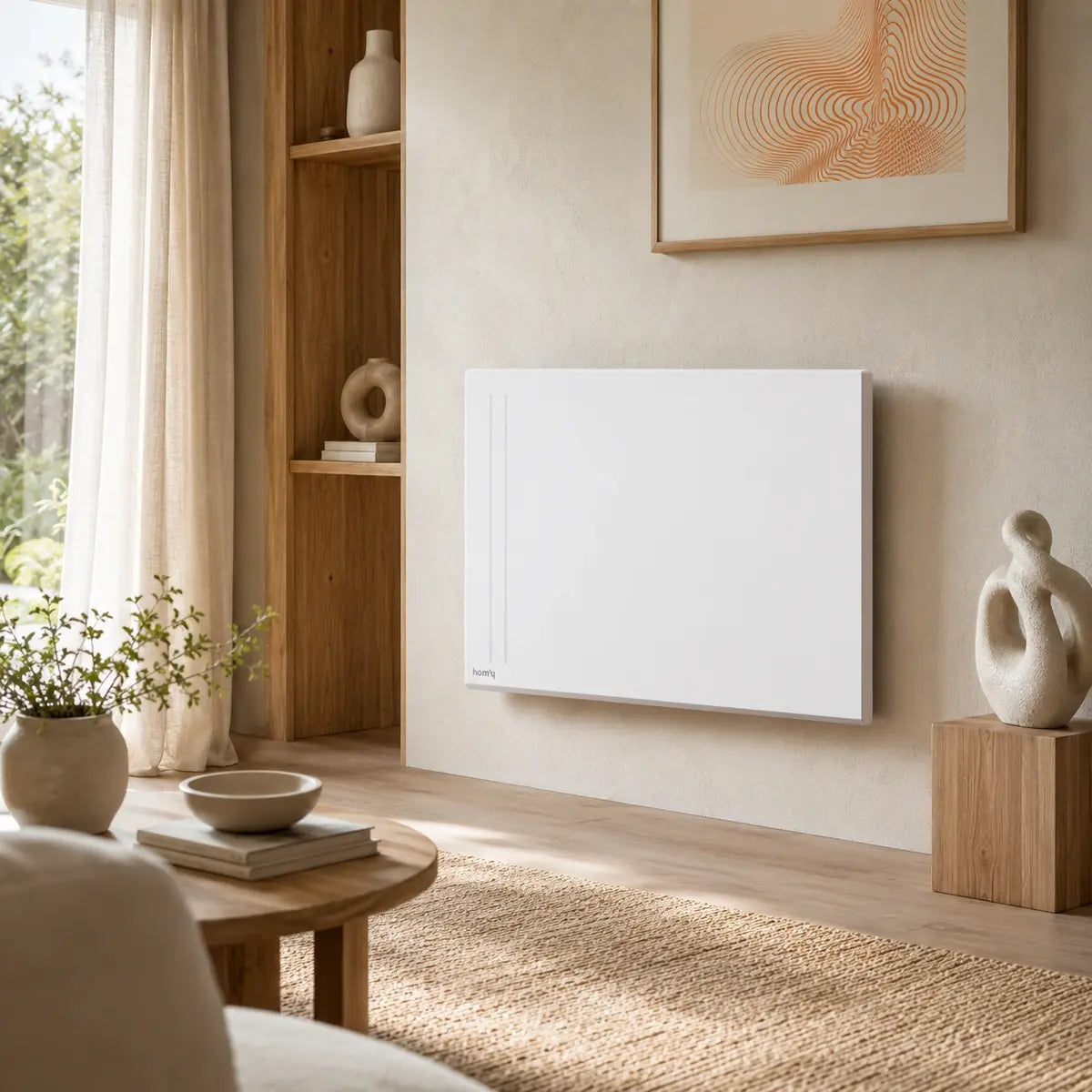
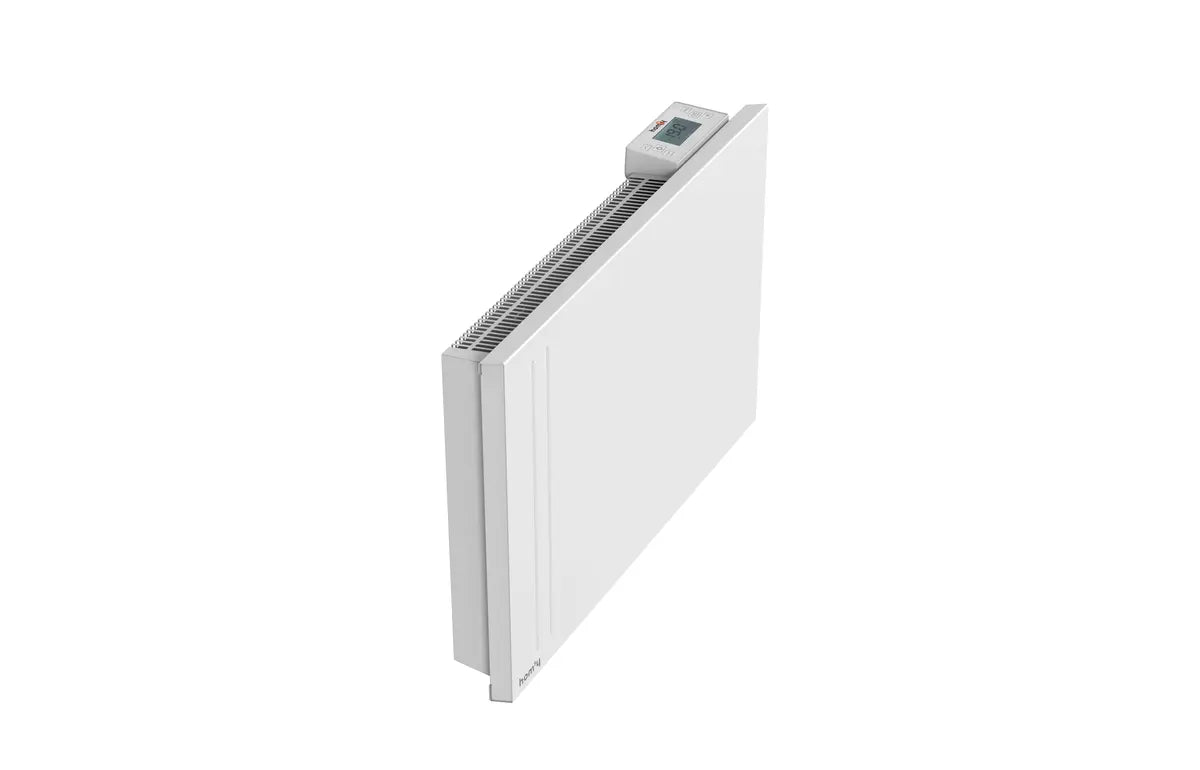
LISA - Double ceramic core radiator with heating film- Dual ceramic heating core and heating film
- Fast heat-up and even warmth
- 1 customizable weekly program

Radiator
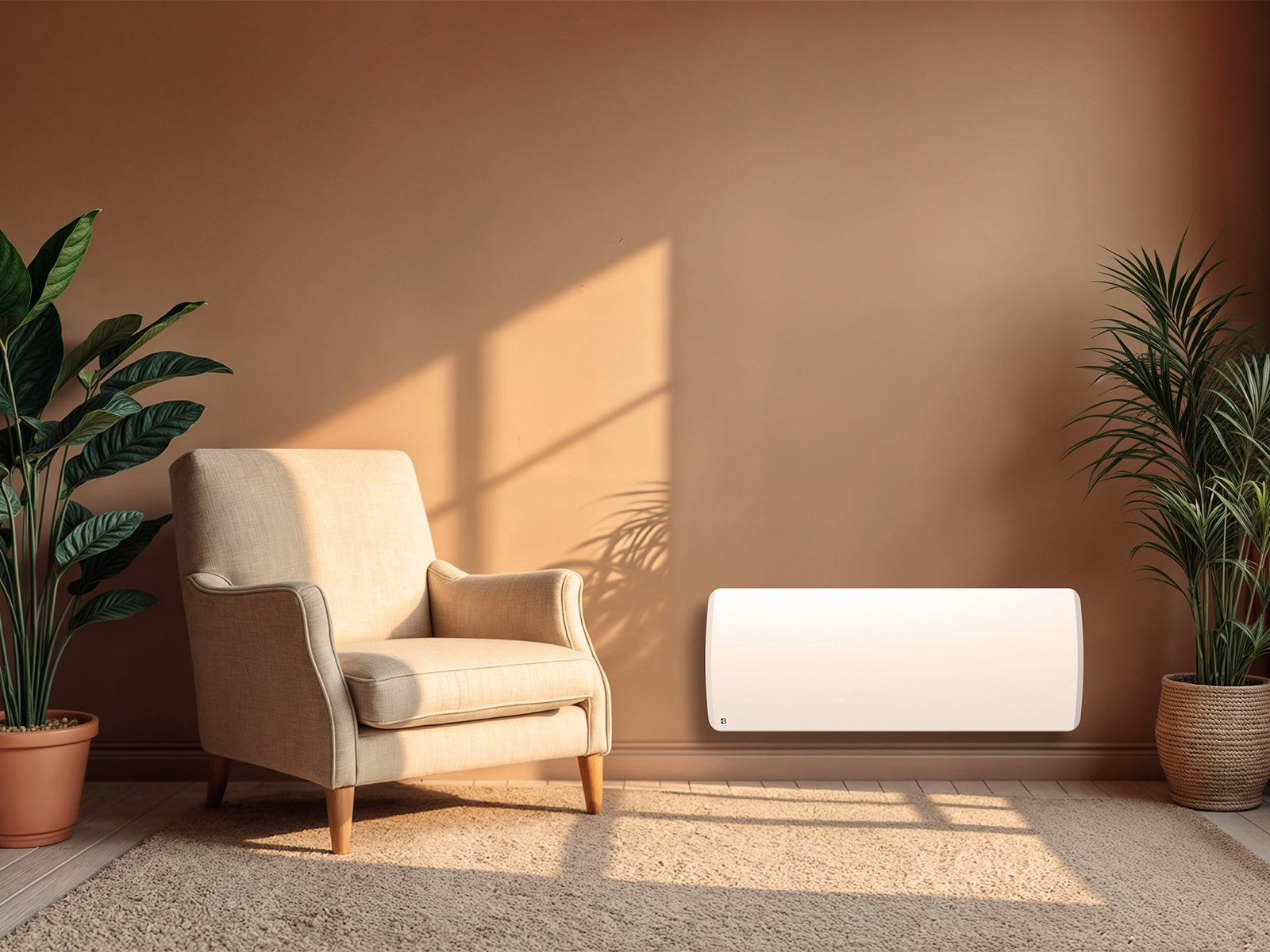
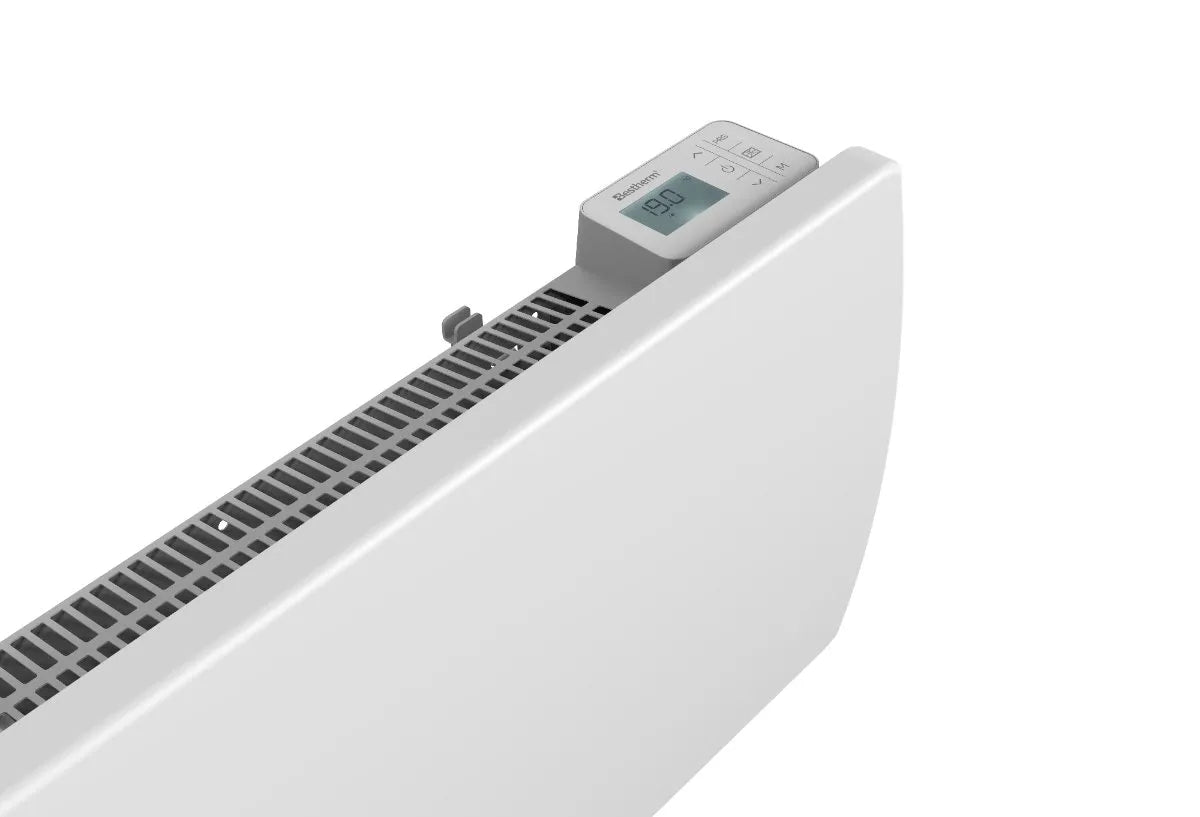
ARIA PLINTHE - Ceramic inertia baseboard heater- Skirting board design with ceramic heating core
- 3 preset weekly programs
- Electronic thermostat with open window detection
Radiator
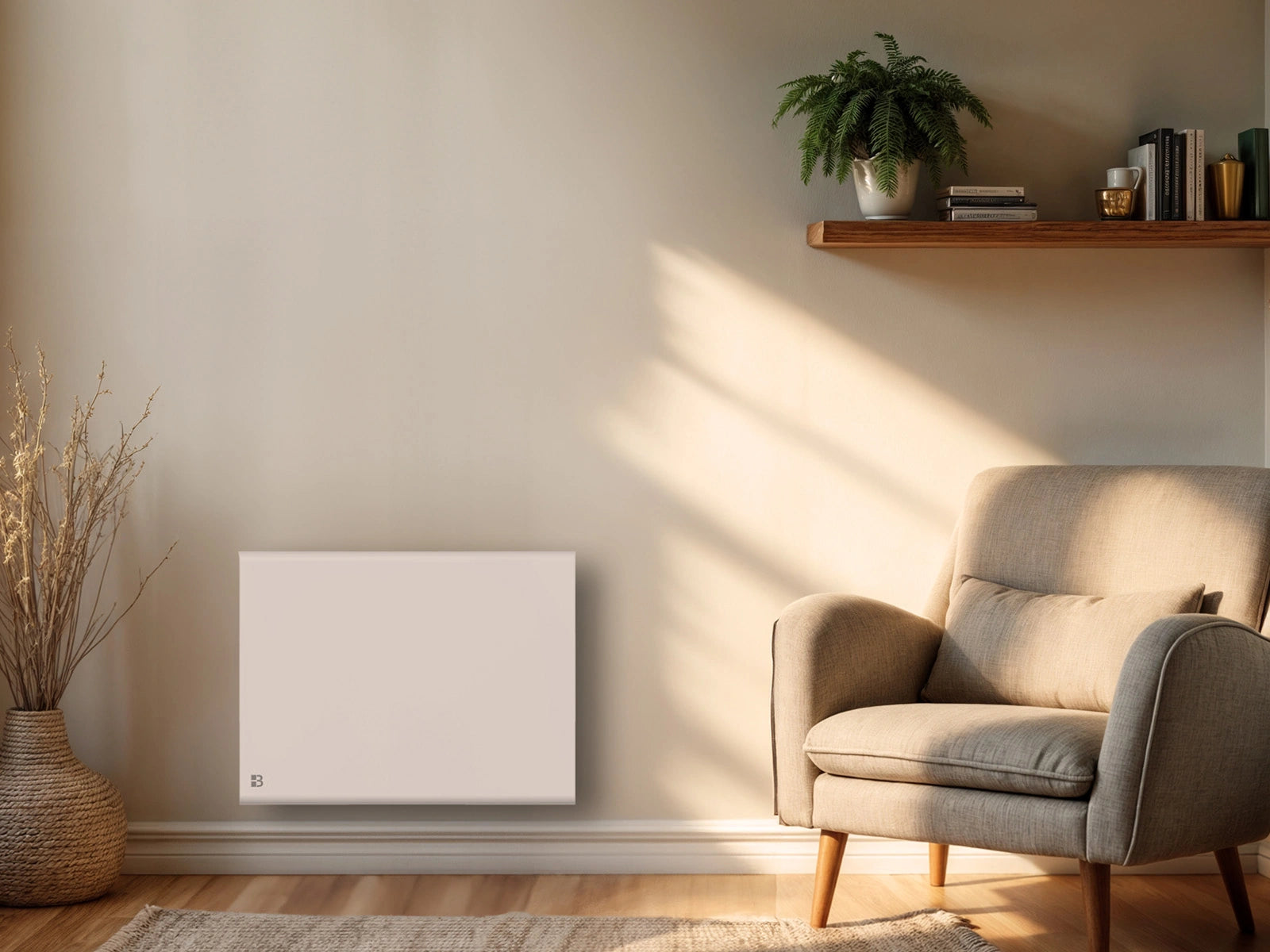
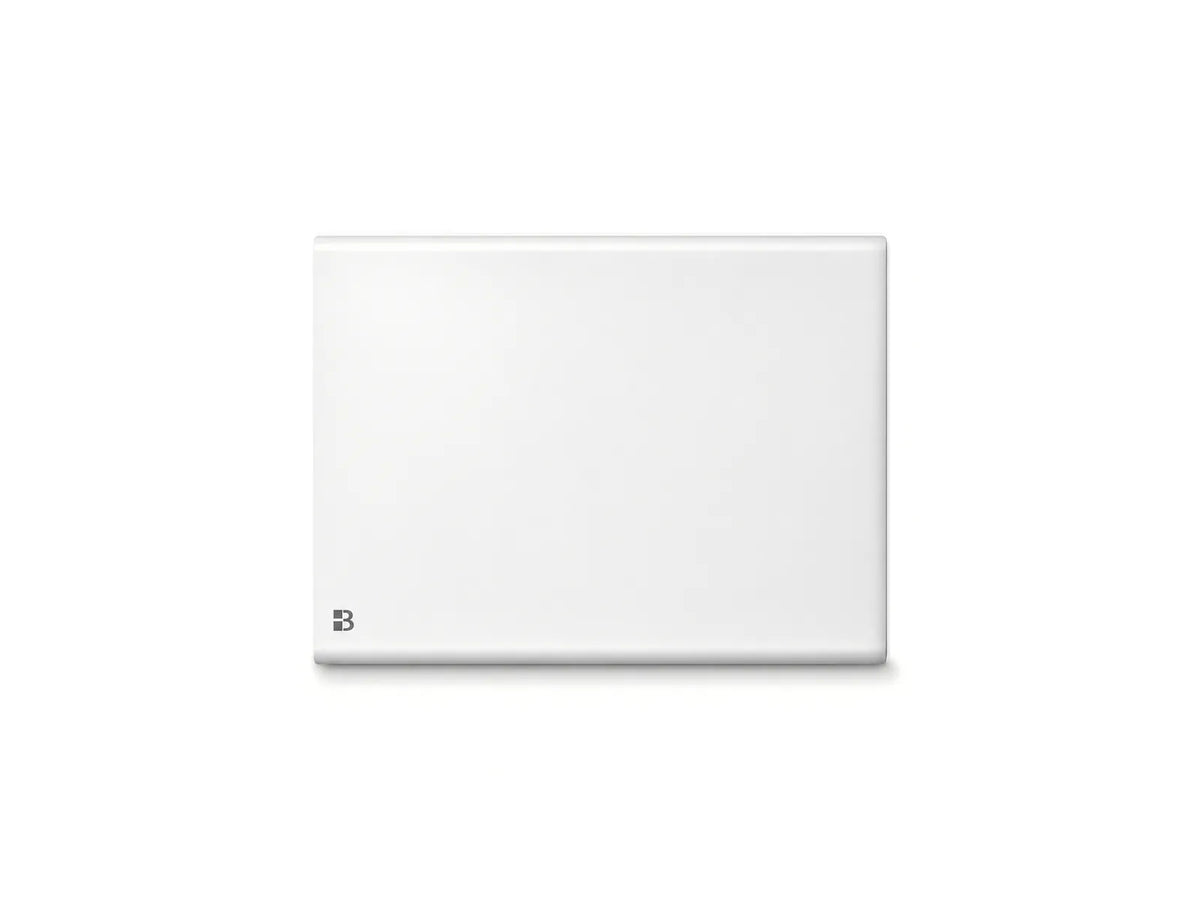
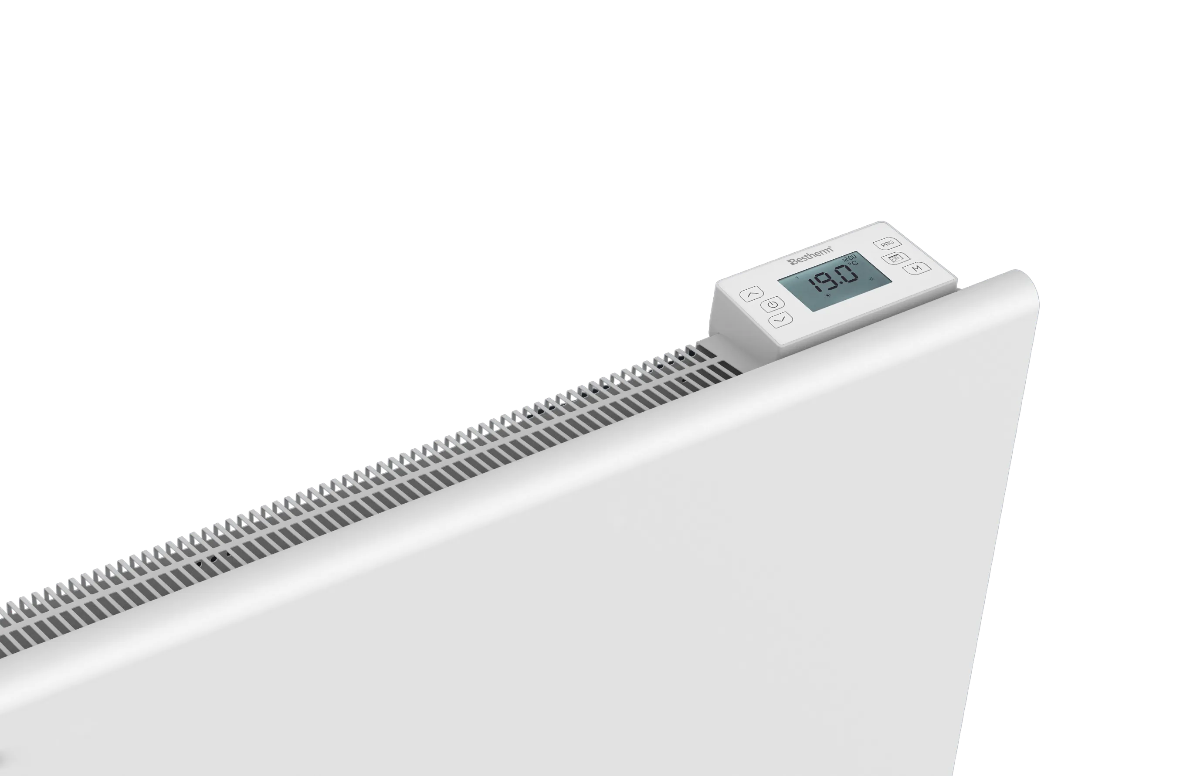
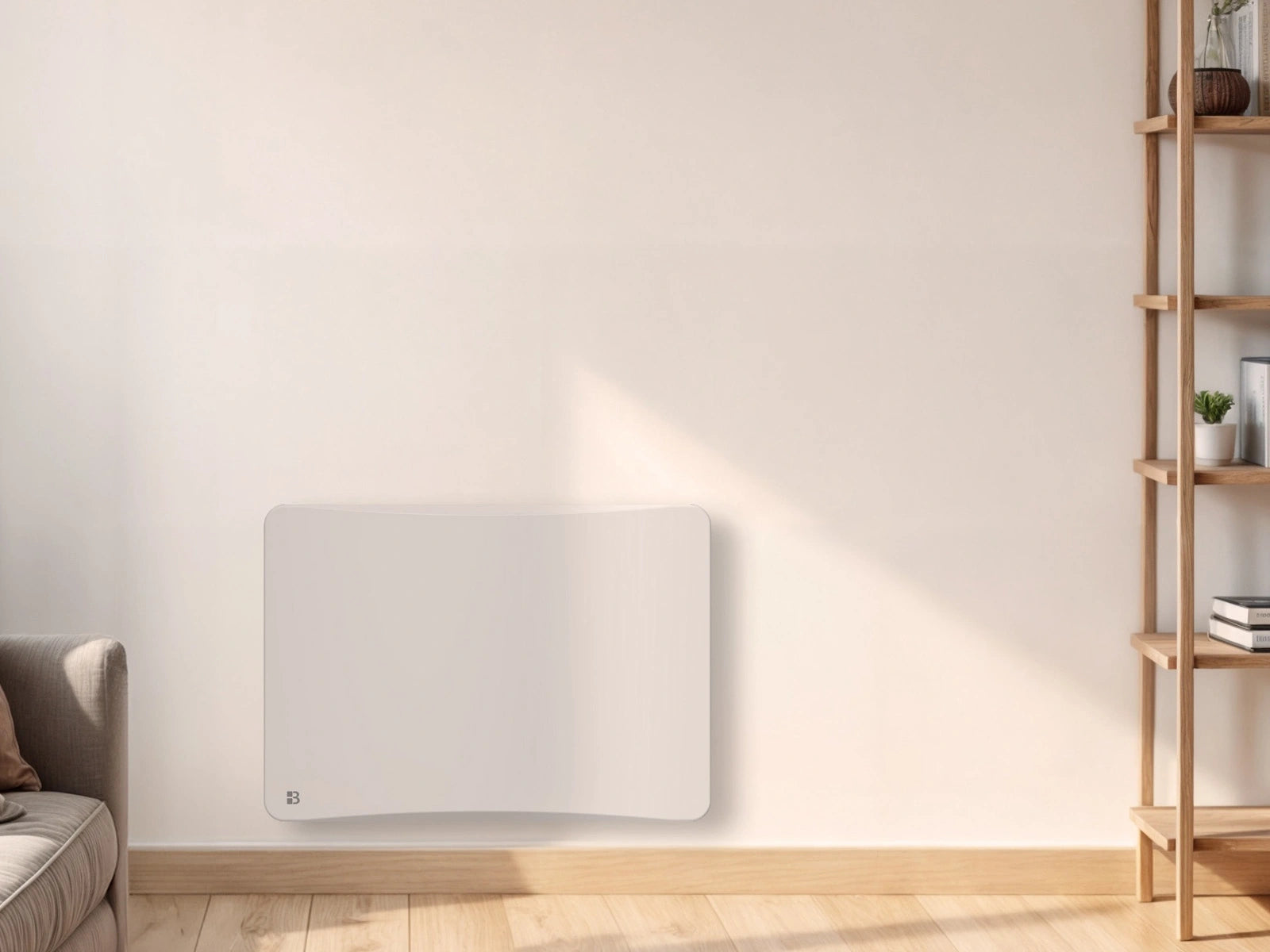
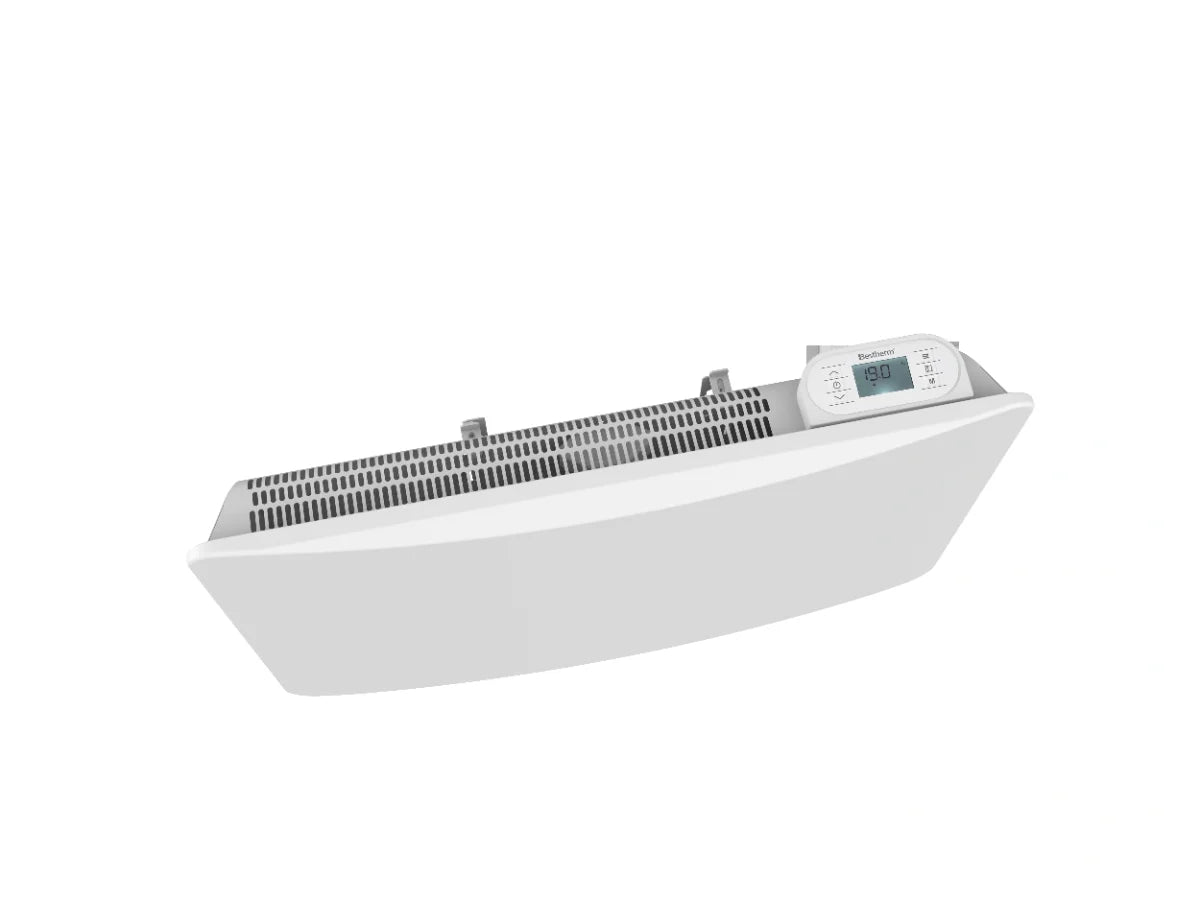
FREYA - Dual-Core Ceramic + Heating Film Radiator- Ceramic heating core + film
- Open window detection
- Customizable program
Radiator
ALMEA - Dual-Core Cast Iron and Heating Film Radiator- Dual cast-iron heating core and heating film
- 3 preset weekly programs and 1 customizable program
- Interchangeable thermostat
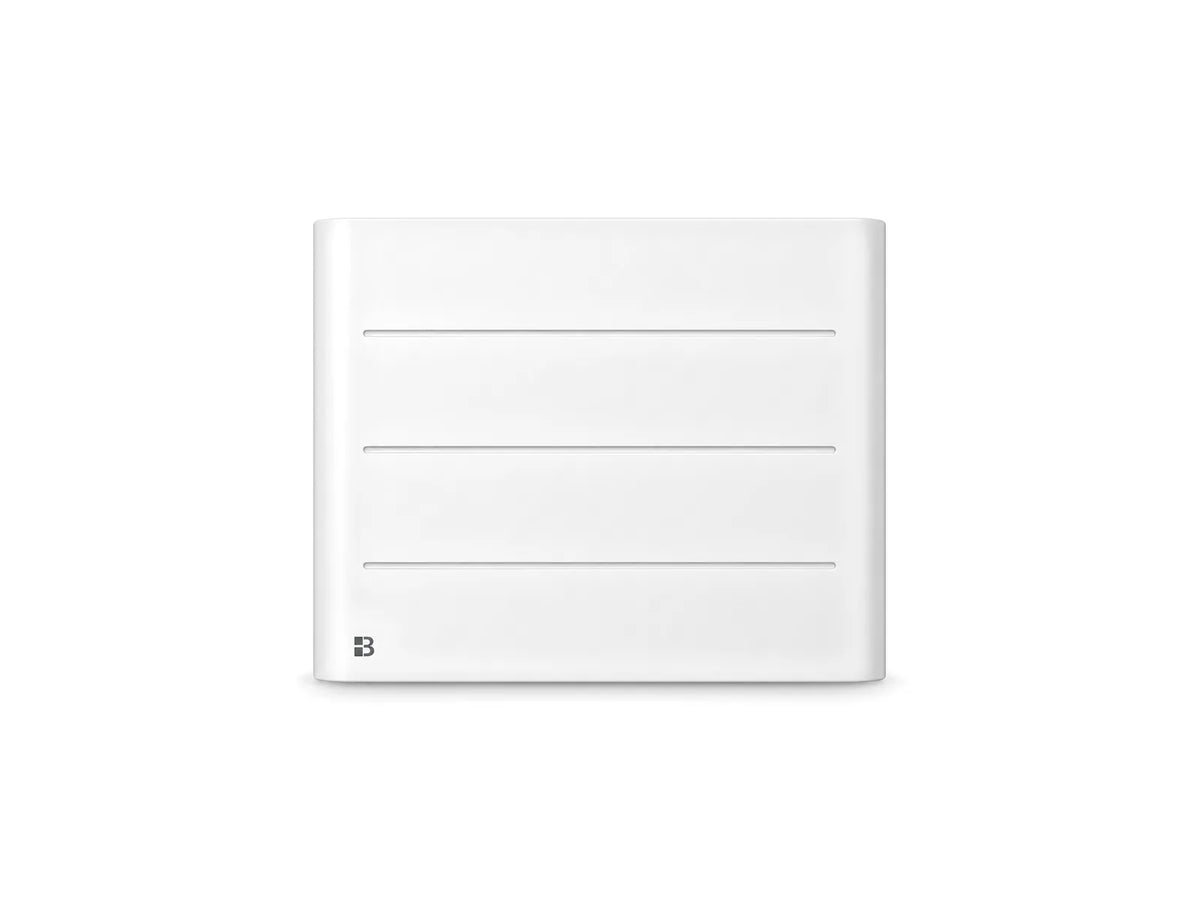
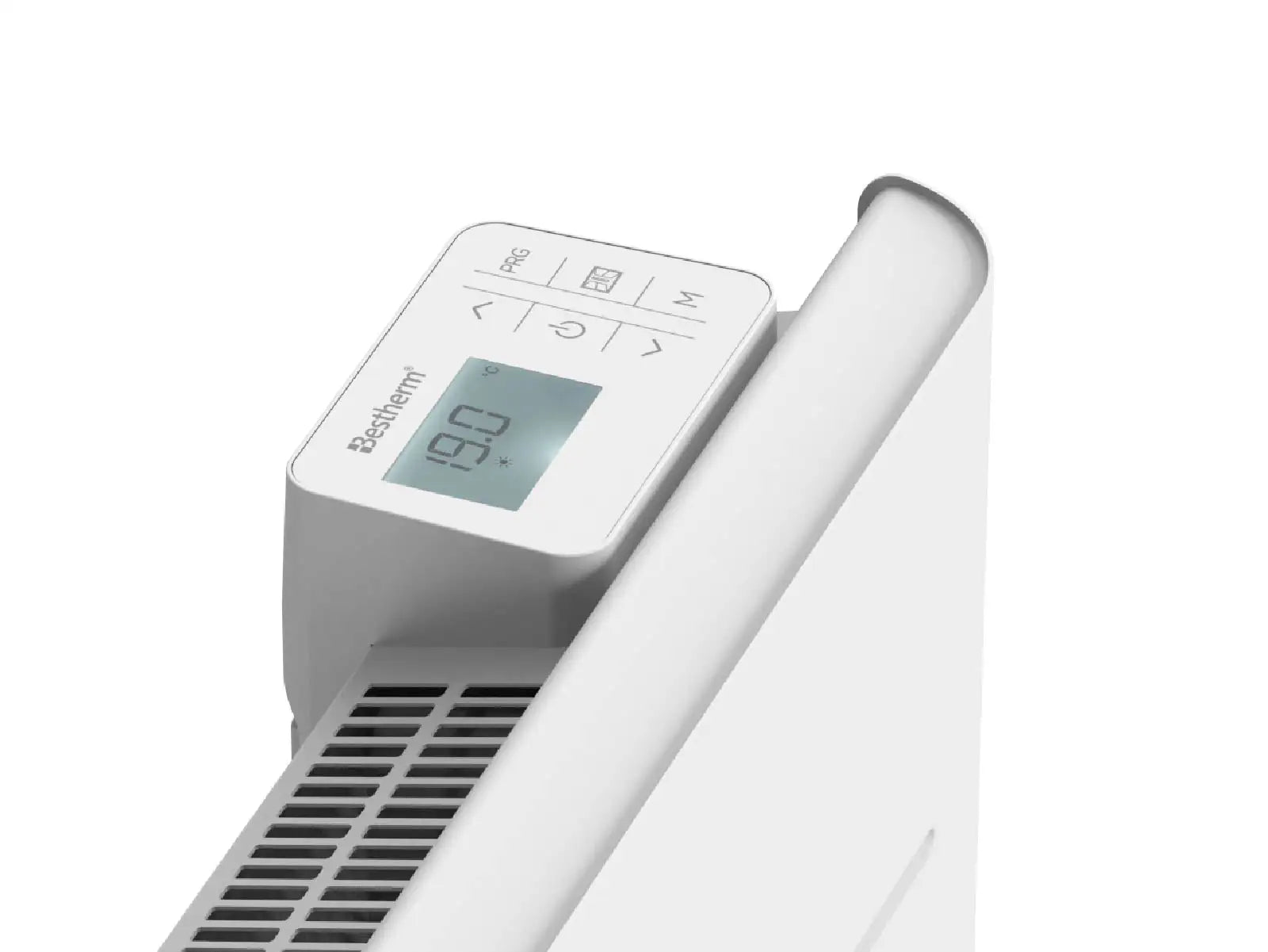
Radiator
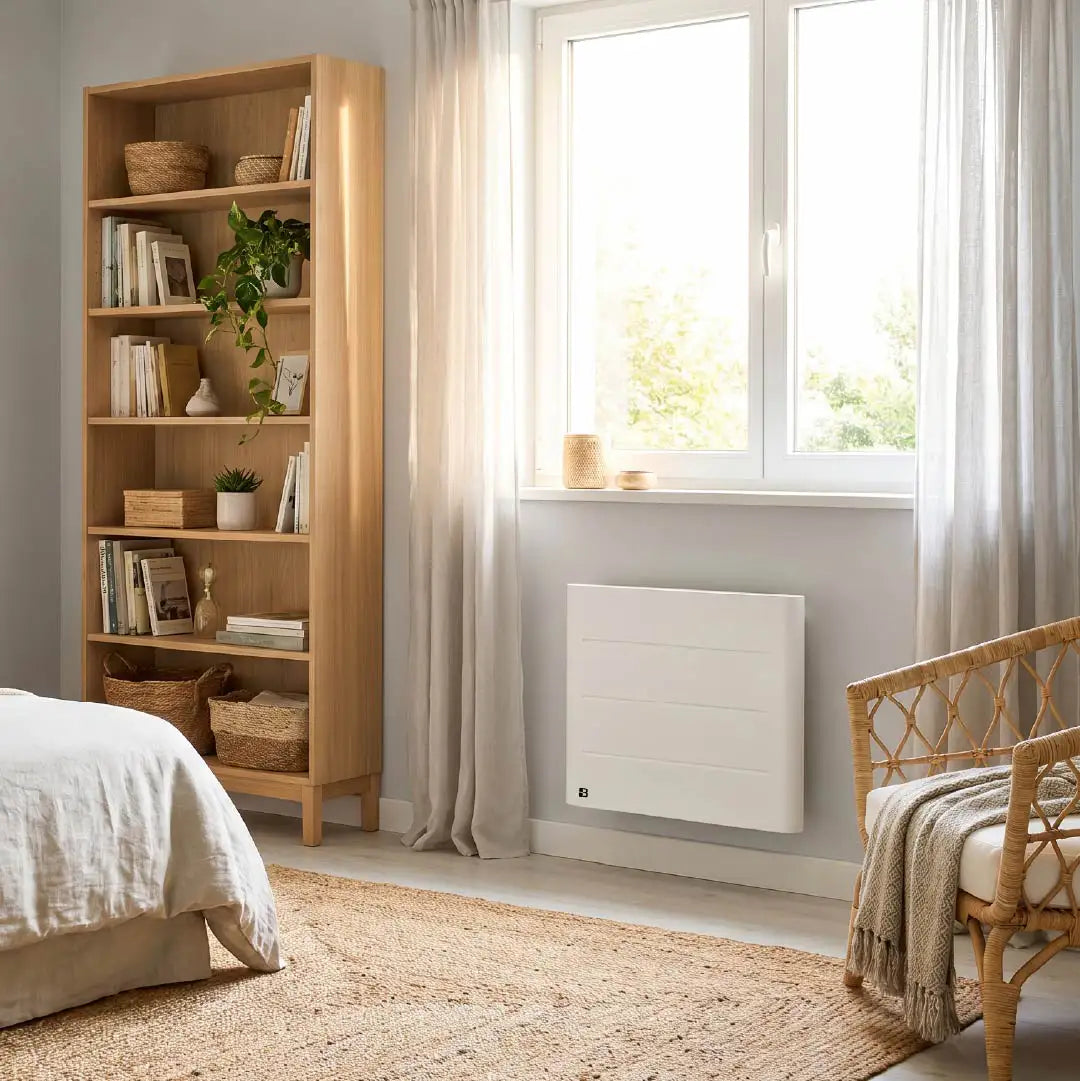
TANIN - Ceramic Inertia Radiator- Ceramic heating core
- 3 pre-programmed weekly schedules and 1 customizable schedule
- 6-command pilot wire and open-window detection
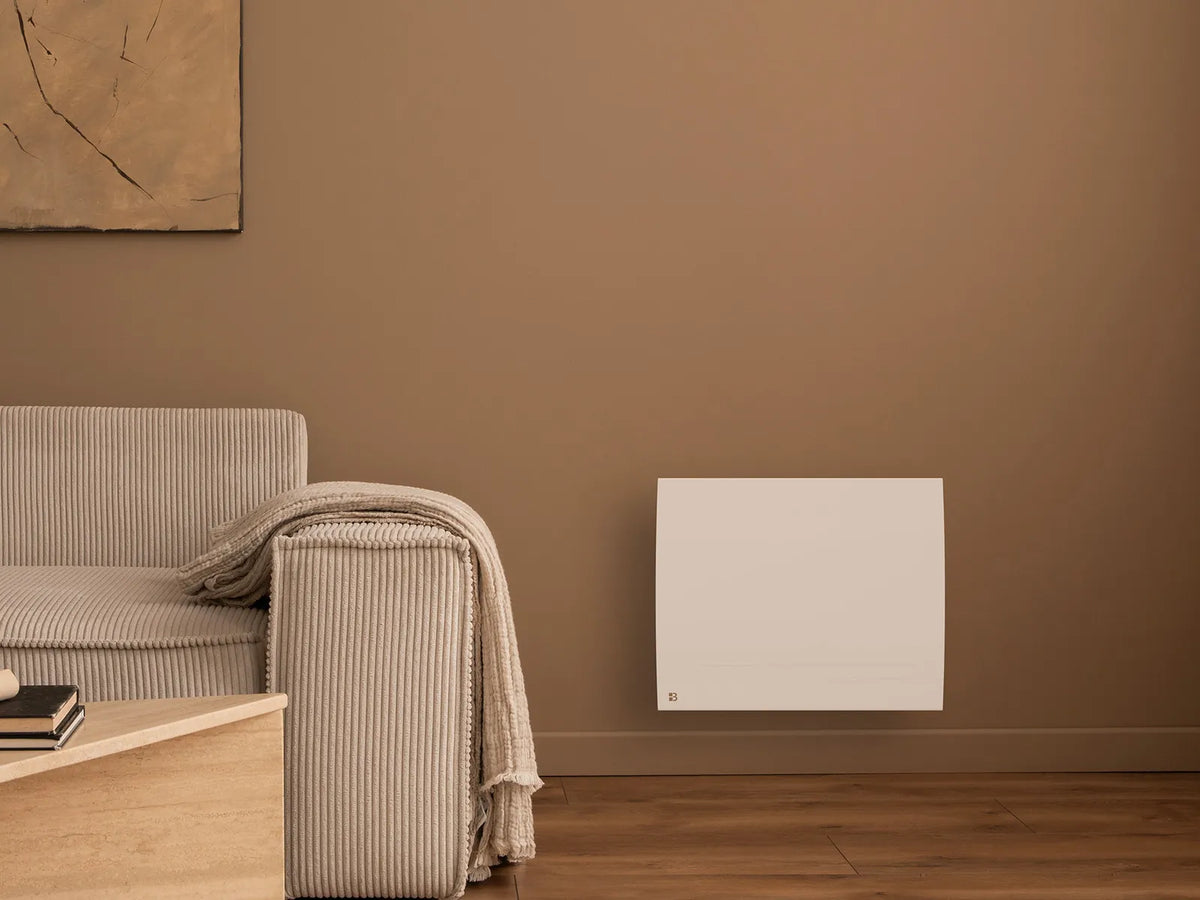
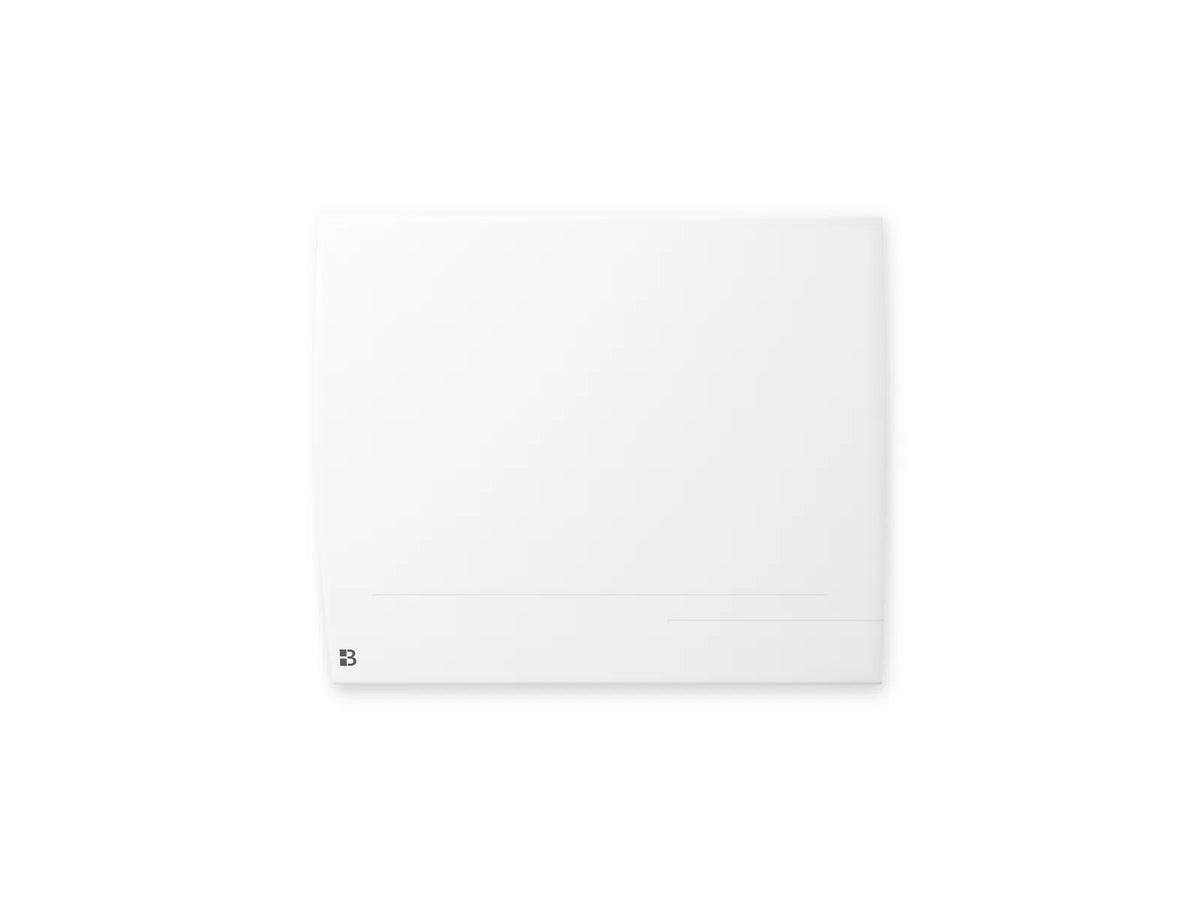
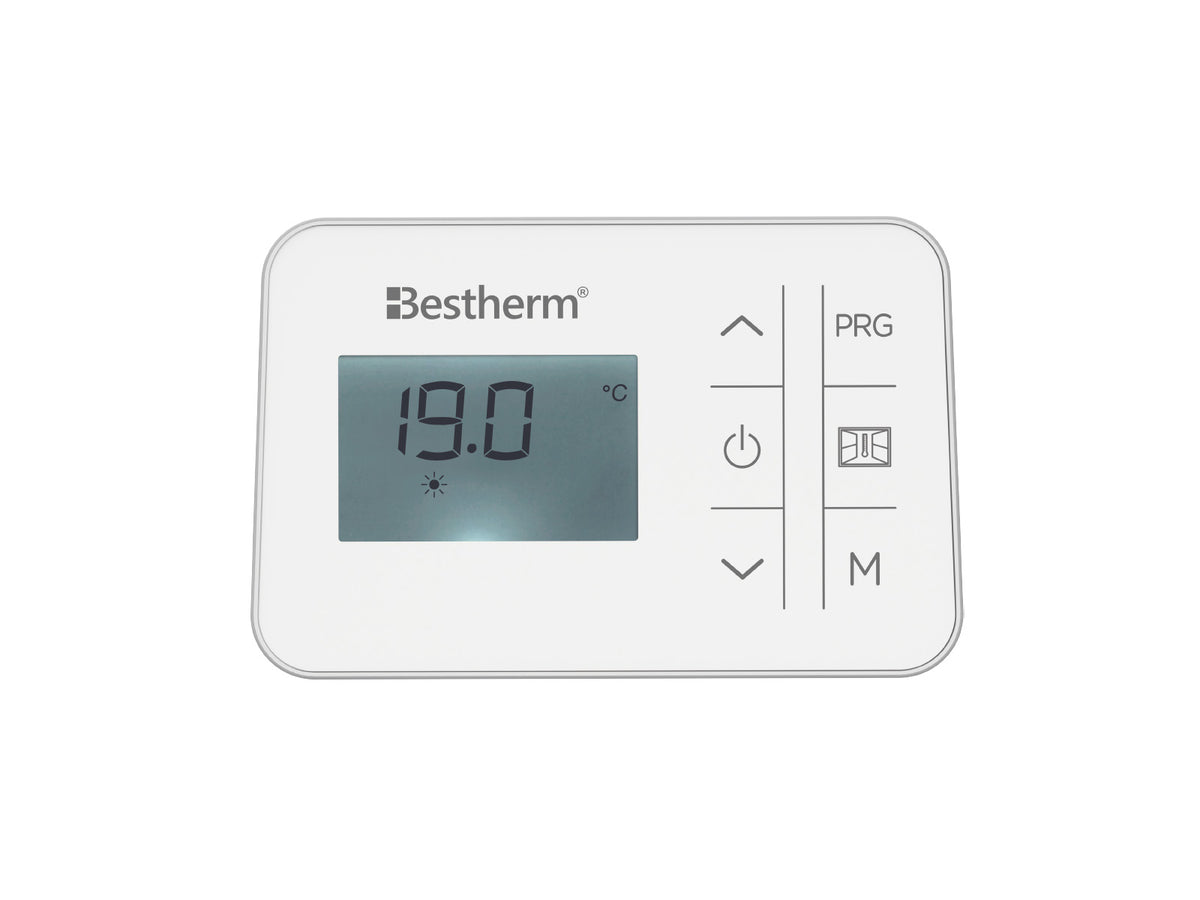
Radiator
LESSO CONNECT - Connected ceramic inertia heater- Ceramic heating element
- Remote control via the Bestherm Connect app
- 1 customizable weekly schedule
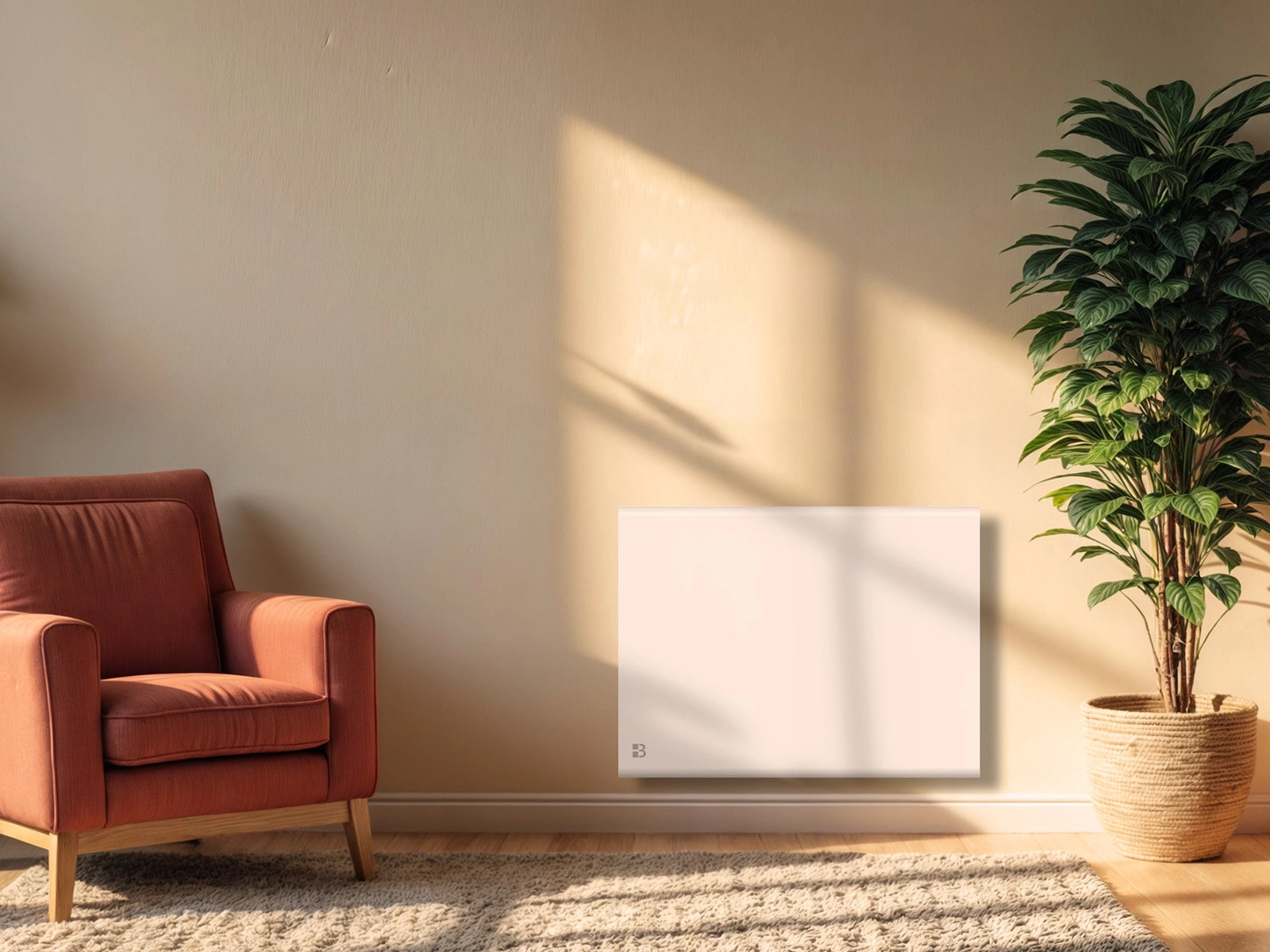
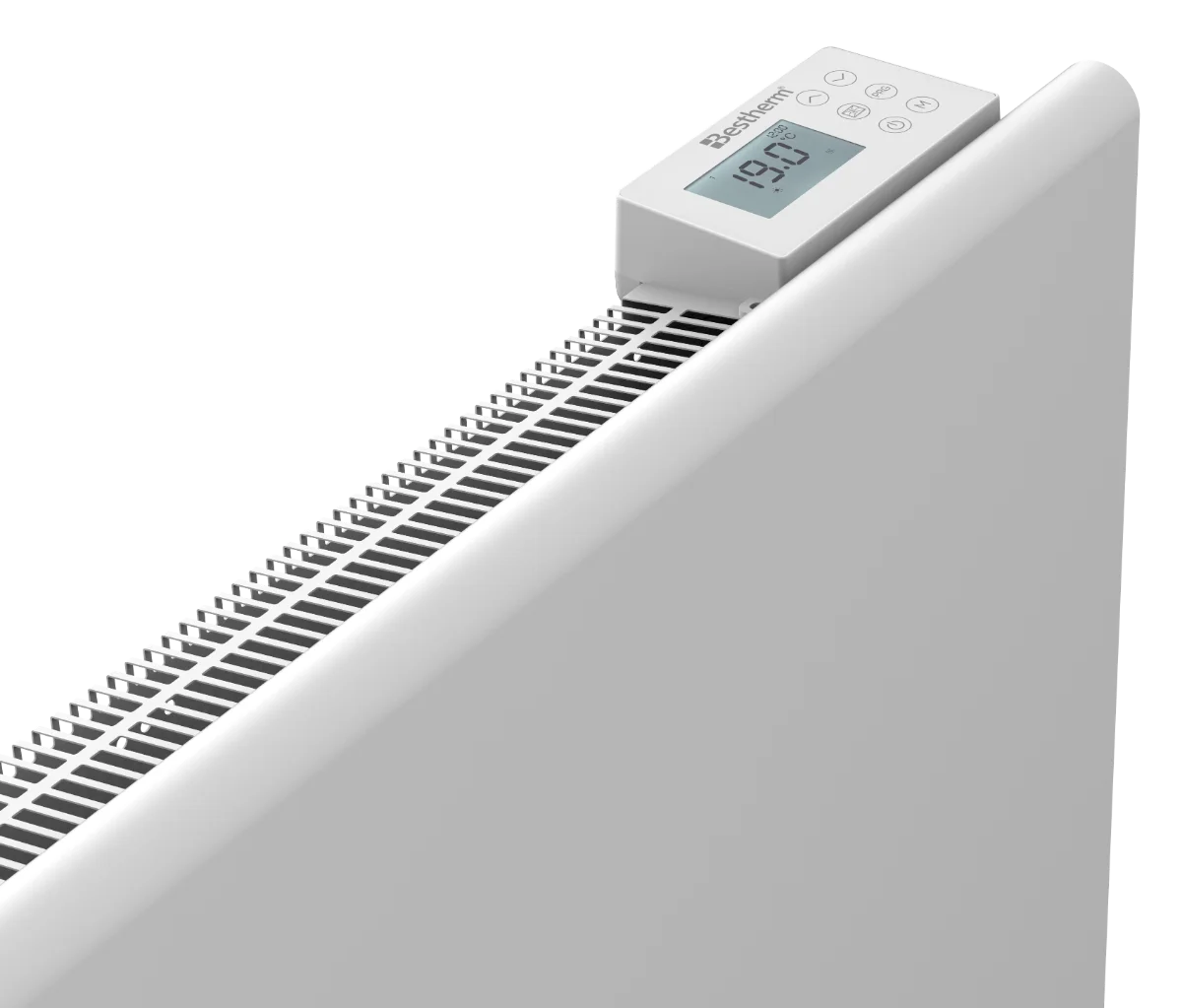
Radiator
NEMESIS - Dual-Core Cast Iron and Heating Film Radiator- Dual cast iron heating core and heating film
- 3 pre-set programs and 1 customizable program
- Open window detection
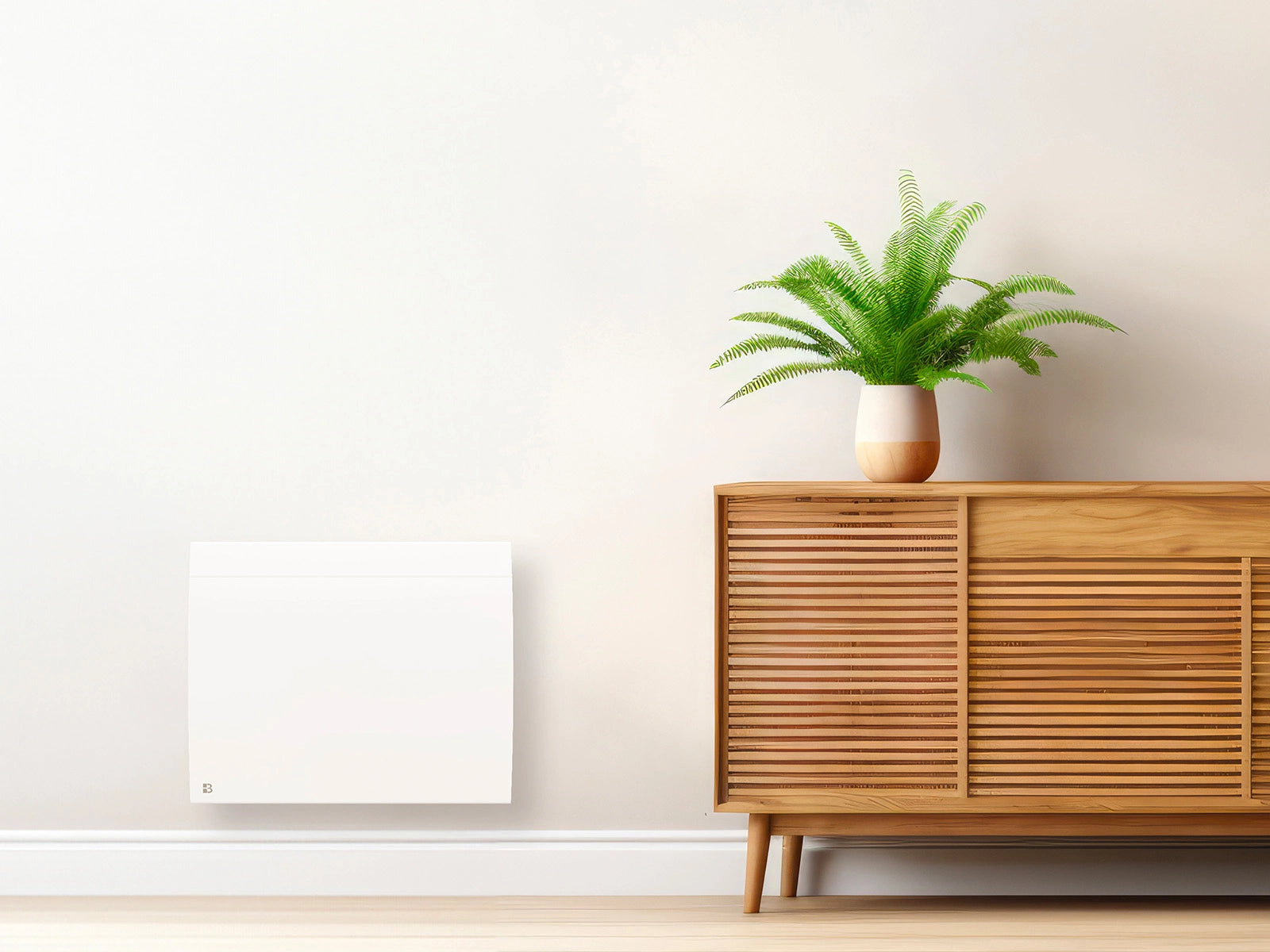
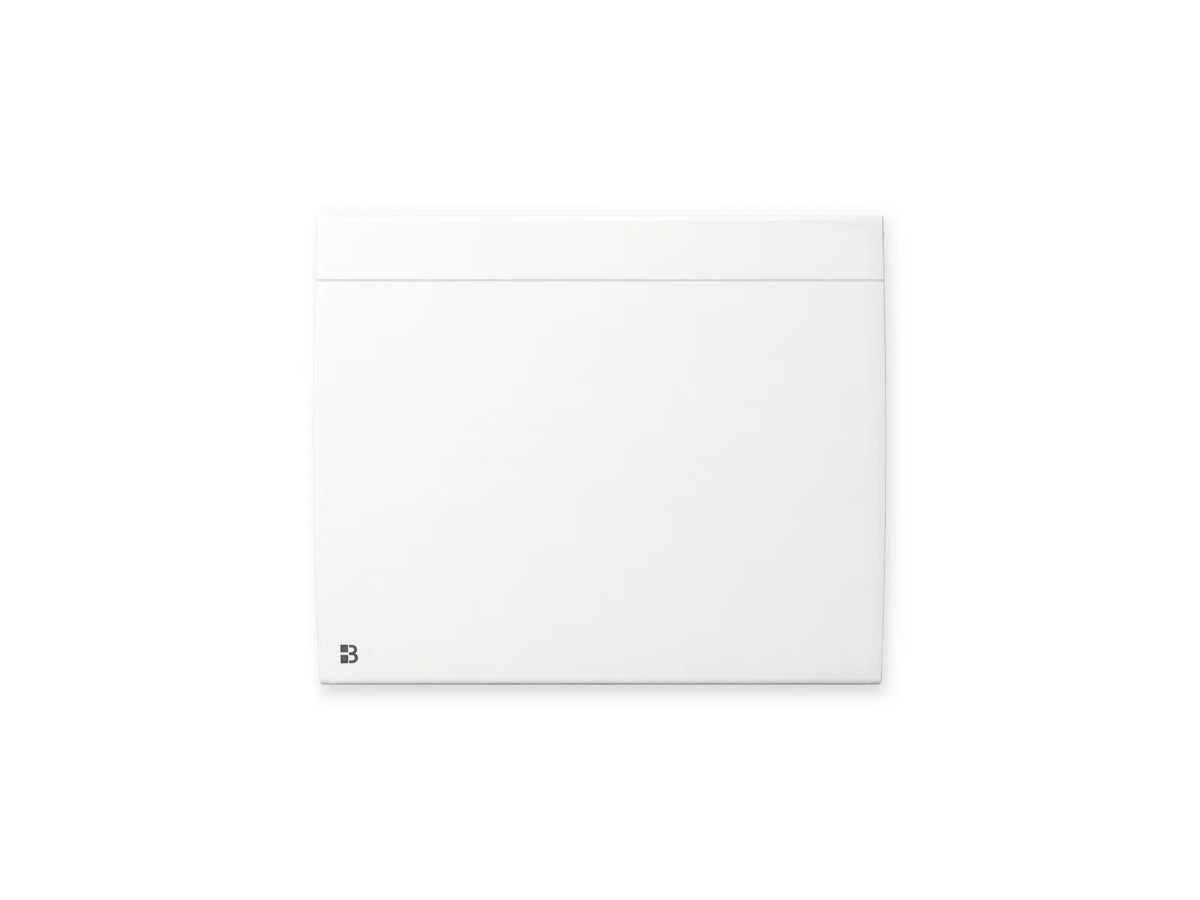
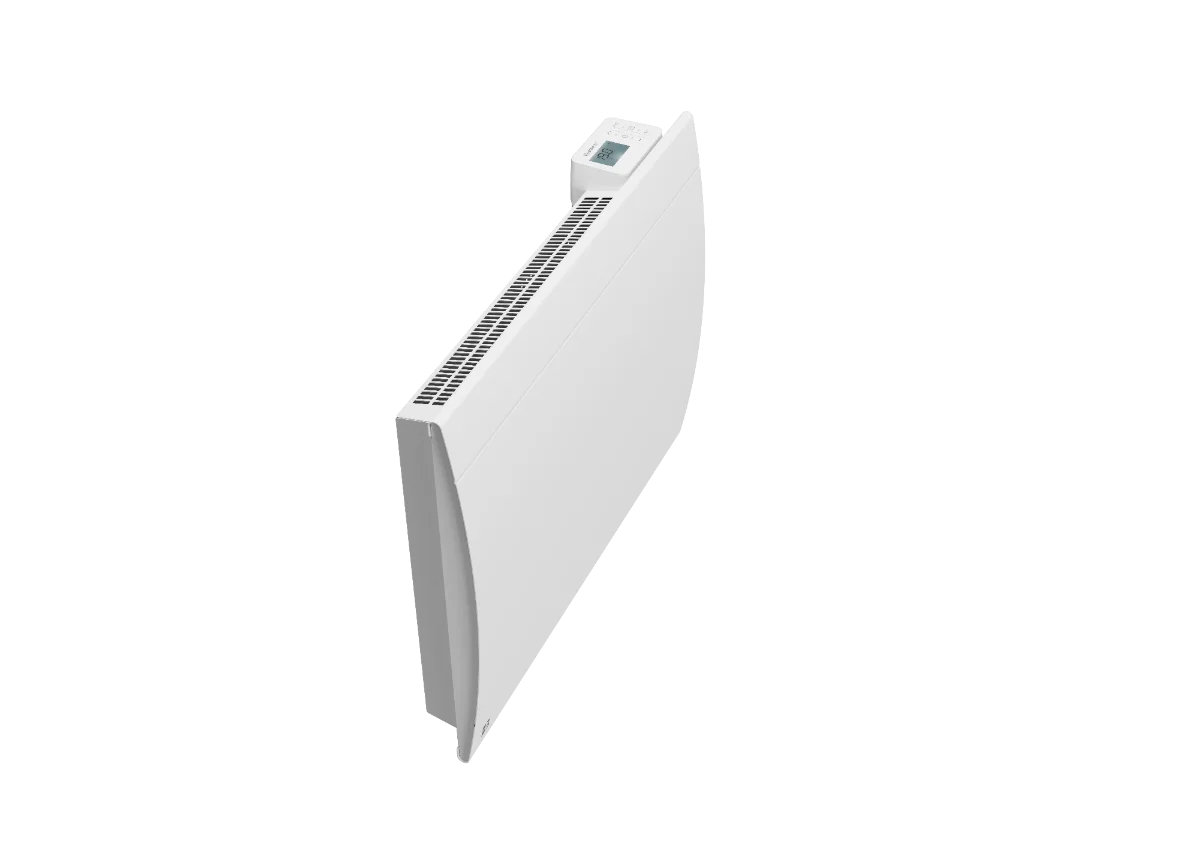
Radiator
ILLO CONNECT - Connected ceramic inertia heater- Ceramic heating element
- Remote control via the Bestherm Connect app
- 1 customizable weekly schedule
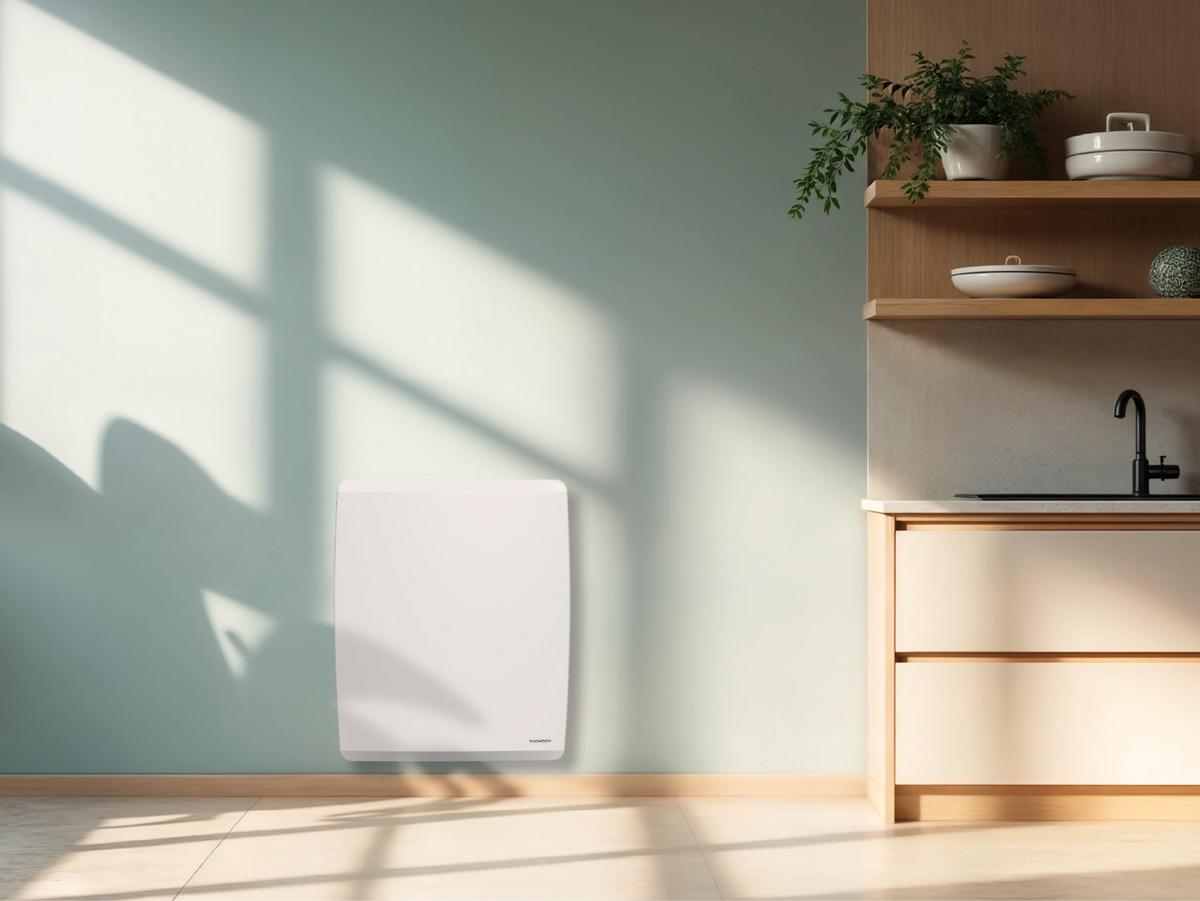
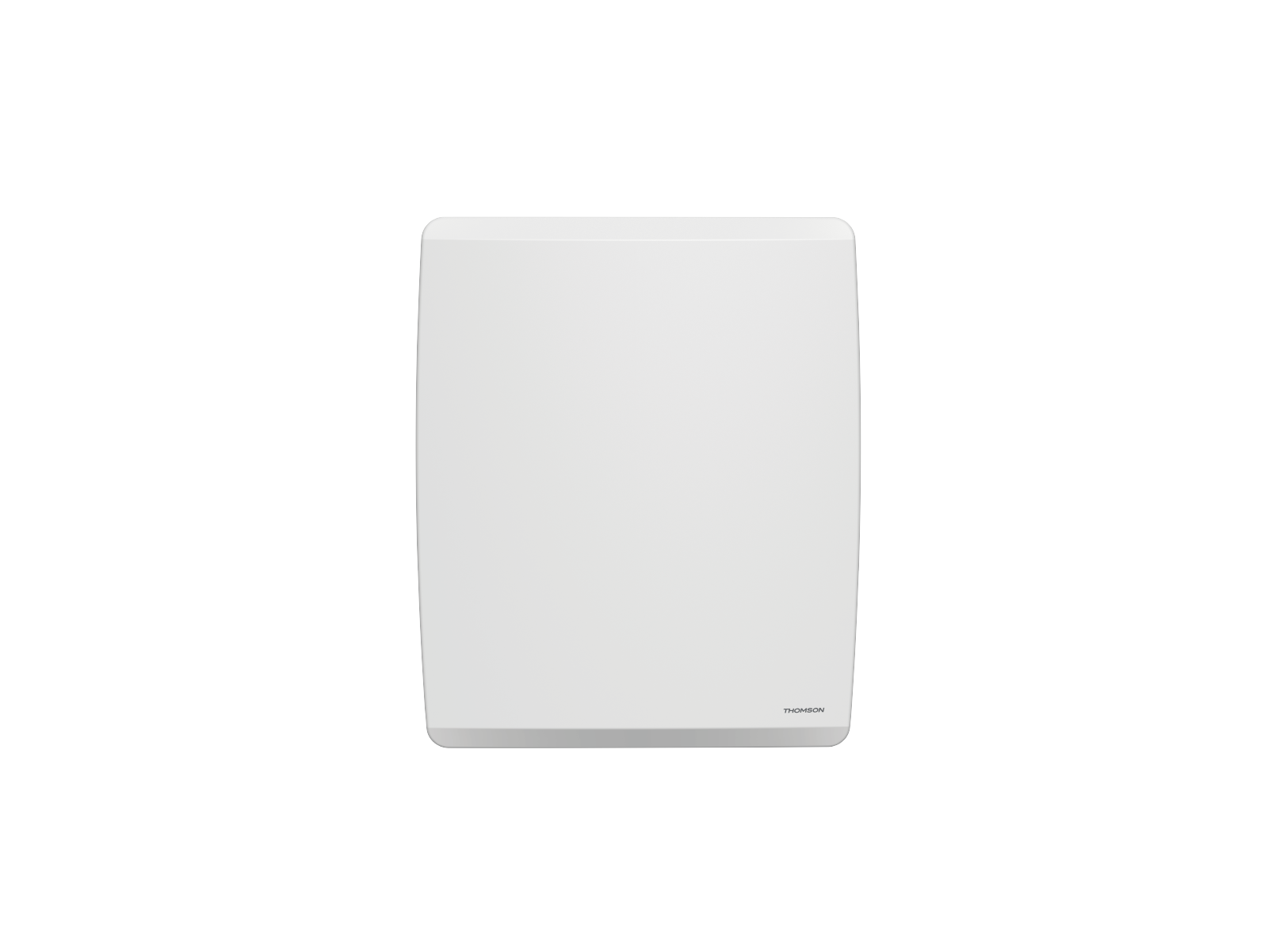
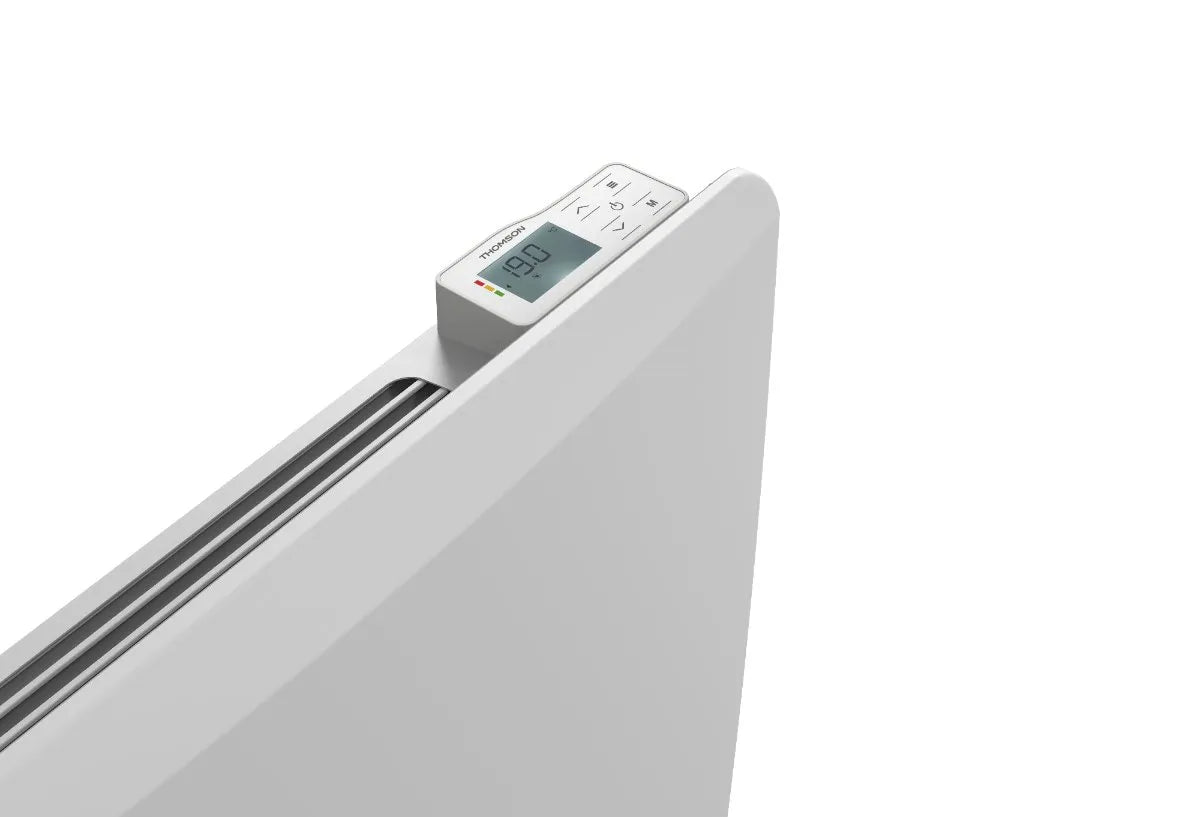
Radiator
MOLY - Connected heater with dual ceramic core and heating film- Dual ceramic heating core and heating film
- Wi-Fi control via Tuya, compatible with Alexa and Google Assistant
- Replaceable thermostat

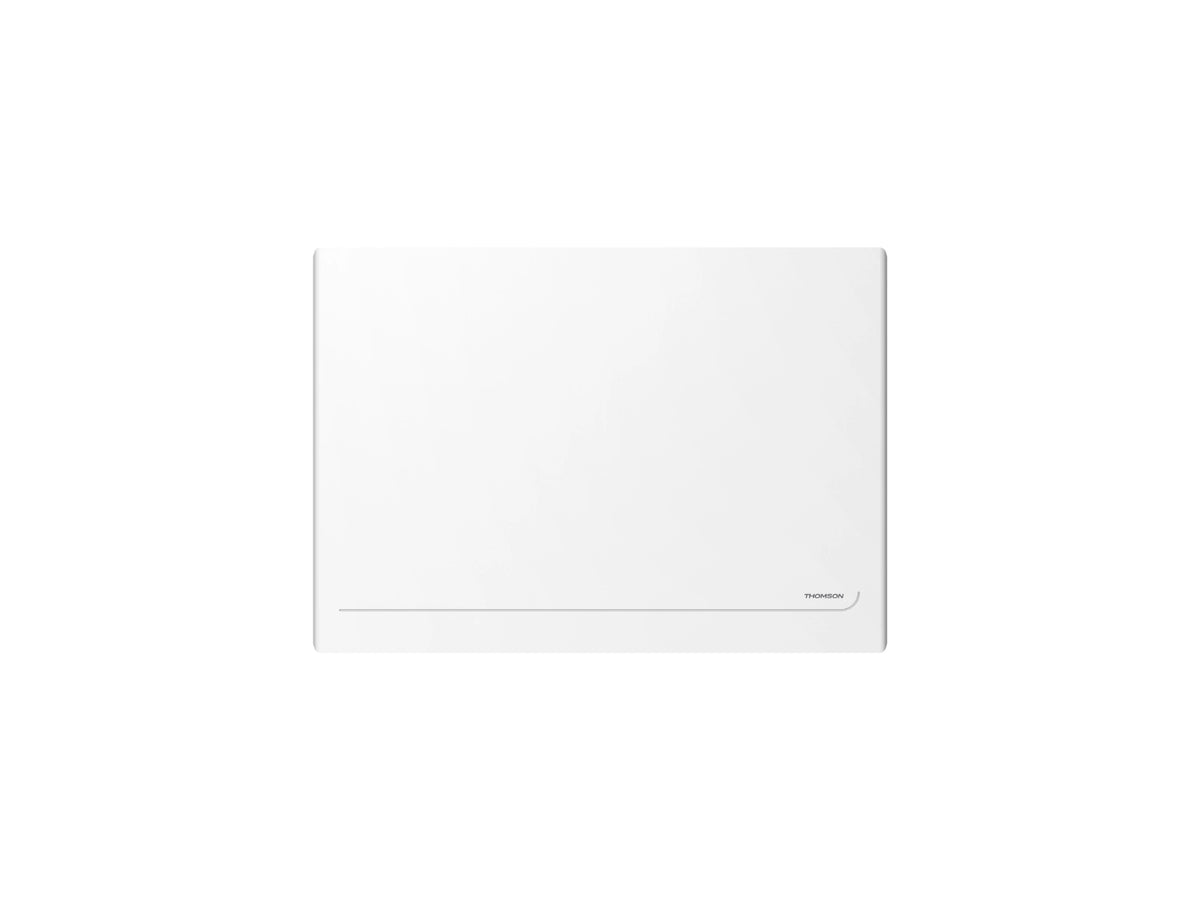
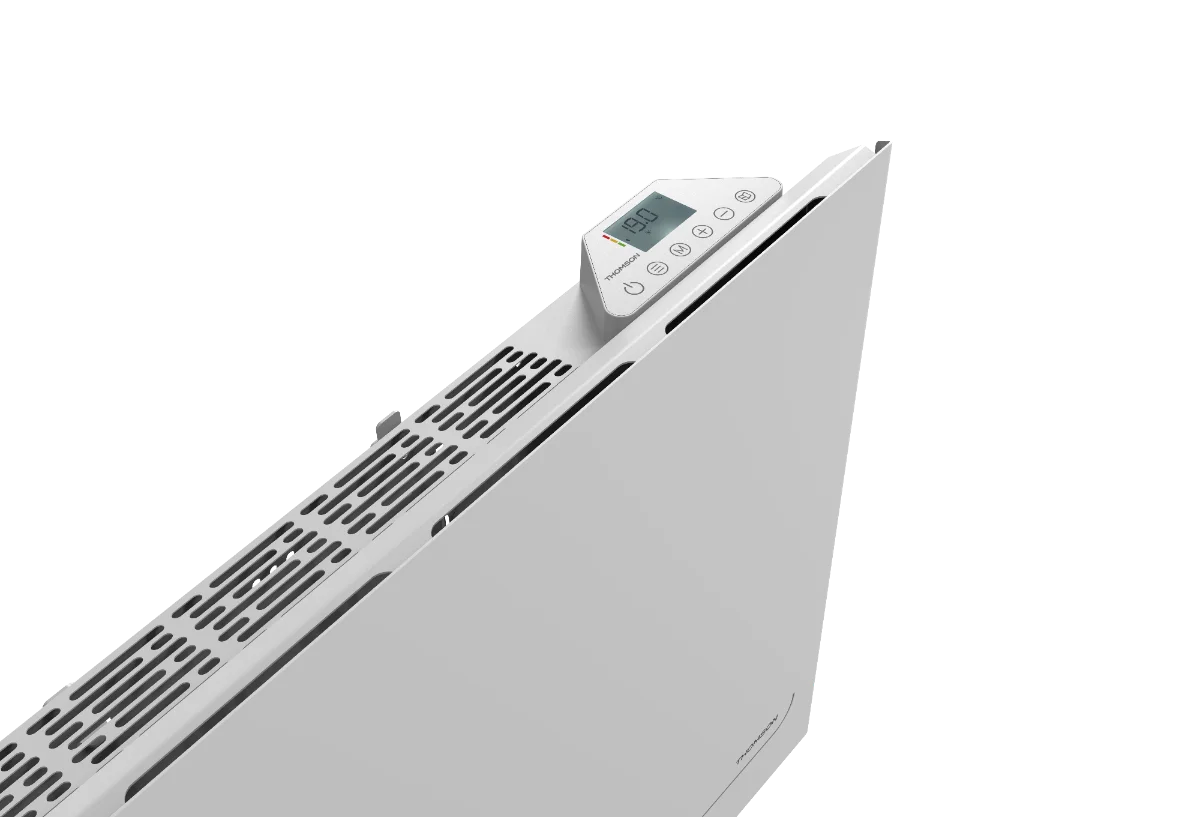
Radiator
MILLA - Connected ceramic inertia heater- Ceramic heating core
- Wi-Fi control via Tuya, compatible with Alexa and Google Assistant
- Replaceable thermostat
Radiator
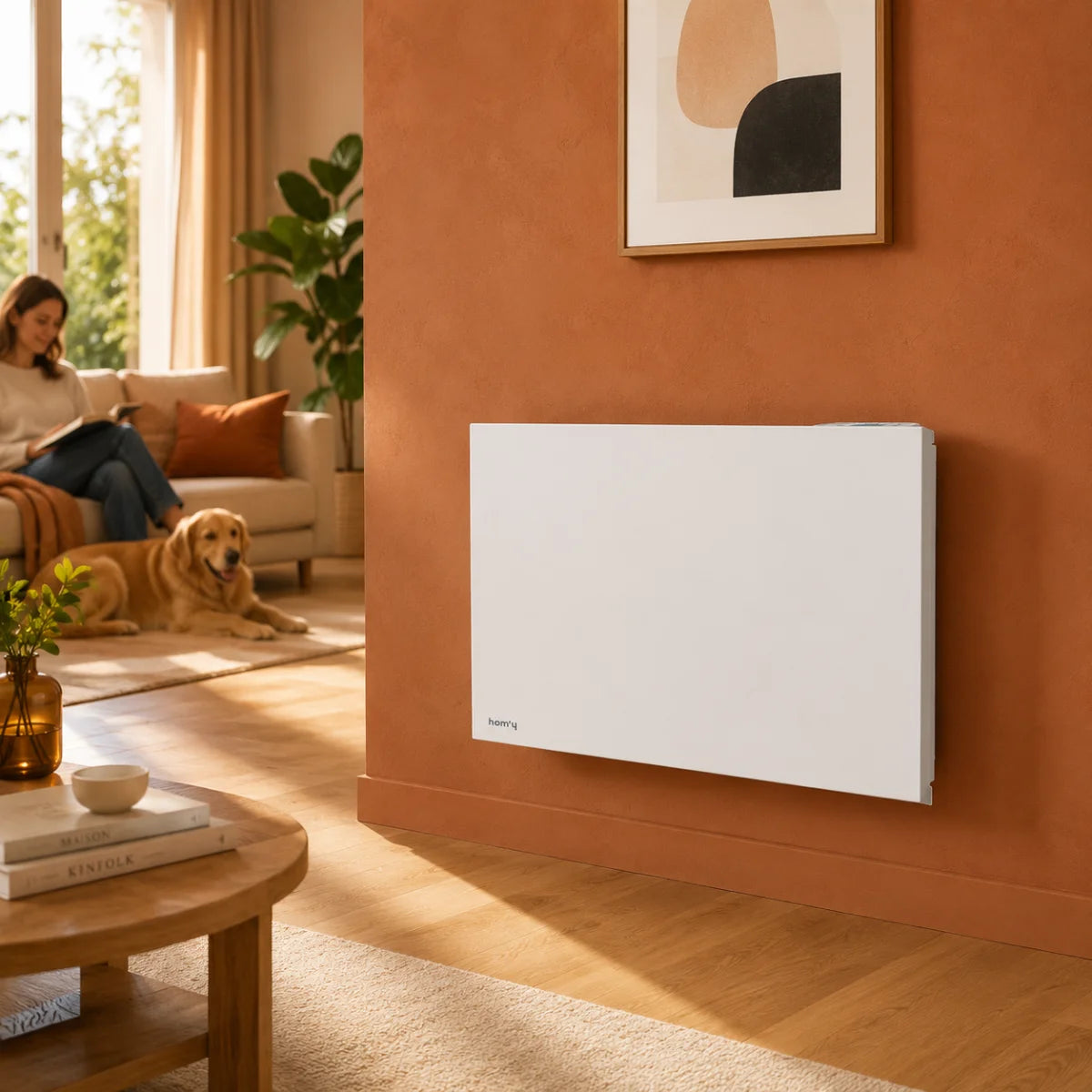
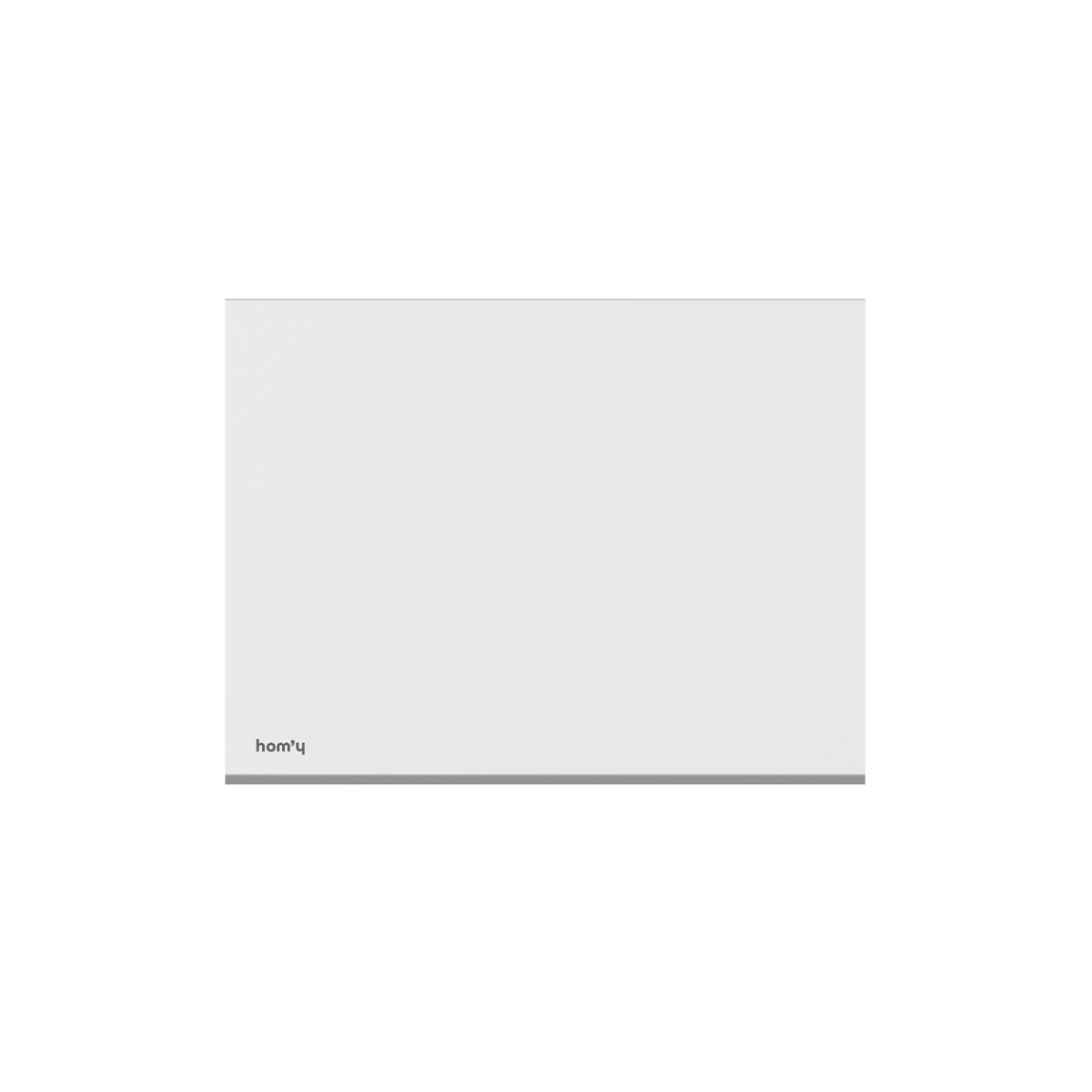
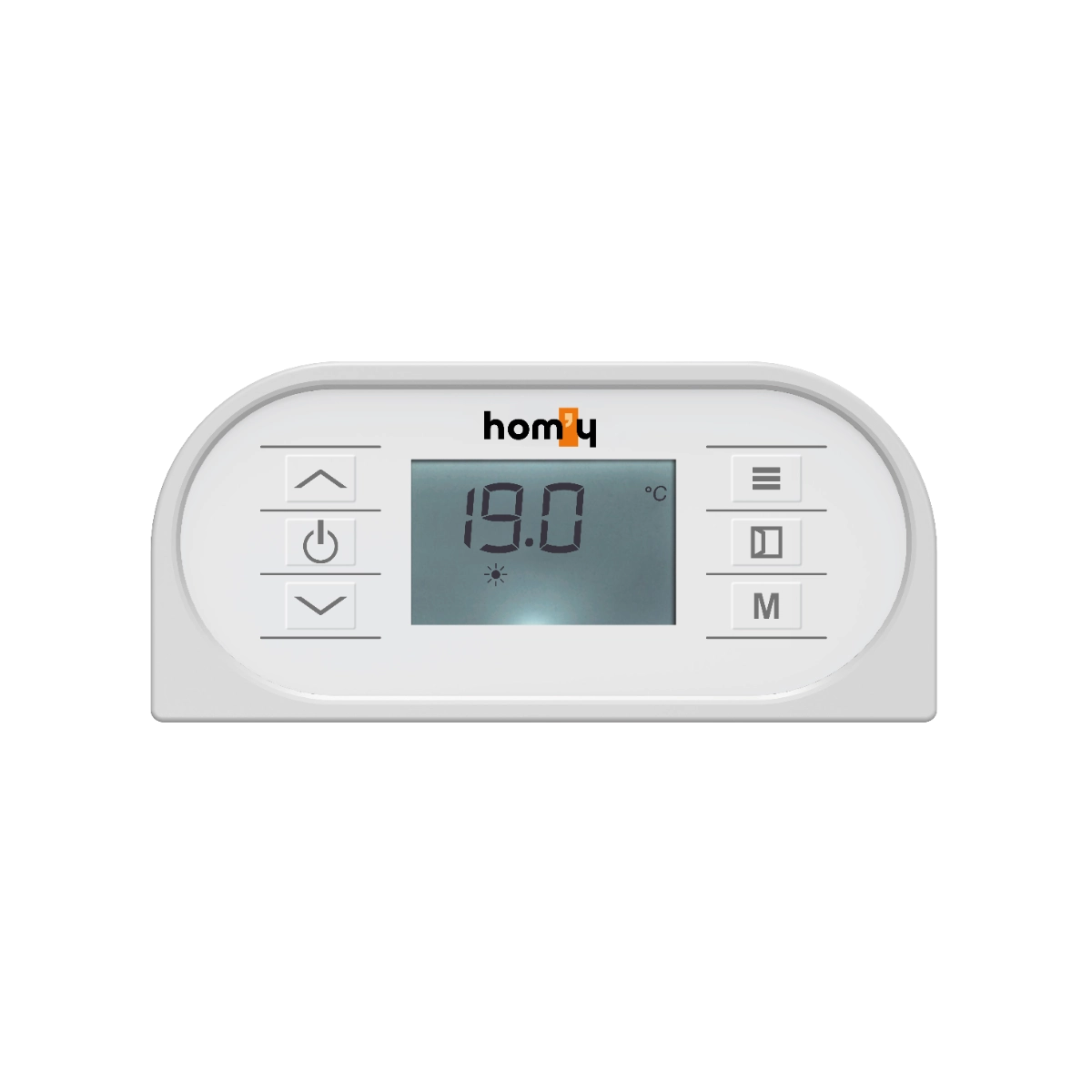
ORPHÉE CONNECT - Smart ceramic inertia radiator- Ceramic heating core
- Wi-Fi control and real-time energy consumption monitoring
- Compatible with Alexa and Google Assistant
Radiator
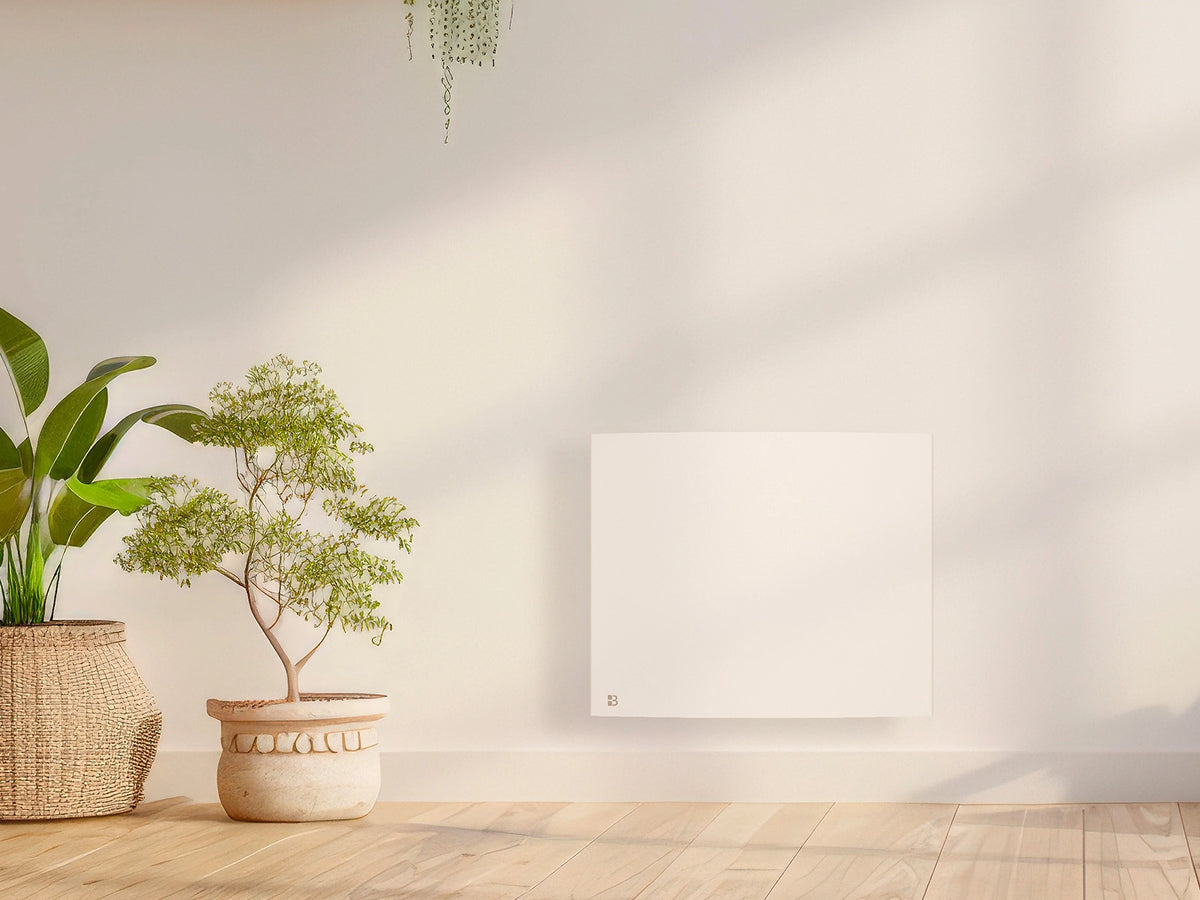
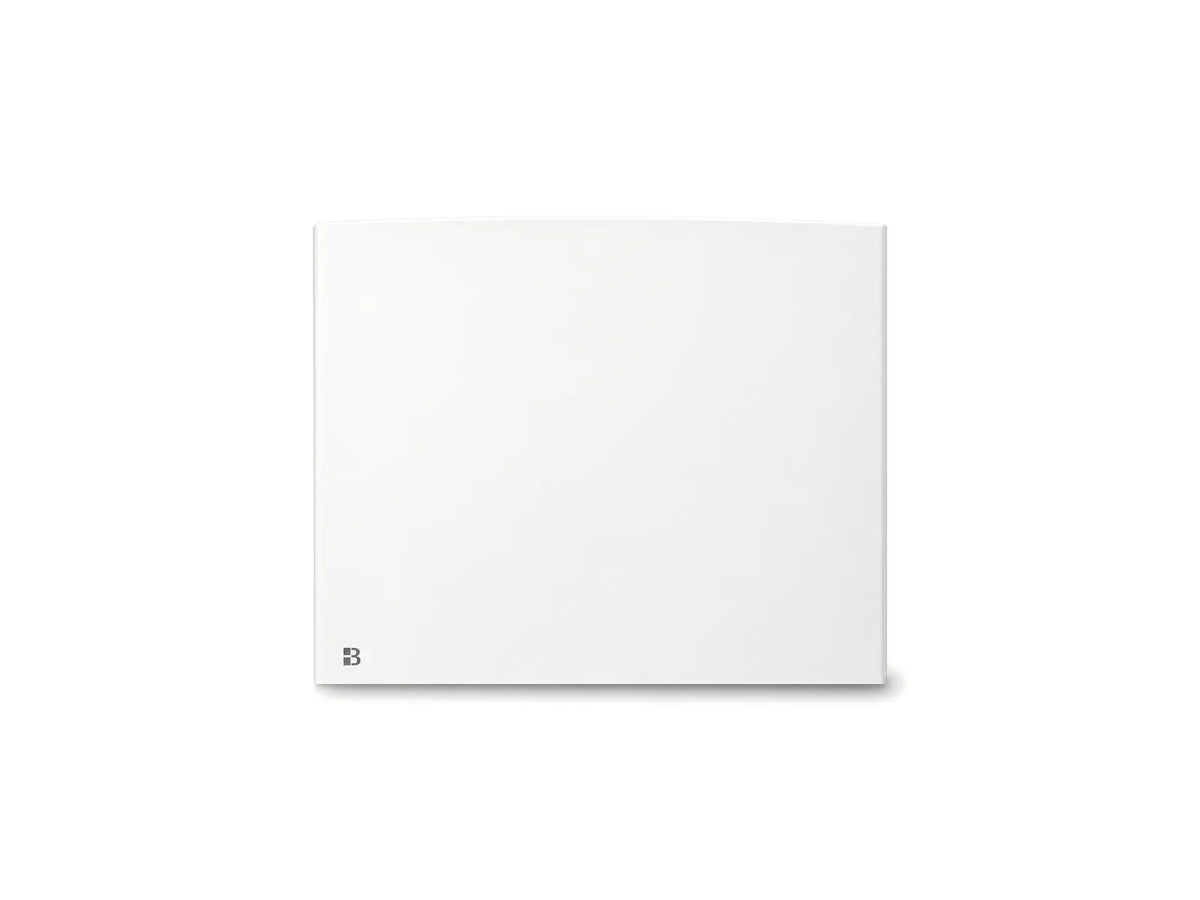
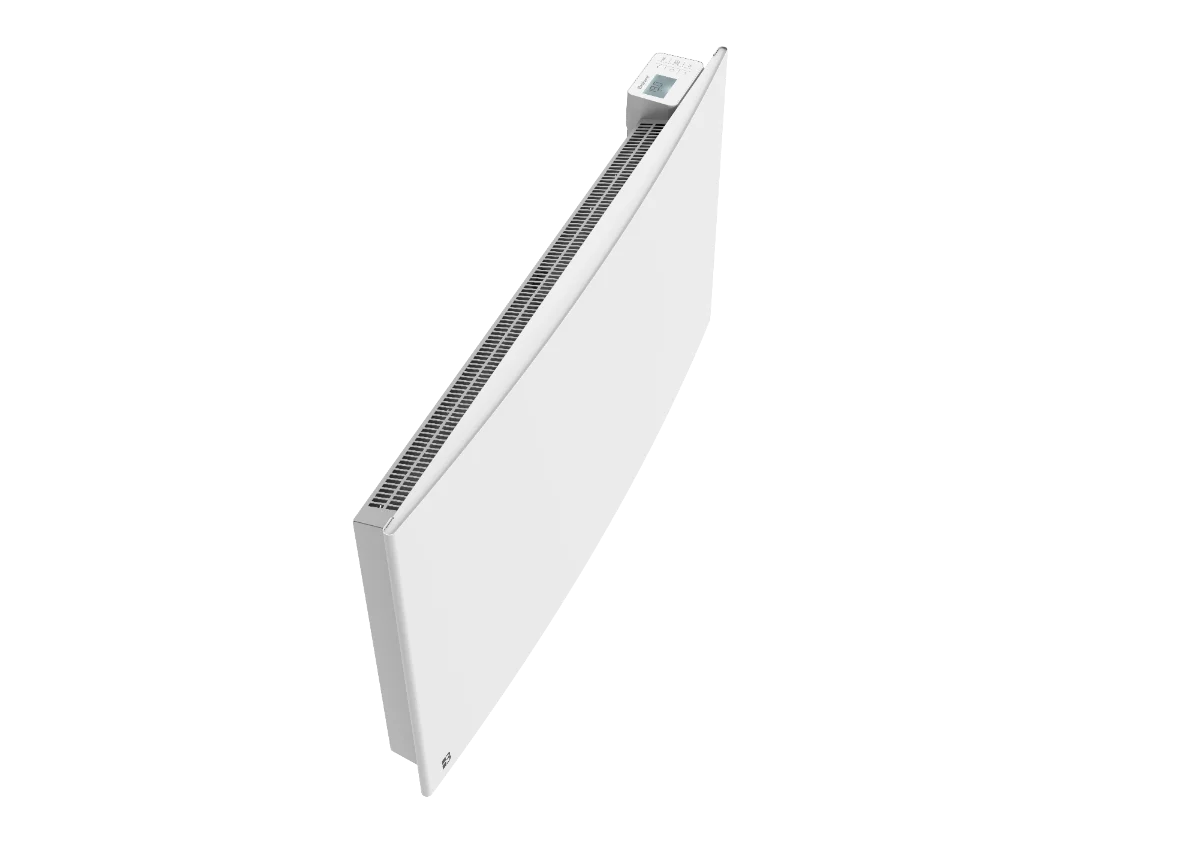
BIA - Dry Inertia Cast Iron Radiator- Cast iron heating core for long-lasting warmth
- 3 preset weekly programs and 1 customizable program
- 6-command pilot wire and open-window detection

Radiator
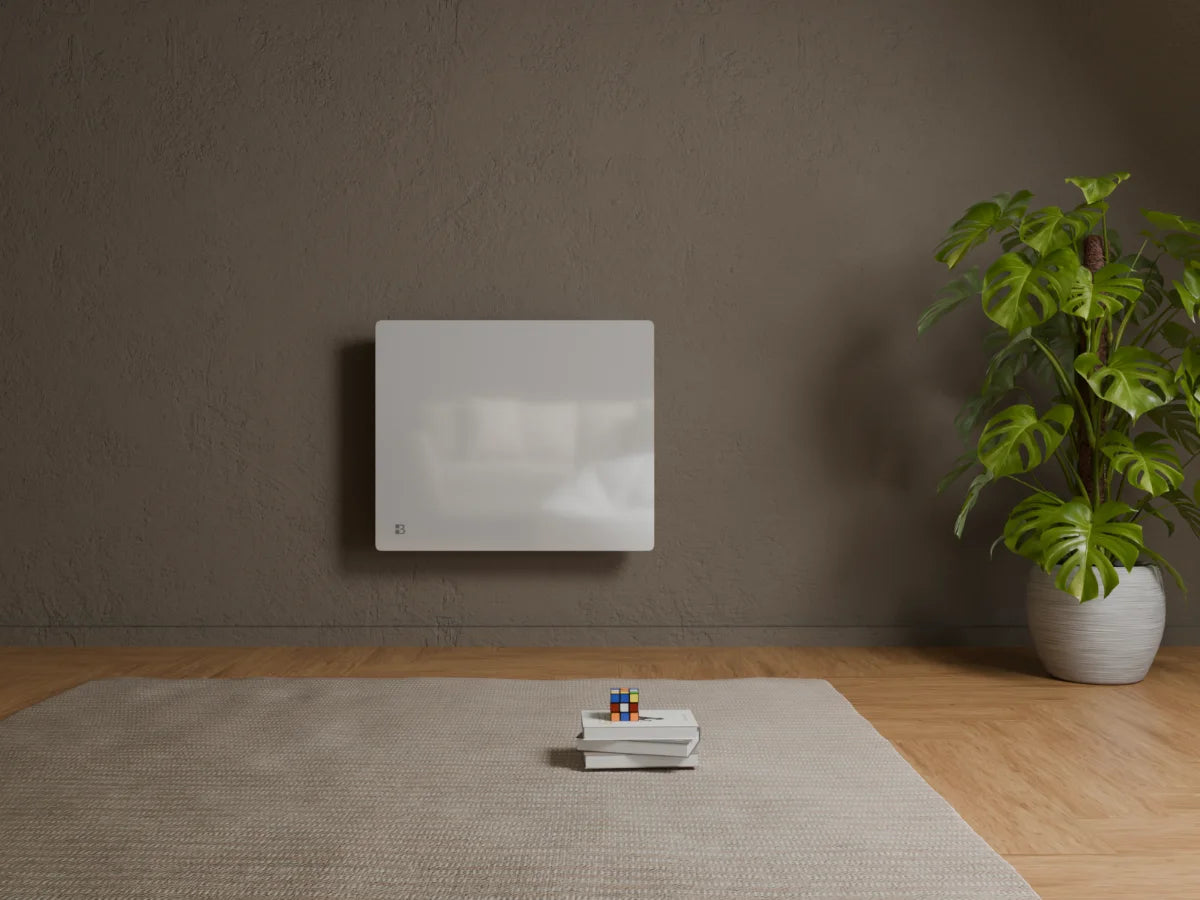
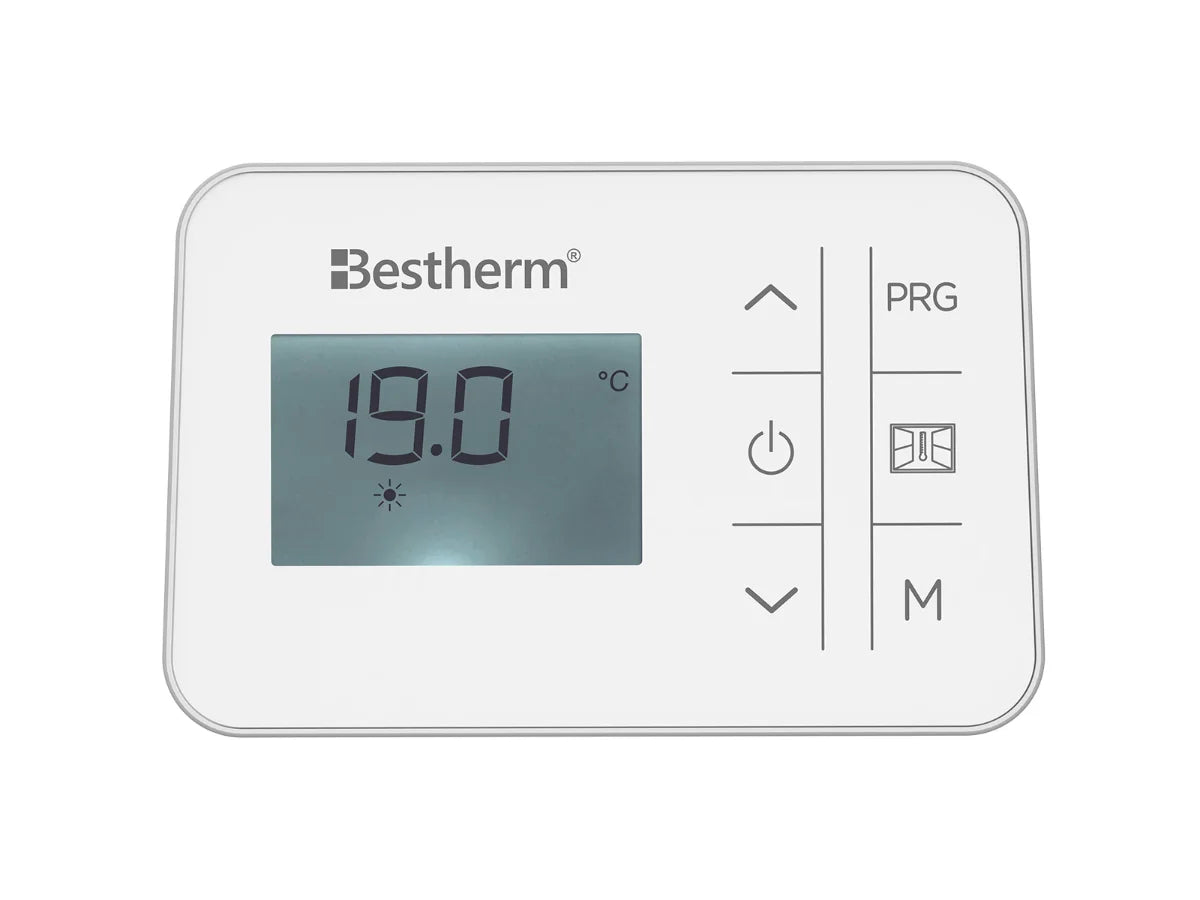
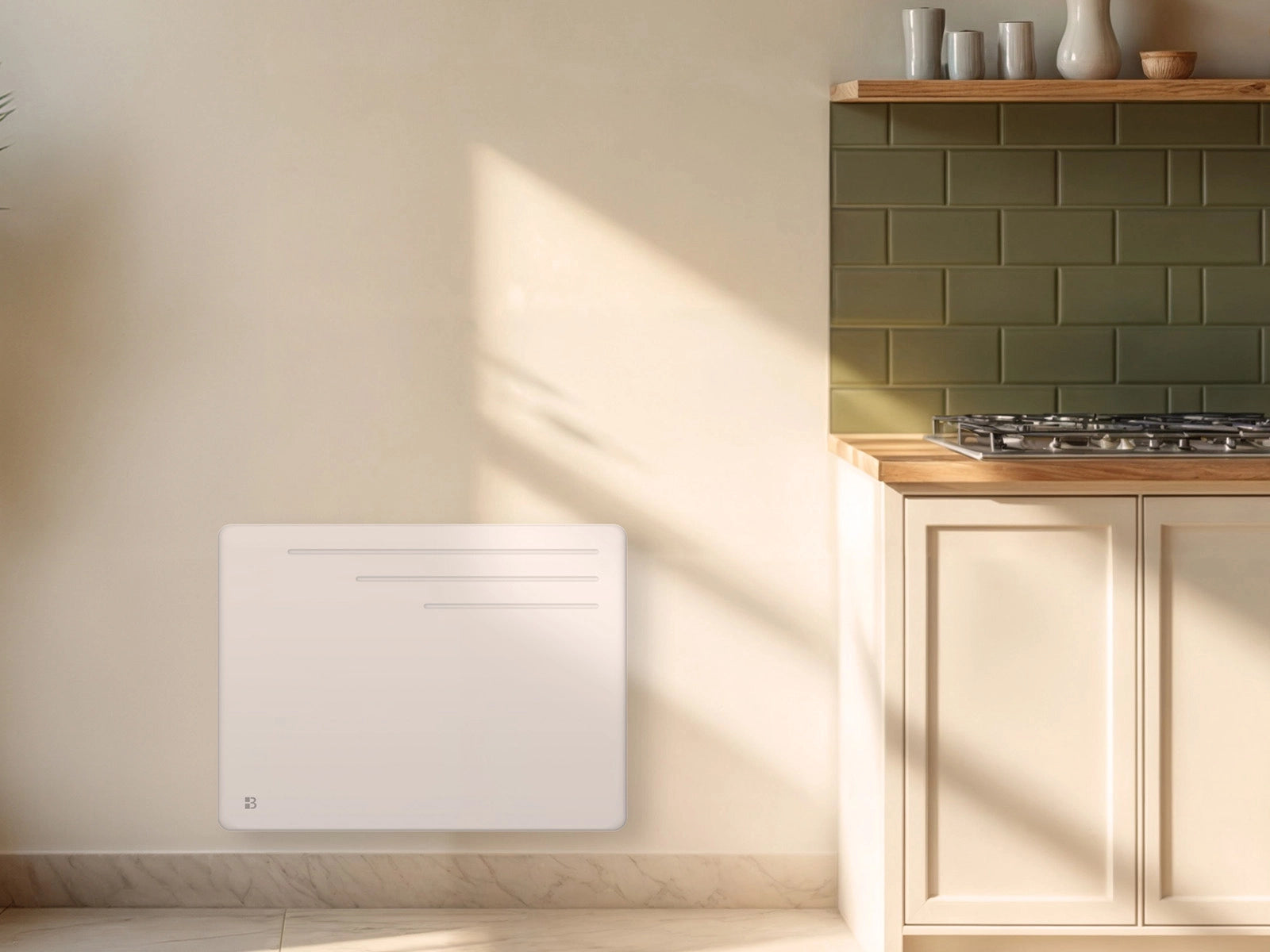
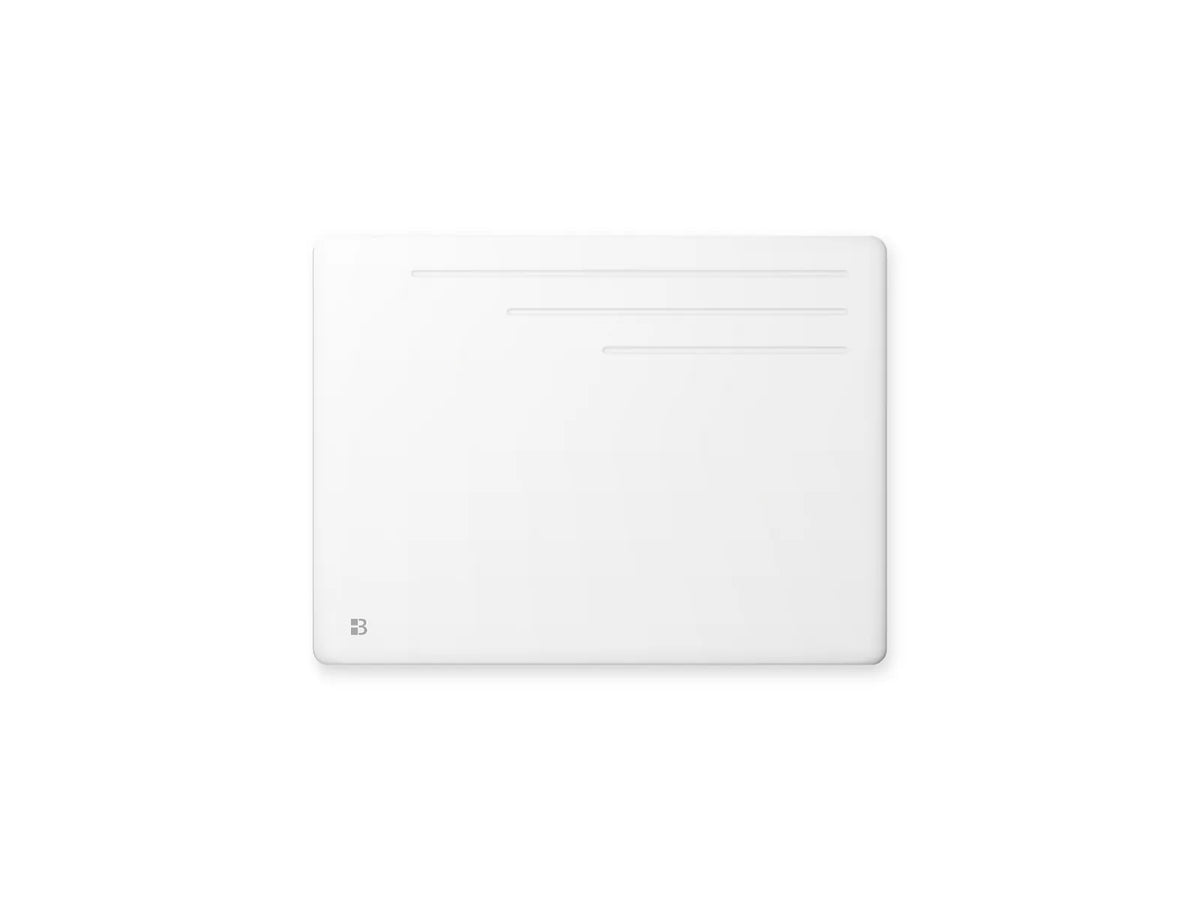
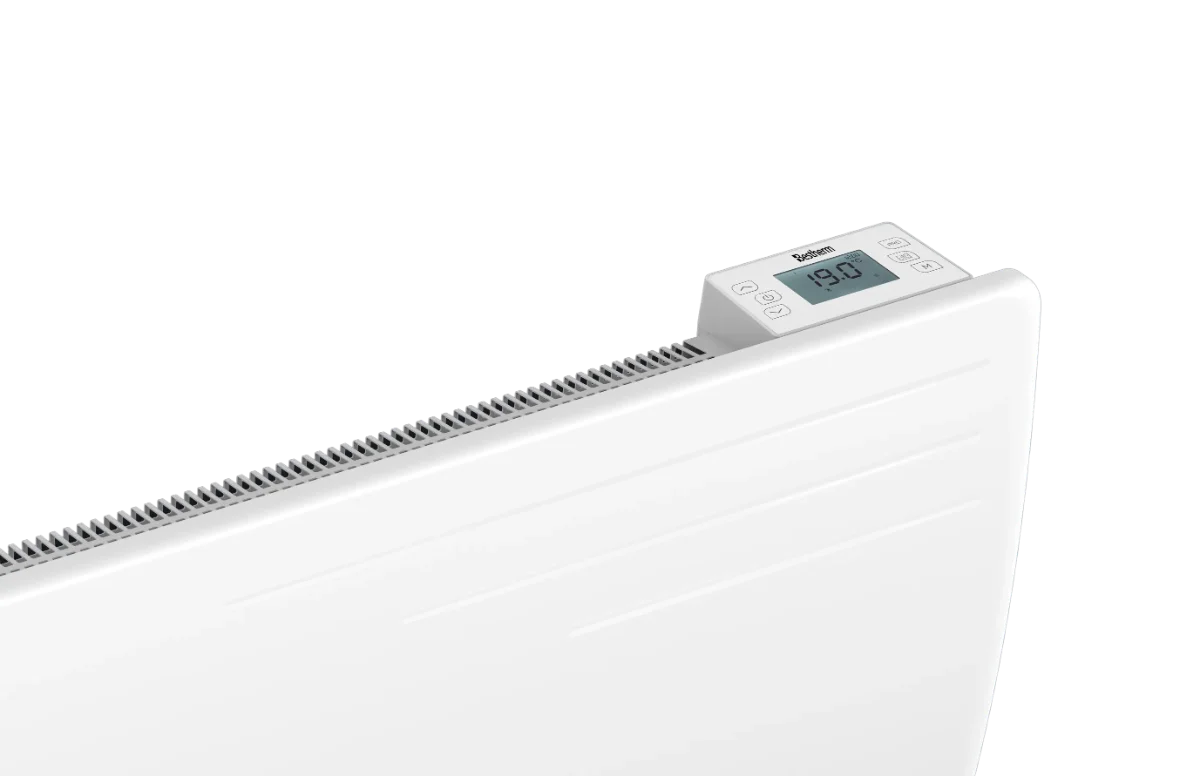
IRIS - Ceramic Inertia Glass Radiator- Glass front panel and ceramic heating core
- 3 pre-programmed weekly schedules and 1 customizable schedule
- 6-command pilot wire and open-window detection
Radiator
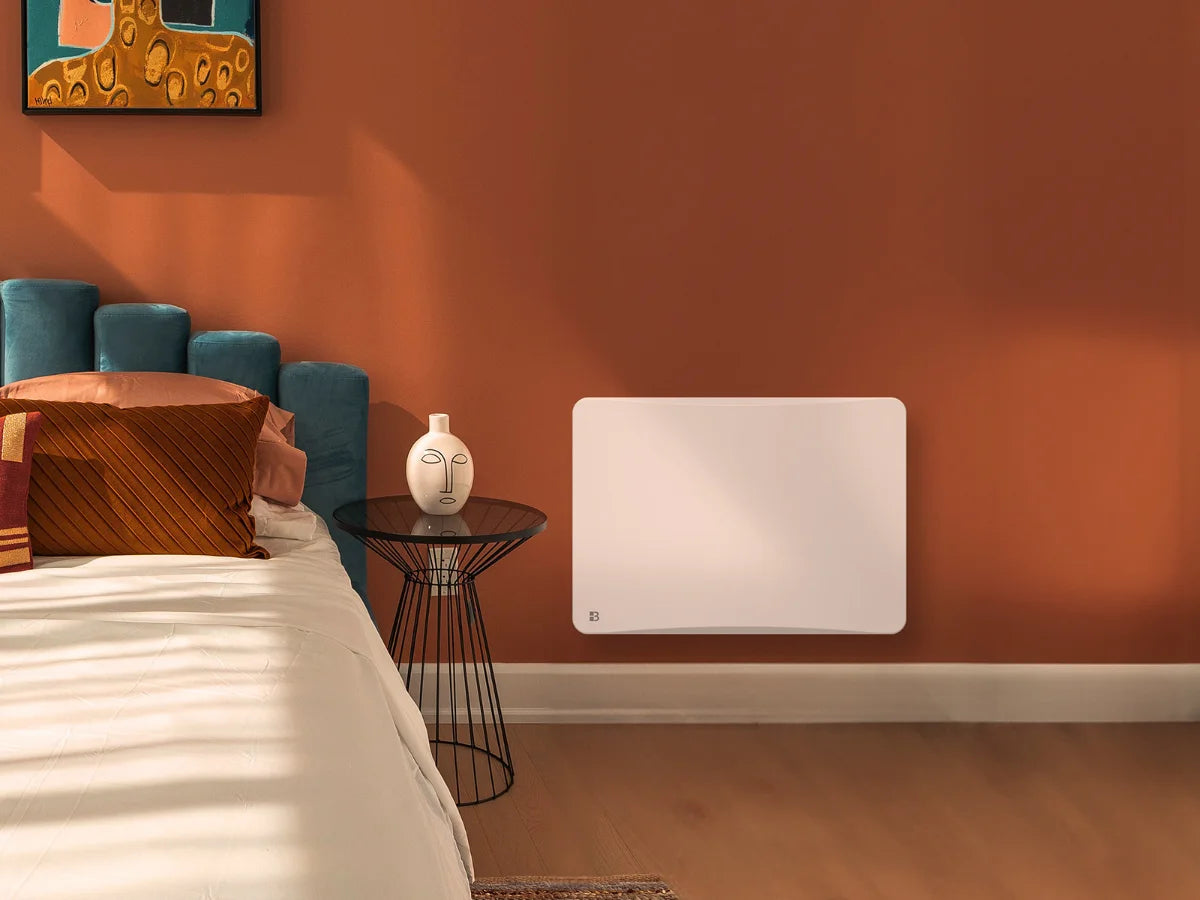
MOTU - Dry Inertia Cast Iron Radiator- Cast iron heating core for long-lasting warmth
- 3 preset programs and 1 customizable program
- Open window detection
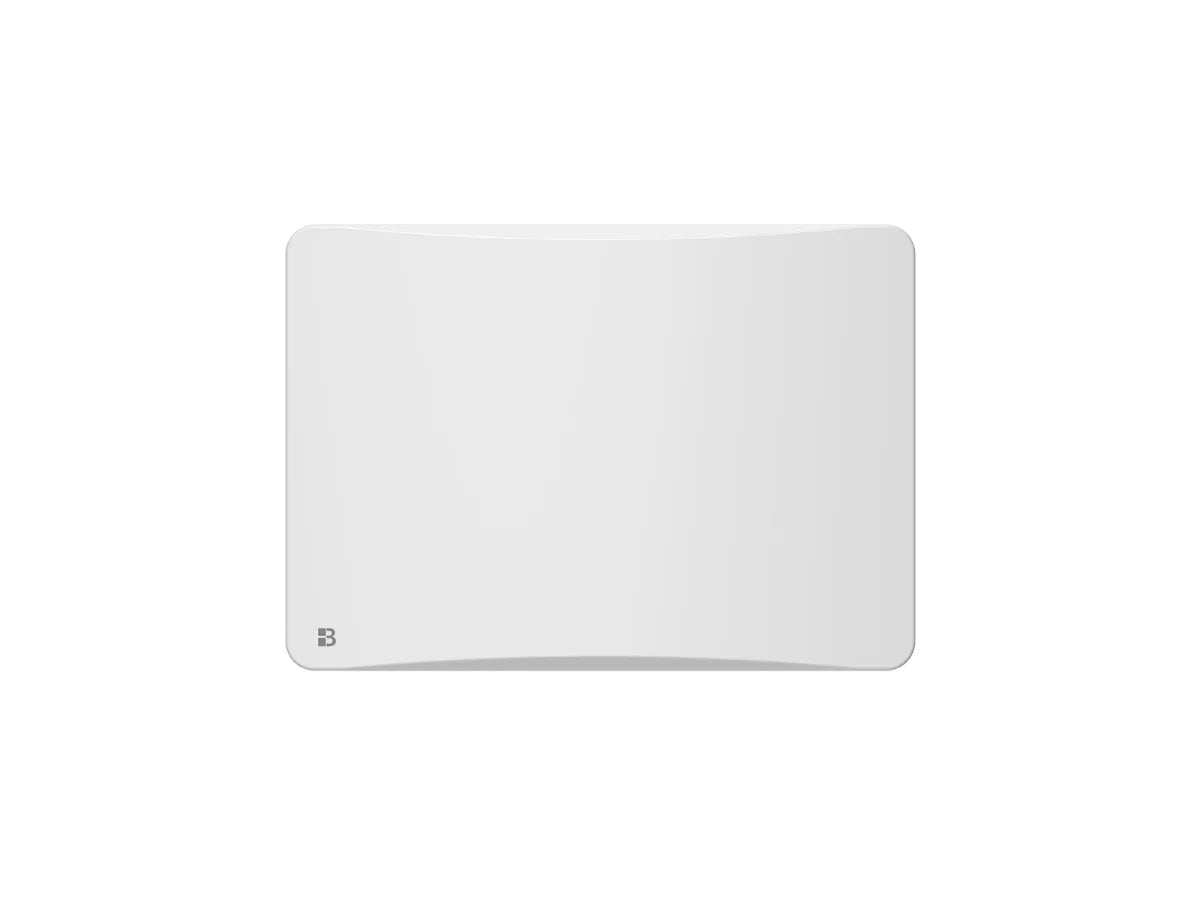
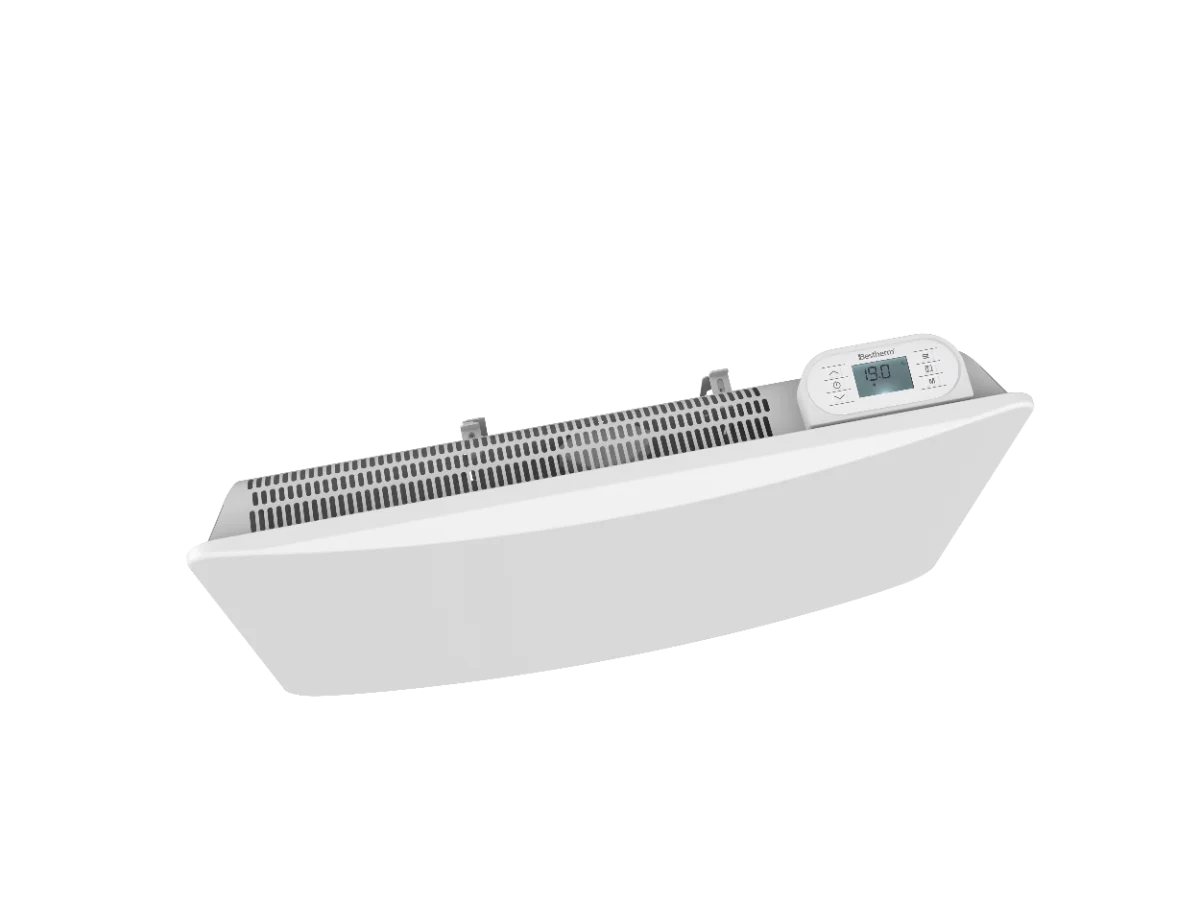
Radiator
OVEO - Ceramic Inertia Radiator- Ceramic heating element
- Replaceable thermostat
- 3 pre-set weekly programs and 1 customizable program
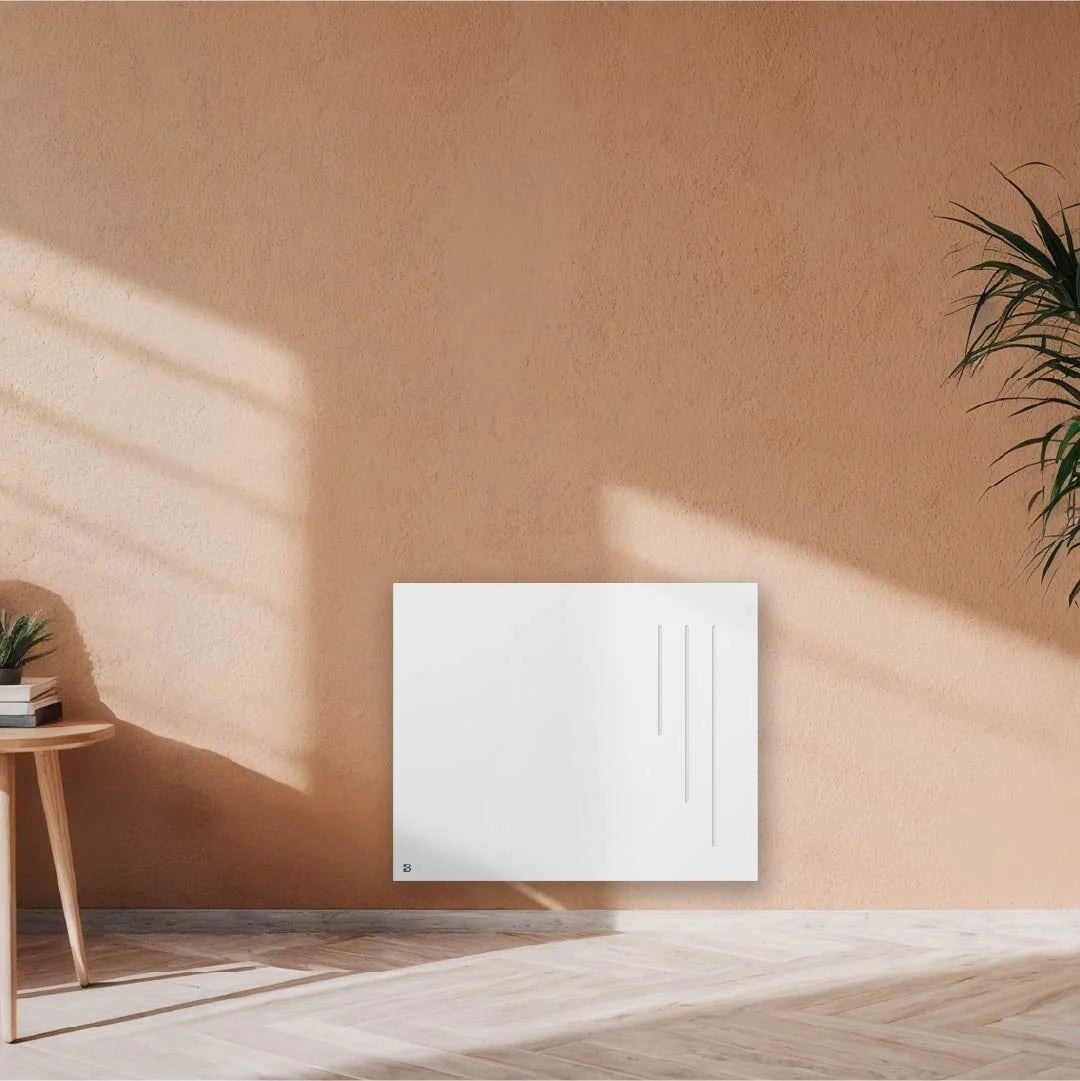
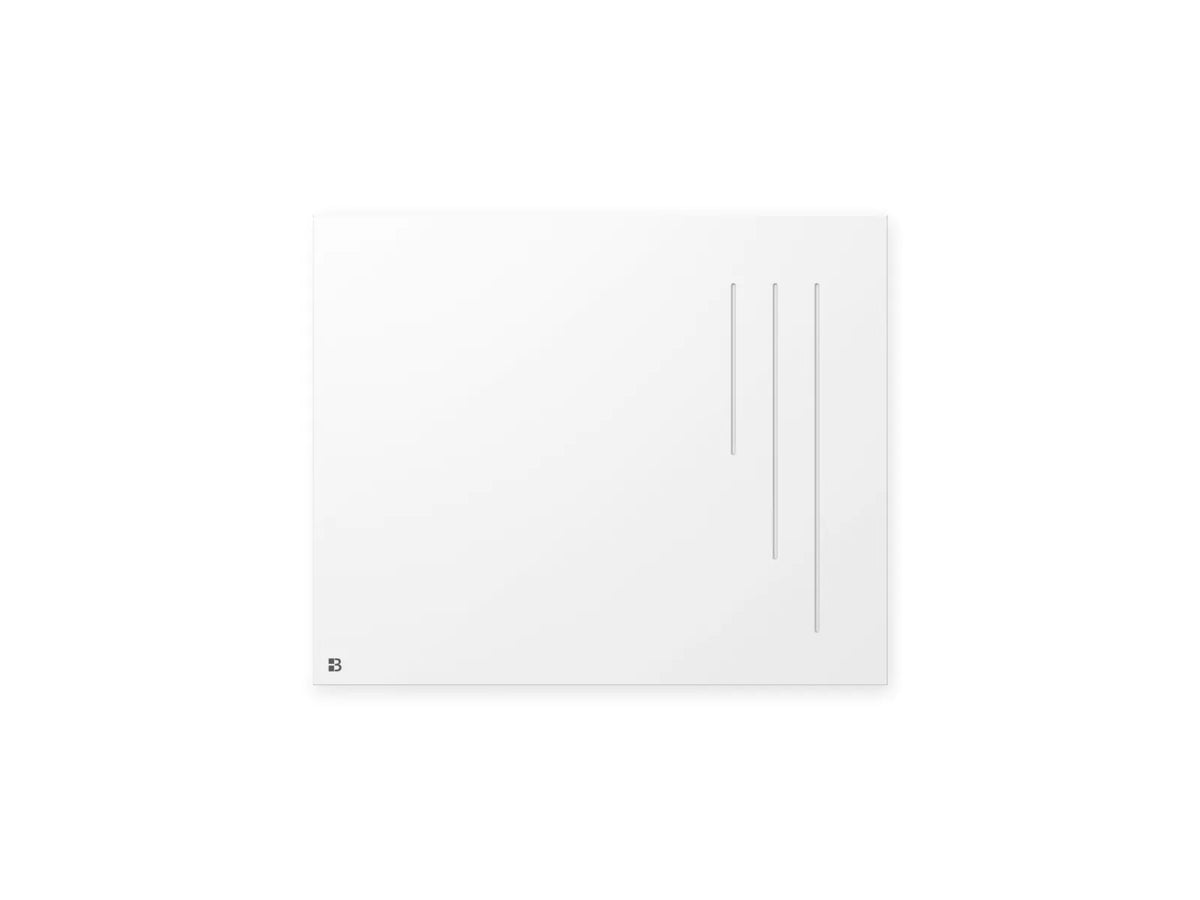
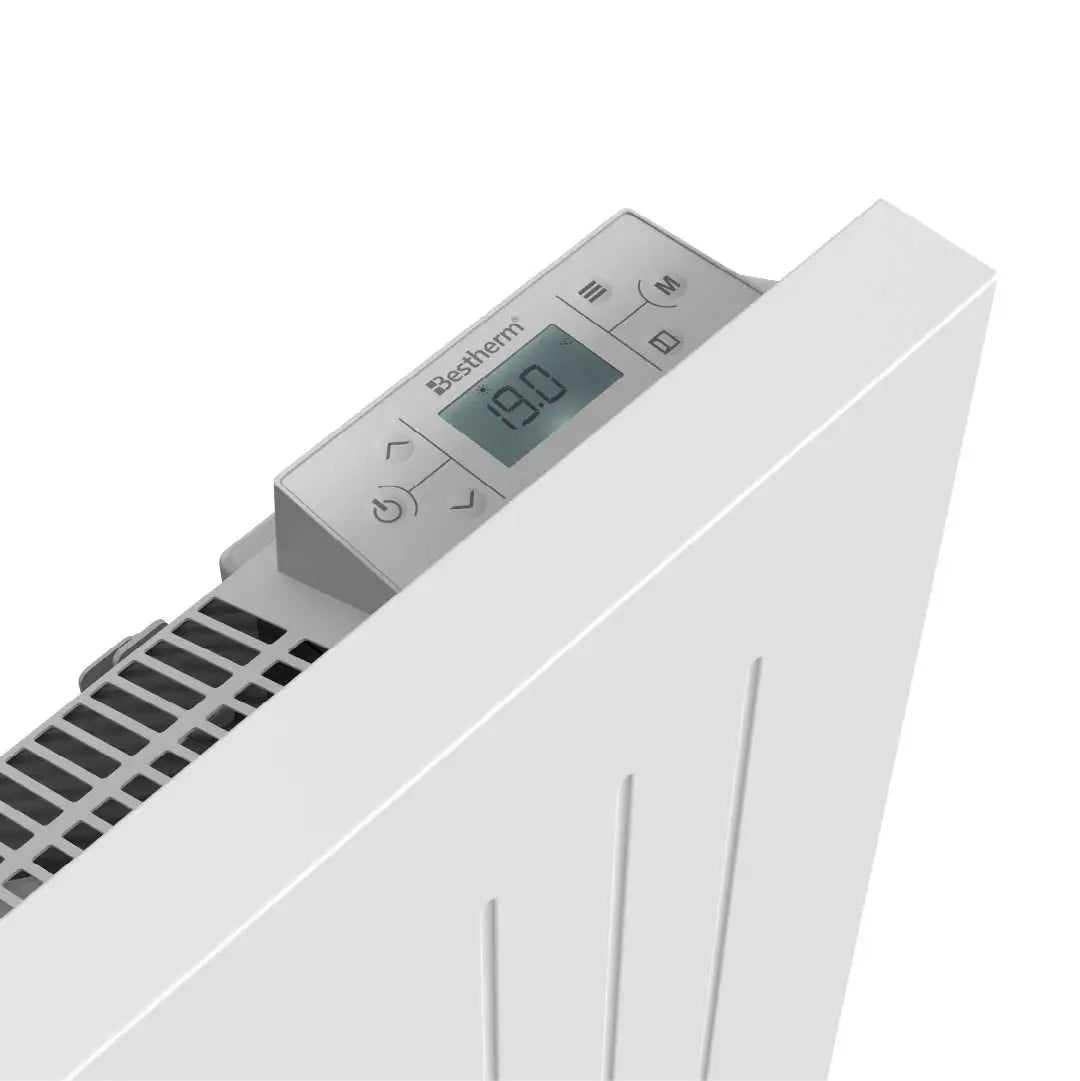
Radiator
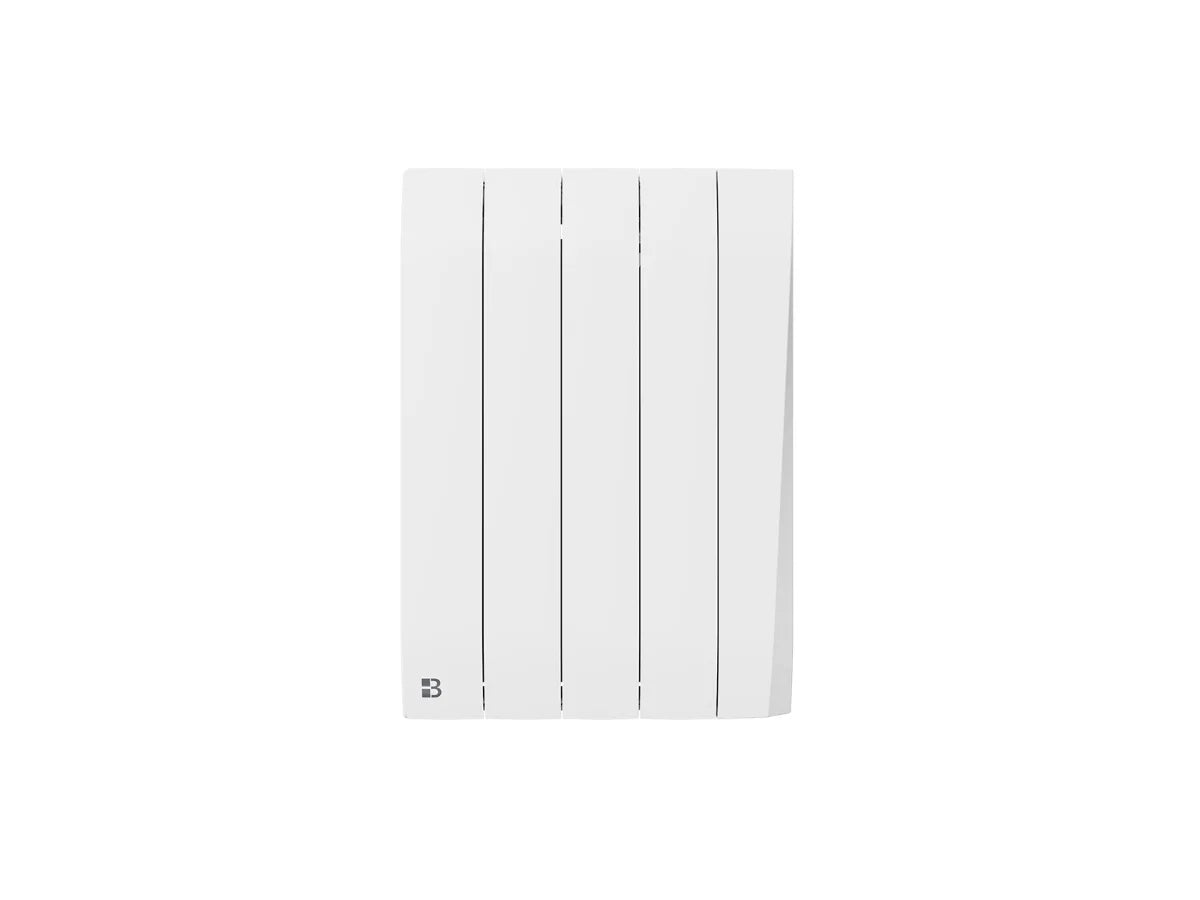
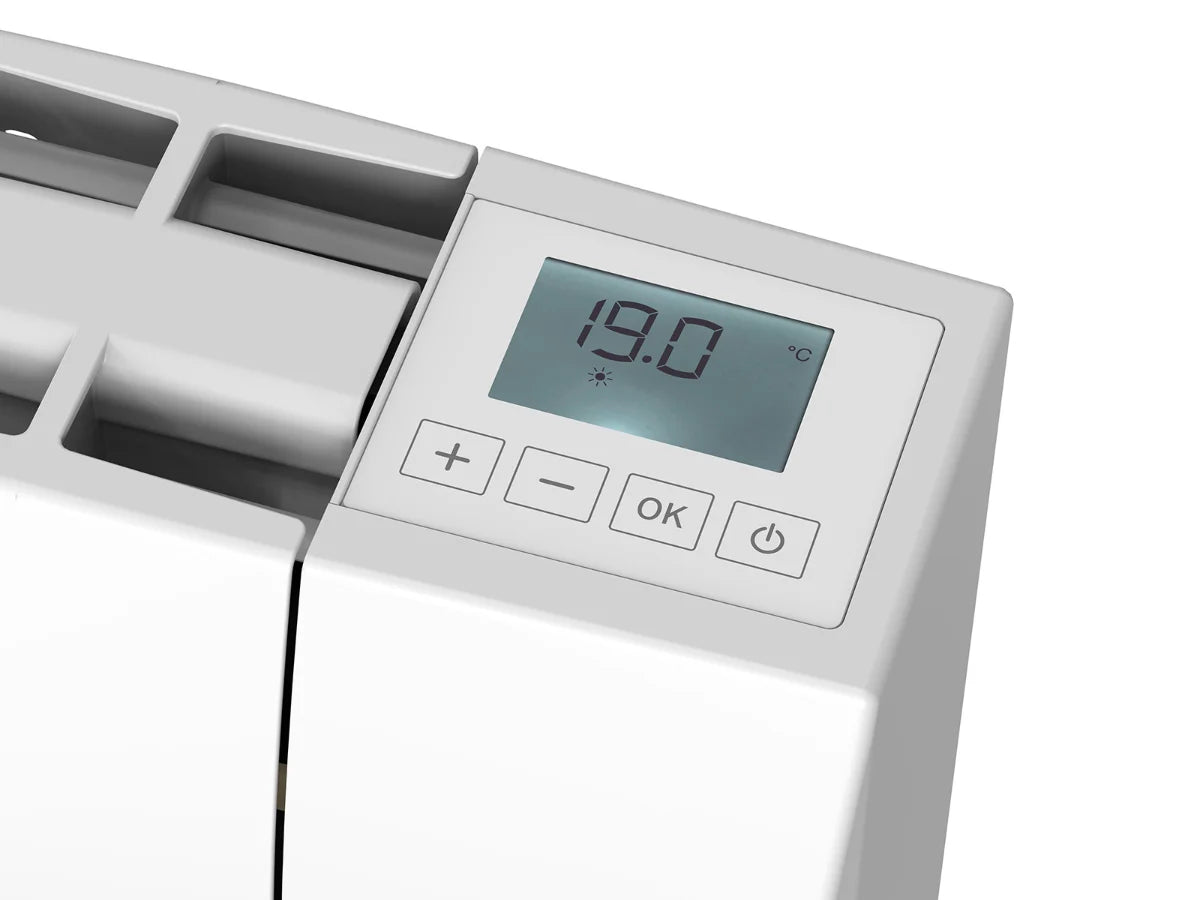
SPARK - Ceramic inertia radiator- Ceramic heating core
- Electronic thermostat and weekly programming
- Open-window detection and 6-command pilot wire
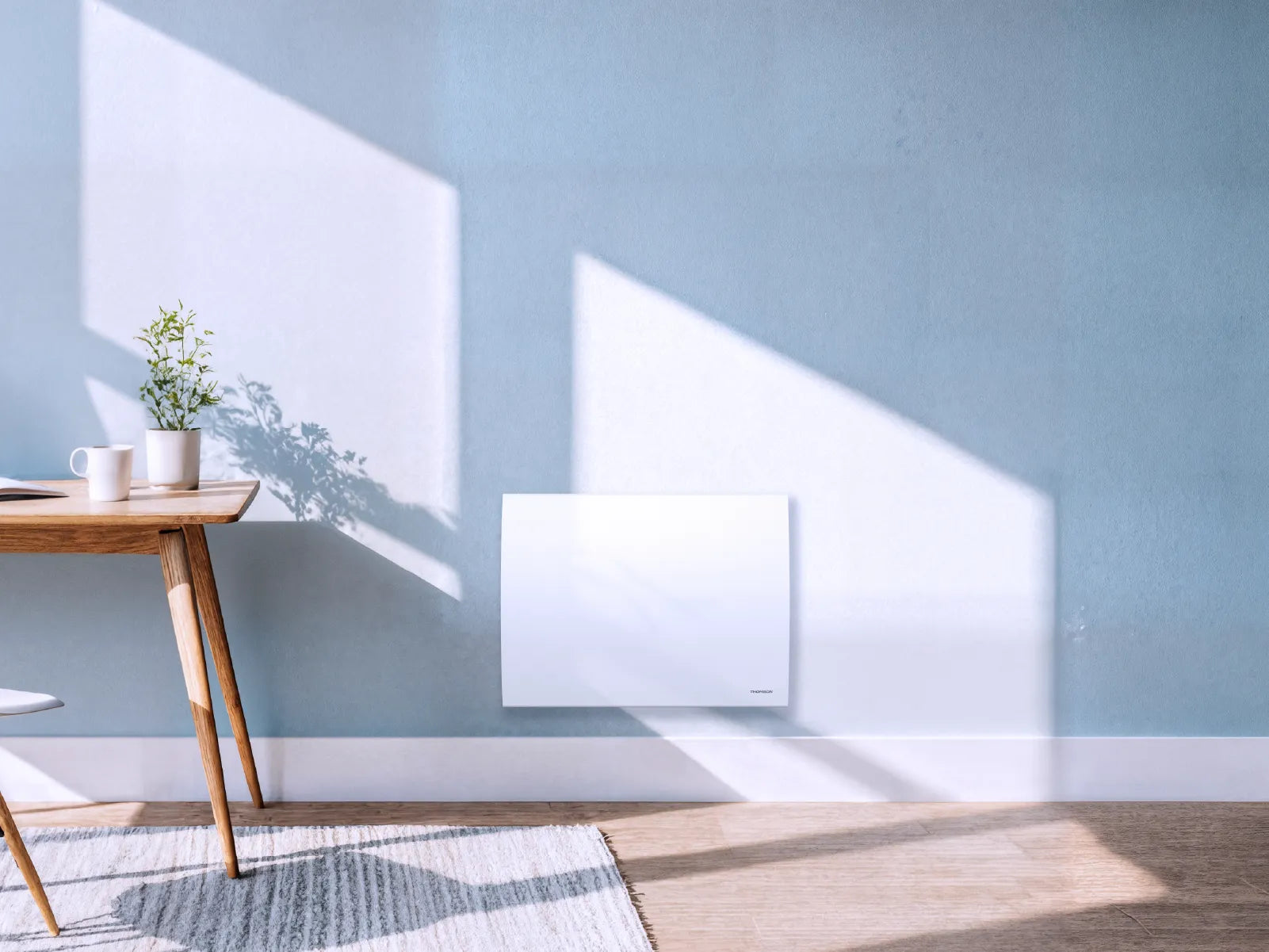

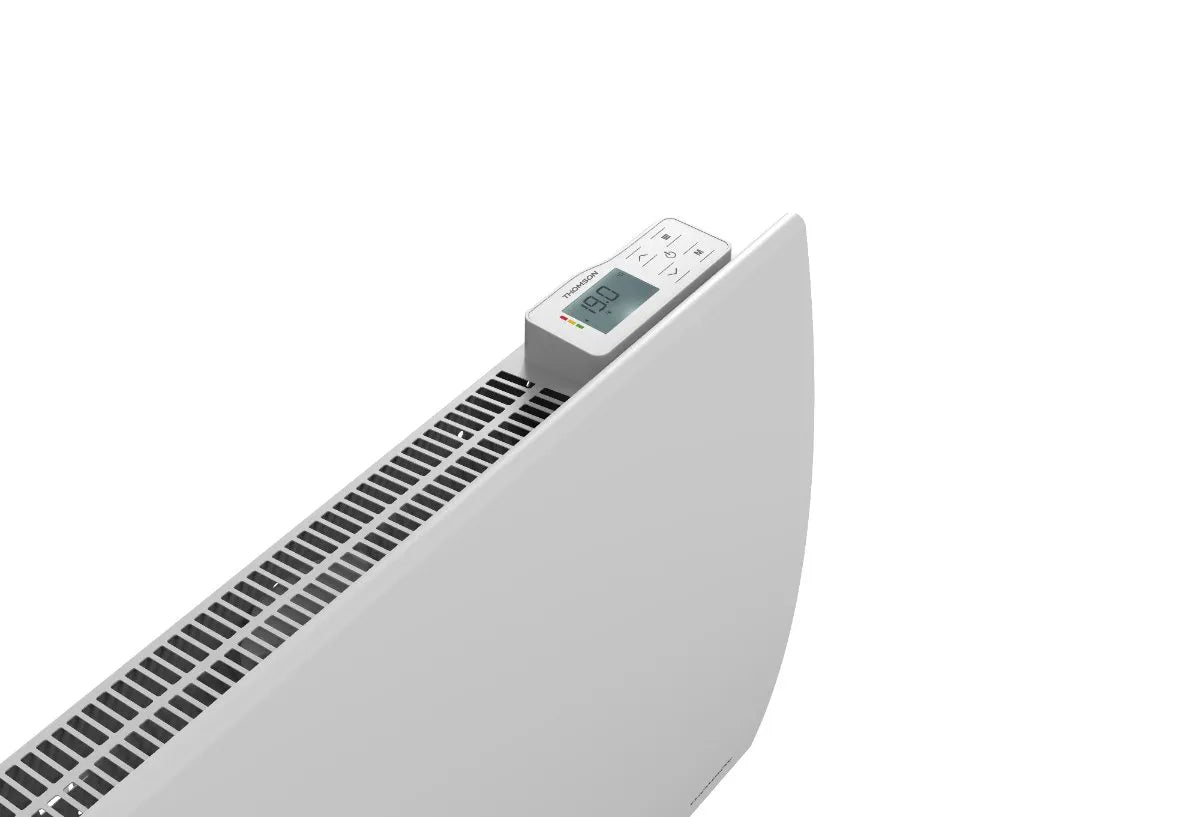
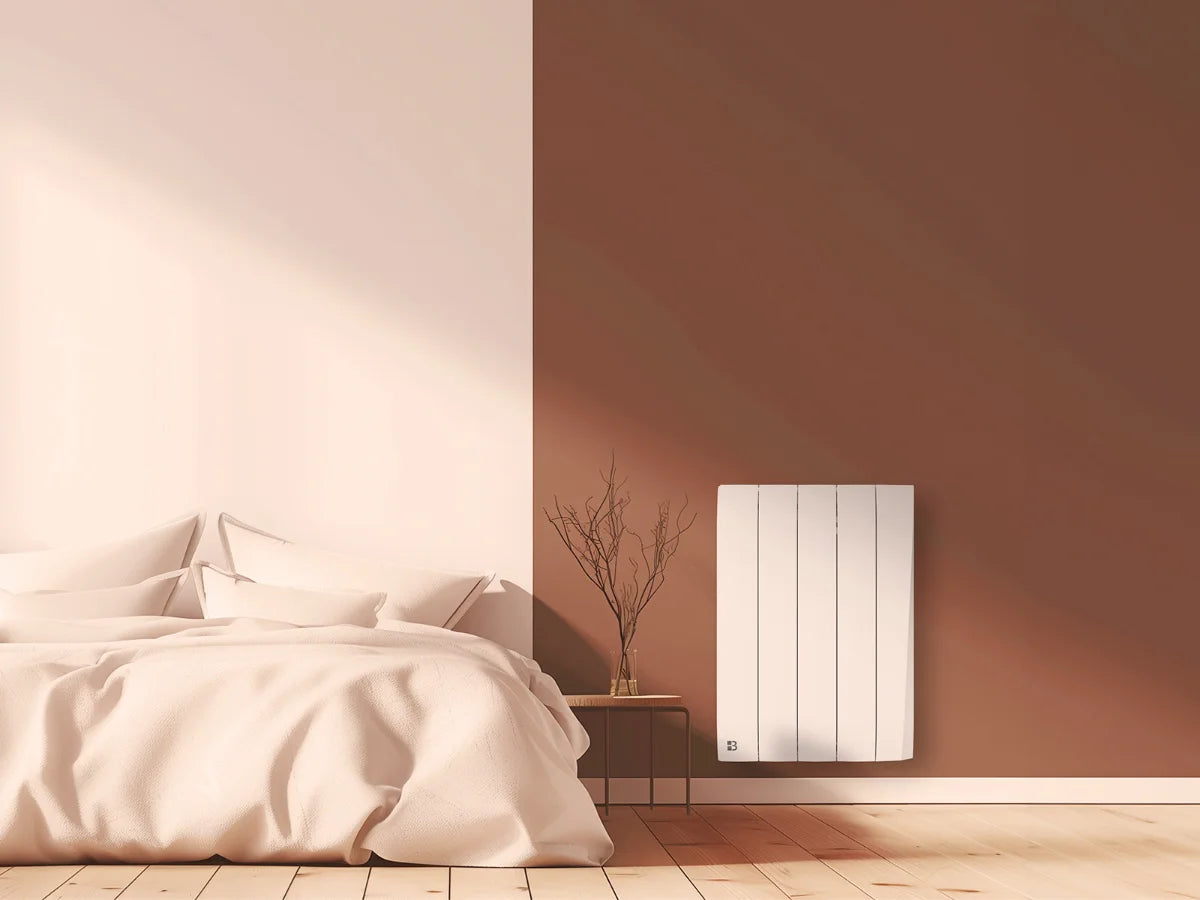
Radiator
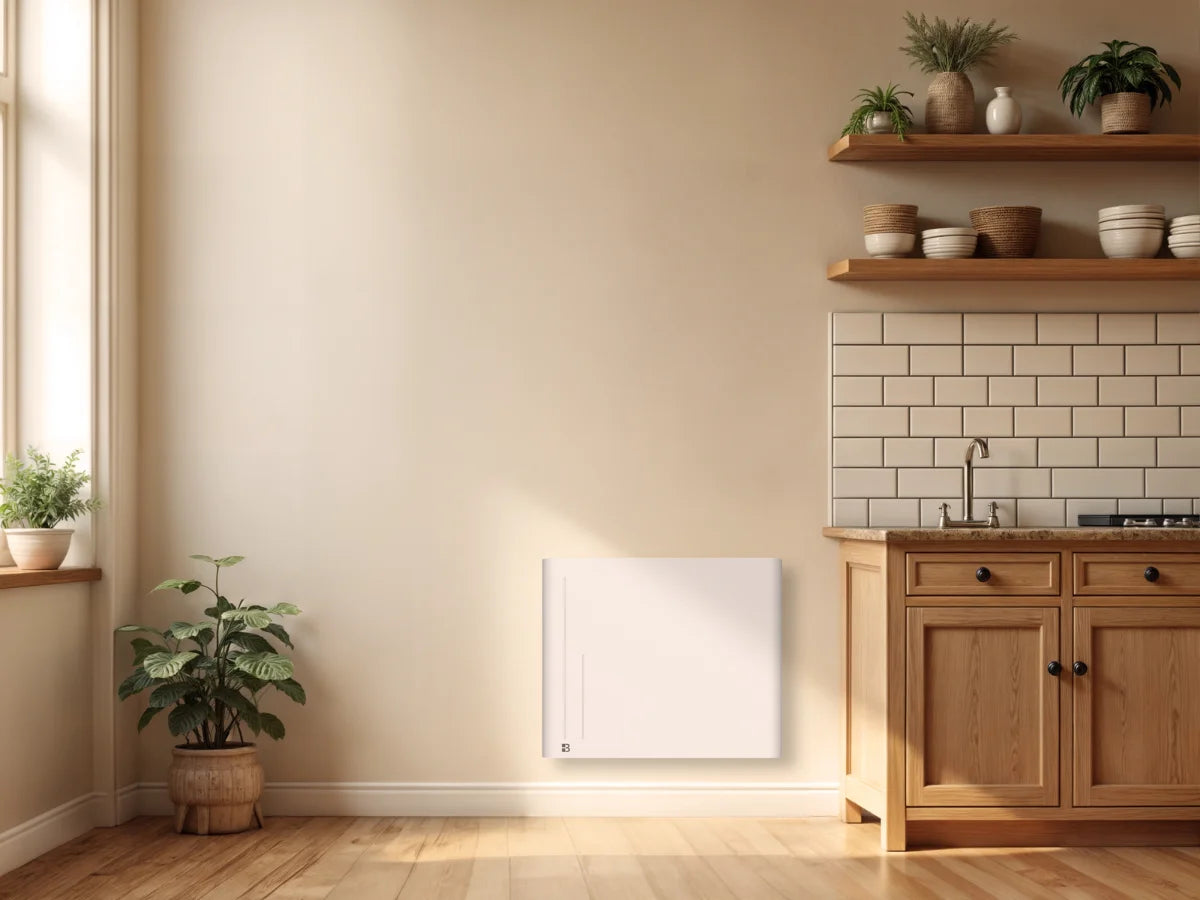
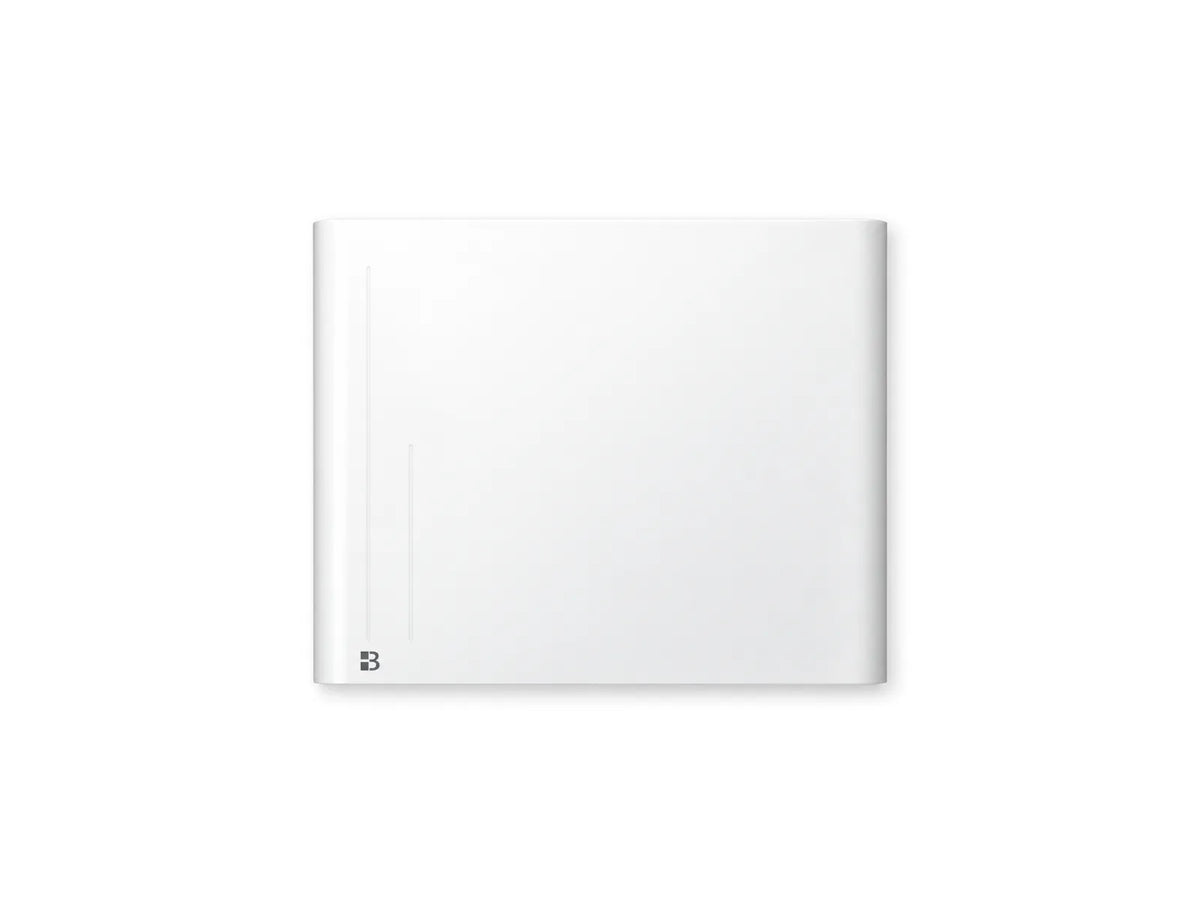
TIKEI - Ceramic Inertia Radiator- Ceramic heating core
- 7 preset and customizable daily programs
- 6-command pilot wire and open window detection
Radiator
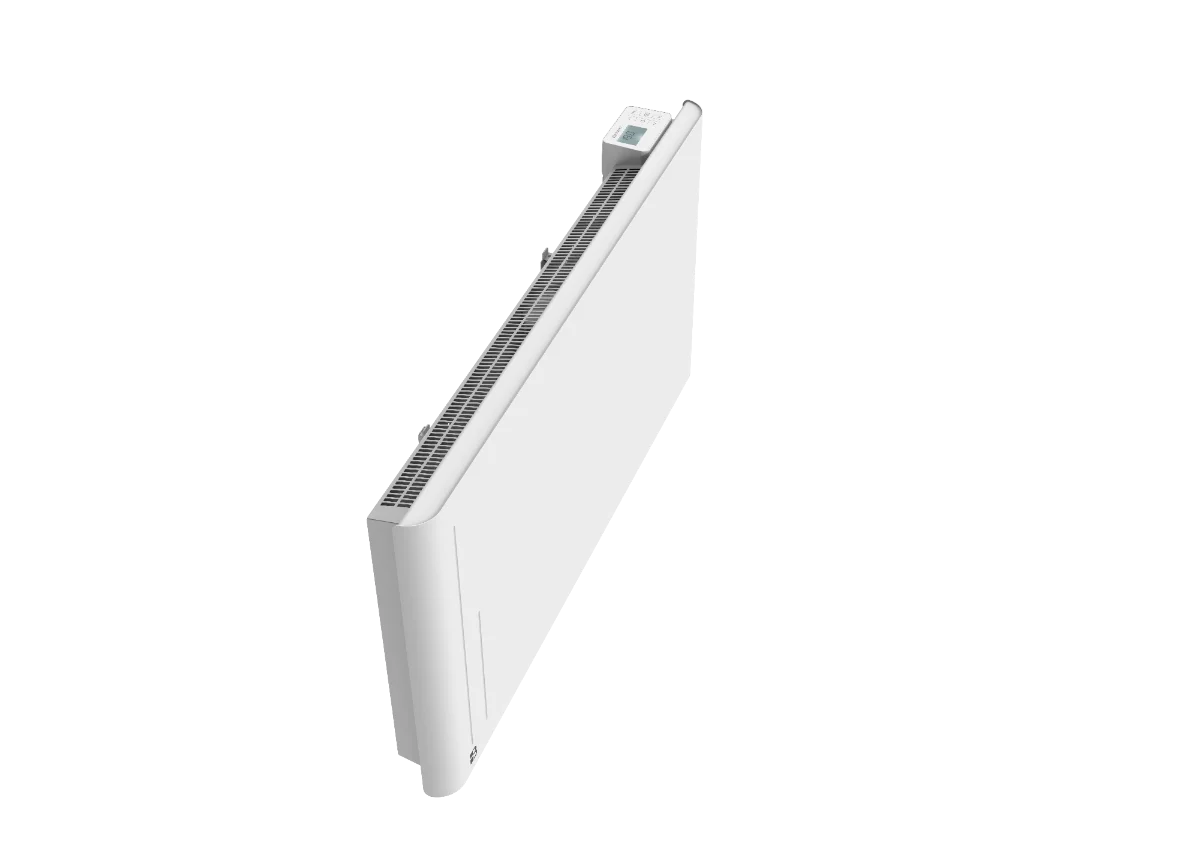
ALBA - Ceramic Inertia Radiator- Ceramic heating core
- 3 pre-programmed weekly schedules and 1 customizable schedule
- 6-command pilot wire and open-window detection
Radiator
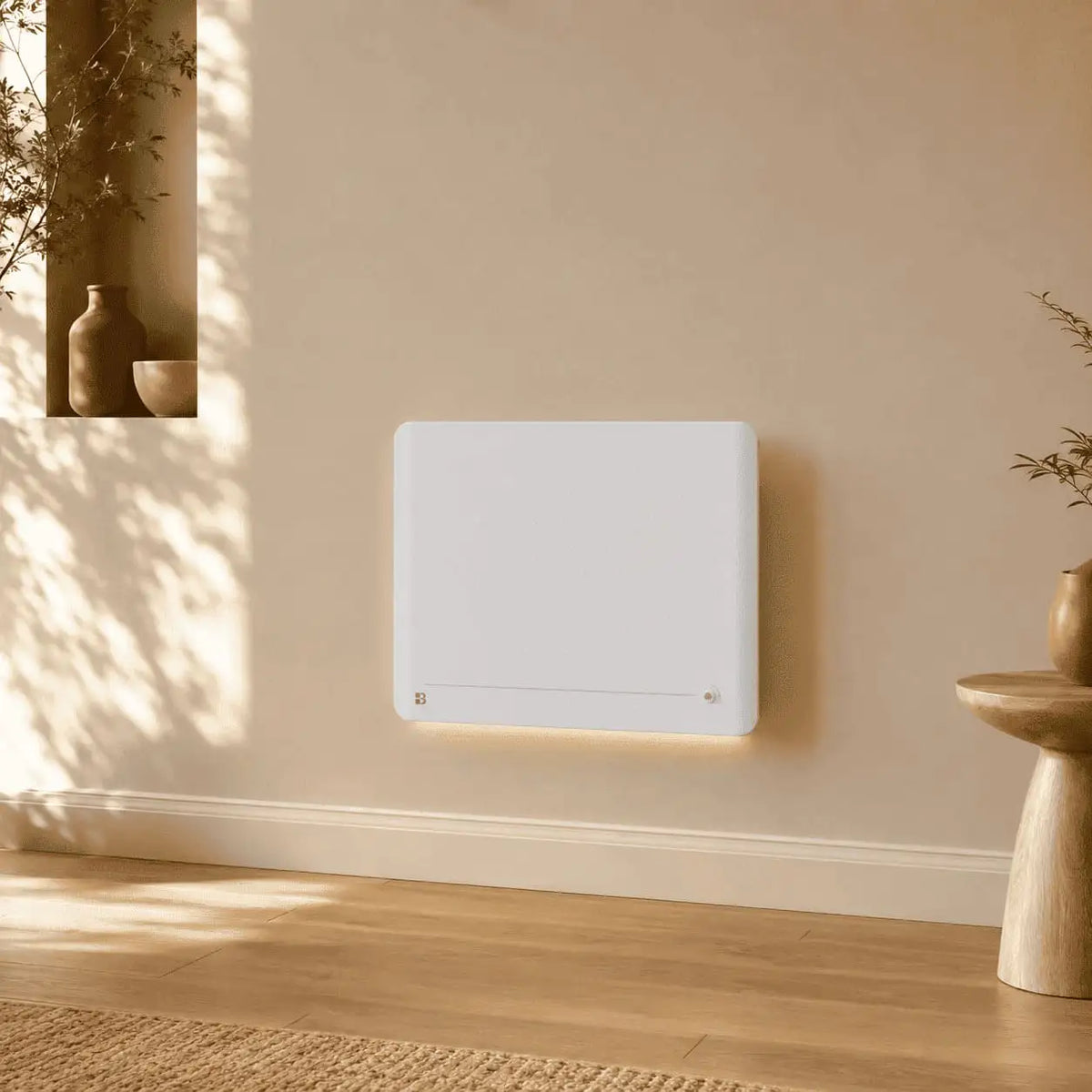
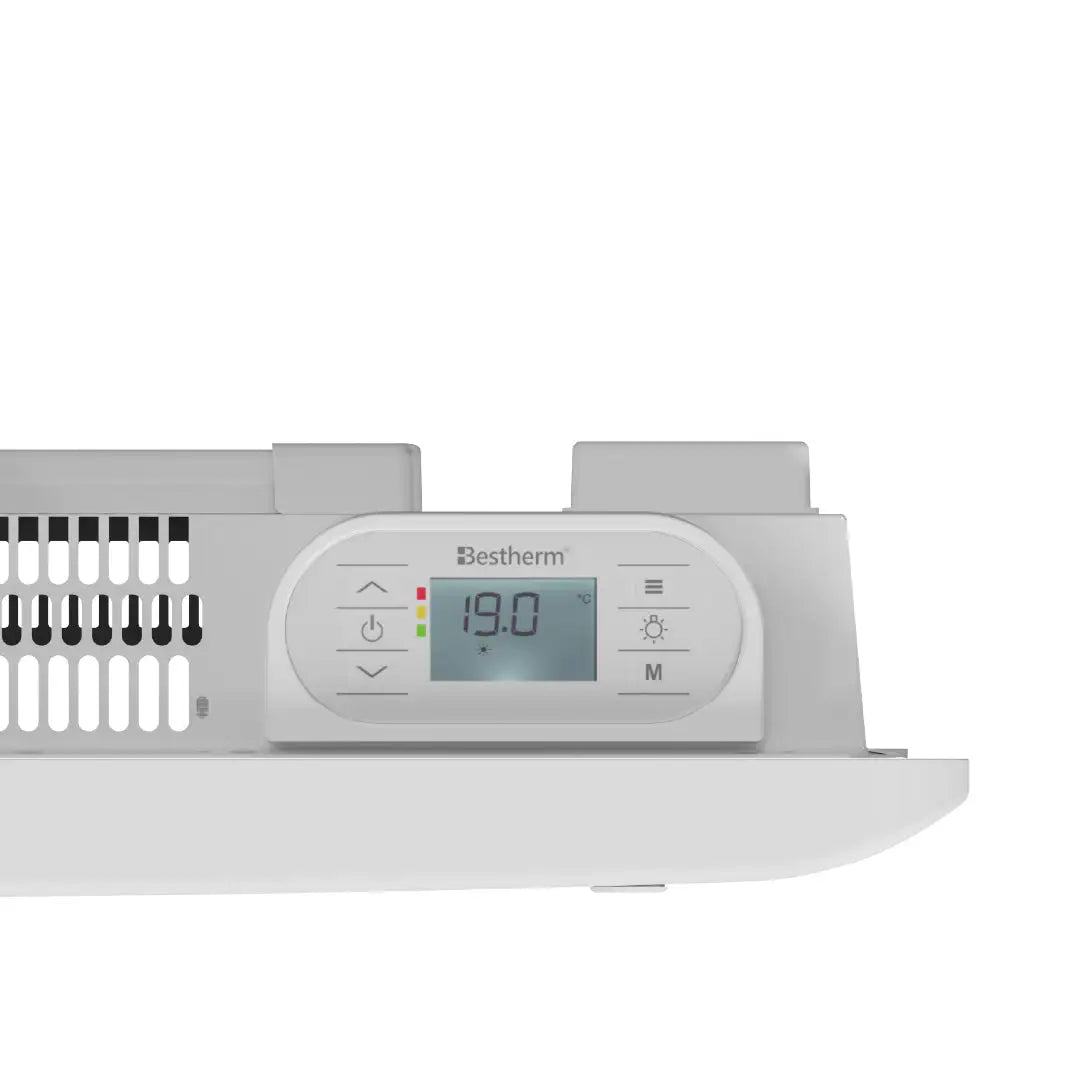
STELLINA - Ceramic inertia radiator with presence detector- Integrated LED lighting
- Presence sensor and open window detection
- Interchangeable thermostat
1000W dry-inertia electric radiator
Looking for heating for a small bedroom or office? A 1000W dry-inertia radiator may be suitable for heating a room of 8 to 10 m², depending on its insulation. Ceramic, cast iron, or dual heating core: each technology has its own features. Also remember to check the radiator's dimensions and the features you need for everyday use.
What area is a 1000 W dry-inertia radiator suitable for?
A 1000 W dry-inertia radiator can heat around 10 m² in a well-insulated home, compared with 8 m² in a less well-insulated home. These estimates are based on indicative heating requirements of 100 to 125 W per m². The area actually heated also depends on ceiling height, exposure, the number of windows, and the desired temperature.
| Home insulation | Indicative Wattage | Area covered by 1000 W |
|---|---|---|
| Good insulation: recently built or renovated home | 100 W/m² | Around 10 m² |
| Average to poor insulation: older home | 125 W/m² | Around 8 m² |
For a 12 m² bedroom, an output of 1250 to 1500 W will generally be more suitable, unless the home is very well insulated. For a larger room, compare the 2000 W dry-inertia radiators for large rooms. The recommended output per m² will help you refine your choice.
How much electricity does a 1000 W dry-inertia radiator use?
At full power, a 1000 W electric radiator uses around 1 kWh of electricity per hour. At an indicative price of €0.20 per kWh, one hour of continuous operation at full power costs around €0.20. This amount is for guidance only: check the current regulated rate with the Energy Regulatory Commission (CRE)* when you make your purchase.
In practice, a thermal inertia radiator does not necessarily run at full power continuously. Its thermostat regulates the heating according to the set temperature: once this is reached, the heating element switches off, while the heating core continues to release the stored heat. Actual consumption therefore depends on the insulation, the temperature setting and the length of use.
To estimate your heating costs, read our tips on how to estimate an electric radiator's energy consumption.
1000 W dry thermal inertia radiator: ceramic, cast iron or double heating element?
Ceramic, cast iron or double heating element: each technology has its advantages. For a bedroom heated for a few hours in the evening, you won't necessarily look for the same features as for an office used all day.
- Ceramic: it heats up quickly. It is particularly suitable for bedrooms and kitchens. The SPARK ceramic radiator is a model to consider for this type of use.
- Cast iron: it offers high thermal inertia and stable heat distribution over time. This technology is suitable for rooms occupied for long periods, such as an office. The MOTU cast iron thermal inertia radiator is available in 1000W.
- Double heating element: a heating film provides a quick feeling of warmth, then the heating core takes over to keep the heat flowing. The NEMESIS double cast iron and film heating element radiator is an example of this technology.
To compare the features of this option, browse our selection of double heating element radiators.
Which features should you look for in a 1000 W radiator?
Programming and detection features let you tailor the heating to your needs and limit unnecessary heating periods.
- Weekly programming: set heating schedules to suit your timetable and habits.
- Open window detection: if the temperature drops quickly, the radiator switches to frost protection mode to avoid heating unnecessarily.
- The 6-command pilot wire: it lets you control the different heating modes using a compatible programmer or centralized control system.
- The occupancy detector: available on some models, it adjusts the heating to whether the room is occupied. Check whether this option is available among the models with occupancy detection.
Bestherm tip: according to ADEME, a temperature of 17 °C is recommended in a bedroom at night. Program your radiator to automatically adjust the heating to your schedule.
Source: ADEME – https://agirpourlatransition.ademe.fr/particuliers/amenager-maison/chauffer/bons-gestes-chauffage-plus-economique
FAQ: 1000 W dry-inertia radiator
What area can a 1000 W dry-inertia radiator heat?
Expect to heat around 10 m² in a well-insulated home and 8 m² in a less well-insulated home, based on indicative requirements of 100 to 125 W/m². These figures should be adjusted to suit the characteristics of the room.
How much does it cost to run a 1000 W radiator for one hour?
At full power, expect to pay around €0.20 per hour at an indicative rate of €0.20/kWh. The exact cost depends on your electricity plan, and actual consumption is generally lower when the thermostat regulates the heating.
Is a 1000 W radiator enough for a 12 m² bedroom?
A power rating of 1000 W is generally insufficient for a 12 m² bedroom. A rating of 1250 to 1500 W is often more suitable, although a 1000 W radiator may be suitable in a very well-insulated home.
Should you choose ceramic or cast iron for a 1000 W radiator?
Ceramic is a good choice if you want the room to heat up quickly, especially in a bedroom or kitchen. Cast iron is a good option if you want more consistent warmth in a room that is occupied for long periods, such as a living room.
Can a 1000 W dry-inertia radiator be plugged into a power outlet?
No, the models concerned are connected directly to the single-phase electrical circuit, in accordance with the requirements of standard NF C 15-100. Check the connection instructions in the manual for your chosen model, and consult a qualified professional if necessary.
*https://www.cre.fr/consommateurs/comprendre-les-tarifs-reglementes-de-vente-delectricite-trve.html
Updated on 09/10/2026