
Filters
Radiator
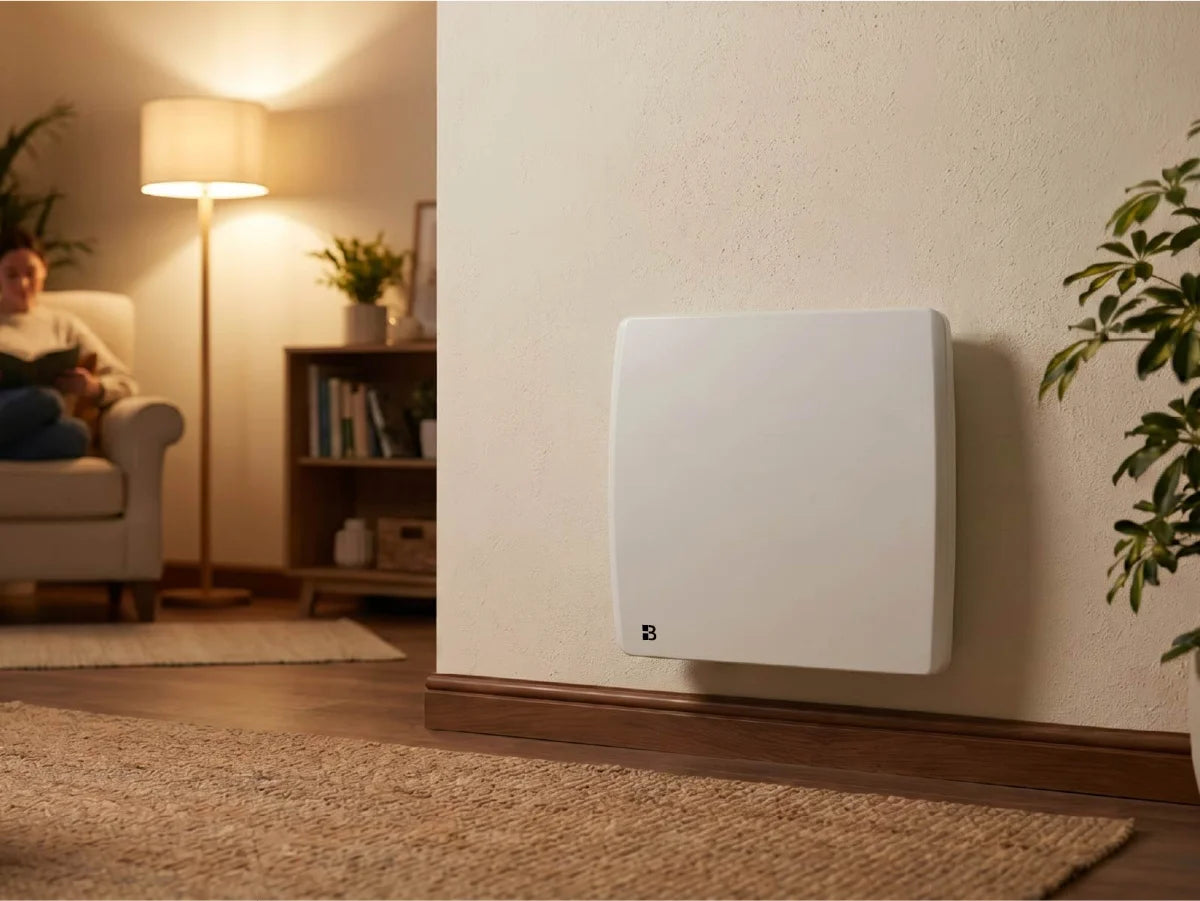
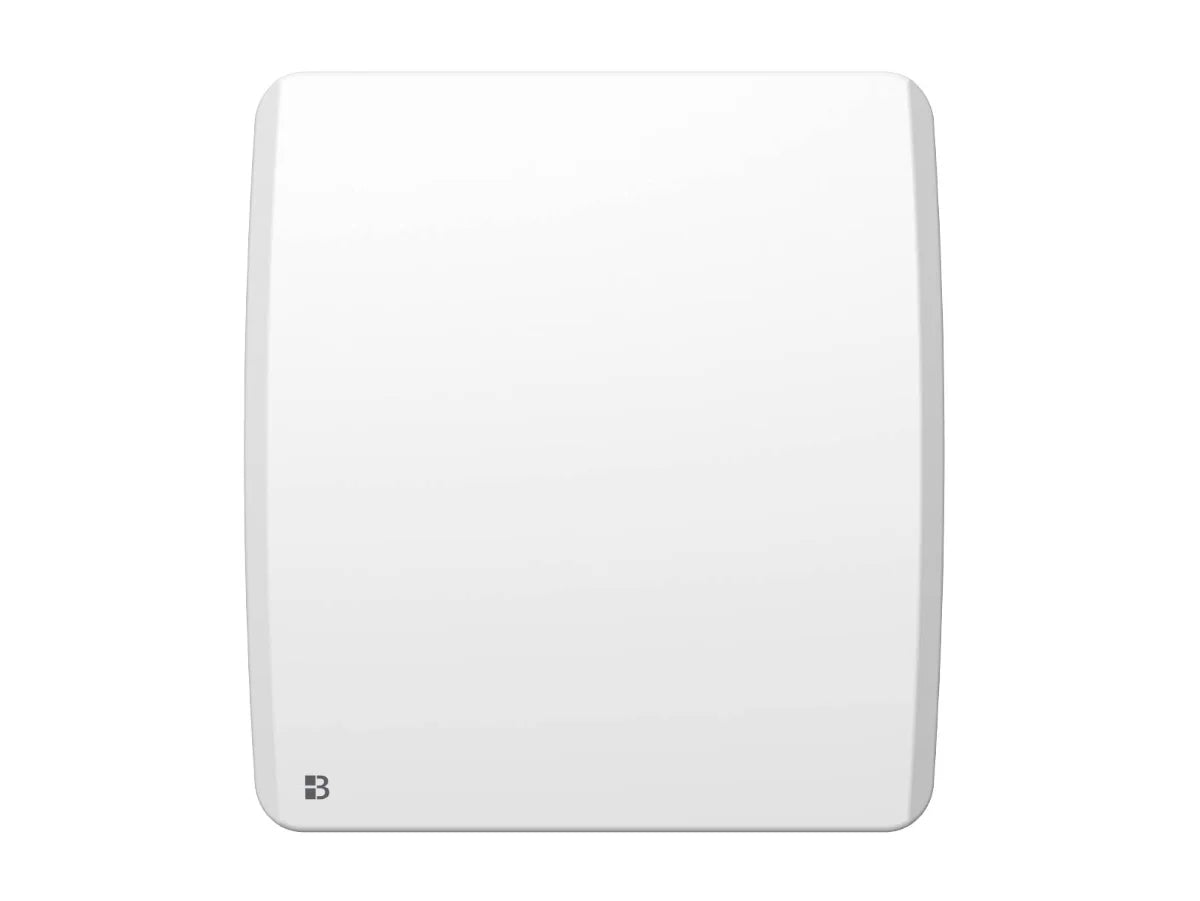
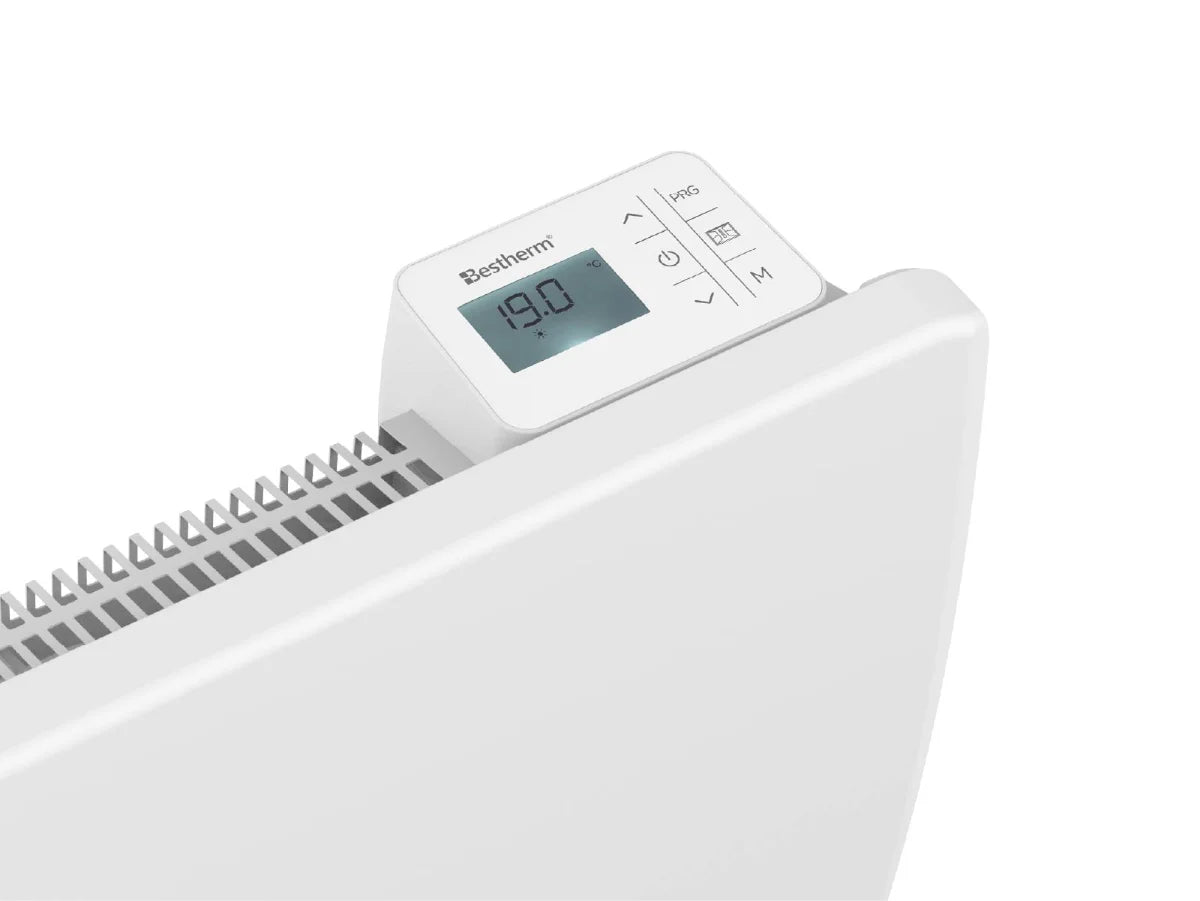
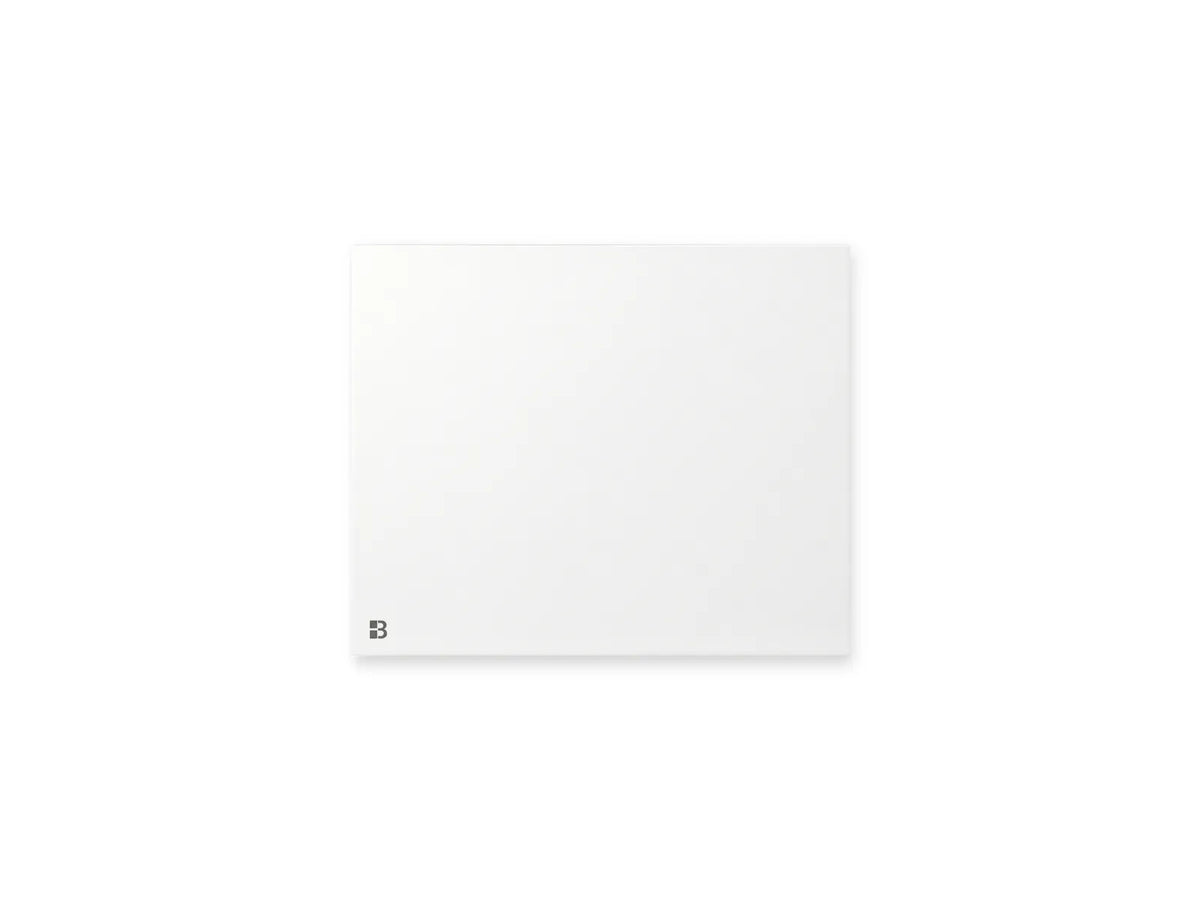
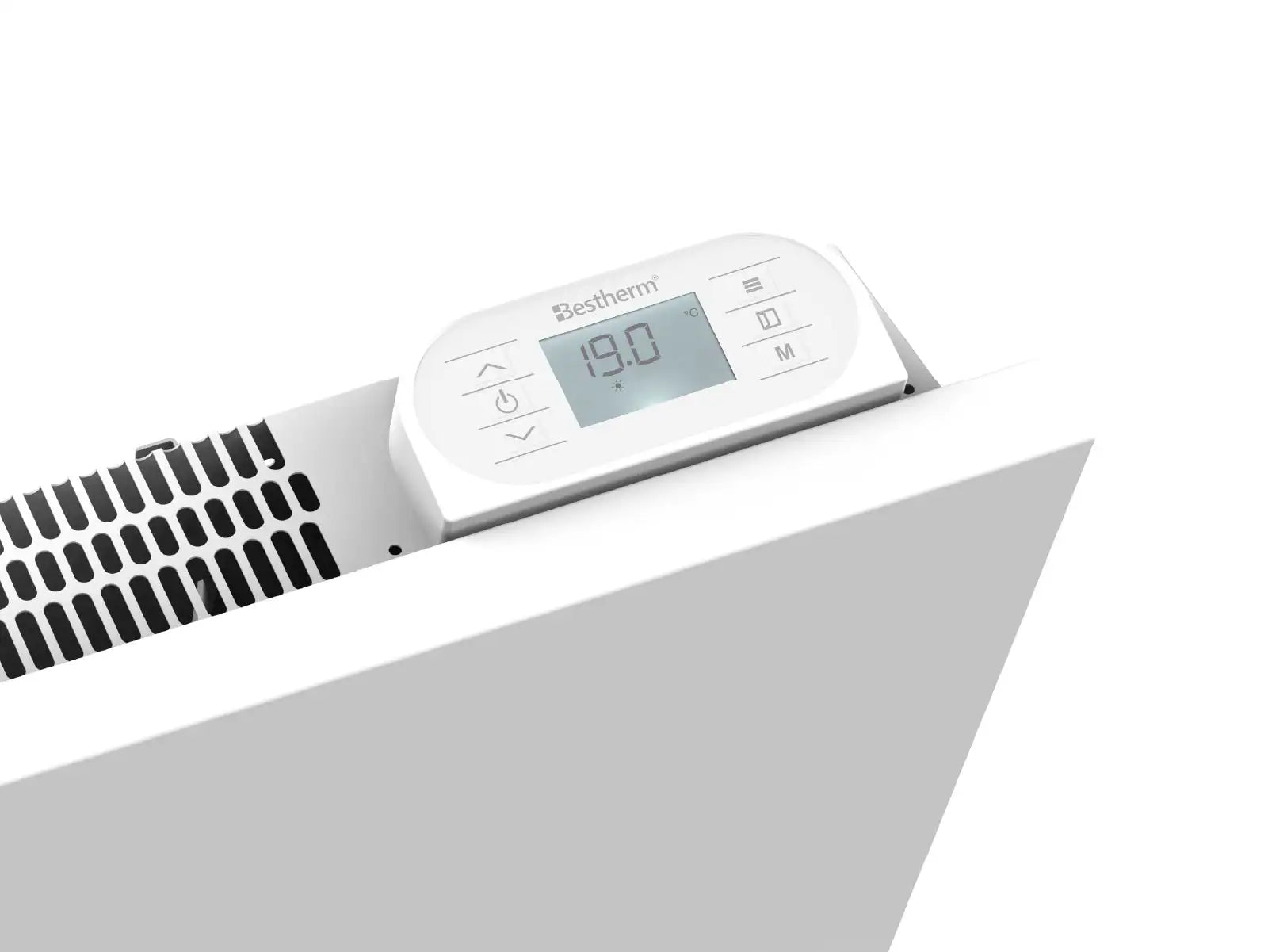
ARIA - Ceramic Inertia Radiator- Ceramic heating core
- 3 pre-set weekly programs and 1 customizable program
- 6-command pilot wire and open-window detection
Radiator
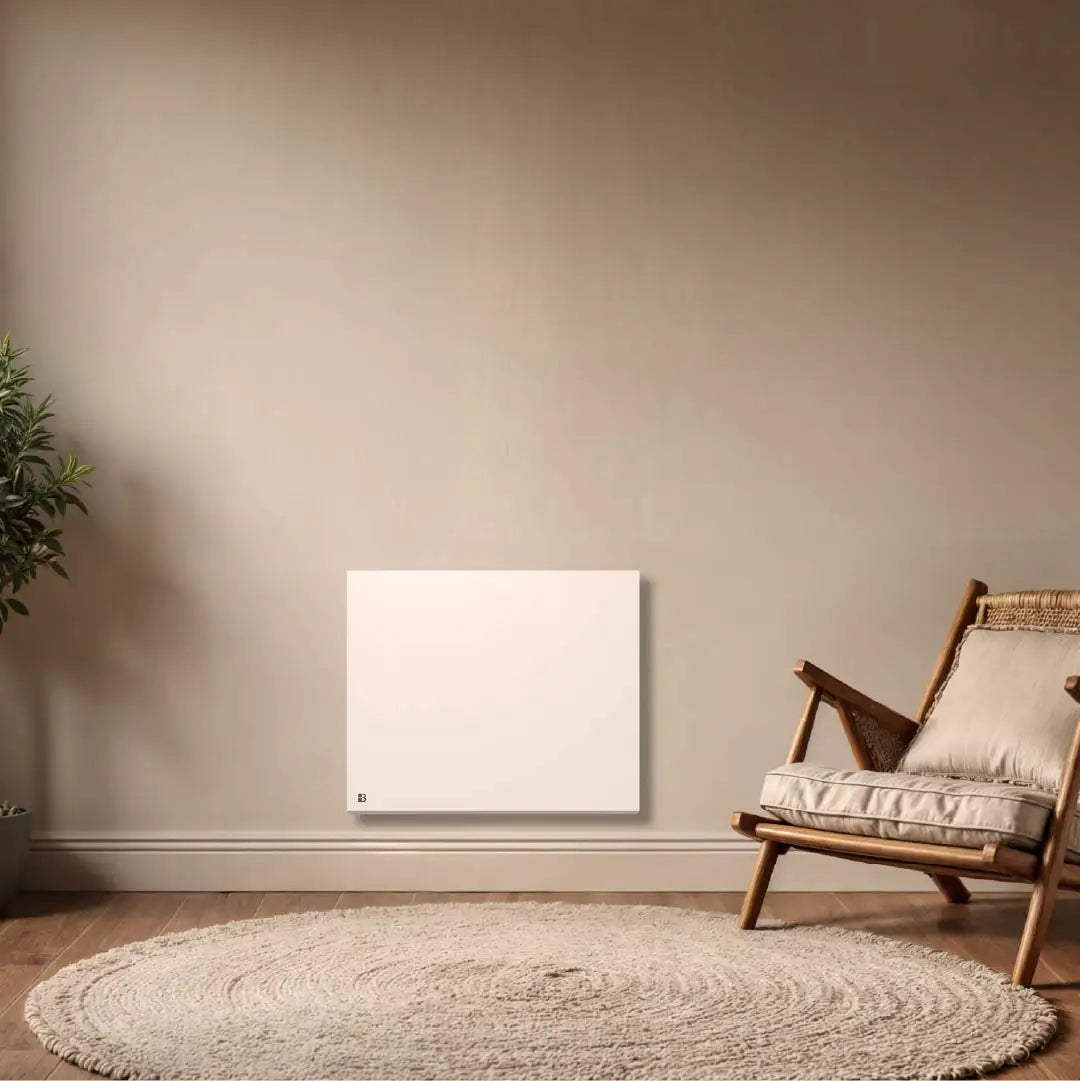
NESSA CONNECT - Connected Ceramic Inertia Radiator- Remote control via Bestherm Connect
- Real-time electricity consumption monitoring
- Ceramic heating element and customizable weekly programming
Radiator
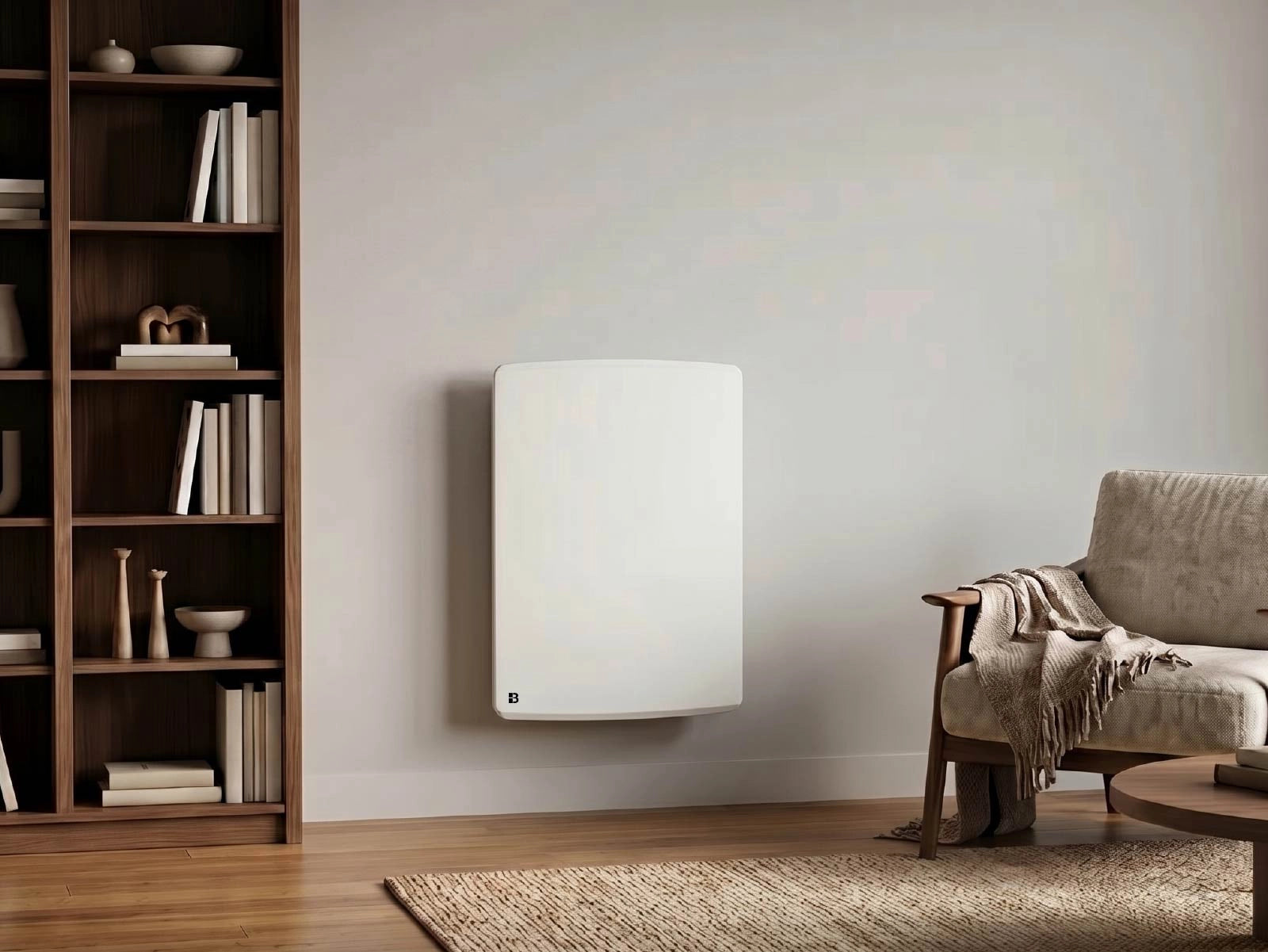
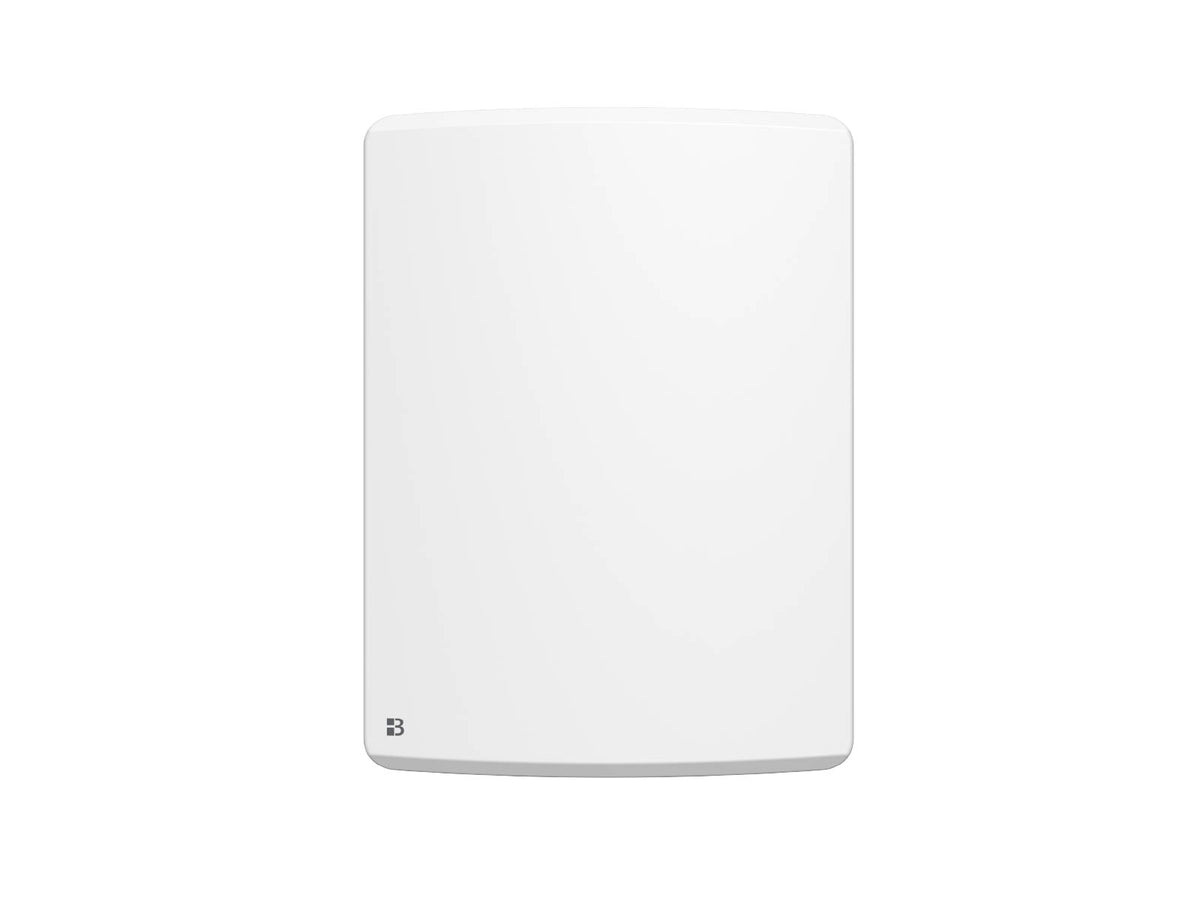
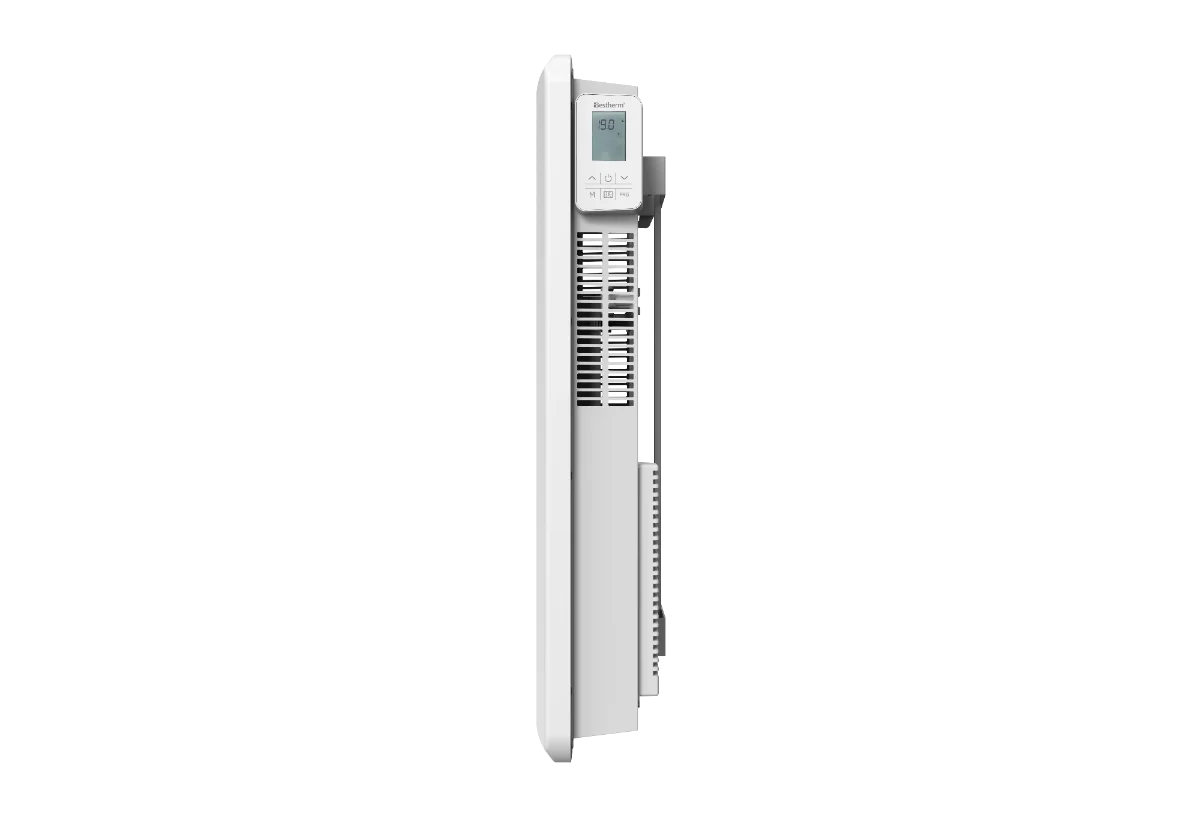
ARIA VERTICAL - Vertical ceramic inertia heater- Vertical format with ceramic heating element
- 3 pre-programmed weekly schedules
- Electronic thermostat with open window detection

Radiator
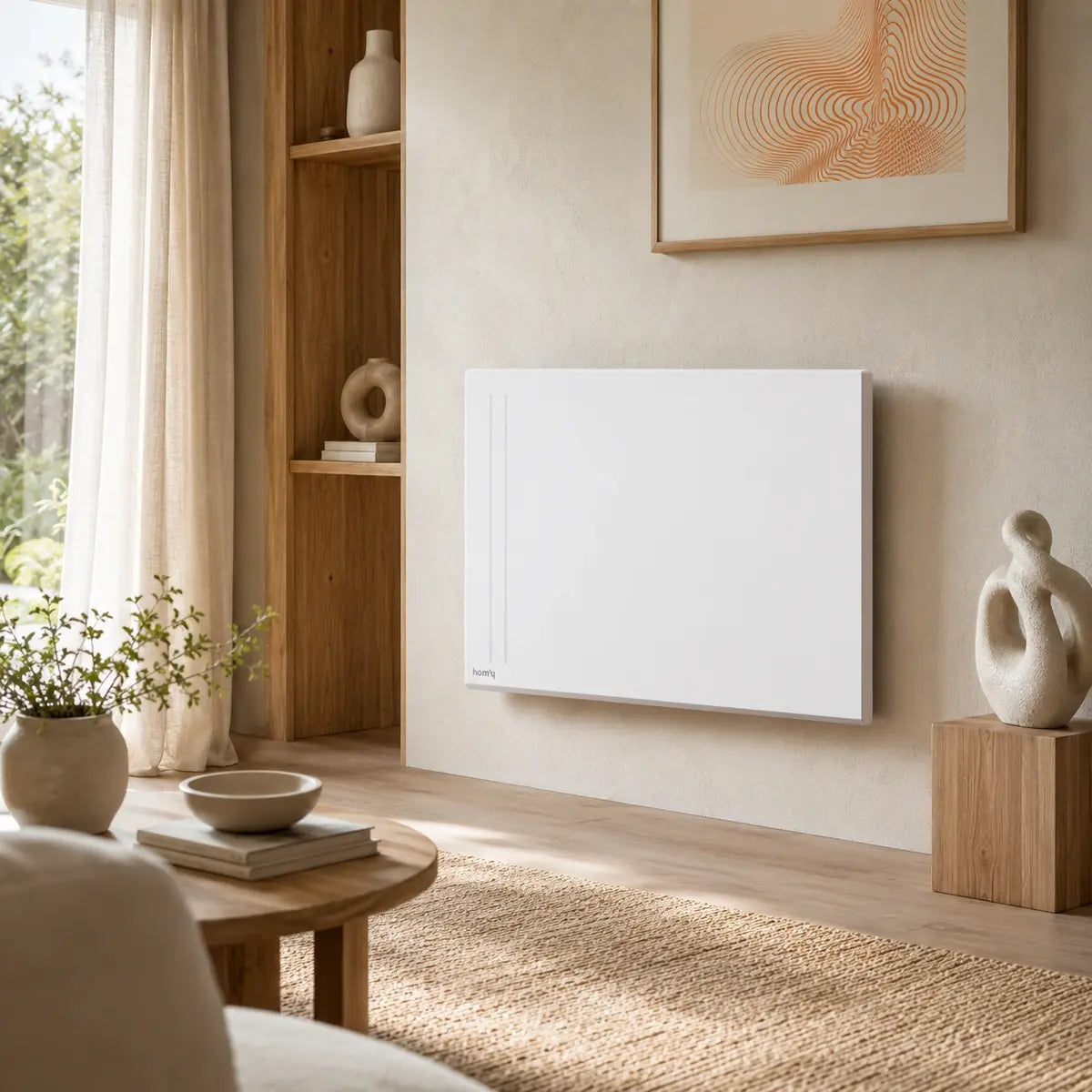
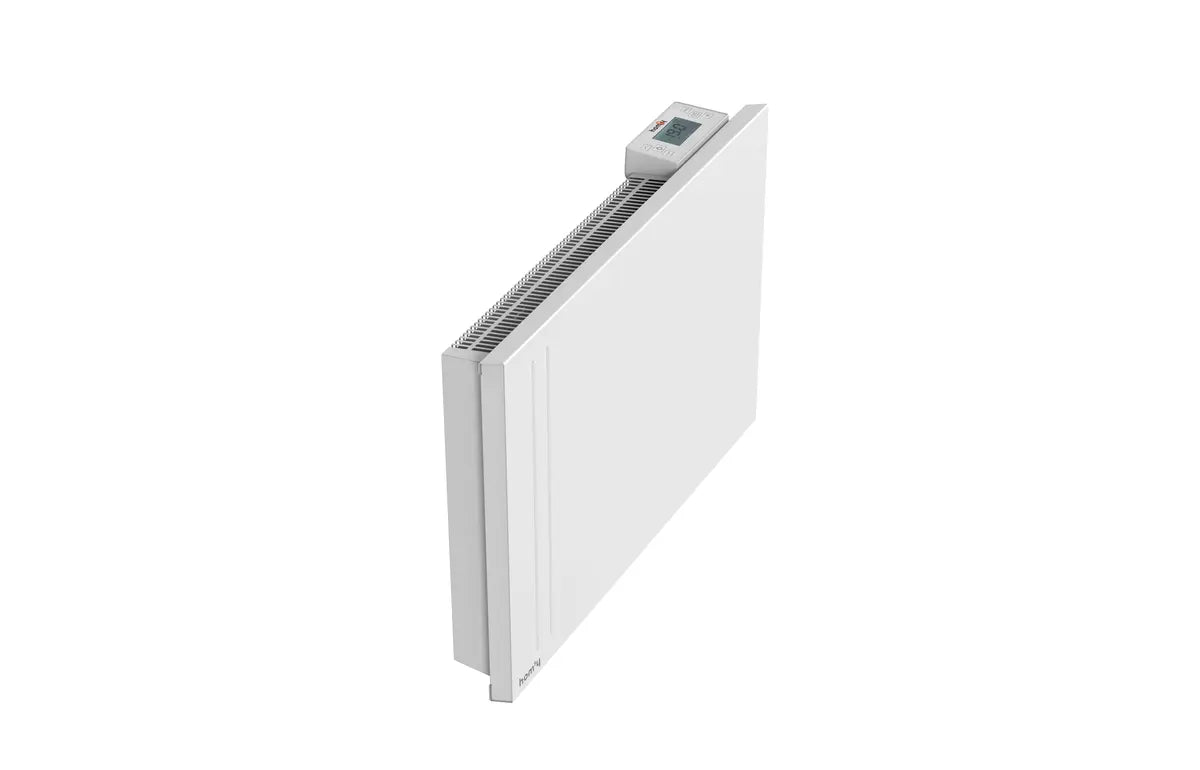
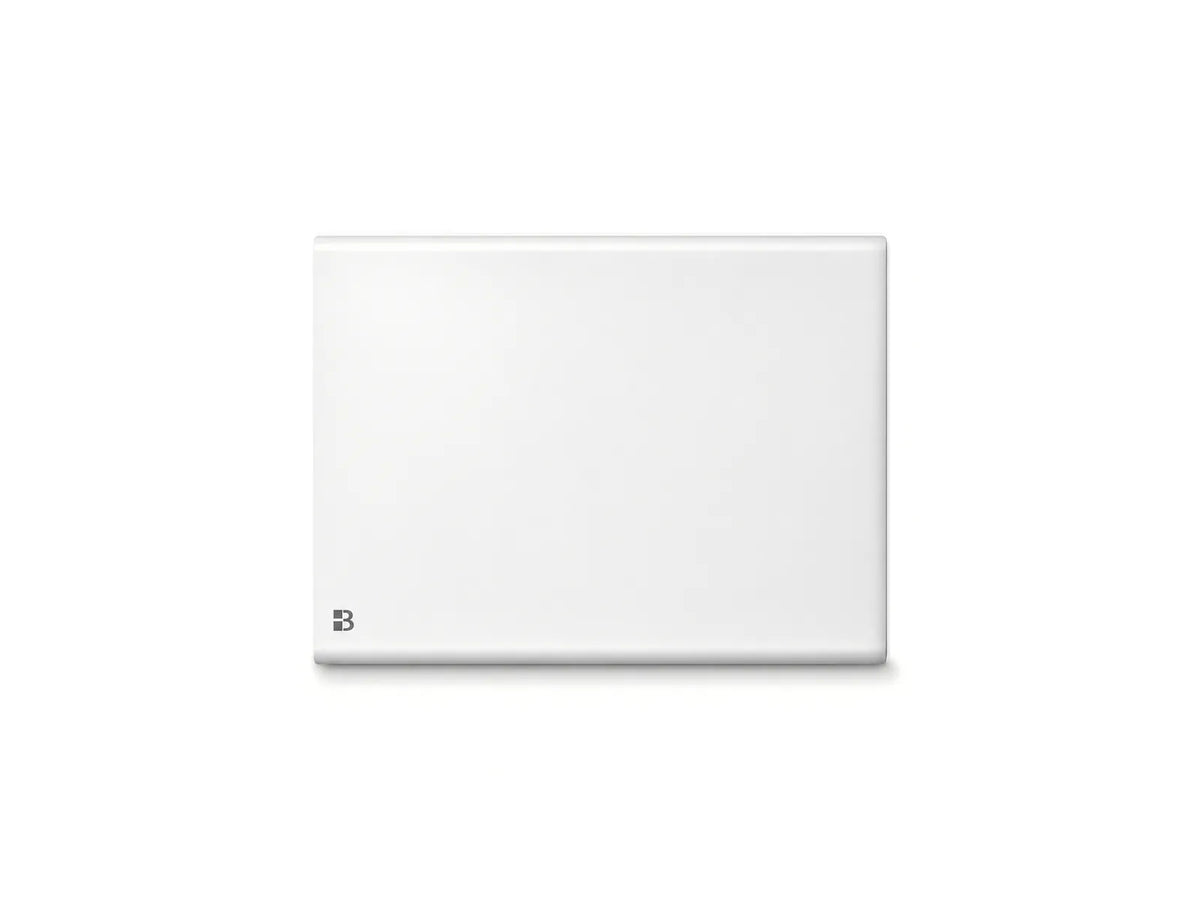
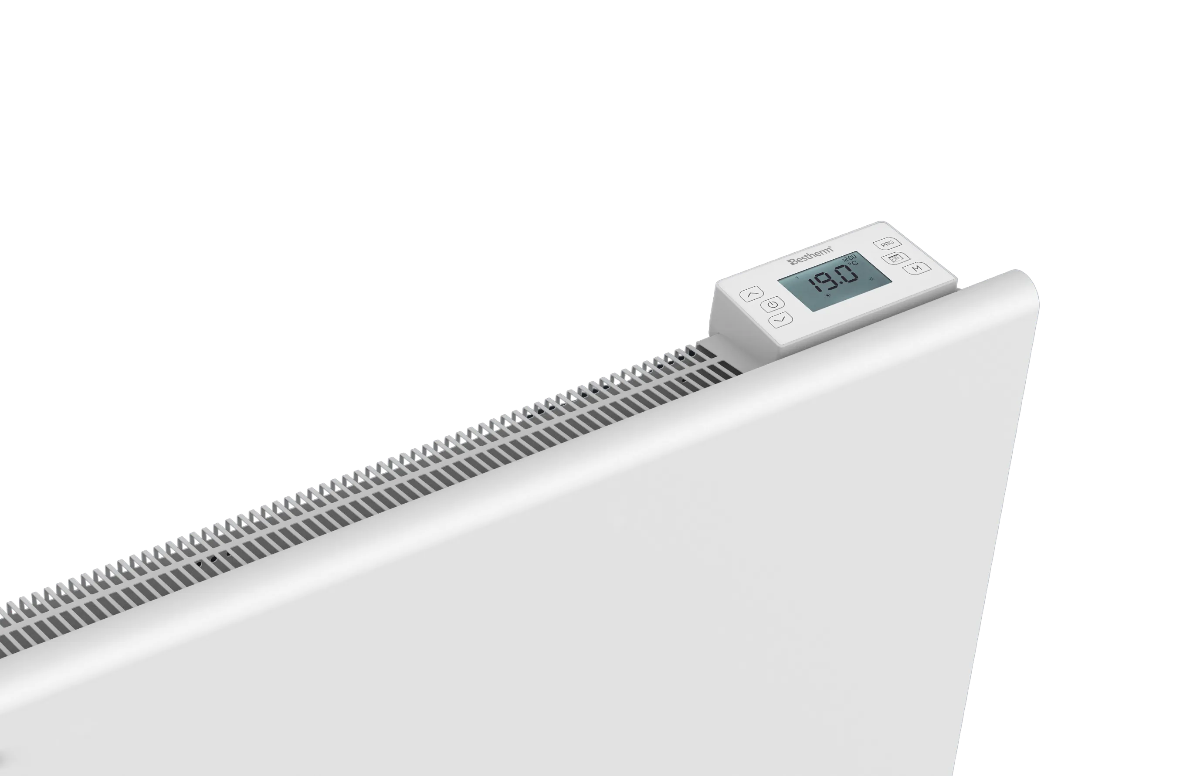
LISA - Double ceramic core radiator with heating film- Dual ceramic heating core and heating film
- Fast heat-up and even warmth
- 1 customizable weekly program
Radiator
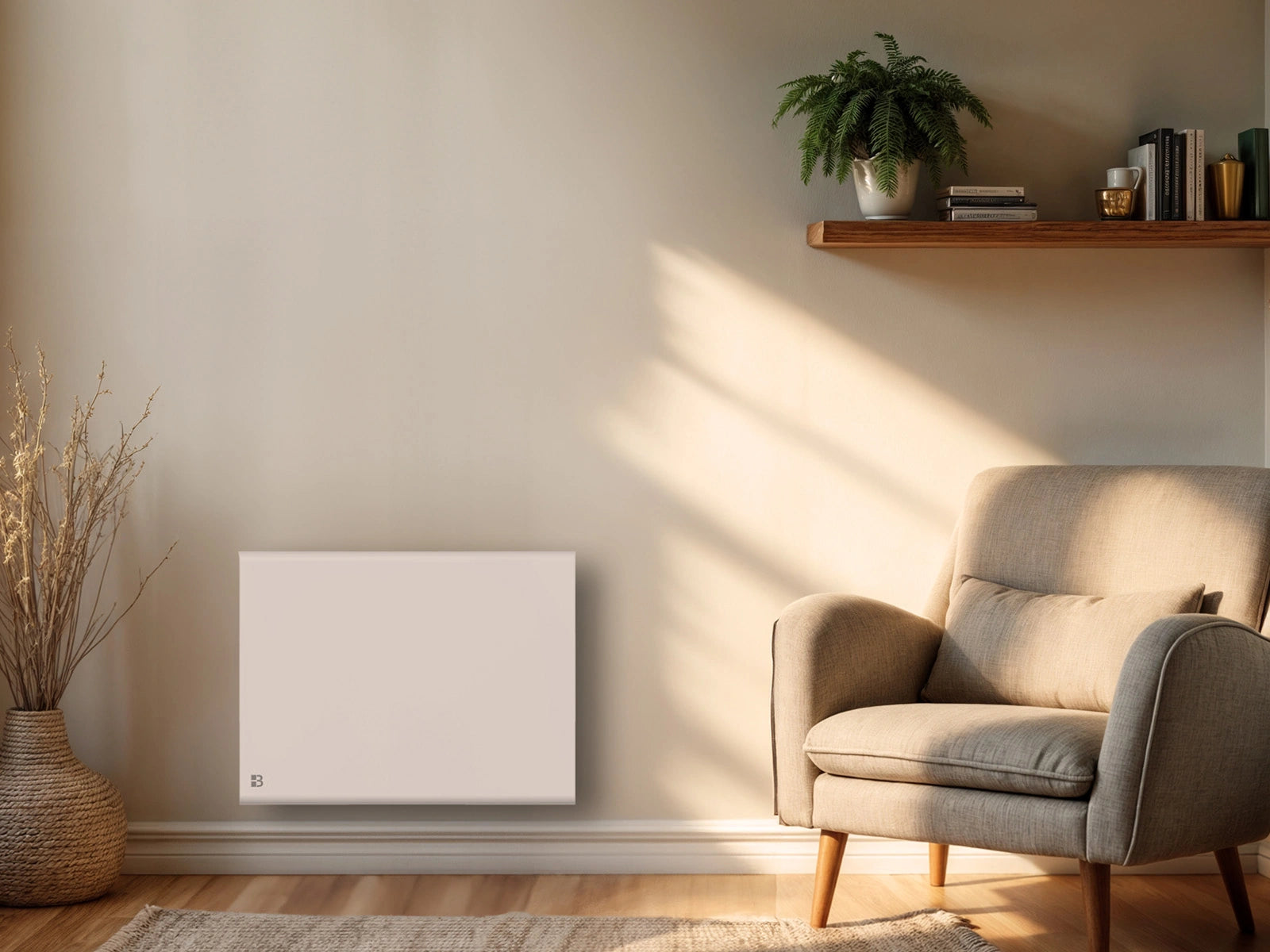
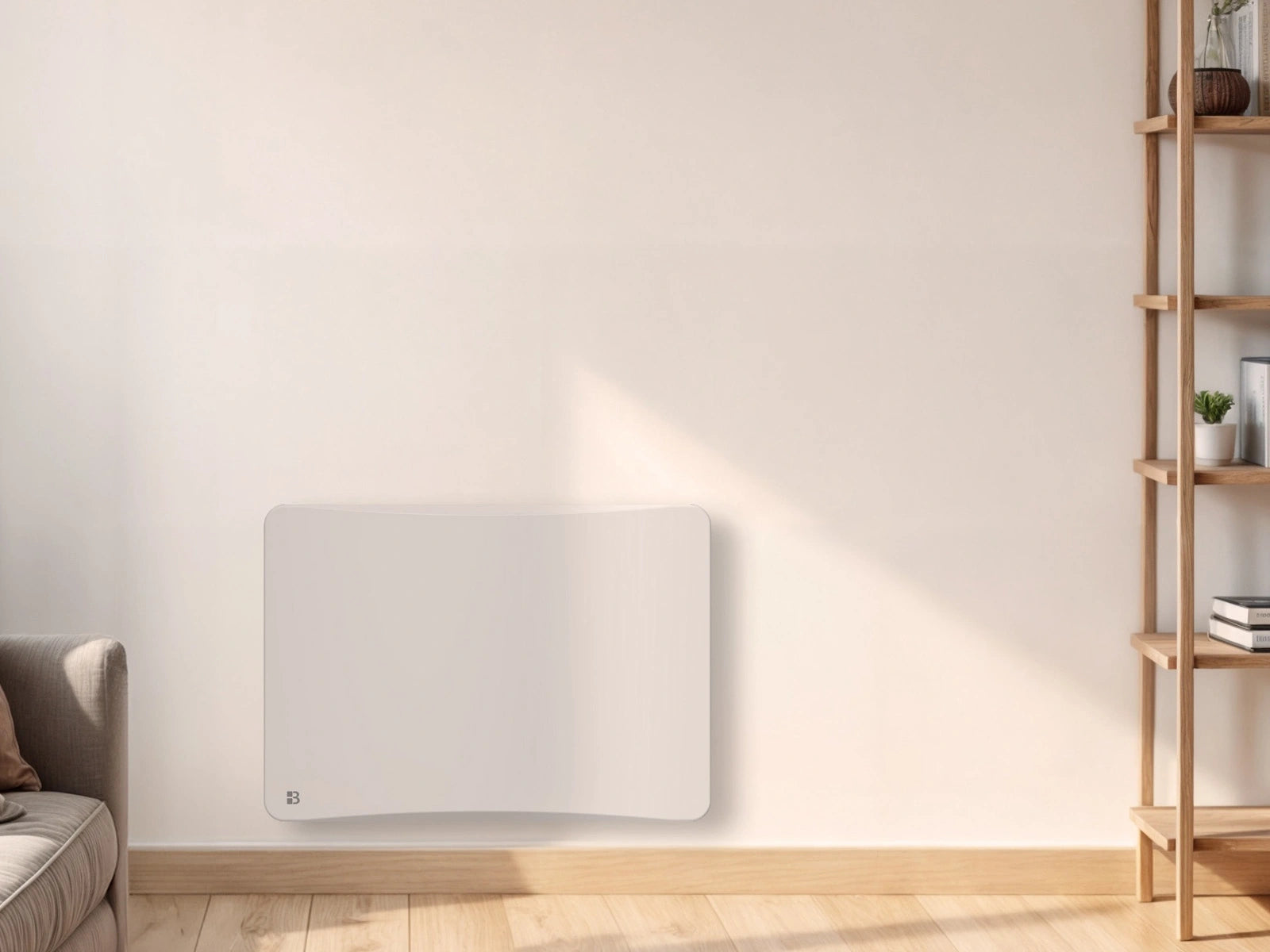
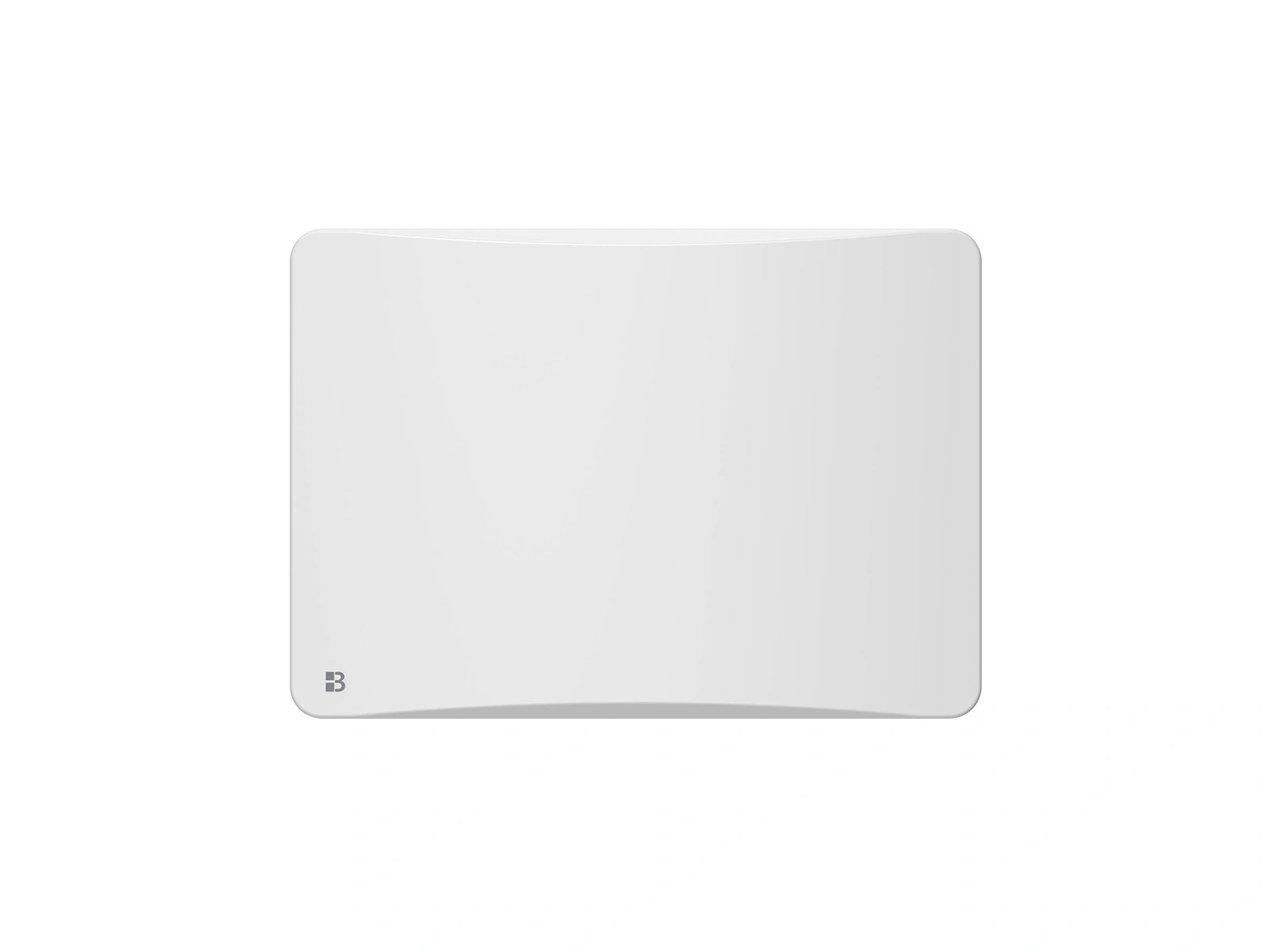
FREYA - Dual-Core Ceramic + Heating Film Radiator- Ceramic heating core + film
- Open window detection
- Customizable program
Radiator
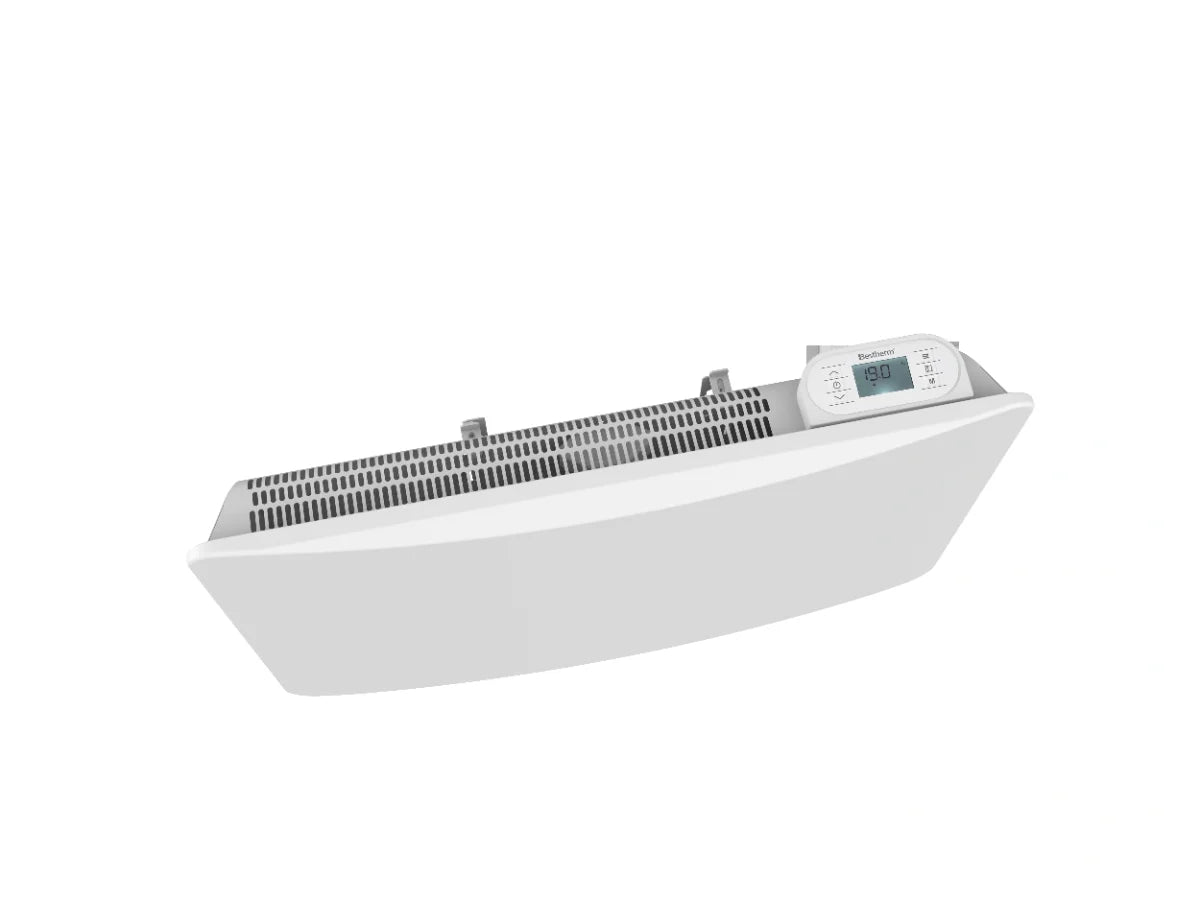
ALMEA - Dual-Core Cast Iron and Heating Film Radiator- Dual cast-iron heating core and heating film
- 3 preset weekly programs and 1 customizable program
- Interchangeable thermostat
Radiator
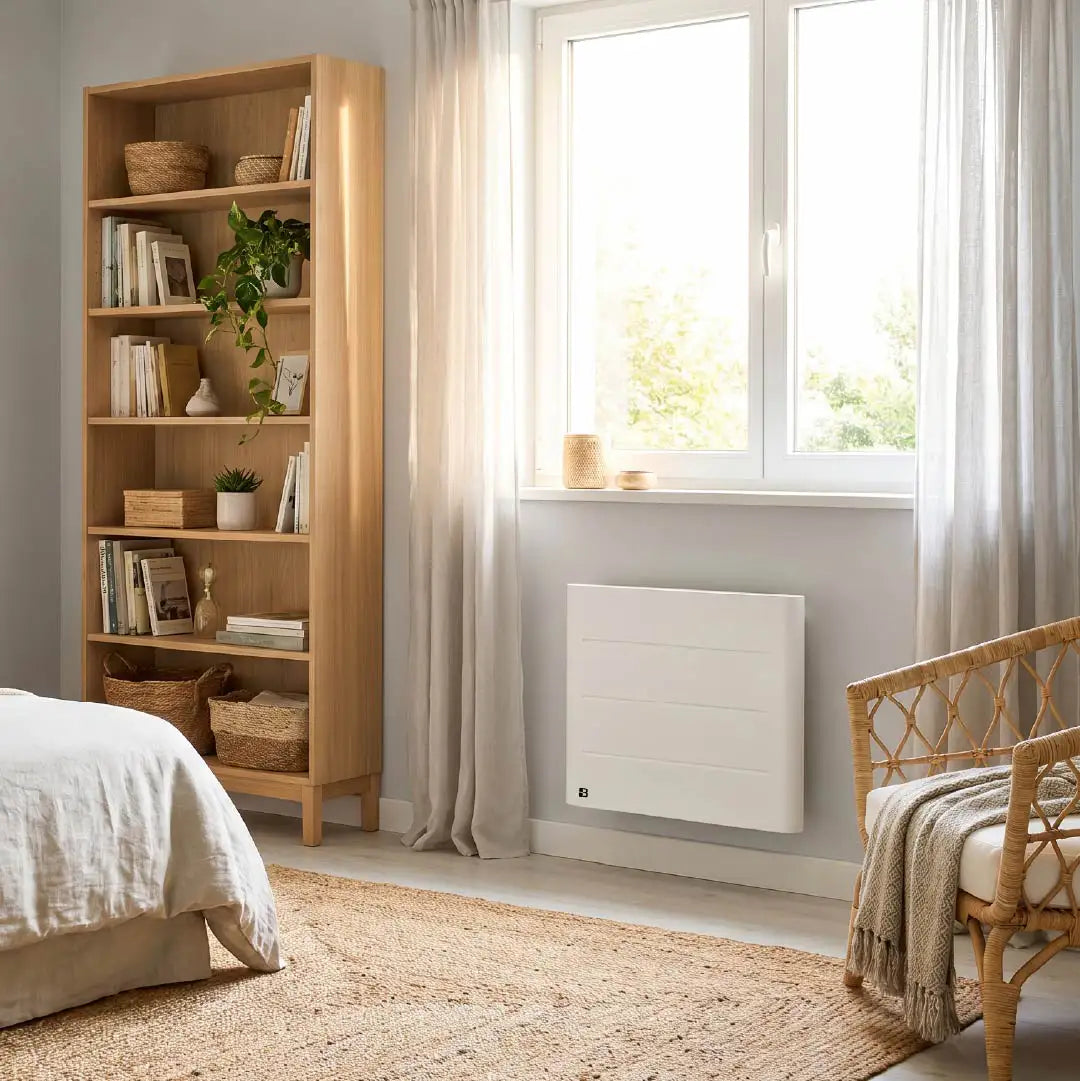
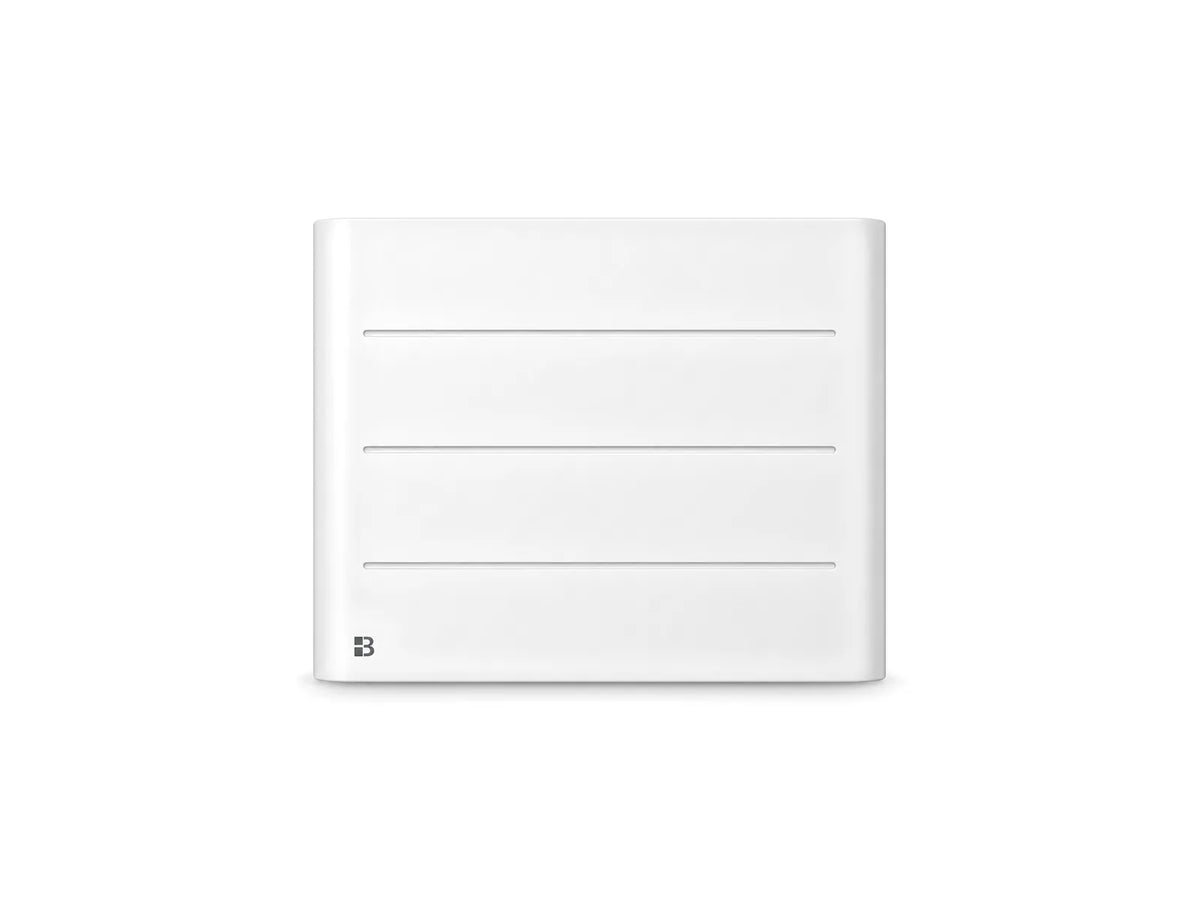
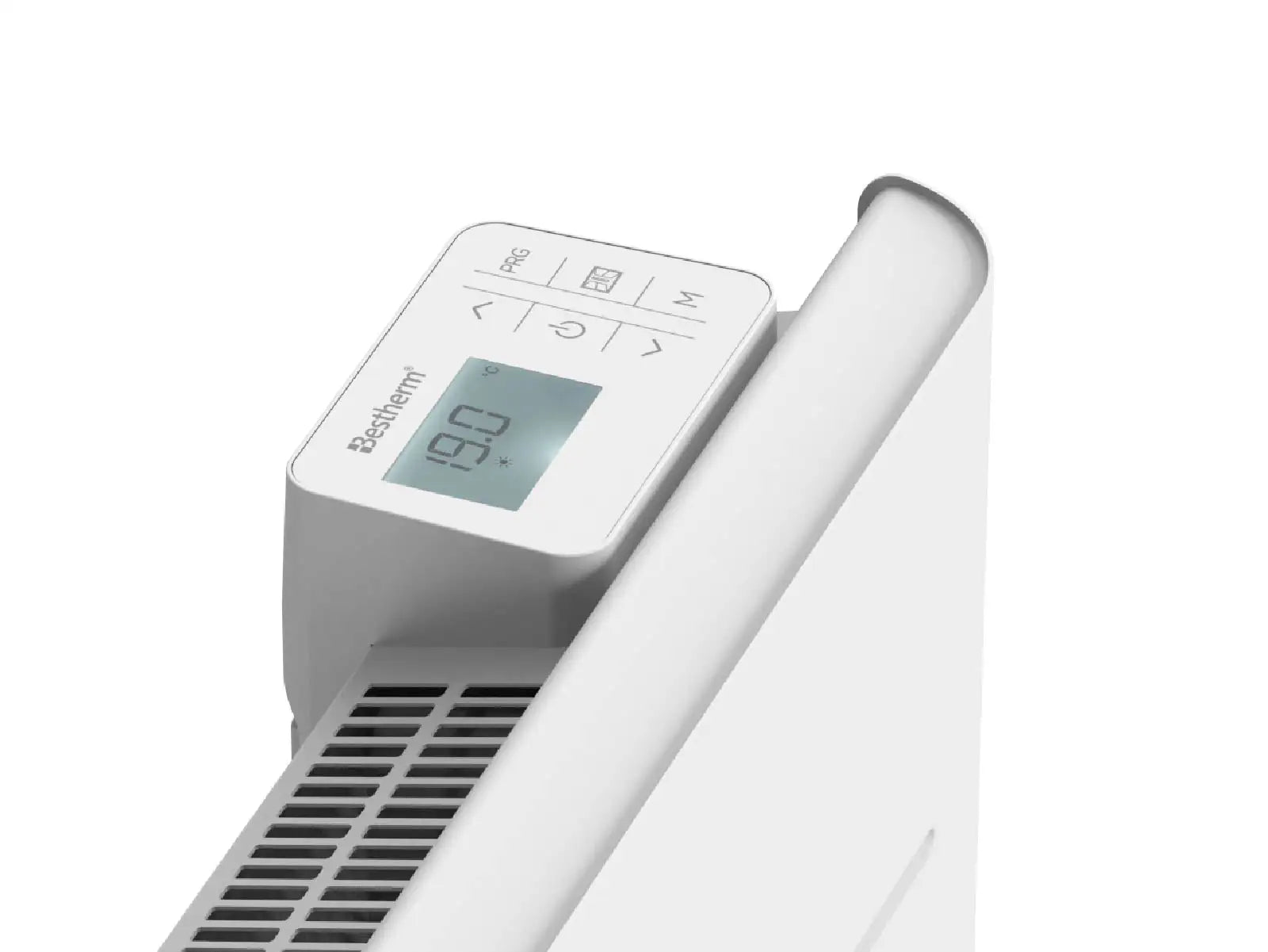
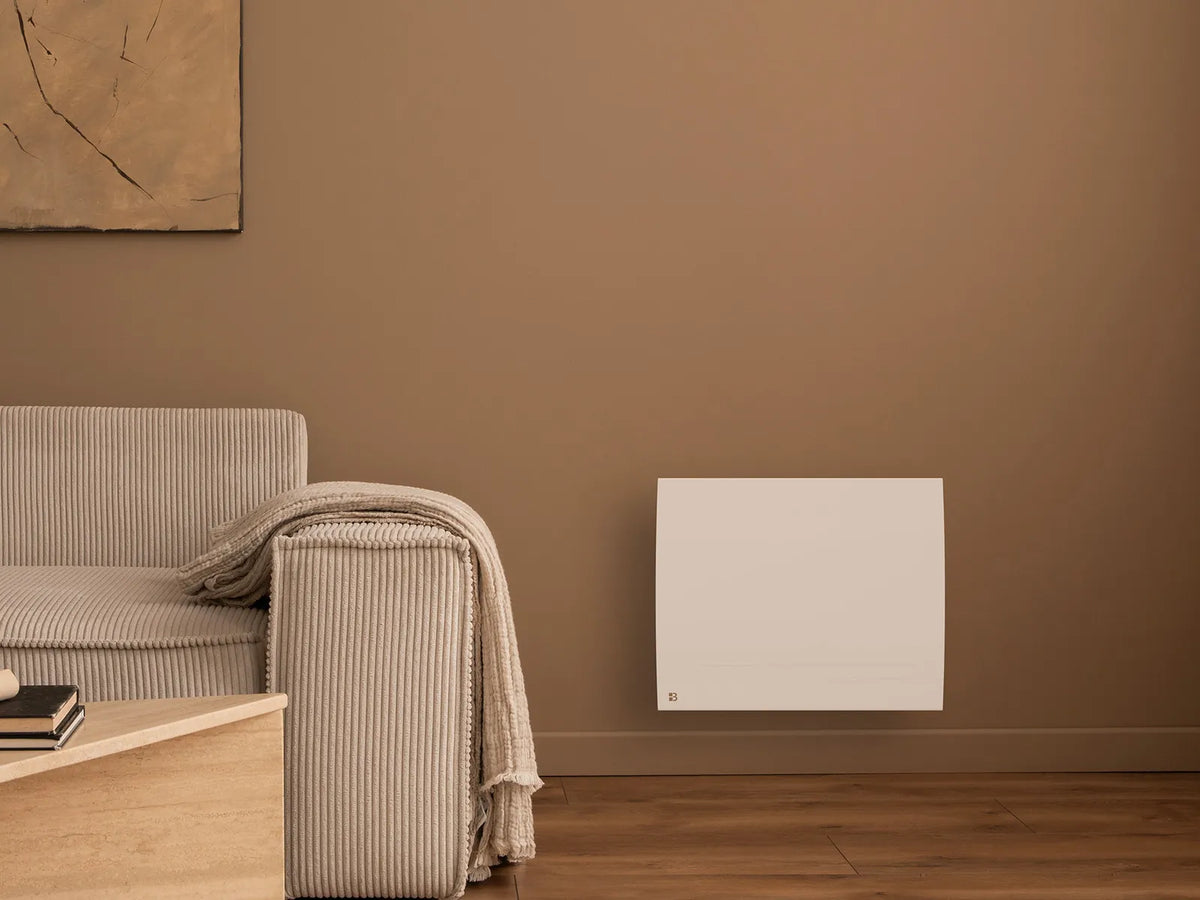
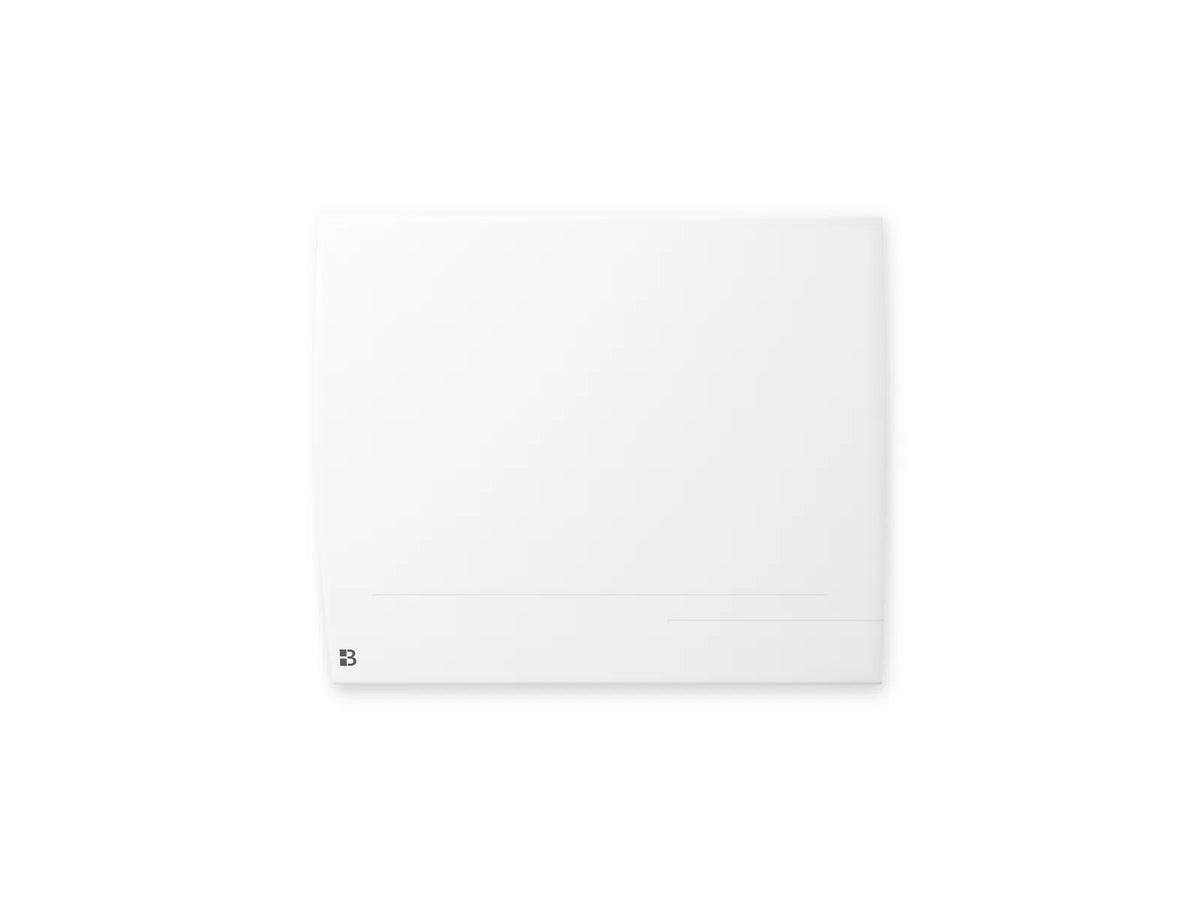
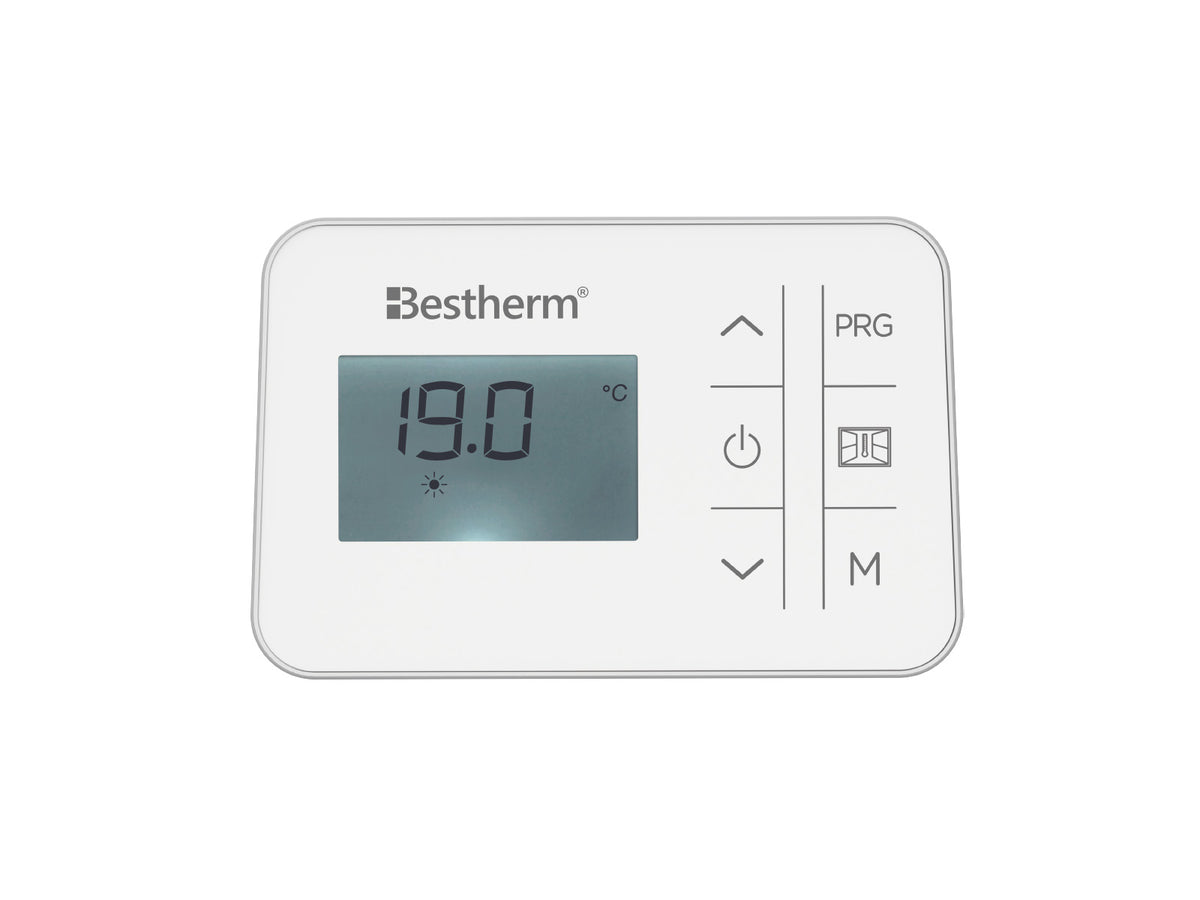
TANIN - Ceramic Inertia Radiator- Ceramic heating core
- 3 pre-programmed weekly schedules and 1 customizable schedule
- 6-command pilot wire and open-window detection
Radiator
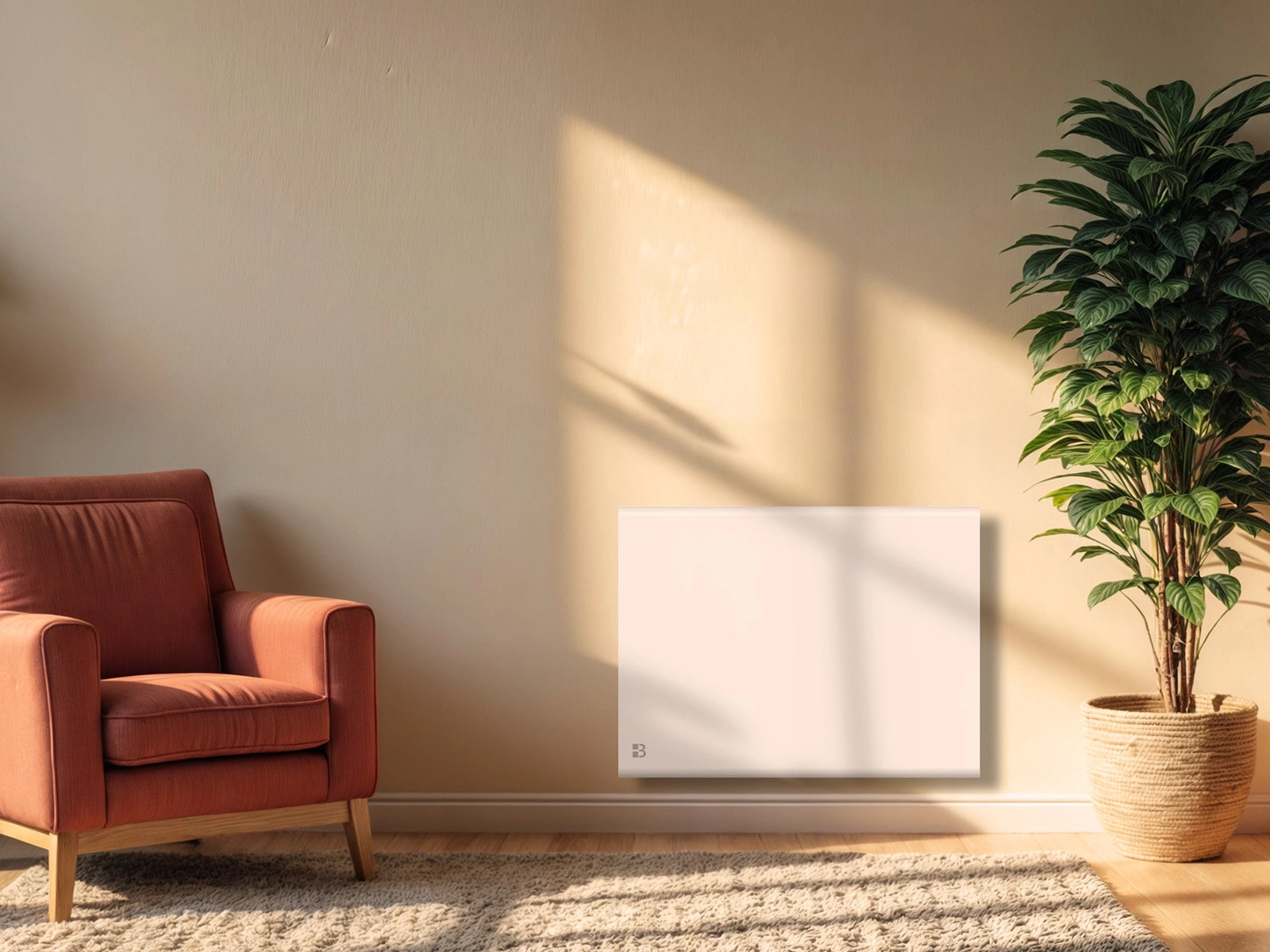
LESSO CONNECT - Connected ceramic inertia heater- Ceramic heating element
- Remote control via the Bestherm Connect app
- 1 customizable weekly schedule
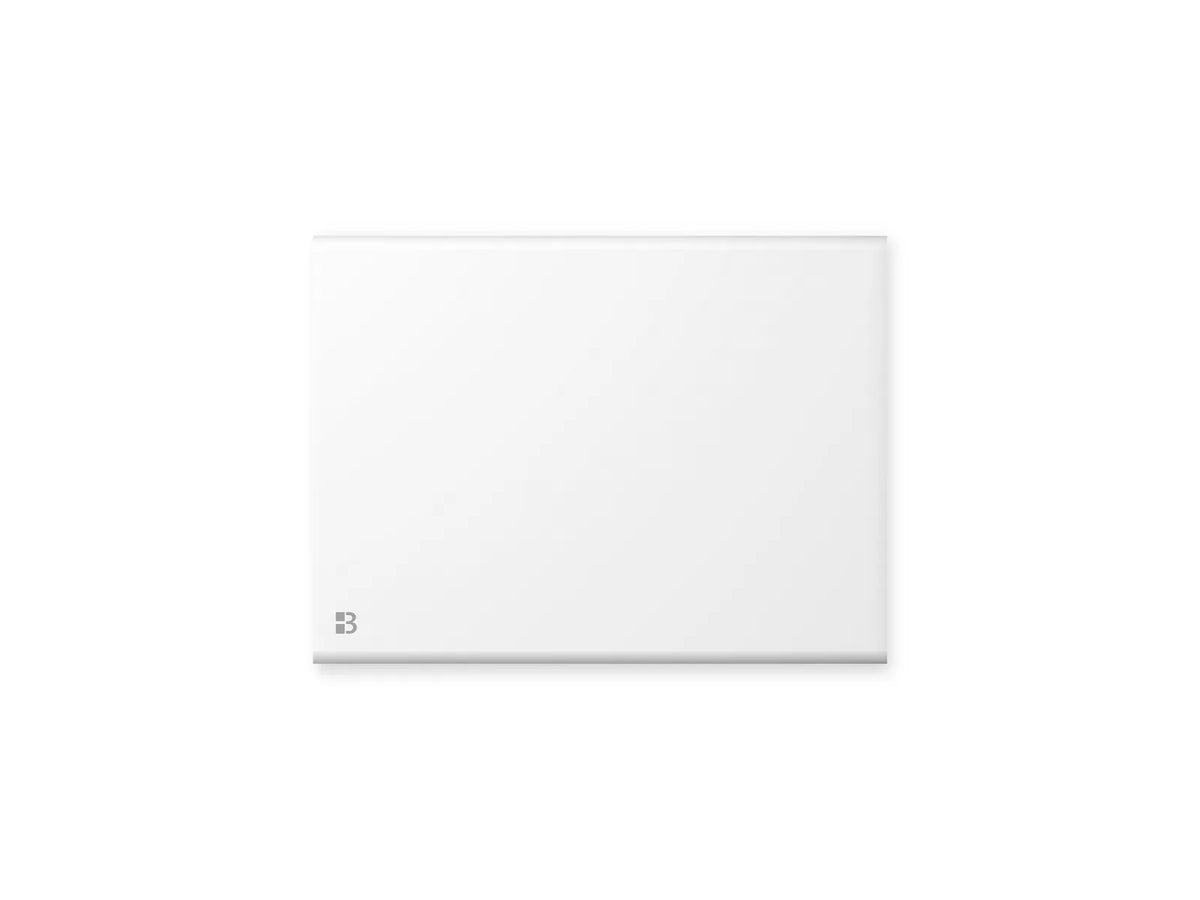
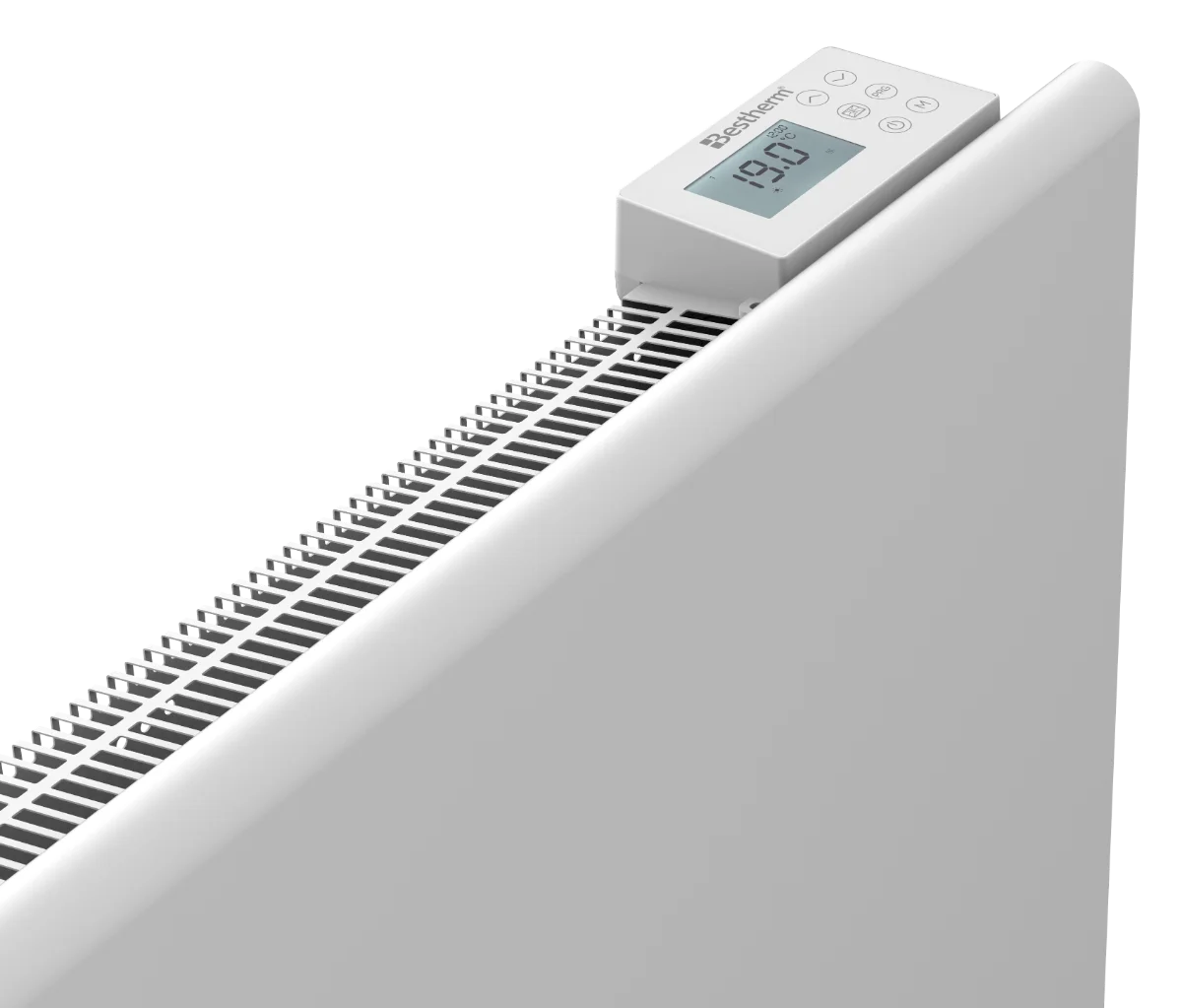
Radiator
NEMESIS - Dual-Core Cast Iron and Heating Film Radiator- Dual cast iron heating core and heating film
- 3 pre-set programs and 1 customizable program
- Open window detection
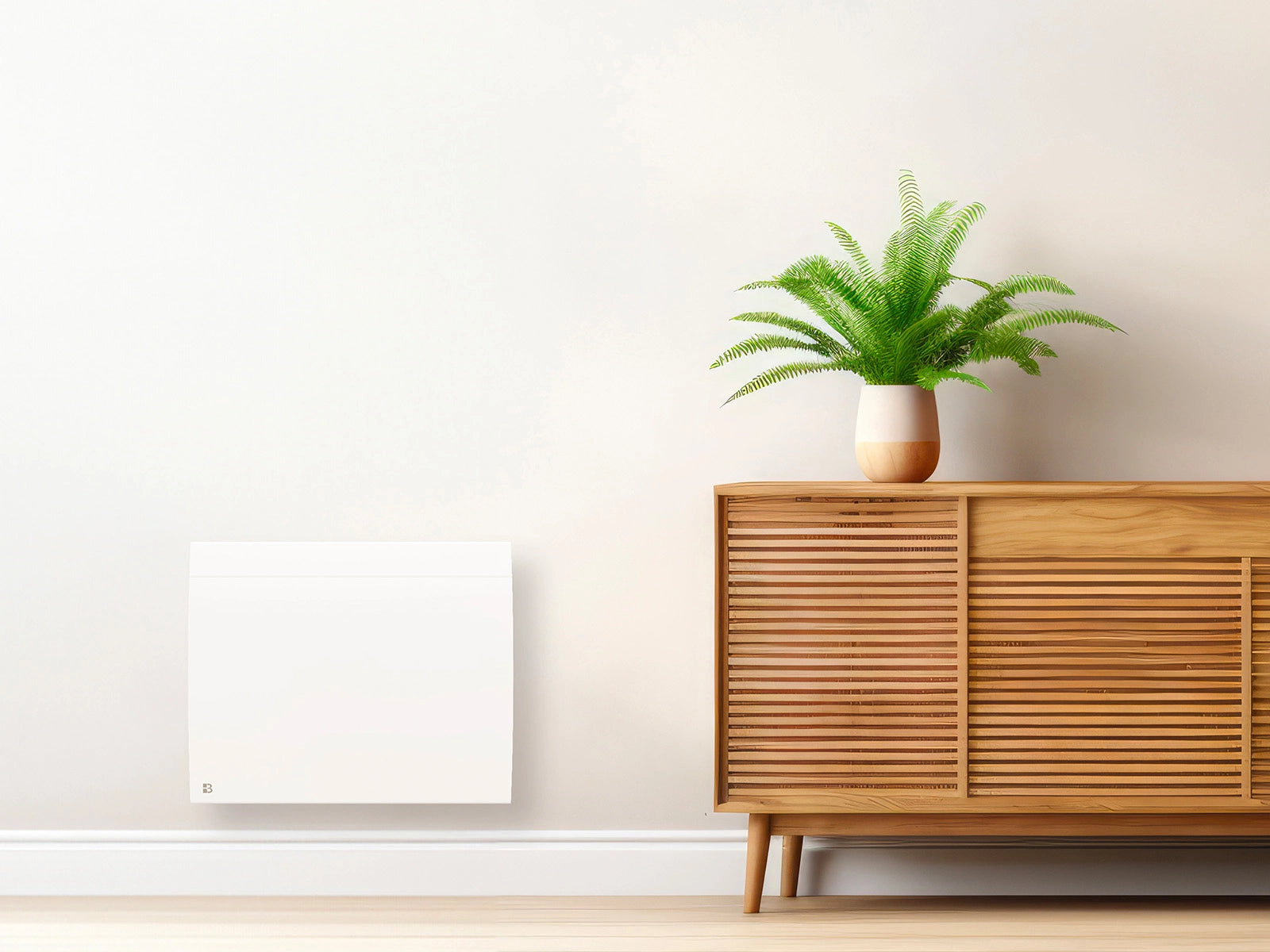
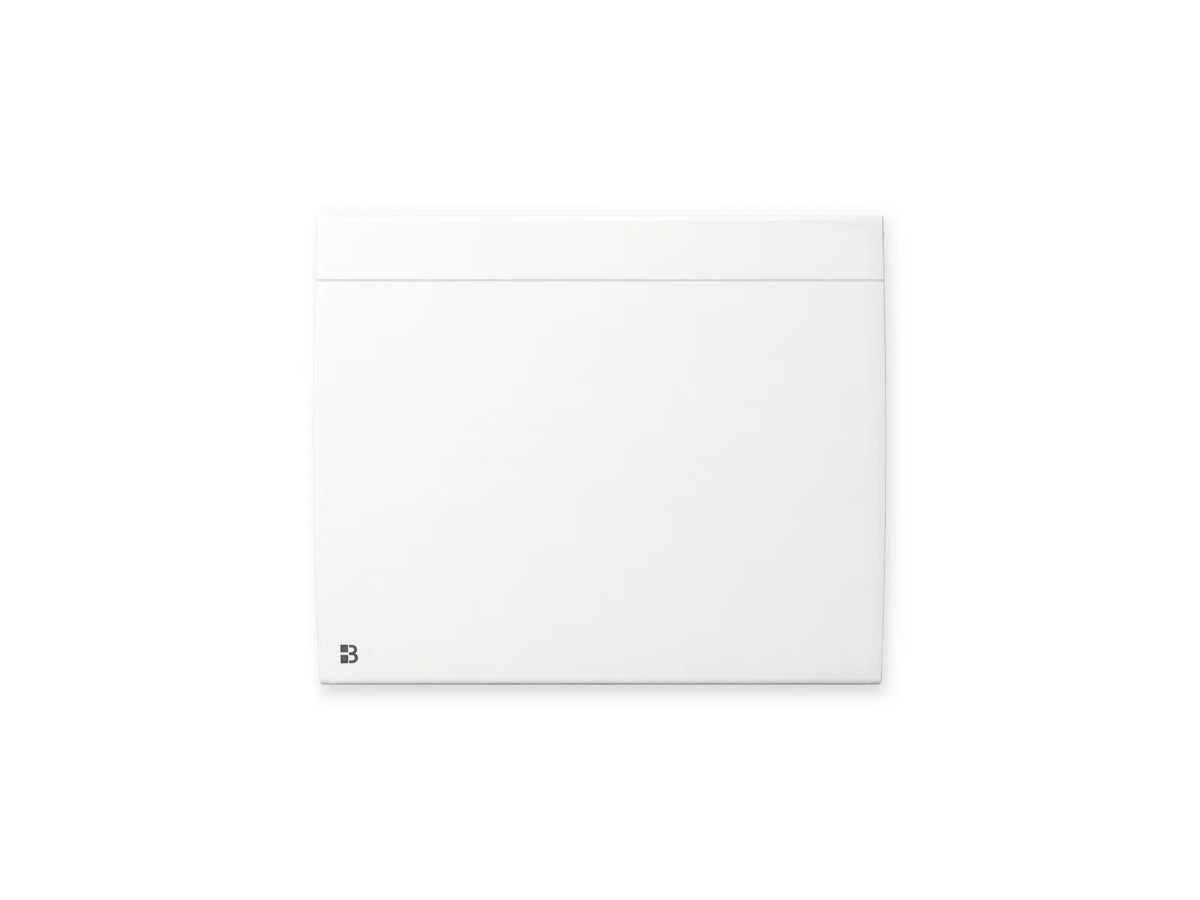
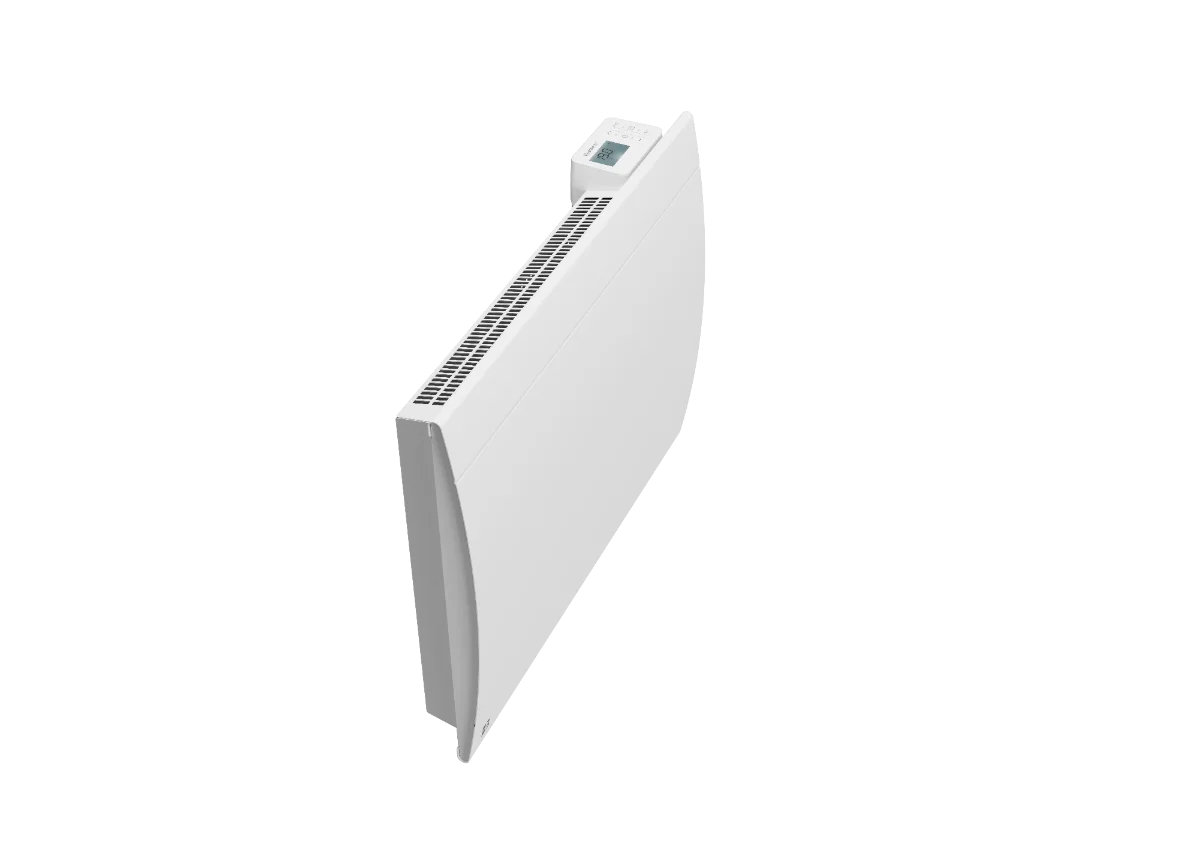
Radiator
ILLO CONNECT - Connected ceramic inertia heater- Ceramic heating element
- Remote control via the Bestherm Connect app
- 1 customizable weekly schedule
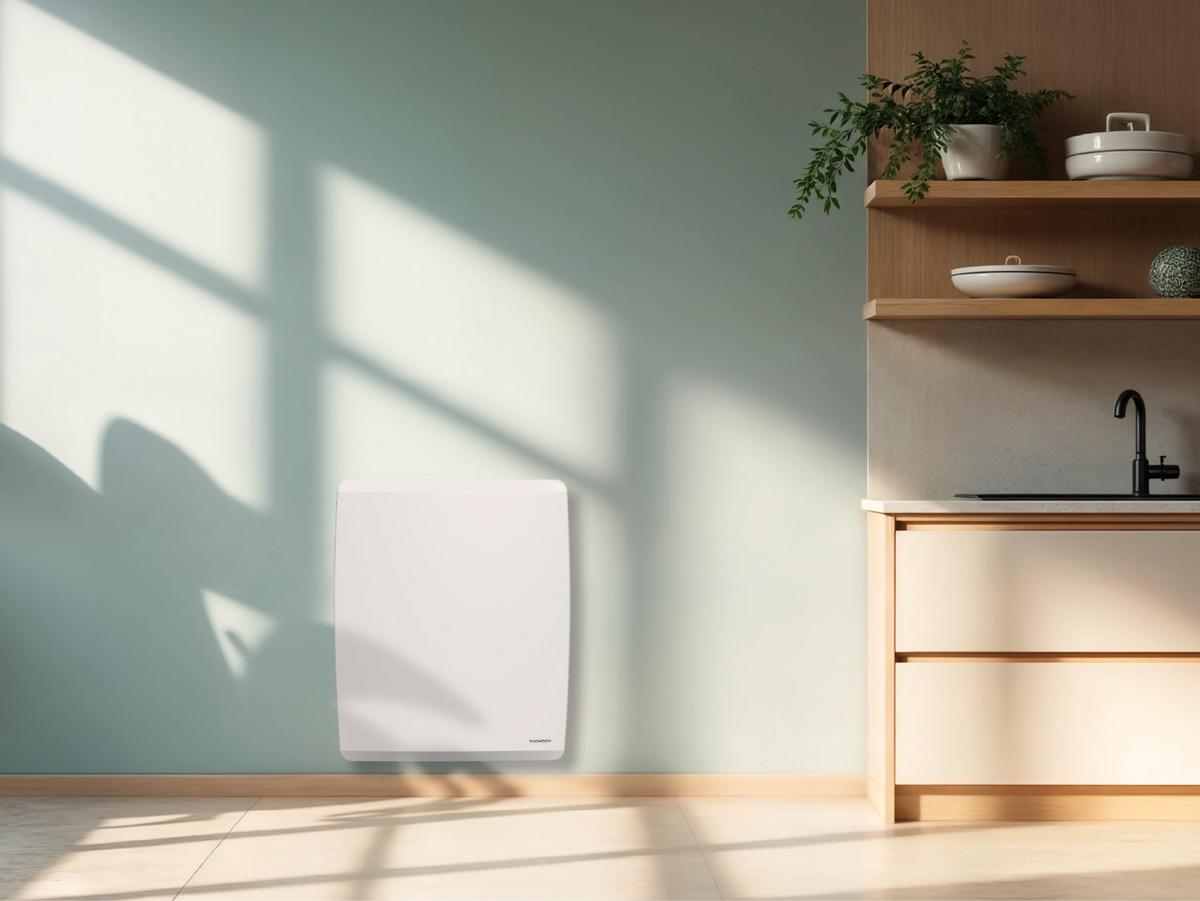
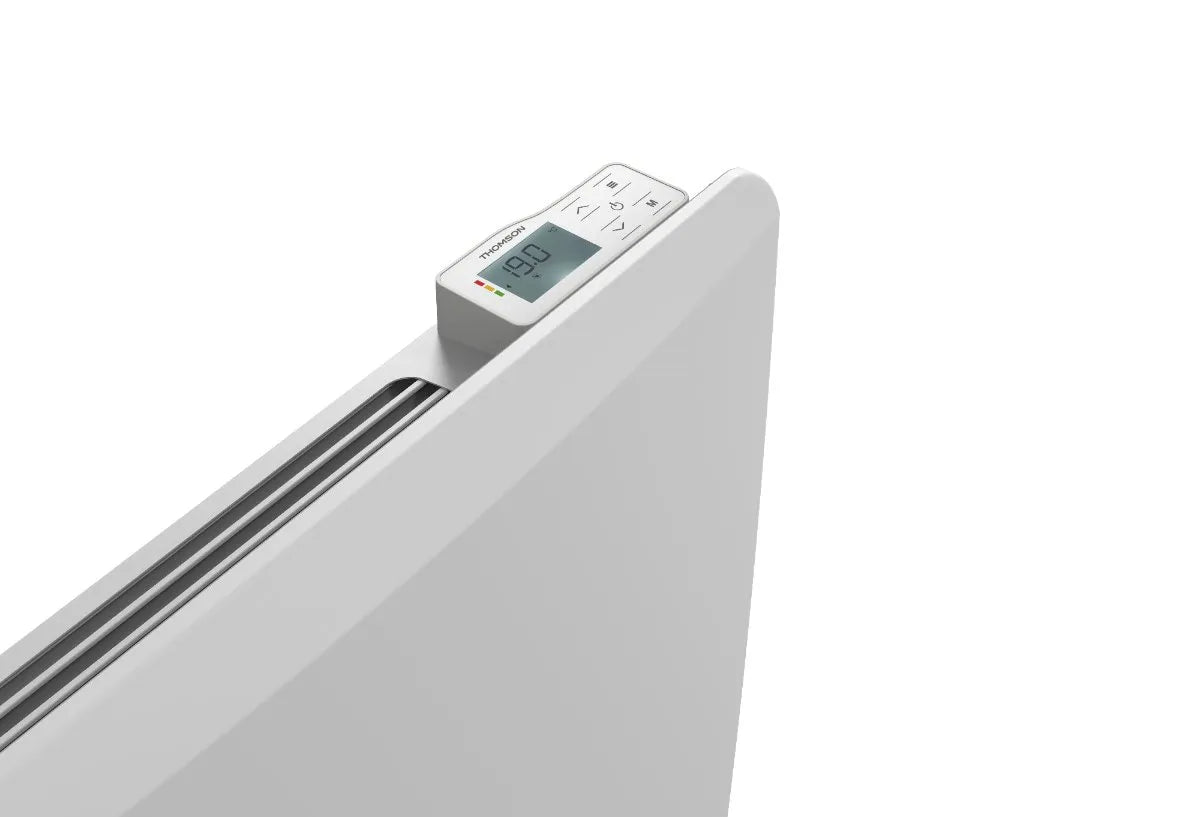
Radiator
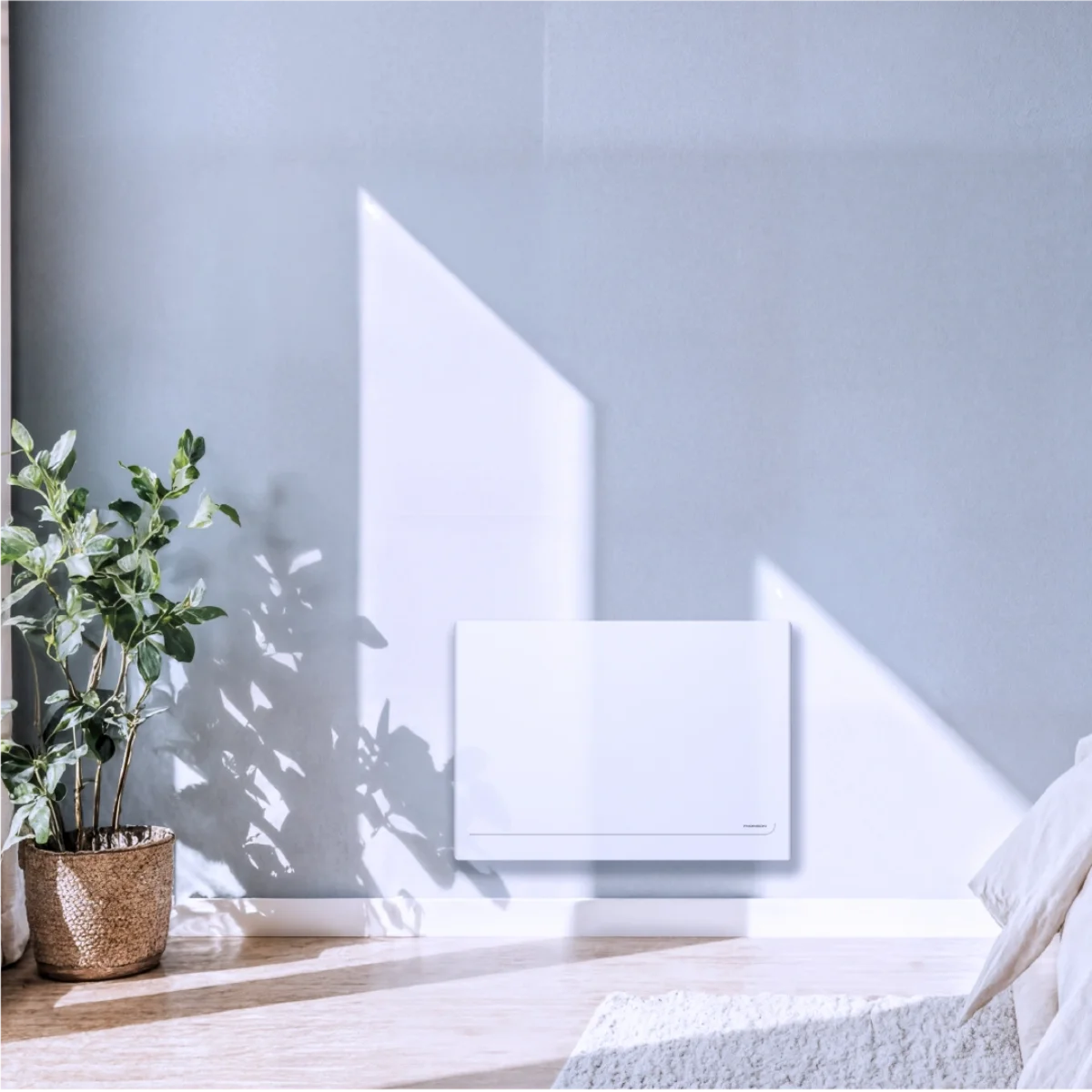
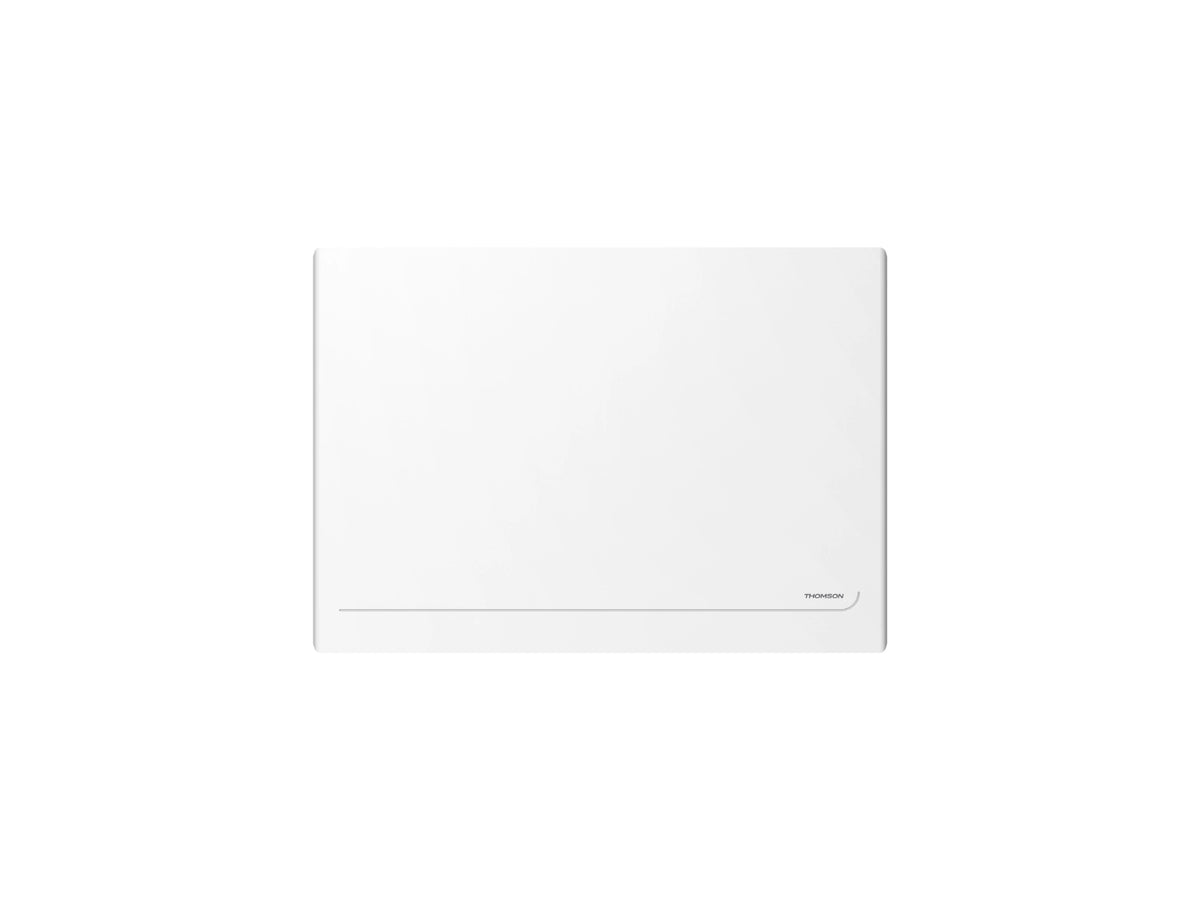
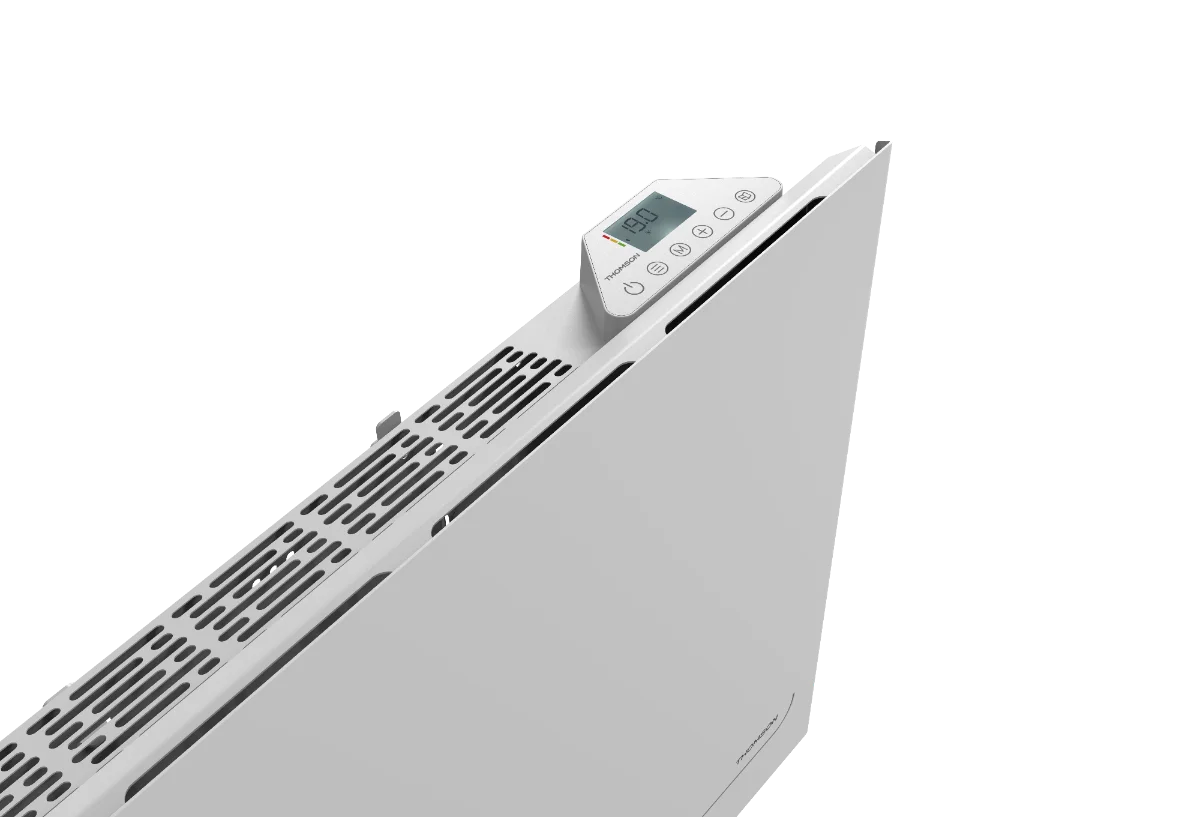
MOLY - Connected heater with dual ceramic core and heating film- Dual ceramic heating core and heating film
- Wi-Fi control via Tuya, compatible with Alexa and Google Assistant
- Replaceable thermostat
Radiator
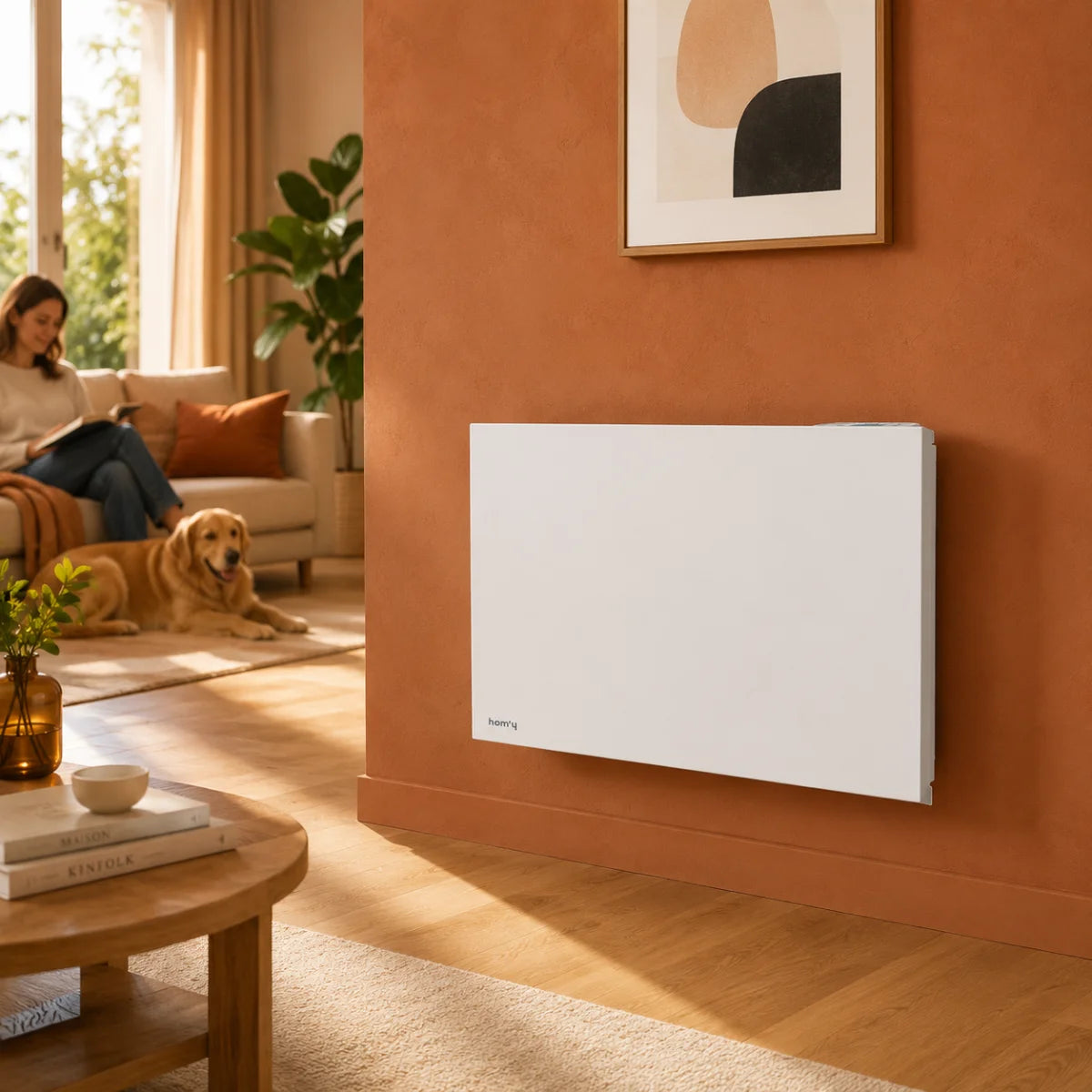
MILLA - Connected ceramic inertia heater- Ceramic heating core
- Wi-Fi control via Tuya, compatible with Alexa and Google Assistant
- Replaceable thermostat
Radiator
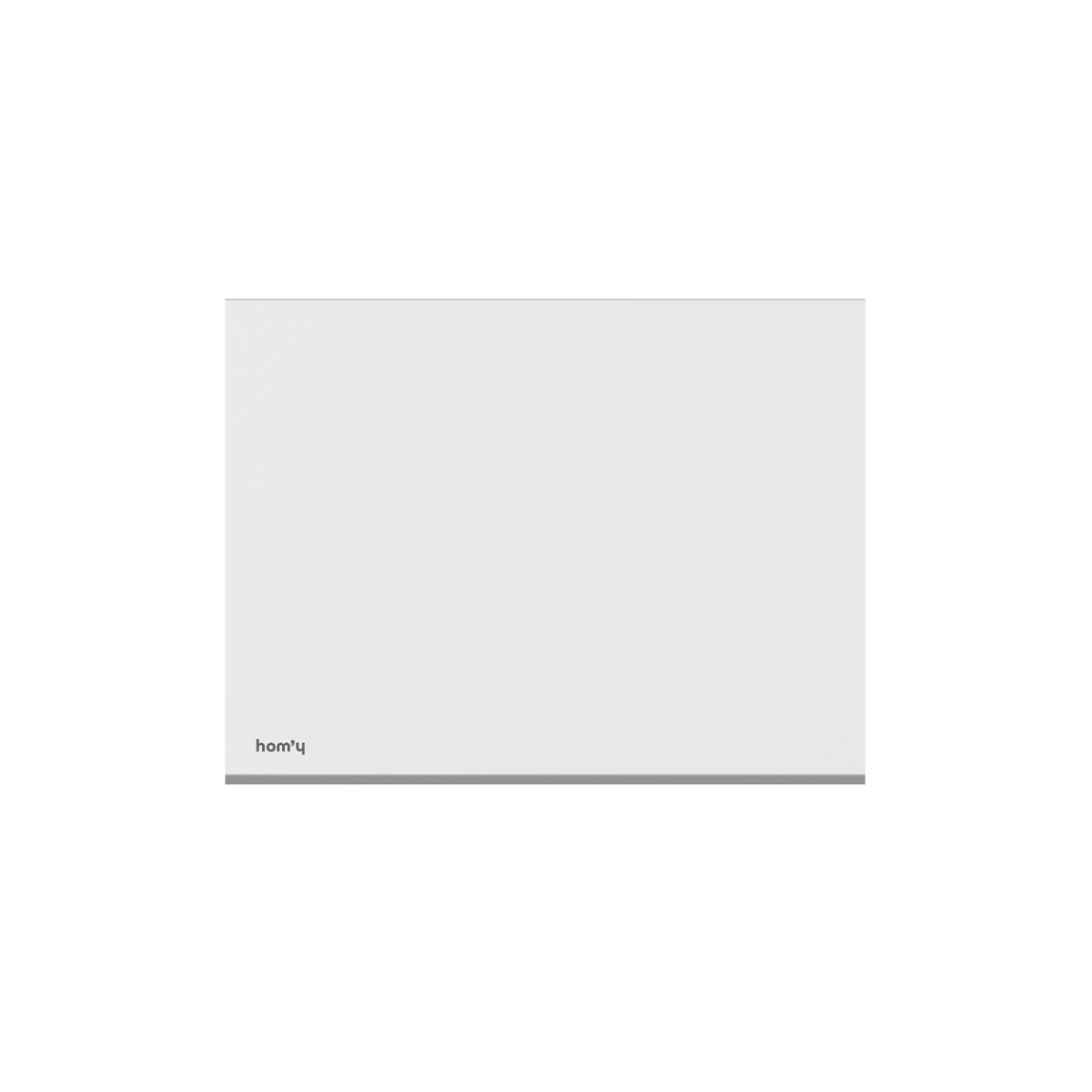
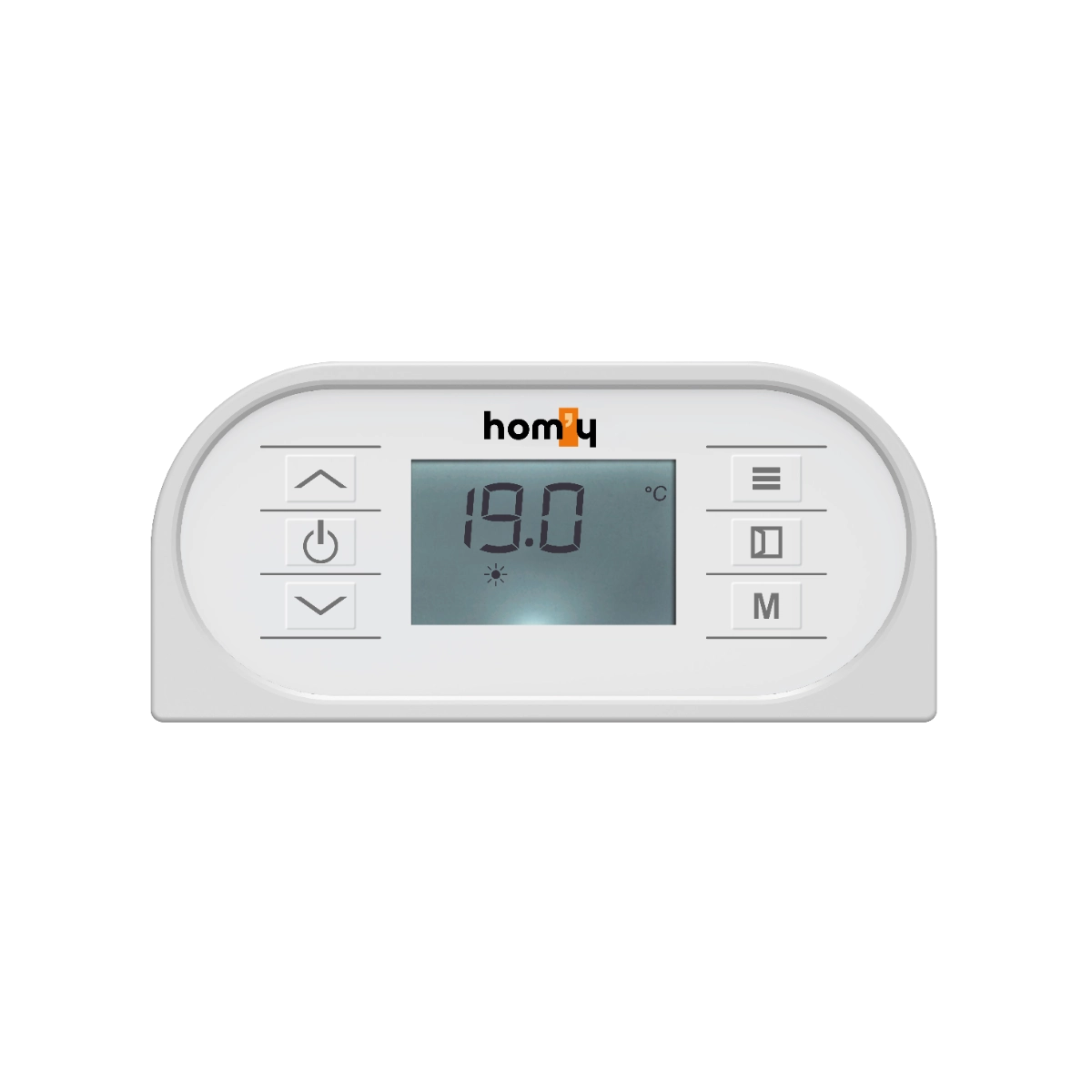
ORPHÉE CONNECT - Smart ceramic inertia radiator- Ceramic heating core
- Wi-Fi control and real-time energy consumption monitoring
- Compatible with Alexa and Google Assistant
Radiator
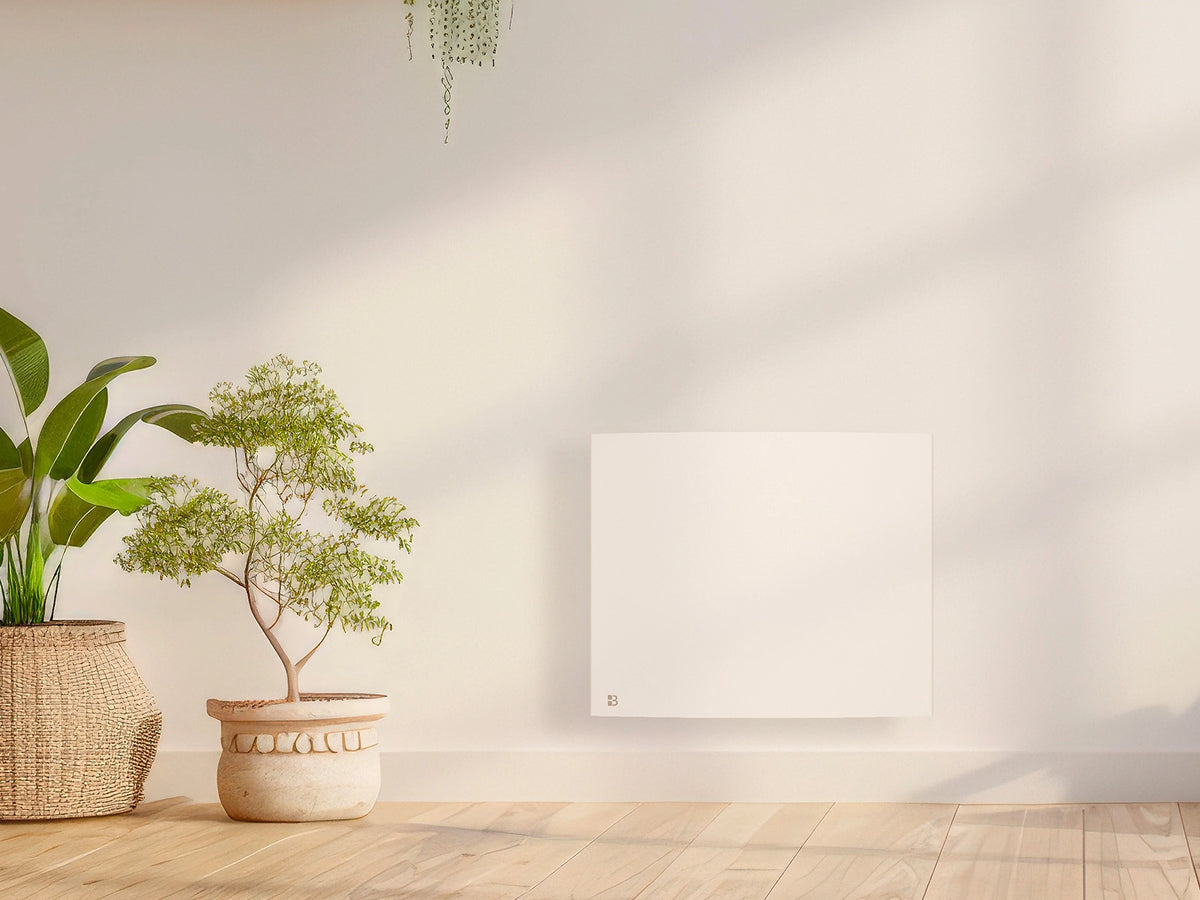
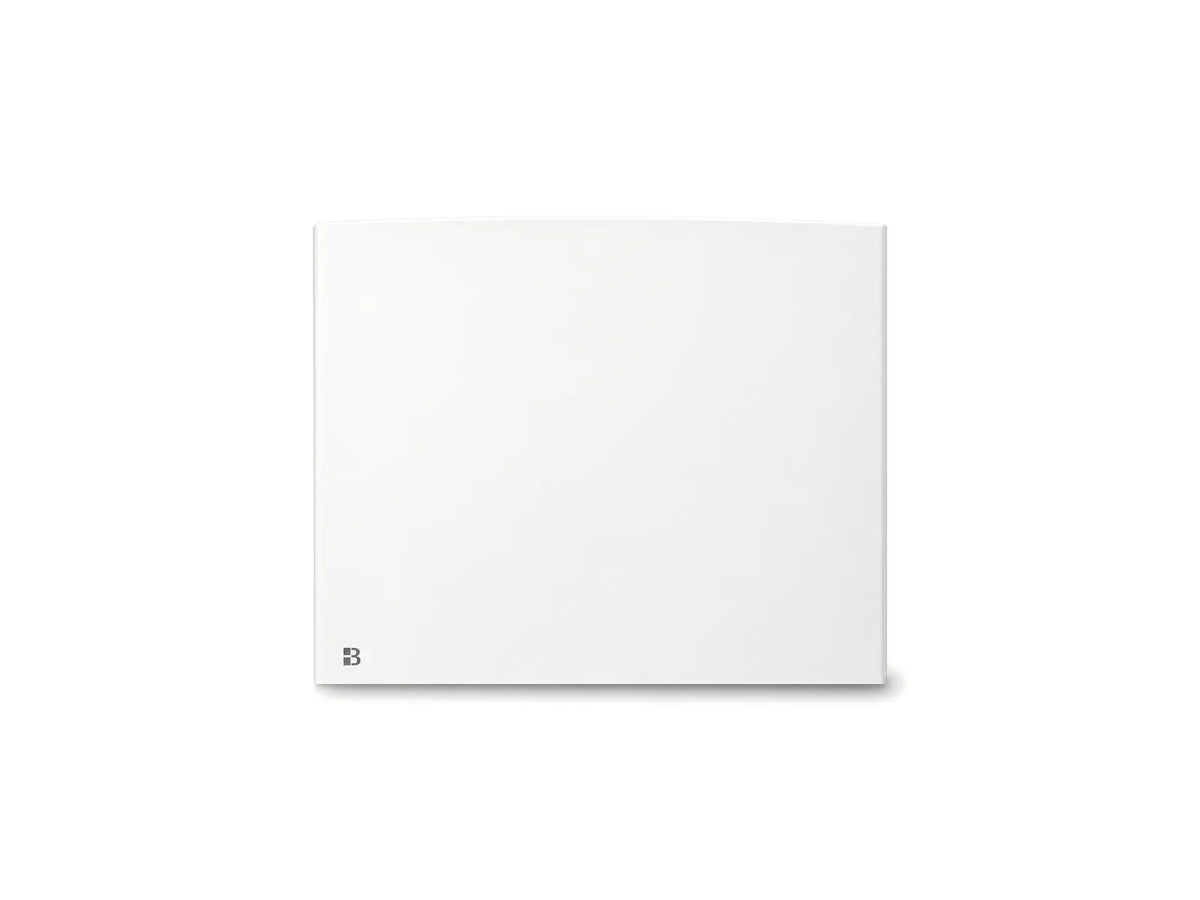
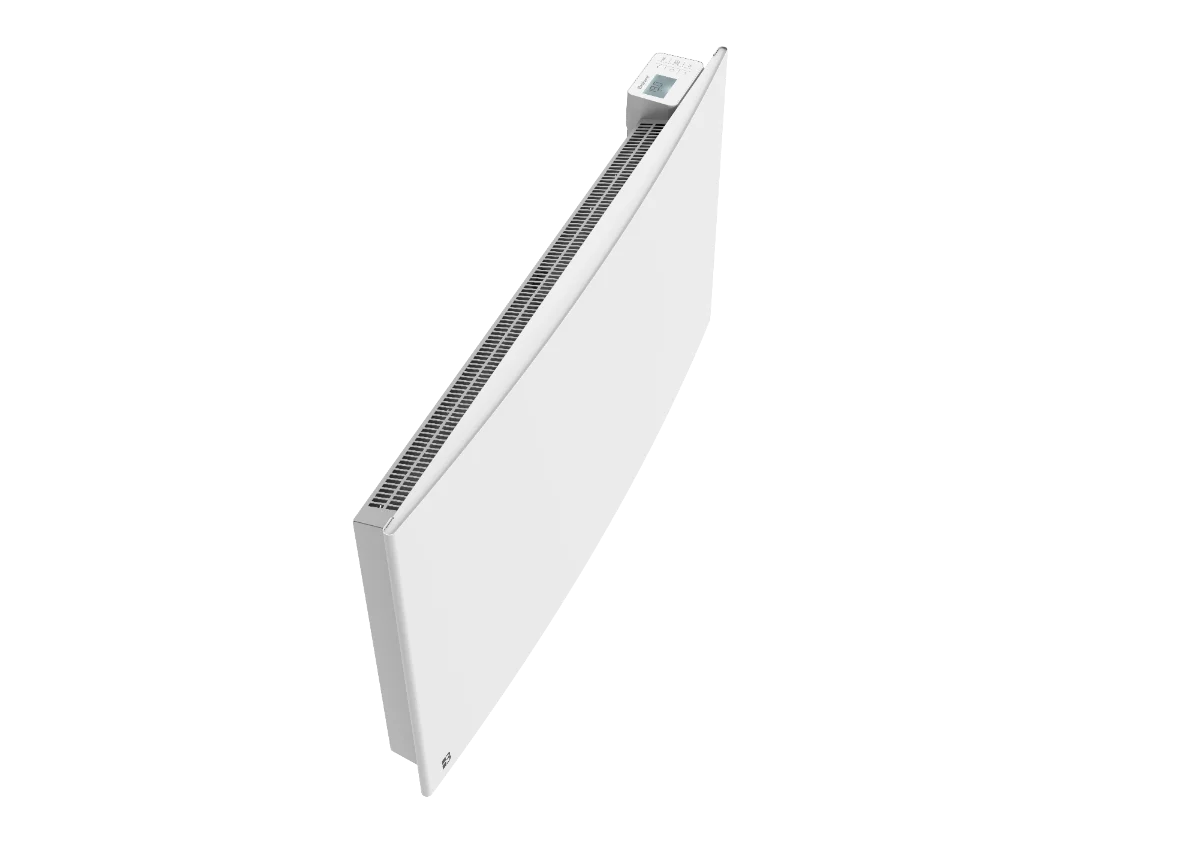
BIA - Dry Inertia Cast Iron Radiator- Cast iron heating core for long-lasting warmth
- 3 preset weekly programs and 1 customizable program
- 6-command pilot wire and open-window detection

Radiator
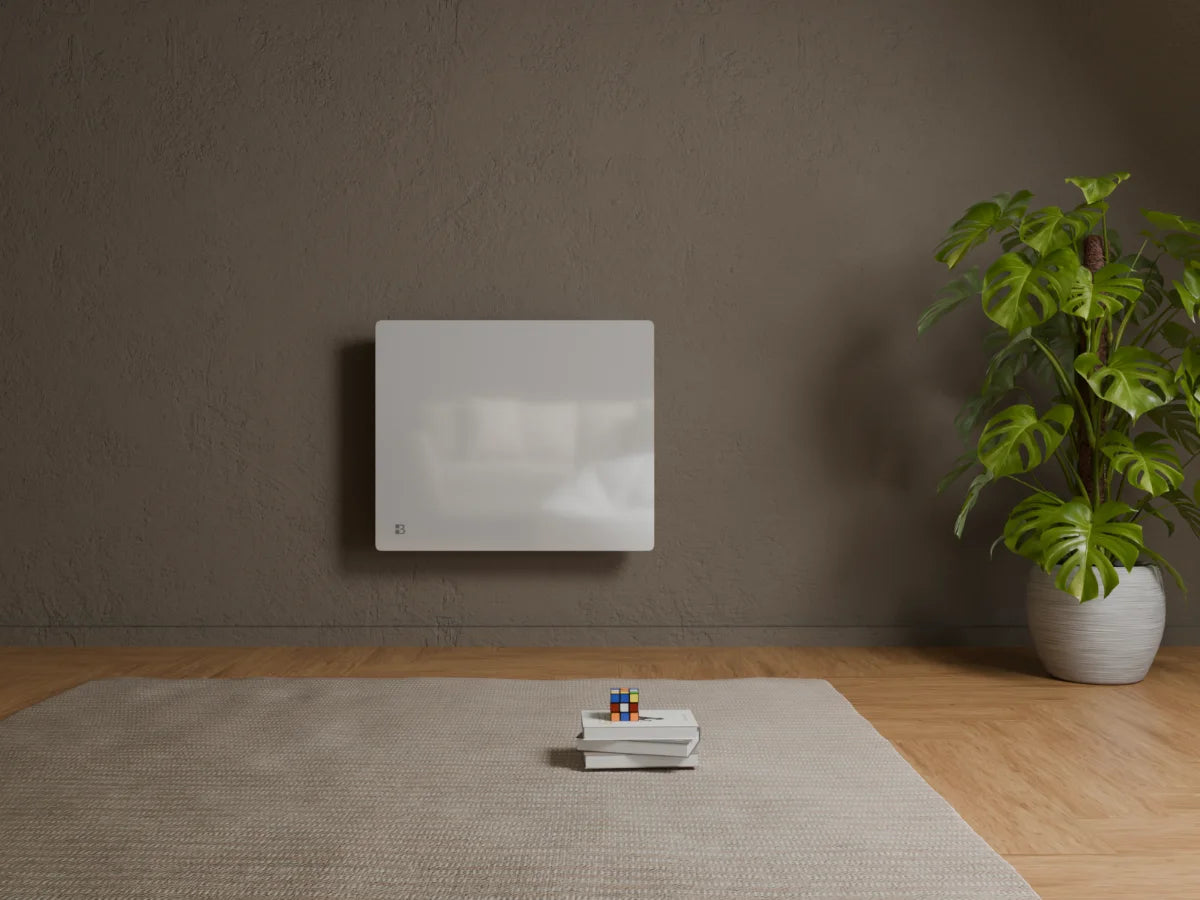
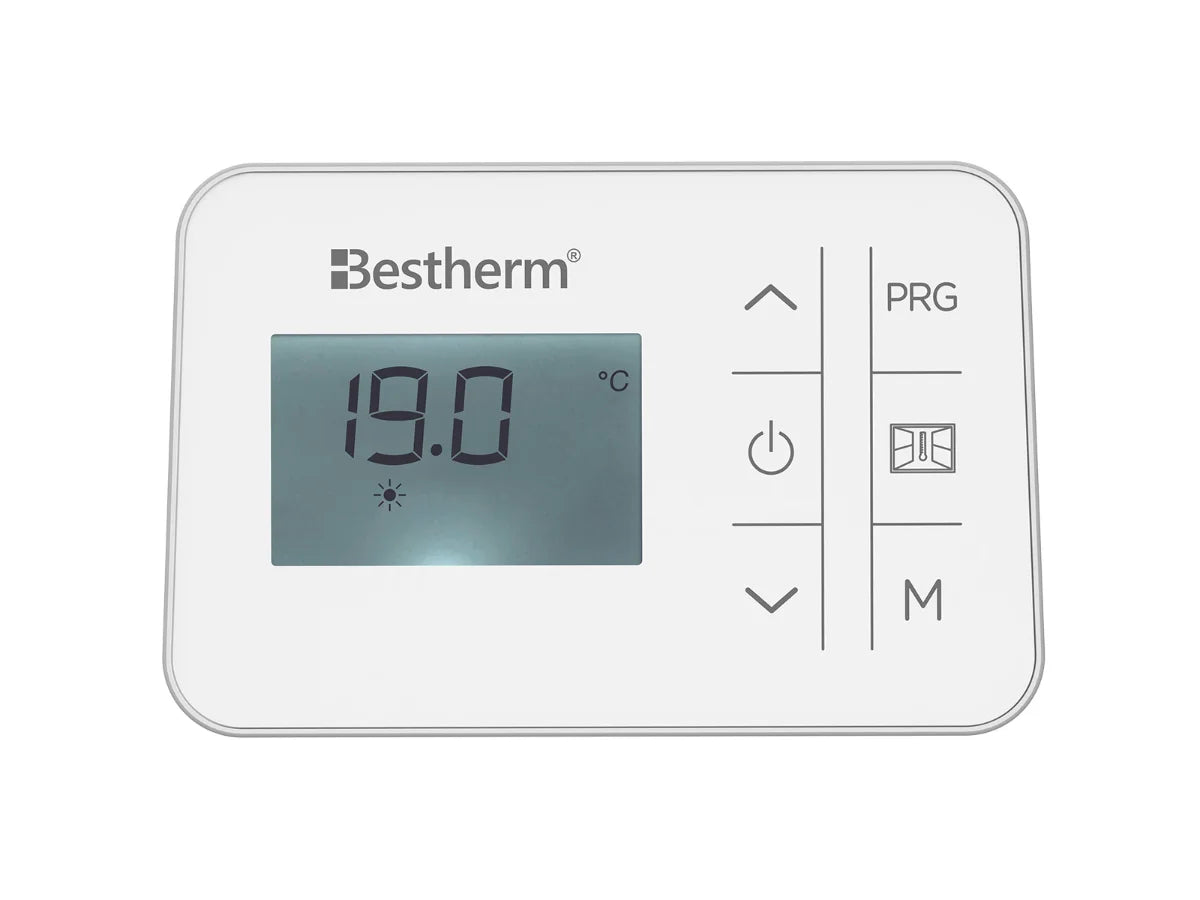
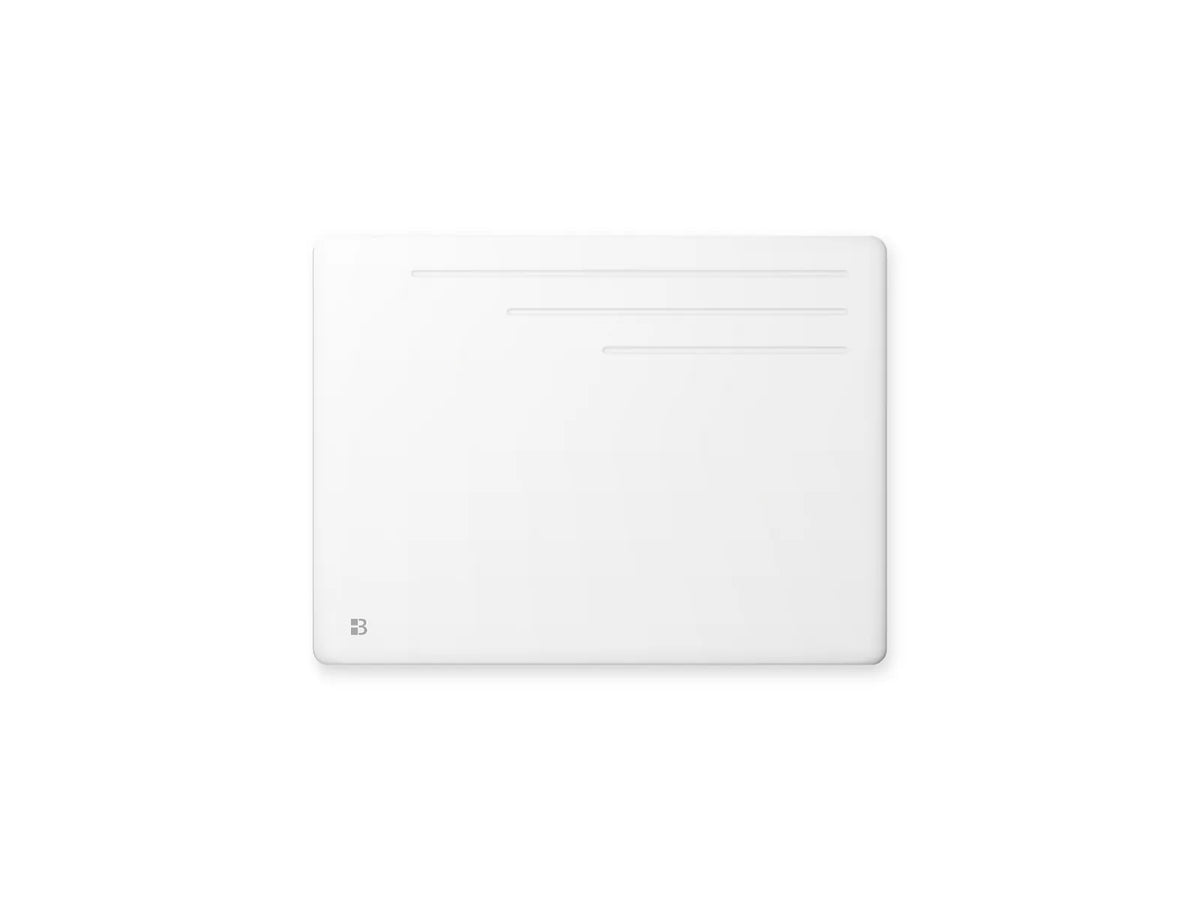
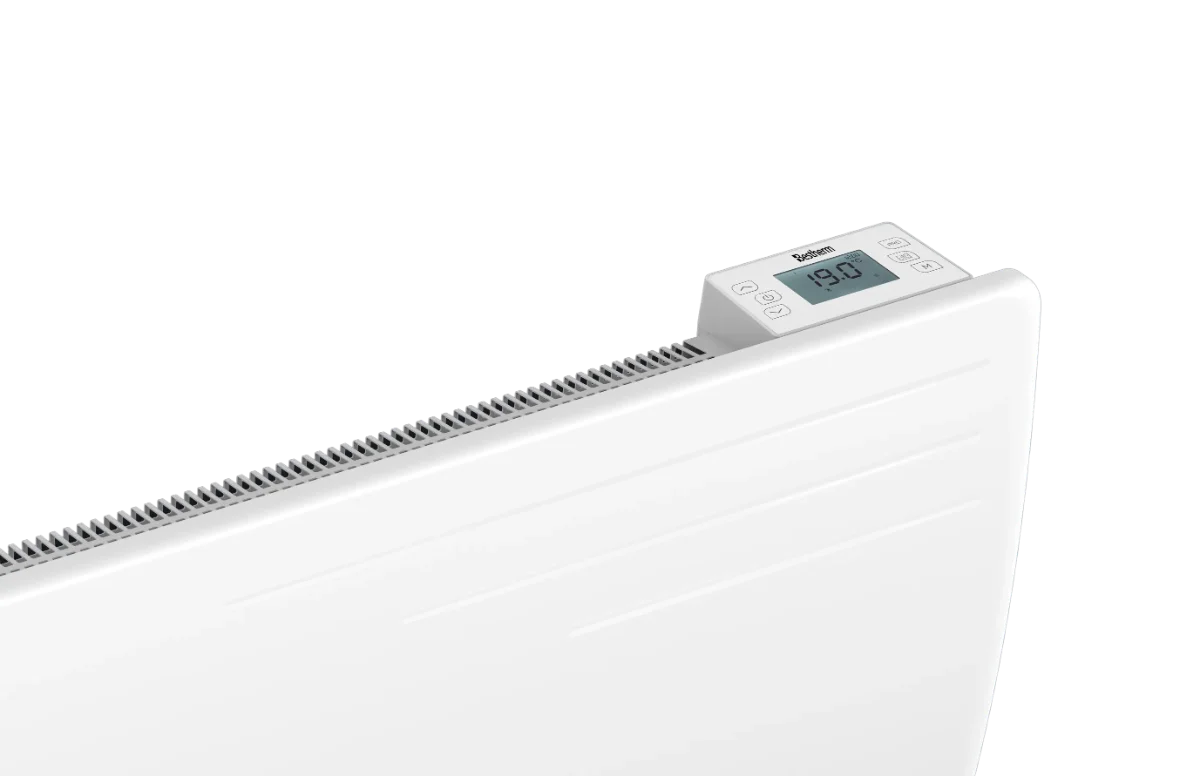
IRIS - Ceramic Inertia Glass Radiator- Glass front panel and ceramic heating core
- 3 pre-programmed weekly schedules and 1 customizable schedule
- 6-command pilot wire and open-window detection
Radiator
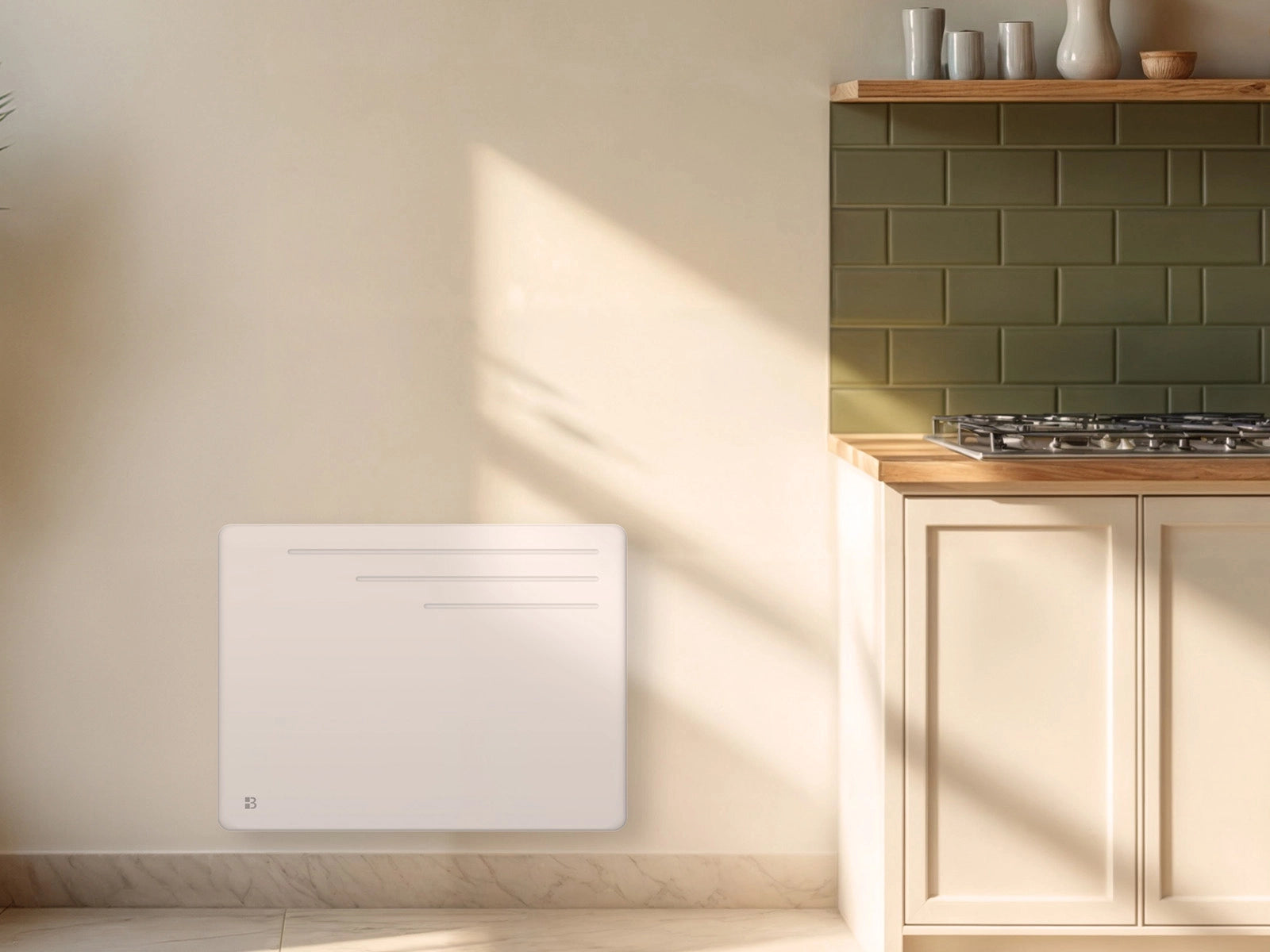
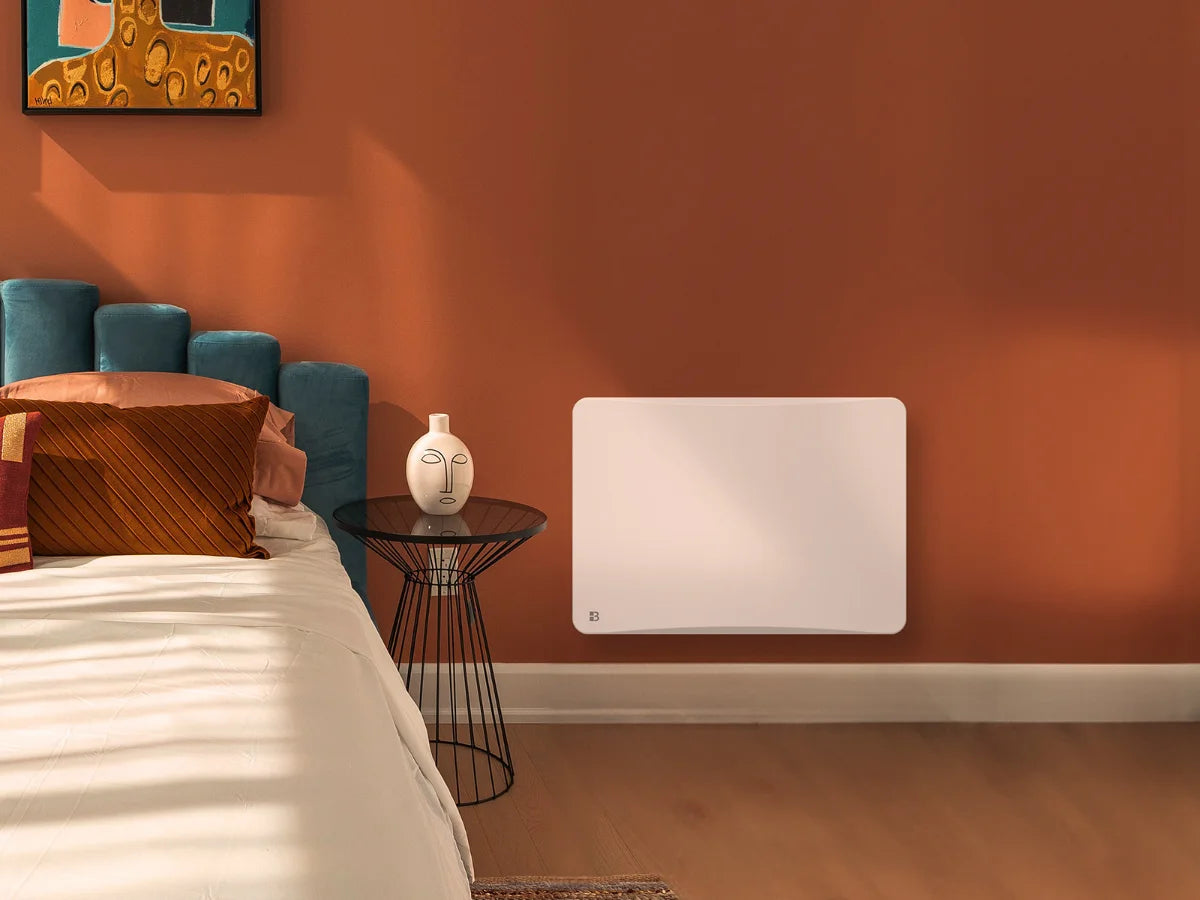
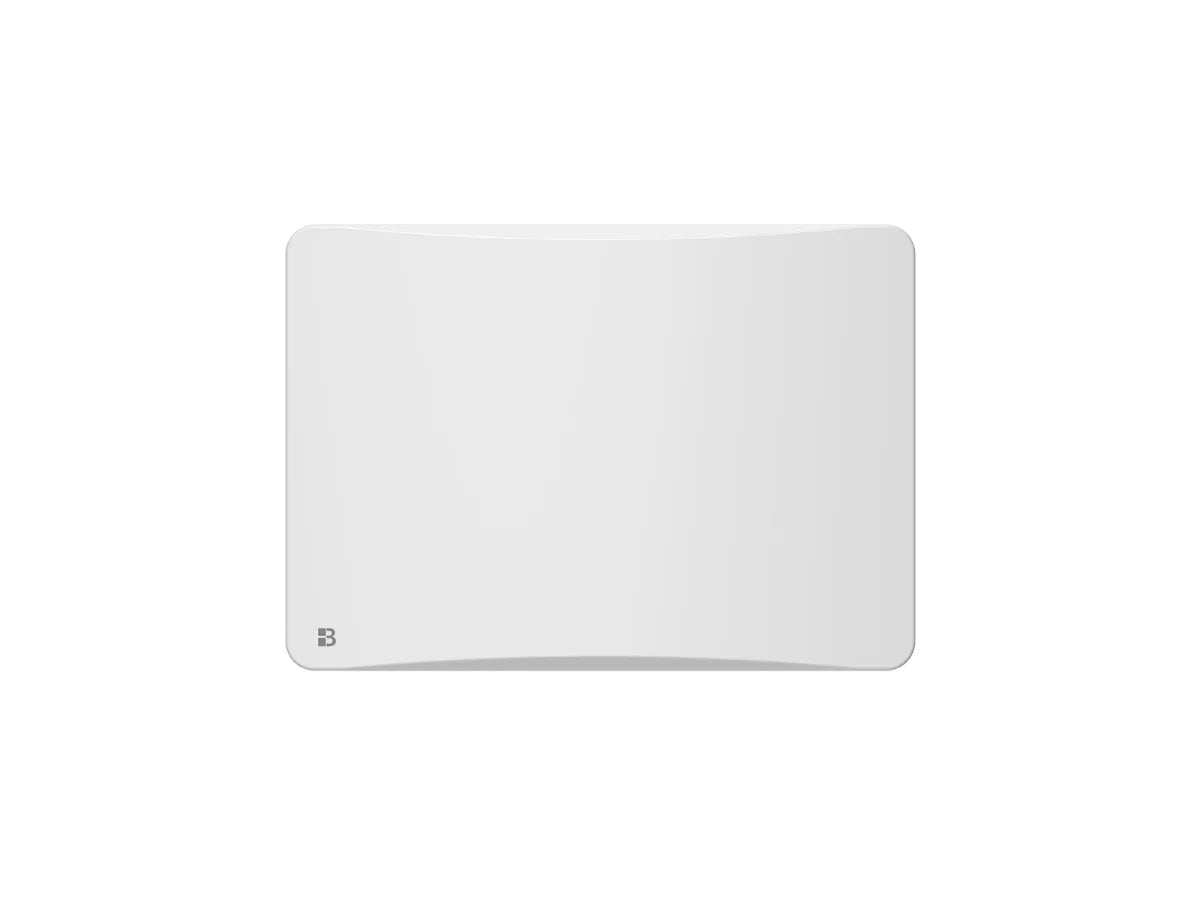
MOTU - Dry Inertia Cast Iron Radiator- Cast iron heating core for long-lasting warmth
- 3 preset programs and 1 customizable program
- Open window detection
Radiator
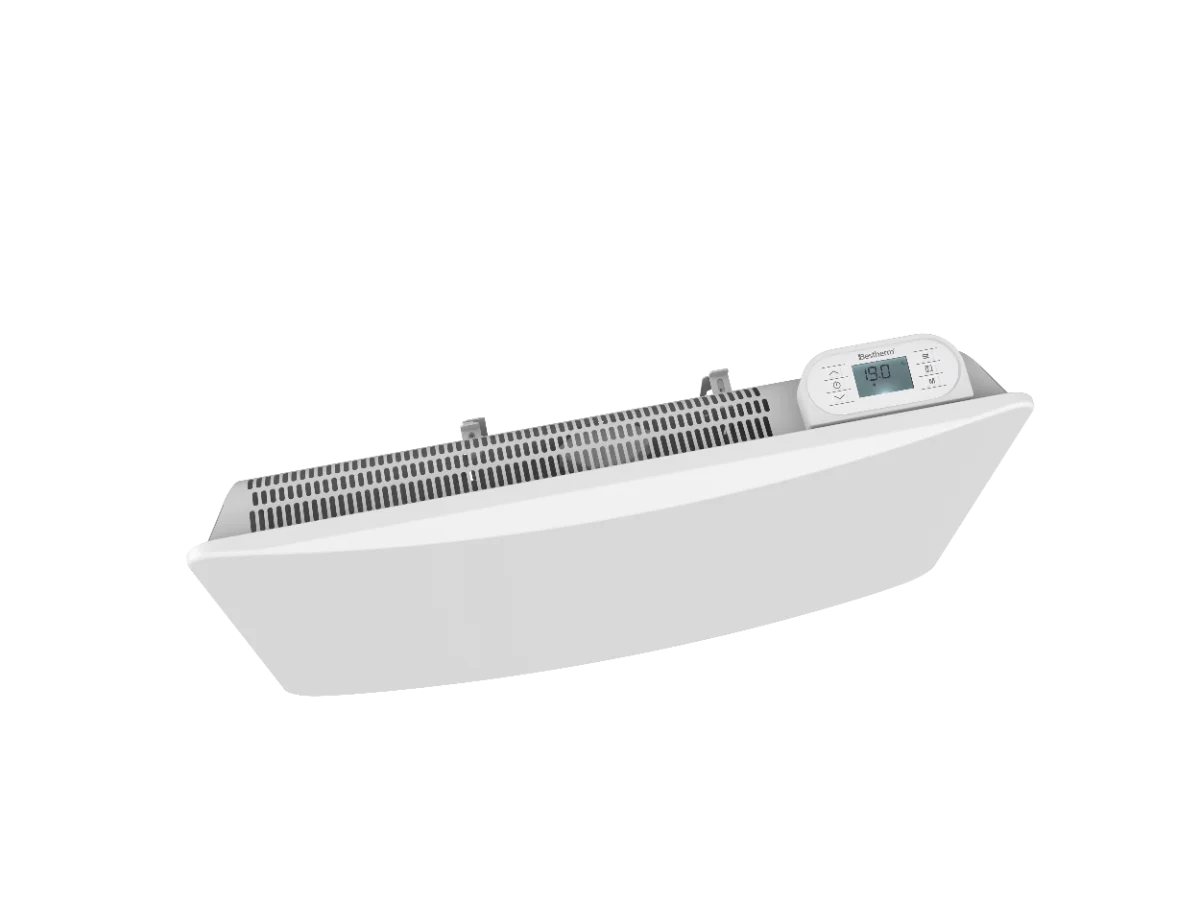
OVEO - Ceramic Inertia Radiator- Ceramic heating element
- Replaceable thermostat
- 3 pre-set weekly programs and 1 customizable program
Radiator
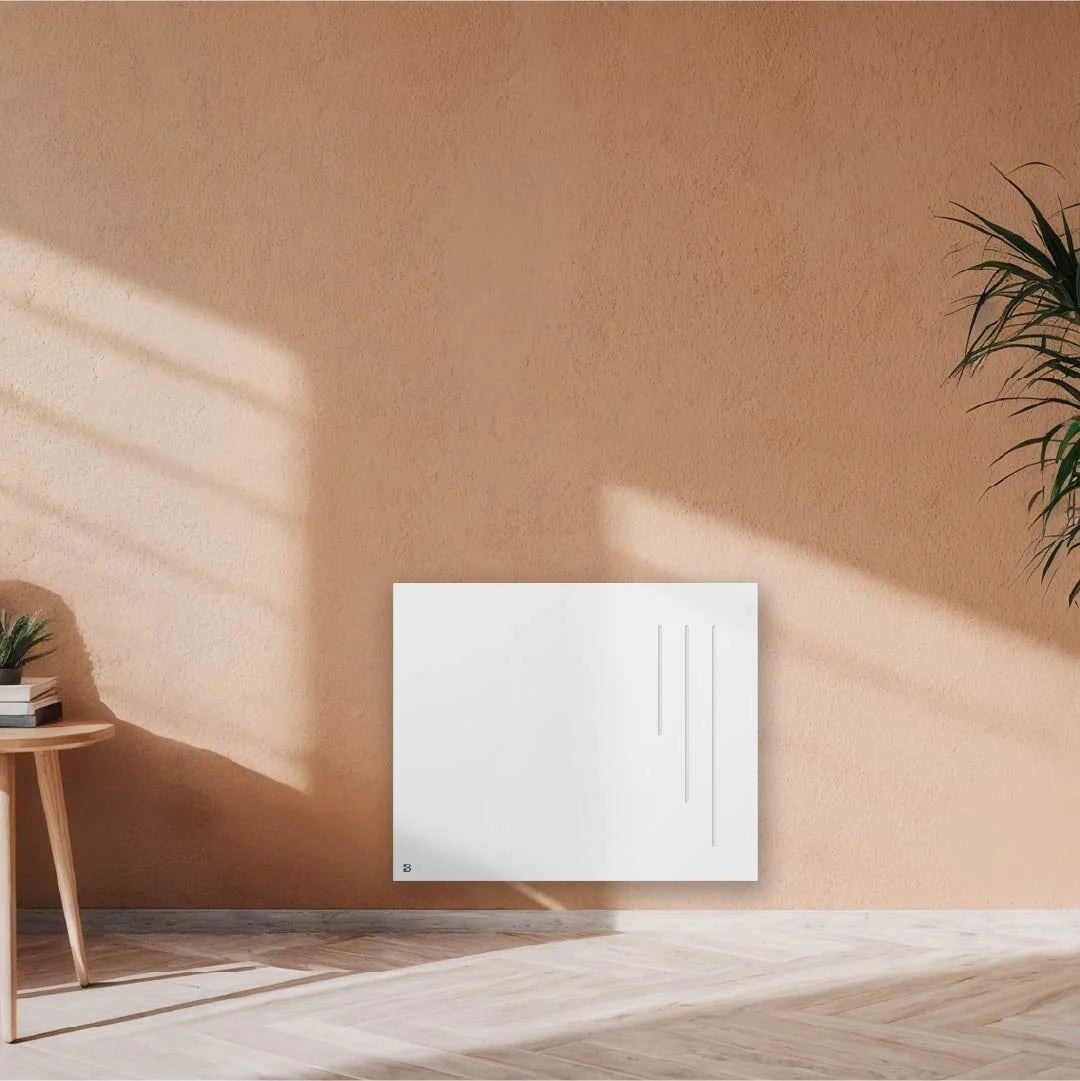
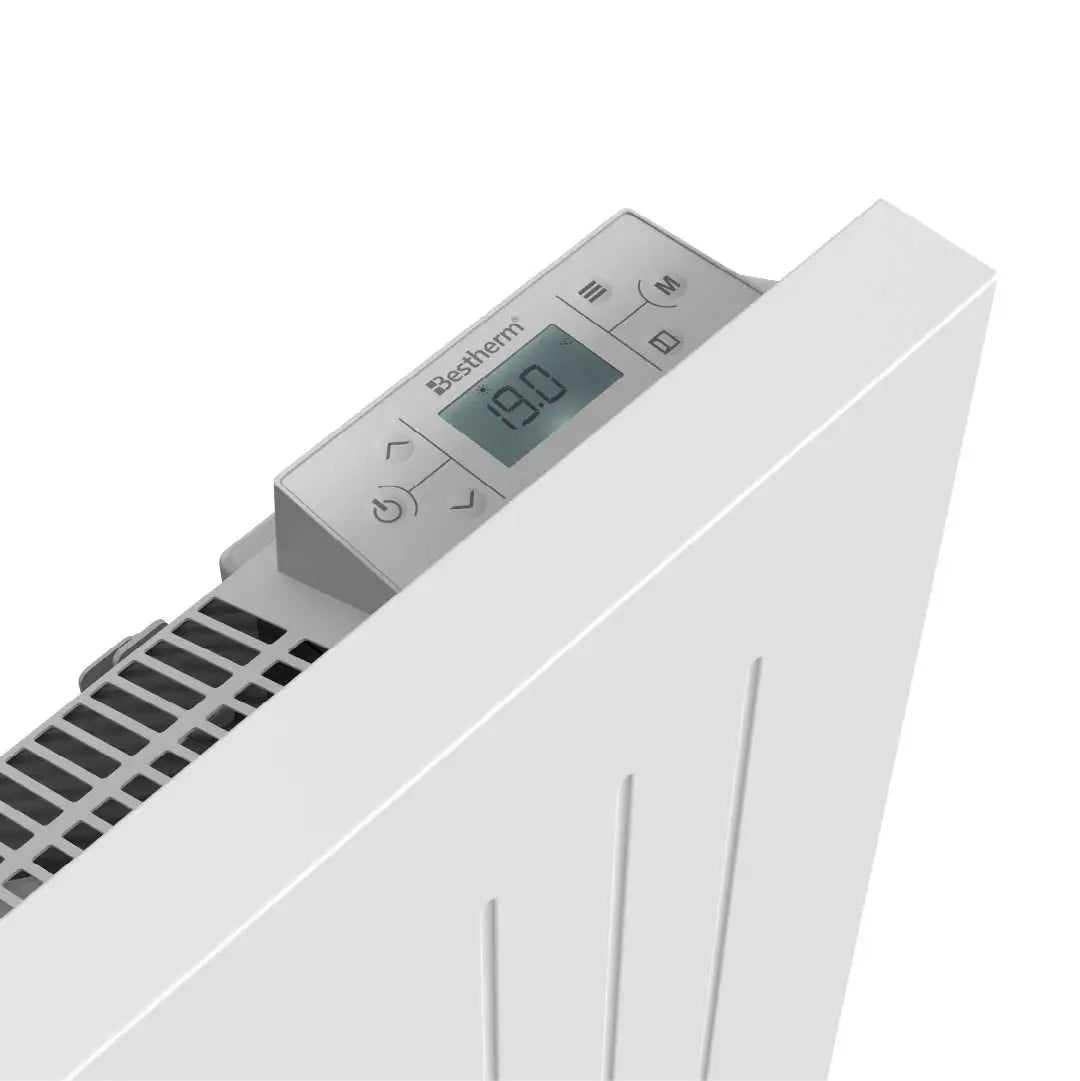
SPARK - Ceramic inertia radiator- Ceramic heating core
- Electronic thermostat and weekly programming
- Open-window detection and 6-command pilot wire
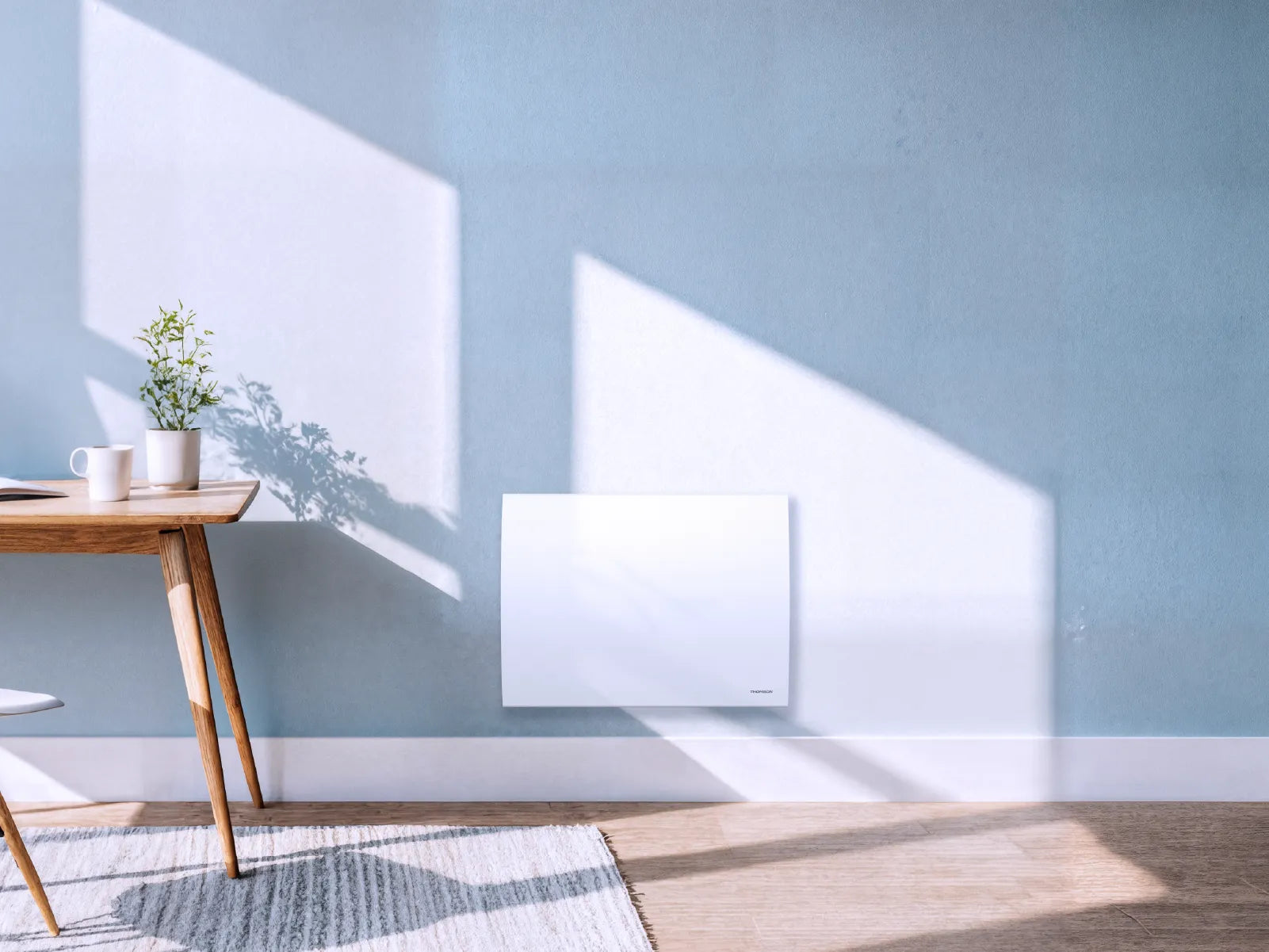

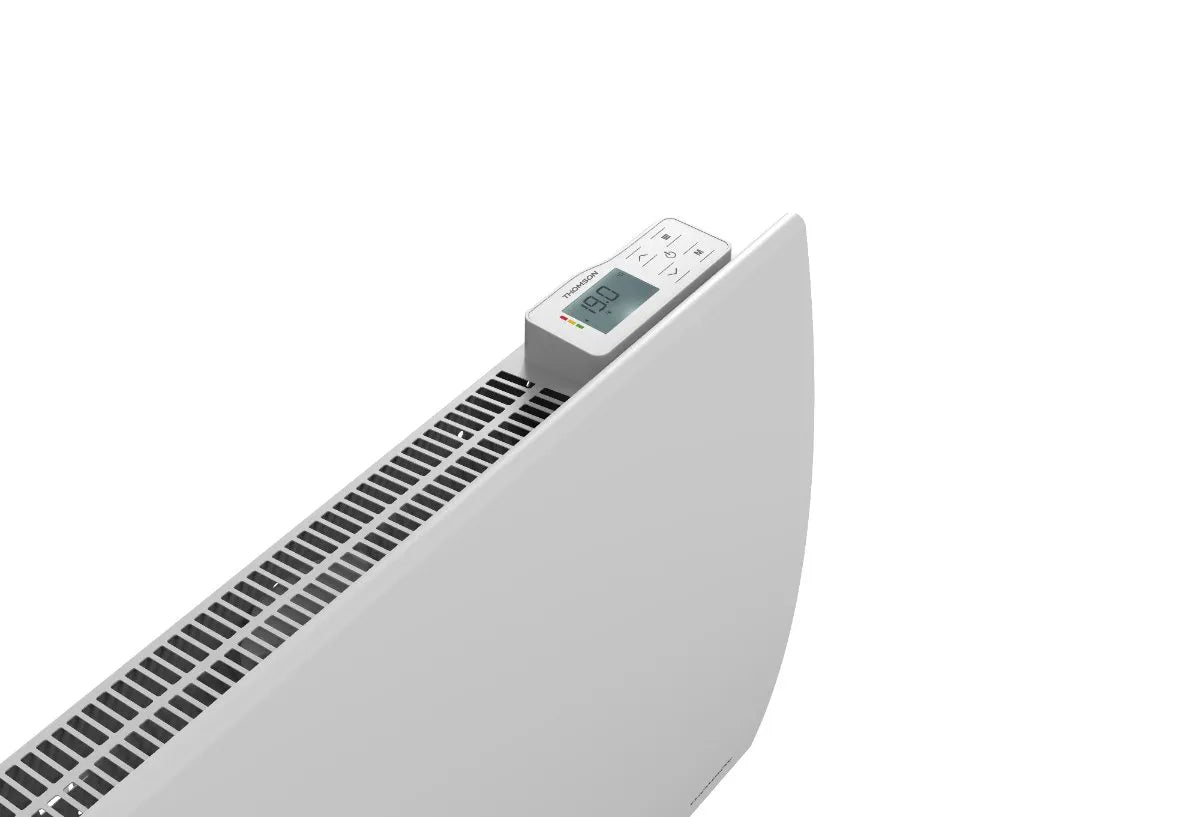
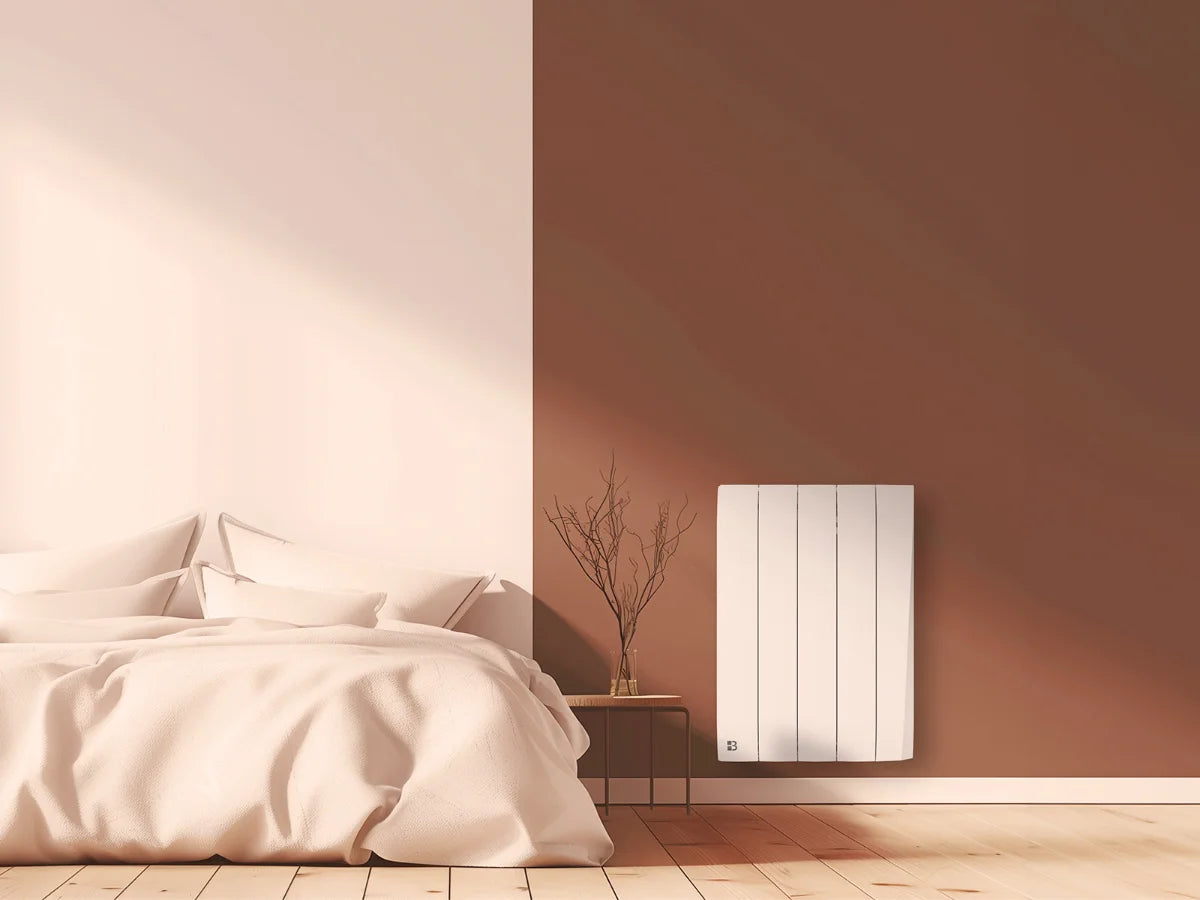
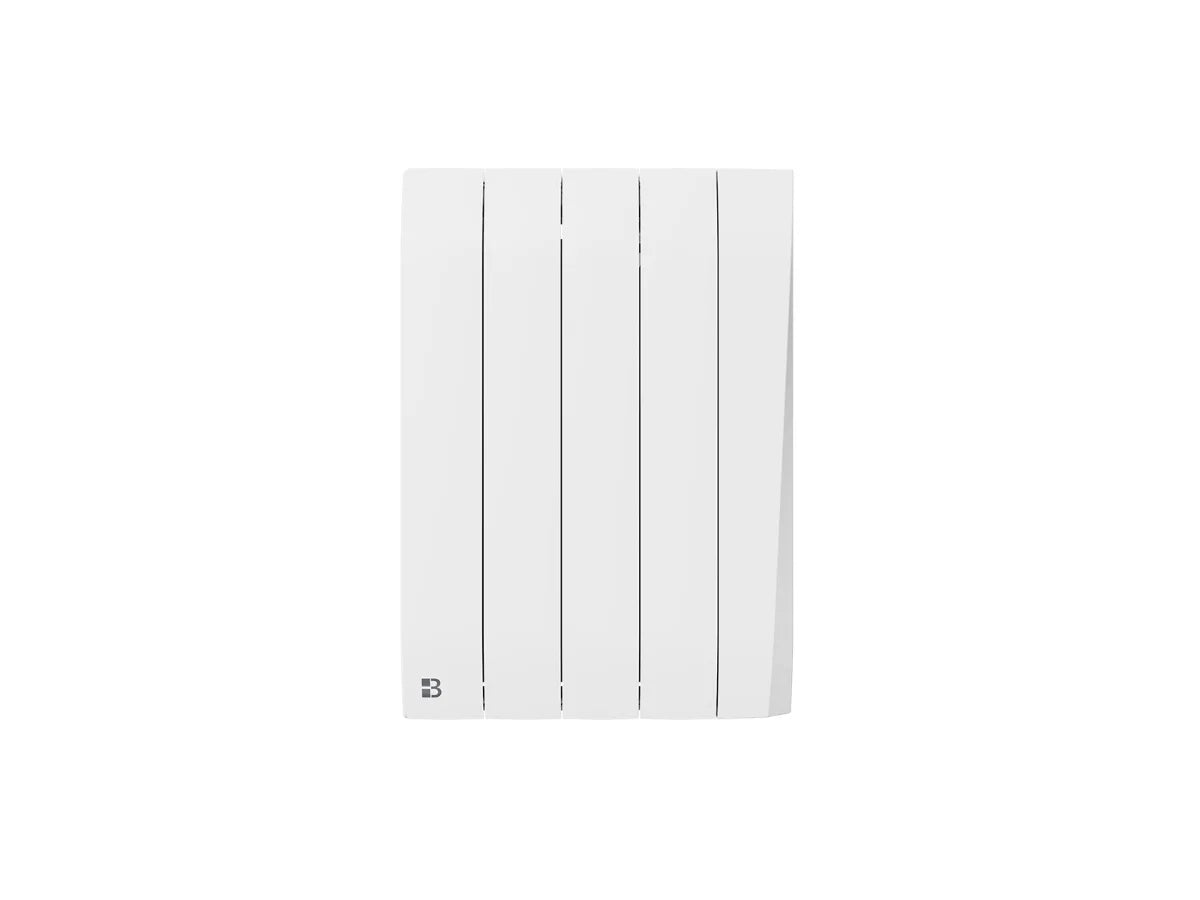
Radiator
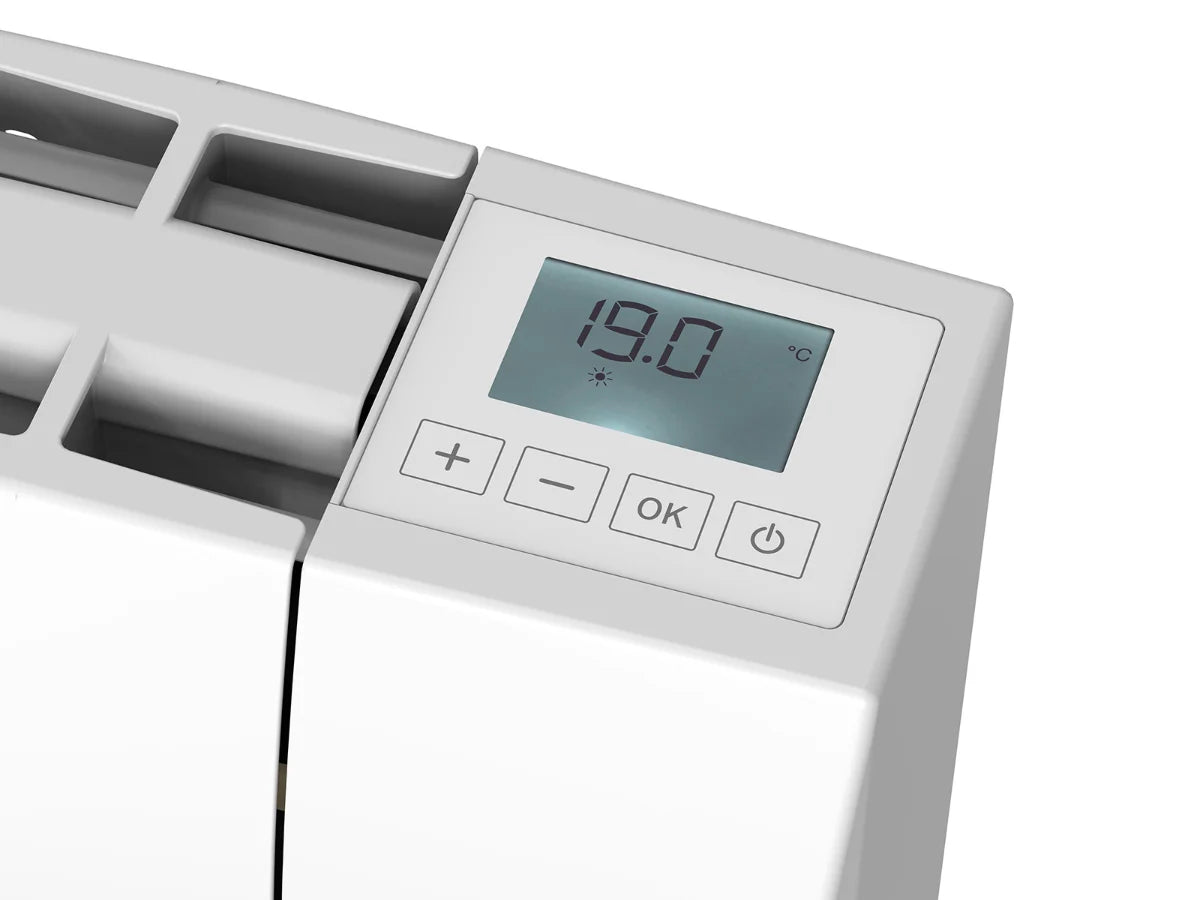
TIKEI - Ceramic Inertia Radiator- Ceramic heating core
- 7 preset and customizable daily programs
- 6-command pilot wire and open window detection
Radiator
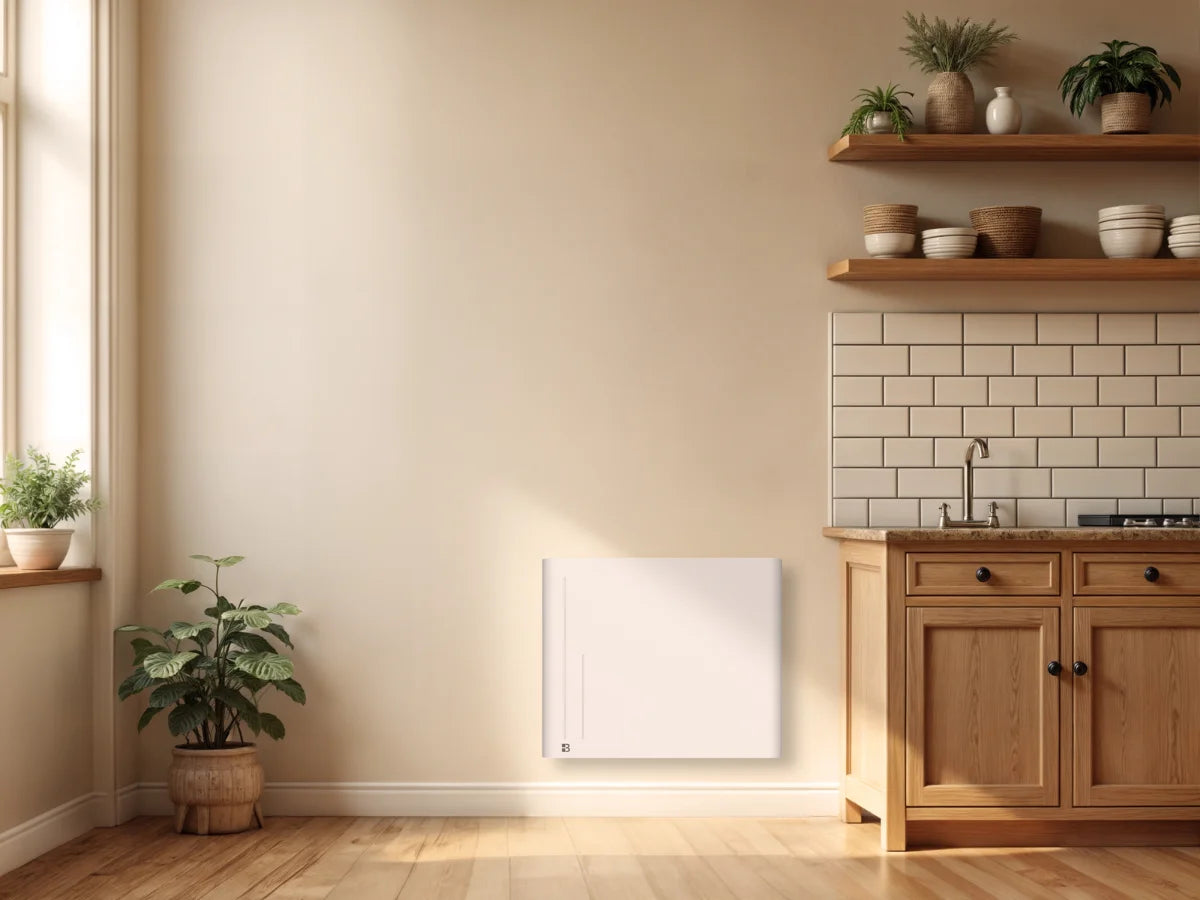
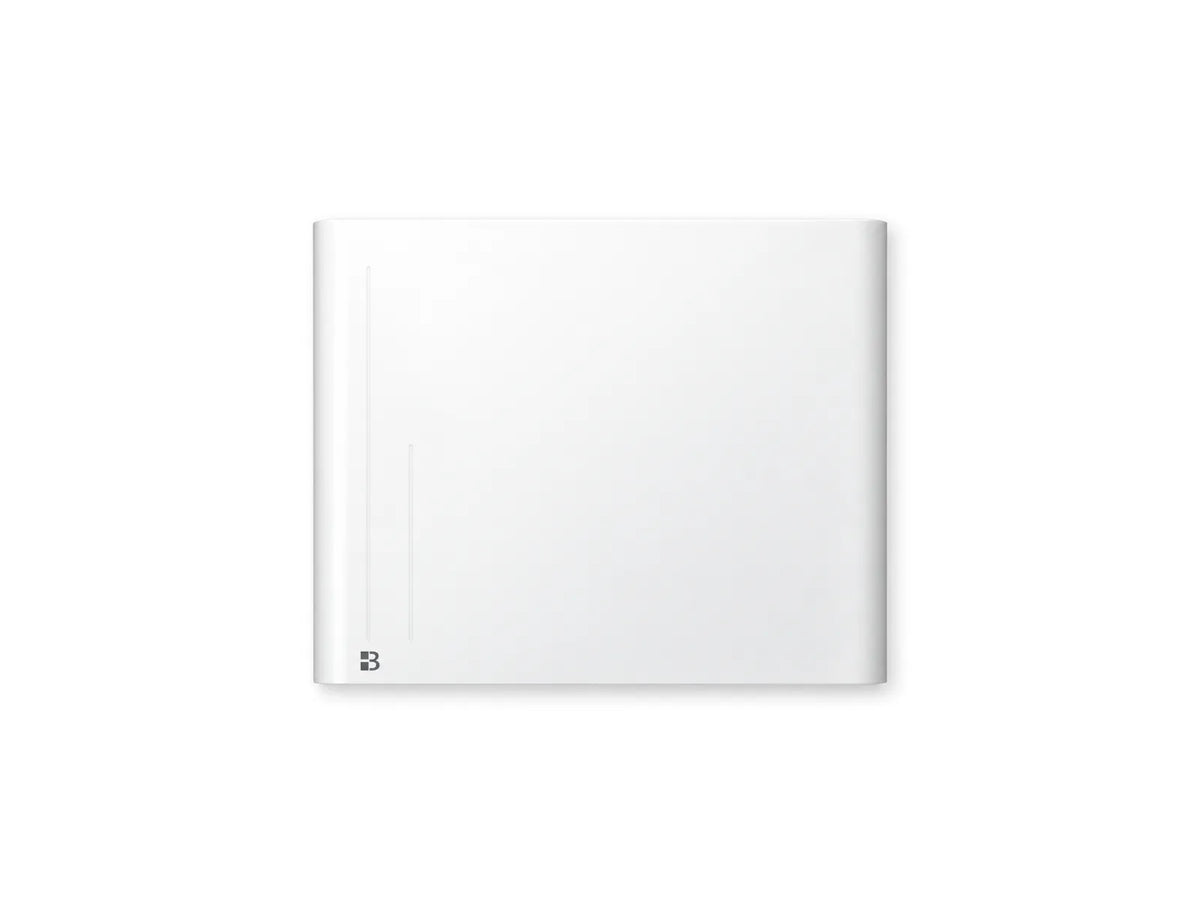
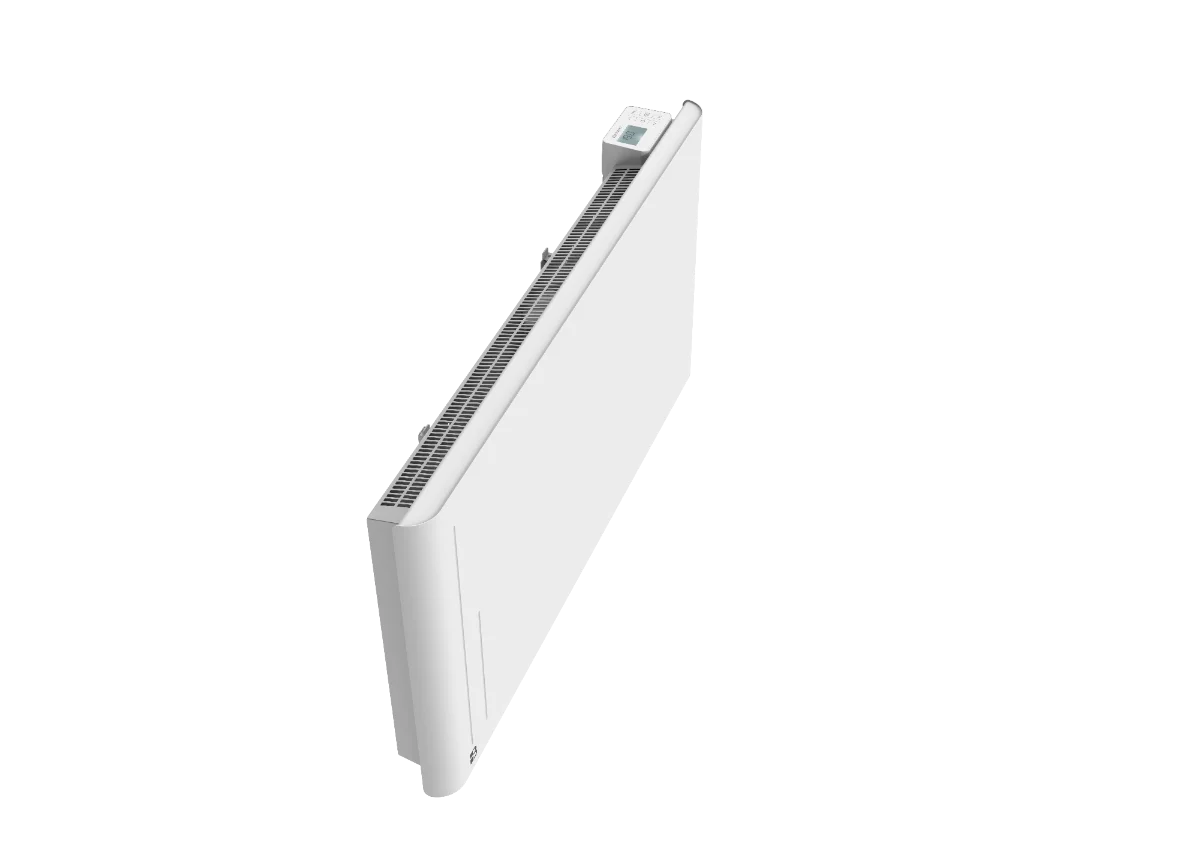
ALBA - Ceramic Inertia Radiator- Ceramic heating core
- 3 pre-programmed weekly schedules and 1 customizable schedule
- 6-command pilot wire and open-window detection
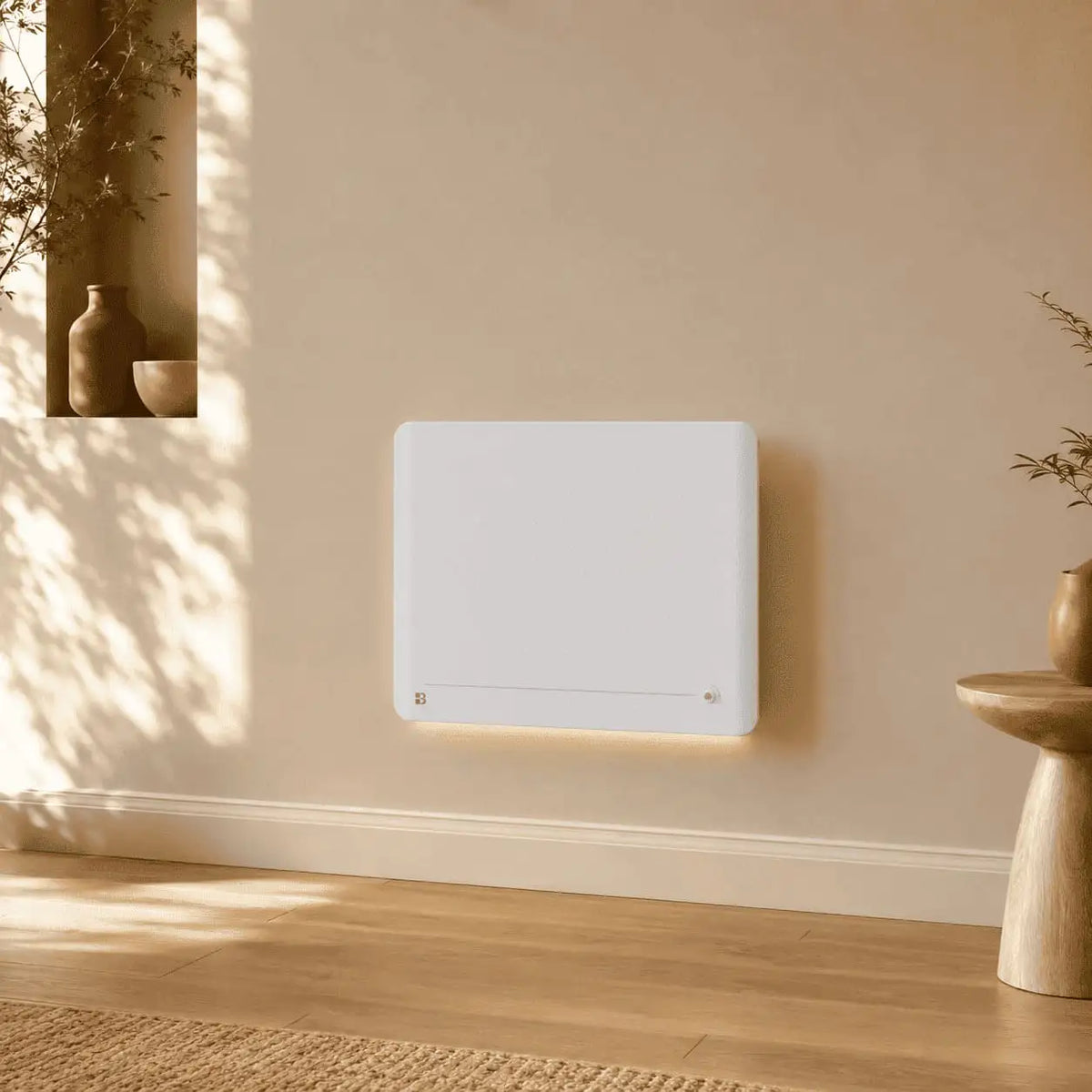
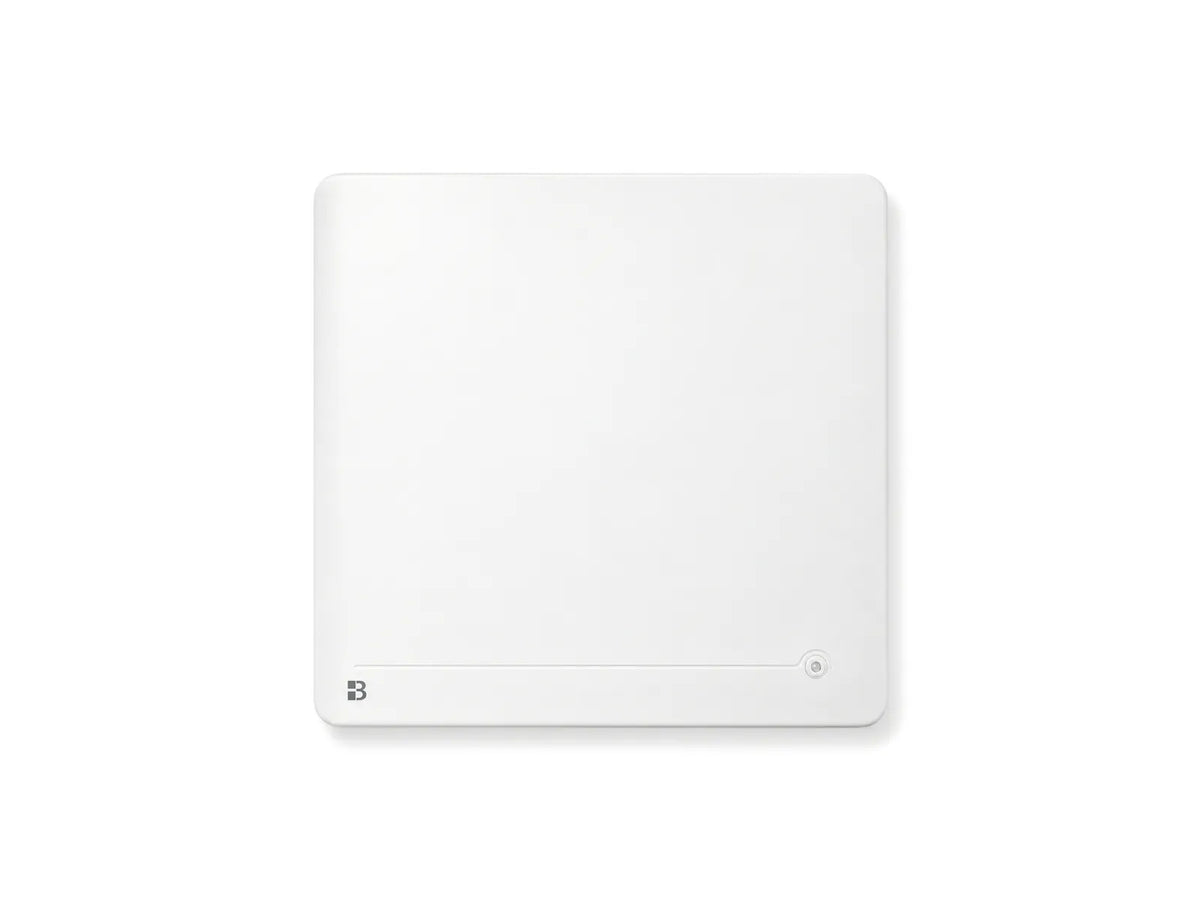
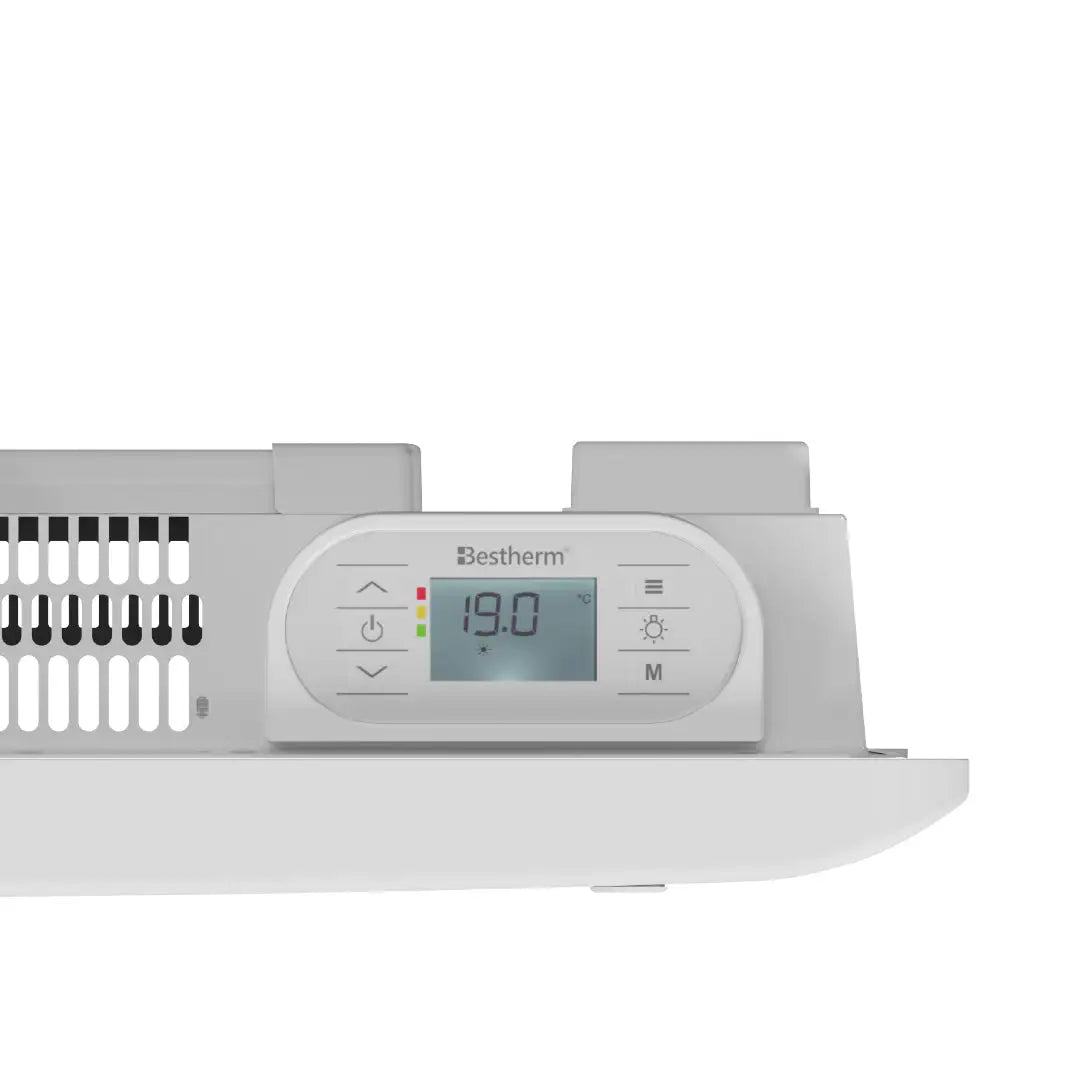
Radiator
STELLINA - Ceramic inertia radiator with presence detector- Integrated LED lighting
- Presence sensor and open window detection
- Interchangeable thermostat
2000W dry-inertia electric radiator
Looking for a radiator for your living room or lounge? A 2000W dry-inertia electric radiator can heat a room of about 16 to 20 m², depending on the home’s insulation. You can choose a ceramic or cast iron heating core, or dual-core technology, depending on the comfort you want and how you use the room.
With its heating core, a dry-inertia radiator stores the heat produced by its heating element before releasing it gradually. Combined with a precise electronic thermostat, this operation helps maintain a steady temperature between heating cycles.
What area is a 2000W dry-inertia radiator suitable for?
A 2000W dry-inertia electric radiator heats about 20 m² in a well-insulated home, compared with about 16 m² in an older home with average to poor insulation. These estimates are based on indicative requirements of 100 to 125 W/m² and should be adjusted to suit your home’s characteristics.
| Home insulation | Indicative Wattage | Area for 2000W |
|---|---|---|
| Good: newer or renovated home | 100 W/m² | About 20 m² |
| Average to poor: older home | 125 W/m² | About 16 m² |
Floor area alone is not enough to determine the wattage needed. Lnsulation, ceiling height, windows and the room’s exposure also play a role. In a long or L-shaped living room, several radiators may be preferable to distribute heat more evenly.
The steps to determine the radiator wattage needed per m² will help you narrow down your choice.
Ceramic, cast iron or dual core: which technology should you choose for a 2000W radiator?
Ceramic, cast iron or dual core: each technology has its own characteristics. To make your choice, consider how you heat the room and the features of the radiator.
Radiators with a ceramic heating core offer a responsive warm-up. They are particularly suitable for rooms where you want to adjust the temperature quickly.
Radiators with a cast iron heating core rely on a high heat retention capacity. The stored heat is released gradually, making them suitable for living spaces occupied for long periods.
The dual heating core combines two complementary elements to bring together responsiveness and heat retention, a technology featured in the NEMESIS and ALMEA models.
| Technology | Operation | Suitable use |
|---|---|---|
| Ceramic | Responsive heat-up | Rooms where the temperature needs to be adjusted quickly |
| Cast iron | Heat storage and gradual release | Rooms occupied for long periods |
| Dual heating core | Combination of two complementary heating elements | Responsiveness and heat retention requirements |
If you heat the room all day, choose a model suited to this use. For occasional heating, also check the regulation and scheduling features available.
How can you manage the energy consumption of a 2000W electric radiator?
A 2000W electric radiator uses around 2 kWh for one hour of operation at full power. At the indicative rate of €0.2001 per kWh used for this estimate, the hourly cost is around €0.40 when the heating element runs continuously.
The actual cost depends on your electricity plan’s rate. For a more accurate estimate, multiply your price per kWh by the radiator’s energy consumption. You can consult the CRE information on regulated electricity sales tariffs.
In practice, the heating element does not necessarily heat for a full hour. Once the desired temperature is reached, the electronic thermostat regulates the heating and off cycles. Actual energy consumption therefore depends in particular on insulation, outdoor temperature, the temperature setting and duration of use.
Depending on the model, various features can help you manage your heating more effectively:
- Weekly scheduling: adapts heating periods to your schedule.
- Electronic thermostat: regulates the room temperature.
- Open-window detection: reduces or stops heating when a rapid drop in temperature is detected.
Scheduling helps avoid unnecessarily maintaining a high temperature when the room is unoccupied. To learn more, the advice on calculating your electric radiator’s energy consumption will help you better understand the factors that affect your bill.
One 2000W radiator or two 1000W radiators?
In a large room or an irregularly shaped space, two 1000W radiators can distribute heat better than a single 2000W unit. The total power remains the same, but heat may be distributed more evenly when the units are placed in suitable locations. Before choosing, check the available wall space and connection options.
To compare the available outputs, browse the collection of 1000W dry-inertia radiators.
Horizontal or vertical 2000W radiator: which format should you choose?
A horizontal model is easy to install on a sufficiently wide wall. A vertical radiator may be more suitable if you have limited width, for example between a door and a window. Check the appliance's dimensions and follow the installation orientation specified by the manufacturer.
The format must not be reversed: a radiator designed for vertical installation must not be installed horizontally, and vice versa, unless the manufacturer explicitly states otherwise.
If you're looking for a vertical appliance, the ARIA vertical radiator is worth considering; check the available output in the product specifications.
Bestherm tip: ADEME recommends a temperature of 19 °C in occupied living areas. Set a lower temperature at night and when you are away to match heating to your actual needs.
Source: ADEME – Tips for more economical heating.
FAQ: 2000W dry-inertia radiator
What area can a 2000W dry-inertia electric radiator heat?
A 2000 W dry-inertia radiator heats around 20 m² in a well-insulated home, based on 100 W/m². In an older home with average to poor insulation, allow for around 16 m² instead, based on 125 W/m². These figures are for guidance only and should be adjusted to the home's characteristics.
Is it better to install one 2000W radiator or two 1000W radiators?
In a compact room, a single 2000W heater may be enough if its output is suitable. In a long room, an L-shaped room, or one with several living areas, two 1000W heaters may distribute heat more evenly, provided there are suitable locations and connections.
How much does it cost to run a 2000 W radiator for one hour?
At full power, the radiator uses 2 kWh in one hour. At a rate of €0.2001/kWh, that comes to about €0.40. The actual cost varies depending on your electricity plan and how long the heating element runs.
Should you choose a vertical or horizontal 2000W radiator?
A horizontal radiator suits walls that are long enough, while a vertical model makes better use of a narrow wall space. The choice depends on the room layout and the dimensions of the appliance. Always follow the installation orientation specified by the manufacturer.
Updated on 09/10/2026