
2000W dry-inertia electric radiator
Filters
25 products
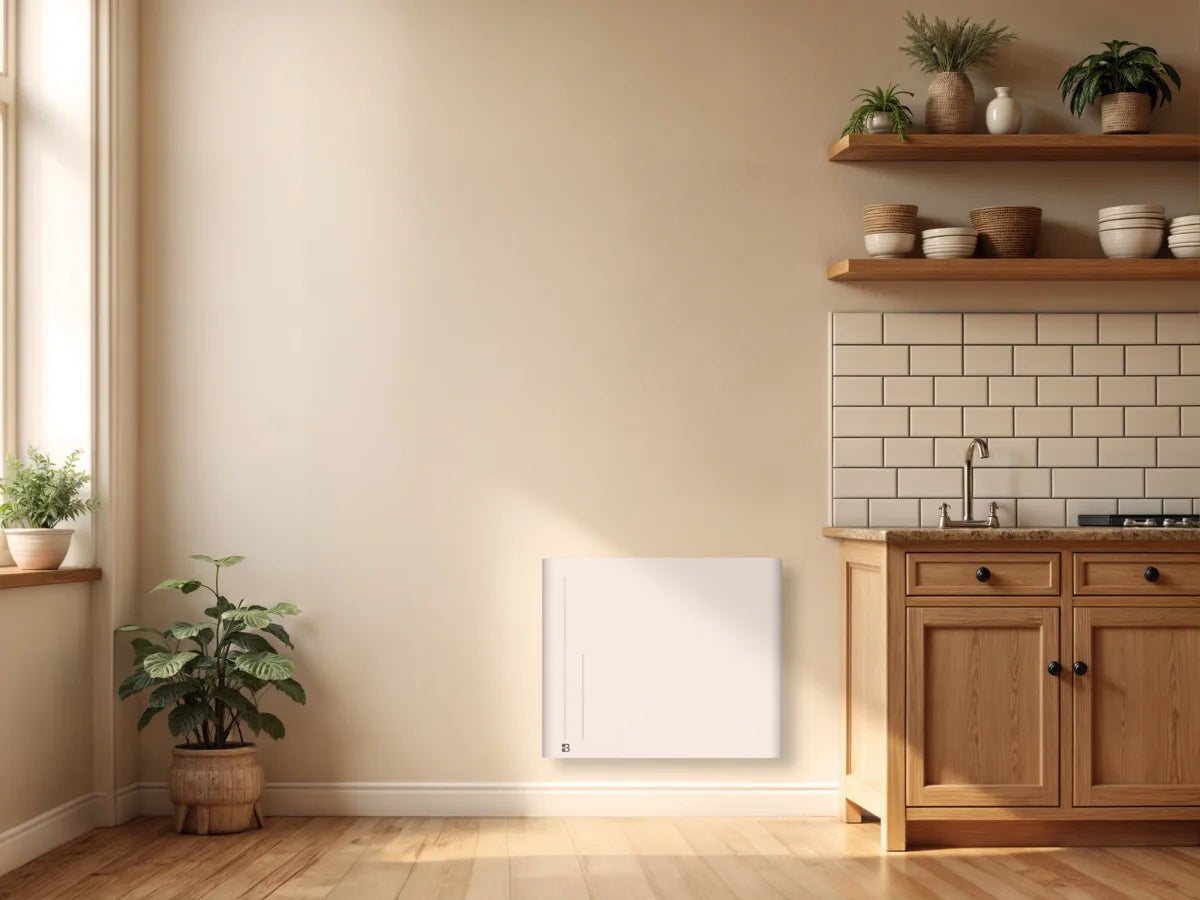
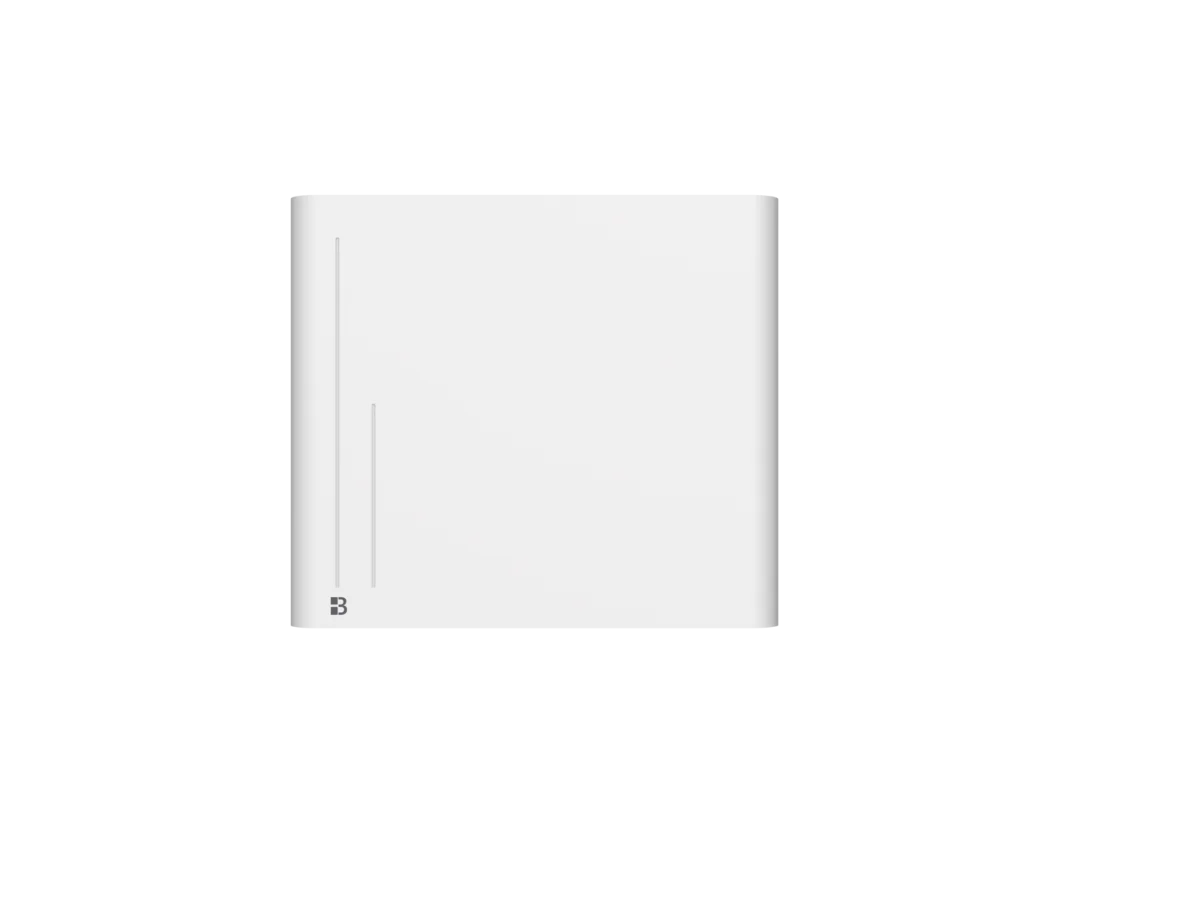
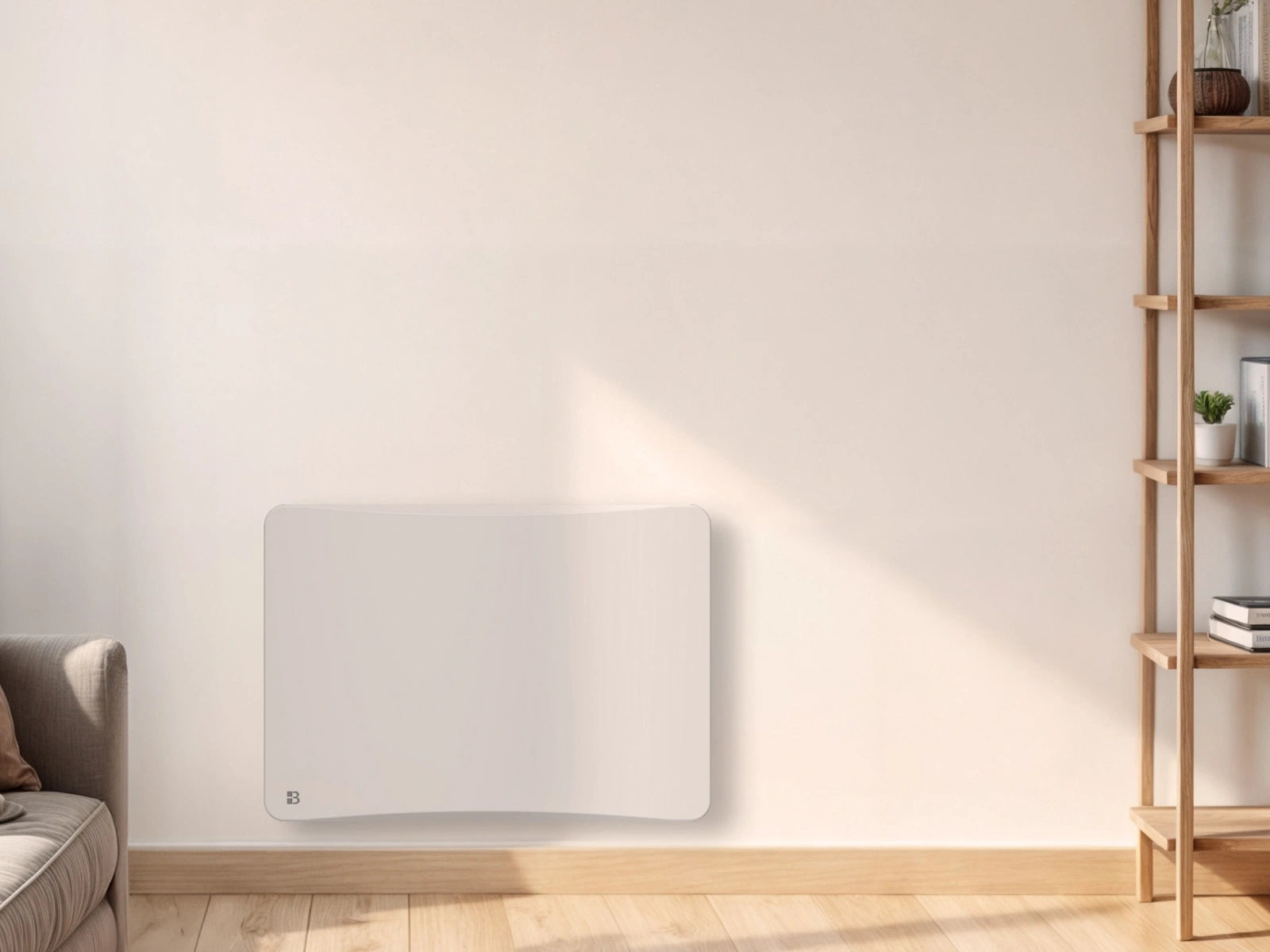
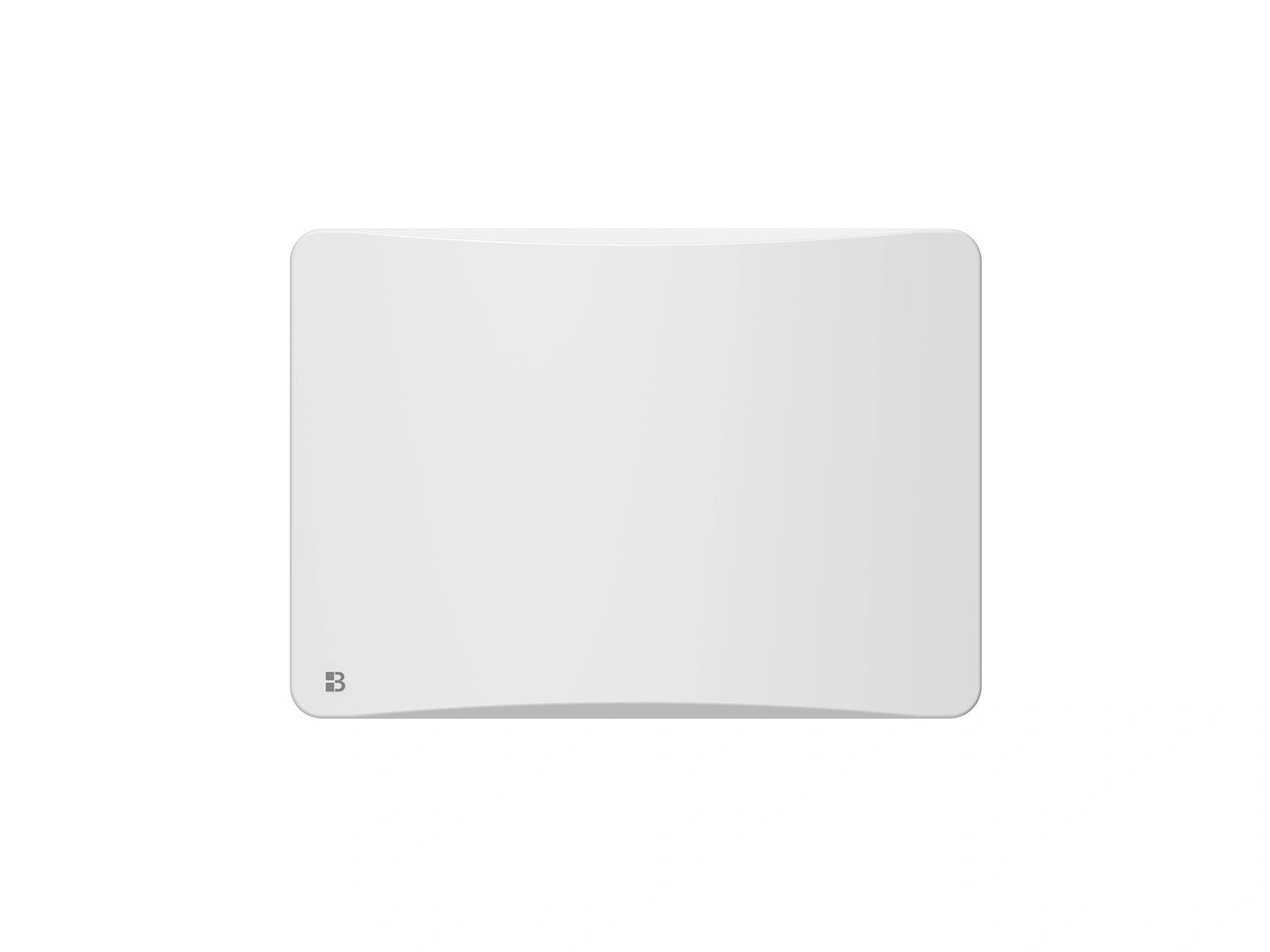
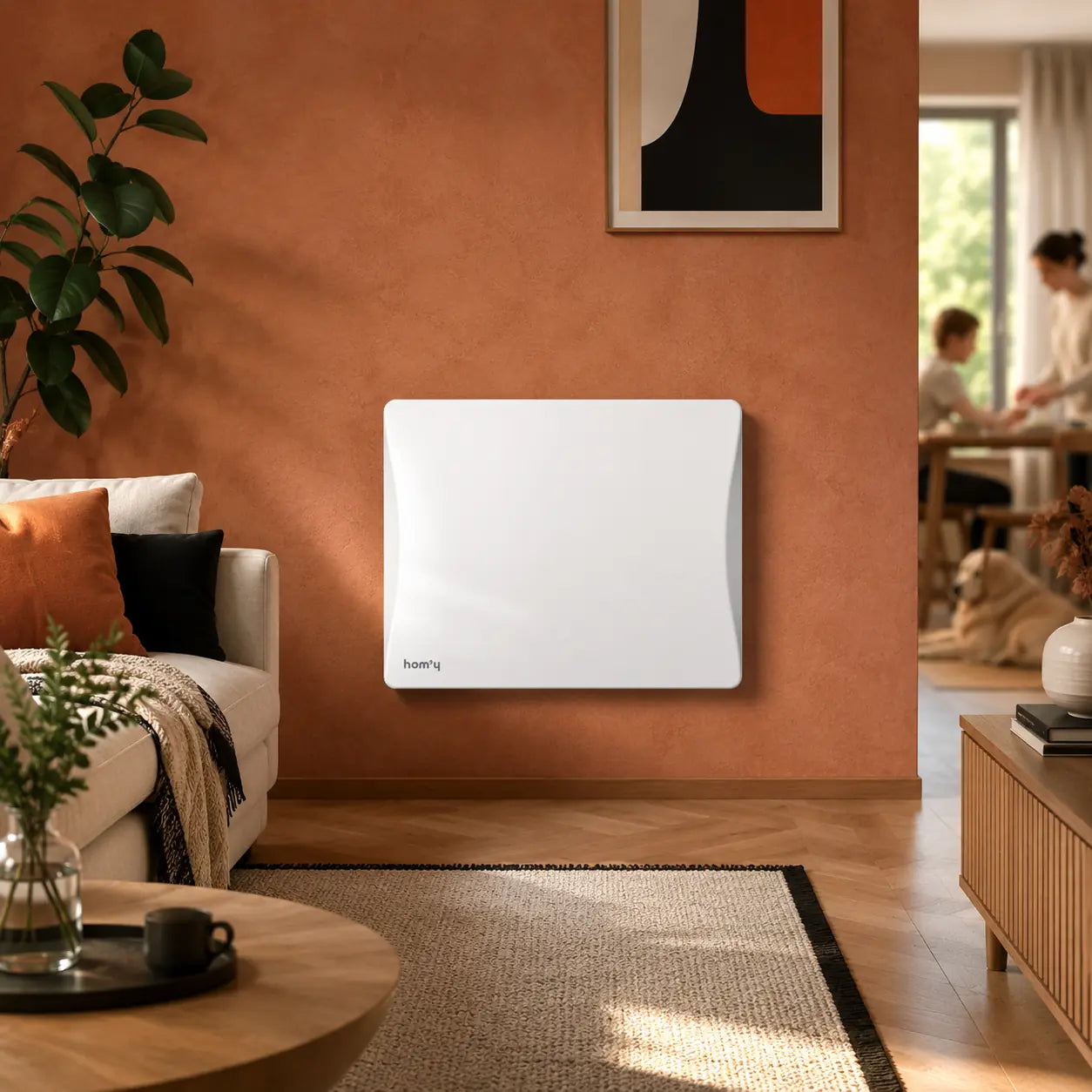

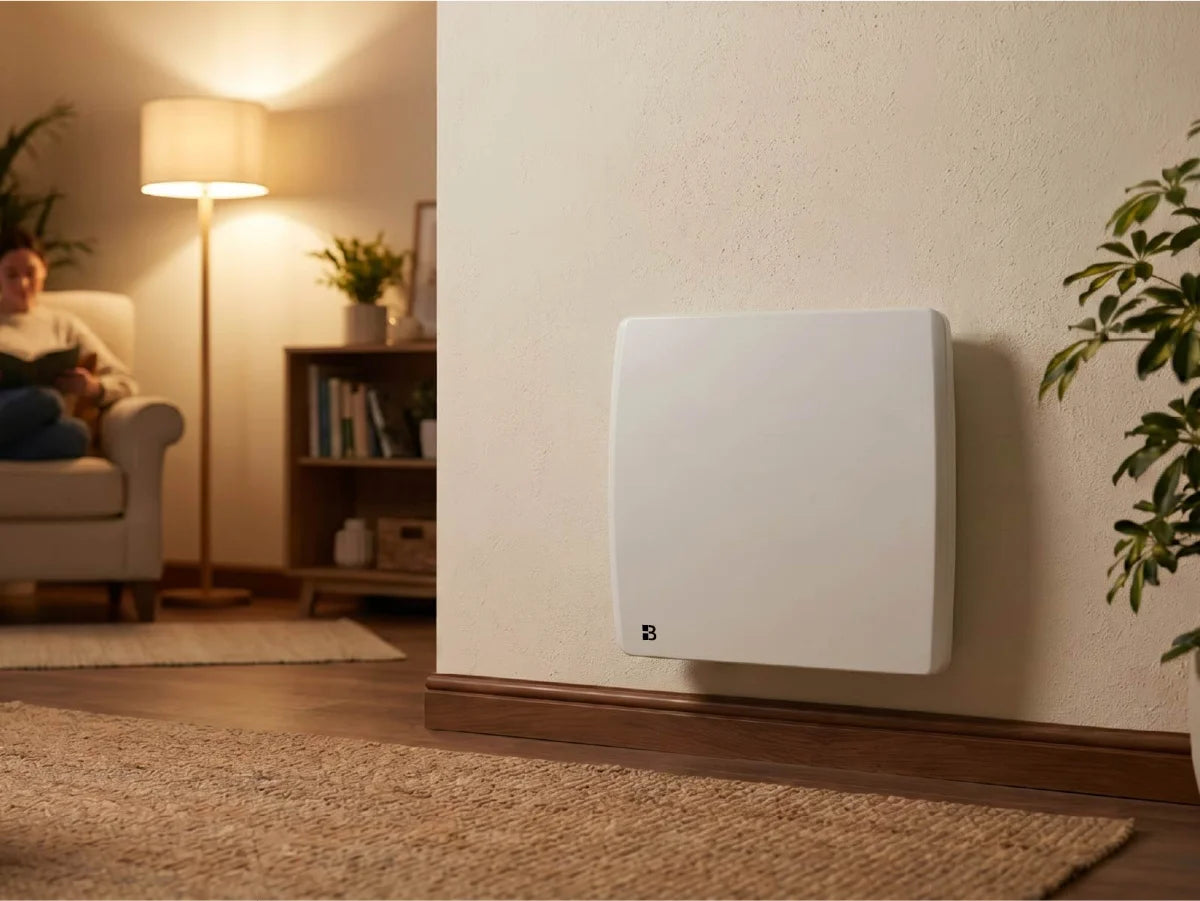
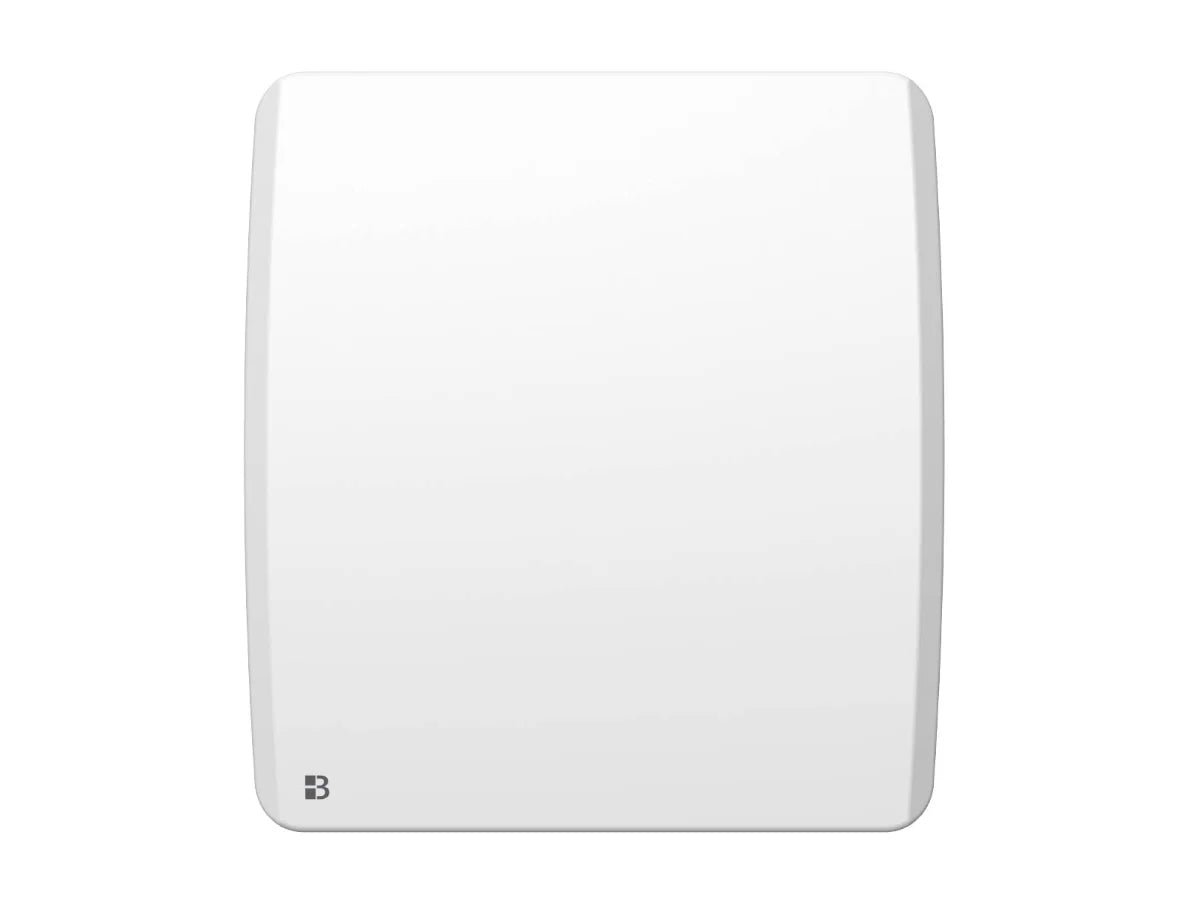
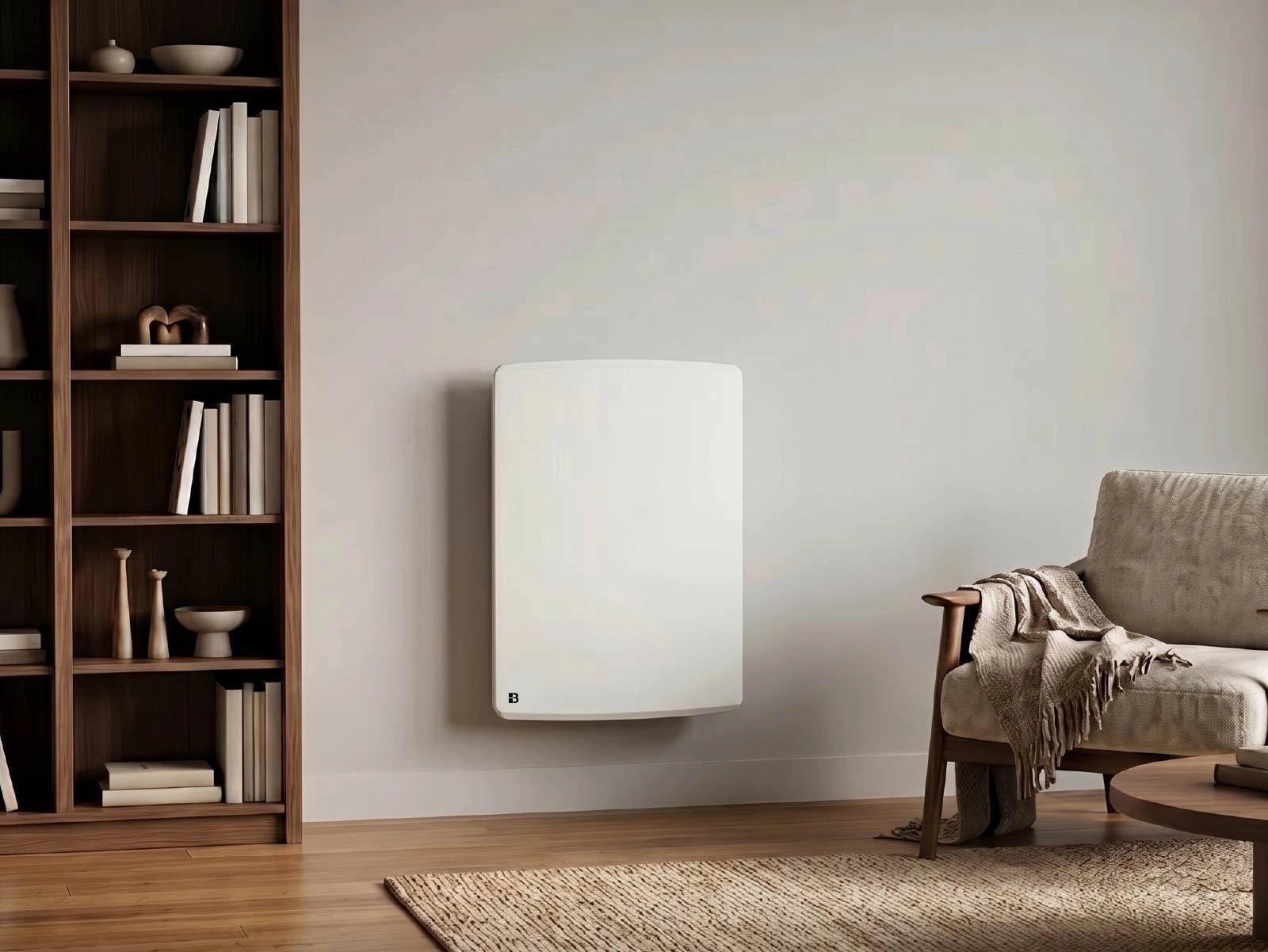
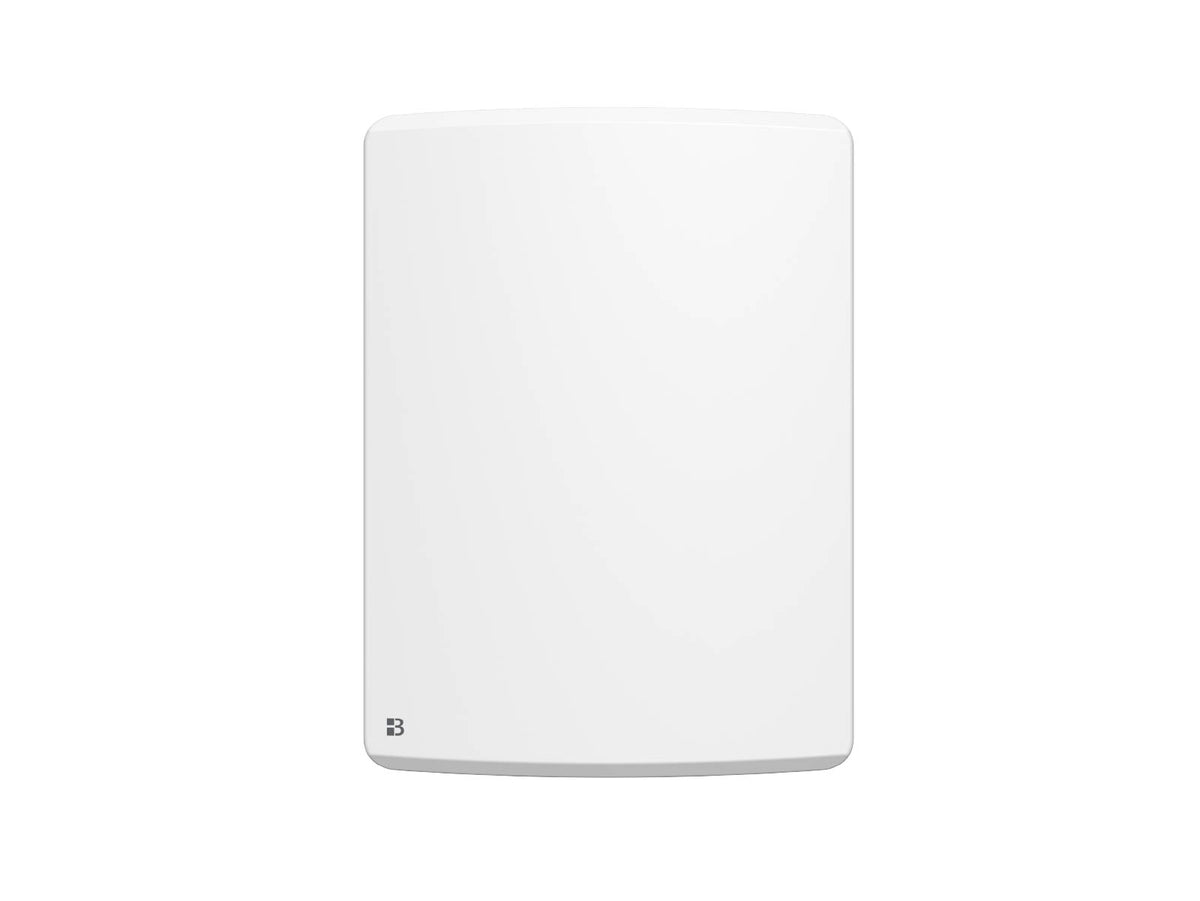
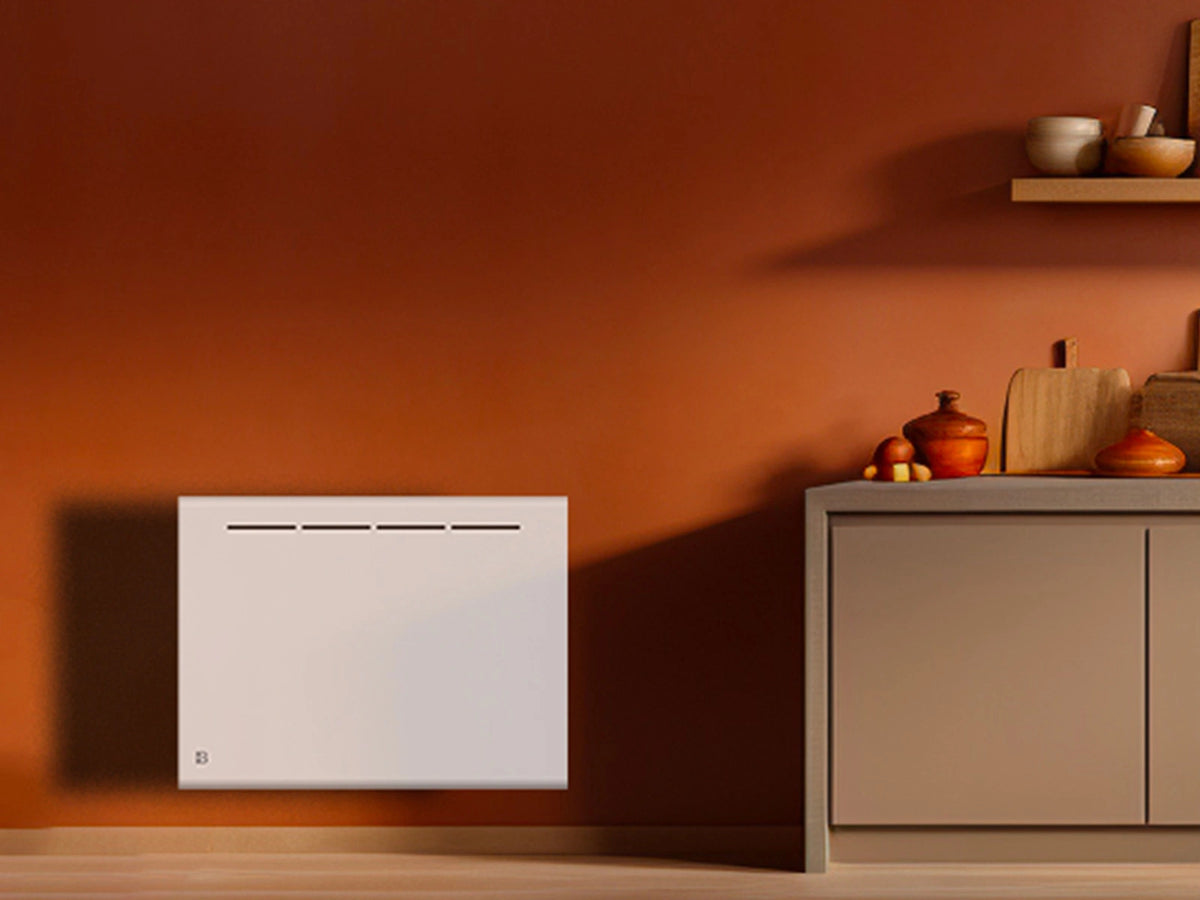
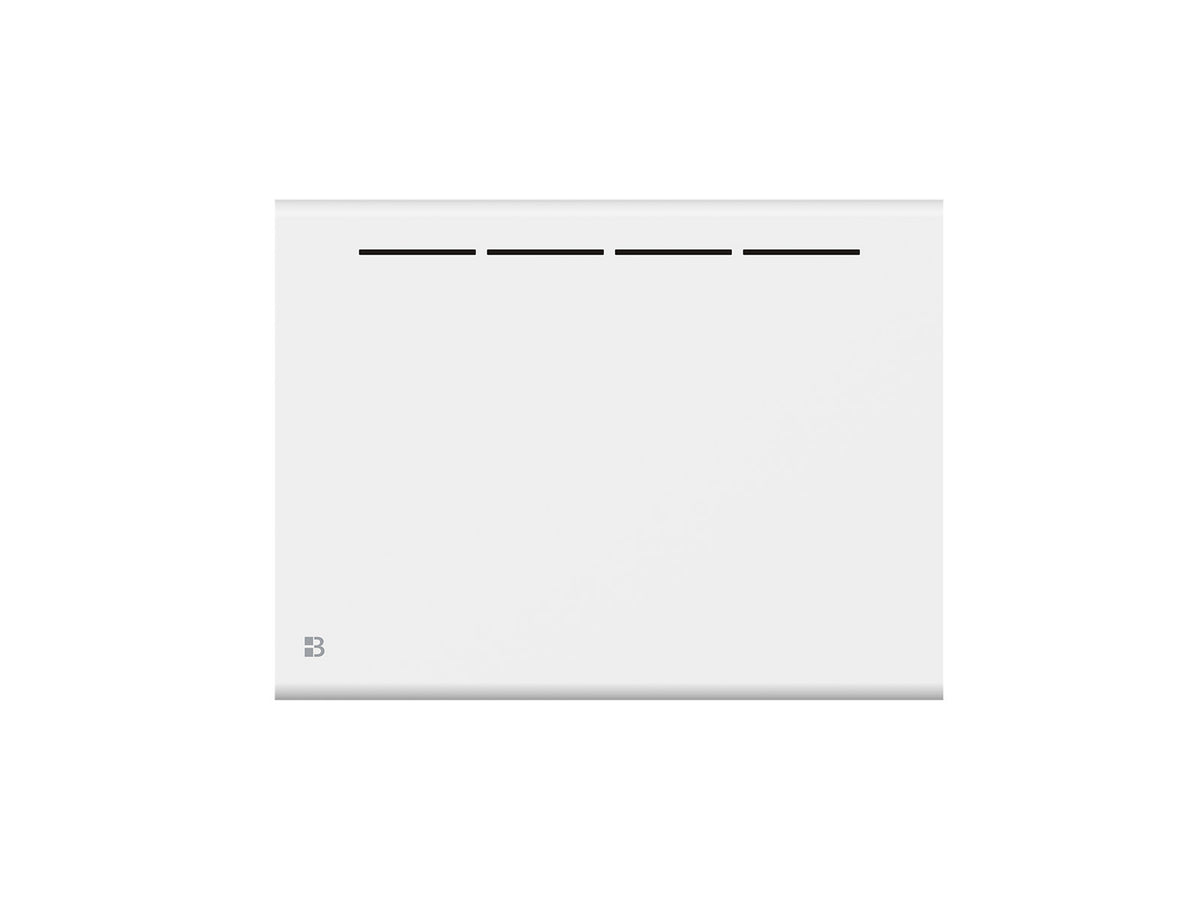
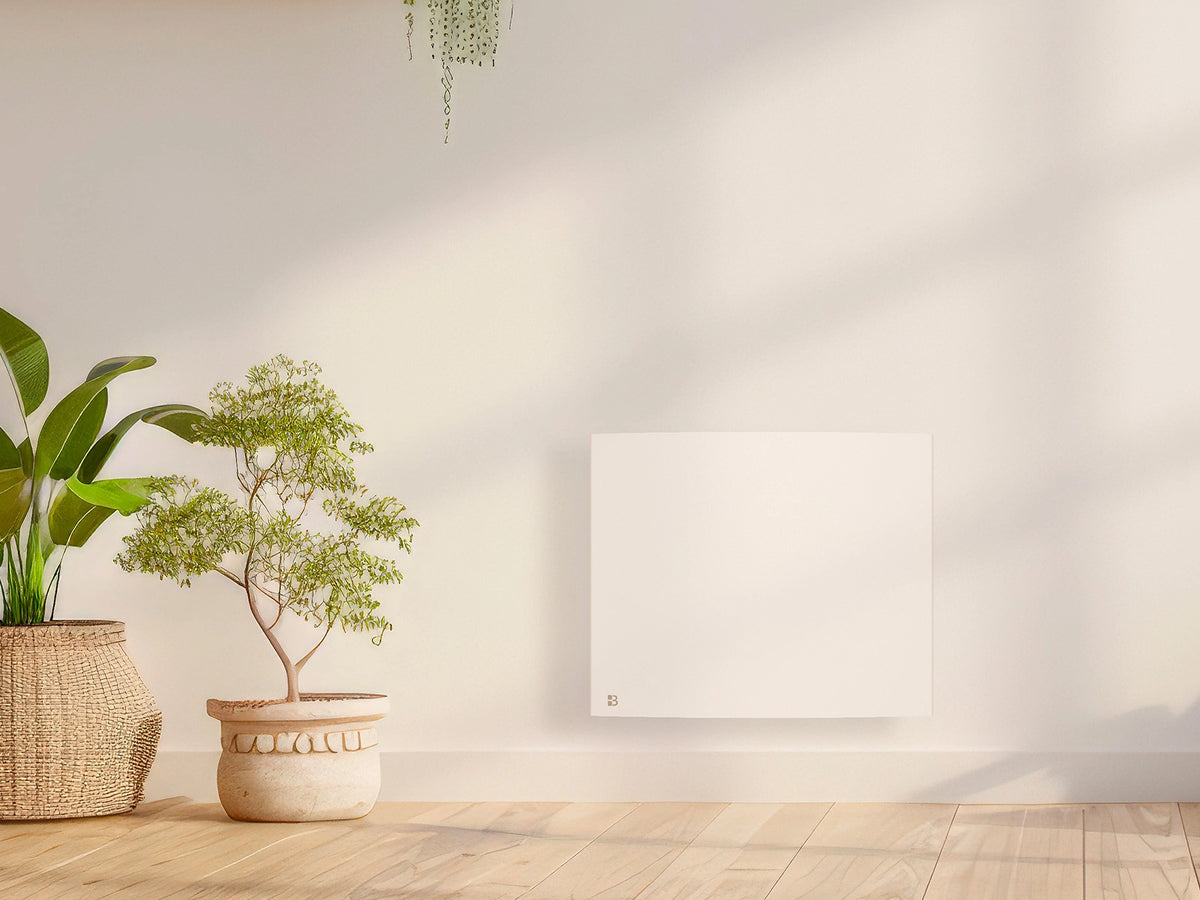

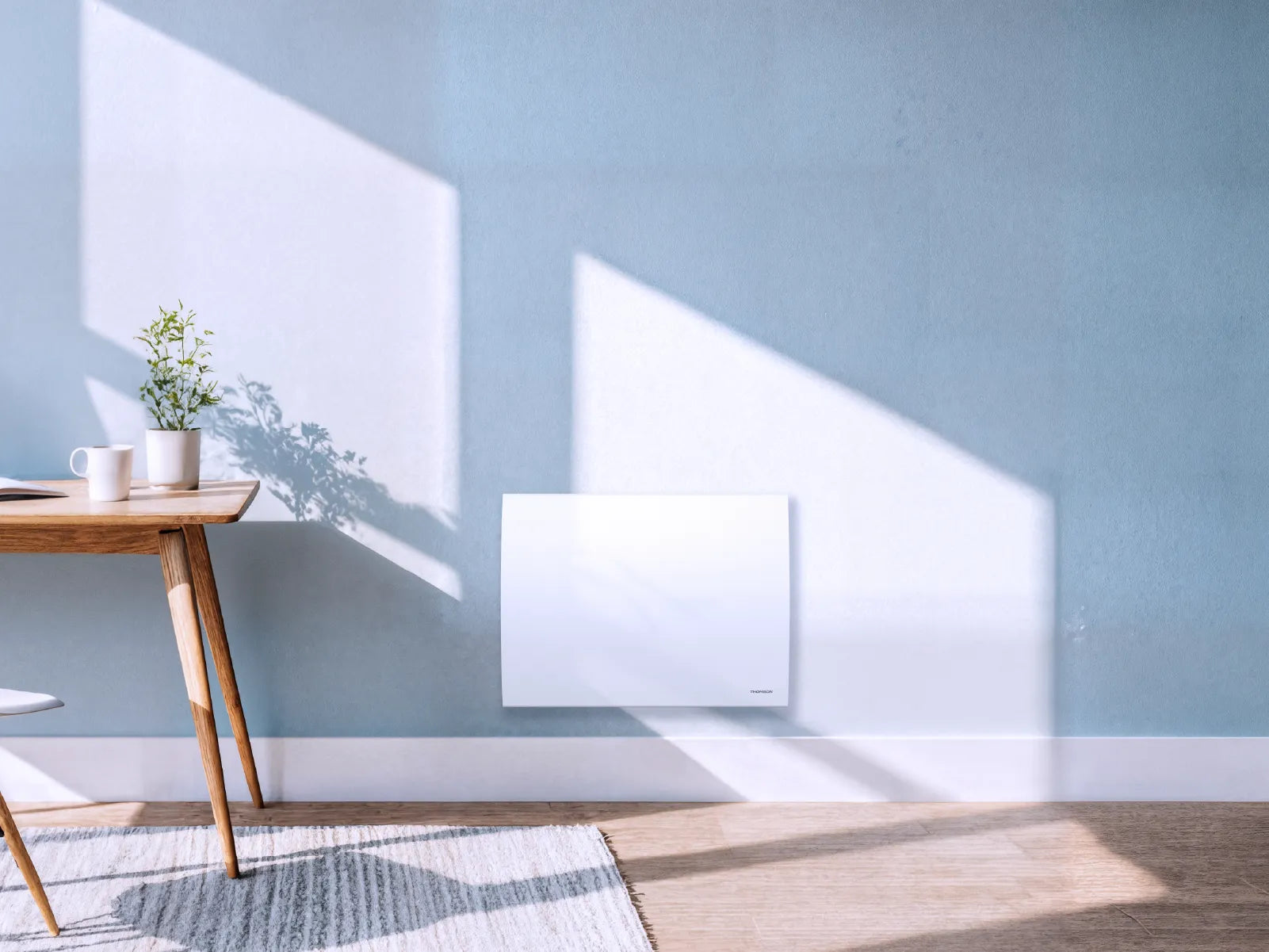
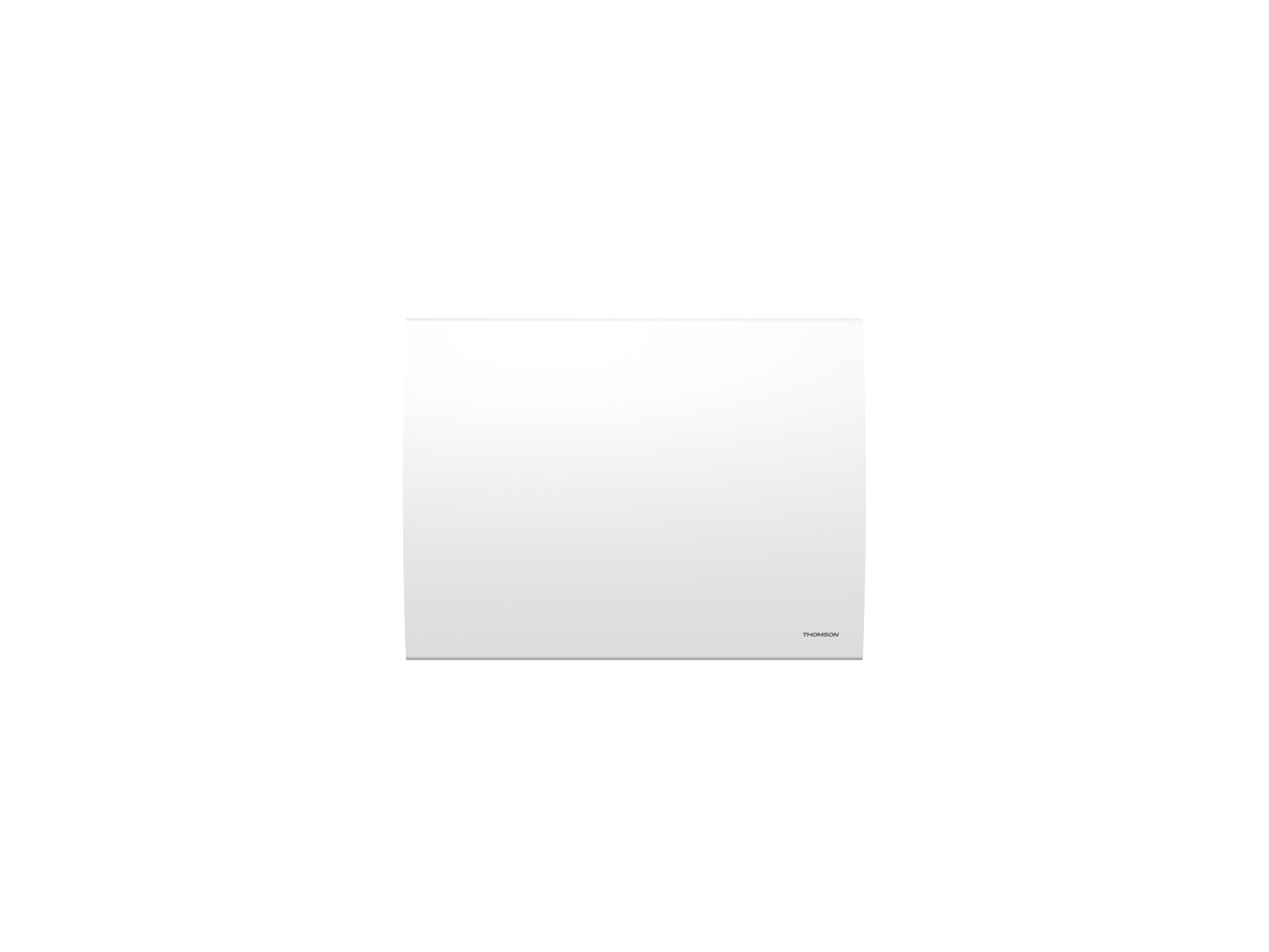
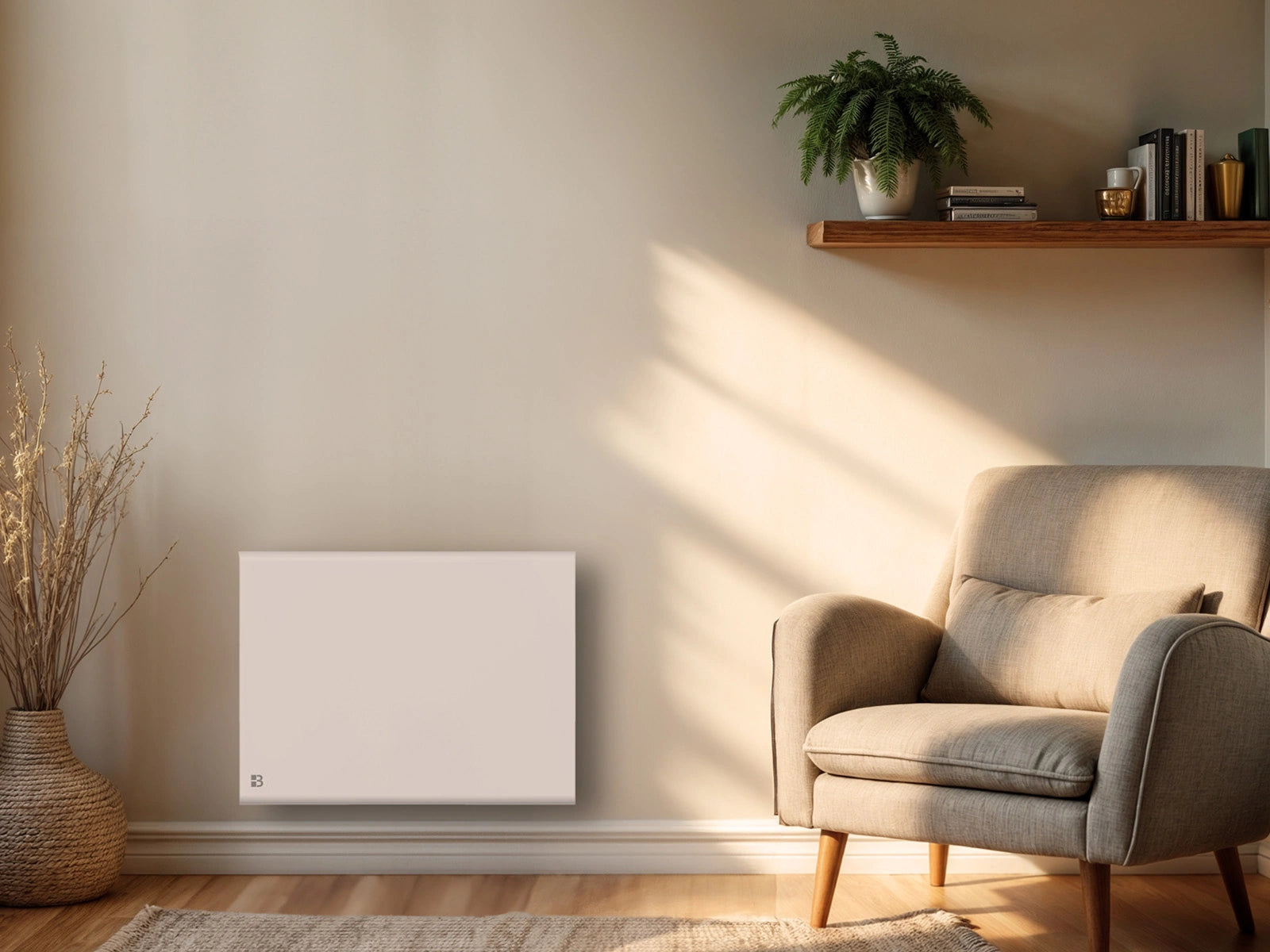

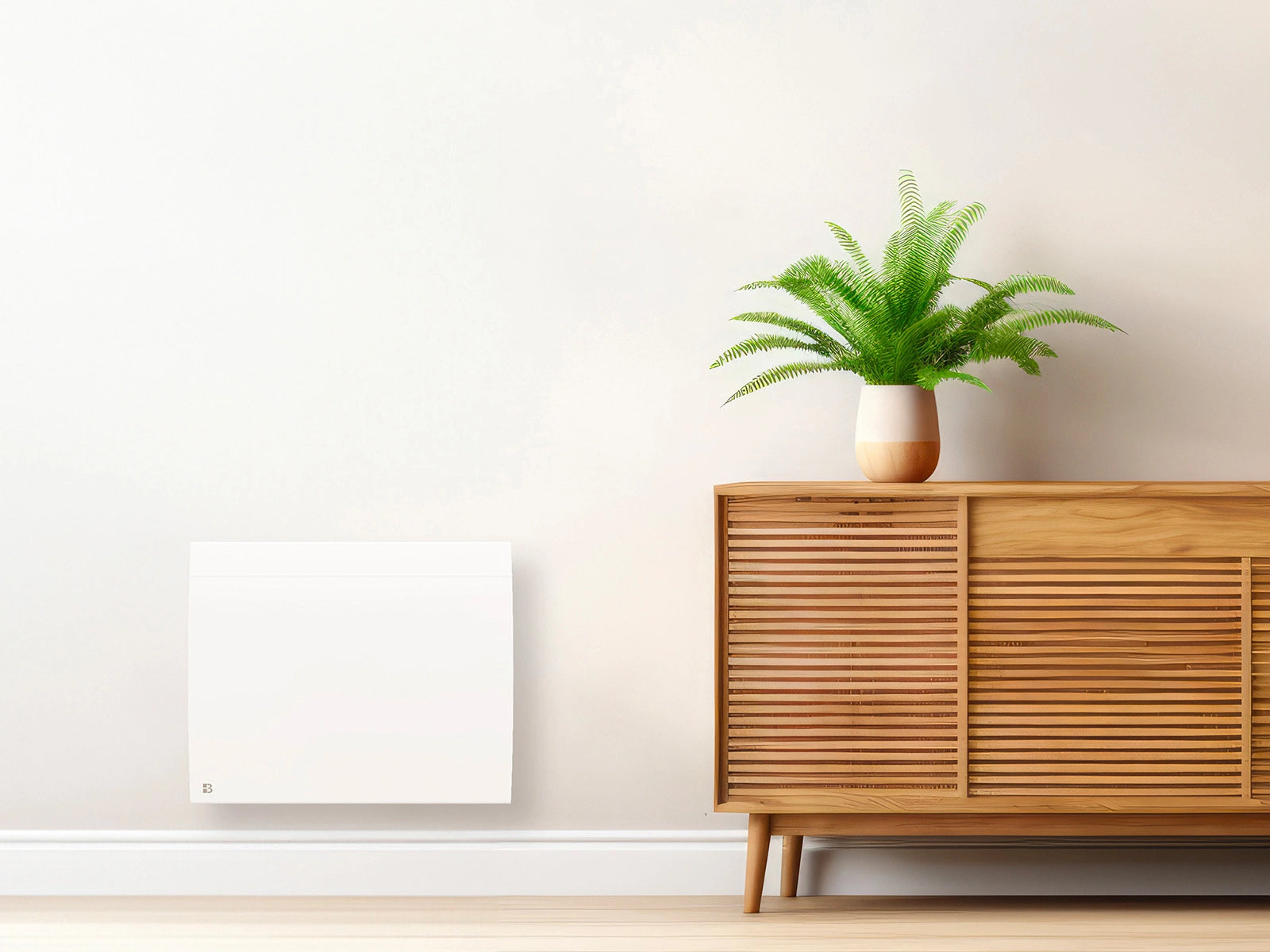

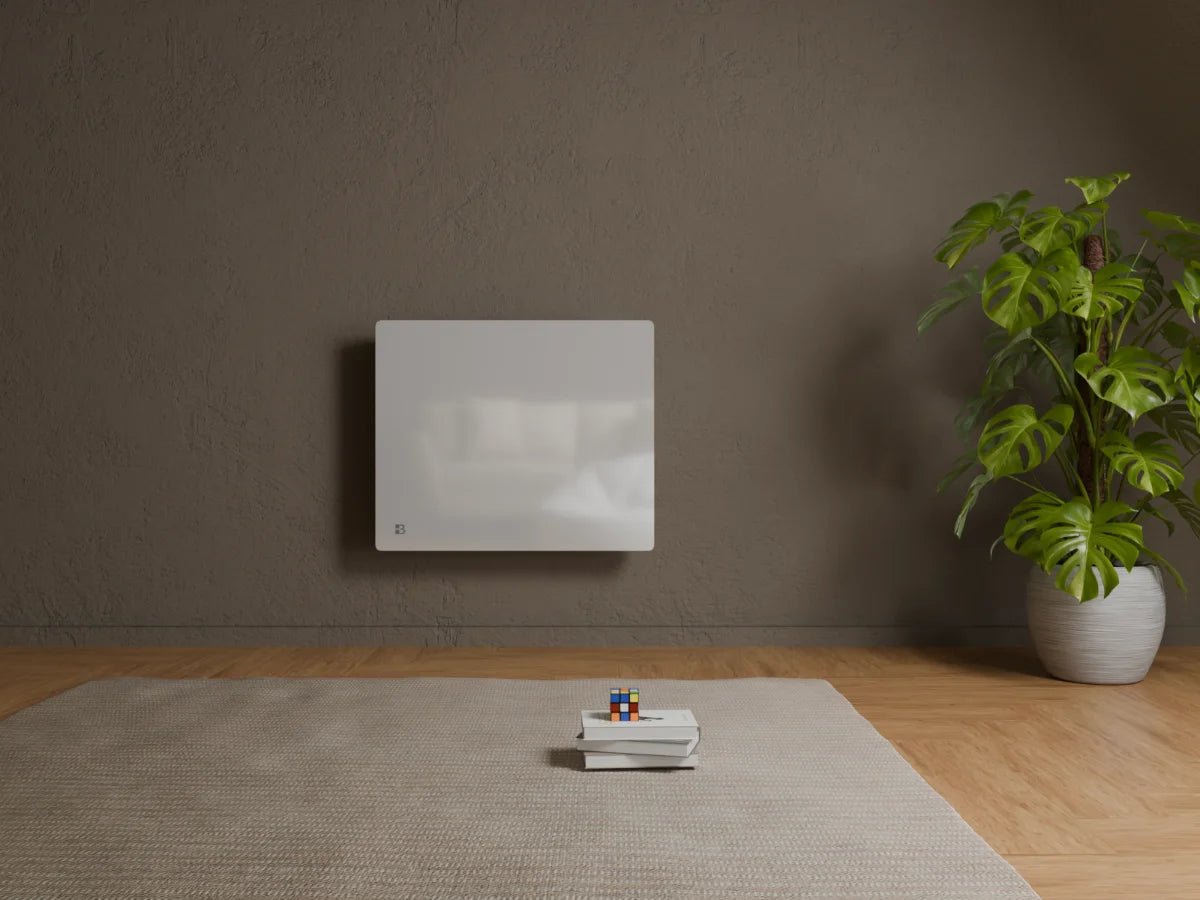

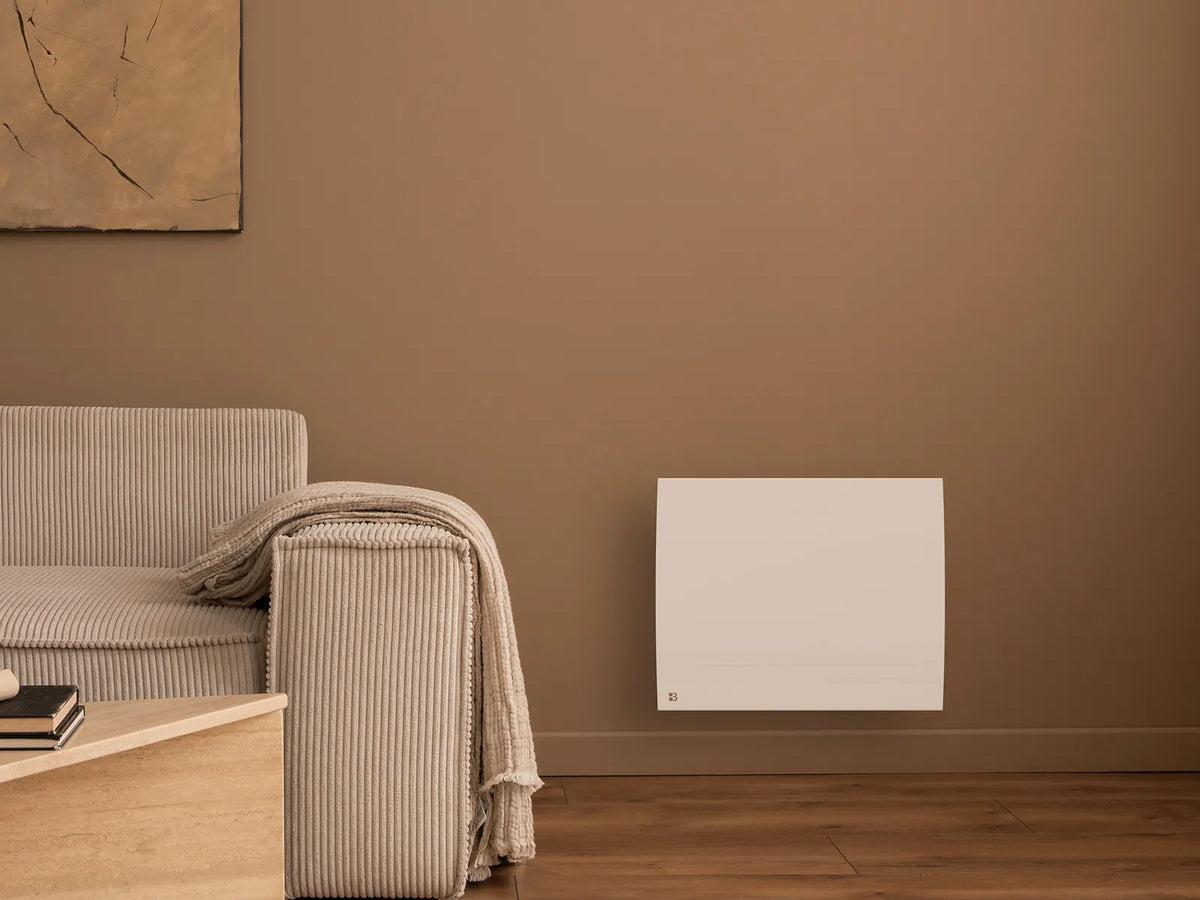

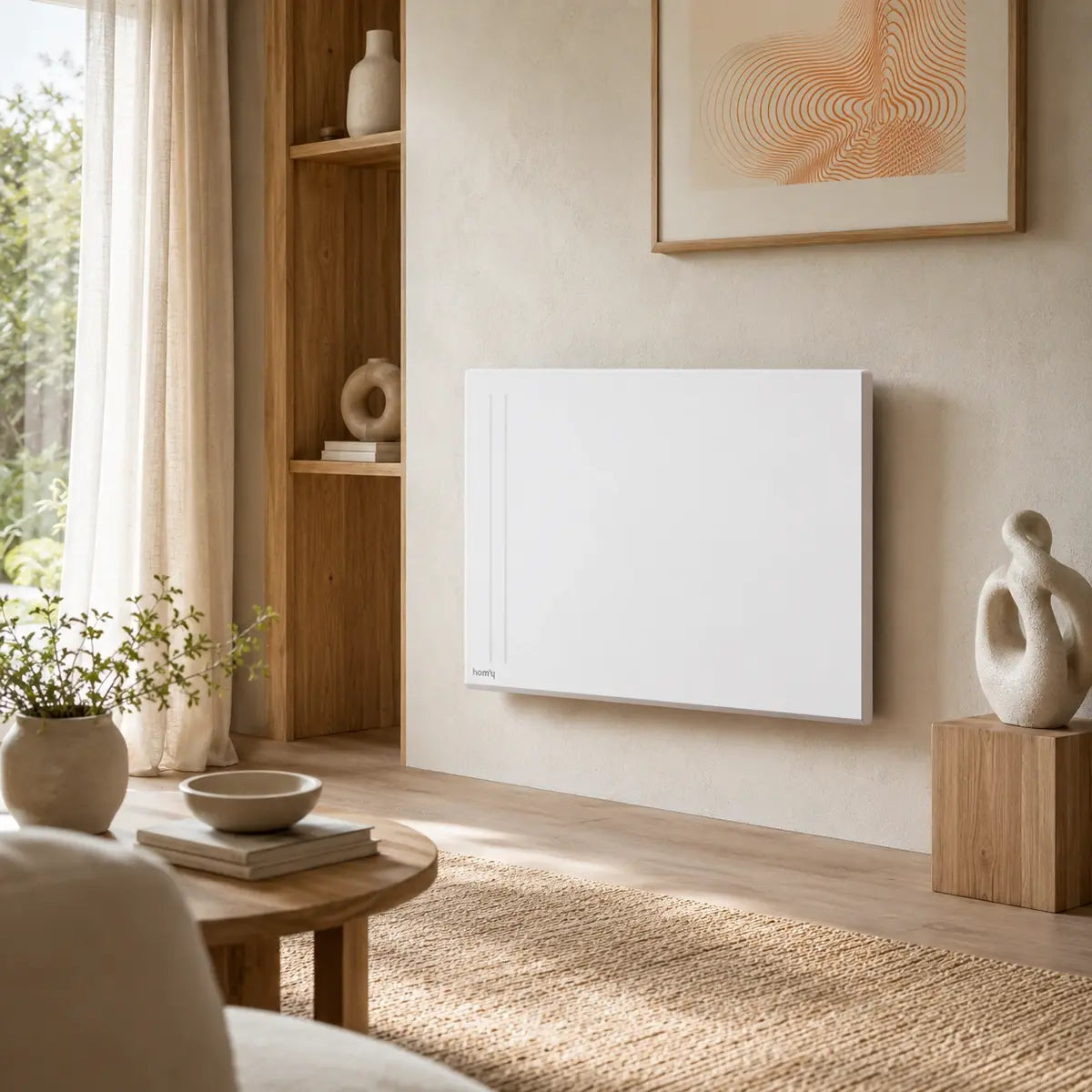

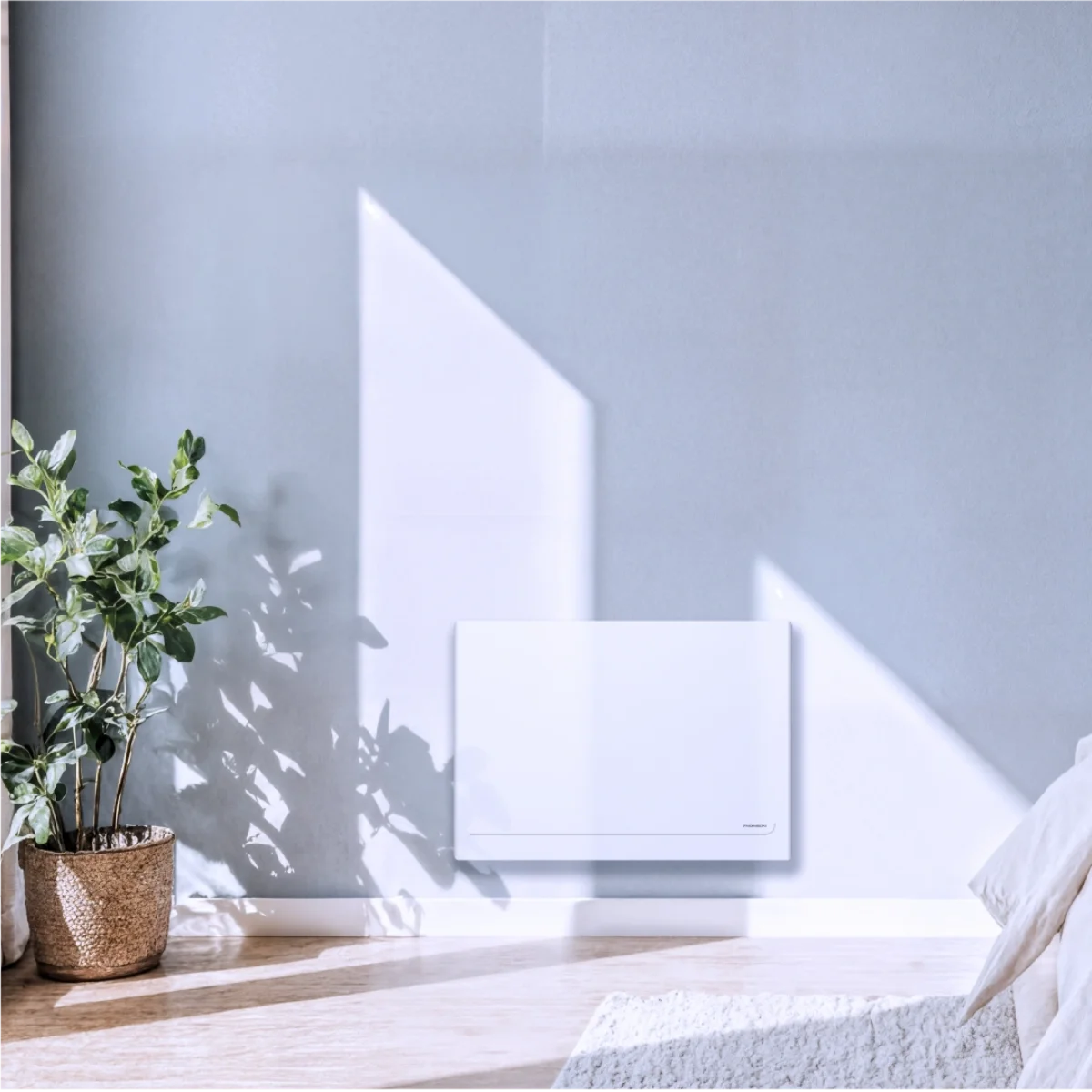

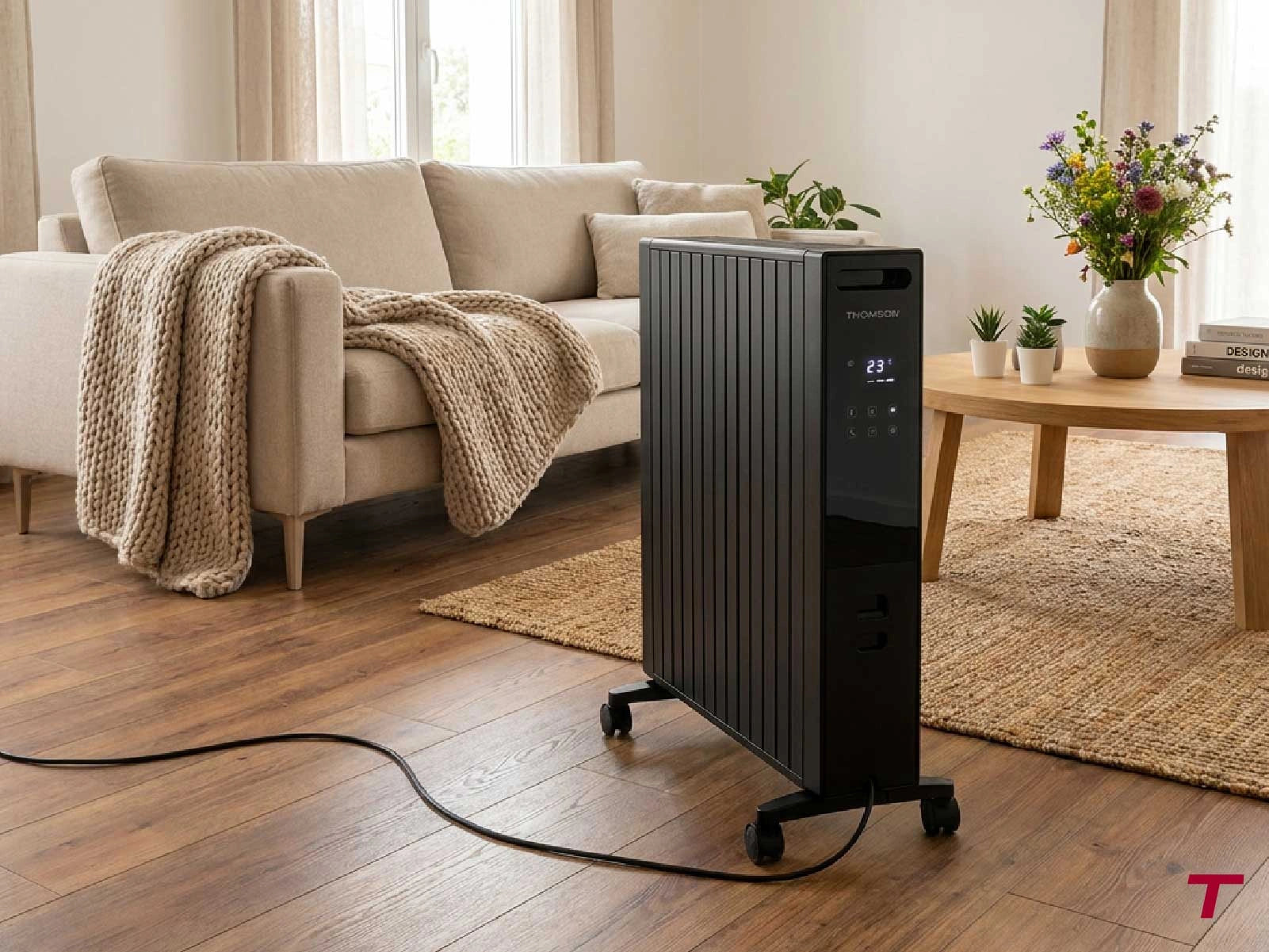
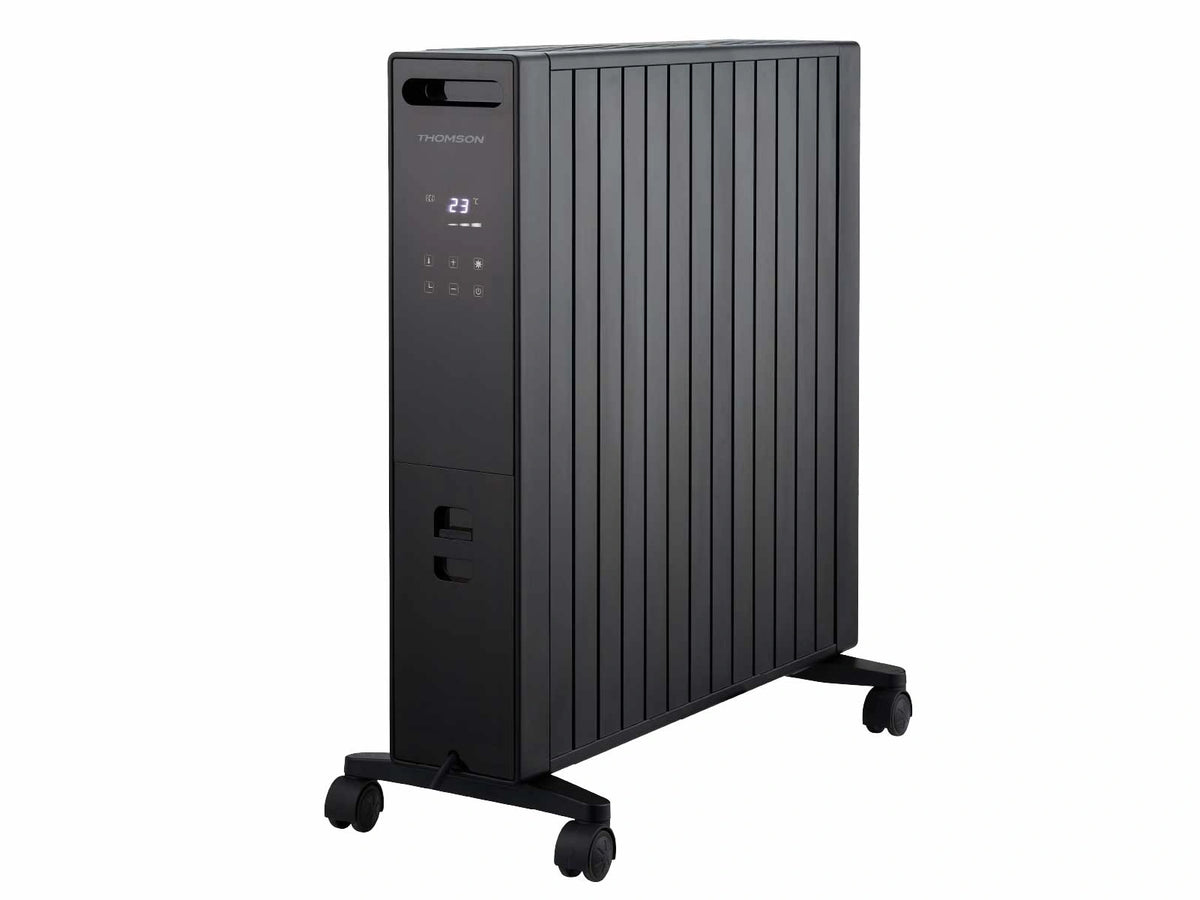
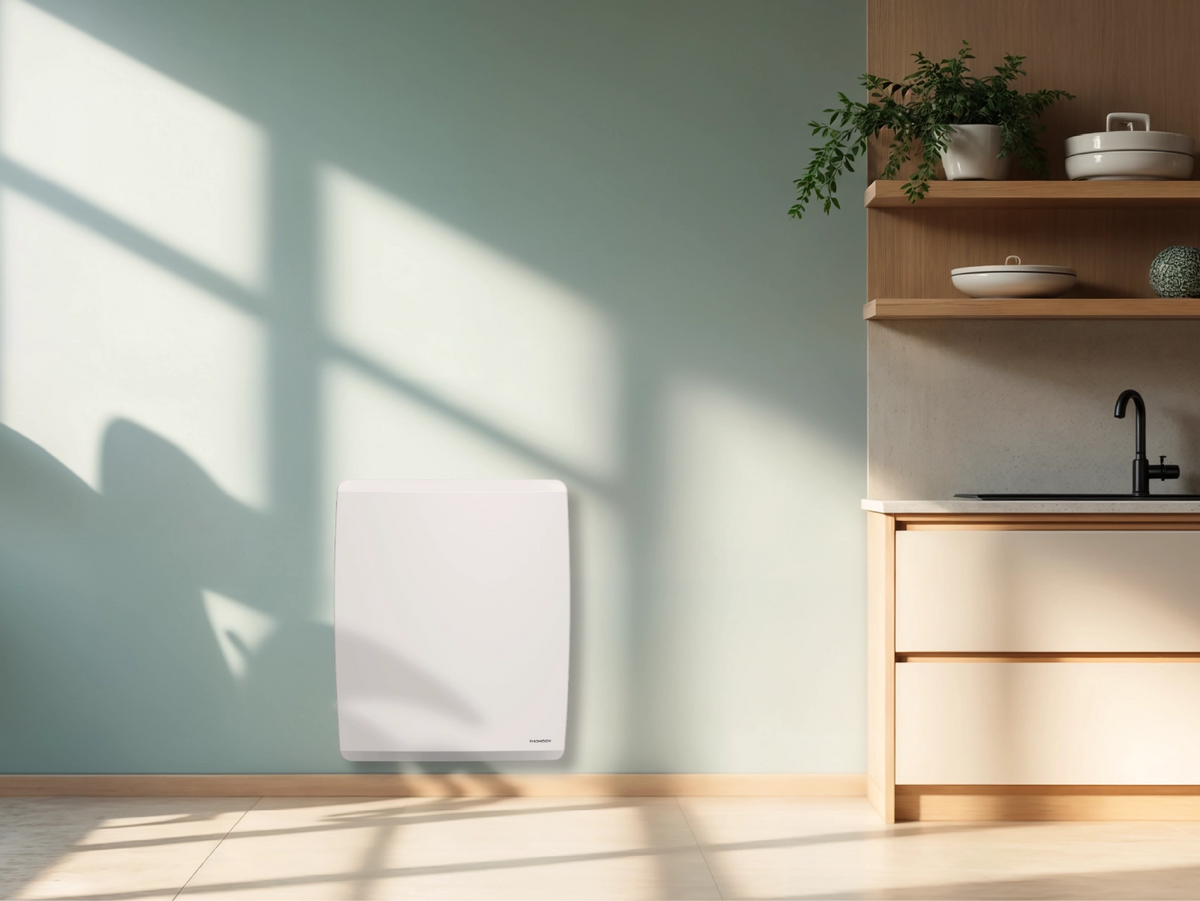
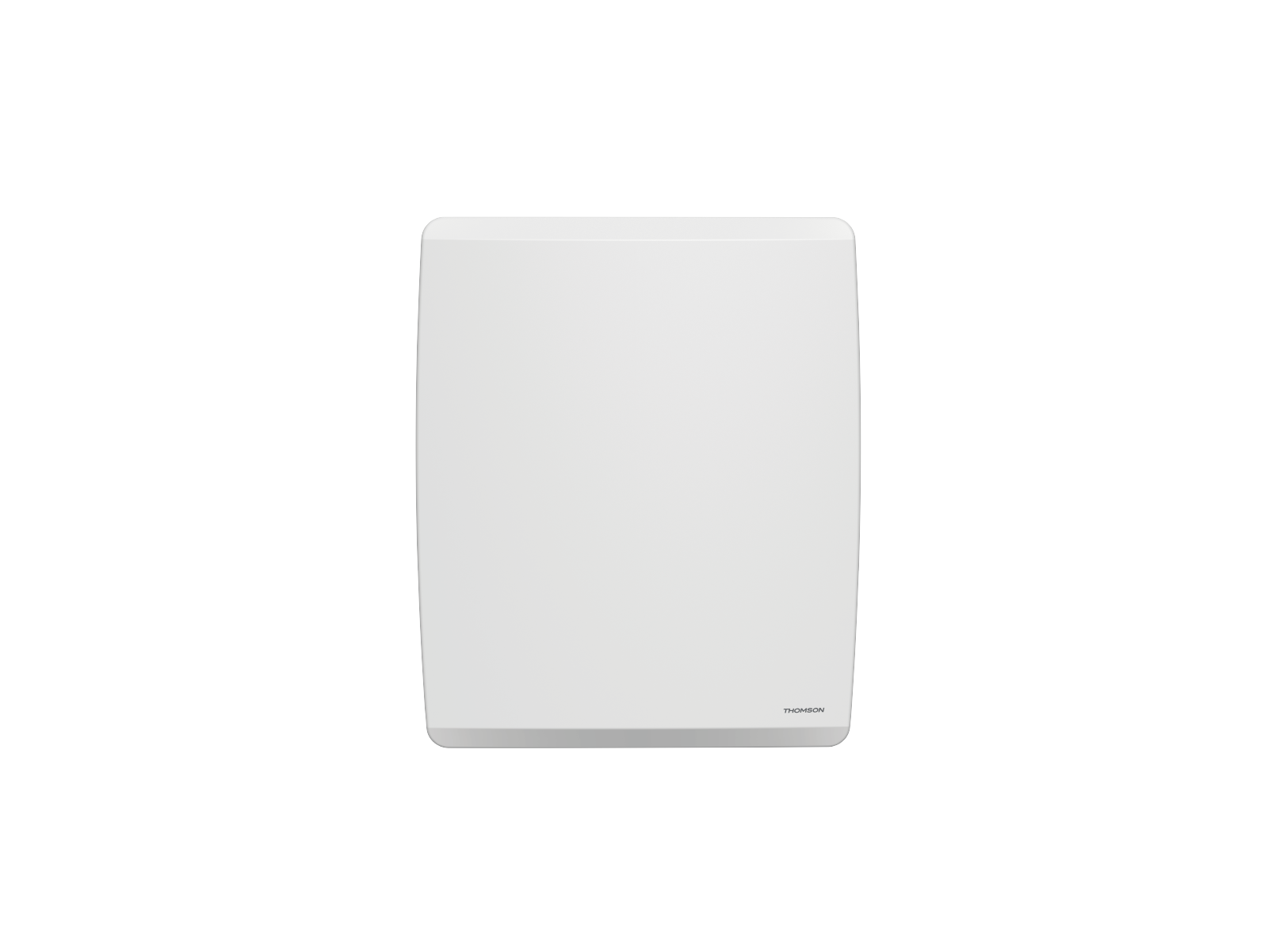
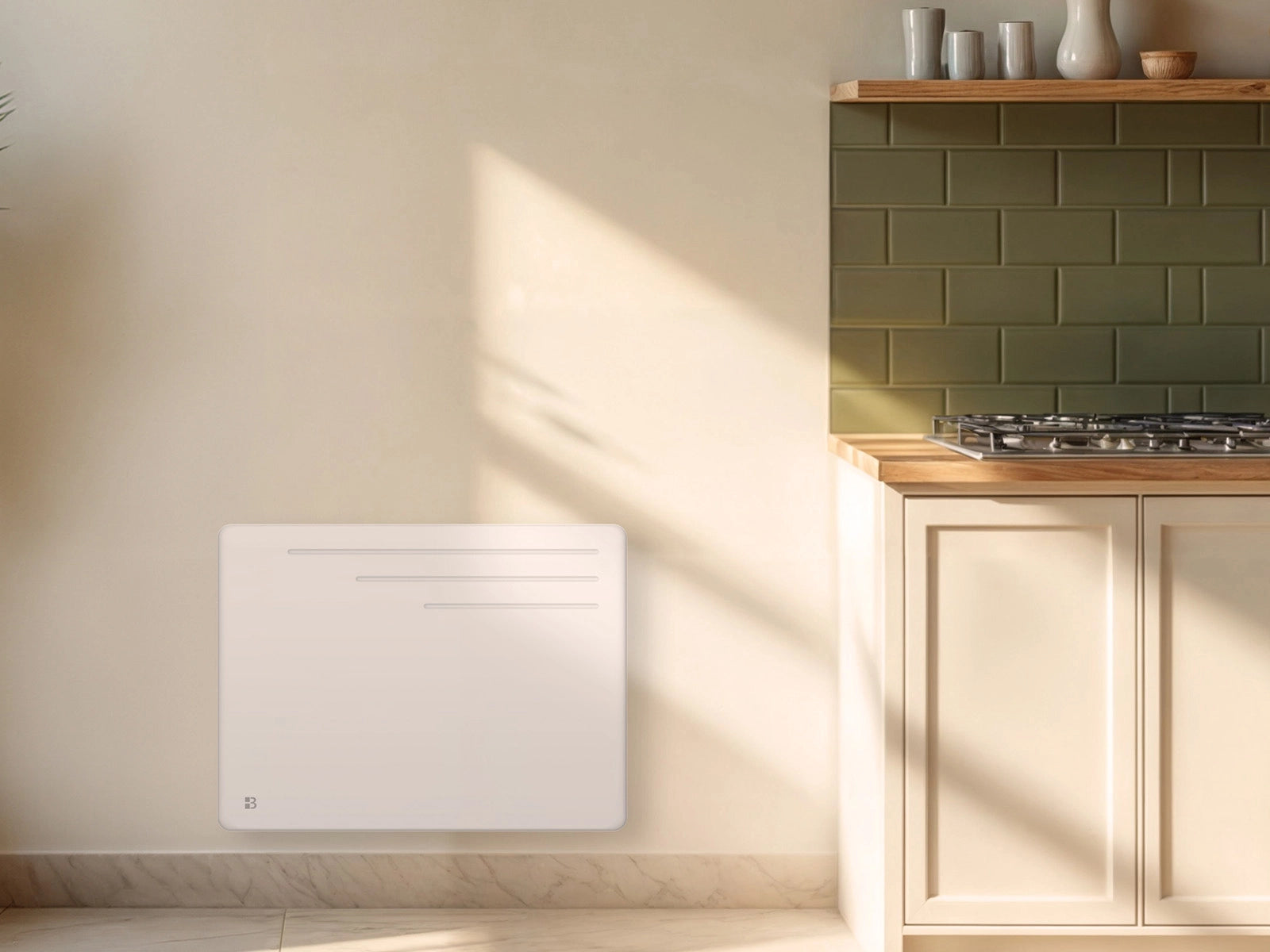
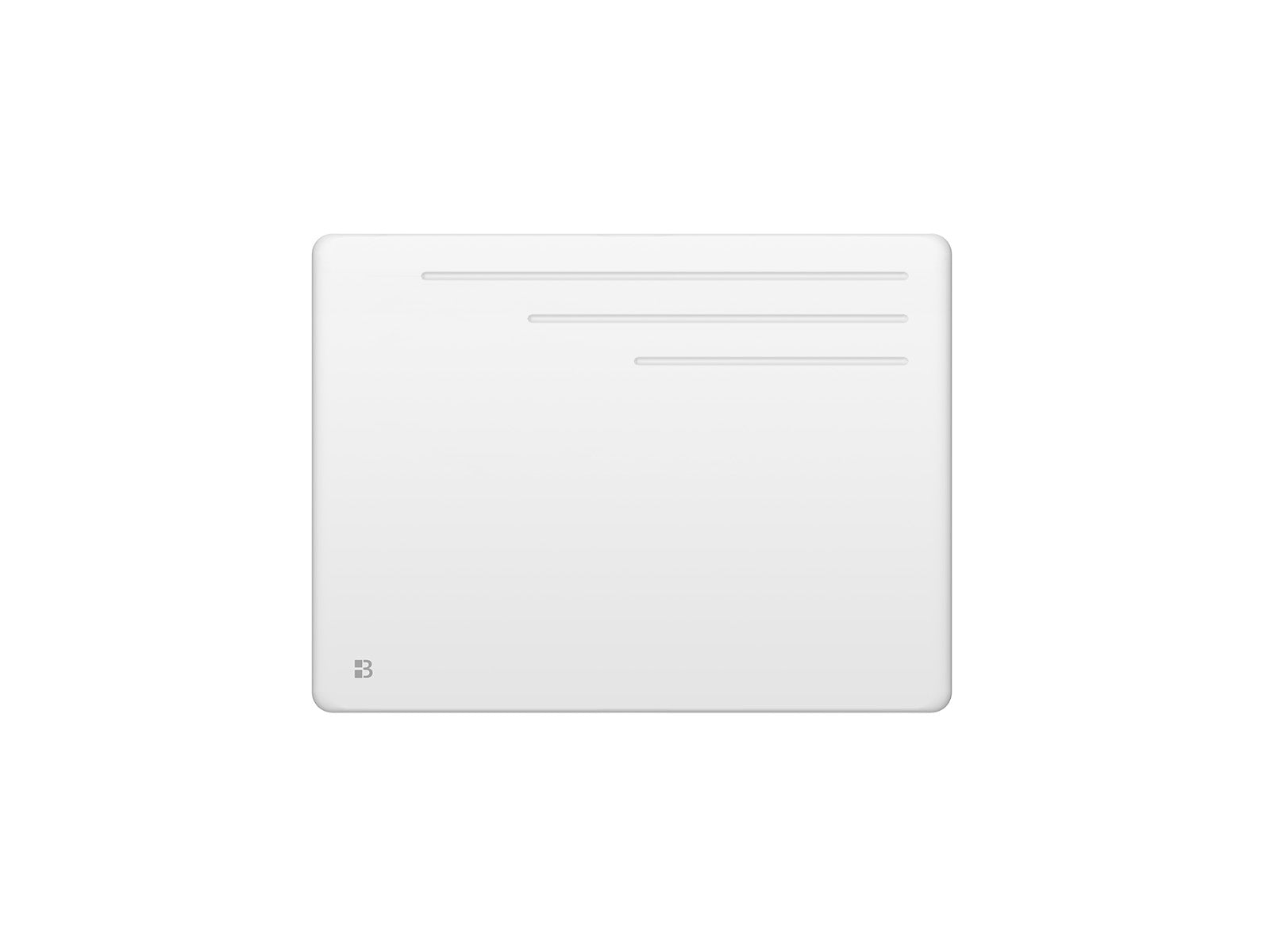
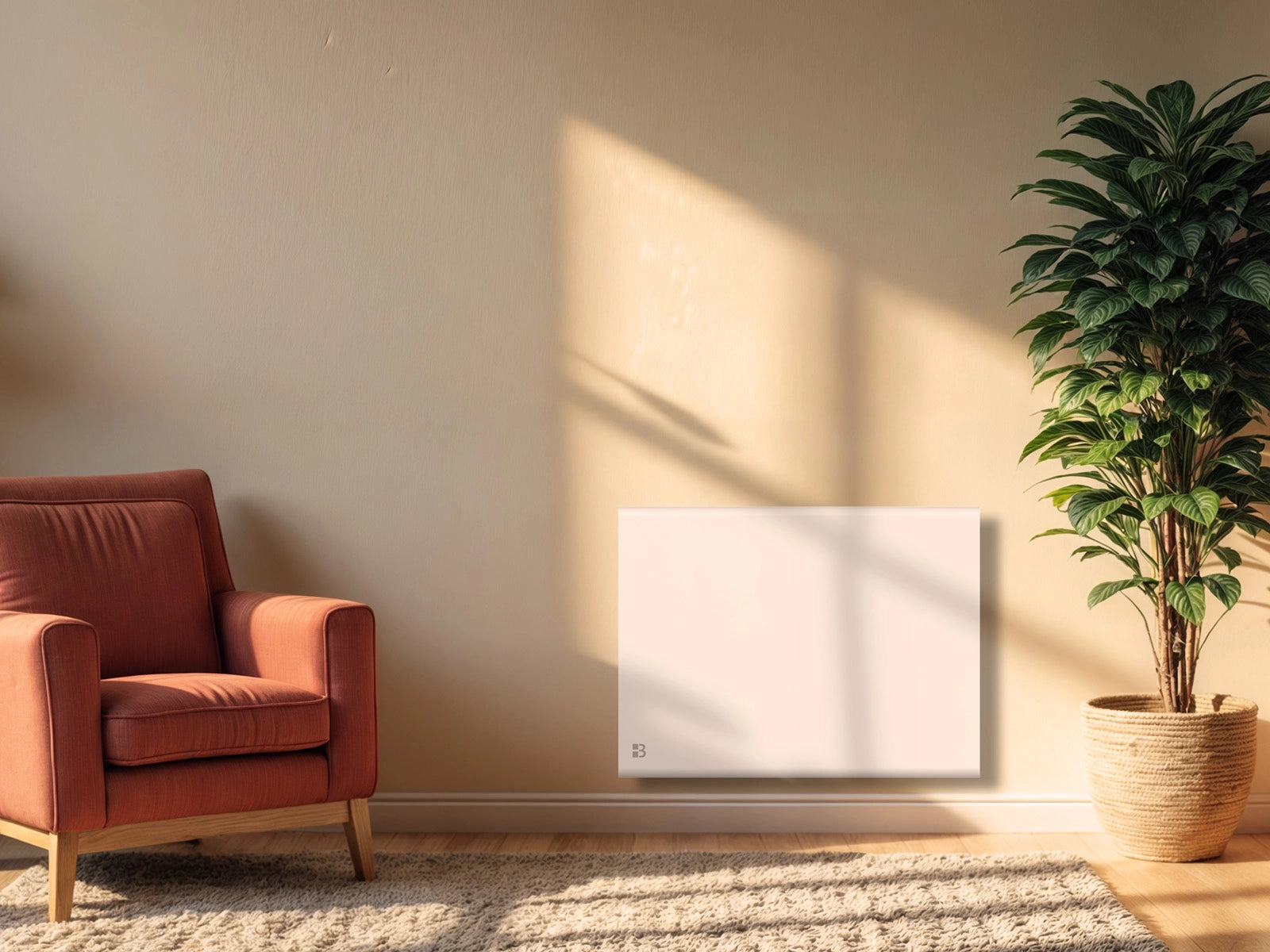

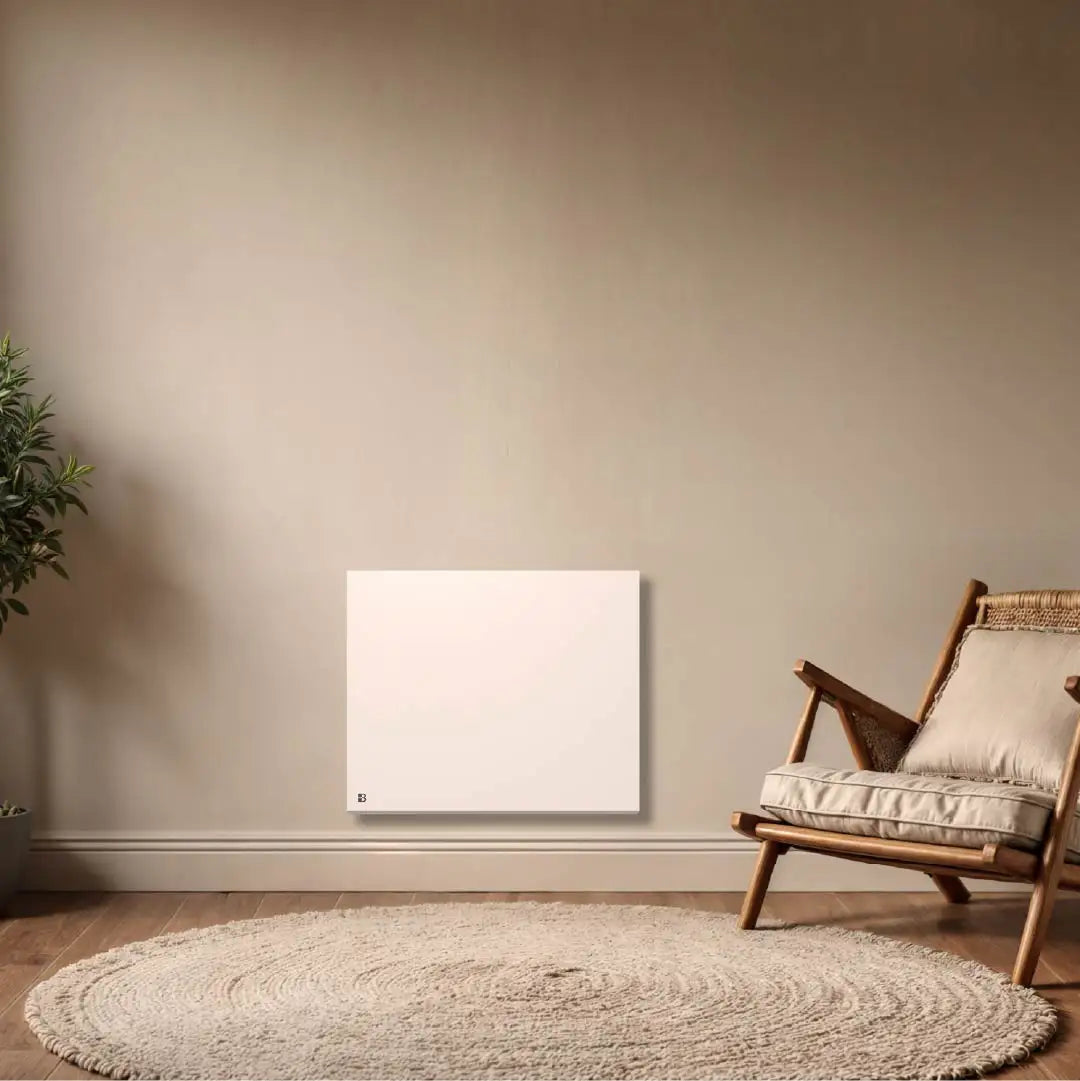

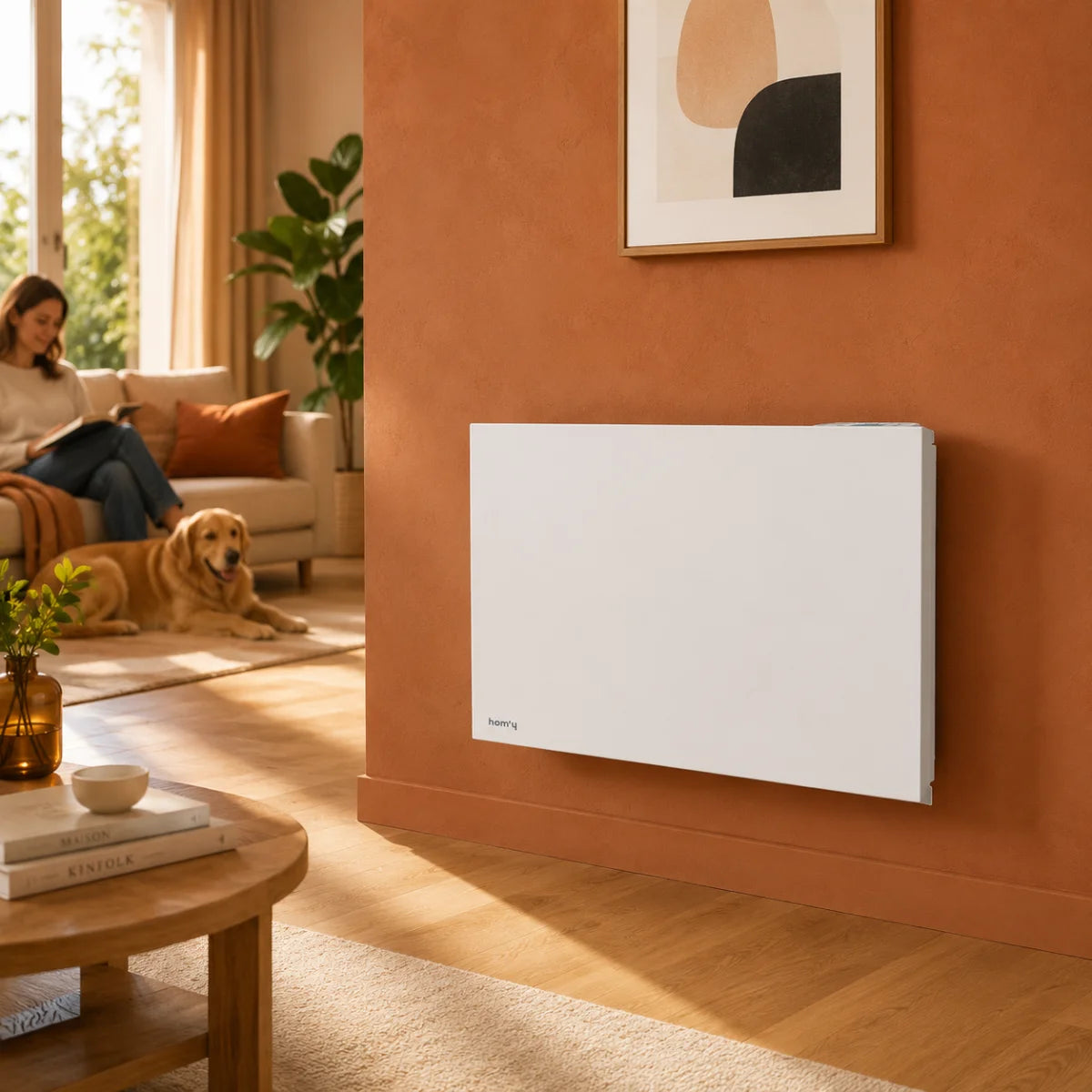
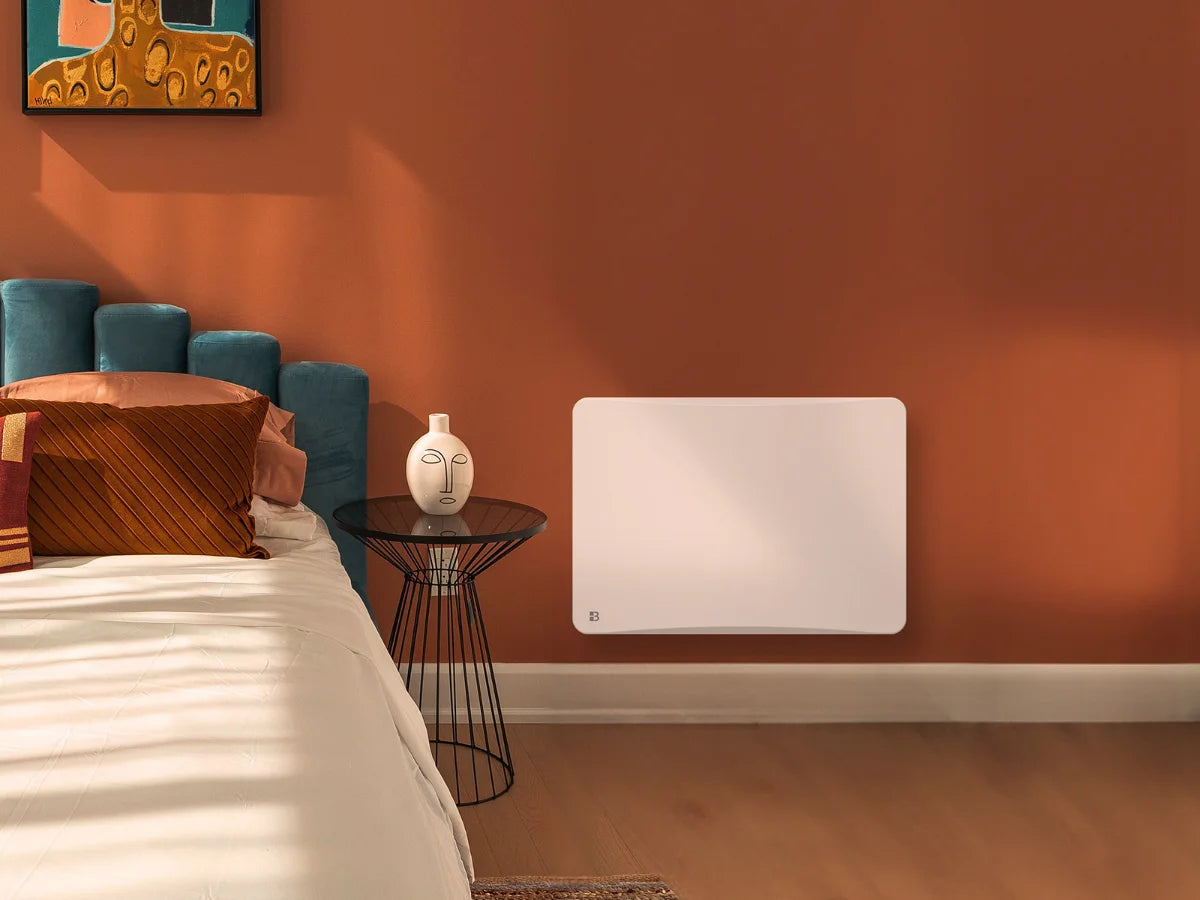
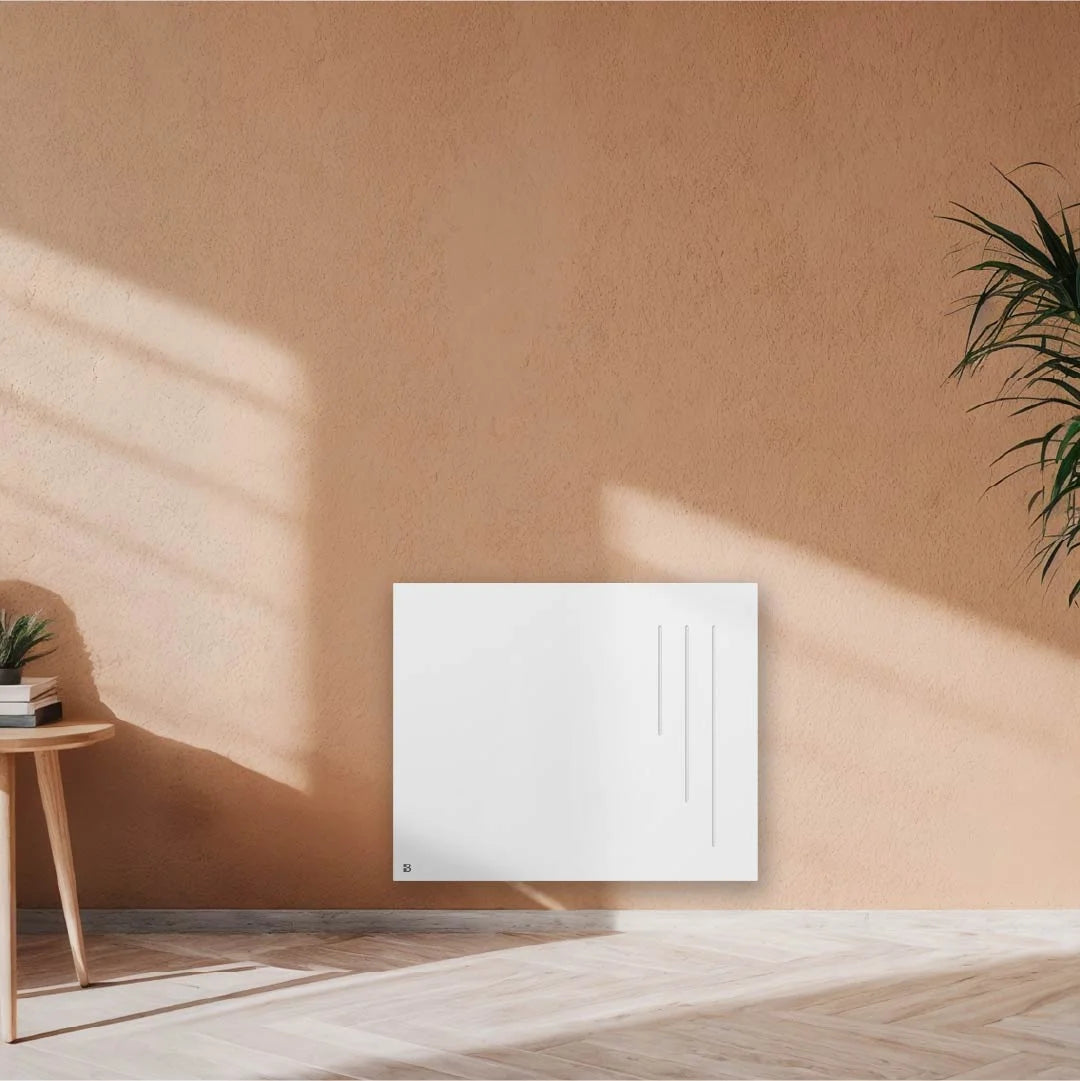

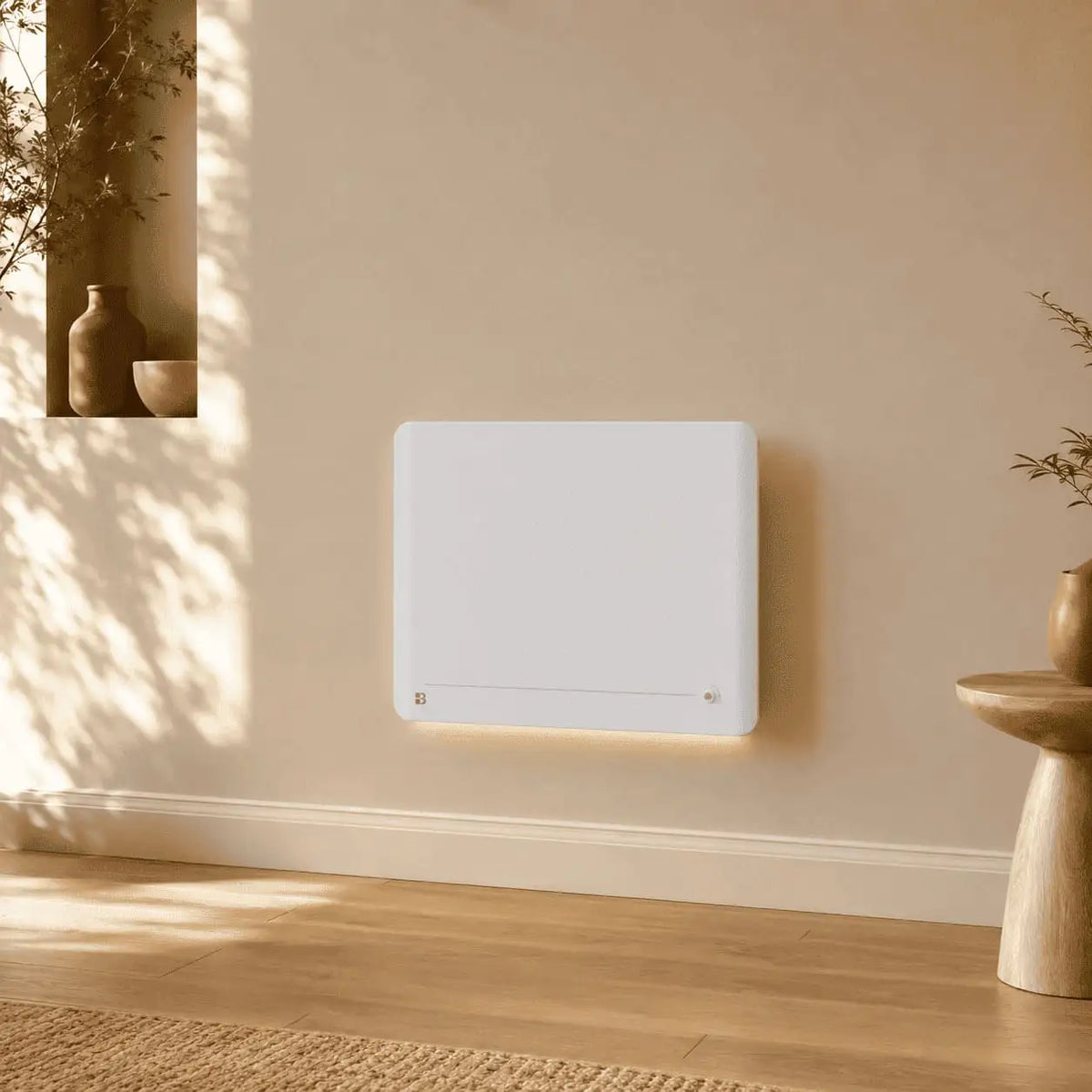
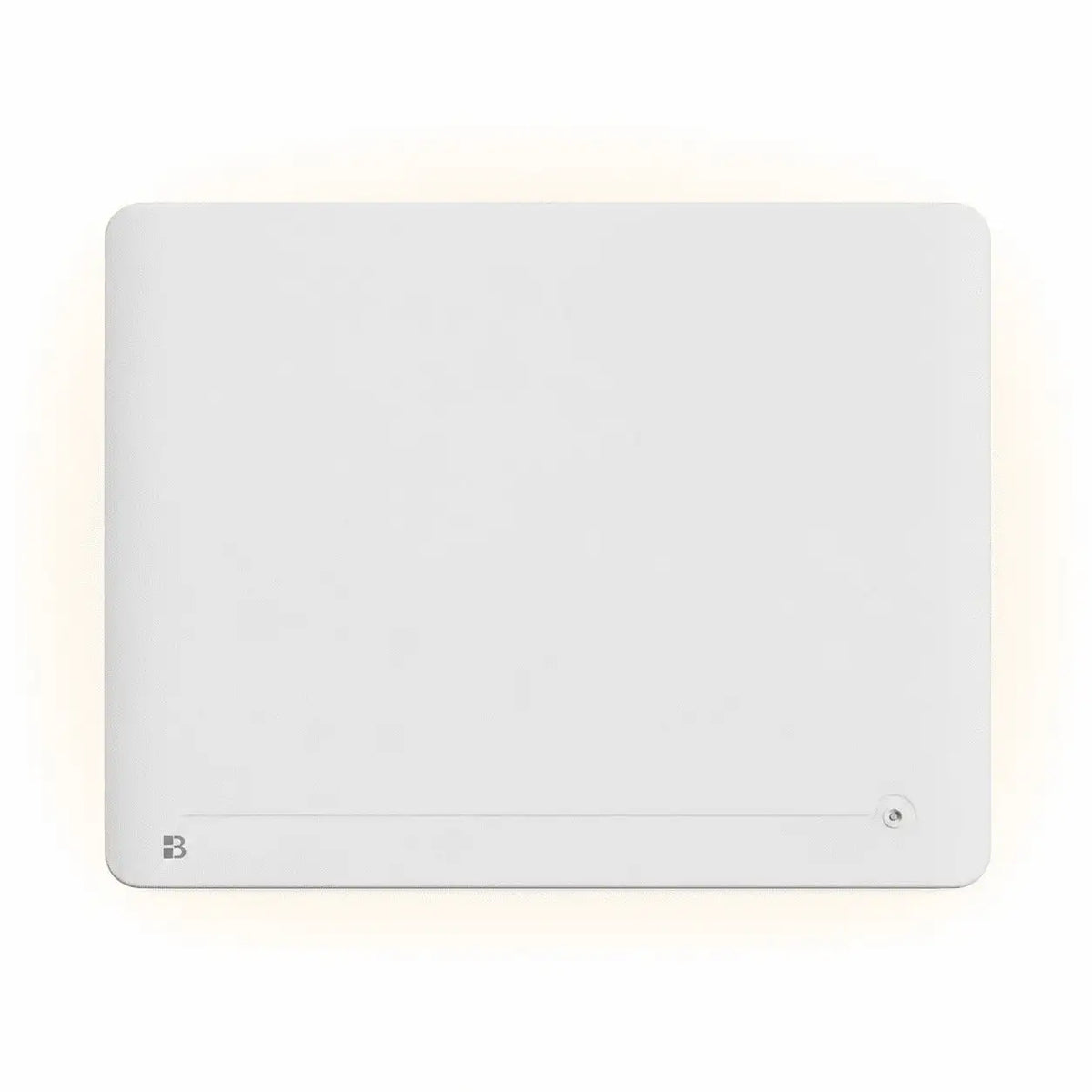
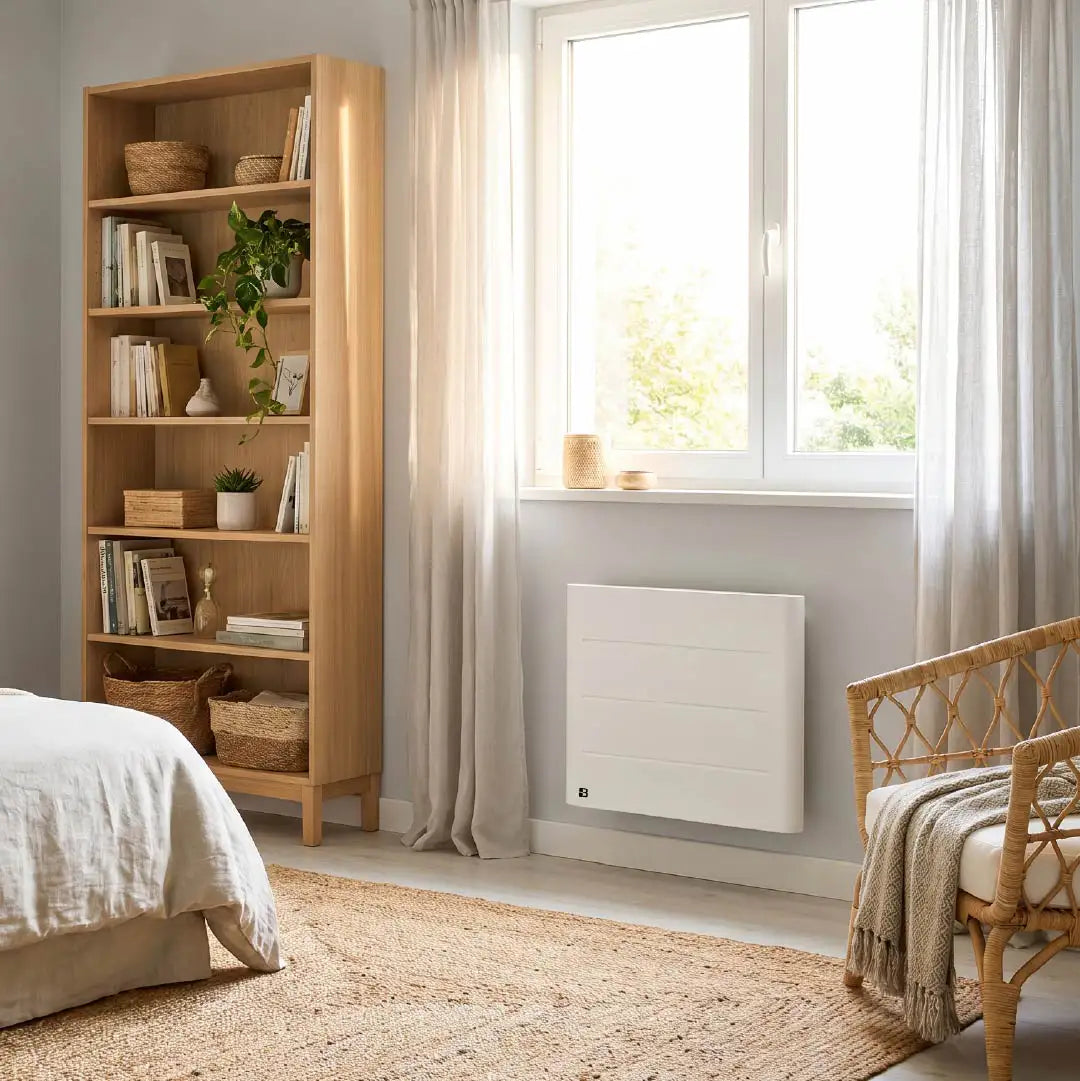

2000W dry-inertia electric radiator.
Are you heating a living room, lounge, or large open-plan room? The dry-inertia electric radiator 2000W is a suitable solution when the area to be heated requires significant power. It provides stable, comfortable warmth, particularly when combined with precise electronic controls.
Thanks to its ceramic or cast-iron heating core, the dry-inertia radiator stores the heat produced by its heating element before gradually releasing it. Combined with precise electronic controls, this operation helps maintain a consistent temperature and avoid unnecessary heating.
1. Why choose 2000W dry-inertia heating?
With 2000W, you have a power output suited to a large room, particularly a living room or lounge. Correct sizing remains essential, however: if the radiator is underpowered for the room's needs, it will have to run longer to reach the desired temperature.
One of the main advantages of dry inertia is the heating core's ability to store heat. Once the heating element switches off, the ceramic or cast iron continues to gradually release the accumulated heat. The temperature therefore remains more stable between heating cycles.
However, the radiator does not use less electricity simply because it uses thermal inertia. Managing consumption mainly depends on the controls, the home's insulation, the selected temperature, and scheduling.
2. What floor area is the 2000W dry-inertia radiator ideal for?
As a general rule, allow approximately 20 m² for a 2000W radiator in a moderately insulated home, with a ceiling height of 2.50 m. In a recently built and well-insulated home, the same power may be suitable for a larger area, reaching 22 to 25 m² depending on the characteristics of the home.
Floor area alone is not enough to determine the required power. Insulation, ceiling height, exposure, windows, and region also affect heating needs.
As a general guide, you can use approximately 100 W/m² for a moderately insulated home.
- Older or poorly insulated home: approximately 15 to 18 m².
- Moderately insulated home: approximately 20 m².
- Recently built and well-insulated home: approximately 22 to 25 m².
- Large room of more than 25 m²: choose several appliances distributed throughout the room for more even heat distribution.
To refine your calculation, see our guide to determining the ideal power per m².
3. Ceramic vs. cast-iron heating core for a 2000W radiator
The heating-core material primarily influences the radiator's ability to accumulate and release heat. At Bestherm, ceramic and cast-iron solutions meet different needs.
Radiators with ceramic heating cores offer good responsiveness and quickly diffuse pleasant heat throughout the room.
Cast-iron heating-core models place greater emphasis on heat accumulation. They release heat gradually, helping maintain a stable temperature for longer.
| Material | Temperature rise | Heat release | Recommended use |
| Ceramic | Responsive | Medium duration | Rooms that need to be heated quickly |
| Cast iron | Progressive | Long duration | Rooms occupied for long periods |
Each technology has its advantages: ceramic prioritizes responsiveness, while cast iron focuses on longer heat release.
4. How can you control the electricity consumption of a 2000W radiator?
A 2000W radiator consumes 2 kWh per hour when operating at full power. In practice, the heating element does not operate continuously: once the temperature is reached, the thermostat regulates the heating periods to maintain the desired temperature.
To limit unnecessary heating cycles, regulation therefore plays an essential role. A precise thermostat and suitable programming make it possible to adjust the radiator's operation according to needs.
Models equipped with smart features may in particular offer:
- Weekly programming based on your habits;
- A precise thermostat to limit temperature fluctuations;
- Open-window detection with heating shutoff;
- Comfort, Eco, Frost Protection or Standby modes, depending on the model;
- Connected control via a mobile app, depending on the model.
This allows you to adapt the heating to your lifestyle: comfort temperature when the room is occupied, reduced temperature when you are away.
Discover our selection of radiators with automatic open-window detection to adapt your heating operation more easily to your daily routine.
5. Installation and requirements for a 2000W radiator
The radiator's location also plays a role in the proper distribution of heat. It is generally advisable to install it on an exterior wall or under a window, where the room's layout permits.
For effective installation, generally allow a space of around 20 to 25 cm between the bottom of the radiator and the floor, while respecting the distances specified in the manufacturer's instructions.
A radiator of 2000W must also be connected to a suitable electrical installation. The circuit and protective devices must comply with the applicable electrical regulations. If in doubt about sizing or connection, call on a qualified professional.
FAQ: 2000W dry-inertia radiator
What area can a 2000W dry-inertia electric radiator heat?
A 2000W dry-inertia radiator can generally heat around 20 m² in a moderately insulated home with a ceiling height of 2.50 m. In a newer, well-insulated home, it may be suitable for an area of up to 25 m², depending on the room's characteristics.
Is it better to install a 2000W radiator or two 1000W radiators?
For a large room, particularly one over 20 to 25 m², two 1000W radiators may be preferable to a single 2000W unit. They may also be better suited to long or narrow rooms. Distributed throughout the room, they help provide a more even temperature and limit cold spots.
How much does a 2000W dry-inertia radiator consume per hour?
At full power, a 2000W radiator consumes 2 kWh for one hour of operation. In practice, once the set temperature is reached, the thermostat alternates between heating and off periods. Actual consumption therefore depends on the home's insulation, the temperature setting, the outdoor temperature and the operating time.