
Radiator with open window detector
Filters
31 products
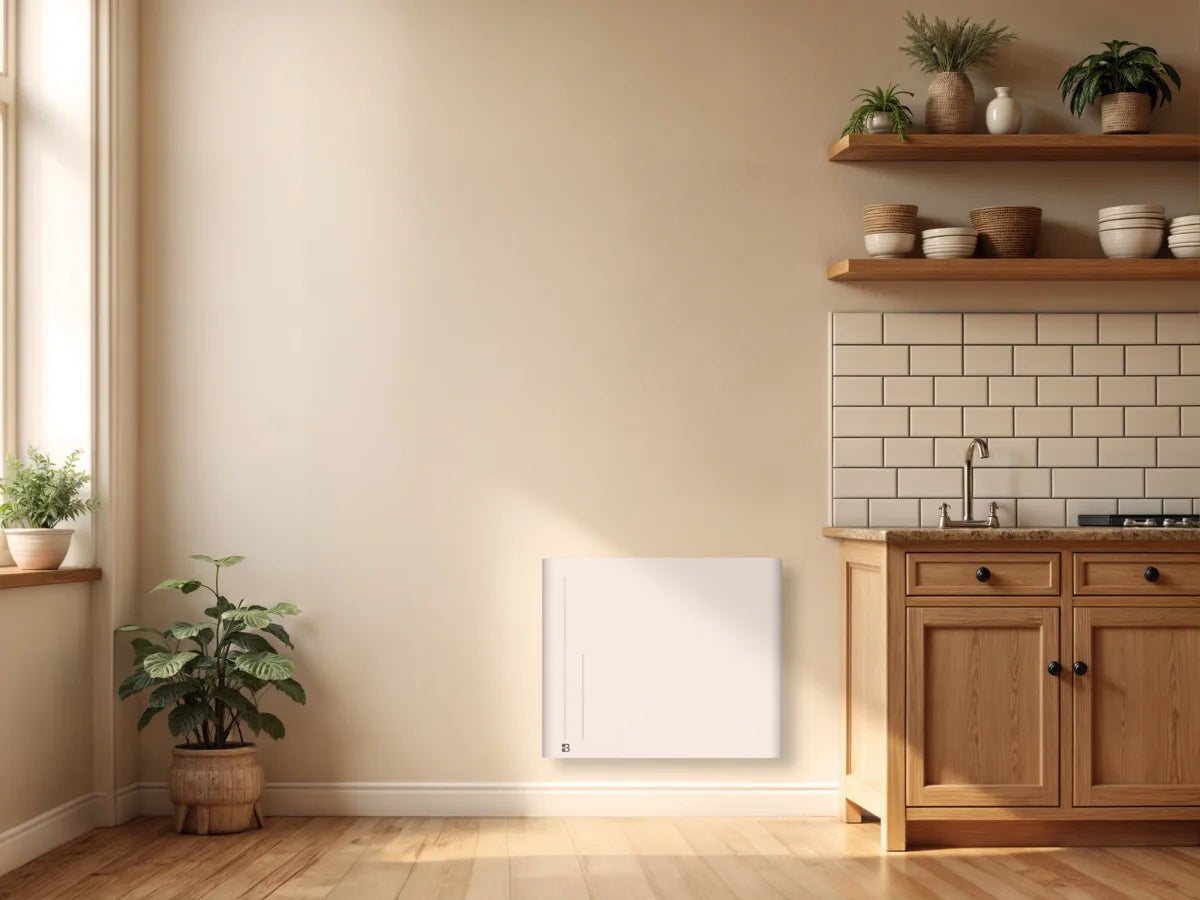

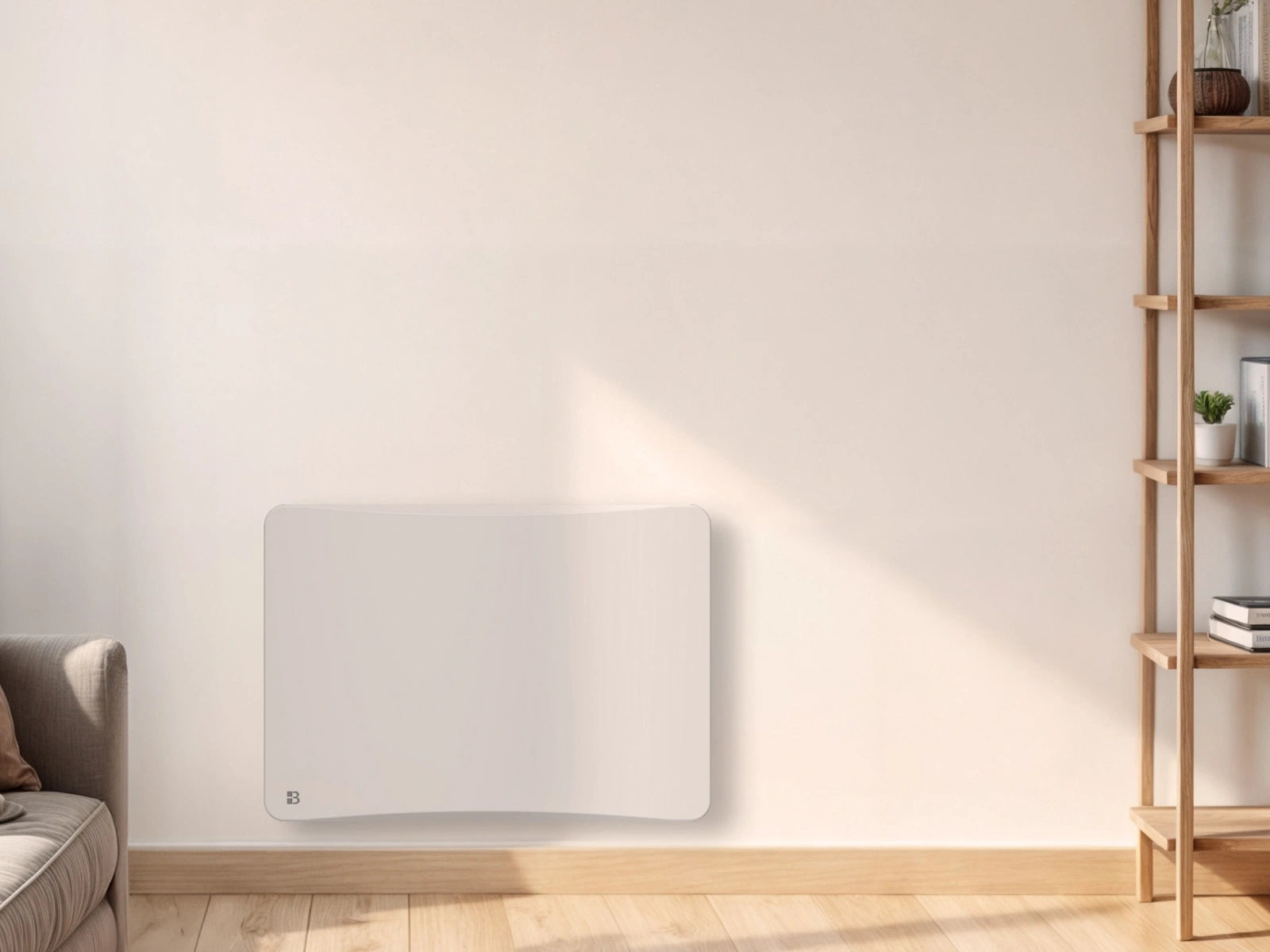
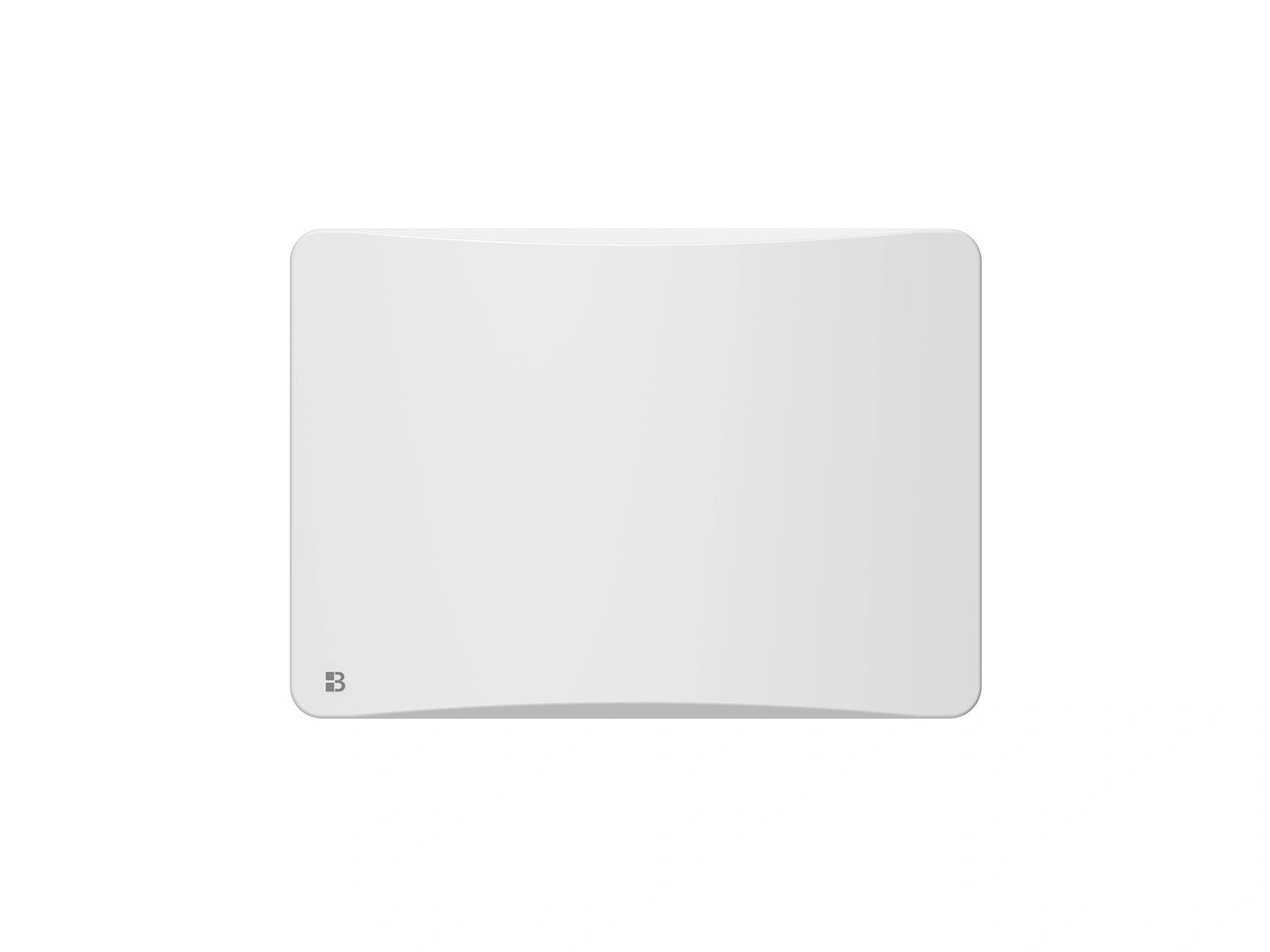
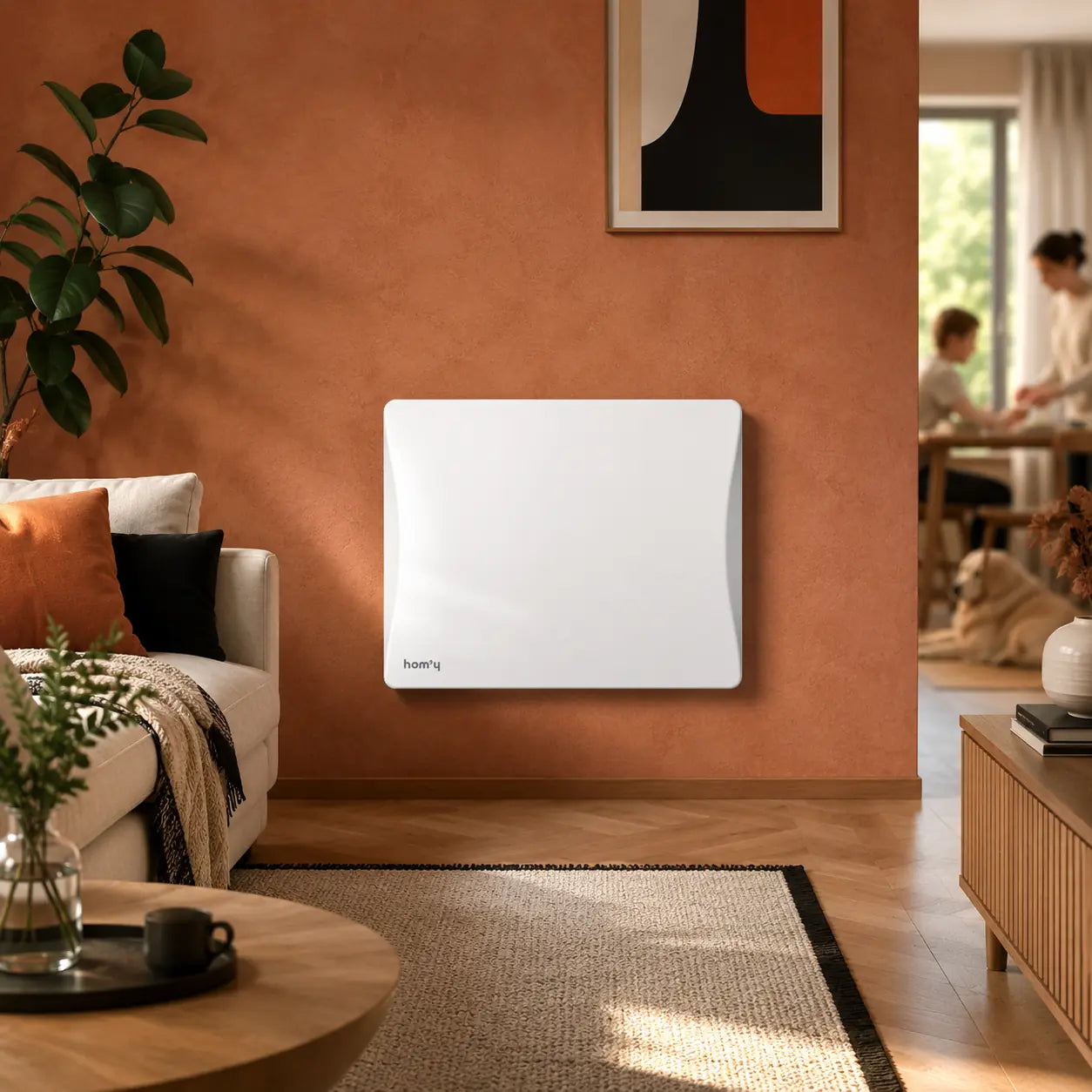

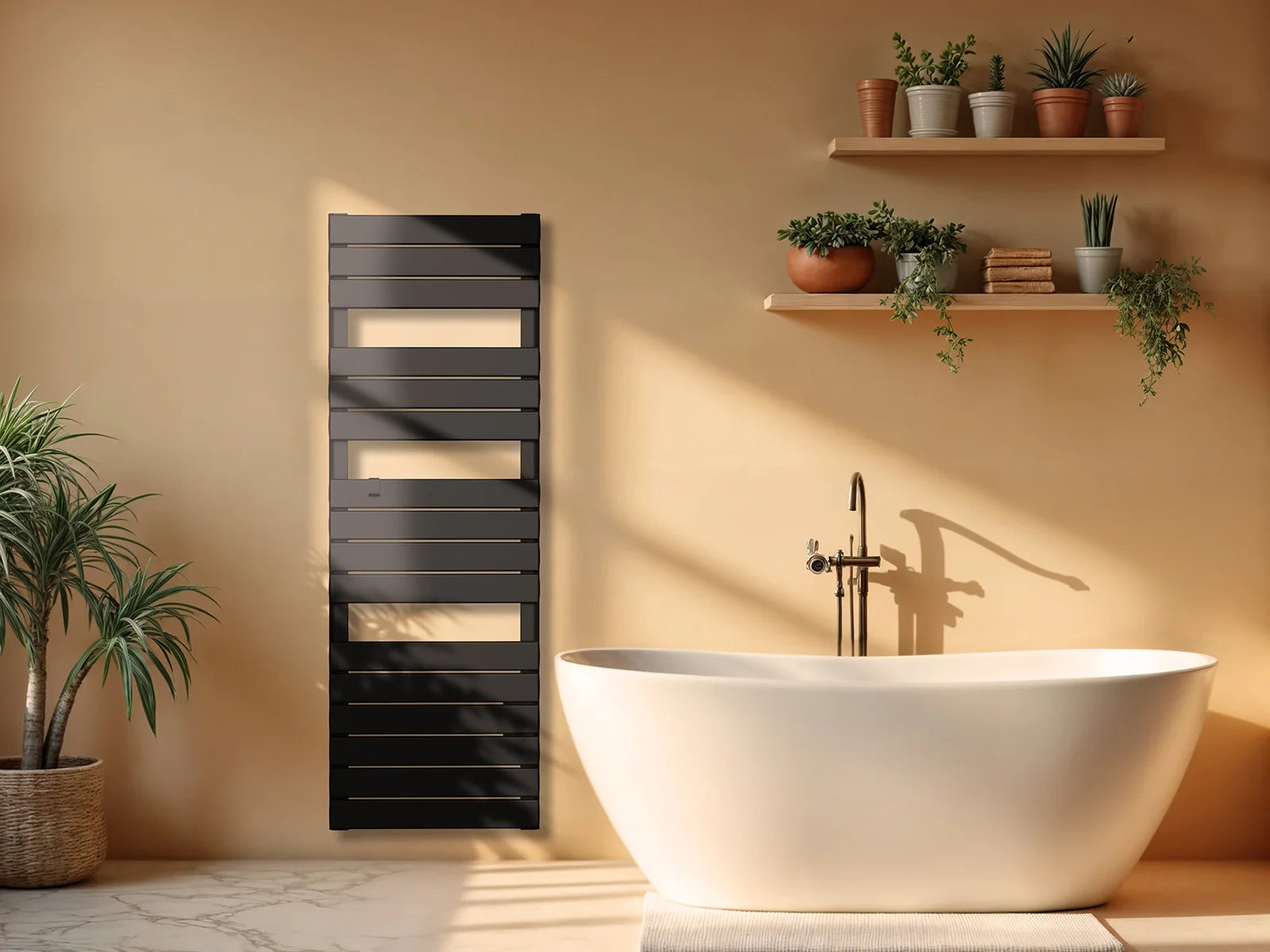
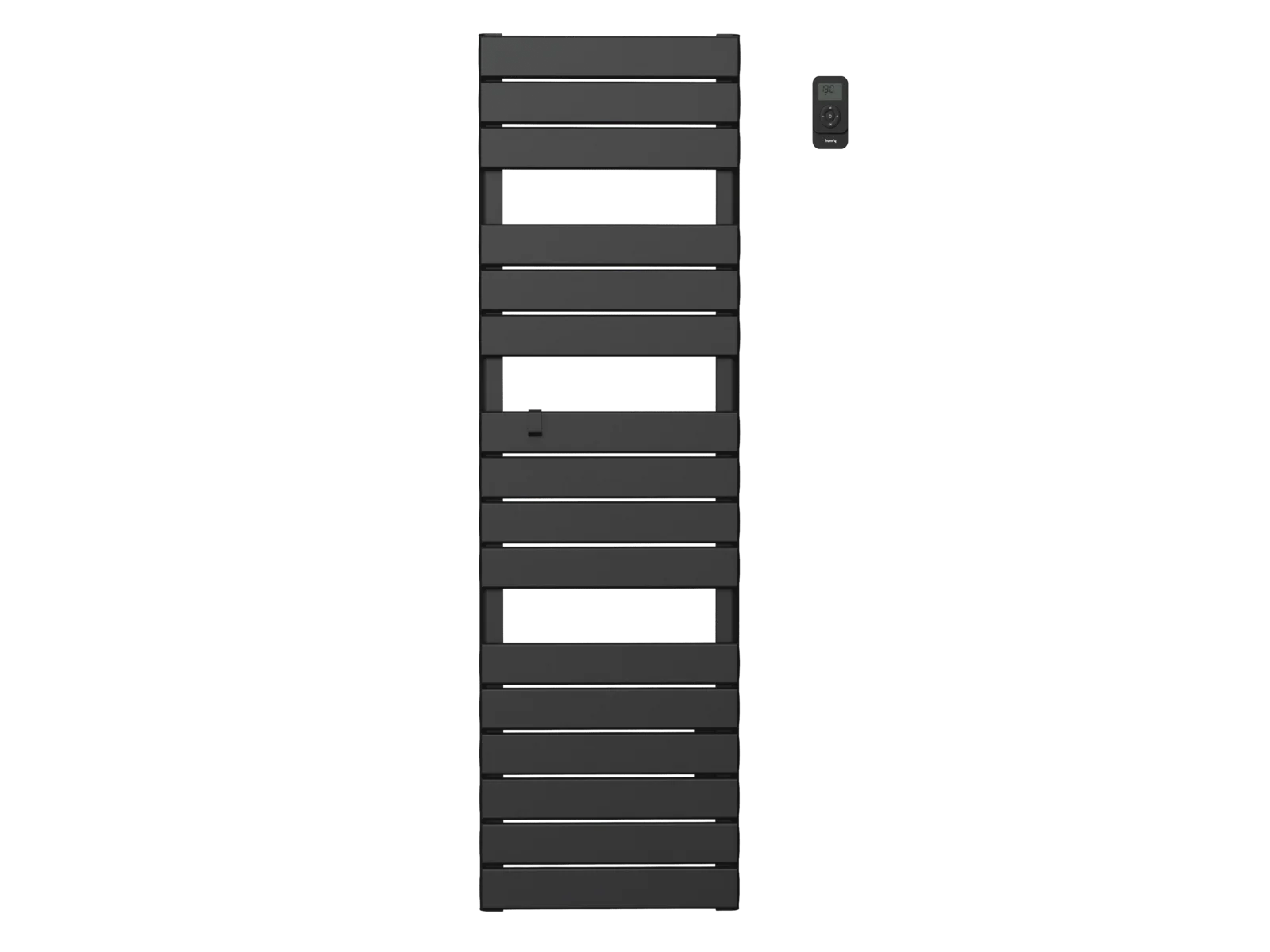
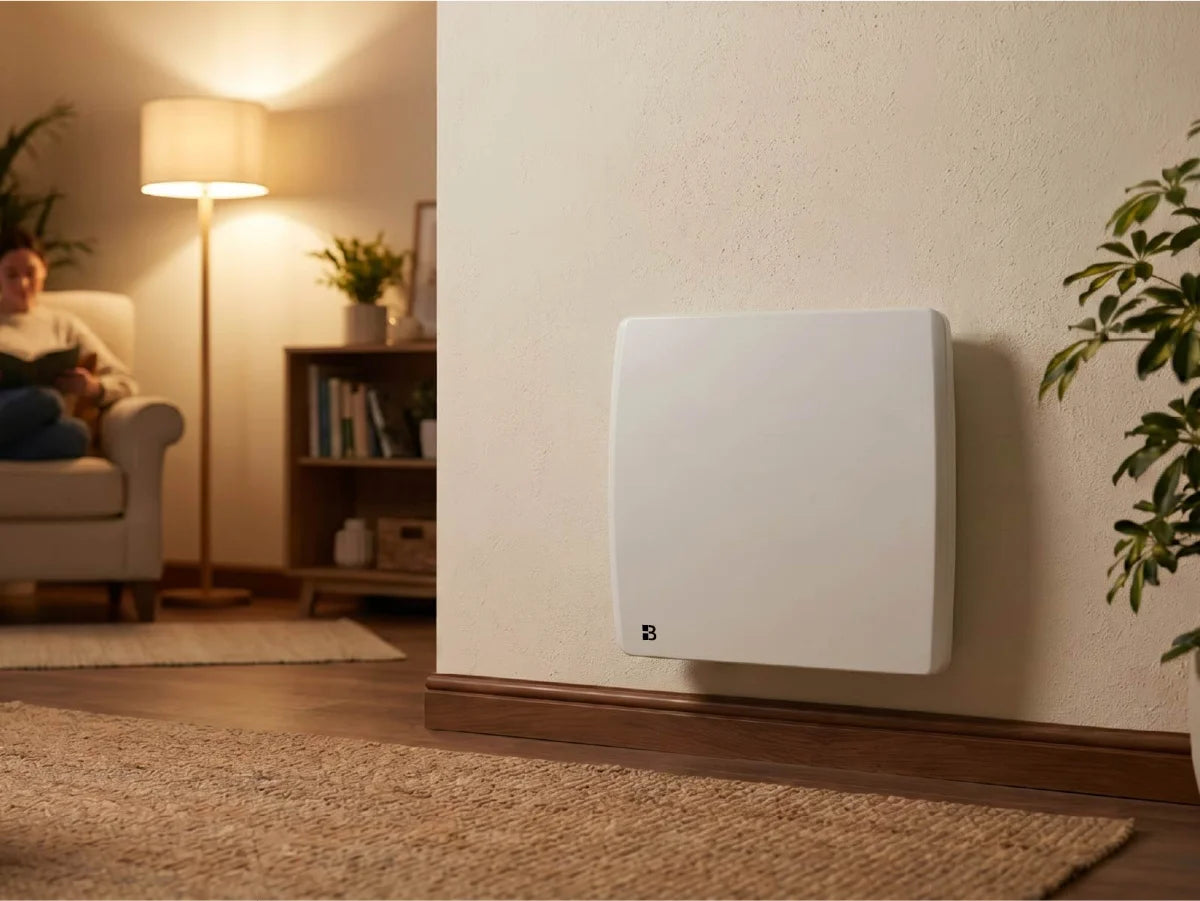
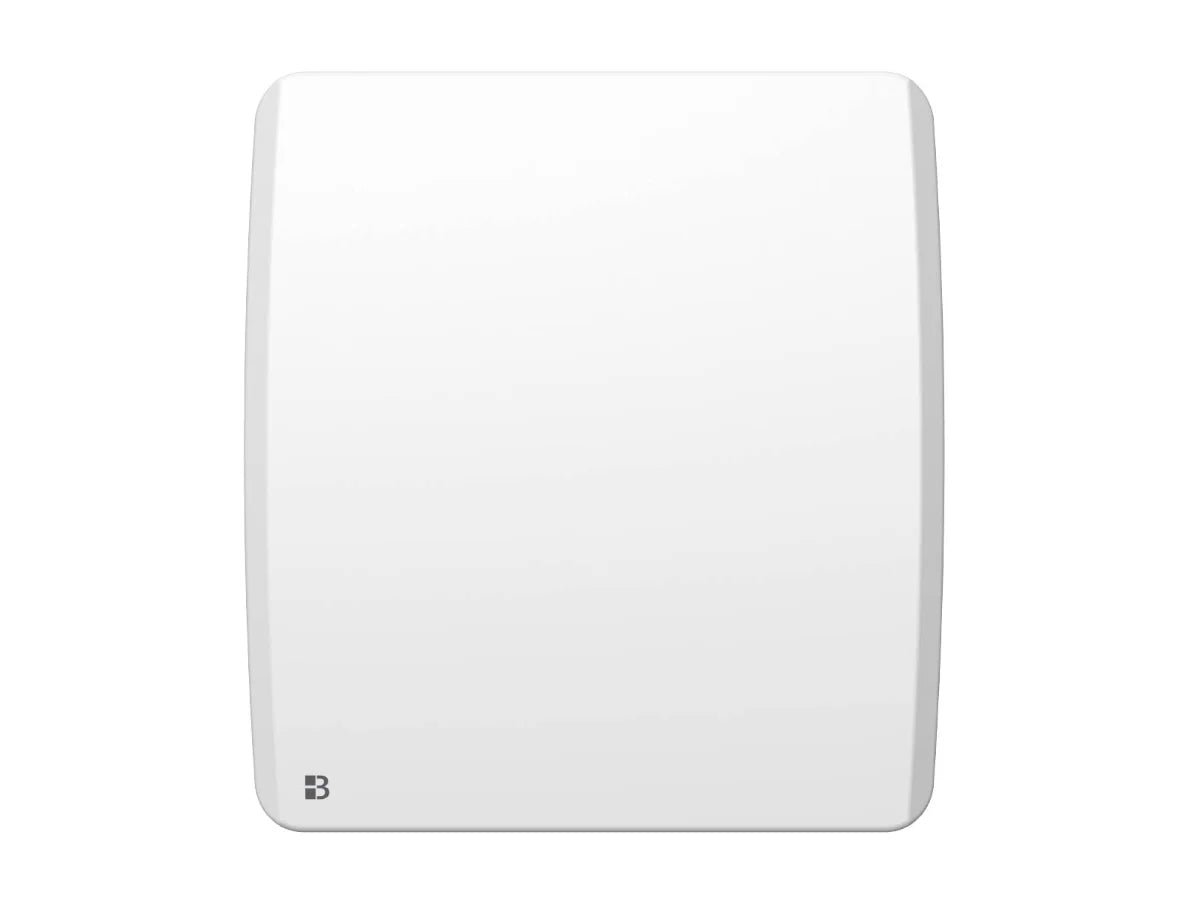
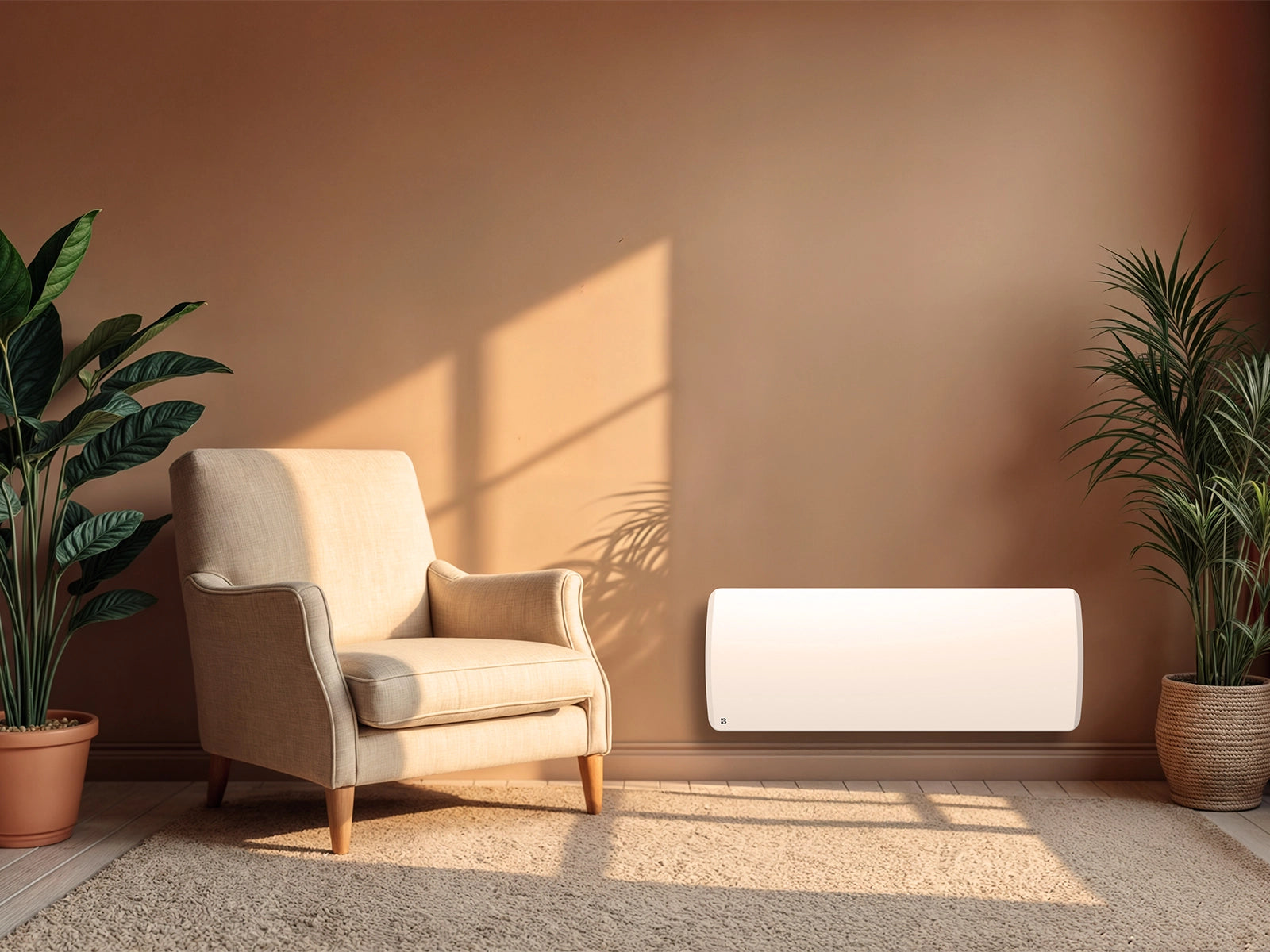

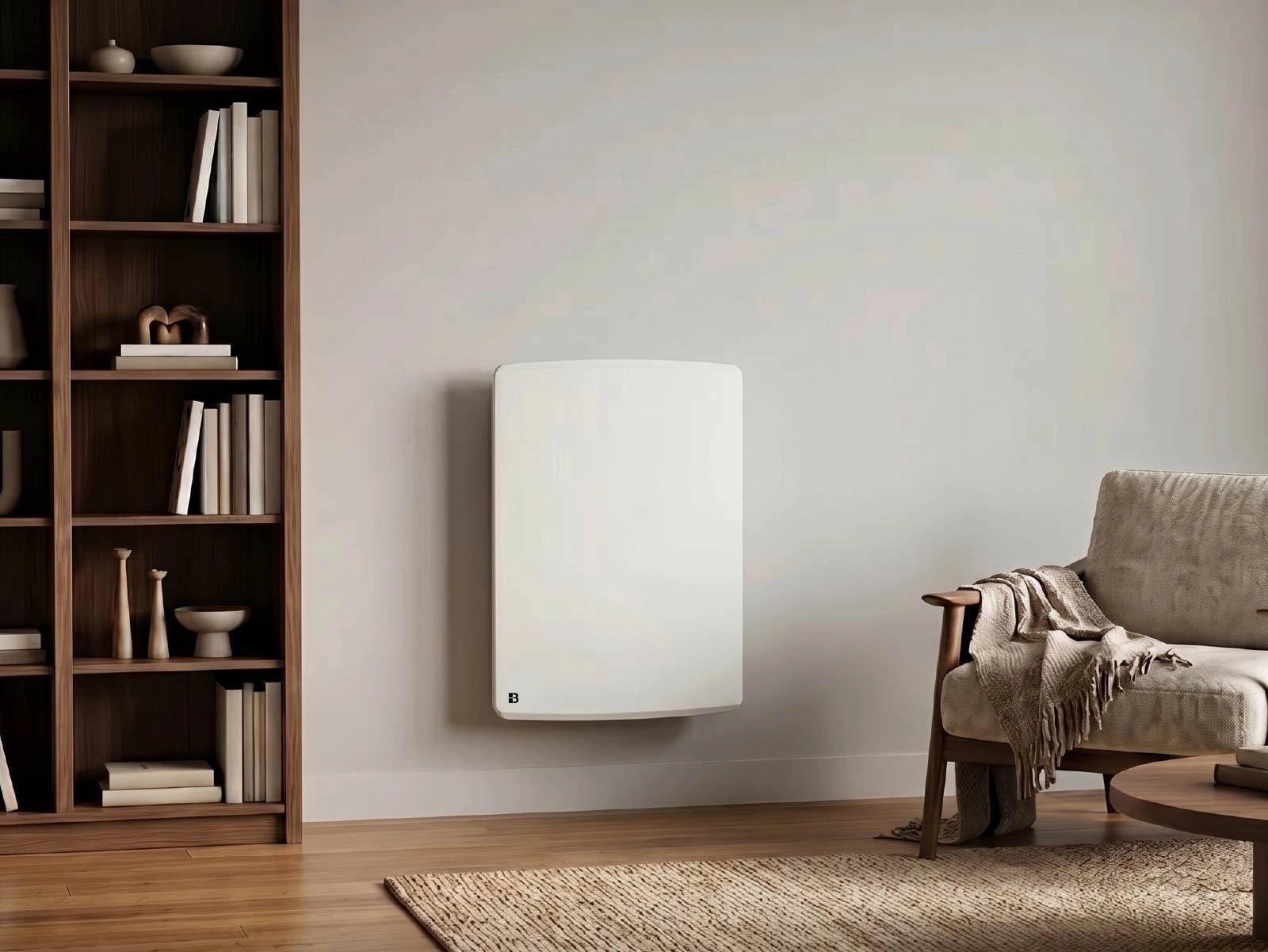
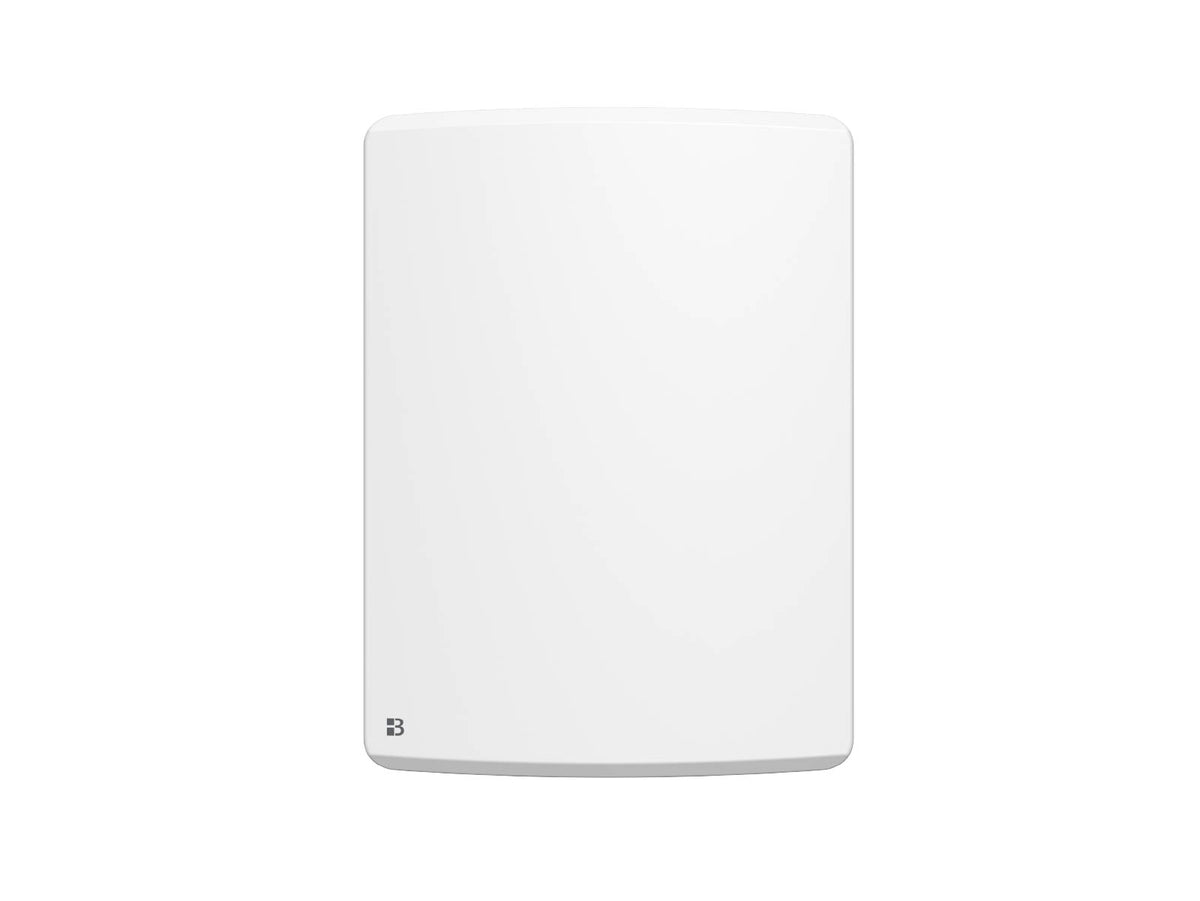
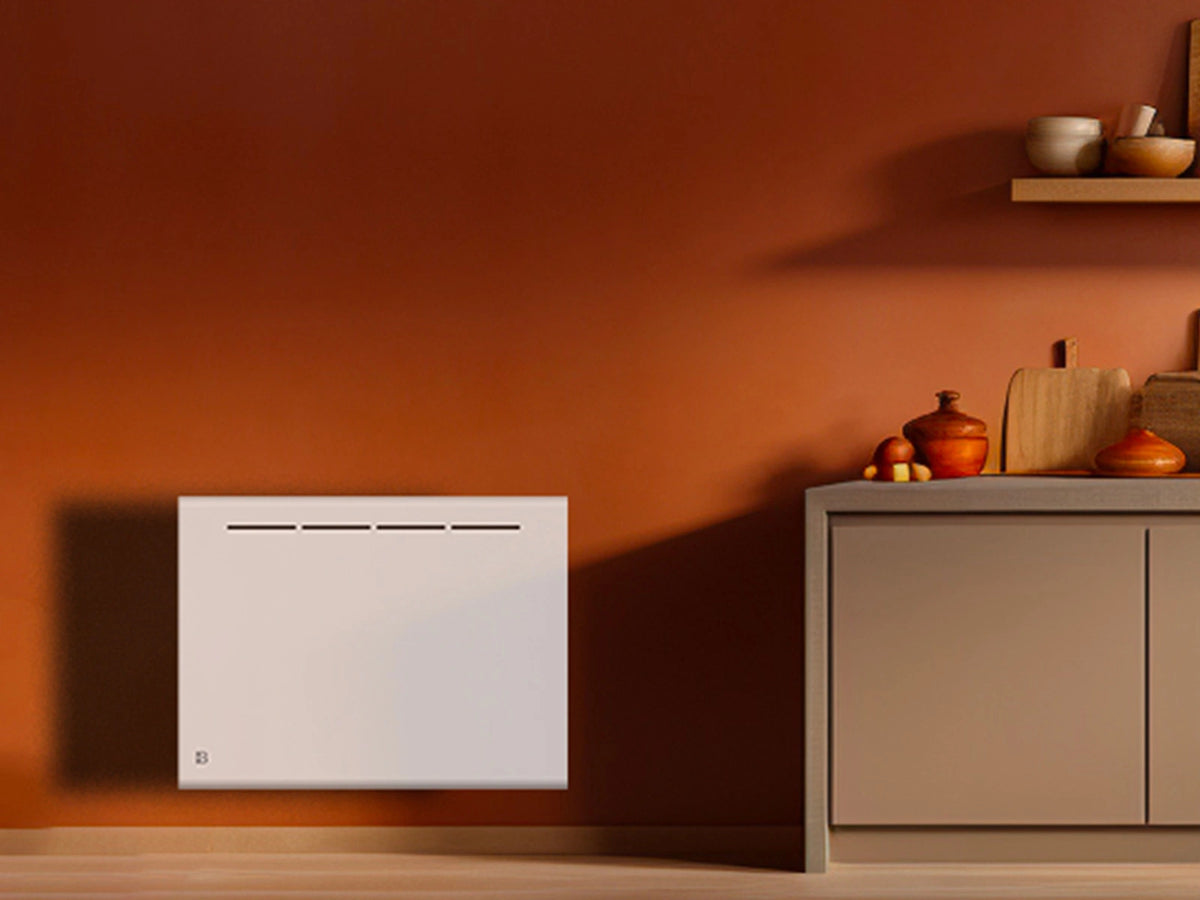
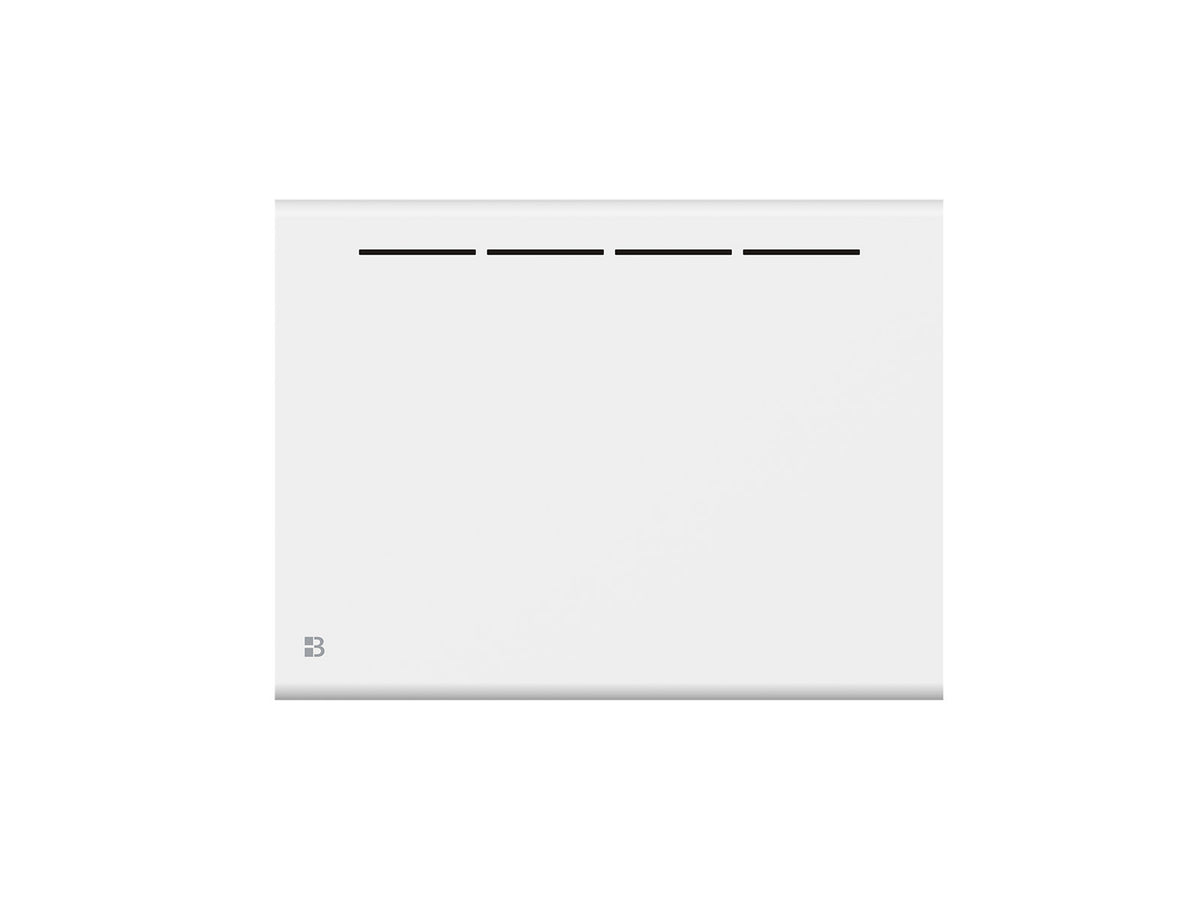
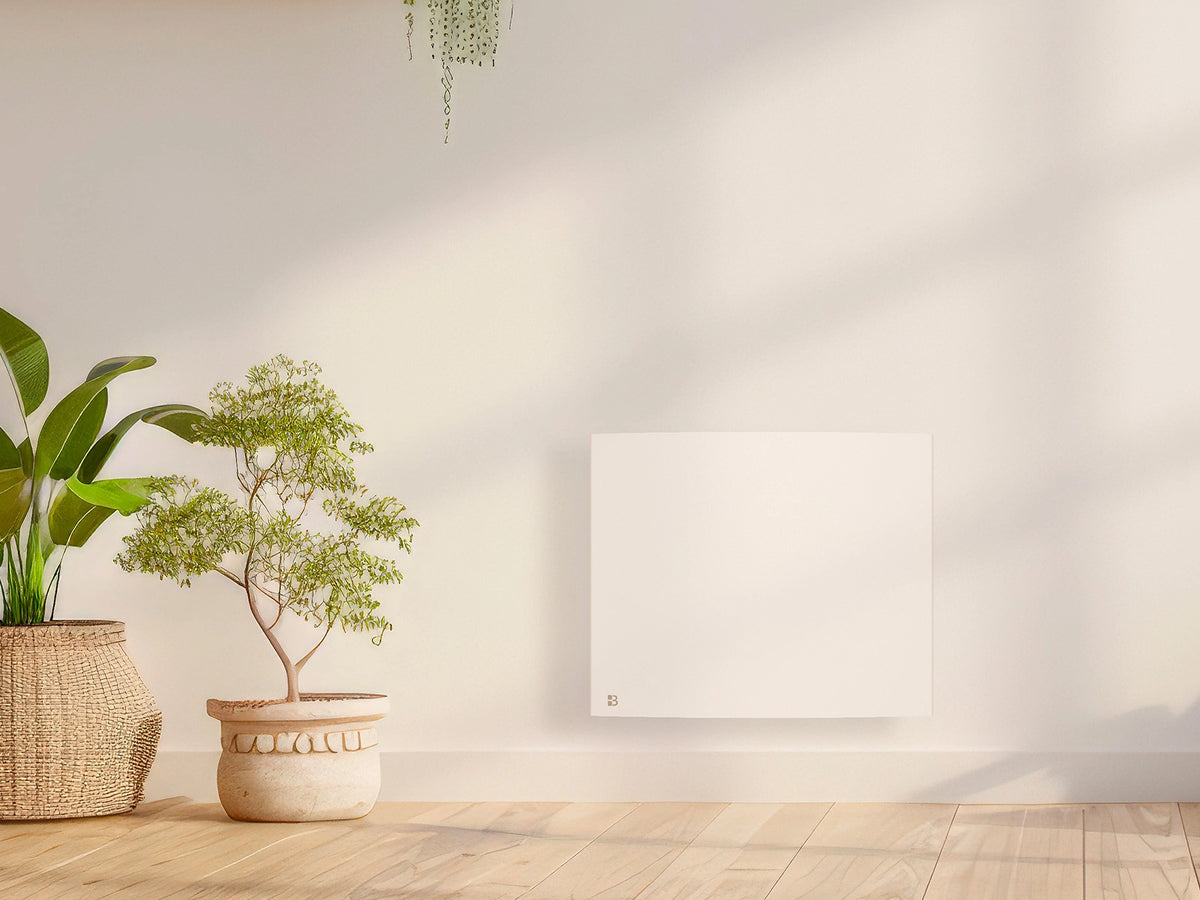



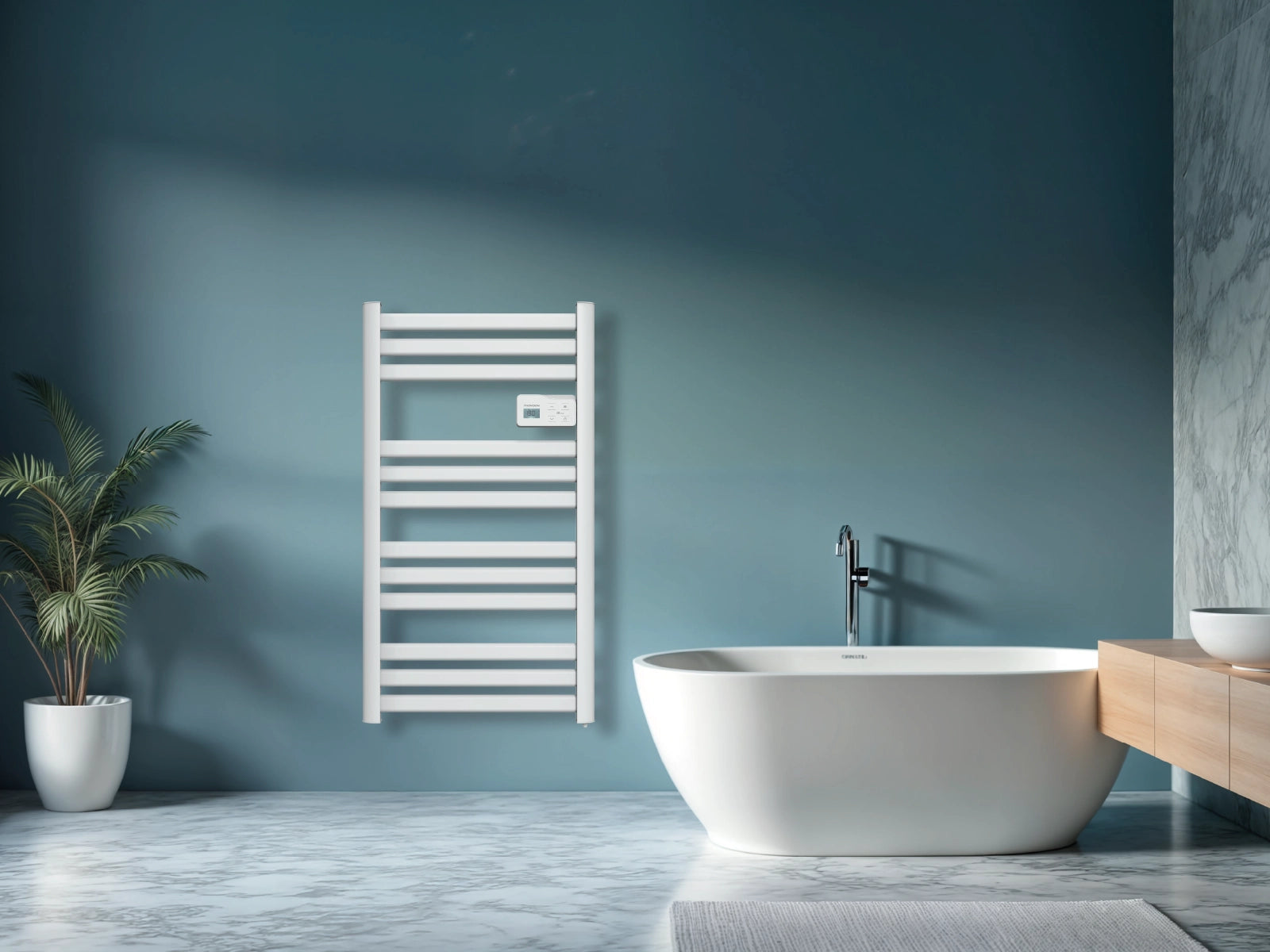
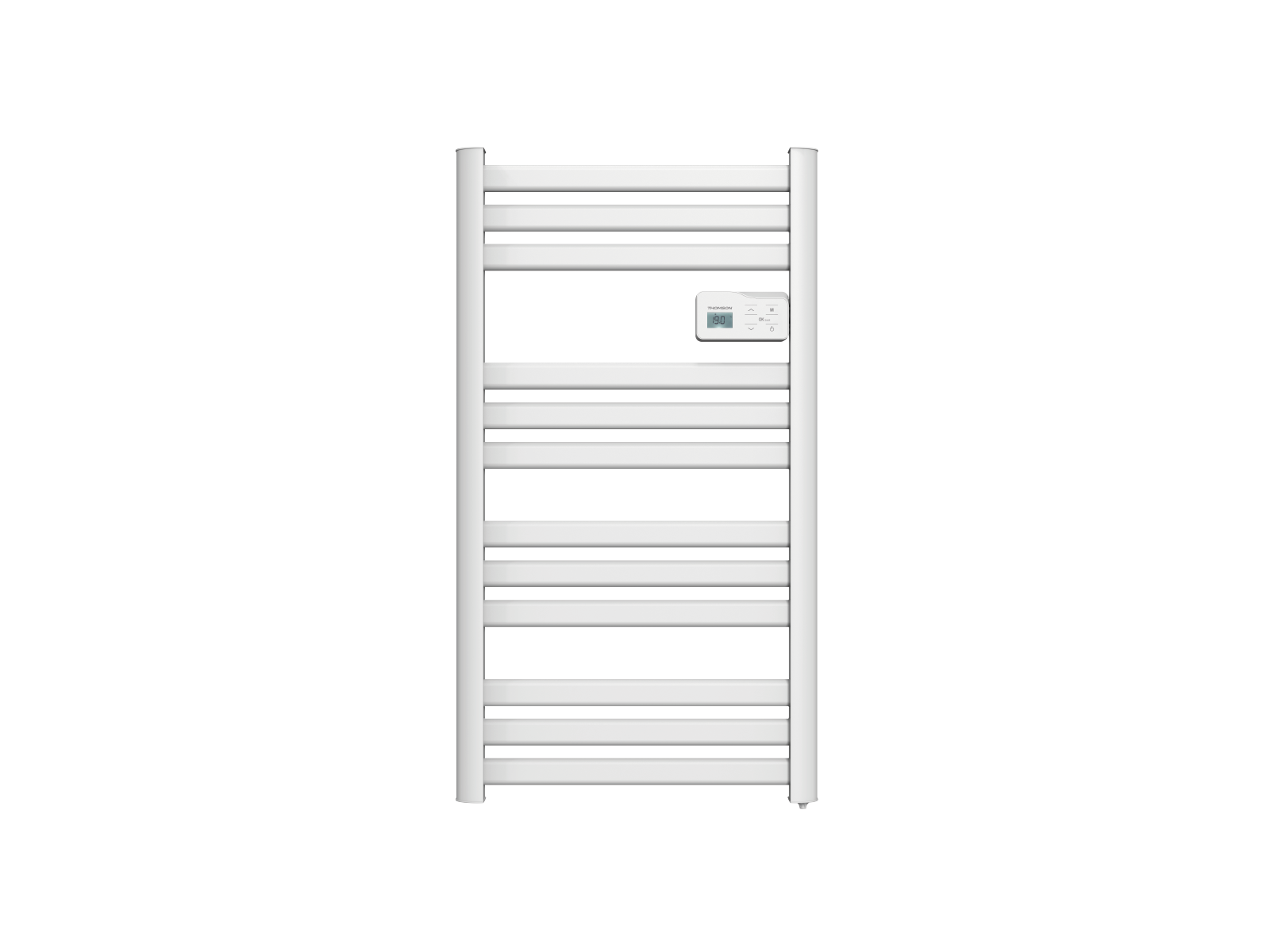
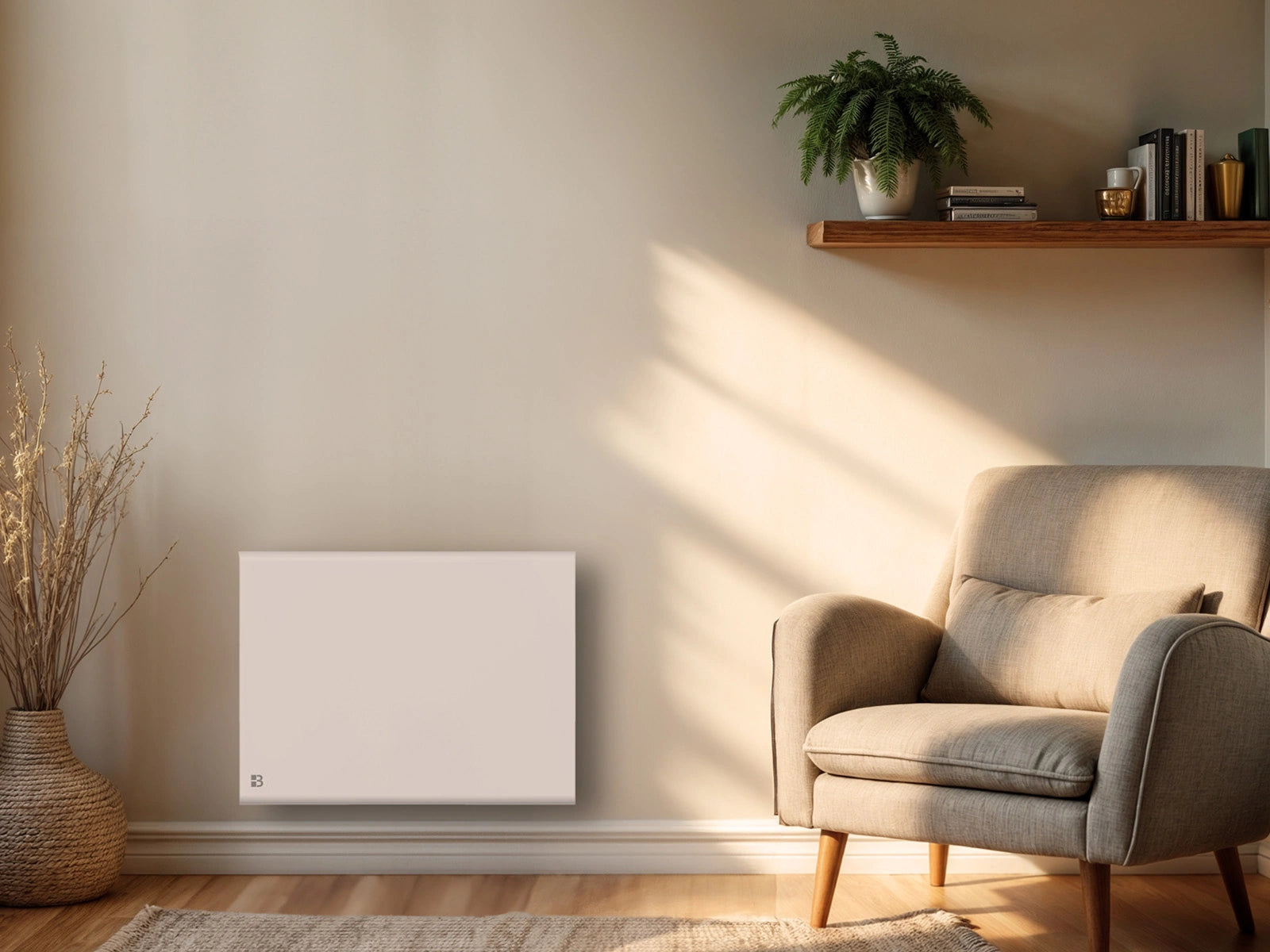

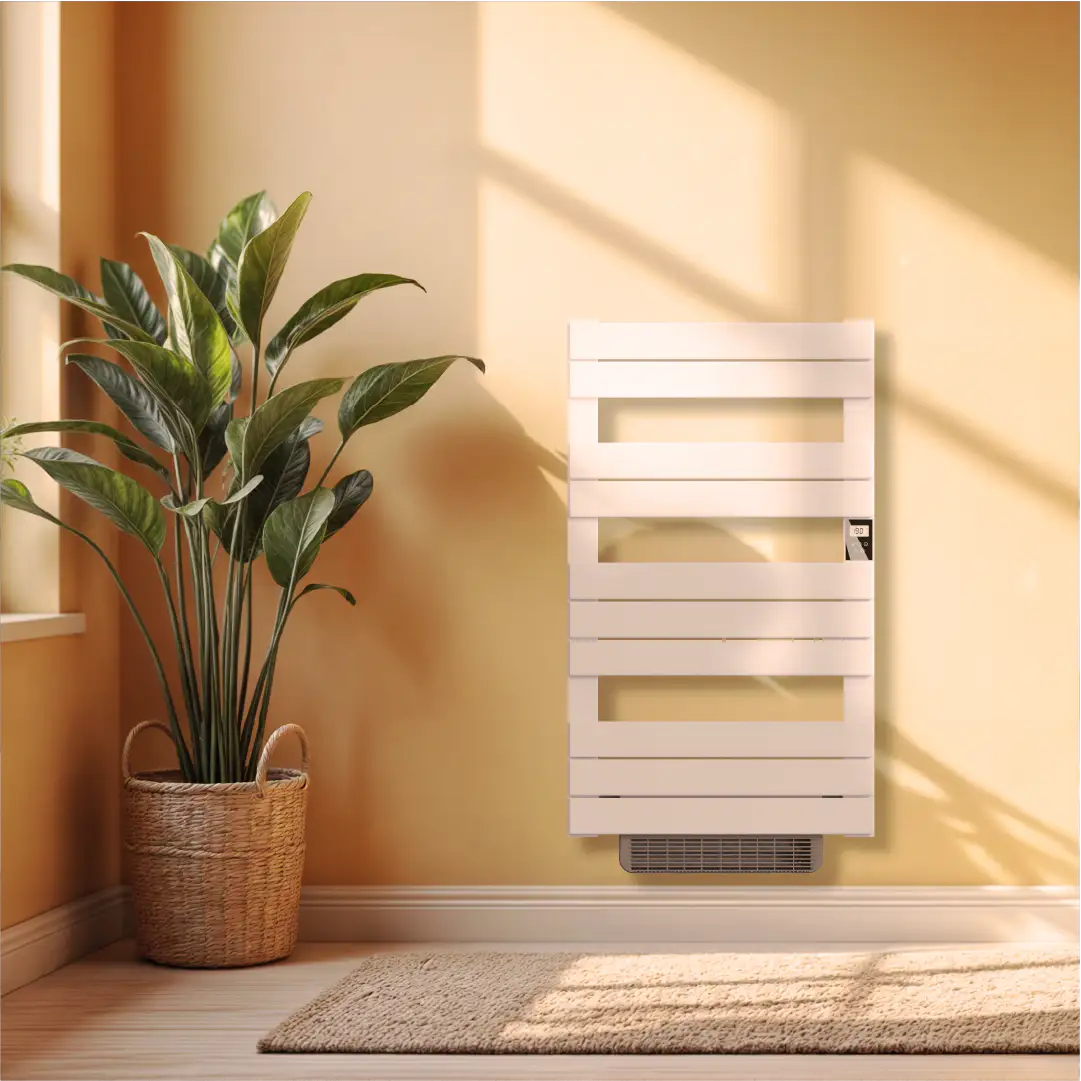
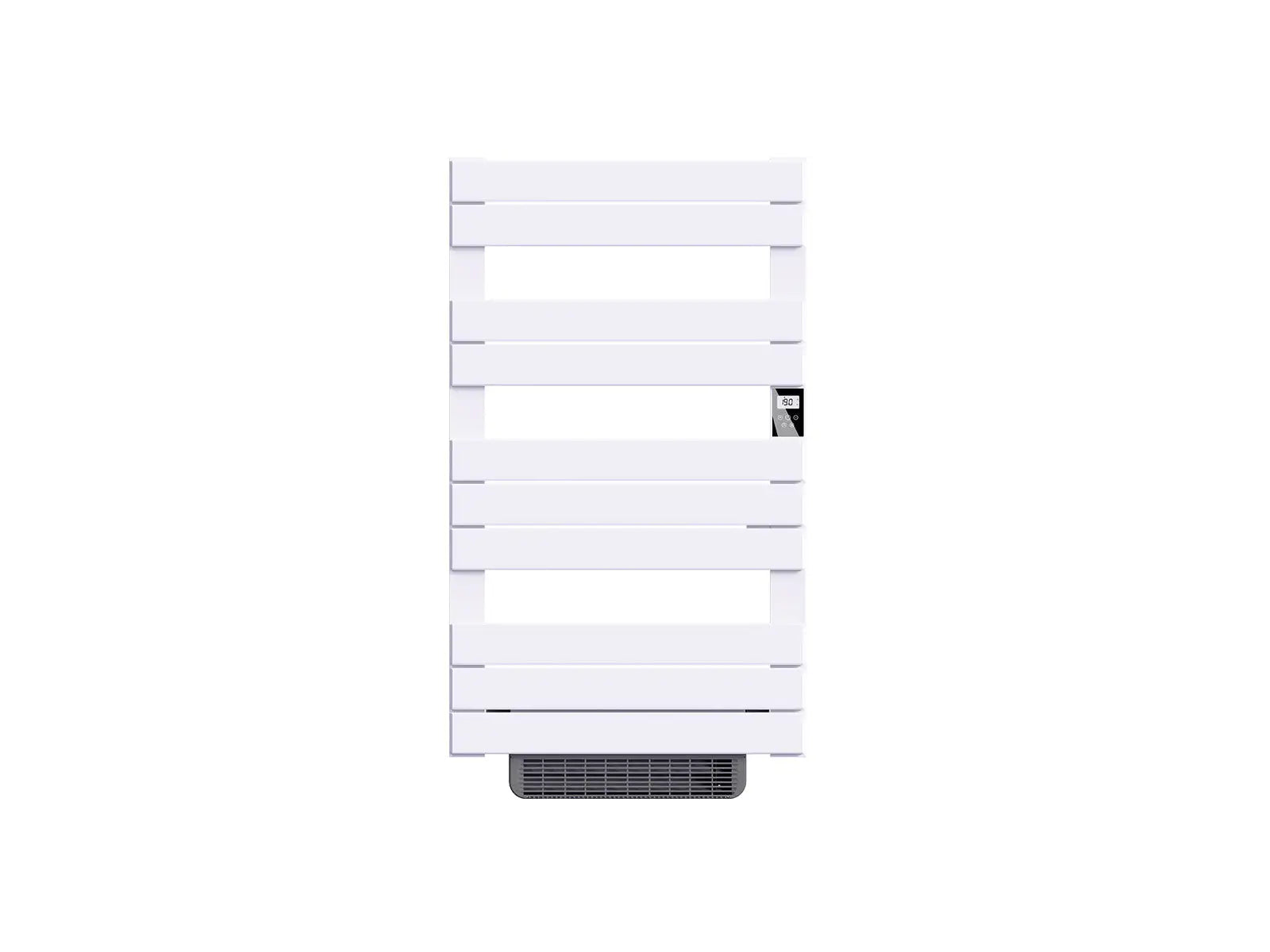
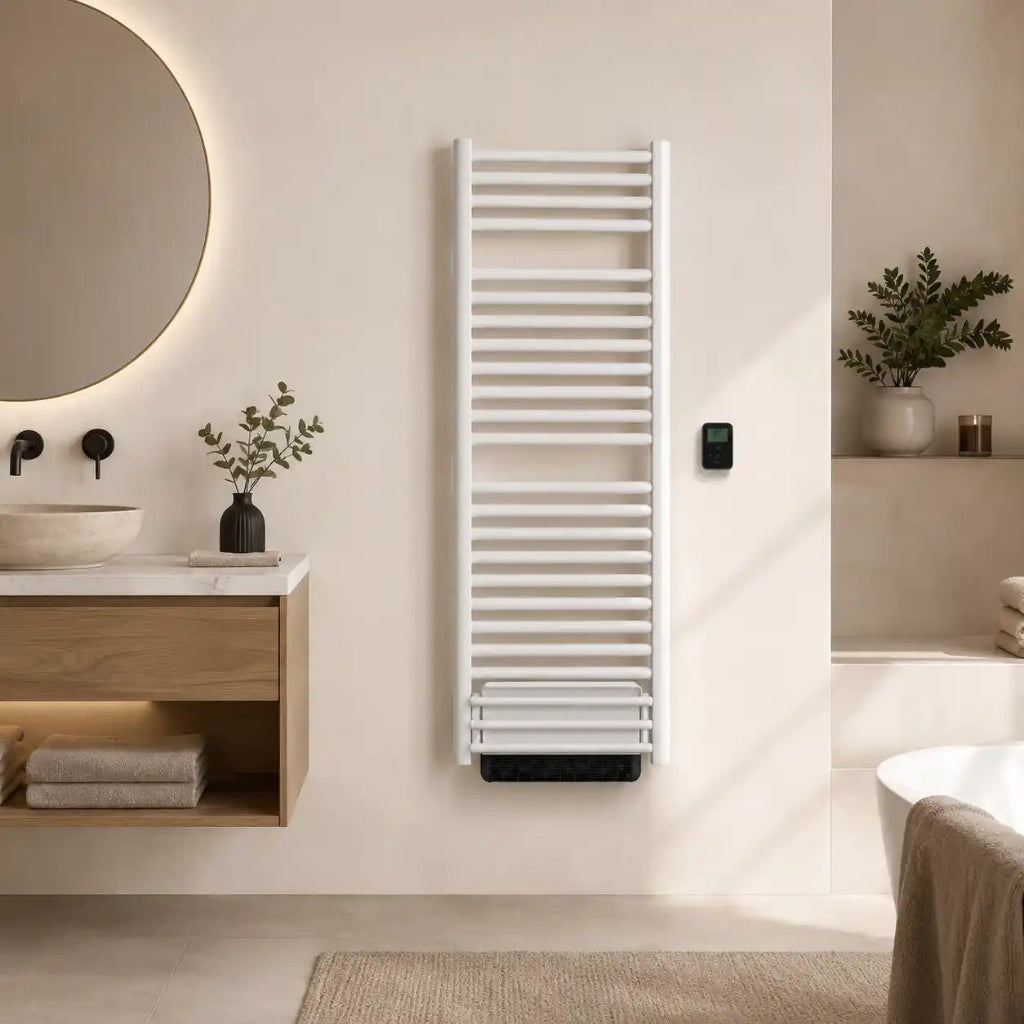
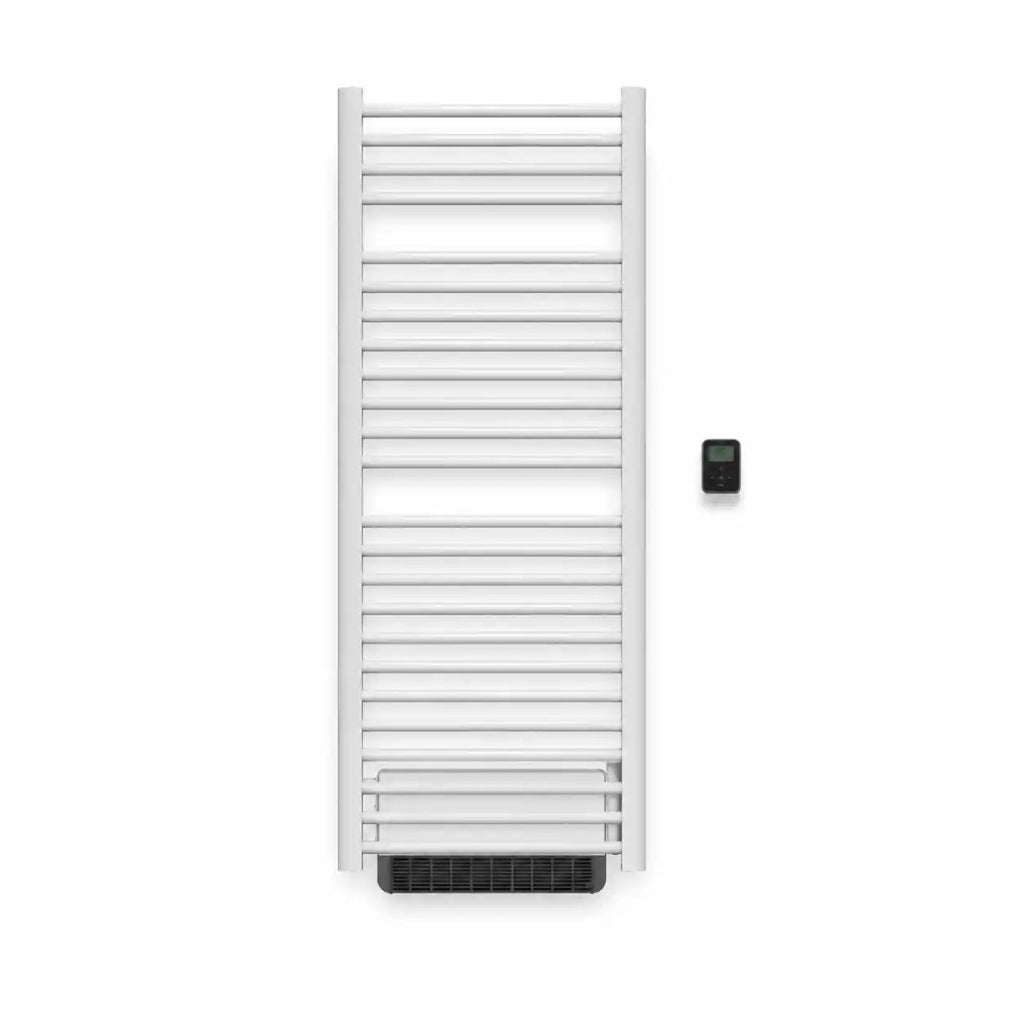
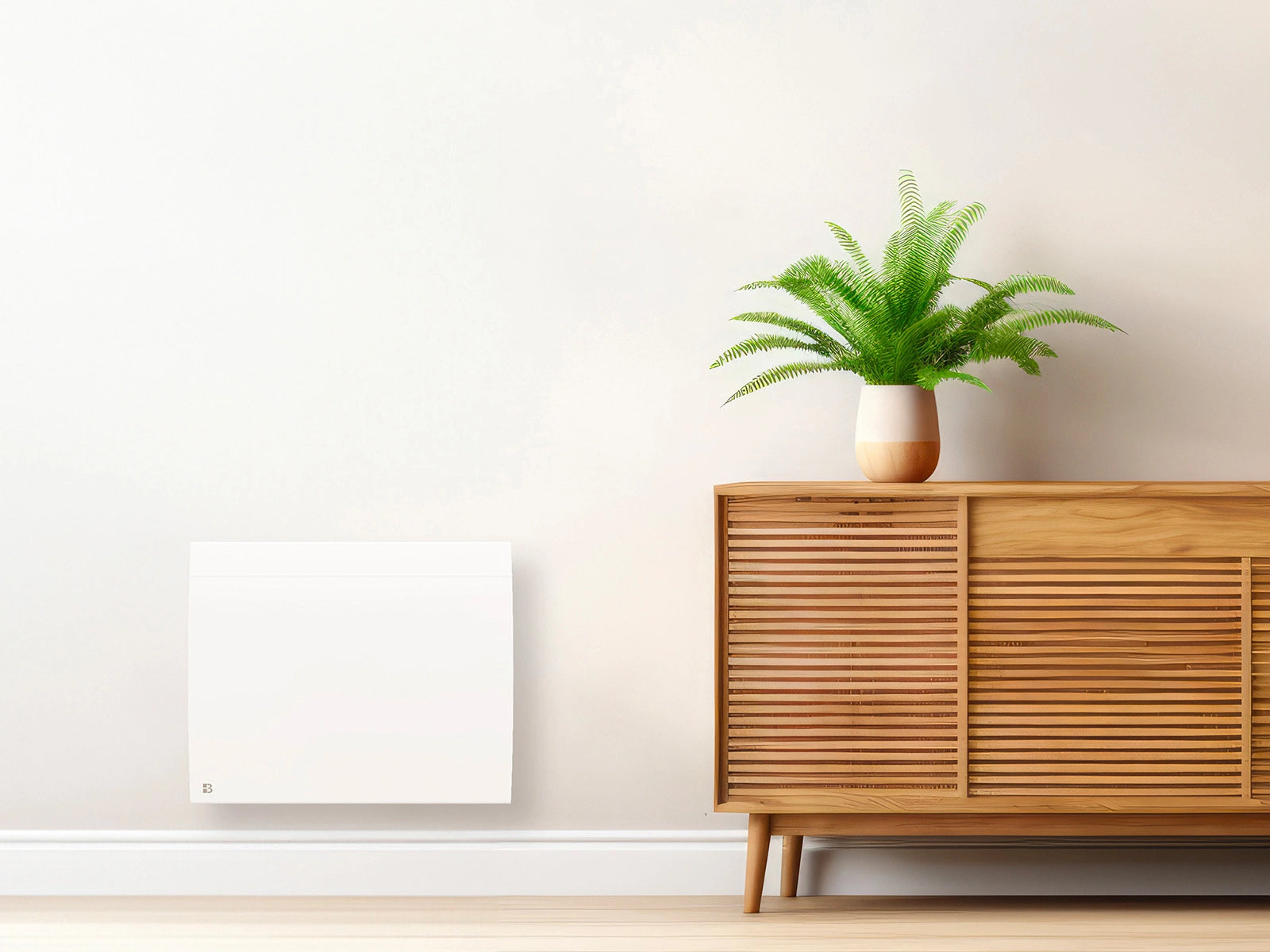

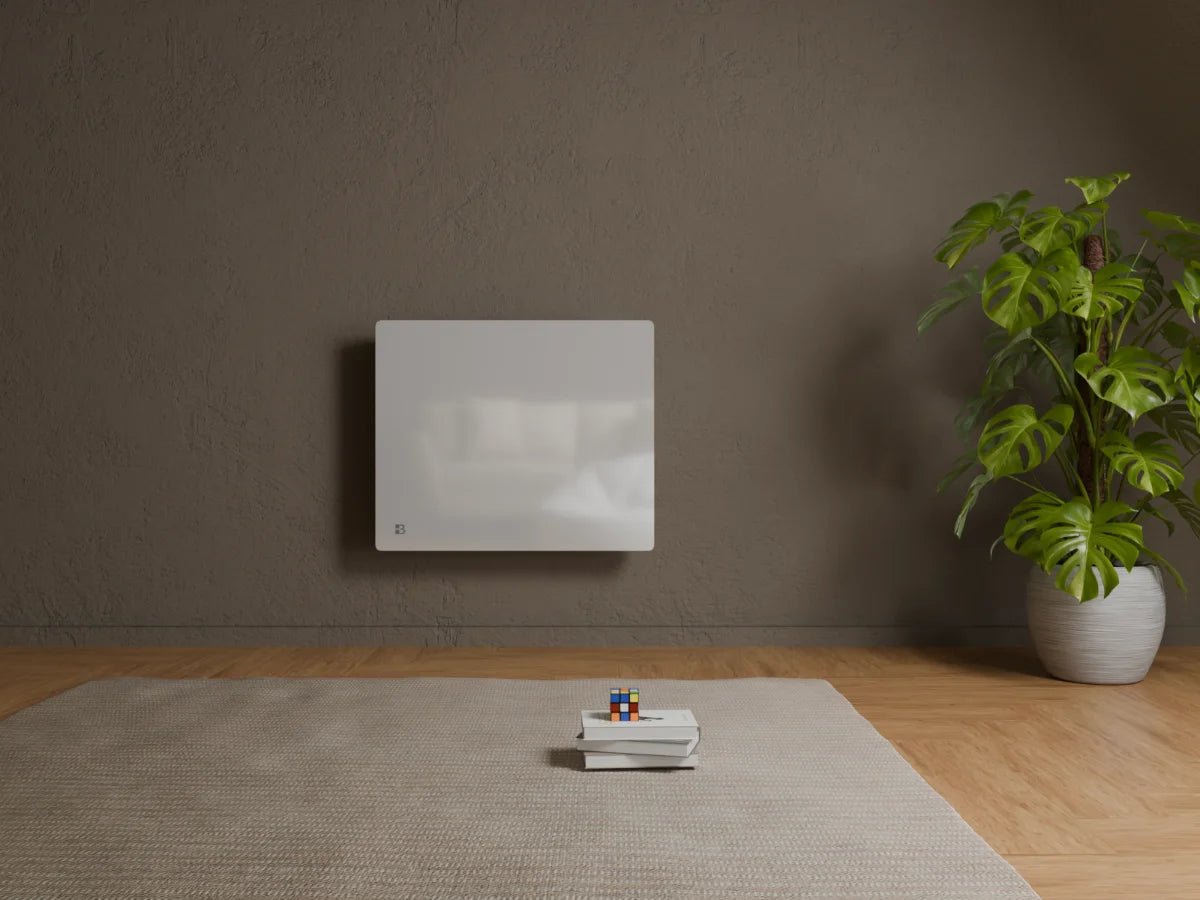

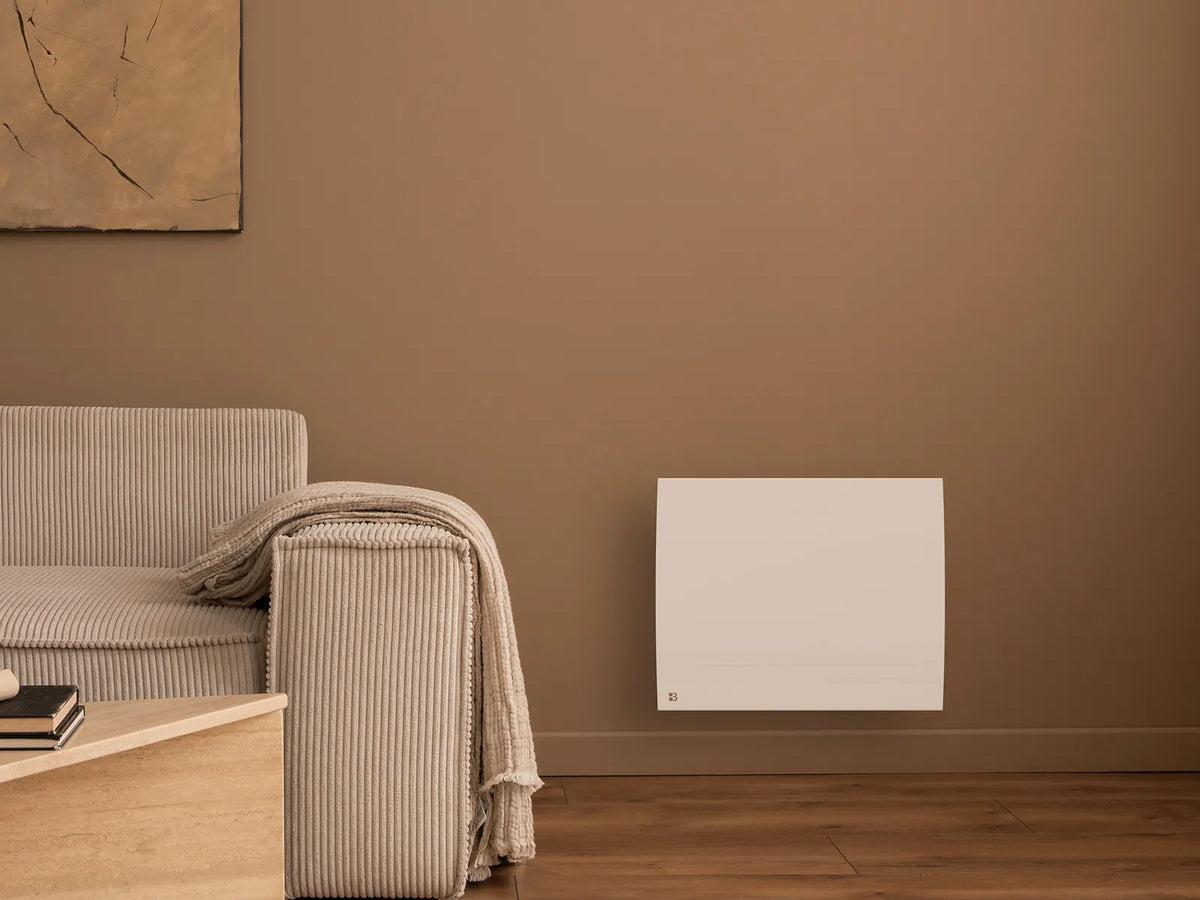

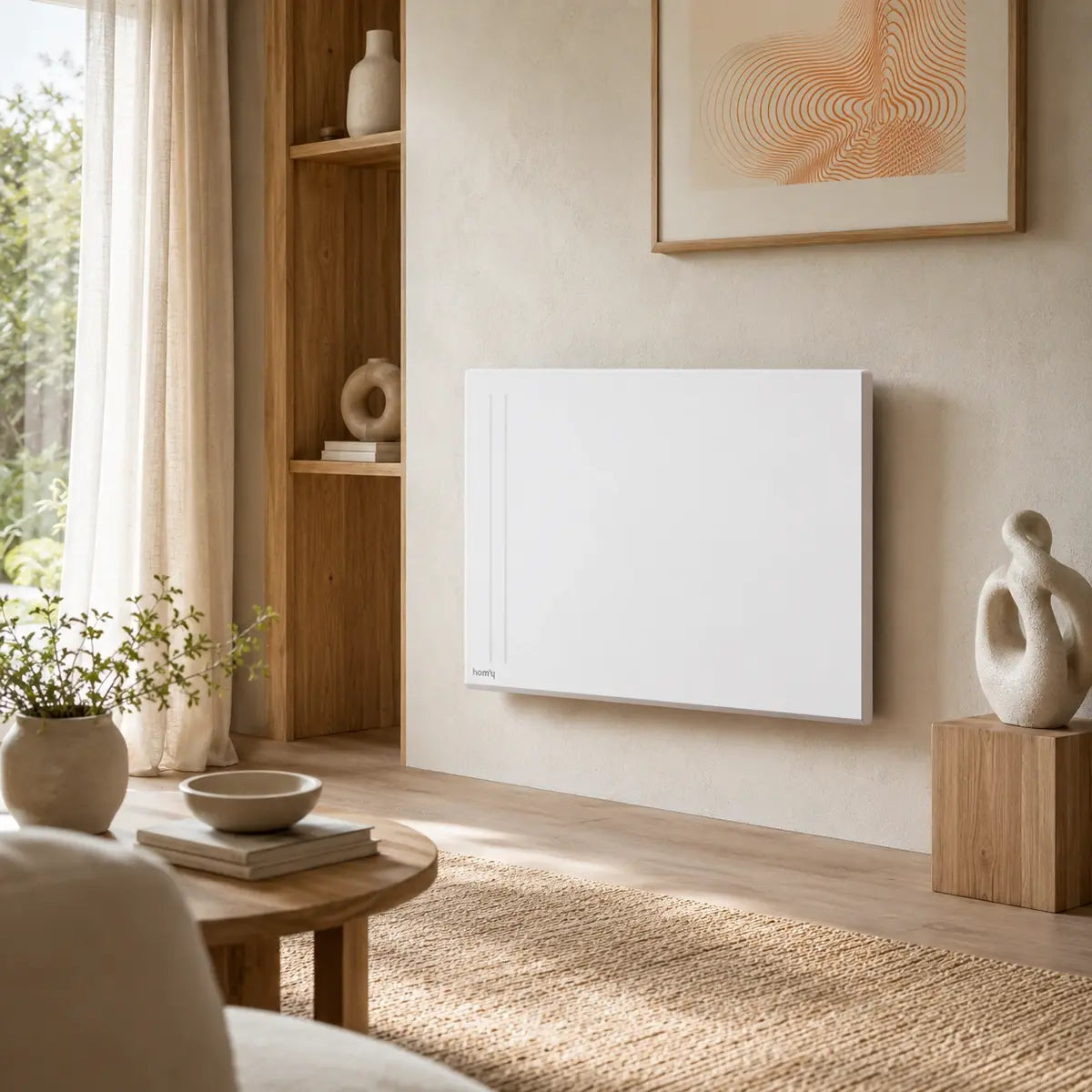



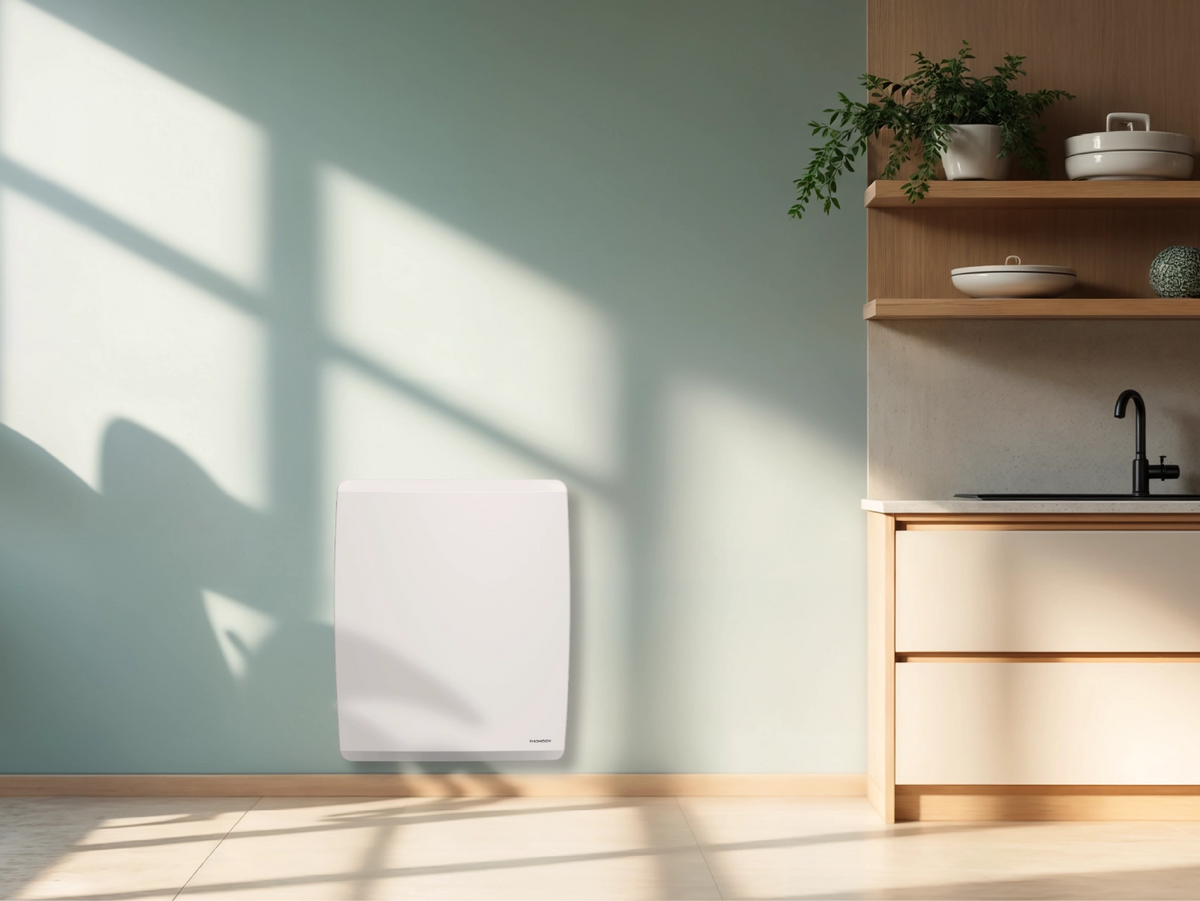
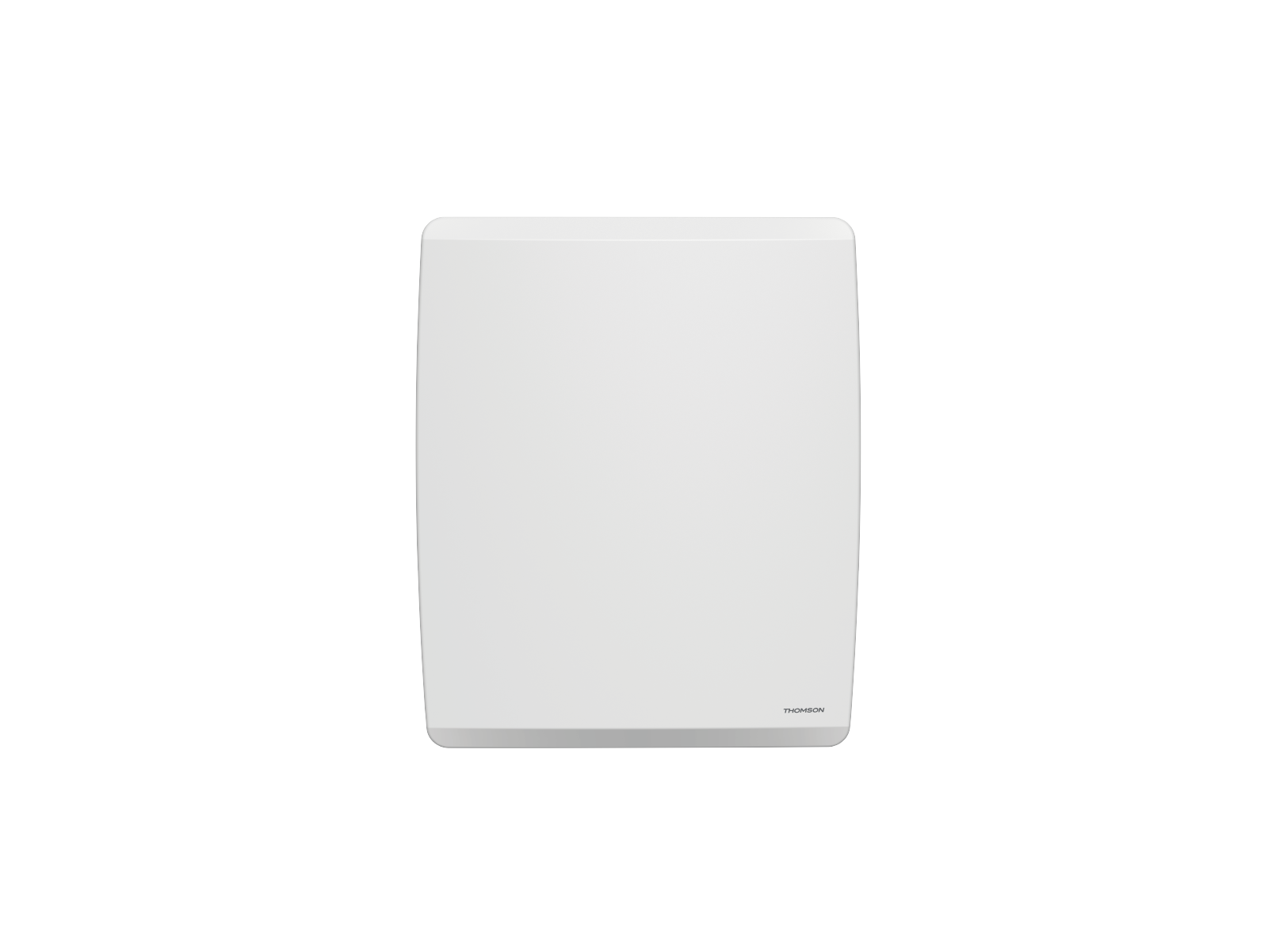
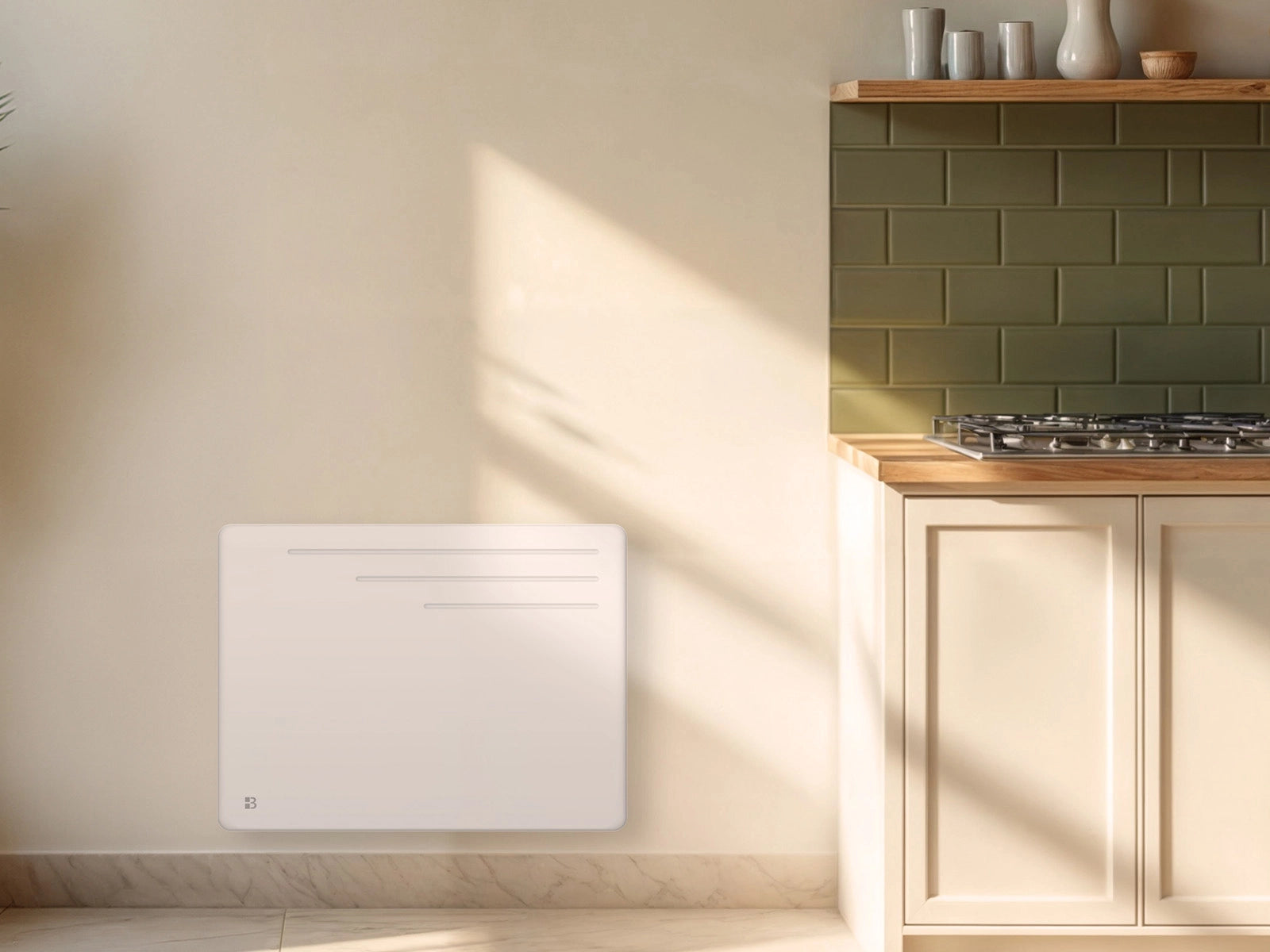

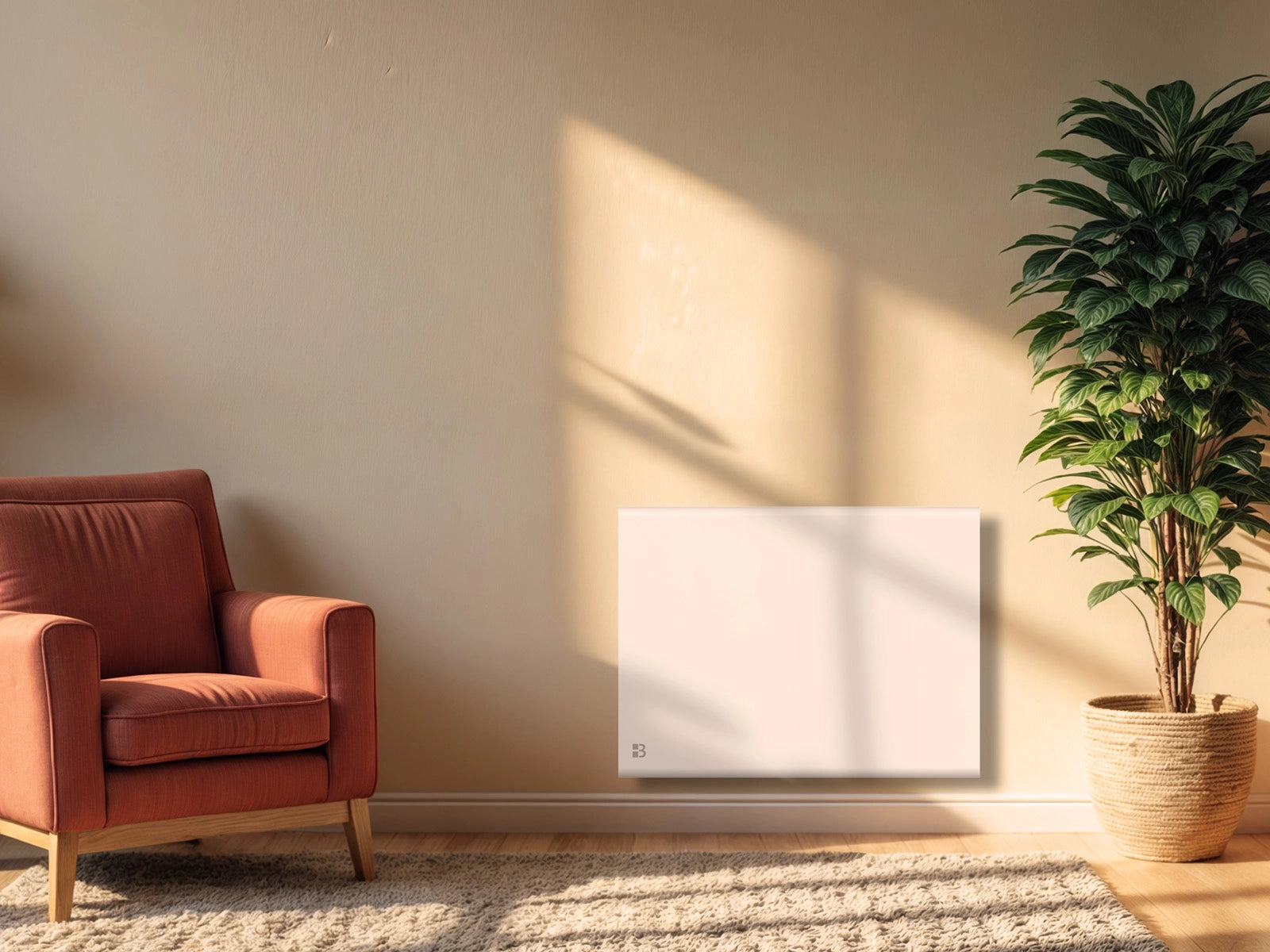

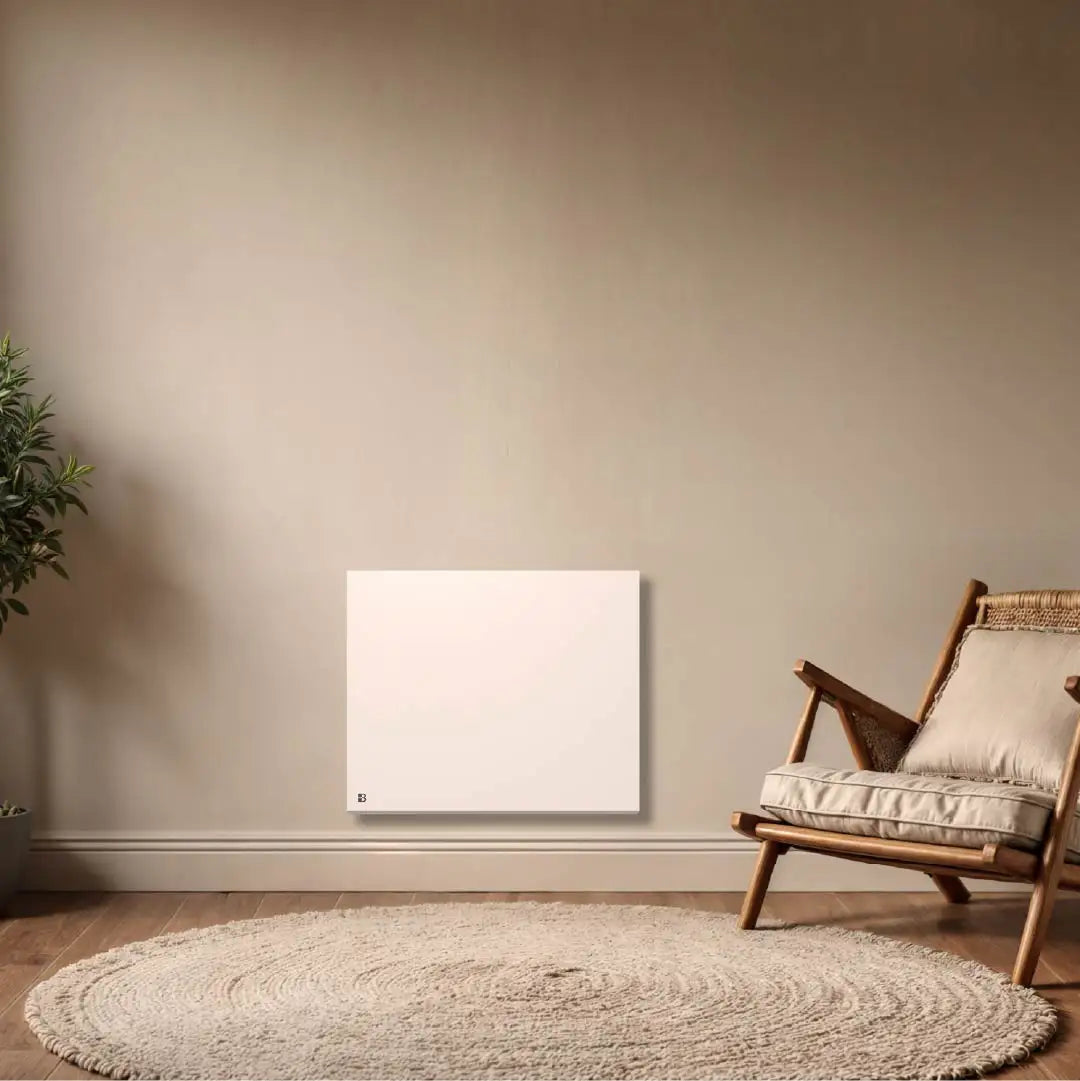

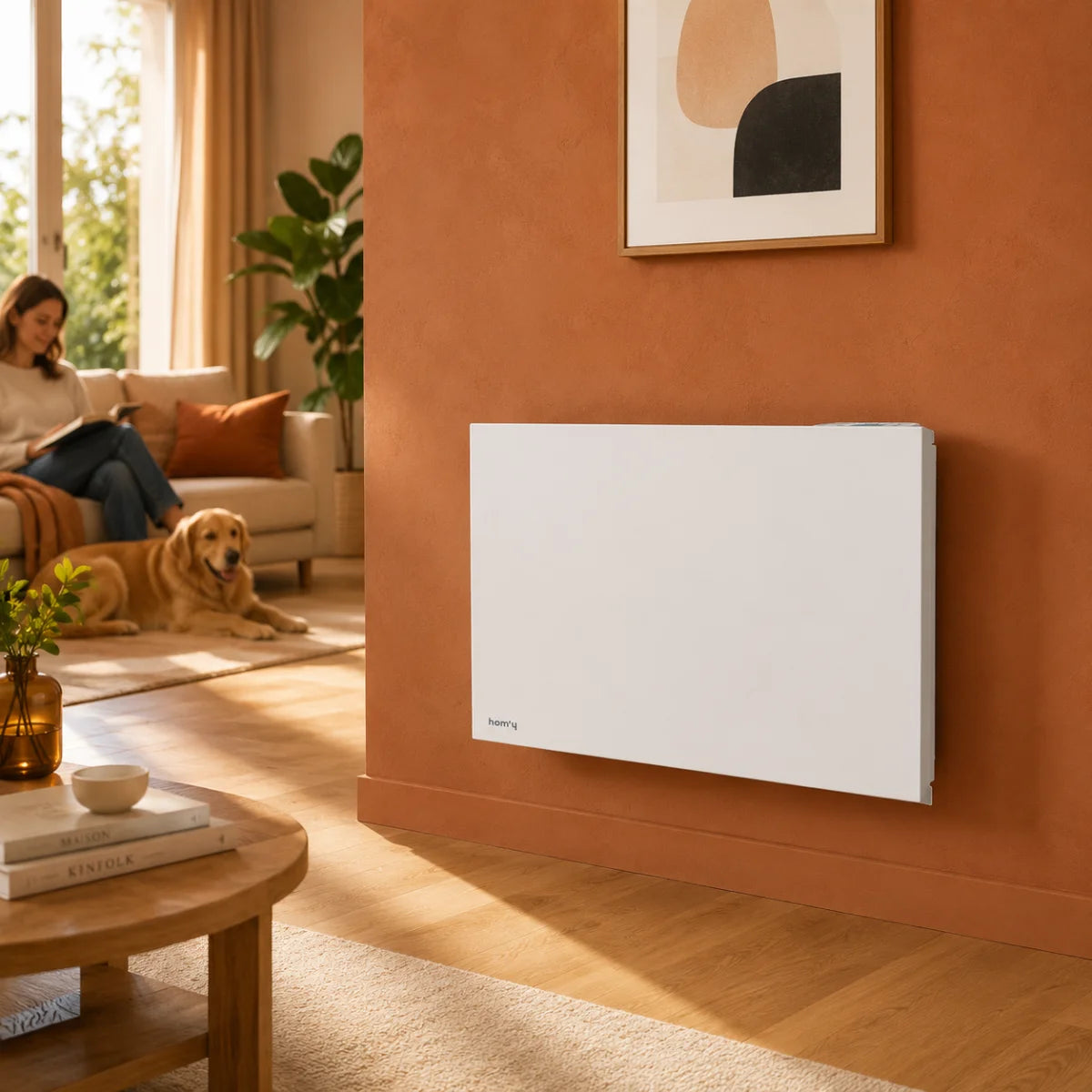

Radiator with open-window detection
A radiator equipped with an open-window detector helps prevent heat loss when you air out a room. Thanks to its built-in temperature sensor, it detects sudden temperature drops characteristic of an open window and automatically adjusts its operation.
This feature is now available on many recent electric radiators that comply with the European EcoDesign* standard. The aim is to promote ecodesign for energy-related products such as heating equipment. It contributes to more efficient heating use in everyday life.
How does automatic open-window detection work?
Contrary to what you might think, no external sensor needs to be installed on the window. Everything happens directly inside the radiator:
- Its internal sensor continuously measures the room temperature.
- When it detects a rapid and unusual drop in temperature, the system interprets it as an open window.
- The radiator then reduces its power or temporarily stops heating.
This technology is integrated into all Bestherm radiators and heated towel rails to simplify heating management and prevent unnecessary energy consumption during airing periods.
Why choose an electric radiator with open-window detection?
When you open a window to renew the air in a room, a conventional radiator generally continues heating. It tries to compensate for the drop in temperature, even when it is only temporary.
With open-window detection, the radiator recognises this situation and automatically adjusts its behaviour. This prevents heating an empty room during a few minutes of airing.
Combined with programming suited to the household’s habits, it helps manage heating more efficiently throughout the year.
Connected, dry inertia or fluid: which model should you choose?
Open-window detection is available on several types of electric radiators. The choice of model primarily depends on your needs and lifestyle.
Connected radiator: control your heating remotely
Connected radiators allow you to manage your home’s temperature from a smartphone or tablet. From an app, you can change heating settings, adjust programming or monitor the operation of the appliances remotely.
Combined with open-window detection, this remote management provides better control over the home’s energy consumption.
A connected radiator therefore makes it easier to adjust heating according to your needs and habits.
Ceramic or cast iron: which heating core should you choose?
Open-window detection is particularly useful on dry-inertia radiators. These appliances store heat in a refractory material before gradually releasing it into the room.
When a window is open, the detection feature prevents the heating core from being unnecessarily activated during the airing phase.
The two main dry-inertia technologies are ceramic and cast iron. Each has its own characteristics in terms of heat distribution and storage, but both benefit from the advantages of automatic open-window detection.
To optimise heating even further, some models can also be equipped with a presence detector (PIR) capable of adjusting heating according to room occupancy.
FAQ: Everything you need to know about radiators with open-window detection
Is it necessary to buy an external sensor for the radiator to work?
No, no external sensor is required.
The radiator uses its own internal sensor to analyse changes in room temperature and identify the temperature drops characteristic of an open window.
Do Bestherm radiators include open-window detection?
Yes, all Bestherm radiators and heated towel rails include this feature.
When a rapid drop in temperature is detected, the appliance automatically adjusts its operation to prevent energy waste while the room is being aired.
How much energy can be saved with this feature?
The savings achieved vary depending on how often rooms are aired, the home’s insulation and heating habits.
Open-window detection does not replace good programming or effective insulation, but it helps prevent some unnecessary energy consumption and contributes to avoiding unnecessary consumption in everyday use.
* The European EcoDesign regulation aims to encourage the design of products that are more energy-efficient and more respectful of resources. It applies in particular to energy-related products, such as heating appliances, in order to promote ecodesign and reduce their environmental impact.
** https://europa.eu/youreurope/business/product-requirements/compliance/ecodesign/index_fr.htm