
Filters
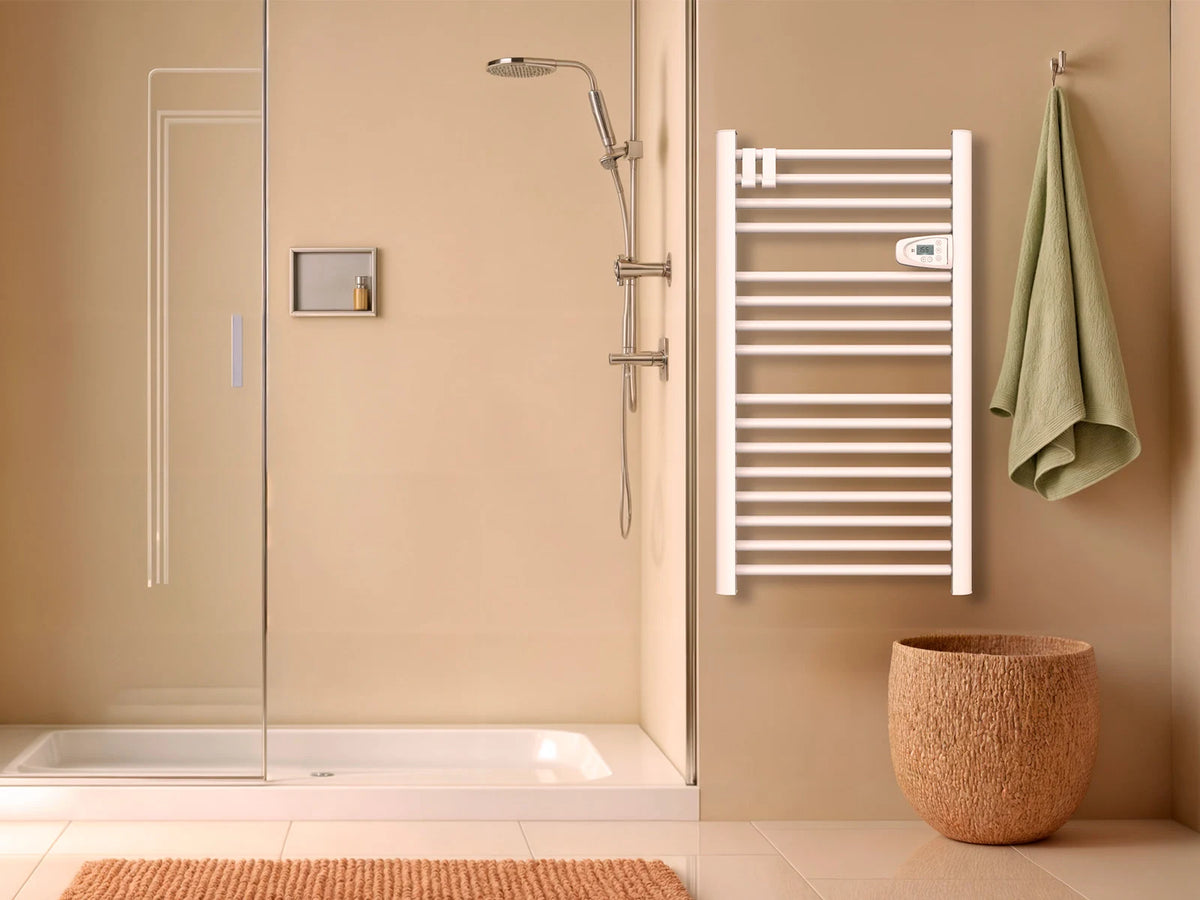
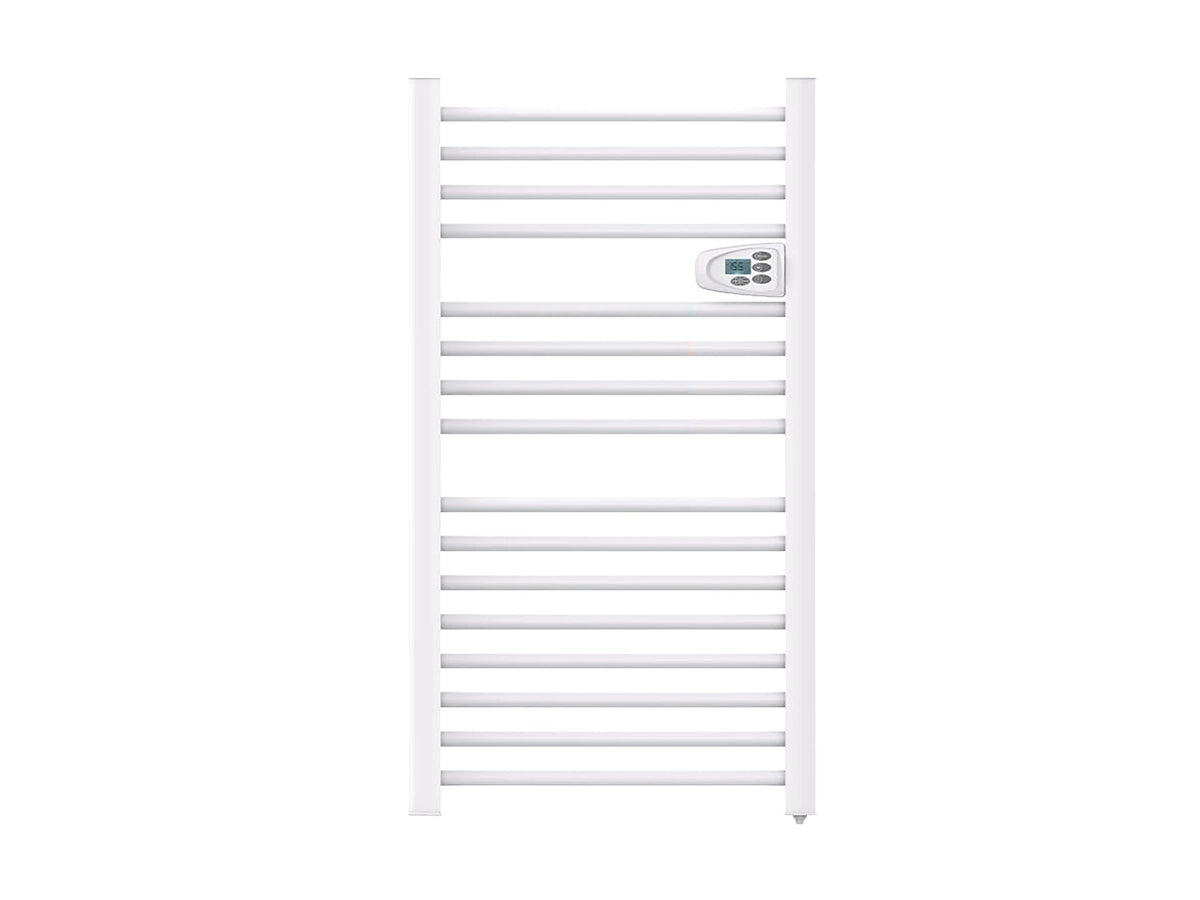
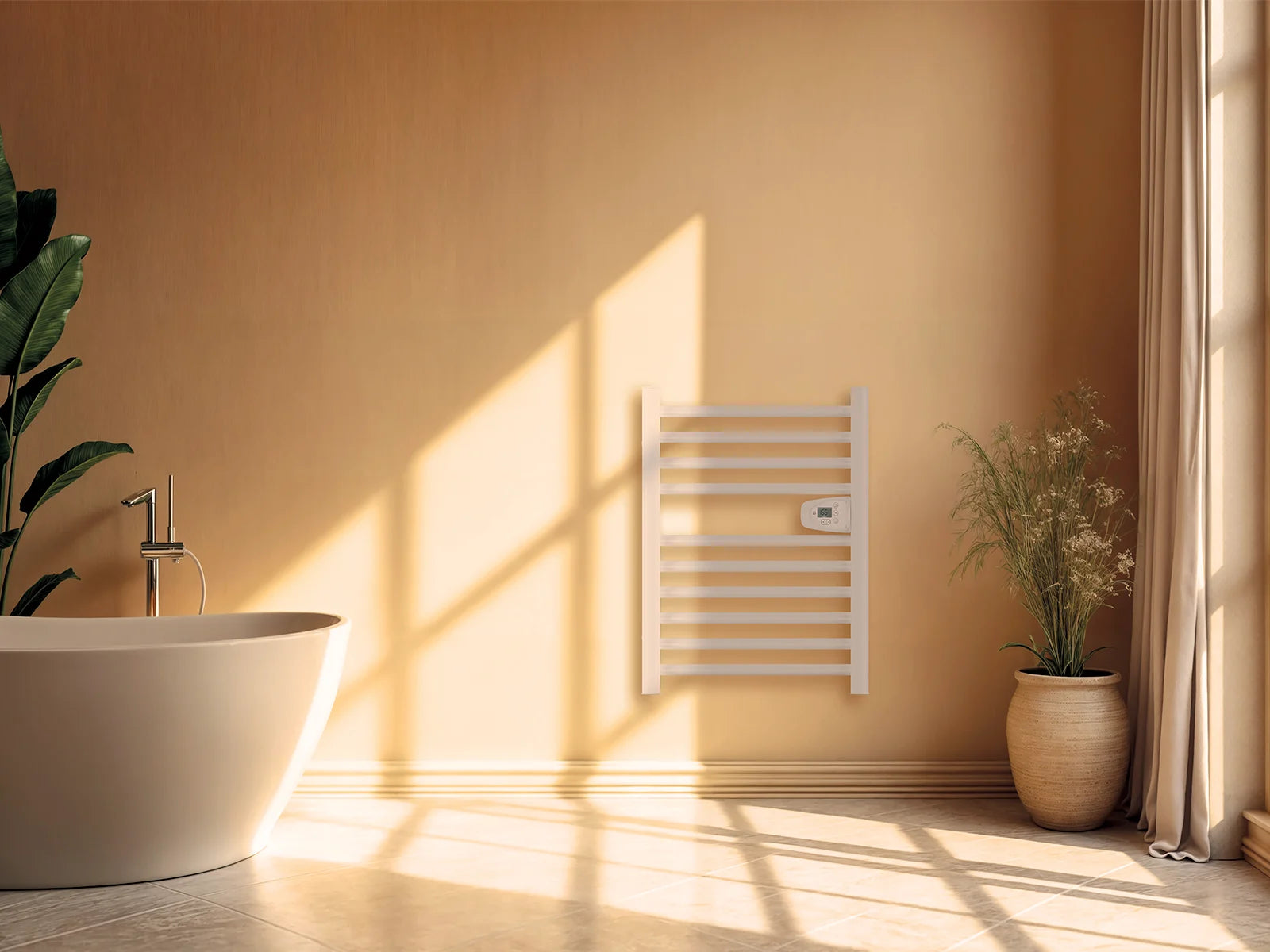
Towel Rails
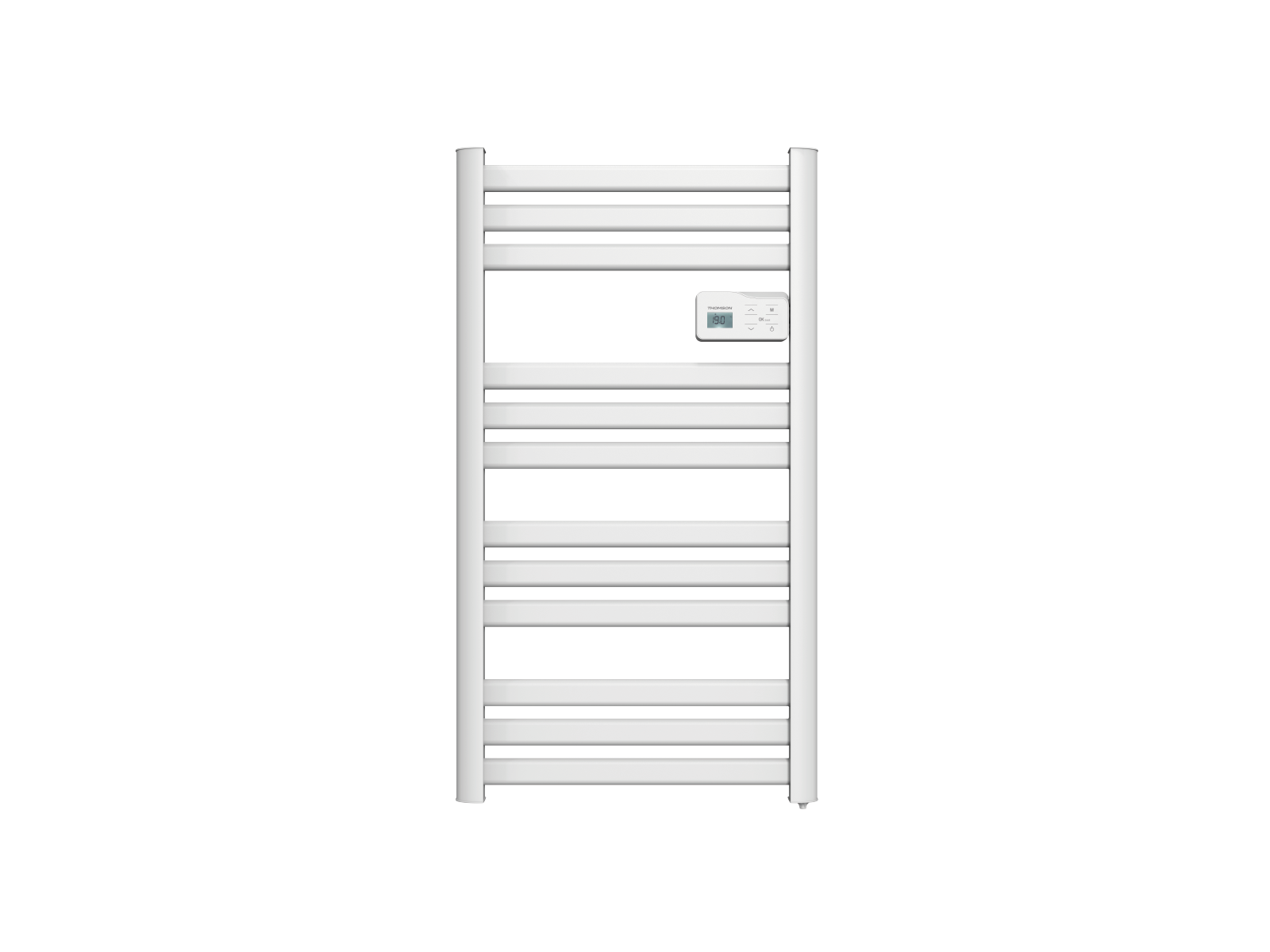
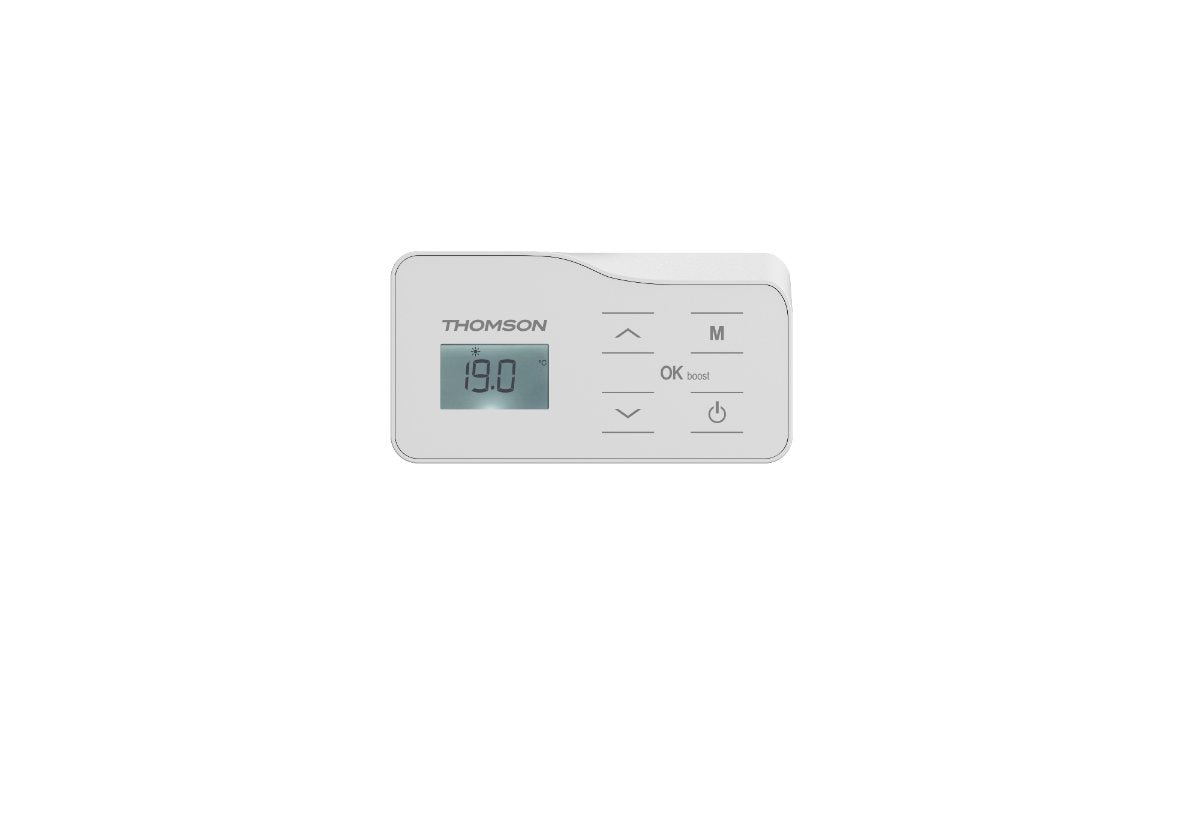
HESTIA - Fluid-free towel warmer with or without fan- Fluid-free heating with 6-command pilot wire
- Automatic open-window detection and overheat protection
- 7 customizable daily programs
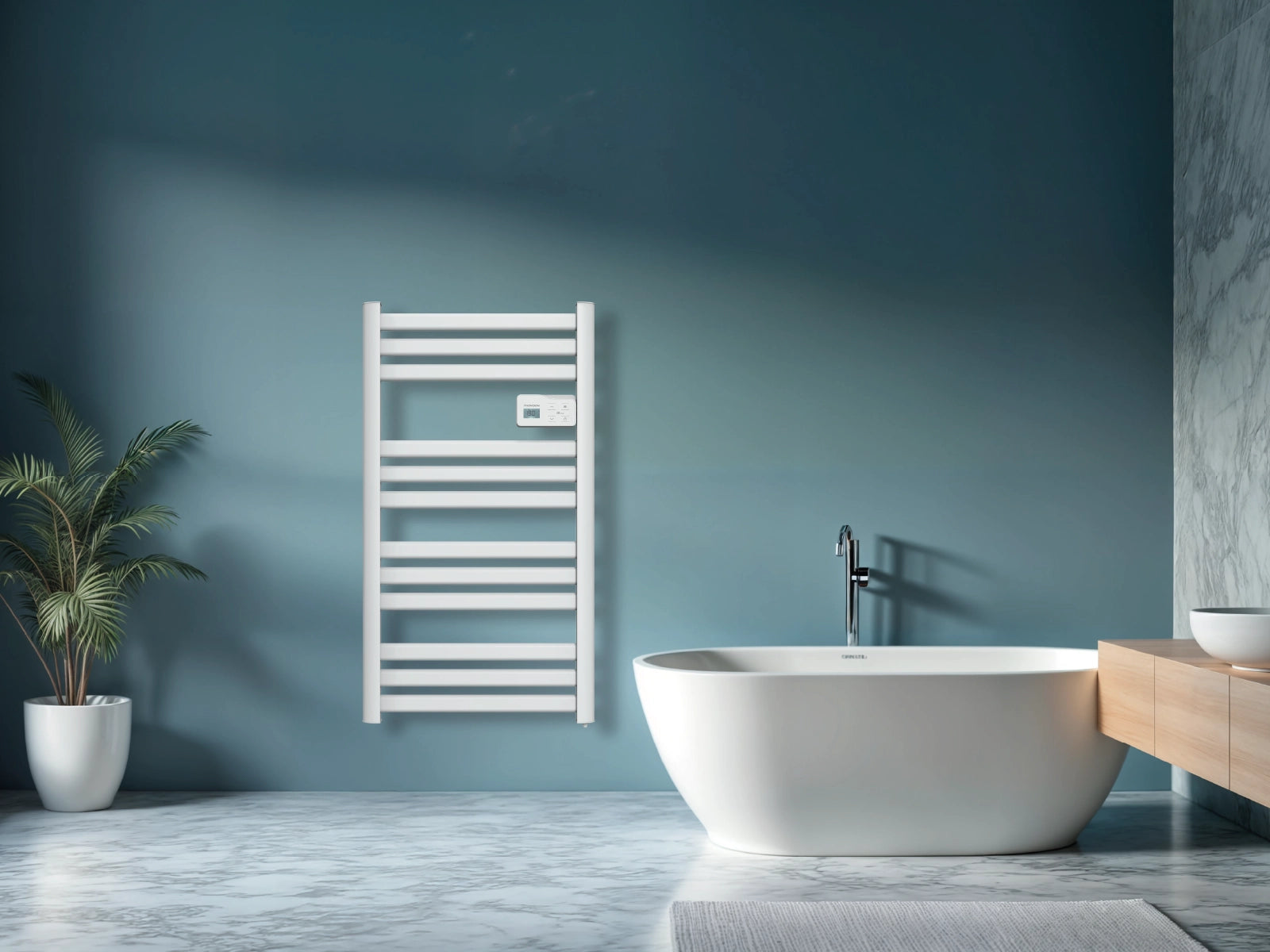
Towel Rails
COSMO - Connected fluid-free towel warmer with or without fan- Wi-Fi control via Tuya, Alexa and Google Assistant
- 7 customizable daily programs
- Available with a 1000W fan or without a fan
Towel Rails
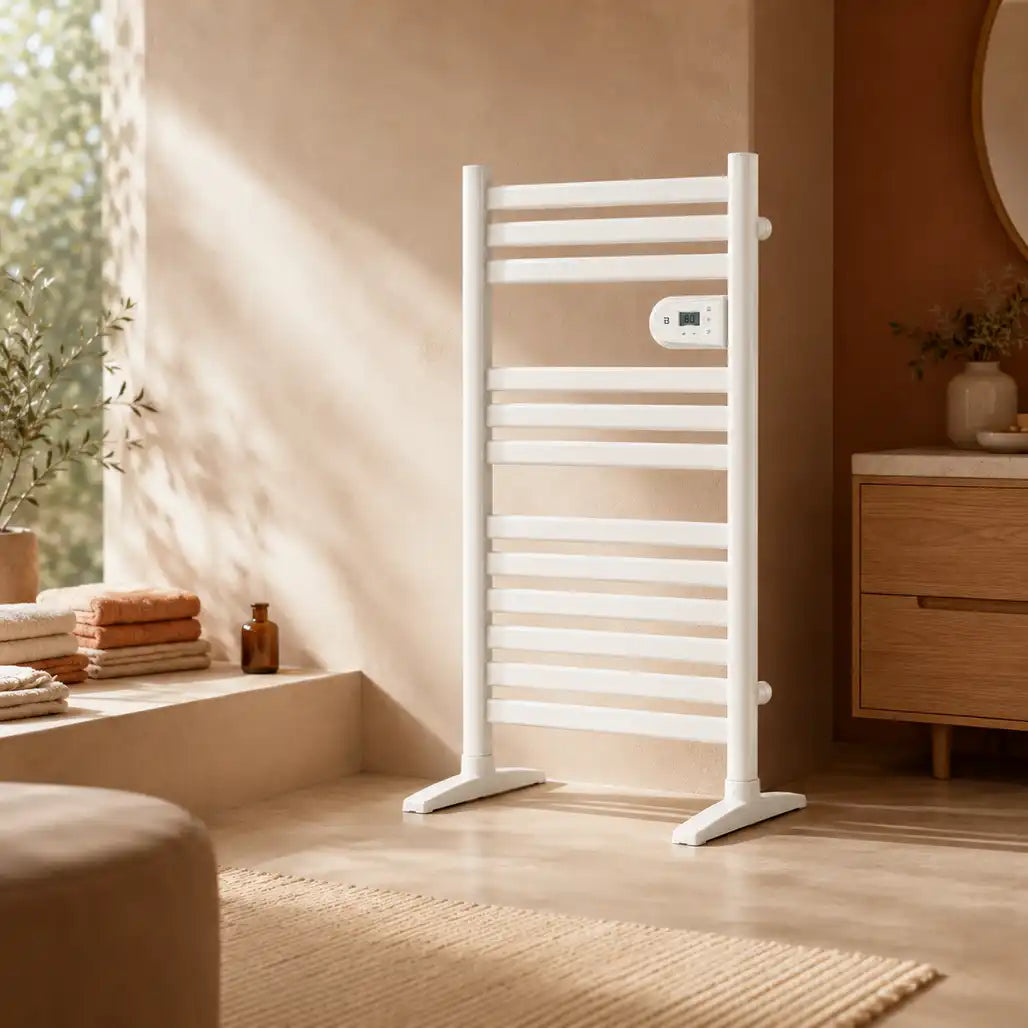
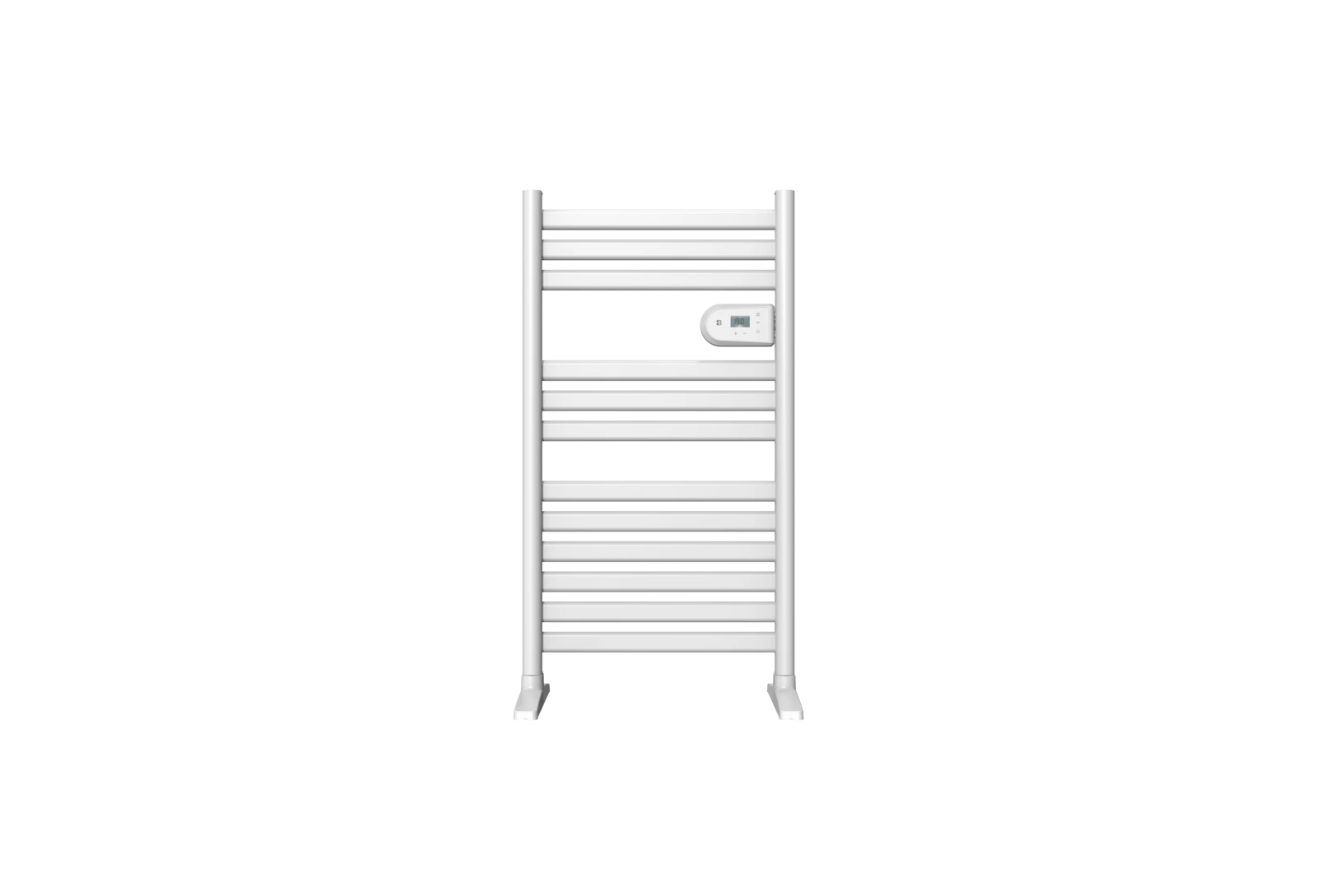
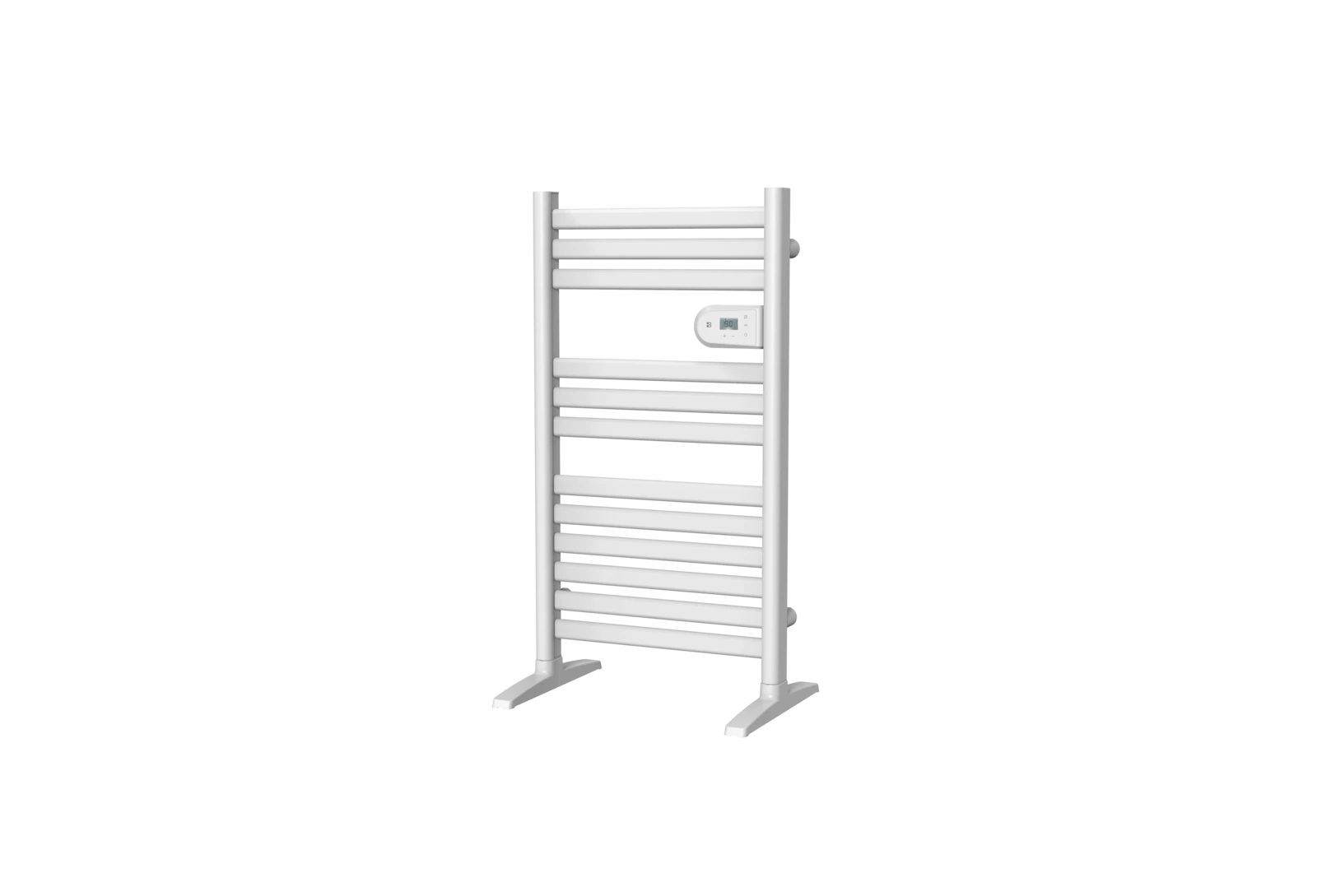
SORIA – Connected fluid-free freestanding towel warmer- Connected control for comfort from anywhere
- Compact design, plugs into an outlet
- 6 heating modes and 7 daily programs
Towel Rails
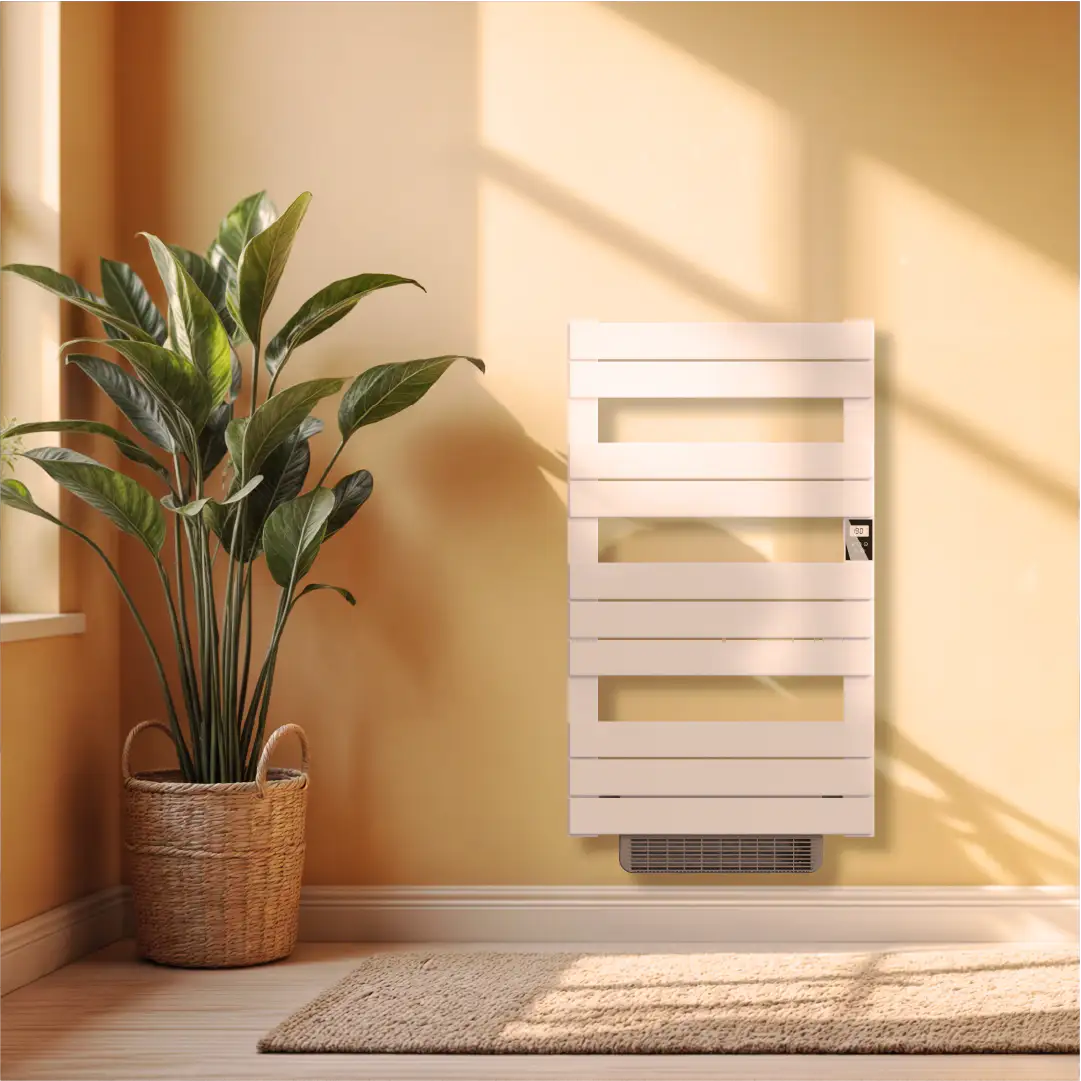
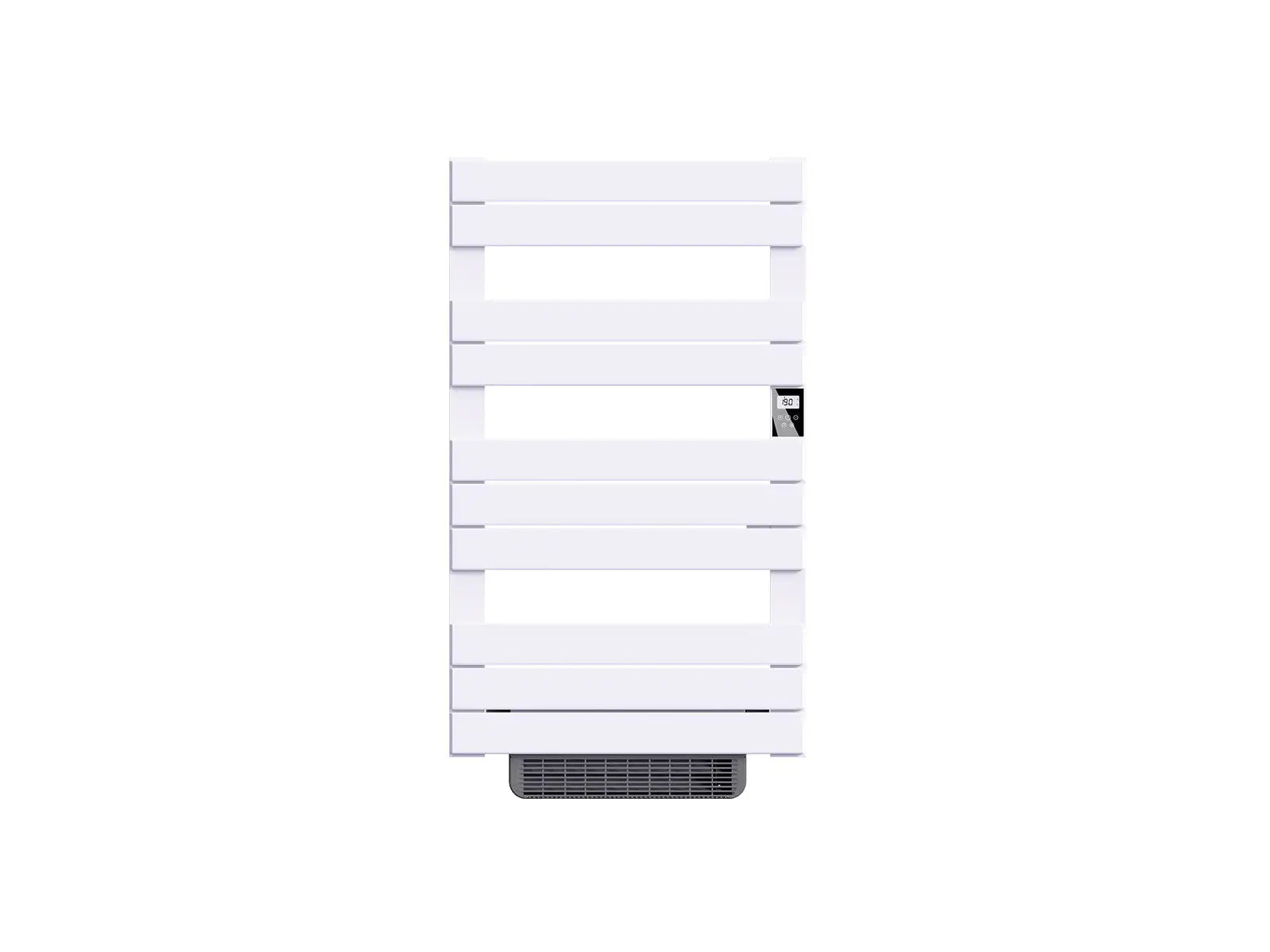
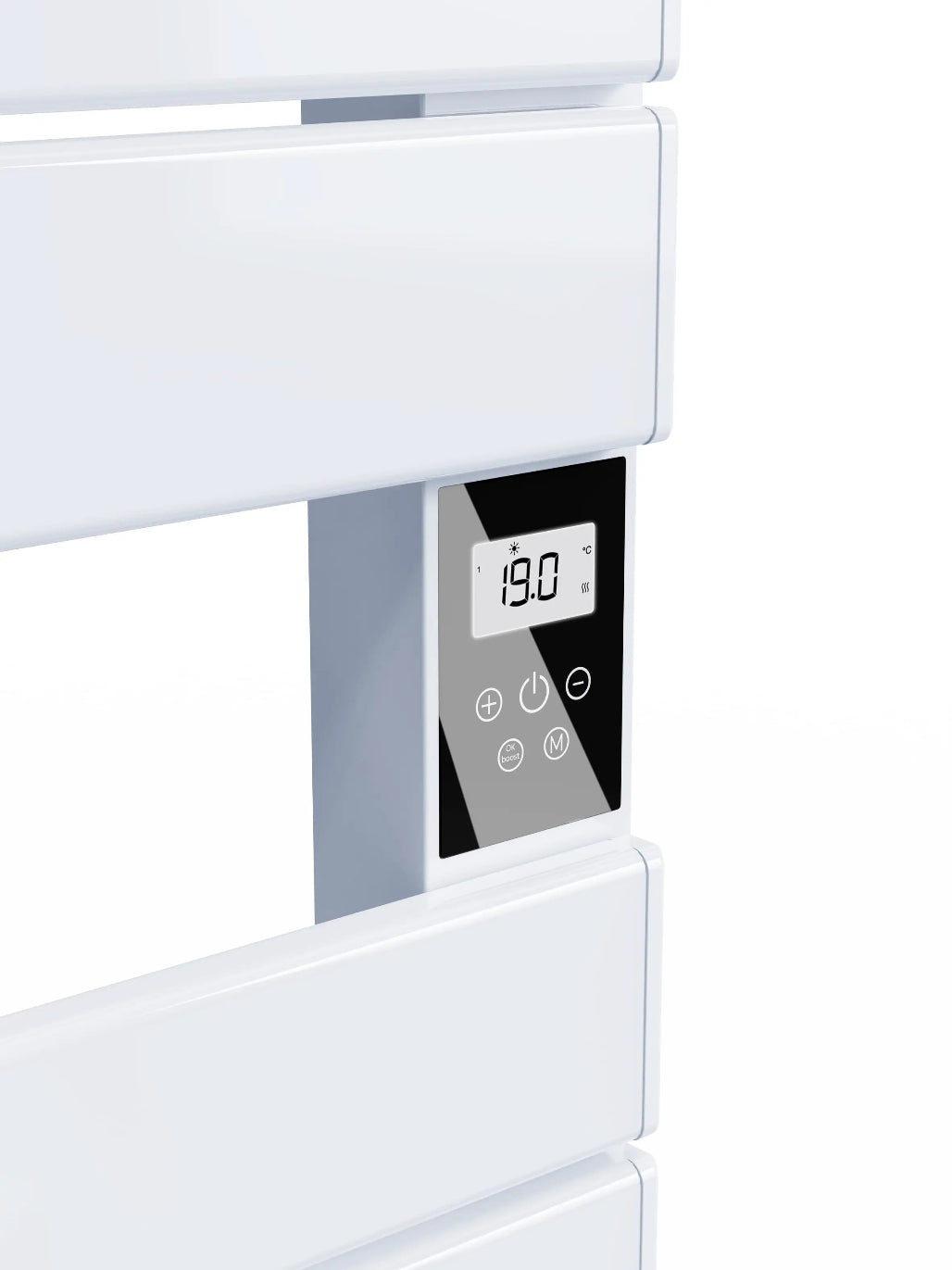
HANAE - Fluid-free towel warmer with fan- Built-in fan for rapid heating
- 7 customizable daily programs
- Open-window detection, child safety lock, and overheat protection
Towel Rails
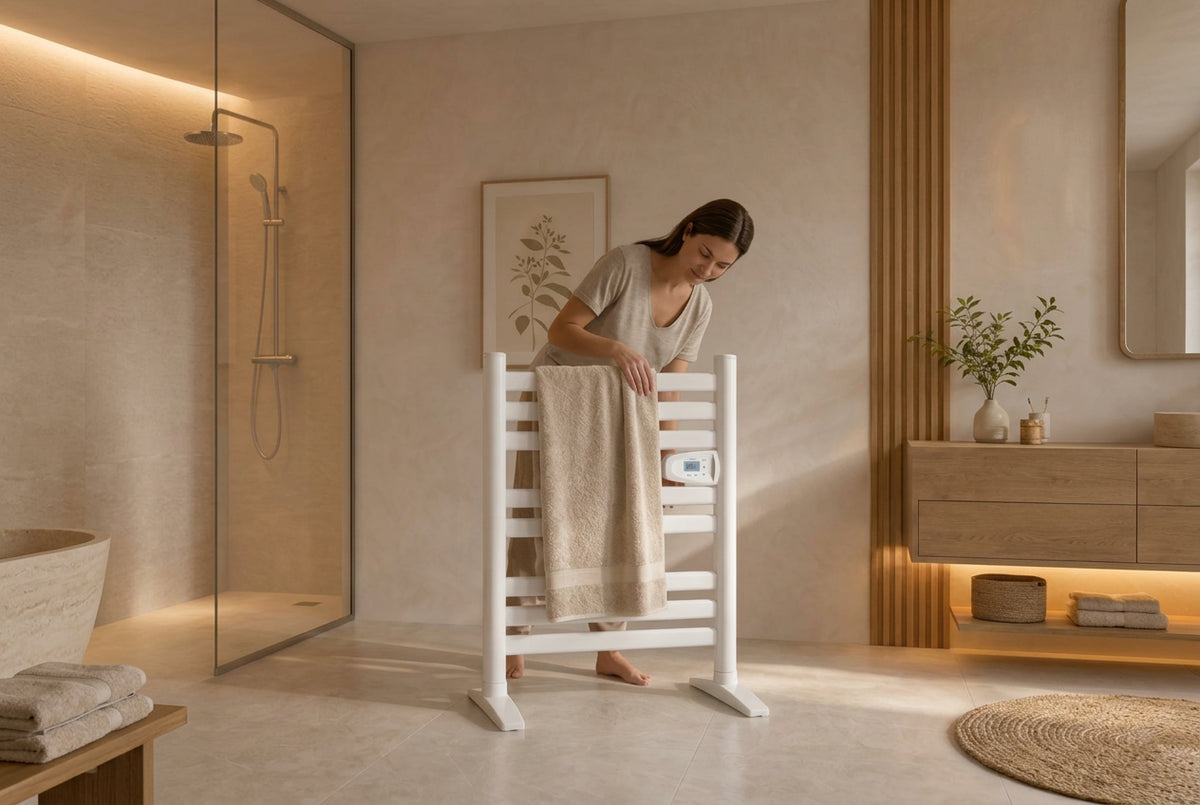
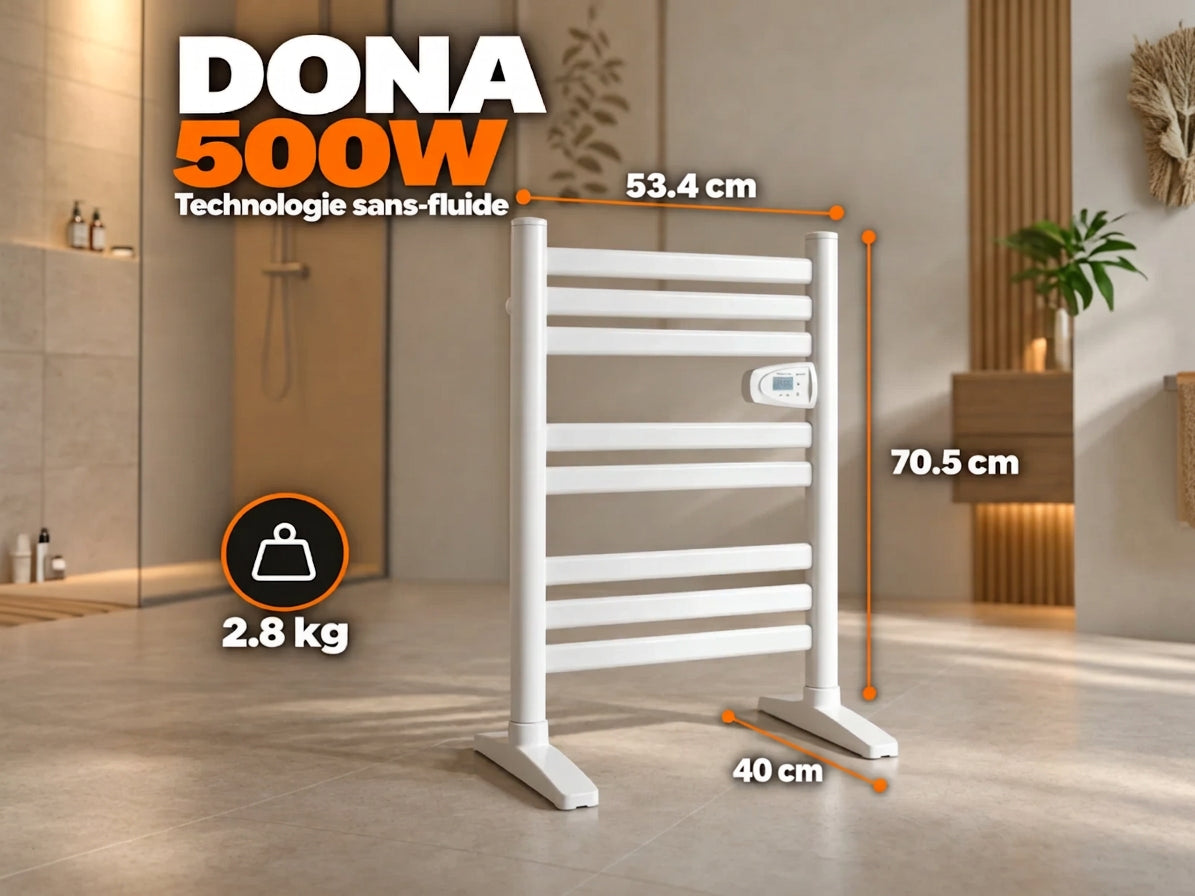
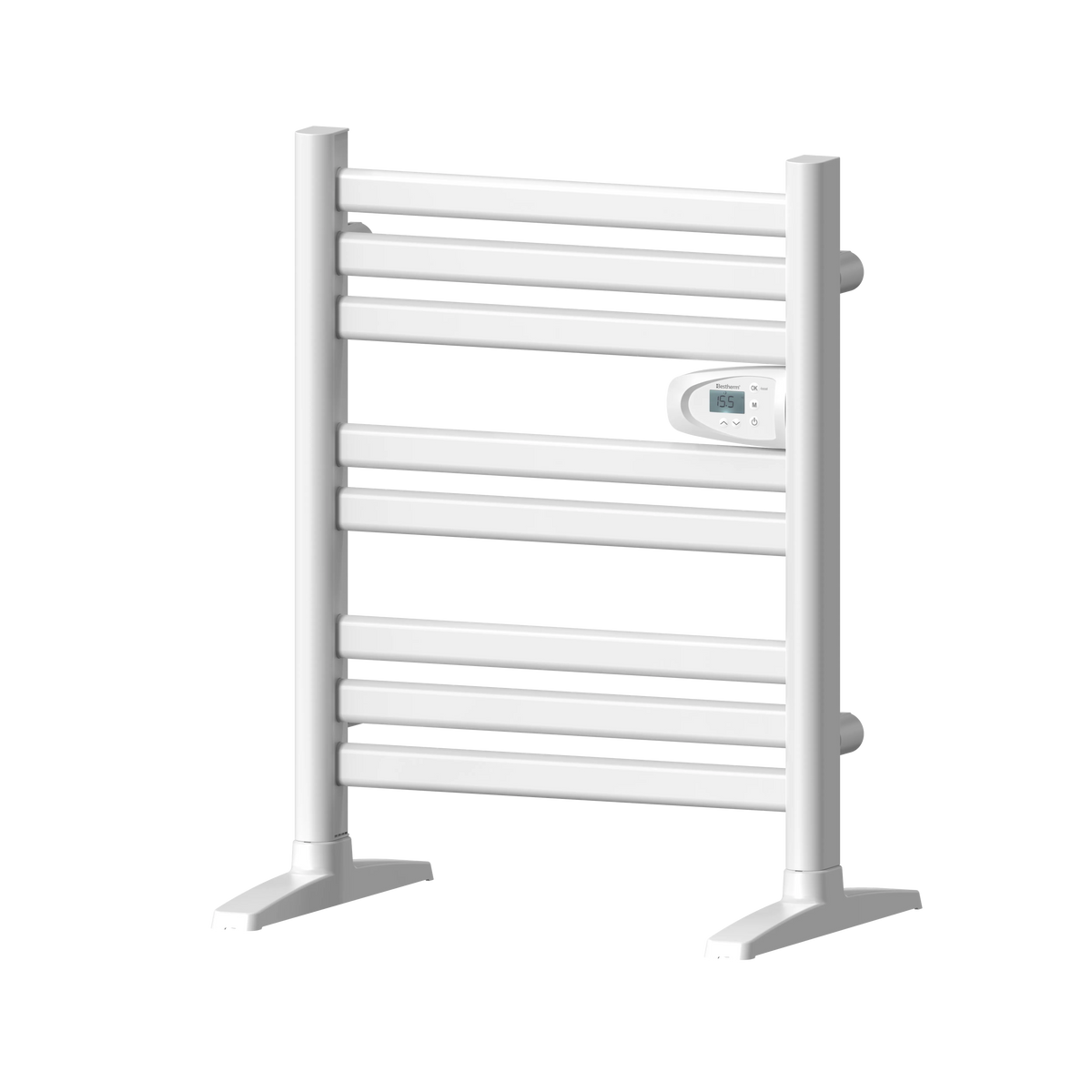
DONA – Fluid-free freestanding towel warmer- Compact design, plugs into a socket
- 6 heating modes
- 7 daily programs
Today, an electric towel rail does much more than dry your towels. It efficiently heats the bathroom, keeps your bath towels warm and helps limit humidity after every shower for greater everyday comfort.
At Bestherm, our towel rails combine heating performance, modern design and controlled energy consumption to meet the needs of every bathroom.
You can also complement your setup with our collection of electric radiators or our dehumidifier solutions for year-round comfort.
How to choose your electric towel rail
Choosing a towel rail depends first and foremost on your usage habits and your bathroom layout.
Fan-assisted towel rails: fast warm-up
Do you like stepping into a warm bathroom in the morning? Fan-assisted towel rails blow warm air in just a few minutes with their Boost function. They raise the room temperature quickly, without needing to leave the heating on for long periods.
The fan is especially useful when you need immediate comfort: in the morning before a shower, after an extended absence or during cold spells.
Dry inertia towel rails: gentle, even heat
Thanks to their heating core, dry inertia towel rails store heat before gradually releasing it throughout the room. Even after the heating element switches off, heat continues to radiate to maintain a stable, comfortable temperature.
Unlike a model that uses heat-transfer fluid, dry inertia poses no risk of leaks. It heats up quickly while maintaining a stable temperature, without drying out the ambient air. The crossbars also let you dry towels efficiently while reducing moisture marks in the room.
Connected and smart models: customizable programmable comfort
Your towel warmer adapts to your lifestyle with scheduling and remote control. You heat only when needed, improving comfort while limiting electricity consumption.
With connected electric towel warmers, you can precisely schedule heating periods so your bathroom is comfortable only when you need it, for example, around 22°C while getting ready and 16 to 17°C the rest of the time.
Weekly scheduling, a digital thermostat, and remote control help reduce unnecessary energy use while maintaining excellent comfort. Users who want to go a step further can also explore the smart towel warmer range, which automatically adjusts the heating to your usage habits.
What wattage should you choose for a bathroom towel warmer?
To heat a bathroom efficiently while drying towels, allow around 100 W per m² in a well-insulated bathroom and 125 W per m² in a less well-insulated bathroom. This estimate provides a comfortable temperature without oversizing your appliance. Compact 300 W models can also be used in a kitchen to heat and dry tea towels while taking up minimal space.
Low-consumption models optimize energy costs with a precise electronic thermostat and heating programs tailored to your lifestyle.
| Bathroom area | Recommended Wattage | Recommended use |
|---|---|---|
| Up to 3 m² | 300 W | Small bathroom, toilet, supplementary heating or towel warmer in a kitchen |
| 3 to 5 m² | 500 W (750 W if poorly insulated) | Compact bathroom, studio apartment, daily use |
| 5 to 7.5 m² | 750 W | Standard family bathroom |
| 3 to 5 m² with a need for rapid heating | 500 W + 1000 W fan heater | Bathroom that needs to warm up quickly before a shower |
| Over 5 m² or for enhanced comfort | 750 W + 1000 W fan heater | Large bathroom, cooler room, or need for immediate warmth |
The technological advantages of the Bestherm range
Every Bestherm electric towel warmer features carefully selected, reliable components and smart functions that make it easier to use and extend its service life. Depending on the model, it may also have an interchangeable thermostat.
Safety, IP24 ratings, and moisture resistance
Bathrooms are subject to specific requirements due to humidity. That’s why Bestherm towel warmers have an IP24 protection rating, which protects the unit against water splashes.
Combined with Class II double insulation, in compliance with the European Low Voltage Directive, this protection allows compliant installation in the permitted bathroom zones: Zone 2 or outside the zones, never in Zones 0 and 1 as defined by the NF C 15-100 standard.
Want to find out more? Read our blog post on installing an electric towel warmer in a bathroom. You’ll find installation requirements, safety zones, and our tips for choosing the best location.
Interchangeable thermostats and eco-friendly features
Depending on the model, Bestherm heating solutions feature an interchangeable electronic thermostat. This design simplifies maintenance, improves repairability, and lets you replace the thermostat without changing the entire unit, helping extend its service life.
Depending on the model, electronic thermostats include numerous features designed to reduce energy consumption:
- Weekly programming
- Precise digital thermostat
- 6-setting pilot wire
- Presence detection
- Window opening detector
- Smart heating schedule management
These features help optimize energy consumption while ensuring a comfortable bathroom at the right time.
FAQ: Everything you need to know about electric towel warmers
What is the ideal output for an electric towel warmer?
The ideal output depends above all on the size and insulation of your bathroom.
In most cases, a 500 to 750 W appliance is sufficient for a room of around 5 m². For larger rooms, it is best to choose a higher output or a model with a fan.
What is the difference between a fluid-filled towel warmer and a dry-inertia towel warmer?
A dry-inertia towel warmer with a solid heating core heats up quickly with no risk of leaks, while a heat-transfer-fluid model heats up more gradually.
The main benefits of dry thermal inertia are:
- Rapid heat-up for immediate comfort.
- No risk of leaks thanks to a solid heating core.
- No maintenance required for a heat-transfer fluid.
- Gentle, even, lasting heat, even after the heating element switches off.
- Stable temperature for better everyday thermal comfort.
How does the fan function work on an electric towel warmer?
The built-in fan blows warm air for a few minutes to quickly raise the bathroom temperature.
It provides immediate comfort before a shower without needing to heat the room all the time.
- Temporary Boost function for a rapid increase in temperature.
- Warm air in just a few minutes.
- Use it occasionally as needed.
- Immediate comfort without continuous energy consumption.
Where should you install an electric towel warmer in the bathroom?
The electric towel warmer must be installed in accordance with the bathroom safety zones: in zone 2 or outside the zones, never in zones 0 or 1.
We recommend choosing a Class II appliance with an IP24 rating to ensure a safe installation.
- Comply with electrical safety zone regulations.
- Install the appliance on a solid, suitable wall.
- Choose a location near the shower exit or on the coldest wall in the room.
- Hire a professional if necessary to ensure the installation meets regulations.